Cruise

Search documents
扎克伯格豪掷143亿,押注27岁华裔天才少年
36氪· 2025-07-12 08:44
Core Viewpoint - Alexandr Wang, the founder of Scale AI, has emerged as a significant figure in the AI industry, leading a company that specializes in data annotation for AI training, and has recently become a key player within Meta after a substantial investment [5][9]. Company Overview - Scale AI was founded in 2016 by Alexandr Wang, focusing on data annotation, which is essential for training AI models, particularly in the autonomous driving sector [7]. - The company quickly gained traction, securing contracts with major players like Cruise and Tesla, and later expanded its services to include training data for OpenAI's ChatGPT [7][9]. Investment and Acquisition - Meta invested $14.3 billion in Scale AI, acquiring a 49% stake, effectively making Wang an employee of Meta [9]. - This investment reflects Meta's strategy to enhance its AI capabilities, especially after facing challenges with its own AI models [15][17]. Challenges Faced - Scale AI has encountered issues with the quality of its data annotation, particularly after outsourcing tasks to low-cost labor markets, leading to instances of subpar work [11]. - The emergence of competitors, such as Surge AI, which focuses on high-quality data annotation with more skilled labor, poses a threat to Scale AI's market dominance [13]. Future Outlook - Meta's reliance on Scale AI for its AI initiatives indicates a critical juncture for both companies, as the performance of upcoming AI models will determine the success of their partnership [17].



X @TechCrunch
TechCrunch· 2025-07-10 13:01
Diligent Robotics hires two notable Cruise alumni to its leadership team | TechCrunch https://t.co/aLOzU1B6aA ...
数据起底小马文远“嘴炮”大战:均陷巨亏难言谁强,专家:先养活自己吧! | BUG
Xin Lang Ke Ji· 2025-07-04 00:24
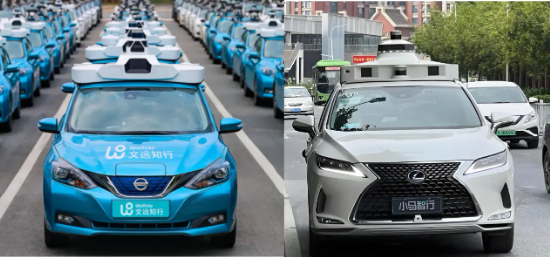
Core Viewpoint - The rivalry between Pony.ai and WeRide has intensified, particularly following comments made by Pony.ai's CTO regarding their competitive positioning in the autonomous driving sector, leading to a public rebuttal from WeRide's CFO [2][3]. Financial Performance - From 2022 to Q1 2025, Pony.ai's revenue showed a consistent increase, with figures of 489 million, 515 million, 538 million, and 100 million yuan, while WeRide's revenue declined from 526 million to 72 million yuan during the same period [3][5]. - In terms of net profit, Pony.ai reported losses of 1.06 billion, 895 million, 1.96 billion, and 308 million yuan, totaling over 4.22 billion yuan since 2022. WeRide's losses were higher, totaling over 6.15 billion yuan during the same timeframe [5][9]. - WeRide maintained a relatively high gross margin, with figures of 232 million, 183 million, and 15.17 million yuan, and gross margins of 44.1%, 45.7%, and 30.7% respectively [6]. Market Capitalization - As of July 1, Pony.ai's market capitalization was approximately $4.69 billion, which is about 2.15 times that of WeRide at $2.17 billion. WeRide's stock price has dropped over 50% since its IPO, while Pony.ai's stock has remained relatively stable [8][11]. Business Strategy - Pony.ai focuses on a dual strategy of "Robotaxi + Robotruck" and aims to provide technology solutions to automotive companies, while WeRide employs a diversified approach with a product matrix that includes Robotaxi, Robobus, Robovan, and Robosweeper [12][13]. - WeRide has over 1,200 autonomous vehicles in operation and has secured over 10,000 orders for customized L4 autonomous vehicles, whereas Pony.ai has around 300 Robotaxis and 190 Robotrucks [12][13]. Industry Outlook - The Robotaxi market is projected to potentially generate up to $34 trillion by 2030, with significant competition emerging from various players, including Tesla and established companies like Waymo and Cruise [14]. - The ability to generate revenue and establish operational capabilities is becoming increasingly critical for companies in the Robotaxi sector, as reliance on financing is diminishing [14][15].
十年磨一剑的Robotaxi,能拯救低迷的特斯拉吗?
3 6 Ke· 2025-07-01 02:50
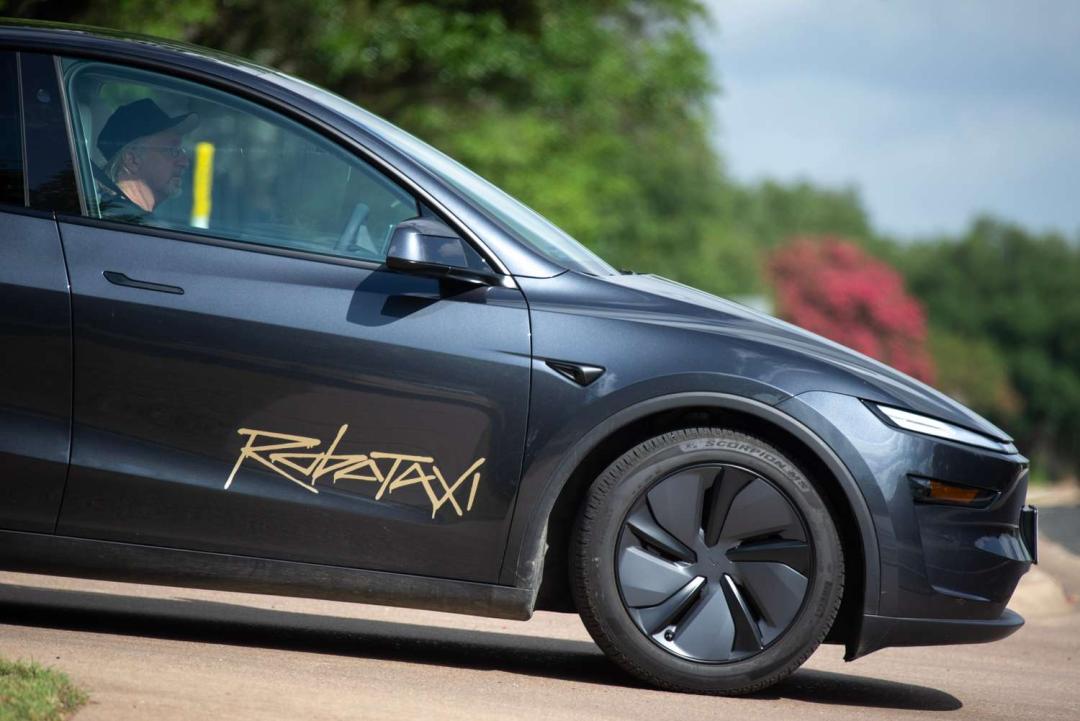
Group 1 - Tesla's stock surged over 10% following the launch of its Robotaxi service in Austin, Texas, resulting in a market value increase of $100 billion [1][4] - The initial feedback from users highlighted the smooth and comfortable driving experience of Robotaxi, with many comparing it to an experienced human driver [3][6] - Wall Street analysts have raised their price target for Tesla shares to $500, indicating a positive outlook for the company's future following the launch [4] Group 2 - Robotaxi demonstrated impressive capabilities in various driving conditions, including night-time visibility and obstacle recognition, showcasing its advanced technology [6][10] - The latest version of Tesla's Full Self-Driving (FSD) system, V13, is considered a benchmark in the industry, with reports suggesting it can operate without human intervention in 97% of driving scenarios [13] - User interactions have been enhanced with a rear screen that allows passengers to control various functions, including navigation and climate settings [15][17] Group 3 - Despite its promising performance, Robotaxi is not without flaws, with reports of unexpected braking and misinterpretation of roadside situations [18][20][24] - The presence of safety drivers in each Robotaxi indicates a level of caution from Tesla, suggesting that the technology is still in a testing phase [25][26] - The limited operational area of Robotaxi in Austin raises questions about its scalability and reliability in diverse environments [23][24] Group 4 - Tesla's approach to Robotaxi differs from competitors like Waymo, focusing on a lower-cost model that utilizes existing vehicle designs, which could lead to more affordable ride prices [39][45] - The potential for a large-scale Robotaxi network, with estimates suggesting up to 2.3 million vehicles in the U.S. by 2040, indicates significant revenue opportunities for Tesla [56] - Tesla aims to integrate its Robotaxi service with a model that allows vehicle owners to participate in the network, potentially increasing sales and user engagement [49][54]

马斯克把Robotaxi捧上天,这里是不看好的5大理由
Sou Hu Cai Jing· 2025-06-25 03:51
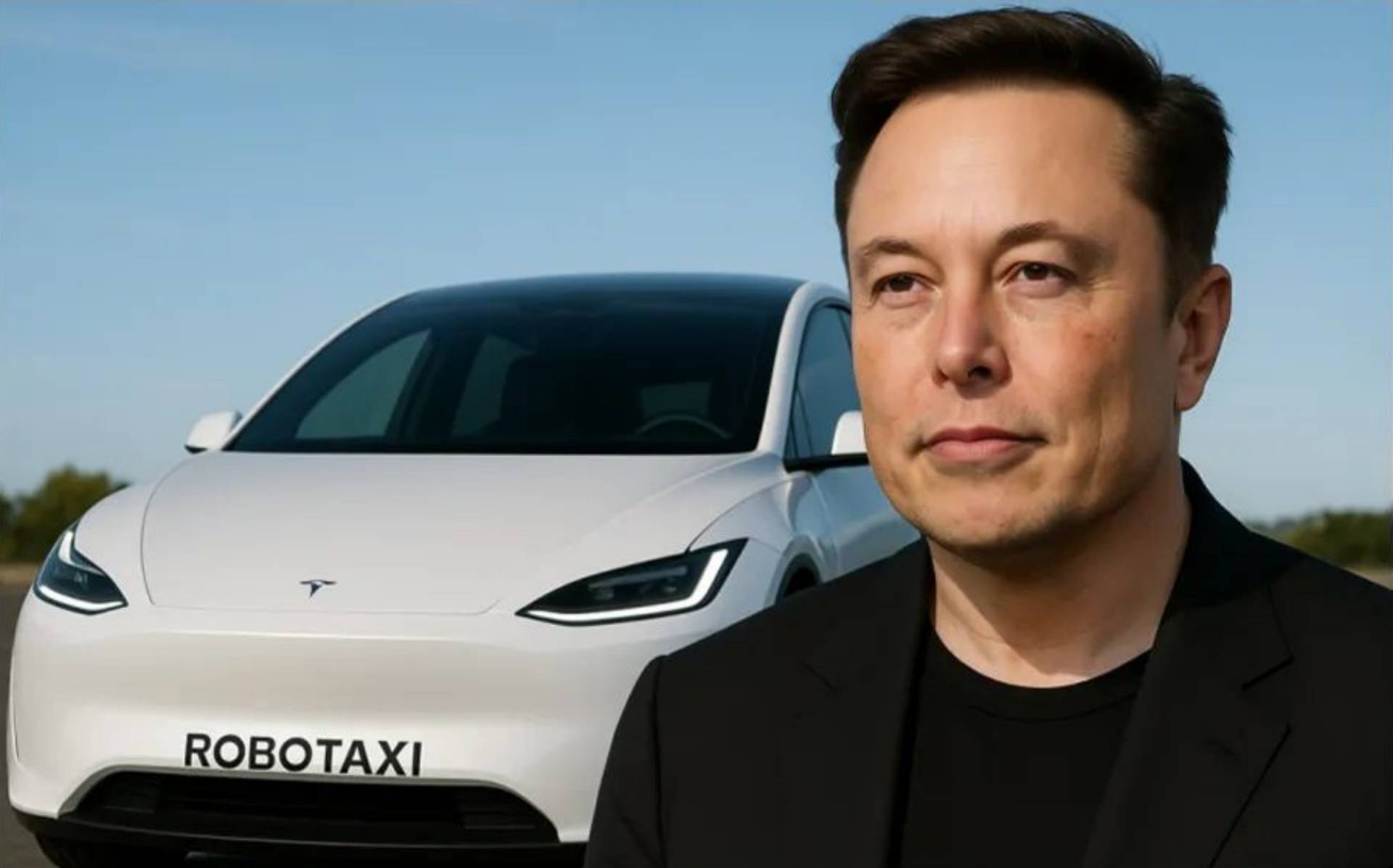
Core Viewpoint - The article discusses the mixed opinions surrounding Tesla's Robotaxi initiative, highlighting skepticism from some experts while others express optimism about its potential impact on the company's future valuation and business model [2][16][17]. Group 1: Expert Opinions - Michael Smitka, an economics professor, is skeptical about the success of Robotaxi, citing high operational costs and limited market size as major concerns [3][4]. - Horizon founder Yu Kai also views Robotaxi as a minor trend, emphasizing that true personalization is the larger trend in the industry [3]. - Some analysts believe that the valuation of Robotaxi could reach nearly $1 trillion by 2029, significantly surpassing traditional vehicle sales profits [14]. Group 2: Tesla's Robotaxi Launch - Tesla initiated a trial run of Robotaxi in Austin, Texas, with 10-20 vehicles, although reports suggest up to 35 vehicles may have been deployed [5][6]. - The service operates on an invitation-only basis and utilizes the Tesla App for ride requests, with a fixed fare of $4.20 per trip [6][7]. - Feedback from users has been generally positive, though there have been reports of navigation issues and misjudgments by the vehicle [7]. Group 3: Market Reactions - Following the launch of Robotaxi, Tesla's stock price surged over 8%, with analysts raising the target price from $350 to $500, projecting a market cap of $2 trillion [13]. - Some analysts argue that Robotaxi represents a critical step towards Tesla's vision of becoming a platform company, while others caution against over-optimism [16][17]. Group 4: Regulatory Environment - Texas has a relatively lenient regulatory framework for autonomous vehicles, allowing Tesla to operate without special permits [20]. - In contrast, California has stricter regulations, requiring multiple permits for testing and commercial operation, which Tesla has yet to secure [21][22]. - The regulatory landscape is expected to tighten in Texas by 2025, necessitating more comprehensive safety documentation from Robotaxi operators [20]. Group 5: Future Developments - Tesla plans to deploy 1,000 Robotaxis within months and expand to 25 cities by the end of 2025, competing directly with Waymo [8][9]. - The company aims to introduce new models specifically designed for autonomous driving, such as Cybercab and Robovan, by 2026-2027 [10]. - Tesla is developing a comprehensive cleaning system for its Robotaxi fleet to maintain hygiene without human intervention, addressing a key operational challenge [24][25].
马斯克把Robotaxi捧上天,这里是不看好的5大理由
汽车商业评论· 2025-06-24 23:29
Core Viewpoint - The article discusses the mixed opinions surrounding Tesla's Robotaxi initiative, highlighting both skepticism from experts and enthusiasm from the market, indicating a significant divide in perceptions about its potential success and valuation [4][26]. Group 1: Expert Opinions on Robotaxi - Michael Smitka, an economics professor, expresses skepticism about the Robotaxi business model, citing high operational costs and limited market size as major concerns [5]. - Horizon founder Yu Kai also downplays the significance of Robotaxi, suggesting that true personalization in transportation is the larger trend [5]. - In contrast, there is considerable excitement in the market following Tesla's entry into the Robotaxi space, with many stakeholders eager to participate [6]. Group 2: Tesla's Robotaxi Trial - Tesla launched a trial of its Robotaxi service in Austin, Texas, with 10-20 vehicles, although reports suggest up to 35 were deployed [8]. - The service operates on an invitation-only basis, utilizing the Tesla App for ride requests and is available in a designated area from 6 AM to midnight [10]. - The fare is set at a flat rate of $4.20 per ride, with plans for dynamic pricing in the future based on various factors [12]. Group 3: Performance and Challenges - User feedback on the trial has been generally positive, though some issues such as slow navigation and route misjudgments have been reported, prompting an investigation by the NHTSA [14]. - Tesla's Full Self-Driving (FSD) system relies on a vision-based approach without Lidar, which the company claims enhances scalability and cost efficiency [15]. - Elon Musk aims to deploy 1,000 Robotaxis within months and expand to 25 cities by the end of 2025, competing directly with Waymo [16]. Group 4: Market Valuation and Expectations - Following the trial launch, Tesla's stock surged over 8%, with analysts raising price targets significantly, suggesting a potential market cap of $2 trillion [21]. - Some analysts predict that the Robotaxi business could be valued at nearly $1 trillion by 2029, emphasizing a shift from one-time vehicle sales to a recurring revenue model [21]. - Morgan Stanley estimates that the potential valuation of Tesla's FSD and Robotaxi business could account for nearly half of the company's current valuation [22]. Group 5: Regulatory Environment - The regulatory landscape for Robotaxi operations is inconsistent, with Texas being one of the few states allowing Level 4 autonomous driving trials [30]. - California has a more stringent regulatory framework, requiring multiple permits for testing and commercial operations, which Tesla has yet to secure [33]. - The article highlights the potential risks associated with regulatory changes and the need for Tesla to enhance transparency and communication with regulators [38]. Group 6: Cleaning Technology for Robotaxi - Tesla is developing an automated cleaning system for its Robotaxi fleet to ensure maintenance without human intervention [41]. - The cleaning system includes features for automatic camera cleaning and a robotic cleaning system at operational hubs [45]. - This approach aims to address the challenges of maintaining cleanliness in a fully autonomous vehicle environment [48].
全球主要Robotaxi运营商情况梳理
2025-06-12 15:07
Summary of Robotaxi Industry and Key Players Industry Overview - Robotaxi represents the ultimate model for commercializing Level 4 (L4) and above autonomous driving, facing safety and pricing concerns but expected to lower costs through technological maturity and economies of scale [1][2][3] - The Robotaxi operation is projected to generate an additional $260 billion in the domestic market by 2030, with a penetration rate of at least 10% [1][3] Key Players and Developments - **Waymo**: - Increased sensor configurations and partnered with Zeekr, capturing a significant market share in the San Francisco ride-hailing market with a 20% order market share, fleet size of 1,500 vehicles, and over 10 million paid rides [1][3] - **Xiaoma Zhixing (Pony.ai)**: - Collaborated with GAC Aion to reduce new model costs by 70%, with an operational area exceeding 2,000 square kilometers and a 200% year-on-year revenue increase in Q1 [1][3][6] - Plans to have 1,000 vehicles operational by the end of the year and has initiated RoboTaxi road tests in Seoul, South Korea [4][6] - **Tesla**: - Announced the official launch of Robotaxi on June 22, 2025, focusing on the feasibility of pure vision technology and significant cost reduction potential [2][8] Market Dynamics - Robotaxi is expected to create new demand in the transportation market, similar to how ride-hailing services expanded the market through differentiated services [2][3] - The current market concerns about Robotaxi affecting traditional taxi and ride-hailing services are countered by the expectation that it will expand the overall market [2][3] Regulatory Environment - Both China and the U.S. are leading in autonomous driving regulations, with multiple cities allowing paid autonomous driving operations [5][7] - Recent regulations in China, such as the promotion of intelligent connected vehicles and the release of technical guidelines, support the deployment of L3 and above autonomous driving [7] Future Trends - The automotive sector is expected to continue focusing on smart technology, with the launch of Tesla's Robotaxi likely to further stimulate the smart vehicle theme [9] - The penetration rate of intelligent driving in domestic cities is anticipated to rise rapidly, driven by the focus on vehicles priced between 100,000 to 200,000 yuan [9] Investment Recommendations - Recommended stocks include Xiaopeng Motors, Tesla, Li Auto, and Xiaoma Zhixing, with a focus on parts supplier, Aptiv [10]
政策产业共振,“RoboX”迎来新成长
HTSC· 2025-06-03 08:10
Investment Rating - The report maintains an "Overweight" rating for the automotive and electronics sectors [6] Core Insights - The Robo X industry, represented by Robotaxi and Robovan, is experiencing accelerated commercialization driven by policy and industry resonance, with significant market attention due to multiple catalysts [10][11] - The global and China L4 autonomous driving market is projected to reach USD 15.35 trillion and USD 581 billion respectively by 2030, with a CAGR of 104% and 105% from 2025 to 2030 [10] - The report suggests focusing on core operational platforms, high-growth hardware suppliers, and innovative application scenario developers as investment opportunities [44] Summary by Sections Robotaxi - The commercialization of Robotaxi is accelerating, with leading companies like Pony.ai, WeRide, and Loongrun expanding fleet sizes and increasing order volumes [2][12] - Pony.ai's Robotaxi service revenue grew by 200% year-on-year in Q1 2025, while WeRide's revenue contribution reached 22.3%, up 10.4 percentage points year-on-year [2][19] - The policy environment is improving, with major cities expanding operational areas and refining license management, which lowers operational costs for companies [12][19] Robovan - Robovan is showing significant potential in logistics, with a positive cycle of "cost reduction-application validation-scale expansion" forming [3][23] - The hardware costs have drastically decreased, with models like the New Stone X3 dropping from CNY 200,000 to CNY 70,000, and the Jiushi Intelligent E6 model priced at CNY 19,800, a 91% reduction [3][23] - Major players are accelerating financing and production expansion, with Jiushi Intelligent targeting the delivery of 10,000 units in 2025 [3][24] Broader Applications - The Robo X concept extends beyond Robotaxi and Robovan to include applications like Robosweeper and Robotruck, which are also seeing accelerated commercialization [4][14] - Robosweeper has been deployed in multiple cities, reducing labor costs and improving operational efficiency [4][40] - Drone logistics is emerging as a key area, with significant potential in last-mile delivery and complex terrain transport, supported by favorable policies [41][42] Investment Opportunities - The report recommends focusing on core operational platforms that have achieved scalable operations and possess clear cost reduction paths, such as Pony.ai [44] - High-growth component suppliers in critical areas like lidar and high-performance chips are also highlighted as potential beneficiaries of the autonomous vehicle rollout [44] - Companies that integrate autonomous driving technology with specific industry applications, such as smart warehousing and last-mile delivery robots, are identified as innovative scenario developers [44]




Robotaxi新消息密集释放,量产元年来临谁在领跑?
美股研究社· 2025-05-21 11:59
Core Viewpoint - The Robotaxi industry is experiencing a significant competitive race for commercialization, with major players in both the US and China making substantial advancements towards operational deployment by 2025 [1][2]. Group 1: Market Overview - The global Robotaxi market is projected to grow from $290 million in 2025 to $66.6 billion by 2030, with China expected to capture over half of the global market share [4]. - The transition from the fourth to the fifth stage of Robotaxi development is critical, as many companies have spent 5-7 years in technology validation and exploration [4][6]. Group 2: Technological Advancements - Companies like Xiaoma Zhixing have achieved significant milestones, operating nearly 300 Robotaxis and accumulating over 45 million kilometers in testing, laying a solid foundation for mass production [6]. - Xiaoma Zhixing's self-developed "World Model" and "Virtual Driver" technologies enable extensive simulation and real-time adaptability, enhancing operational reliability [10][11]. Group 3: Cost and Production - Achieving large-scale production of Robotaxis hinges on reliability and economic viability, with a focus on cost control and vehicle-level integration [8][11]. - Xiaoma Zhixing's seventh-generation vehicle system is set to reduce production costs by 70% compared to previous models, enhancing economic feasibility for mass production [11][13]. Group 4: Commercialization Path - The commercialization of Robotaxis is progressing towards a clear operational model, with Xiaoma Zhixing aiming for single-vehicle profitability by 2025 through cost reductions and efficient monitoring [15][19]. - The expansion of application scenarios from closed environments to urban areas is crucial, with Xiaoma Zhixing targeting high-density markets such as city centers and transportation hubs [18][19]. Group 5: Competitive Landscape - The competitive landscape is evolving, with companies like Waymo and Cruise facing challenges while Chinese firms like Xiaoma Zhixing leverage local advantages to accelerate their market presence [6][19]. - Partnerships with various automotive manufacturers are reducing supply chain dependencies and ensuring stable production capacity for Robotaxi services [13].
超过霉霉,她拿下全球最年轻女富豪
创业家· 2025-05-16 09:55
Core Viewpoint - Lucy Guo has become the youngest self-made female billionaire globally, surpassing Taylor Swift, with a net worth of approximately $1.25 billion, primarily due to her stake in Scale AI and her entrepreneurial ventures [3][4][10]. Group 1: Lucy Guo's Background and Achievements - Lucy Guo, born on October 14, 1994, in Fremont, California, is the daughter of Chinese immigrant electrical engineers and showed an early interest in technology and entrepreneurship [8][9]. - She dropped out of Carnegie Mellon University after receiving the Thiel Fellowship, which encouraged her to pursue entrepreneurship [9]. - Guo co-founded Scale AI at the age of 21, where she played a significant role in operations and product design [10]. Group 2: Scale AI's Growth and Valuation - Scale AI has achieved a valuation of $25 billion, an 80% increase from the previous year, driven by its data labeling services for AI training [13][16]. - The company has expanded its services from basic data labeling to a comprehensive AI-as-a-Service (AIaaS) model, catering to major clients like Cruise and Tesla [14][15]. - In 2023, Scale AI reported an annual revenue of $750 million, a threefold increase, and is projected to exceed $2 billion in revenue this year [16]. Group 3: Investment and Future Prospects - Lucy Guo retains approximately 5% of Scale AI's shares, valued at nearly $1.2 billion, contributing significantly to her billionaire status [13][16]. - Scale AI's successful funding rounds and strategic partnerships with major tech firms have positioned it as a leading player in the AI industry, benefiting from the growing demand for large-scale data labeling [15][16].