
光大环境

Search documents
城市更新:更新什么?哪些机会?
2025-07-16 00:55
Summary of Conference Call Records Industry Overview - **Urban Renewal**: Transitioning from large-scale incremental development to enhancing existing stock, with a total investment scale expected to reach hundreds of billions to trillions, presenting both opportunities and challenges for the construction and building materials industry [1][11] - **Infrastructure Development**: Focus shifting to high-quality development, with an emphasis on transportation, energy, water networks, computing power, information, and logistics. Projects like urban gas pipeline renovations are expected to be completed by 2025, necessitating attention to investment efficiency [1][10] - **Real Estate Market**: The market for renovation of existing homes is projected to surpass that of new homes for the first time in 2024, indicating resilience and potential growth in the sector [1][12] Key Points and Arguments - **Urban Renewal Strategy**: Emphasizes the protection of historical architecture and limits on super-tall buildings, marking a shift from demolition to preservation [5][6] - **Construction and Building Materials Impact**: The industry must adapt to new policies, enhance technical standards, and increase the use of green materials to meet the demands of high-quality urban renewal [9][11] - **Engineering Machinery Sector**: The industry saw a 6% year-on-year increase in sales in June, with small excavators in high demand. A recovery cycle is anticipated over the next three to five years, with stable demand potentially reaching 200,000 units [14][15] Additional Important Insights - **Market Sentiment**: Initial market expectations for the conference were high, particularly for real estate and construction sectors, but subsequent performance indicated a weaker response than anticipated [2] - **Smart City Development**: The integration of digitalization and urban data management is expected to enhance operational efficiency and emergency management in urban planning [3][13] - **Public Environmental Sector**: The central government has introduced financial support policies for urban renewal, which will benefit water and waste management sectors, with specific funding caps for different regions [24][25] Recommendations for Investors - **Key Companies to Watch**: In the engineering machinery sector, companies like SANY Heavy Industry, XCMG, LiuGong, and Zoomlion are recommended due to their strong competitive positions and profitability [19] - **Public Environmental Companies**: Companies such as Hanlan Environment, Green Power, and Everbright Environment are highlighted for their stable operations, improving cash flows, and favorable valuations [26][27] Future Trends - **Urban Infrastructure**: The focus will be on modernizing urban systems with a networked approach, particularly in major economic zones like Beijing-Tianjin-Hebei and the Yangtze River Delta [20] - **Environmental Policy Support**: Increased government backing for infrastructure projects related to water supply and waste management is expected to drive growth in the public environmental sector [25][27]
瀚蓝环境20250714
2025-07-15 01:58
Summary of the Conference Call for Hanlan Environment Company Overview - **Company**: Hanlan Environment - **Industry**: Waste Management and Environmental Services Key Points and Arguments Financial Performance - Hanlan Environment achieved a net profit attributable to shareholders of 967 million yuan in the first half of 2025, representing a year-on-year increase of 9%. Excluding one-time gains, the growth rate was 27.71% [3] - The company reported a 15.5% growth in organic business, surpassing the 10% growth in Q1 [3] - The company’s revenue from solid waste treatment has seen a compound annual growth rate (CAGR) of 29% from 2014 to 2023, while net profit attributable to shareholders grew at a CAGR of 20% [2][6] - In 2023, revenue slightly decreased, but net profit increased by 24.7%, primarily due to reduced capital expenditure in waste-to-energy projects [2][6] Core Business Segments - **Solid Waste Treatment**: This is the core business, with significant growth in revenue and profit over the years. The company has a current operational capacity of approximately 36,000 tons, with 31,000 tons already in operation [12] - **Gas Business**: The gas segment expanded into Jiangxi through acquisitions, maintaining a stable supply of around 1 billion cubic meters. The segment turned profitable in 2023 due to price adjustments [2][7] - **Water Supply**: The company has a complete water supply service chain covering all towns in the Nanhai District, with stable operations since 1995 [5][8] Future Development Focus - The company plans to enhance the management of waste-to-energy projects, explore the integration of waste incineration with heating to improve profit margins, and optimize core segments like gas and solid waste treatment [9] - There is a focus on expanding into emerging markets and strengthening national integration [9] Recent Acquisitions and Market Position - Hanlan Environment completed the privatization of Yuefeng Environmental, adding approximately 50 million yuan in operating profit [2][3] - The acquisition of Yuefeng is expected to increase the company’s total capacity to around 90,000 tons, positioning it among the top three in the industry [16] - The company is cautiously expanding into overseas markets, with a recent acquisition of a 40% stake in New Yuan China, which holds 4,500 tons of waste-to-energy capacity [13] Operational Efficiency - The company’s capacity utilization rate reached 112% in 2024, ranking second in the industry, while the overall industry utilization rate is between 70% and 80% [17] - The company has successfully recovered a significant amount of historical accounts receivable, with 2.4 billion yuan recovered in 2024, exceeding expectations [30] Dividend Policy and Future Outlook - The company has been increasing its dividend payout ratio, reaching 30.2% in 2023, with plans for continued increases in the coming years [31] - Future growth is expected to be driven by contributions from the heating segment and potential price increases in water supply [32] Industry Context - The waste management industry is characterized by a few dominant players, with Hanlan Environment positioned to become a leading entity following its acquisition of Yuefeng [26] - The company is viewed favorably in the context of rising dividend yields and stable growth prospects in the environmental sector [33] Additional Important Information - The company’s management has a strong track record of exceeding expectations in both performance and acquisitions [11] - The financial performance of Yuefeng Environmental post-acquisition shows promising metrics, with a revenue of 4.2 billion HKD and a net profit of 924 million HKD in 2024 [25]

中国垃圾是如何不够烧的
经济观察报· 2025-07-14 10:34
Core Viewpoint - The article discusses the phenomenon of "insufficient garbage supply" in China's waste incineration power generation industry, highlighting the transition from "garbage siege" to "garbage scarcity" and the challenges faced by incineration plants due to overcapacity and reduced waste generation [2][3][4]. Group 1: Industry Overview - In the past two decades, China has transformed its waste management approach, with the proportion of urban household waste treated by incineration rising from 9.8% in 2005 to 82.5% in 2023, while landfill treatment dropped from 85.2% to 7.5% [2]. - The number of waste incineration plants has increased from 67 to 1010, with an average capacity utilization rate of around 60% in recent years [3][4]. - The daily incineration capacity of waste has surged from 23.8 million tons in 2016 to 115.5 million tons in 2024, yet the industry average load factor remains below 60%, with 40% of capacity idle [9]. Group 2: Causes of Insufficient Garbage Supply - The insufficient garbage supply is attributed to two main factors: overestimation of future waste generation during planning and the impact of waste classification, which has diverted organic waste away from incineration [3][10]. - The construction of incineration plants has outpaced actual waste generation, leading to a supply-demand imbalance, with many plants operating at low capacity [10][11]. - The promotion of waste classification has resulted in a significant portion of waste being processed differently, reducing the amount available for incineration [11]. Group 3: Financial and Operational Challenges - The financial viability of incineration plants is increasingly challenged by the reduction of government subsidies and the need to diversify operations, such as providing steam and heat to nearby industries [4][20]. - The revenue structure of incineration plants relies heavily on government subsidies, which have been declining, leading to increased pressure on local governments to cover rising waste disposal fees [19][21]. - The average waste disposal fee has risen significantly, with some regions charging up to 150 yuan per ton, increasing the financial burden on local governments [23][24]. Group 4: Future Trends and Adaptations - The industry is expected to adapt by exploring new business models and expanding services beyond waste incineration, such as heat supply and sludge treatment [4][25]. - The article suggests that the industry must focus on improving economic efficiency and diversifying revenue sources to cope with the challenges of insufficient waste supply and subsidy reductions [25].

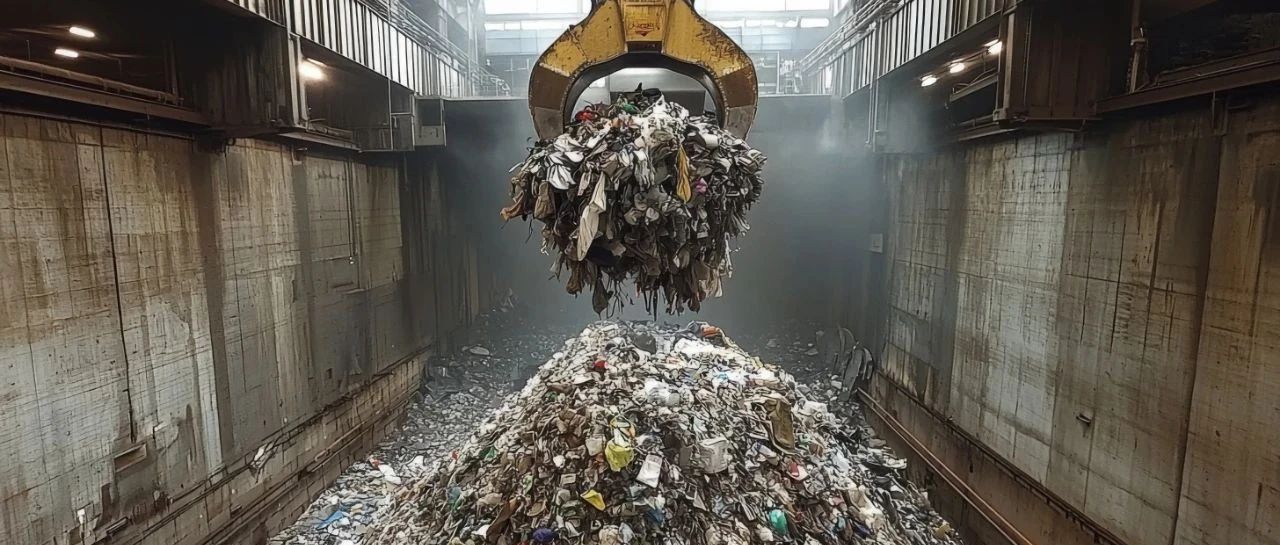
中国垃圾是如何不够烧的?
Jing Ji Guan Cha Wang· 2025-07-14 09:34
Core Insights - The Chinese waste incineration industry is facing a paradox of overcapacity and insufficient waste supply, with two-thirds of surveyed incineration plants reporting a lack of garbage to process [2][3][7] - The shift from "garbage encirclement" to "garbage scarcity" has been marked by a significant increase in incineration capacity, yet the average utilization rate remains around 60% [2][4][7] - The industry is urged to diversify operations, such as providing steam and heat, due to declining waste supply and reduced government subsidies [3][11][15] Industry Overview - The number of waste incineration plants in China has surged from over 100 to more than 1,000 in the past two decades, with incineration capacity rising from 3.3 million tons per day to 86.18 million tons per day [2][3] - The average daily incineration capacity increased from 23.8 million tons in 2016 to 115.5 million tons in 2024, yet the industry operates at an average load factor of less than 60% [5][7] - The government has historically supported the industry through subsidies, but recent policy changes have led to a reduction in these financial supports, increasing operational challenges for incineration plants [11][12][13] Challenges Faced - The decline in waste supply is attributed to overbuilding of incineration facilities, overly optimistic projections of waste generation, and effective waste sorting practices that reduce the amount of burnable waste [7][8] - The average waste disposal fee has increased significantly, from around 60-70 yuan per ton to over 100 yuan, placing additional financial pressure on local governments [12][13][14] - Some regions are resorting to excavating previously landfilled waste to meet incineration needs, although this approach is costly and complex [8][9] Future Trends - The industry is expected to continue evolving, with a focus on expanding market reach and exploring new business avenues such as heat and gas supply [15] - Chinese waste incineration companies are increasingly looking to international markets, with over 80 overseas projects reported [3][9] - The anticipated increase in waste processing capacity to 800,000 tons per day by the end of 2025 may further exacerbate the supply-demand imbalance if waste generation does not keep pace [7][11]
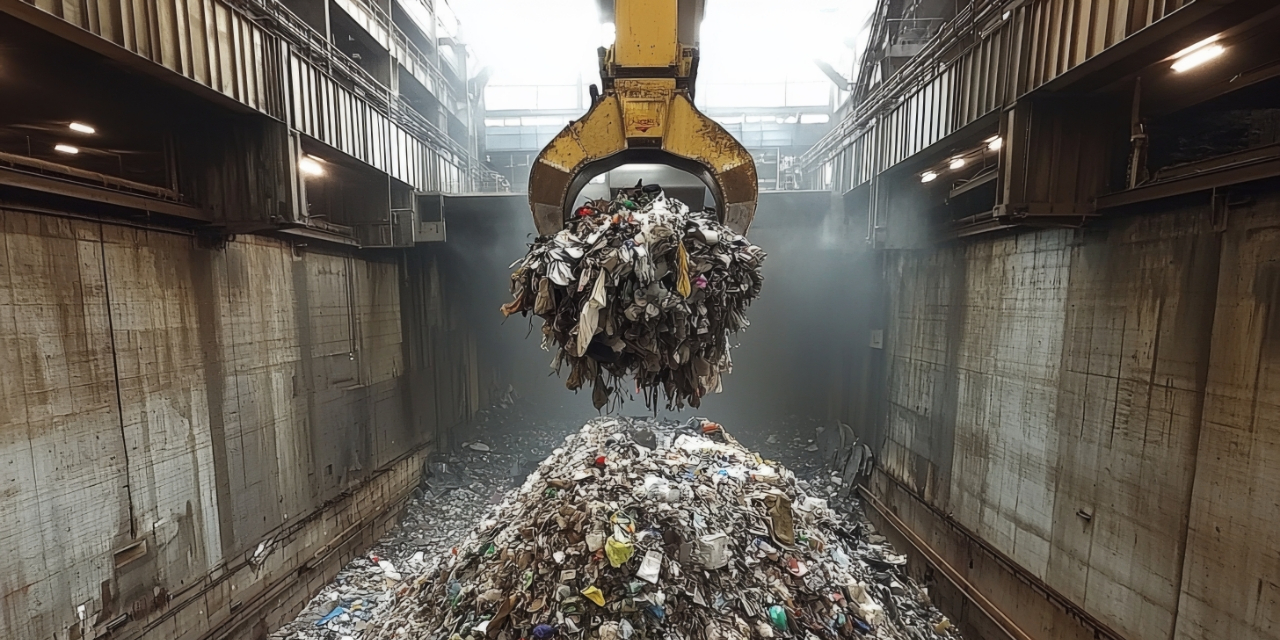
公用环保202507第2期:零碳园区建设推进,2025年可再生能源电力消纳责任权重发布
Guoxin Securities· 2025-07-14 09:26
Investment Rating - The report maintains an "Outperform" rating for the public utility and environmental sectors [4][22]. Core Insights - The construction of zero-carbon parks is being accelerated, with the release of renewable energy power consumption responsibility weights expected by 2025 [1][17]. - The report highlights the increasing responsibility weights for renewable energy consumption across various provinces, with most provinces expected to exceed 20% by 2025 [17][20]. - The report emphasizes the importance of integrating renewable energy development with energy management systems to achieve carbon neutrality [22][23]. Market Review - The Shanghai Composite Index rose by 0.82%, while the public utility index increased by 1.11% and the environmental index by 3.17% [1][24]. - Within the electricity sector, coal-fired power increased by 0.41%, hydropower by 0.42%, and renewable energy generation by 1.05% [1][25]. Important Policies and Events - The National Development and Reform Commission, Ministry of Industry and Information Technology, and National Energy Administration issued a notice to accelerate the transformation of energy structures in parks and promote energy conservation and carbon reduction [15][16]. - Hainan Province's implementation plan for market-oriented reform of renewable energy grid prices includes a pricing structure for existing projects and competitive bidding for new projects [16] . Investment Strategy - Recommendations include major coal-fired power companies like Huadian International and Shanghai Electric, as well as leading renewable energy firms such as Longyuan Power and Three Gorges Energy [3][22]. - The report suggests that nuclear power companies like China Nuclear Power and China General Nuclear Power will maintain stable profitability [3][22]. - In the environmental sector, companies like China Everbright Environment and Zhongshan Public Utilities are highlighted as potential investment opportunities [23][22]. Key Company Earnings Forecasts and Investment Ratings - Huadian International: Outperform, with an expected EPS of 0.46 in 2024 and 0.62 in 2025 [8]. - Longyuan Power: Outperform, with an expected EPS of 0.75 in 2024 and 0.85 in 2025 [8]. - China Nuclear Power: Outperform, with an expected EPS of 0.46 in 2024 and 0.50 in 2025 [8]. Industry Dynamics and Company Announcements - The report notes that the water and waste incineration sectors are entering a mature phase, with significant improvements in free cash flow [23]. - The report also highlights the potential for domestic waste oil recycling companies to benefit from the EU's SAF blending policy [23]. Industry Key Data Overview - In May, the industrial power generation increased by 0.5% year-on-year, with a total of 737.8 billion kWh generated [49][60]. - The total electricity consumption in May reached 809.6 billion kWh, reflecting a year-on-year growth of 4.43% [57][60].





智通港股52周新高、新低统计|7月14日


智通财经网· 2025-07-14 08:41
Summary of Key Points Core Viewpoint - As of July 14, a total of 138 stocks reached their 52-week highs, indicating a strong performance in the market, with notable leaders including Green Heart Group Holdings, OK Blockchain, and Pearl River Steel Pipe [1]. Group 1: Top Performers - Green Heart Group Holdings (02999) achieved a closing price of 0.013 with a peak of 0.017, marking a 70.00% increase [1]. - OK Blockchain (01499) closed at 0.680, reaching a high of 0.690, reflecting a 48.39% rise [1]. - Pearl River Steel Pipe (01938) had a closing price of 0.335 and a peak of 0.340, resulting in a 33.33% increase [1]. Group 2: Other Notable Stocks - Weishi Jiajie (00856) saw a 32.01% increase, closing at 8.870 with a high of 11.300 [1]. - Cloud Intelligence (09678) reached a high of 520.000, closing at 510.000, which is a 20.99% increase [1]. - China Chengtong Development Group (00217) closed at 0.165 with a peak of 0.166, marking a 14.48% rise [1]. Group 3: Additional Stocks with Significant Increases - Sihuan Pharmaceutical (00460) closed at 1.380, reaching a high of 1.430, which is a 14.40% increase [1]. - Taited Pharmaceutical (03880) had a closing price of 36.950 and a peak of 37.400, reflecting a 13.85% rise [1]. - Beihai Kangcheng-B (01228) closed at 0.850 with a high of 0.960, resulting in a 12.94% increase [1].
环保行业跟踪周报:生态环境部发文强调规提升执法质效,固废板块提分红+供热、IDC拓展提ROE-20250714
Soochow Securities· 2025-07-14 06:31
Investment Rating - The report maintains an "Accumulate" rating for the environmental protection industry [1]. Core Views - The report emphasizes the improvement in cash flow and dividend potential due to reduced capital expenditures in the waste management sector, alongside enhanced return on equity (ROE) through quality improvements in heating and IDC collaborations [1][11][15]. Summary by Sections Industry Trends - The environmental protection sector is experiencing a significant shift with a 9% increase in the sector's performance compared to the Shanghai and Shenzhen 300 indices [3]. - The report highlights a 73% increase in sales of new energy sanitation vehicles, with a penetration rate rising to 14.95% [25]. Key Recommendations - The report recommends several companies for investment, including Huaneng Environment, Green Power, and Yongxing Co., among others, due to their strong dividend potential and operational efficiency [5][11]. - It suggests focusing on companies like Yuehai Investment and Xingrong Environment for their robust cash flow and high dividend yields [17]. Policy Tracking - The Ministry of Ecology and Environment has issued a notice to enhance the quality of law enforcement, which is expected to improve operational efficiency and compliance in the industry [9][10]. - The report notes that the government is concentrating on environmental governance funding for 2025, which may positively impact the sector [7]. Financial Performance - The waste management sector is projected to see a significant increase in free cash flow, with dividends expected to rise as capital expenditures decrease [11][12]. - Specific companies are highlighted for their dividend growth, such as Junxin Co. with a 37% increase in cash dividends and Green Power with a 100% increase [12][13]. Market Dynamics - The report discusses the trend of garbage incineration and IDC collaborations as a new growth avenue, emphasizing the advantages of clean and efficient energy generation [14]. - The water utility sector is also highlighted for its stable growth and high dividends, with ongoing water price reforms expected to enhance profitability [15][17]. Sector Performance - The environmental protection and public utilities index rose by 2.69% during the week of July 7-11, 2025, outperforming the broader market indices [45].


中泰国际每日晨讯-20250714
ZHONGTAI INTERNATIONAL SECURITIES· 2025-07-14 05:21
Market Overview - The Hang Seng Index rose by 0.9% last week, closing at 24,139 points, while the Hang Seng Tech Index increased by 0.6% to 5,248 points[1] - Weekly market turnover decreased by 1.7% to HKD 242.5 billion, with a net inflow of HKD 20.7 billion through the Stock Connect[1] - The market is experiencing significant rotation among sectors, with strong inflows into stablecoin concept stocks, brokerages, and biopharmaceuticals, indicating a positive investment cycle[1] Macroeconomic Insights - The latest FOMC minutes revealed that only a few Fed officials support a rate cut in July, with most concerned about inflation risks from new tariffs[2] - Initial jobless claims in the U.S. unexpectedly fell to 227,000, the lowest in seven weeks, indicating a resilient labor market[2] Sector Performance - The consumer sector saw declines, with stocks like Maogeping and Lao Pu Gold dropping between 5% and 9% last week[3] - The vocational education sector performed well, with New Higher Education and China Spring rising by 24.2% and 14.6%, respectively[3] Healthcare Sector - The Hang Seng Healthcare Index slightly declined by 0.05% after two weeks of gains, despite WuXi AppTec's stock surging by 10.5% following a positive earnings announcement[4] - WuXi AppTec expects a revenue of approximately RMB 20.8 billion for H1 2025, reflecting a year-on-year growth of about 20.6%[4] Energy and Utilities - The renewable energy and utilities sectors experienced slight fluctuations, with notable increases in stocks like Xinyi Solar and GCL-Poly Energy, rising by 2.4% and 9.8%, respectively[5] - Environmental stocks also saw gains, with Everbright Environment and Beijing Enterprises Water rising by 3.8% and 5.7%[5] Company-Specific Updates - Tianlun Gas is expected to return to profit growth starting FY25, with a projected CAGR of 12.0% for net profit from FY24 to FY27[6] - The company aims to increase its dividend payout ratio from 30.0% in FY23 to 35.0% by FY25, indicating a commitment to shareholder returns[11]
黑色商品如铁矿石、螺纹钢、焦煤、焦炭价格大升,一方面或受到“去产能”政策预期的提振,一方面憧憬房地
ZHONGTAI INTERNATIONAL SECURITIES· 2025-07-11 04:29
Market Overview - On July 10, the Hang Seng Index rose by 136 points or 0.6%, closing at 24,028 points, while the Hang Seng Tech Index fell by 0.3% to 5,216 points[1] - The turnover in the market reached over HKD 246.7 billion, with a net inflow of HKD 2.9 billion through the Stock Connect, indicating a sustained profit-making effect in the market[1] - The Hang Seng China Enterprises Index increased by 1.5%, driven by strong performance from central state-owned enterprises[1] Sector Performance - The banking, brokerage, consumer electronics, biomedicine, and domestic insurance sectors showed notable performance, with property stocks benefiting from rumors of a central urban work conference and expectations of a restart in housing policies[1] - Specific property stocks like Longfor Group (960 HK), Sunac (1918 HK), and R&F Properties (2777 HK) saw price increases of 20.9%, 13.4%, and 11.4% respectively[1] Commodity Insights - Prices for mainland black commodities such as iron ore and rebar have surged, driven by expectations of "capacity reduction" policies and increased demand from the real estate sector[2] - If the upward trend in black commodities and the 10-year Chinese government bond yield continues, it will benefit cyclical sectors in the market[2] Real Estate Market Trends - The transaction volume of new homes in 30 major cities reached 1.89 million square meters, a year-on-year decline of 1.1%, which is an improvement from the previous week's 23.1% decline[5] - The inventory-to-sales ratio for major cities was 63.1, higher than last year's 59.7 but lower than the previous week's 68.2[7] - Land transaction volume in 100 major cities increased by 15.3% year-on-year, totaling 2.063 million square meters[8] Investment Strategy - The report suggests maintaining a defensive position in high-dividend sectors such as telecommunications and public utilities while gradually positioning in growth areas like AI, semiconductor equipment, and biomedicine[12] - The market is expected to continue its range-bound trading pattern, with a focus on upcoming policy signals and liquidity catalysts for potential style shifts[12]
中泰国际每日晨讯-20250710
ZHONGTAI INTERNATIONAL SECURITIES· 2025-07-10 01:43
Market Performance - The Hang Seng Index fell by 255 points or 1.1%, closing at 23,892 points[1] - The Hang Seng Tech Index dropped by 1.8%, ending at 5,231 points[1] - Total market turnover reached HKD 233.9 billion, with a net inflow of HKD 9.2 billion through the Stock Connect[1] Sector Highlights - Biopharmaceutical, gaming, engineering machinery, education, and entertainment sectors showed strong performance[1] - Superstar Legend (6683 HK) surged by 94.4%, with a trading volume of HKD 11.49 billion[1] - Hong Kong Travel (308 HK) rose by 19.9%, with a trading volume of HKD 2.64 billion[1] New Listings - Three key new stocks performed well on their debut: Lens Technology (6613 HK) up 9.4%, Geek+ (2590 HK) up 5.4%, and Fortior (1304 HK) up 16.2%[1] - NIO (3750 HK) and Heng Rui Pharmaceutical (1276 HK) both reached new highs, rising by 7.2% and 15.6% respectively[1] Macroeconomic Indicators - China's CPI rose by 0.1% year-on-year in June, marking the first increase in five months[2] - Core CPI increased to 0.7%, the highest since April 2024[2] - PPI fell by 3.6% year-on-year, with production materials down 4.4%[2] Real Estate Market - New home transaction volume in 30 major cities reached 1.89 million square meters, down 1.1% year-on-year, an improvement from the previous week's 23.1% decline[5] - The inventory-to-sales ratio for major cities was 63.1, higher than last year's 59.7 but lower than the previous week's 68.2[7] - Land transaction volume in 100 major cities increased by 15.3% year-on-year, totaling 2.063 million square meters[8]