淘宝

Search documents
2025七夕电商营销大赏:哪些品牌策略脱颖而出?
Sou Hu Cai Jing· 2025-09-01 19:14
Core Insights - A recent report analyzing e-commerce marketing practices for the Qixi Festival in 2025 has gained significant attention, detailing the marketing strategies and outcomes of representative brands across five sectors: luxury goods, beauty, fast-moving consumer goods (FMCG), food and beverage, and platforms [1][6]. Luxury Goods - Major luxury brands launched distinctive marketing campaigns during the Qixi Festival. Chopard collaborated with Pop Mart's DIMOO WORLD to create a limited edition set, which generated interaction on Xiaohongshu but faced criticism for unclear target audience and forced brand-IP integration [1][8]. - LOEWE utilized a micro-drama titled "The Love of Magpies" to penetrate target demographics through Weibo and Xiaohongshu, although the "earthy" elements in the drama impacted the brand's high-end image [1][6]. - Tiffany's radio campaign "I Am the Subject of Love" effectively conveyed brand philosophy through collaborations with top podcasters and celebrities, achieving success on Xiaohongshu [1][6]. Beauty Industry - The beauty sector also showcased innovative marketing. Chando returned to its Himalayan roots, combining traditional craftsmanship with advertising and engaging in offline activities, primarily using Douyin for diverse content dissemination [3][6]. - SK-II partnered with Mayday to release a film and special gift boxes, focusing on themes of sentiment, love, and daily life, which garnered widespread attention on Xiaohongshu and Douyin [3][6]. Fast-Moving Consumer Goods (FMCG) - In the FMCG sector, Yili targeted the elderly demographic with the campaign "100 Reasons for Twilight Love," which resonated with children of elderly consumers on Douyin, though some felt the message was disconnected from reality [3][6]. Food and Beverage - The beverage brand Bawang Chaji launched a Qixi limited series called "Phoenix Flying," integrating traditional She ethnic marriage customs and promoting it on both Douyin and Xiaohongshu [3][6]. Platforms - Taobao Flash Sale collaborated with Lin Yi to create an advertising campaign and thematic project, enhancing online and offline engagement, particularly through the "1314 Pain Car" initiative in Hangzhou, which sparked user enthusiasm for check-ins, with Xiaohongshu as the primary platform for dissemination [5][6]. Data Insights - The report includes detailed data analysis and case studies, highlighting marketing successes and challenges faced by brands during the Qixi Festival, making it a valuable resource for e-commerce professionals [6].


2025七夕营销实战盘点:五大行业品牌如何抓住爱情经济新脉搏?
Sou Hu Cai Jing· 2025-09-01 18:44
Core Insights - The report by Yien analyzes the marketing strategies and effectiveness of leading brands across five industries during the Qixi Festival, highlighting new marketing trends and consumer demand changes [1][5][9] Luxury Goods - Chopard collaborated with DIMOO WORLD to launch a limited edition gift box, gaining attention on Xiaohongshu, but the integration was seen as forced and the target demographic unclear [1][5] - LOEWE created a micro-drama titled "The Love of Magpies," featuring celebrities and effectively expanded brand influence through joint promotions on Weibo and Xiaohongshu, although the "tacky" style raised concerns about brand image [1][5] - Tiffany's series "I Am the Subject of Love" explored individual value in love, collaborating with top podcasters and effectively conveying brand philosophy on Xiaohongshu [1] Beauty Industry - Chando returned to the Himalayas theme, partnering with intangible cultural heritage "Shuo Zhi Bang Dian" for an advertisement that established emotional connections with consumers through pre-launch activities and offline interactions on Douyin [2] - SK-II collaborated with Mayday to release a campaign titled "Loveing, Crystaling," featuring limited edition gift boxes and pop-up stores, successfully engaging users through emotional themes on Xiaohongshu and Douyin [2] Fast-Moving Consumer Goods (FMCG) - Yili focused on the elderly demographic, partnering with host Meng Fei for the "100 Reasons for Twilight Love" project, which resonated with children of elderly consumers on Douyin, though some felt the project's claims were unrealistic [4] - Bawang Tea Ji launched a limited edition series "Phoenix Flying," showcasing traditional wedding customs in collaboration with the She ethnic group, promoting it on Douyin and Xiaohongshu [4] E-commerce Platforms - Taobao Flash Sale collaborated with actor Lin Yi to launch an advertisement and the "City in Love" theme project, successfully driving user engagement through online and offline interactions, primarily using Xiaohongshu for promotion [4] Marketing Highlights and Challenges - The report highlights the innovative efforts and challenges faced by brands, such as Chopard's young demographic attempt with DIMOO WORLD, LOEWE's successful yet image-damaging micro-drama, and Yili's resonant project that diverged from reality [5]

2025七夕营销大赏:五大行业品牌实战案例与消费者趋势深度剖析
Sou Hu Cai Jing· 2025-09-01 14:55
Core Insights - The report by Yien analyzes marketing strategies and effectiveness of leading brands across five industries during the Qixi Festival, highlighting the latest consumer demand trends [1][10]. Luxury Goods Industry - Chopard collaborated with DIMOO WORLD to launch a limited edition gift box, primarily promoted on Xiaohongshu, attracting young consumers but facing criticism for the awkward integration of the brand and IP [1][11]. - LOEWE utilized a micro-short drama format featuring celebrities to creatively merge Qixi legends with brand imagery, successfully reaching a broader audience, although the "rustic" style impacted its premium brand image [1][6]. - Tiffany's campaign focused on individual subjectivity in love through a series of content, leveraging partnerships with top podcasters and influencers to deeply convey brand philosophy on Xiaohongshu [1]. Beauty Industry - Chando returned to its Himalayan roots by collaborating with intangible cultural heritage to launch an advertisement on Douyin, fostering deep connections with consumers through pre-launch membership and offline events [2]. - SK-II partnered with Mayday to release a campaign titled "Love-ing, Crystal-ing," featuring limited edition gift boxes and pop-up stores, primarily utilizing Xiaohongshu and Douyin for emotional engagement [2]. Fast-Moving Consumer Goods (FMCG) Industry - Yili focused on the elderly demographic by collaborating with Meng Fei on a project that resonated with the children of this group on Douyin, although some audiences felt the message was disconnected from reality [4]. Food and Beverage Industry - Bawang Chaji launched a limited edition series for Qixi, showcasing traditional wedding customs in collaboration with the She ethnic group, effectively promoting the campaign on both Douyin and Xiaohongshu [4]. Platform Industry - Taobao Flash Sale partnered with Lin Yi to create an advertising campaign and "Citywide Love" theme project, utilizing Xiaohongshu for online and offline engagement, which sparked user enthusiasm for participation [4]. Marketing Highlights and Challenges - The report identifies key marketing highlights and challenges, such as Chopard's youthful yet awkward collaboration, LOEWE's successful yet image-impacting short drama, and Yili's resonant but unrealistic messaging [6]. - These cases illustrate the innovative attempts by brands in Qixi marketing while reflecting the diverse and complex consumer demands in the current market environment [6].
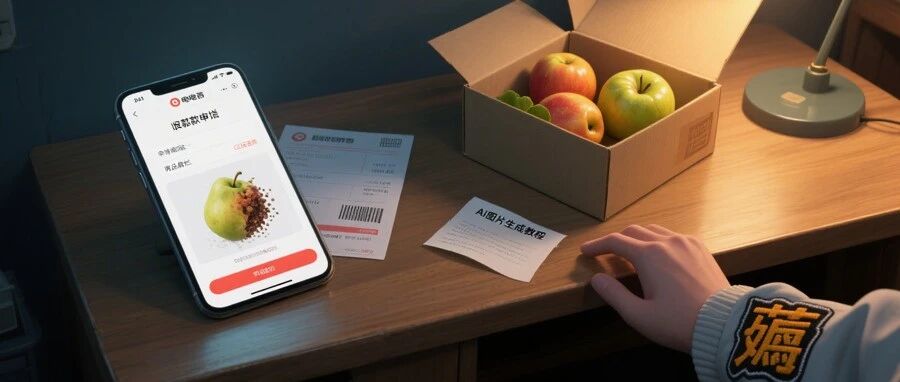
用20秒生成的AI图片,钻了所有电商平台的退款漏洞
21世纪经济报道· 2025-09-01 07:27
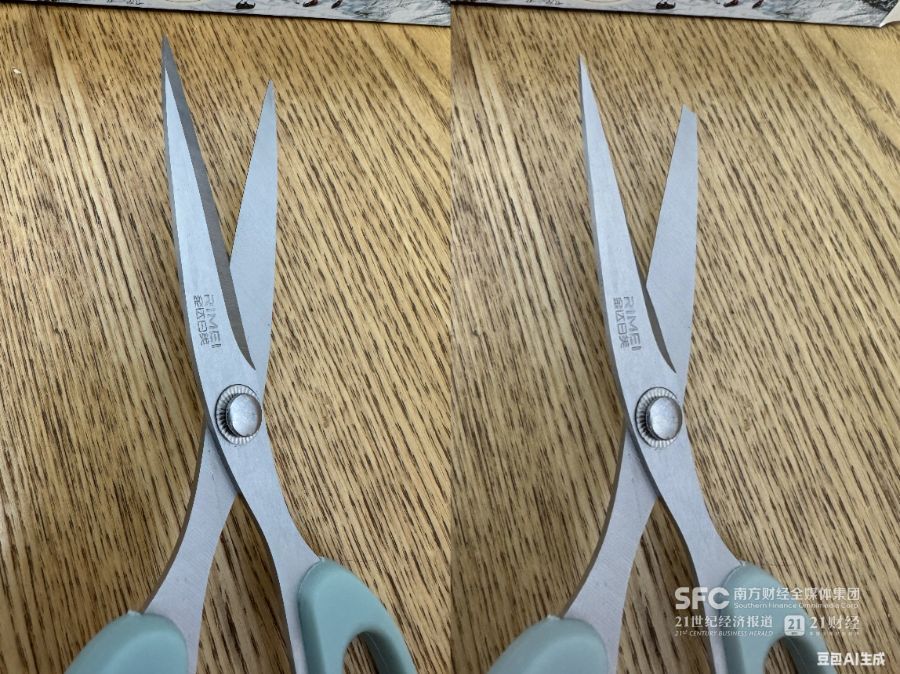
Core Viewpoint - The article discusses the exploitation of e-commerce refund policies through the use of AI-generated images, highlighting the challenges faced by merchants in identifying fraudulent claims and the implications for e-commerce platforms [1][14]. Group 1: AI Exploitation in E-commerce - Consumers are using AI to create realistic images of defective products to claim refunds, taking advantage of the "refund only" policy that has been prevalent on e-commerce platforms [1][14]. - A test revealed that the success rate of obtaining compensation through AI-generated images is as high as 75%, indicating a significant loophole in the current refund processes [7][10]. Group 2: Merchant Challenges - Merchants struggle to identify AI-generated images due to limited capabilities and high costs associated with training staff to detect such fraud [4][13]. - The current e-commerce platform rules favor consumers, leading merchants to often comply with refund requests to maintain their credit ratings and avoid disputes [13][14]. Group 3: Platform Policy Changes - Major e-commerce platforms have recently adjusted their refund policies, moving away from mandatory "refund only" options to allowing merchants to handle refund requests independently [14]. - The article suggests that platforms should enhance their technical capabilities to detect AI-generated images and implement stricter rules to prevent abuse of refund policies [15][18]. Group 4: Legal and Ethical Considerations - The use of AI-generated images for fraudulent refunds poses legal risks for consumers, as such actions can lead to criminal charges if the amount exceeds certain thresholds [19]. - There is a call for better regulation and identification of AI-generated content to mitigate misuse in e-commerce transactions [18][19].


用20秒生成的AI图片 钻了所有电商平台的退款漏洞
2 1 Shi Ji Jing Ji Bao Dao· 2025-09-01 00:38
Core Viewpoint - The rise of AI-generated images has enabled consumers to exploit e-commerce platforms' refund policies, leading to significant financial losses for merchants as they struggle to identify fraudulent claims [1][5][6]. Group 1: AI Exploitation in E-commerce - Consumers are using AI to create realistic images of defective products to falsely claim refunds, with a success rate of 75% in obtaining compensation [4][5]. - Merchants are often unable to distinguish between genuine and AI-generated images, especially when watermarks are removed, leading to unverified refund claims [5][6]. - The "only refund" policy, initially designed to protect consumers, has been manipulated, resulting in merchants facing losses without recourse [6][9]. Group 2: Merchant Response and Challenges - Merchants tend to quickly compensate customers to avoid disputes, as the cost of training staff to identify AI images is high [5][6]. - The current e-commerce platform rules favor consumer protection, which inadvertently encourages fraudulent behavior [6][10]. - Merchants are advised to enhance their product information and evidence collection processes to counteract fraudulent claims [8][10]. Group 3: Regulatory and Technological Solutions - Experts suggest that e-commerce platforms should implement AI detection technologies to identify fraudulent images and establish a database for comparison [7][10]. - New regulations require that AI-generated content must be clearly marked, which could help mitigate the misuse of such technology in refund claims [9][10]. - Legal consequences for consumers engaging in fraudulent refund claims are highlighted, emphasizing the need for accountability [10].
趋势研判!2025年中国智能手机行业发展全景分析:产品更新换代速度加快,市场换机需求提升,随着技术的不断创新,Al手机成为主要创新方向[图]
Chan Ye Xin Xi Wang· 2025-08-31 00:00
Core Insights - China has become the world's largest mobile phone producer and consumer, with a projected smartphone production of 1.25 billion units in 2024, maintaining over 70% of total mobile phone production for several years [1][4] - The smartphone industry is now in a mature phase, with a continuous decline in shipment volumes observed in recent years. The expected smartphone shipment for 2024 is 294 million units, a year-on-year increase of 6.5%, accounting for 63% of total mobile phone shipments [1][6] - The rapid pace of product updates has shortened the average usage cycle of smartphones, leading to increased market demand for replacements. AI smartphones are emerging as a key innovation direction [1][11] Industry Overview - The smartphone industry is defined as mobile devices with independent operating systems that allow users to install third-party applications and access wireless networks [2] - The industry has evolved from personal digital assistants (PDAs) to smartphones, which have become essential in daily life, driven by the growth of mobile internet [4] Current Market Situation - In 2024, the total mobile phone production in China is expected to reach 1.67 billion units, with a year-on-year growth of 7.26%. The smartphone production is projected at 1.25 billion units, consistently representing over 70% of total production [4] - The smartphone shipment volume in 2023 was 276 million units, with a 4.8% year-on-year increase, while the 2024 projection is 294 million units, reflecting a 6.5% growth [6] Industry Chain - The smartphone industry chain includes upstream components such as chips, PCBs, memory, operating systems, displays, power supplies, and cameras. The midstream involves manufacturing (ODM, OEM/EMS, brand owners), while the downstream includes operators, service providers, and end-users [6] Competitive Landscape - The Chinese smartphone market is characterized by high concentration and significant competition among domestic brands. In 2024, domestic brands are expected to ship 269 million units, a 16.3% increase, capturing 85.6% of the market [9] - Major players include Vivo, Huawei, Apple, Honor, and OPPO, with Vivo leading the market share at 17.2% and Huawei regaining its position among the top five brands [9] Future Trends - The smartphone market in China is expected to see a shift in consumer demand due to the early release of national subsidy policies, increasing the number of new models and enhancing consumer choices [10] - The competition for young consumers is intensifying, with brands increasing marketing investments and focusing on AI innovations [11]


古茗CEO:外卖补贴大战对于加盟门店经营并非好事
Sou Hu Cai Jing· 2025-08-28 02:24
Core Viewpoint - The impact of the recent food delivery competition initiated by major internet platforms on the new tea beverage brand, Gu Ming, is a focal point of investor interest [2] Company Summary - Gu Ming's CEO, Wang Yunan, stated that the long-term effects of the delivery subsidy war are detrimental to franchise operations and the industry's sustainable development [2] - The "zero purchase" activity launched by delivery platforms in July had a limited impact on Gu Ming, with each order affected by approximately 4-5 yuan [2] - Gu Ming reported that the competition from delivery platforms began in the second quarter, with minimal effects on the first quarter's performance [2] - Since August, the intensity of subsidy activities from delivery platforms has decreased [2] Industry Summary - The ongoing competition among food delivery platforms is expected to lead to a return to normal operational rhythms for brands once subsidies taper off [2] - Brands with lower average order values benefited more from the recent promotional activities [2]
古茗CEO王云安:长期来看,外卖补贴大战对于加盟门店经营并非好事
Xin Lang Cai Jing· 2025-08-28 02:05
8月27日晚间,古茗(01364.HK)召开2025年上半年业绩说明会。今年夏季由淘宝、美团、京东三家互 联网巨头掀起的外卖大战对新茶饮品牌的影响,成为投资者关注的焦点。 古茗披露,外卖平台的竞争主要从第二季度开始,第一季度没有受到影响;7月开始活动力度加大,总 体来说对上半年的业绩影响有限。8月以来,外卖平台的活动补贴力度已有所下降。(智通财经记者 卢 奕贝) 古茗创始人兼首席执行官王云安在业绩会上表示,长期来看,外卖补贴大战对于加盟门店经营并非好 事,也不利于行业长期发展,补贴退潮后,品牌仍需要回归正常的经营节奏当中。 今年7月,外卖平台们开展"零元购"活动,由于该活动仅每周六进行,对古茗而言每单的影响约4—5 元。王云安表示,客单价更低的品牌,在此活动中收益更多。 ...
发展考验未止 | 2025年8月商业地产零售业态发展报告
Sou Hu Cai Jing· 2025-08-27 12:25
Group 1 - The government is actively creating diverse consumption scenarios to stimulate spending, while short-term rental demand in the commercial market is under pressure in some core cities [5][7] - High-end commercial performance continues to be tested, with many companies reporting a year-on-year decline in retail property income for the first half of 2025 [11][18] - Shopping centers are adapting to popular consumption demands, with a high proportion of new stores being flagship locations and diverse types, including international and niche brands [19][21] Group 2 - The retail market shows uneven performance, with dining brands benefiting from delivery and store expansion, while high-end retail brands face significant challenges [23][24] - E-commerce platforms like JD and Taobao are intensifying competition in instant retail, enhancing their logistics capabilities to create a comprehensive retail ecosystem [31][32] - REITs performance continues to diverge, with Tianhong planning to apply for a REIT based on its Suzhou project, reflecting ongoing trends in the commercial real estate sector [34][40] Group 3 - The commercial market in core cities is experiencing differentiated supply rhythms, with cities like Beijing and Shenzhen seeing significant new supply, while others like Hangzhou show no new supply [8][9] - Vacancy rates vary significantly between cities, with Shenzhen having the lowest at 4.1%, while Shanghai and Chengdu are higher at 8.6% and 9% respectively [9] - In terms of rental levels, Shanghai has the highest average rent at 31.9 yuan/day/sqm, while Shenzhen has the lowest at 18.1 yuan/day/sqm [9] Group 4 - In the context of declining overall consumption growth, Ingka is planning to sell ten shopping centers in China, with the first three projects involving 16 billion yuan [10] - The privatization of Joy City is aimed at addressing market challenges and improving governance, with a buyback plan of 2.932 billion Hong Kong dollars [18] - The performance of high-end retail brands is mixed, with Hermes showing growth while Kering and LVMH face significant declines [27]
外卖大战谁是赢家?
Di Yi Cai Jing· 2025-08-27 10:09
Core Viewpoint - The intense competition in the food delivery sector has significantly impacted the financial performance of major players like Meituan and JD.com, leading to a decline in net profits despite revenue growth [2][3]. Financial Performance - Meituan reported a revenue of 918.4 billion yuan for Q2, a year-on-year increase of 11.7%, but its adjusted net profit fell by 89% to 14.9 billion yuan [2]. - Meituan's core local commerce segment saw a revenue increase of 7.7% to 653 billion yuan, but operating profit dropped from 152 billion yuan in Q2 2024 to 37 billion yuan in Q2 2025, with an operating margin decrease from 25.1% to 5.7% [3]. - JD.com reported a net profit of 62 billion yuan for Q2, down 50.8% year-on-year, with a significant operating loss of 9 billion yuan compared to a profit of 105 billion yuan in the same period last year [6][7]. Competitive Landscape - The food delivery war, characterized as "irrational competition," began in April with JD.com's "100 billion subsidy" announcement and peaked in July with aggressive marketing strategies from Meituan and others [8]. - Meituan's CEO described the competition as "disorderly," while JD.com's CEO noted that excessive competition has disrupted the pricing system and is unsustainable [8][9]. Strategic Adjustments - Meituan is focusing on enhancing user engagement and expanding its market presence, with over 5 million monthly active users and a peak of 1.5 billion daily orders in July for its instant retail service [5]. - JD.com is investing heavily in new business strategies, leading to increased marketing expenses, which rose by 127.6% to 270 billion yuan in Q2 2025 [7]. - Both companies are adapting their strategies post-competition, with Meituan launching initiatives to boost in-store traffic and JD.com introducing a new self-operated delivery brand [9][10]. Market Trends - The competition among major platforms is evolving, with each adopting differentiated strategies: Taobao (Ele.me), Meituan, and JD.com are focusing on their unique strengths to capture market share [10].