雀巢

Search documents
普洱咖农富了:皮卡换奔驰宝马
2 1 Shi Ji Jing Ji Bao Dao· 2025-10-31 11:03
Core Insights - The coffee farmers in Yunnan are experiencing significant improvements in their livelihoods, with many upgrading their vehicles and living standards due to rising coffee prices [1][2][6] - Yunnan is the only region in China located within the coffee "golden growing belt," making it a prime area for high-quality coffee production [1] - The average purchase price of Yunnan coffee beans increased from 23.94 yuan/kg in 2021 to 31.6 yuan/kg in 2022, marking a 32% year-on-year growth [5] Market Dynamics - The coffee market in Yunnan faced challenges from 2019 to early 2021 due to oversupply and low international prices, leading to decreased production and even tree removal by farmers [4] - A turnaround began in October 2021, driven by global coffee supply shortages and increased demand, resulting in a surge in coffee prices to historical highs [5] - By 2024, Arabica coffee futures prices exceeded 430 cents per pound, a 118.57% increase over the previous year, reflecting strong demand from emerging markets like China [5] Production and Quality Challenges - Despite the rising prices, Yunnan's coffee production remains low in the global context, accounting for less than 1.5% of the world's coffee supply [10] - The area under coffee cultivation in Yunnan has decreased by 37% from its peak in 2014, influenced by international price fluctuations and local climatic conditions [10] - Quality issues persist, with Yunnan coffee historically suffering from inconsistent quality, although partnerships with companies like Starbucks have helped improve standards [12][13] Government and Corporate Support - The Yunnan provincial government has implemented various policies to support the coffee industry, including funding for quality improvement and processing [14] - Major companies like Nestlé and Starbucks have played a crucial role in supporting Yunnan's coffee sector through technology transfer and premium pricing strategies [11][12] Domestic Demand and Market Potential - China's coffee consumption has skyrocketed from 16,700 bags in 2003/2004 to an estimated 576,500 bags in 2023/2024, indicating a growth of over 33 times [15] - The per capita coffee consumption in China is approximately 0.24 kg, significantly lower than the EU and US, suggesting substantial growth potential in the domestic market [16] - In 2023/2024, China is expected to import 329,100 tons of coffee beans, with over 80% of its coffee consumption reliant on imports [17] Competitive Landscape - Domestic coffee brands are gaining traction, with companies like Starbucks and Luckin Coffee promoting Yunnan coffee products, leading to higher local prices [19] - The competitive landscape is shifting, with local farmers now engaging in bidding wars for high-quality beans, reducing the influence of traditional buyers like Nestlé and Starbucks [20] Global Market Position - Despite the growth in domestic consumption, China's coffee market remains a minor player globally, with an expected consumption share of only 3.45% by 2025/2026 [21] - Yunnan coffee still faces challenges in terms of quality and market positioning compared to global standards, indicating a need for further development [21][22]
Here's My Favorite Passive Income Investment
Yahoo Finance· 2025-10-31 09:45
Core Insights - International stocks have become a favorable investment option in 2025, with the Vanguard International High Dividend Yield ETF returning 29.6% year to date, outperforming the S&P 500's 15.6% return [2][7] - The weakening dollar has contributed to the improved performance of international investments, making overseas holdings more valuable in dollar terms [8] Fund Overview - The Vanguard International High Dividend Yield ETF comprises 1,531 stocks from 40 countries, focusing on above-average dividend yields, with a current yield of 3.95%, significantly higher than the S&P 500's yield [4][7] - The fund's asset allocation includes approximately 42% in financials, with industrials, energy, and consumer staples making up an additional 24% [5] Valuation Comparison - The valuation gap between U.S. stocks and international stocks is notable, with the S&P 500 trading at around 29 times earnings compared to the ETF's valuation near 13 times for similar profit profiles [6]
梓渝引爆2亿GMV、杨幂穿背背佳上热搜,杨颖代言企鹅引争议,谁是双十一有效代言?
Xin Lang Cai Jing· 2025-10-31 05:49
Core Insights - The difficulty in selecting female celebrities as brand ambassadors is highlighted, with brands finding it easier to choose male stars who can deliver strong sales and high cost-effectiveness [1][12] - The marketing landscape for apparel and beauty brands has intensified as they prepare for the Double Eleven shopping festival, with a significant increase in the number of celebrity endorsements [3][29] - The emergence of new celebrities, including athletes and actors from popular dramas, is reshaping the endorsement market, leading to a focus on short-term collaborations aimed at immediate sales conversion [7][12] Group 1 - The number of announced celebrity endorsements reached 290 in the last 30 days leading up to October 26, averaging nearly 10 new endorsements per day [3] - Brands are increasingly prioritizing endorsements that can drive direct sales and enhance visibility during the critical Double Eleven period [7][12] - The trend of short-term collaborations emphasizes the need for brands to create buzz and drive traffic quickly, with a focus on event-driven marketing [7][12] Group 2 - The endorsement strategies for Double Eleven differ from regular campaigns, with brands seeking to maximize sales conversion and brand visibility through targeted celebrity partnerships [11][12] - Successful case studies, such as the collaboration between Duck Duck and celebrity Ziyu, demonstrate the effectiveness of quick and strategic partnerships in achieving high sales volumes [8][40] - Brands are increasingly looking for ambassadors who not only have strong fan engagement but also align with the brand's image and values, as seen in the partnerships with high-profile celebrities like Yang Mi and Di Li Re Ba [14][48] Group 3 - The apparel and beauty sectors dominate the endorsement market, accounting for over half of the total endorsements, driven by the high consumer demand during Double Eleven [29][31] - Brands are leveraging the popularity of emerging celebrities to enhance brand recognition and drive sales, particularly in the competitive apparel market [31][42] - The integration of celebrity endorsements with platform-specific marketing strategies is becoming essential, as brands seek to optimize their reach and engagement during major sales events [34][36]



每裁1%的员工,就能买一批H100--15家巨头,20万岗位,正被AI的冷酷算法优化掉
菜鸟教程· 2025-10-31 03:52
Core Viewpoint - The rapid development of artificial intelligence (AI) is leading to a significant transformation in productivity, resulting in widespread layoffs across various industries, particularly in technology companies, as they shift from human labor to computational power [1][9][22]. Group 1: Layoff Statistics - Major tech companies have announced substantial layoffs, including UPS (48,000 employees), Amazon (up to 30,000), Intel (24,000), and others, totaling over 200,000 job losses [5][7][22]. - The layoffs are not due to declining performance; companies like Amazon, Meta, and Microsoft are still experiencing revenue growth and rising stock prices [8][22]. Group 2: Reasons for Layoffs - Tech giants are laying off employees to free up funds for purchasing GPUs, with the rationale that every 1% reduction in workforce can finance a batch of H100 chips [9][22]. - Traditional companies like UPS, Nestle, and Ford are also reducing staff, but their motivation stems from the successful implementation of AI tools that have improved efficiency, allowing them to operate with fewer employees [10][22]. Group 3: AI's Impact on Employment - The shift from human labor to AI-driven solutions is evident, as companies are increasingly relying on AI for tasks such as customer service automation and supply chain optimization [10][22]. - The current trend reflects a forced migration of budgets from human resources to computational investments, indicating a significant change in the labor market dynamics [9][22]. Group 4: Economic Rebalancing - The adoption rate of enterprise AI is currently at 10% and is projected to reach 50%, suggesting a rapid phase of wealth generation concentrated in computational resources rather than labor [21][23]. - The disparity between market capitalization growth and wage growth has reached unprecedented levels, indicating that this is not a recession but a rebalancing of economic resources, with most workers on the disadvantaged side [21][23].





大厂裁员14000人背后真相:AI干不了你的活,却先砸了你的饭碗
3 6 Ke· 2025-10-30 12:13
Core Insights - Amazon is undergoing significant layoffs, with 14,000 employees already affected and potential total layoffs reaching 30,000, which is nearly 10% of its workforce [1][3] - The layoffs are occurring despite Amazon's strong operational performance in recent quarters, raising questions about the rationale behind such drastic measures [3] Group 1: Layoff Details - The majority of layoffs are targeting middle management, specifically L5 to L7 level employees, with over 78% of affected workers falling within this range [9][11] - Departments impacted include HR, device and service teams, and parts of AWS support teams [9] - The layoffs are part of a broader trend seen in other companies like Microsoft and Intel, which cite AI as a driving factor for workforce reductions [5] Group 2: AI's Role - Amazon's HR head, Beth Galetti, stated that AI is the most transformative technology since the internet, necessitating a leaner organizational structure [5] - The narrative suggests that AI can replace many tasks traditionally performed by middle management, which has led to the perception that these roles are redundant [11] - However, internal sources indicate that AI is not the primary reason for the layoffs, suggesting a trend of "AI-washing" where companies frame layoffs as a response to AI advancements [13][16] Group 3: Financial Implications - Amazon is facing pressure to release cash for expensive AI investments, with spending on servers and data centers projected to exceed $120 billion by 2025 [24][25] - Analysts note that reducing white-collar salaries can free up funds for purchasing high-cost AI infrastructure, such as GPUs [25][38] - The layoffs are also seen as a correction to over-hiring during the pandemic, as Amazon's workforce nearly tripled from 2017 to 2024 [31][28] Group 4: Broader Industry Context - The tech industry is in a fierce AI arms race, with companies needing to invest heavily in AI capabilities to remain competitive [38][43] - Other companies, such as Meta and UPS, are also laying off employees, but their reasons differ, focusing on the current utility of AI rather than future potential [40][43] - The overall trend indicates a shift in wealth towards computational power rather than labor, with companies like NVIDIA benefiting significantly from this transition [44]
阿联酋推出首个绿色创新区推动可持续经济
Shang Wu Bu Wang Zhan· 2025-10-30 03:42
Core Viewpoint - The UAE has launched its first Green Innovation District to promote sustainable economic growth by integrating economic development with environmental sustainability [1] Group 1: Project Overview - The Green Innovation District aims to support clean energy, circular economy, and green technology [1] - The initiative aligns with the UAE's Net Zero Strategy for 2050 and Vision 2071 goals [1] Group 2: Partnerships and Collaborations - Initial partners include Italy's Intesa Sanpaolo, Nestlé, UAE CSR Foundation Majra, and Palmade [1] - The district will feature a "green license" and an intellectual property center to foster innovation [1] Group 3: Economic Impact - The project is designed to create a circular economy demonstration area, enhancing the UAE's position in sustainable practices [1]
16000人,一家超级巨头宣布裁员
36氪· 2025-10-30 00:11
Core Viewpoint - Nestlé plans to lay off approximately 16,000 employees globally over the next two years, primarily targeting white-collar professionals, as part of a strategy to reduce costs and adapt to changing market conditions [5][6][7]. Group 1: Layoff Strategy - The layoffs will save the company 1 billion Swiss francs annually, doubling the previous target of 500 million Swiss francs, with a one-time restructuring cost expected to be twice the annual savings [6]. - The CEO emphasized the need for faster adaptation to market changes, indicating that the company must take difficult but necessary steps to reduce workforce [6][7]. - The majority of the layoffs (75%) will affect cross-functional and cross-regional white-collar workers rather than frontline employees [6]. Group 2: Digital Transformation - Nestlé is implementing a "digital twin" strategy to centralize demand forecasting, promotional scheduling, and SKU profitability calculations into a unified cloud-based data model, allowing AI to provide replenishment and pricing suggestions [6][8]. - This digital transformation aims to streamline operations, reducing the time required for promotional planning from two weeks to 30 minutes, with a low error rate [6][8]. Group 3: Industry Challenges - The traditional food industry faces significant challenges, including SKU proliferation, regulatory compliance delays, and competition from agile new brands leveraging social media [7][16]. - The impact of GLP-1 drugs and extreme weather events is expected to shrink the global candy market by 15% over the next five years, adding to the uncertainty in the food sector [7][16]. Group 4: Historical Context - Nestlé's peak performance was around 2005, with revenues of approximately $74 billion, but has since faced declining growth rates and increased competition [10][14]. - The company's historical success was built on technological advancements, aggressive acquisitions, and a strong global presence, but it has struggled to adapt to the fragmented consumer landscape [15][17]. Group 5: Future Outlook - The company must transition from a traditional food model to a nutrition technology model, leveraging synthetic biology and real-time data to create personalized nutrition solutions [19][21]. - The ability to innovate and retain a connection to consumer preferences will be crucial for Nestlé to regain its competitive edge in a rapidly evolving market [8][21].
酱油生意难做 佳隆股份业绩下滑
Bei Jing Shang Bao· 2025-10-28 16:40
Core Viewpoint - Jialong Co., Ltd. reported a decline in both revenue and profit for Q3 2025, attributed to the underperformance of its new soy sauce products during the market cultivation phase, alongside a decrease in sales of other products [1][2]. Financial Performance - In Q3 2025, Jialong Co., Ltd. achieved revenue of 56.82 million yuan, a year-on-year decrease of 15.23% [1]. - The net profit attributable to shareholders was 1.72 million yuan, down 77.71% year-on-year [1]. - Sales expenses increased by 20.85% year-on-year, while inventory surged by 127.79% [1]. New Product Development - The company invested 10 million yuan to establish a wholly-owned subsidiary focused on soy sauce production [1]. - Two soy sauce products were launched in August 2025, but their market presence has been described as "low-key" [2]. - As of now, there is no information about the soy sauce products on the company's official website, and they are not available on major e-commerce platforms [2]. Market Challenges - The core business of chicken powder and chicken essence also faced sales declines, with volumes down 19.58% and 13.72% respectively in the first half of 2025 [2]. - The revenue from chicken powder and chicken essence decreased by 10.49% and 6.68% year-on-year [2]. - The market for chicken essence and powder is dominated by established brands like Nestlé's "Ta Ta Le" and Unilever's "Jia Le," leaving Jialong Co., Ltd. with limited growth potential [2].

首部老年营养食品国标征求意见,千亿市场面临哪些机遇和挑战?
Bei Ke Cai Jing· 2025-10-27 07:53
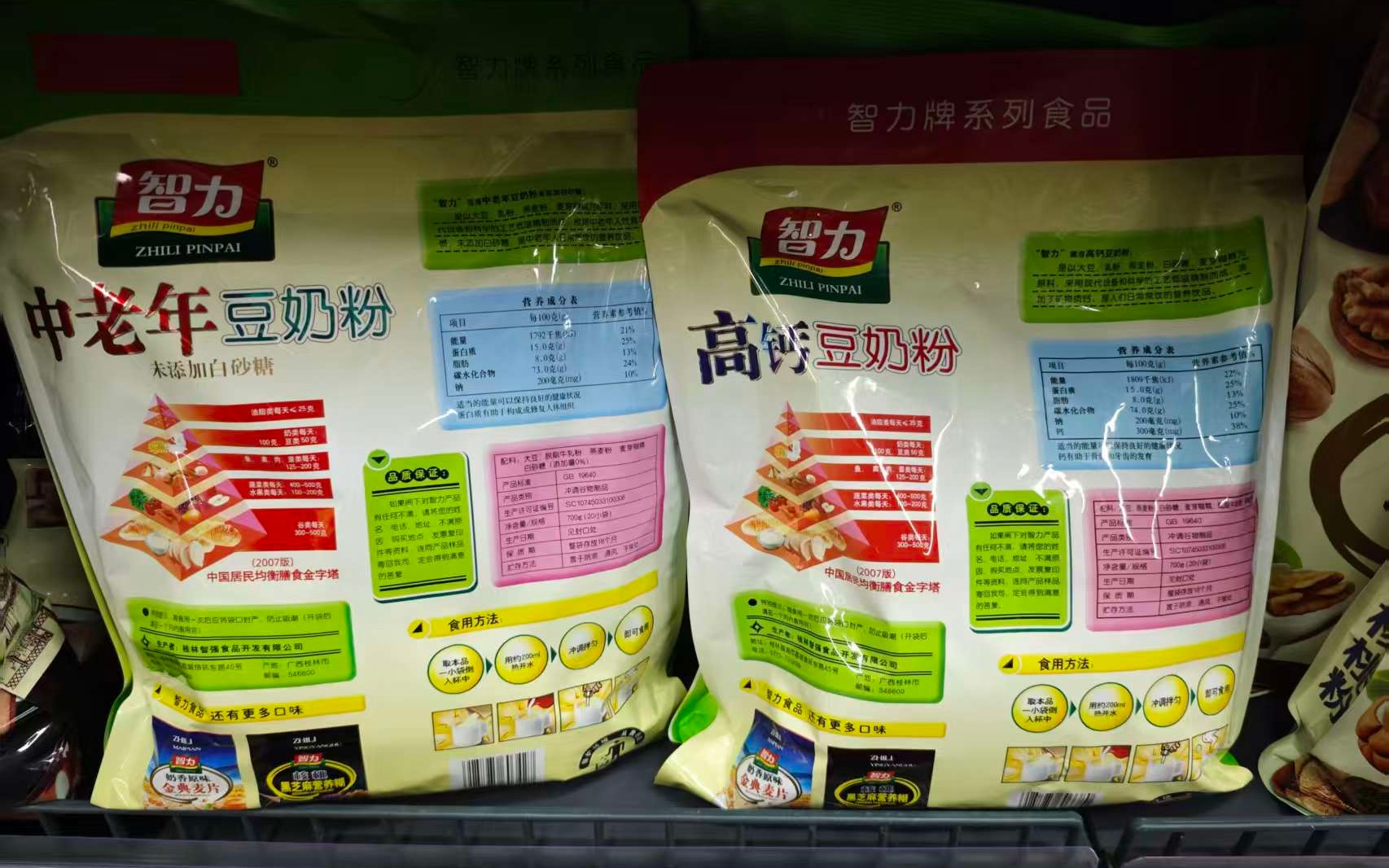
Core Points - The National Food Safety Standard for Elderly Nutritional Supplements is the first of its kind in China, specifically targeting individuals aged 60 and above [1][2] - The draft includes regulations such as banning hydrogenated oils, mandatory addition of 10 essential nutrients for the elderly, and warning labels stating that the products cannot replace normal diets [1][3] - The introduction of this standard is expected to improve the currently chaotic elderly food market in China, which is projected to grow from 87.6 billion yuan in 2023 to over 143.9 billion yuan by 2028 [1][4] Industry Overview - As of the end of 2023, the population aged 60 and above in China reached approximately 296.97 million, accounting for 21.1% of the total population [4] - The elderly nutritional market is characterized by a variety of products, including nutritional supplements, functional foods, and special medical purpose formula foods, with stable demand for products like middle-aged and elderly milk powder [4][12] - The market currently lacks a unified standard, leading to labeling chaos where some products marketed for the elderly do not meet their specific nutritional needs [5][6] Regulatory Insights - The draft standard defines "elderly nutritional supplements" as special dietary foods made from dairy or soy products, with specific nutrient requirements based on the physiological characteristics and nutritional needs of the elderly [2][3] - The daily recommended intake for these supplements is capped at 50 grams, with a minimum protein content of 20% of the total product weight [2][3] - The standard aims to address issues of inconsistent nutrient ratios and improve product quality by enforcing strict ingredient and labeling requirements [3][8] Market Dynamics - The elderly nutrition market is experiencing a compound annual growth rate of 9.64%, with significant growth potential due to the increasing elderly population and their specific nutritional needs [4][10] - Major players in the market include brands like Yili, Nestlé, and Abbott, which are focusing on developing products tailored to the health needs of the elderly [12][14] - The introduction of the national standard is expected to streamline the approval process for elderly nutritional products, making it easier for legitimate companies to enter the market [9][10] Challenges and Opportunities - The market faces challenges such as a lack of specialized standards, inconsistent raw material quality, and arbitrary nutritional formulations [6][10] - There is a growing demand for high-protein, low-GI, and easy-to-swallow products to address the nutritional deficiencies and swallowing difficulties faced by the elderly [15] - The industry is shifting towards high-value products and raw materials, driven by changing consumer demands for healthier options [15]
Global FMCG Cos face disruption in Sep qtr, upbeat about future growth on favourable macros
BusinessLine· 2025-10-26 13:10
Core Insights - Multinational FMCG companies in India experienced sales impacts in the September quarter due to GST reforms and heavy rains, but anticipate growth in upcoming quarters supported by favorable macroeconomic conditions [1][2] Company Performance - Unilever reported that its emerging market performance is improving, particularly in India, despite short-term impacts from GST reforms, which are expected to benefit 40% of its portfolio with nearly a 10% price reduction [3] - Reckitt's net revenue growth in India was affected by new GST slabs, but it achieved volume-led growth in its Dettol brand [4] - Reckitt's CFO noted that the impact of GST phasing in Q3 was low to mid-single digits, with like-for-like growth in India being low single digits [5] - Heineken's beer volume in India declined by mid-single digits due to heavy rains, but its organic net revenue grew by a mid-single-digit percentage, supported by price hikes [7][8] - Coca-Cola and PepsiCo reported disruptions in the September quarter due to weather conditions, with Coca-Cola's COO highlighting the potential for long-term growth in India despite current competitive pressures [9][10] - Pernod Ricard's sales in India increased by 3%, although they were negatively impacted by excise policy changes in Maharashtra [10][11] - Nestle SA noted strong performance and good momentum in India in its global earnings report [12]