大疆

Search documents
御风未来获颁中型复合翼无人驾驶航空器型号合格证
Xin Hua Cai Jing· 2026-01-04 03:28
Core Viewpoint - Yufeng Future's E40H, a 150 kg class civil unmanned aerial vehicle, has received a Type Certificate (TC) from the Civil Aviation Administration of China (CAAC), marking it as the first medium composite wing and hybrid drone globally to meet airworthiness standards [1][2]. Group 1 - The issuance of the Type Certificate signifies that the design safety and reliability of the E40H fully comply with the stringent airworthiness standards set by the CAAC, enabling the potential for large-scale commercial operations [1]. - Currently, there are 19 civil unmanned aerial vehicles from 10 domestic companies that have received Type Certificates, with DJI accounting for 9 of these, primarily in emergency, agricultural, and transport applications [1]. - The E40H is recognized as the world's first medium composite wing drone and the first hybrid drone to obtain a TC [1]. Group 2 - The E40H was developed by Yufeng Future's eVTOL brand, Fukun, which ensured that the Design Assurance System (DAS) was operational during the certification process, leading to the approval of the DAS by the CAAC on December 10, 2025 [2]. - The approval of the DAS indicates that Fukun's design, compliance verification, and independent oversight activities have been recognized by the CAAC, laying a foundation for efficient airworthiness certification in the future [2]. - Yufeng Future is also progressing with the airworthiness certification of its 2-ton class eVTOL model, M1B, with the application accepted by the CAAC in January 2024, and expected to complete certification by 2026 for applications in emergency firefighting and logistics [2].
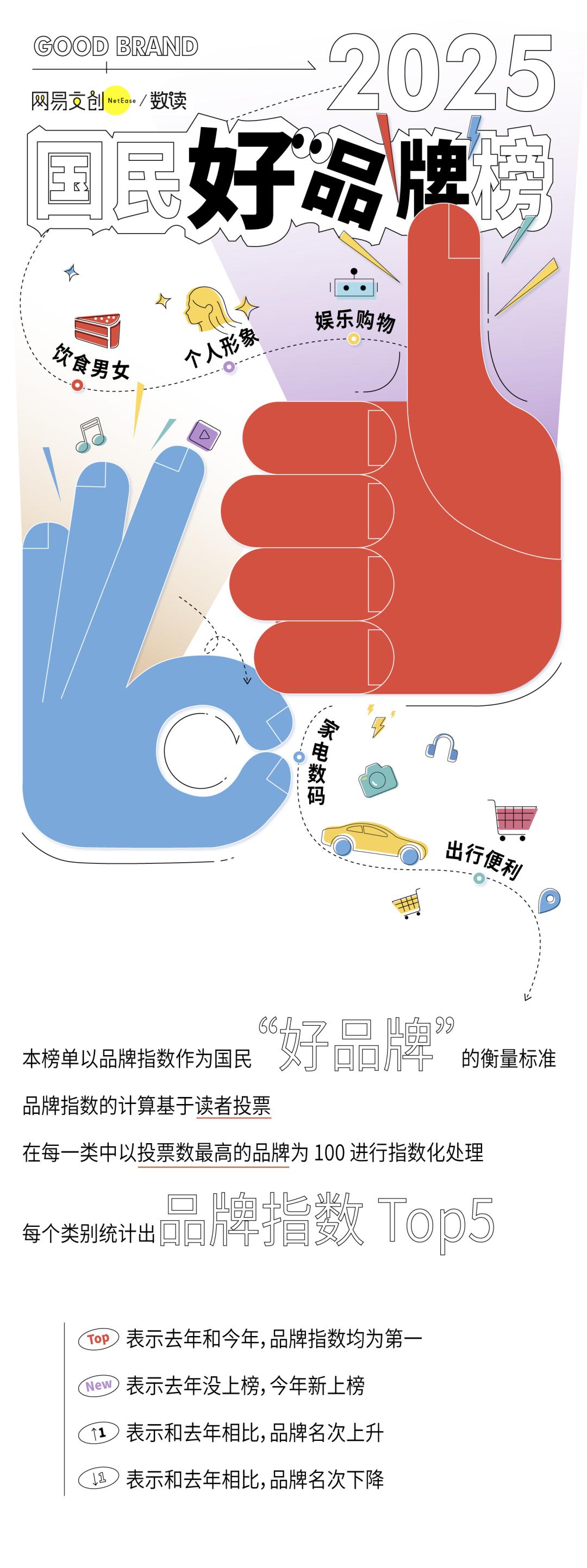
喜茶掉队、DeepSeek被它打败,2025年好品牌之争谁赢了
3 6 Ke· 2026-01-04 02:24
Group 1 - The brand index is used as a measurement standard for the public, calculated based on reader votes, with the highest voted brand in each category set to 100 for index processing [2] - The top five brands in various categories have been identified, with changes in rankings noted, including new entries and shifts in positions compared to the previous year [4][9] - The overall consumer sentiment indicates a cautious approach to spending, with a significant portion of respondents prioritizing product quality and reliability over brand loyalty [123][124] Group 2 - Heytea has fallen behind, with Guming Tea replacing it in the top five, and Guming Tea's store count reaching 11,179 with a net profit of 1.625 billion yuan, surpassing its total profit from the previous year [9] - Haidilao remains the top brand in the hot pot category, while KFC and McDonald's have swapped positions, with KFC slightly ahead [12] - The beverage market sees a return of Nongfu Spring to the top ranks, while Wahaha faces management turmoil, impacting its brand perception [15][17] Group 3 - In the beauty and personal care sector, Estee Lauder and L'Oreal dominate, with significant changes in rankings and the absence of local brands in the top positions [41] - Anta and Li Ning lead the sportswear category, with Li Ning rising to first place from fourth last year, while Adidas has returned to the rankings [45] - Douyin has surpassed Bilibili in the short video sector, with Douyin's daily active users reaching 600 million, while Bilibili has improved its profitability [55] Group 4 - The e-commerce landscape is evolving, with traditional platforms like JD, Meituan, and Taobao entering the instant retail competition, leading to significant financial investments in subsidies [73] - The AI app market is witnessing explosive growth, with ByteDance's products leading in active user numbers, indicating a shift towards AI-driven applications [80] - The adult product market is quietly rising, with brands like Durex and Okamoto leading the category [82] Group 5 - The home appliance market is characterized by intense competition, with Midea focusing on diversified business strategies, while Haier emphasizes high-end and localized operations [92] - Huawei continues to focus on the high-end market, with significant developments in its HarmonyOS ecosystem, while Apple faces challenges with its latest iPhone series [94][95] - The hotel industry is shifting towards new chain hotels, with traditional five-star hotels losing appeal as consumers seek more modern accommodations [116]


【数智周报】 Copilot整合效果不佳,微软CEO亲自出马介入整改;Meta数十亿美元收购Manus,肖弘将出任Meta副总裁
Tai Mei Ti A P P· 2026-01-04 01:55
【数智周报将整合本周最重要的企业级服务、云计算、大数据领域的前沿趋势、重磅政策及行研报 告。】 观点 吴恩达总结2025年AI发展四大关键词: 模型推理能力、AI人才争夺战、大规模AI基建、编程Agent普 及 1月30日,AI学术大牛、斯坦福大学教授、谷歌大脑联合创始人吴恩达在社交媒体平台发布公开信和一 篇长文,称2025年或将作为AI工业时代的黎明,并总结了今年AI发展的四大关键词:模型的推理能 力、AI人才争夺战、巨大规模的AI基建以及编程Agent的普及。关于模型的推理能力,吴恩达提到,它 已成为大多数新一代模型的内置常规能力,能显著提升模型在各种任务上的表现,而这一能力,在2025 年初还需通过特别提示来触发。在编程Agent的发展上,吴恩达认为,无需担心AI将取代初级开发者, AI辅助编程很快可能就被简单地视为编程本身,类似拼写检查和自动补全是写作的一部分,而擅长使 用AI的开发者的开发效率和质量将远胜以往。 国内资讯 华为2026年将持续战略聚焦 12月30日,华为轮值董事长孟晚舟在新年致辞中称,华为在2026年将持续战略聚焦、以质取胜,主要战 略方向包括强化行业垂直作战、构建鲲鹏昇腾生态、重构 ...

京东:2025年3C趋势品类白皮书
Xin Lang Cai Jing· 2026-01-04 01:29
Core Insights - The Chinese 3C digital product market is projected to reach $19.4 billion by 2025, driven by both mature and emerging product categories [6][8][9]. Market Overview - The growth of the 3C industry is supported by stable sales in mature categories like smartphones and laptops, with AI-related technologies contributing positively [9][10]. - Emerging categories such as smart wearables, XR devices, and action cameras are experiencing significant growth, with smart wearables seeing a year-on-year increase of 612% [9][10]. Growth Drivers - The growth of the 3C industry is driven by four key factors: policy guidance, technological penetration, supply chain upgrades, and expanding consumer demand [10][12]. - Policies aimed at stimulating market activity and consumer demand are expected to continue in 2025, enhancing the efficiency of market conversion [12][13]. Technological Innovations - The transition from "point intelligence" to "ecological collaboration" in technology is evident, with platforms like JD leveraging AI and green technologies to enhance the 3C ecosystem [15][16]. Consumer Demand Trends - There is a shift in consumer demand towards personalized, high-quality, and health-oriented products, moving the focus from merely selling hardware to providing value based on user identity and interests [20][21]. - The demand for products that offer a blend of functionality and aesthetic appeal is increasing, particularly among younger demographics [21][60]. Consumption Scenarios - The 3C consumption landscape is evolving from a focus on product functionality to an emphasis on experiential and scenario-based usage, driven by efficiency, self-satisfaction, and community recognition [22][23]. - Various consumption scenarios such as home entertainment, efficient office setups, and outdoor activities are emerging, with brands innovating to meet diverse consumer needs [29][45]. User Preferences - Users are increasingly looking for products that offer seamless integration across devices, emphasizing the importance of multi-device compatibility and smart functionalities [50][57]. - The trend towards stylish and practical wearable technology is gaining traction, with consumers prioritizing both aesthetic and functional attributes in their purchasing decisions [59][61].


索尔海姆: 新质生产力将持续引领中国发展|连线2026
2 1 Shi Ji Jing Ji Bao Dao· 2026-01-03 10:31
Group 1 - The core concept of "new quality productivity" is emerging as a significant development path in China, validated by various sectors including solar energy, electric vehicles, and digital technology [2][6][14] - China is becoming indispensable in the global green transition, providing cost-effective solar panels, electric vehicles, and key green technologies, which are crucial for achieving global sustainability goals [5][7][10] - The "14th Five-Year Plan" emphasizes the importance of green and digital economies, aiming to position China as a leading industrial and technological power [6][14] Group 2 - China has established a leading position in key green industries, particularly in solar energy and electric vehicle production, with companies like Tongwei and CATL setting global benchmarks [7][8] - Guangdong province is highlighted as a hub for digital and green economies, showcasing significant advancements in technology and sustainable practices [9][8] - The integration of green technologies with digital economies in regions like the Guangdong-Hong Kong-Macau Greater Bay Area is expected to enhance operational efficiency and drive sustainable growth [8][9] Group 3 - The concept of "green mountains and clear waters are as valuable as mountains of gold and silver" reflects China's commitment to balancing ecological preservation with economic prosperity, offering a model for other developing nations [10] - There is a call for increased collaboration between Europe and China, particularly in sharing green technologies, which could create jobs and enhance technological capabilities in Europe [11][12] - The future of global cooperation is seen as essential for addressing major challenges such as climate change and economic development, emphasizing the need for dialogue and partnership [12][13]
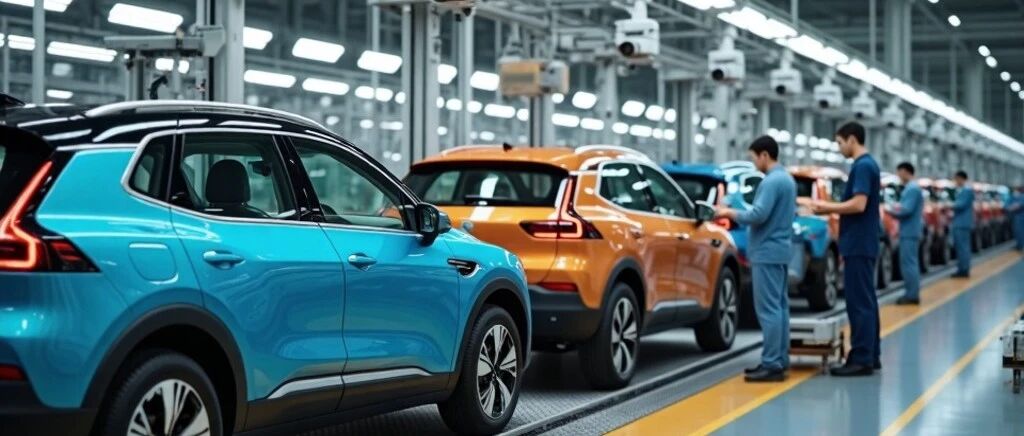
当“蔚小理”跌出头部:2026车企淘汰赛全面加速
首席商业评论· 2026-01-01 04:42
Core Viewpoint - The Chinese automotive market is undergoing a significant transformation, with a shift from traditional fuel vehicles to electric vehicles (EVs), leading to a competitive landscape focused on profitability and safety in the face of potential negative growth in 2026 [2][5][20]. Group 1: Market Transformation - The penetration rate of new energy vehicles in China rose from 5.4% in 2020 to 53.6% by November 2025, indicating a rapid transition compared to Europe [3]. - The automotive industry's value metrics have shifted from traditional components to new standards such as range, smart cabin experience, and assisted driving capabilities [3]. - By 2025, the market dynamics have changed, with new energy vehicles becoming the dominant force, moving from trendsetters to market leaders [3]. Group 2: Competitive Landscape - In 2025, the focus for automotive companies will shift from competing between new energy and fuel vehicles to finding ways to remain profitable in a low-margin environment [5][20]. - The market is witnessing a significant increase in market share for domestic brands, with projections indicating that domestic brands will exceed 65% market share [8]. - The sales performance of new entrants like Xiaomi has been inconsistent, highlighting the challenges of maintaining consumer trust amid safety concerns [10]. Group 3: Safety and Technology - The automotive industry is experiencing a profound value return, with safety becoming a critical factor rather than a cost option [12]. - By 2025, many vehicles are equipped with L2-level smart driving features, and advancements in battery technology have led to significant improvements in range and charging speed [12][14]. - New regulations are set to enforce stricter safety standards for electric vehicle batteries, emphasizing the importance of safety in the competitive landscape [16][18]. Group 4: Future Outlook - The automotive market is expected to face a potential decline in growth, with forecasts suggesting a 1% to 3% increase or a possible 2% negative growth in 2026 [20][21]. - Policy changes, such as the reduction of tax incentives for new energy vehicles, may impact sales growth, particularly in the price-sensitive segment [21][23]. - Companies are encouraged to explore global markets and innovate in technology to create new value, with a focus on L3-level autonomous driving and smart vehicle integration [25][28].


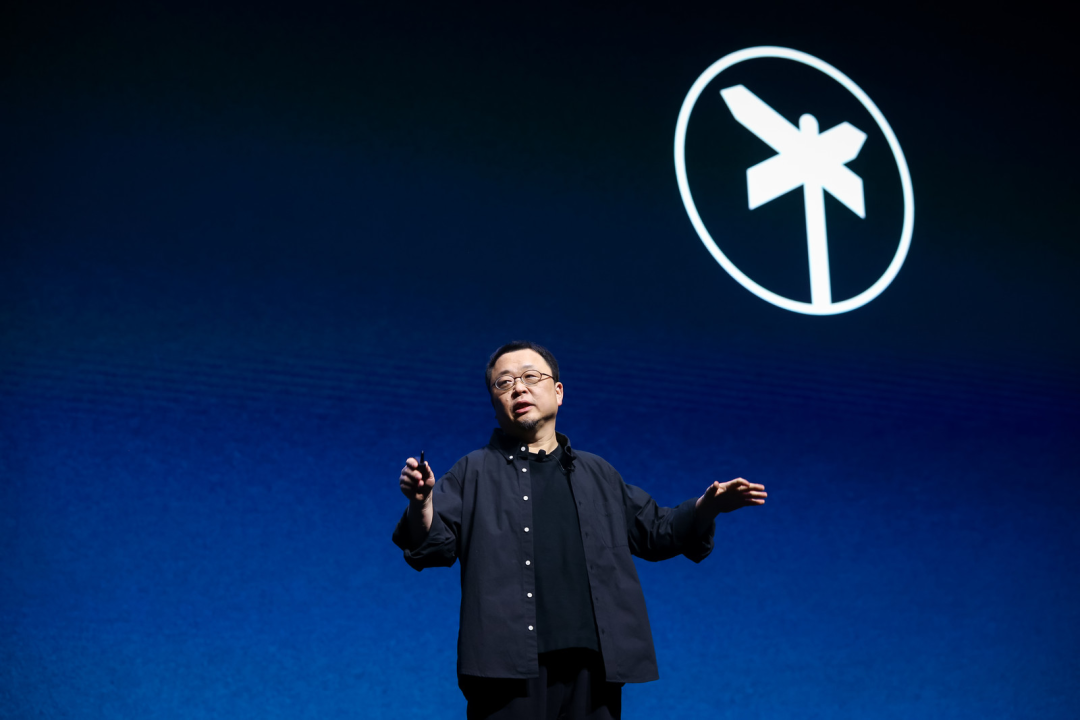
不再造硬件的罗永浩,办了一场硬件发布会 都说了些啥?
Xin Lang Cai Jing· 2025-12-31 13:19
Core Insights - Luo Yonghao returned to the stage after seven years to host the "Crossroads 2025 Annual Technology Innovation Sharing Conference" in Shanghai, marking a significant moment in his career [1][12] - The event focused on showcasing selected outstanding technology products rather than launching new hardware from his own company, which has not released self-developed hardware in recent years [2][12] Ticket Sales and Attendance - The event featured six ticket price tiers ranging from 300 to 1000 yuan, with total ticket sales reaching 1.668 million yuan within two hours of release [2][13] - The venue, Shanghai West Bank International Exhibition Center, has a capacity of 4000 attendees, and the event was fully booked [5][15] Product Showcase - Luo introduced seven "most notable" hardware products, including DJI's Neo2 drone, Hyershell exoskeleton, and Libernovo ergonomic chair, among others [5][17] - The presentation included humorous moments, such as Luo expressing regret that the DJI product was not his own creation, which resonated with the audience [7][17] Technical Issues and Presentation Style - The event experienced delays and technical difficulties, with Luo humorously acknowledging the issues during the presentation, which is characteristic of his style [9][19] - Some products that were supposed to be showcased were skipped due to time constraints, indicating potential organizational challenges [9][19] New Product Development - Luo introduced a new AI reading app named "Qie Ting," designed to provide in-depth analyses of books and allow users to customize voice readings [10][20] - The app currently features over 5000 books and aims to differentiate itself in a crowded market of reading apps [12][22] Future Plans - Luo expressed a commitment to continue pursuing technology and large-scale events, indicating a long-term vision for his endeavors in the tech industry [12][22]
投资人为何蹲守大疆楼下挖人
Zheng Quan Shi Bao Wang· 2025-12-31 12:53
大疆系离职人员创业成功的案例越来越多,比如拓竹科技、正浩创新、宇树科技、丰疆智能等。有媒体 报道,以大疆总部"天空之城"为中心的半径五公里内,聚集了大量大疆前员工创办的企业。据统计, 2025年以来已有近20家由大疆前员工创立的公司成功获得融资。 记者参加大疆的新品发布会,有一个很深的印象,就是每一代研发都会有很大的进展,不是"挤牙膏"; 即使性能没有大的突破,也会优化人性化应用、降低价格。这使得产品性能越来越高,同等功能产品的 价格其实在快速下降。另一个印象是,大疆不愿意让研发者露面,即使露了面,也不能署名。大疆借此 保护研发队伍的稳定性。 对企业而言,核心研发人员太珍贵了。优秀公司的优秀员工,是外界特别珍惜的资产。记者采访过一些 硬件企业,这些企业以挖到大疆员工而自豪。 在深圳,华为系创业更为成功。和华为系相比,大疆很 年轻,员工规模也小得多,为何近期创业成功的案例如此之多?大疆有何独特之处? 截至2025年10月,大疆官方披露已有近1000位参与过RoboMaster机甲大师赛的优秀人才入职。该数据涵 盖历届参赛队员与赛事执行队员,这些人才主要通过RoboMaster专属招聘通道吸纳,获奖与提名者还可 ...
高瓴美团,投一个深圳团队
3 6 Ke· 2025-12-31 09:33
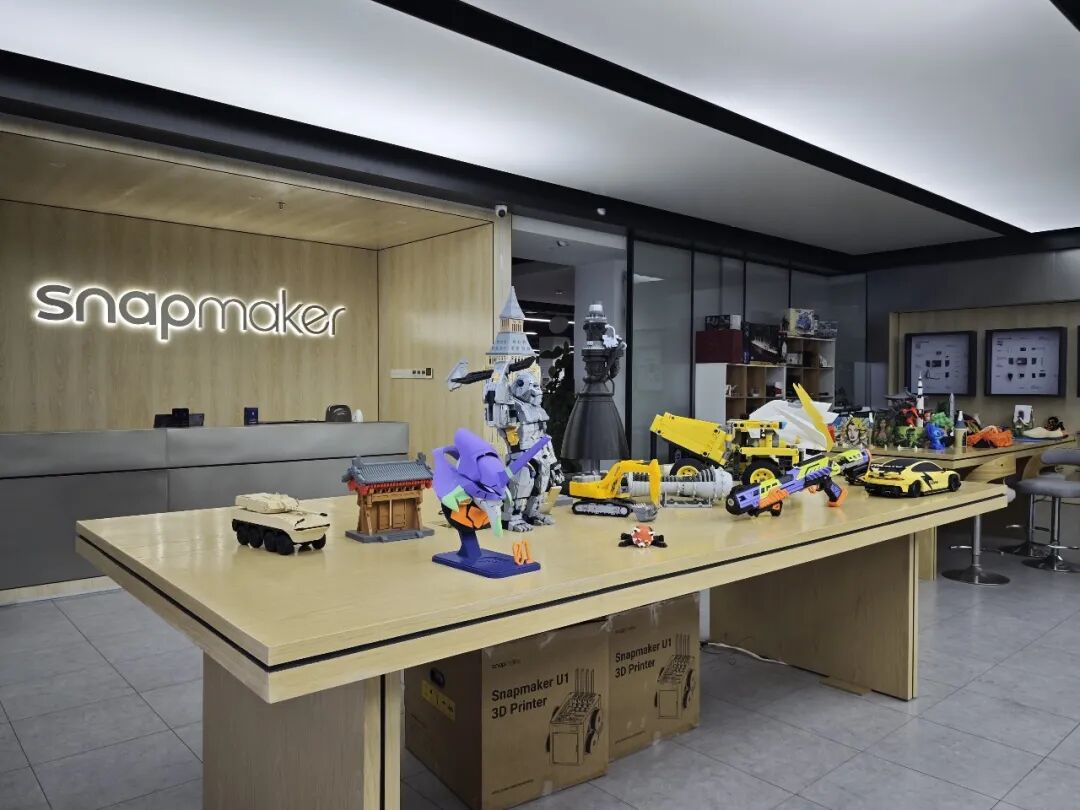
Core Insights - Snapmaker, a 3D printing startup, recently completed a multi-billion RMB Series B financing led by Hillhouse Capital and Meituan, highlighting the booming hardware entrepreneurship in Shenzhen [1][6]. Company Overview - Snapmaker was founded by Chen Xuedong and his team, who aimed to create a versatile tool for creative needs, leading to the development of a multifunctional printer that integrates 3D printing, laser engraving, and CNC cutting [2][3]. - The company faced a revenue bottleneck in 2023, prompting a strategic shift from a "three-in-one" product to focusing solely on 3D printing, resulting in the launch of the U1 printer, which became the highest crowdfunded 3D printing project on Kickstarter, raising over 150 million RMB [5][6]. Financing and Growth - Snapmaker's B round financing, amounting to several hundred million RMB, was noted as a significant event in the 3D printing sector, with expectations of several-fold revenue growth in the coming year as the company transitions from product development to ecosystem building [6]. - The company has attracted a surge of investor interest, with dozens of investors approaching them in just the second half of the year [7]. Industry Landscape - The 3D printing industry has seen a dramatic rise, particularly after the emergence of companies like拓竹, which has become a unicorn valued over 10 billion USD, prompting investors to seek the next big opportunity in this space [7][9]. - The competitive landscape has evolved, with major players like拓竹, 创想三维, and others forming a new tier in the consumer-grade 3D printing market, while Snapmaker and other emerging companies are also gaining traction [9][10]. Shenzhen as a Hub - Shenzhen is recognized as a global center for consumer hardware and 3D printing, offering a rich talent pool and robust supply chain, making it an attractive location for hardware startups [12][13]. - The city has been actively promoting hardware entrepreneurship through initiatives like the "X-Day" event, which has facilitated significant funding and support for numerous startups [13].

低空经济加速“落地”,重新定义“立体中国”
Xin Hua She· 2025-12-31 09:15
新华社北京12月31日电 12月31日,《新华每日电讯》发表题为《低空经济加速"落地",重新定义"立体中 国"》的报道。 轻柔嗡鸣划破天际,一架搭载急救血液的无人机从天津滨海新区塘沽中心血站腾空而起,螺旋桨卷起的 气流拂过地面,朝着天津市第五中心医院生态城医院疾驰而去。这条全新启用的低空生命线,将原本近 1小时的地面颠簸路程,压缩至短短18分钟,让曾经只在科幻电影中出现的"空中速递"场景,真切照进 了现实。 这一幕,是2025年中国低空经济爆发式增长的生动缩影,更是未来生活的精彩预演。 2025年,在政策东风与市场活力的双重助推下,低空经济早已从社交媒体上的热门概念,深度融入百姓 日常。城市公园的夜间无人机配送、远海油气平台的eVTOL(电动垂直起降飞行器)物资补给、文物 普查的智能测绘、跨城跨境的低空通勤等多元场景正在加速落地。 正如天津"90后"无人机飞手任志超操控着无人机平稳落地时所言:"小时候趴在课桌上画在纸上的'飞天 景象',如今真的飞到了眼前、融入了生活。" 11月21日在株洲芦淞机场拍摄的动态飞行表演。当日,2025湖南(国际)通用航空及低空经济产业博览会 开幕。新华社记者 陈振海 摄 向空发力 ...