
三星

Search documents
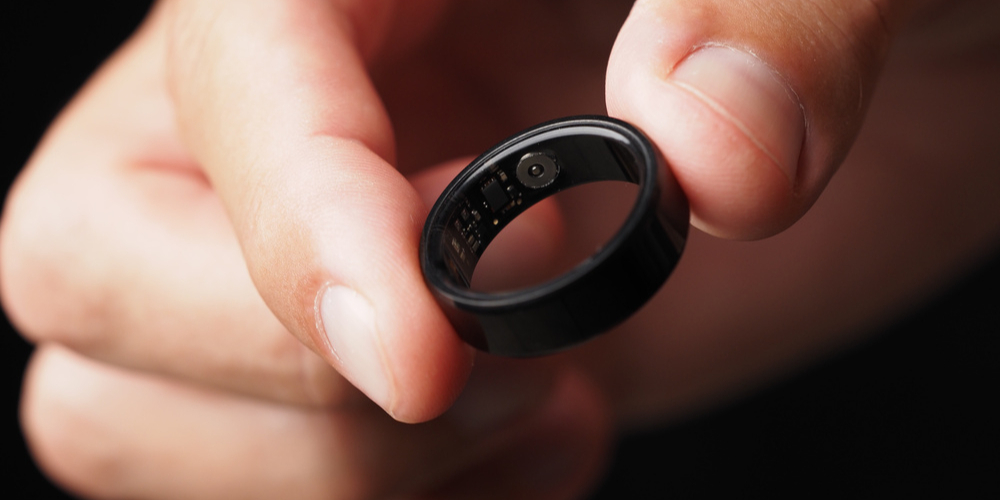
单枚毛利低至5毛钱 智能戒指未火先“卷”
经济观察报· 2026-02-06 14:31
Core Viewpoint - The smart ring market is experiencing significant challenges, with low profit margins and intense competition among manufacturers, leading to a saturated and chaotic environment in the hardware sector [2][5][15]. Group 1: Market Dynamics - The processing profit for a smart ring has drastically decreased to between 0.5 to 1 yuan, compared to a much higher profit margin three years ago [2][4]. - The entry of brands like Oura and RingConn has changed the landscape, with many manufacturers pivoting to produce white-label smart rings due to the perceived market potential [3][5]. - The monthly shipment volume of smart rings in Huaqiangbei has reached nearly 800,000 units, indicating a high level of market activity despite low margins [5][6]. Group 2: Competitive Landscape - Many manufacturers are entering the smart ring market, attracted by low technical barriers and the ability to produce using existing supply chains [6][10]. - The market is characterized by a high degree of product homogeneity, with many smart rings offering similar features such as blood oxygen and heart rate monitoring, leading to price competition [6][9]. - Companies like Gyges Labs are attempting to differentiate themselves by focusing on innovative applications, such as AI recording capabilities, rather than competing in the saturated health monitoring segment [9][10]. Group 3: Future Outlook - Major tech companies, including Ant Group and various smartphone manufacturers, are exploring the smart ring market, which could lead to increased competition and innovation [14][15]. - The entry of large companies is expected to shift the focus from mere hardware competition to ecosystem and scenario-based competition [14][15]. - The market is anticipated to see significant developments in 2024 as more major players enter the space, although current offerings from smartphone manufacturers have not yet achieved substantial sales [15].


2026年全球资本大迁徙深度分析:抛售美国背后,黄金、亚洲科技股谁是真避险?
Sou Hu Cai Jing· 2026-02-06 14:00
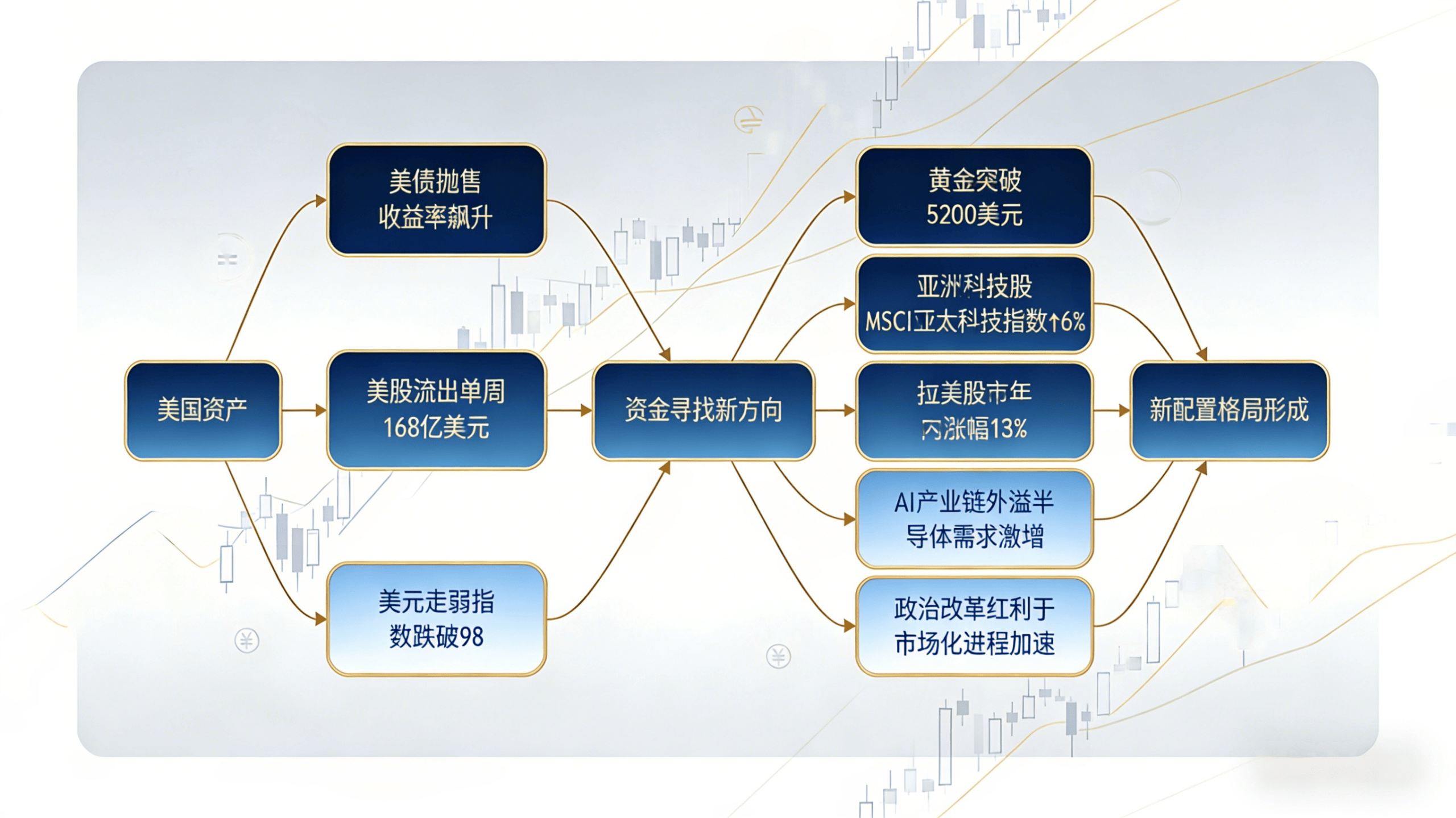
2026年开年,一场静默的资本迁徙正在全球上演。近期,黄金市场波动剧烈,价格一度突破5200美元创下历史新高后又出现回调;比特币也经历了大幅震 荡,引发市场广泛关注。与此同时,当机构投资者悄悄减持美债,当亚洲科技股跑赢纳斯达克,我们不禁要问:这场资本大迁徙的背后,谁才是真正的避险 资产? 资本流向的三大信号 信号1:美债遭遇历史性抛售 信号2:美股资金外流创纪录 信号3:黄金与新兴市场吸金效应 资本流向可视化:从美国到亚洲的路径迁移 丹麦养老基金AkademikerPension公开清仓1亿美元美债,直言美国"信用不理想" 印度央行持有的美国长期国债降至1740亿美元,为5年最低,较2023年峰值下降26% 日本投资者转为外国长期债券净卖家,2025年12月净卖出3742亿日元 美国股票基金单周净流出168亿美元,录得有史以来最大资金流出之一 科技股重灾区:纳斯达克综合指数1月20日下跌2.39%,英伟达、特斯拉跌幅超4% MSCI新兴市场指数年初至今上涨7%,远超标普500的1%涨幅 拉美股市领涨:MSCI拉丁美洲股票指数创2018年以来新高,年内攀升13% 黄金突破5200美元:现货黄金1月28日站上52 ...

微醺的马斯克聊嗨了:盛赞中国、预言天上的AI
Sou Hu Cai Jing· 2026-02-06 13:55
Core Insights - Elon Musk discussed the future of AI infrastructure in space, emphasizing that space will become the preferred location for AI data centers due to energy supply issues on Earth. He predicts that within 30 to 36 months, space will be the most economically attractive place for deploying AI capabilities [4][10][12]. Group 1: Space and Energy - Musk highlighted that energy supply is a critical issue, with global electricity production stagnating outside of China, which is rapidly increasing its output. He believes that the energy needed for AI chip production will necessitate moving operations to space [4][12]. - The efficiency of solar panels in space is five times greater than on Earth, as they do not face atmospheric losses. This makes space a more cost-effective location for energy generation and AI deployment [9][21]. Group 2: AI and Computing Power - Musk predicts that in five years, the annual AI computing power launched and operated in space will exceed the cumulative total on Earth, potentially reaching 1 terawatt of power [28][50]. - He stated that companies entirely composed of AI and robots will outperform those with human involvement, suggesting a significant shift in business dynamics [59][67]. Group 3: Manufacturing and Supply Chain - Musk discussed the challenges of building power plants and the need for significant infrastructure to support AI data centers. He noted that the utility industry is slow-moving, complicating the scaling of energy production [12][26]. - He emphasized the importance of controlling the entire supply chain for solar panel production, from raw materials to finished products, especially for space applications [20][21]. Group 4: Competitive Landscape - Musk expressed concerns that without breakthrough innovations in the U.S., China could dominate the AI and manufacturing sectors due to its advanced capabilities and larger workforce [78][79]. - He pointed out that China's electricity production is projected to be three times that of the U.S., indicating a significant industrial capacity advantage [78].


从巴黎借2万件家具,93%场馆旧的,“最散装冬奥”很赞
3 6 Ke· 2026-02-06 13:43
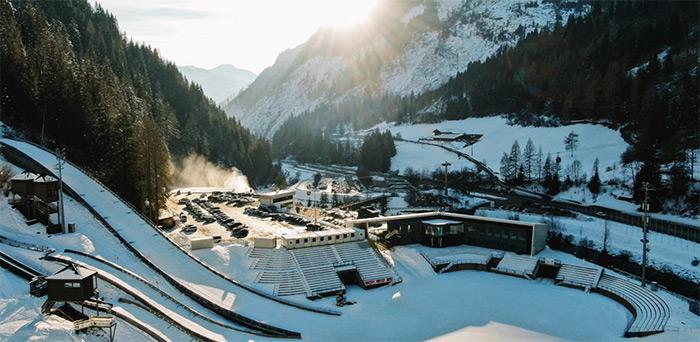
当地时间2月6日20时,北京时间7日凌晨3点,2026年米兰—科尔蒂纳冬季奥运会将正式拉开帷幕。 开幕式上,肯尼亚马拉松传奇基普乔格将担任执旗手护送奥林匹克会旗入场,中国钢琴家郎朗也将参与表演。从体育精神到文化艺术,这场全球顶级盛会 再度搭建起连接不同文明与产业体系的重要桥梁。 但聚光灯之外,这届冬奥会更被视为一次关于奥运经济模式的关键实验。 在全球大型体育赛事屡屡面临财政争议的背景下,米兰冬奥会从申办之初就提出目标——打造一届"更经济、更可持续、更具长期价值"的奥运会。 通过复用存量场馆、多城市联合办赛、优化融资结构及强化商业运营,米兰冬奥正积极探索一条弱化政府财政依赖的新型办赛之路。国际奥委会主席考文 垂表示,2026米兰-科尔蒂纳冬奥会将作为一次关键的"压力测试",国际奥委会将深入评估分散布局在可持续性方面的收益与伴随的成本和复杂度增加, 为未来奥运会的举办模式提供重要参考。 米兰打造"最分散冬奥会" 长期以来,奥运会高昂的办赛成本一直是全球关注焦点。索契冬奥会的总开销高达510亿美元(约合人民币3672亿元),成为历史上最昂贵的奥运会。相 比之下,平昌冬奥会的预算约为130亿美元(约合人民币936亿元 ...
单枚毛利低至5毛钱 智能戒指未火先“卷”
Jing Ji Guan Cha Wang· 2026-02-06 12:21
Core Insights - The profit margins for smart ring manufacturing have drastically decreased, with current profits ranging from 0.5 to 1 yuan per unit, compared to much higher margins three years ago [2][4] - The rise of brands like Oura and RingConn has intensified competition in the smart ring market, leading to a saturation of the supply chain and a significant drop in profitability for manufacturers [3][4] - The market for smart rings is characterized by low barriers to entry, allowing many manufacturers to quickly replicate successful products, resulting in a "bloodbath" of competition [6][10] Industry Trends - The monthly shipment volume of smart rings in Shenzhen has reached approximately 800,000 units, with one factory accounting for about 1/9 of this total [4] - Many manufacturers are shifting focus to white-label smart rings, which offer lower profit margins but quicker returns [4][5] - The emergence of numerous similar products with identical functionalities has led to a significant reduction in average selling prices, with some products dropping below $10 [8][10] Competitive Landscape - Companies like Gyges Labs are attempting to differentiate themselves by focusing on innovative features, such as AI recording capabilities, rather than competing in the saturated health monitoring segment [9][10] - Major tech companies, including OPPO and ByteDance, are entering the smart ring market, although their current offerings have not yet achieved significant market traction [11][12] - The anticipated entry of larger players like Apple is expected to reshape the market dynamics, with many manufacturers currently adopting a wait-and-see approach [12][13] Market Opportunities - The smart ring market is projected to grow, with increasing interest from both consumers and manufacturers, particularly in health monitoring and payment functionalities [12] - The potential for smart rings to serve as entry points for broader ecosystems is being explored, particularly by companies like Ant Group [12] - The market is expected to see a shift towards more defined product offerings that cater to specific user needs, rather than generic products [12]
微醺的马斯克聊嗨了:盛赞中国、预言天上的AI
量子位· 2026-02-06 12:00
Core Viewpoint - The discussion highlights Elon Musk's vision for the future of AI and space, emphasizing the potential of space as a hub for AI infrastructure and energy production, which could surpass Earth's capabilities within the next five years [5][36][96]. Group 1: Space as AI Infrastructure - Musk predicts that within 30 to 36 months, space will become the preferred location for AI infrastructure due to its advantages in energy efficiency and scalability [5][12][16]. - The anticipated annual AI computing power in space is expected to exceed the cumulative total on Earth within five years, with projections of reaching around 1 terawatt (TW) of power generation [36][58]. - Space solar panels are estimated to be five times more efficient than those on Earth, eliminating the need for batteries and significantly reducing costs [12][28][30]. Group 2: Energy Supply Challenges - Musk identifies energy supply as a critical issue, noting that while chip production is rapidly increasing, energy production is stagnating outside of China [6][7]. - The construction of data centers on Earth faces significant regulatory and logistical challenges, making space a more viable option for expansion [11][12][19]. - The average power consumption in the U.S. is around 500 gigawatts (GW), and Musk emphasizes the difficulty of scaling energy production to meet the demands of large data centers [17][58]. Group 3: Chip Production and Supply Chain - Musk discusses the need for large-scale chip manufacturing facilities, suggesting a project akin to "TeraFab" to meet future demands for AI chips [48]. - The current chip supply chain is constrained, with existing foundries unable to meet the anticipated demand, leading to potential bottlenecks in AI deployment [56][57]. - Musk expresses concerns about memory production, indicating that the path to producing sufficient memory for logic chips is less clear than that for logic chip manufacturing [52]. Group 4: Competitive Landscape and Innovation - Musk warns that without breakthrough innovations, the U.S. risks losing its competitive edge to China, which is rapidly advancing in manufacturing and energy production [96]. - The discussion touches on the importance of maintaining a skilled workforce and the challenges posed by China's larger population and manufacturing capabilities [92][95]. - Musk believes that the future of companies will increasingly rely on AI and robotics, which will outperform human-involved companies in efficiency and productivity [80].

存储三巨头,增设“霸王条款”
财联社· 2026-02-06 11:27
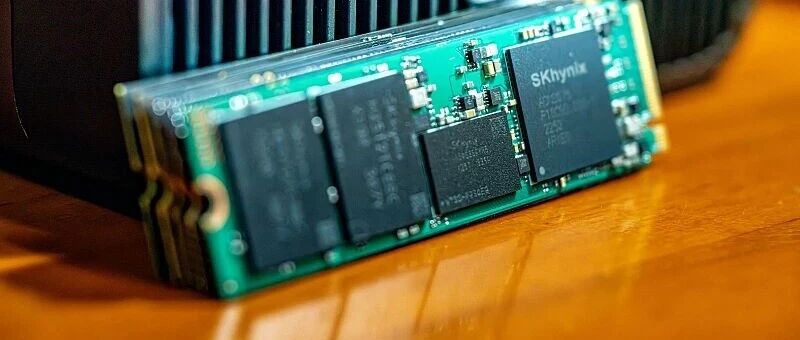
Core Insights - The storage giants are shifting their trading strategies to capitalize on potential gains during the ongoing "super cycle" of rising prices [2] - A new trading model is emerging as major companies like Samsung, SK Hynix, and Micron are moving away from long-term supply agreements (LTA) to shorter contracts with "post-settlement" clauses [2] - The pressure from both soaring prices and limited supply is leading storage manufacturers to tighten order controls and verify customer demand authenticity [2][3] Group 1 - The willingness of storage giants to sign long-term supply agreements is decreasing, leading to a rise in short-term contracts [2] - The "post-settlement" clause allows suppliers to adjust prices based on market conditions after delivery, contrasting with previous fixed pricing models [2] - Buyers, particularly in the tech sector, prefer long-term contracts to ensure stable supply for expanding AI infrastructure, but many contracts are now being shortened to quarterly or monthly terms due to inventory constraints [2] Group 2 - Manufacturers are taking measures to ensure supply by repurposing old inventory, although this approach may compromise quality for secondary markets [3] - Consumer electronics manufacturers, such as smartphone makers, are facing unprecedented pressure due to low storage inventory levels, which are currently below the healthy range of 8-10 weeks [4] - Samsung's DRAM inventory has dropped to about six weeks, significantly below the normal levels of 10-12 weeks, indicating a potential ongoing supply shortage [4][4]

马斯克断言:地球电力将枯竭,AI 数据中心 3 年内被迫“上天”
Xin Lang Cai Jing· 2026-02-06 11:26
IT之家 2 月 6 日消息,科技媒体 Wccftech 昨日(2 月 5 日)发布博文,报道称特斯拉首席执行官埃隆 · 马斯克(Elon Musk)断言,由于地球能源供应无法 满足 AI 基础设施的爆发式增长,未来 30 至 36 个月内,最具经济效益的 AI 部署地点将转向太空。 马斯克认为,虽然目前制约 AI 发展的因素看似是芯片,但在实现太空部署前,真正的"拦路虎"其实是电力。一旦数据中心升空,利用无限的太阳能解决了 能源问题,制约因素将再次回落到芯片产能上。 马斯克通过数据对比揭示了地球能源的局限性。目前美国全国的平均电力消耗仅为 0.5 太瓦(Terawatt),而按照 AI 基础设施的建设速度,未来可能需要高 达 1 太瓦的电力,相当于现有消耗量的两倍。 国际能源署(IEA)的数据也佐证了这一危机:未来四年内,仅数据中心的电力消耗就将增长 15%;到 2030 年,数据中心可能占据美国总发电量的 12%。 马斯克指出,在地面建设如此规模的电厂和数据中心已不具备可行性。 IT之家援引博文介绍,在马斯克构想的蓝图中,虽然太空能解决能源危机,但供应链危机依然存在。他指出,即便利用星舰(Starship ...
传音控股(688036):“非洲之王”利润腰斩!成本暴涨,对手偷家,护城河见底
市值风云· 2026-02-06 11:04
Investment Rating - The report indicates a significant decline in the investment outlook for Transsion Holdings, with a projected net profit drop of 54.11% to 2.546 billion yuan for 2025, raising concerns about its market position and future growth potential [2][35]. Core Insights - Transsion Holdings, known as the "King of Africa," has seen its profits halved due to soaring costs and increased competition, particularly from Chinese rivals entering the African market [2][35]. - The company's revenue for 2025 is expected to decline by 4.58% to 65.568 billion yuan, marking a departure from previous growth trends [34]. - Transsion's market share in Africa remains strong at over 40%, but its growth rate has slowed significantly, with competitors like Xiaomi and Honor rapidly increasing their market presence [11][28]. Summary by Sections Company Overview - Transsion Holdings primarily focuses on mobile phone sales, with nearly 94% of its total revenue of 68.715 billion yuan in 2024 derived from this segment [6][34]. - The company has established a strong foothold in the African market, where it has a market share exceeding 40% in smartphones, and ranks third globally in mobile phone shipments with a 14% market share [11][34]. Competitive Landscape - The competitive dynamics in the African smartphone market have shifted, with major Chinese brands like Xiaomi and Honor aggressively targeting this previously overlooked region, leading to increased pressure on Transsion [24][28]. - Transsion's growth has been hindered by rising costs in the supply chain, particularly for storage components, which have significantly impacted its profit margins [15][18]. Future Prospects - Transsion is attempting to pivot towards AI technology as a new growth narrative, with plans to integrate AI features into its products and develop an AI ecosystem [40][42]. - Despite these ambitions, the company faces challenges in differentiating its AI offerings from those of established competitors, raising questions about the viability of its new strategy [46][48]. - The diversification into other product lines, such as tablets and smart home devices, has shown some growth but still represents a small portion of total revenue, indicating a need for further development to achieve scale [48][50].

全球手机均价首破2900元,谁在为“涨价潮”买单?
Zhong Guo Jing Ying Bao· 2026-02-06 10:48
Core Insights - A "price increase storm" is sweeping the global smartphone market, with the average selling price (ASP) expected to exceed $400 for the first time by Q4 2025, reaching $424, driven by a 13% year-on-year revenue growth to a record $143 billion, despite only a 5% increase in shipment volume [1][2] Group 1: Market Trends - The high-end trend remains the core driver of the smartphone market, with consumers purchasing more expensive devices, indicating a shift from "scale expansion" to "value expansion" in the industry [1] - Apple emerges as the biggest winner, with a 23% year-on-year revenue growth and a market share of 59%, significantly benefiting from the iPhone 17 series and an increase in Pro version sales [2] - The pricing pressure is more pronounced among domestic brands, with Xiaomi experiencing a 9% revenue decline and an 11% drop in shipment volume, while OPPO saw a 23% revenue increase due to its high-end product lines [2][3] Group 2: Price Increase Drivers - The price hikes are attributed to soaring supply chain costs, particularly in memory chips, with DRAM prices skyrocketing by 171.8% year-on-year and LPDDR5X memory prices increasing by over 110% [4] - The rising costs of flagship processors, such as Qualcomm's Snapdragon 8 Gen 2, which costs $280, have also contributed to the overall increase in smartphone prices [4][5] - The AI wave is squeezing production capacity, with priority given to AI and server needs over smartphone production, further exacerbating the situation [4][5] Group 3: Industry Implications - The price increase trend is expected to continue, with forecasts suggesting the global smartphone ASP will reach $412 by 2029, driven by high-end market growth and rising component costs [5] - The current price surge presents an opportunity for industry reshuffling, where weaker brands may be eliminated, while those achieving technological breakthroughs can establish a foothold in the high-end market [6] - Consumers are advised to adjust their purchasing strategies, considering longer upgrade cycles and focusing on previous flagship models or mid-range devices that offer competitive features [6]