三星

Search documents
【买卖芯片找老王】260206 华邦/美光/英飞凌/TI/TDK
芯世相· 2026-02-06 04:47
Core Viewpoint - The article discusses the challenges of managing excess inventory in the semiconductor industry, highlighting the financial burden of storage and capital costs associated with unsold materials, while promoting a service that facilitates quick sales of surplus stock [1][8]. Group 1: Inventory Management - A significant amount of excess inventory, specifically 100,000 units, incurs monthly storage and capital costs of at least 5,000, leading to a potential loss of 30,000 if held for six months [1]. - The company offers a platform for selling surplus materials, claiming to have served 22,000 users and can complete transactions in as little as half a day [8]. Group 2: Inventory Listings - The article lists various semiconductor components available for sale, including: - 30,000 units of W25Q40CLWI from Winbond, manufactured in 2022 [4]. - 2,000 units of MT29F64G08AECDBJ4-6ITR:D from Micron, manufactured in 2021 [5]. - 1800 units of S29GL128P11FFIV20A from Spansion, manufactured in 2021 [5]. - The total inventory includes over 5,000,000 chips across more than 1,000 models and 100 brands, with a total inventory value exceeding 100 million [7]. Group 3: Purchase Requests - The article also includes a list of requested components, such as: - 10,000 units of K4AAG165WA-BCTD from Samsung [6]. - 50,000 units of W25Q80DVSSIG from Winbond, with a manufacturing year of 25+ [6]. - This indicates ongoing demand for specific semiconductor components in the market [6].



东北证券:建筑装饰行AI推动CAPEX景气周期 洁净室充分受益
智通财经网· 2026-02-06 02:44
Group 1 - Cleanroom engineering serves as a foundational support for advanced manufacturing, with a high concentration in the high-end market [2] - The domestic cleanroom market is projected to reach 286.8 billion yuan in 2024, with over half allocated to electronics, and the unit area cost expected to rise to 0.66 million yuan per square meter [2] - The global semiconductor investment remains robust, with significant domestic space for localization, as China's integrated circuit self-sufficiency rate was only 18.3% as of 2022 [2][4] Group 2 - The HBM market is rapidly expanding, with a forecasted size of 30 billion USD by 2026 and a compound annual growth rate of approximately 100% from 2023 to 2026 [3] - Major players in the HBM industry, including SK Hynix, Samsung, and Micron, dominate the market, holding 54%, 39%, and 7% market shares respectively in 2024 [3] - Global semiconductor capital expenditure is expected to exceed 200 billion USD by 2026, with cleanroom size projected at 217.2 billion yuan [4] Group 3 - The demand for cleanrooms in the medical sector is expected to grow steadily, with the cleanroom market projected to increase from 6.78 billion yuan in 2013 to 23.5 billion yuan in 2024 [6] - The number of hospitals in China has grown from 24,709 in 2013 to 38,355 in 2023, driving the expansion of medical cleanroom facilities [6] - Investment opportunities are identified in companies such as Yaxing Integration, Shenghui Integration, Huakang Cleanroom, Bocheng Co., and Meiyu Technology [6]

汽车芯片巨头,集体唱衰
半导体行业观察· 2026-02-06 01:33
Core Viewpoint - The automotive chip industry is experiencing a prolonged and complex adjustment period, with major companies expressing caution about market recovery and facing new challenges from a shortage of storage chips [2][4][13]. Financial Performance Insights - NXP's automotive chip revenue for Q4 2025 was $1.88 billion, a mere 4.8% year-over-year increase, falling short of analyst expectations [4]. - STMicroelectronics reported a significant operating loss of $133 million in Q2 2025, contrasting with Wall Street's expectation of a $56.2 million profit, indicating deep concerns about the automotive market [4]. - Texas Instruments highlighted a modest growth of 6%-9% in its automotive segment for Q4, with a slight decline in revenue, suggesting a lack of momentum in this area [5]. - Infineon's automotive business revenue for Q1 2026 was €1.821 billion, showing a 5% quarter-over-quarter decline, despite a 4% year-over-year increase [5]. Supply Chain Challenges - A shift in storage chip production towards higher-margin HBM products has led to a rapid depletion of previously abundant storage chip supplies for the automotive sector [2][8]. - DRAM prices surged by 172% year-over-year in Q3 2025, driven by strong demand from AI infrastructure, marking one of the most significant price fluctuations in semiconductor history [8]. - The automotive industry faces a dual challenge from both a shortage of storage chips and the rising costs associated with DRAM, which could increase by 70%-100% in 2026 [9][10]. Market Dynamics - The transition from traditional fuel vehicles to electric vehicles is slowing, with regional disparities in market performance, particularly in Europe and the U.S. [13][14]. - The U.S. market is affected by uncertainties surrounding federal tax incentives for electric vehicles, which dampen consumer purchasing intentions [14][15]. - In China, the local semiconductor supply chain is strengthening, with domestic chips now comprising 15% of the semiconductor content in local electric vehicles [15]. Strategic Responses - Texas Instruments is adopting a conservative strategy, focusing on maintaining inventory levels and capitalizing on its strong cash flow to weather the downturn [18][19]. - NXP is restructuring by laying off 5% of its workforce and acquiring companies to enhance its capabilities in software-defined vehicles [20][21]. - STMicroelectronics is concentrating resources on automotive MCUs, aiming to solidify its position in a stable but lower-margin market [22][23]. - Infineon is heavily investing in AI-related technologies, aiming for significant revenue growth in this sector while also adjusting its automotive strategies [24][25]. Long-term Outlook - Despite current challenges, the long-term growth potential in the automotive chip market remains intact, driven by increasing chip content in vehicles and the rise of software-defined vehicles [28][29]. - The automotive industry is expected to see a significant increase in the adoption of advanced electronic architectures, which will require more sophisticated chips [28]. - The overall recovery of the automotive chip market hinges on multiple factors, including inventory digestion, electric vehicle penetration, and the alleviation of storage chip supply constraints [36].



存储超级周期下实探PC市场:销售催促“再不买还得涨”
Xin Lang Cai Jing· 2026-02-06 01:25
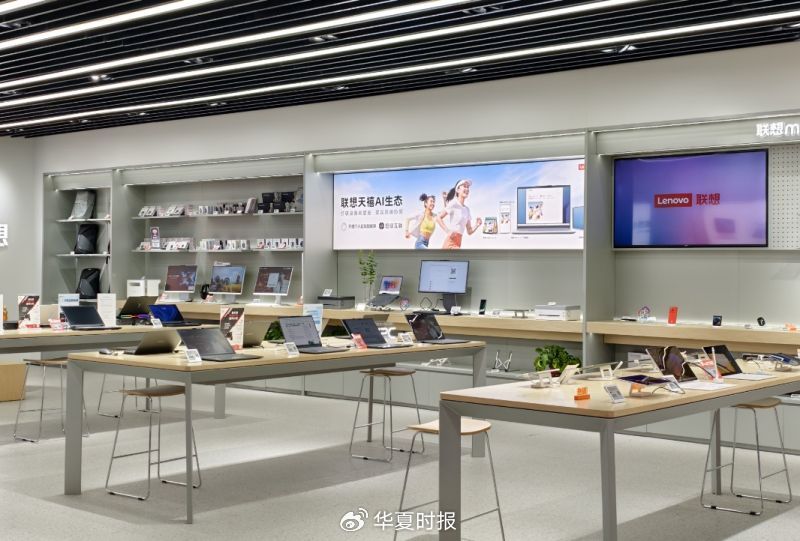
Core Viewpoint - The ongoing increase in storage chip prices is expected to lead to a rise in PC prices, with major brands already starting to pass on these costs to consumers [2][11]. Group 1: Price Adjustments by Major Brands - Lenovo, HP, and Honor have begun adjusting prices for certain models, with Lenovo's gaming laptops seeing increases of approximately 1000 yuan, while HP's adjustments range from 200 to 500 yuan depending on the model [3][12]. - Honor has already raised prices on several models by around 500 to 1000 yuan, with promotional discounts still making the final prices competitive [12]. - Other brands like Huawei, Xiaomi, and Samsung have not yet raised prices but anticipate adjustments in the near future, potentially between 5% and 10% [4][12]. Group 2: Market Trends and Consumer Behavior - The global PC shipment volume is projected to remain stable, with Gartner reporting a 9.3% increase in Q4 2025 compared to Q4 2024, totaling over 270 million units for the year [18]. - Despite price increases, demand for PCs may remain strong among users with essential needs or those seeking high-performance AI PCs, although price-sensitive consumers may be deterred [18]. - The smartphone market is also experiencing price increases due to rising storage costs, with the average selling price expected to exceed $400 for the first time in Q4 2025 [4][13]. Group 3: Industry Challenges and Future Outlook - The rising cost of memory, which constitutes 15% to 18% of a typical PC's total cost, is significantly impacting pricing strategies across the industry [5][14]. - Analysts predict that the current cycle of price increases driven by AI demand could last for 2-3 years, with structural adjustments in production capacity taking time to resolve [19]. - Major manufacturers like Lenovo and Asus are preparing to pass on increased costs to consumers, with expectations of further price hikes in 2026 [15][19].
Steam Machine 横空出世,立刻被内存短缺摁在原地
3 6 Ke· 2026-02-06 00:42
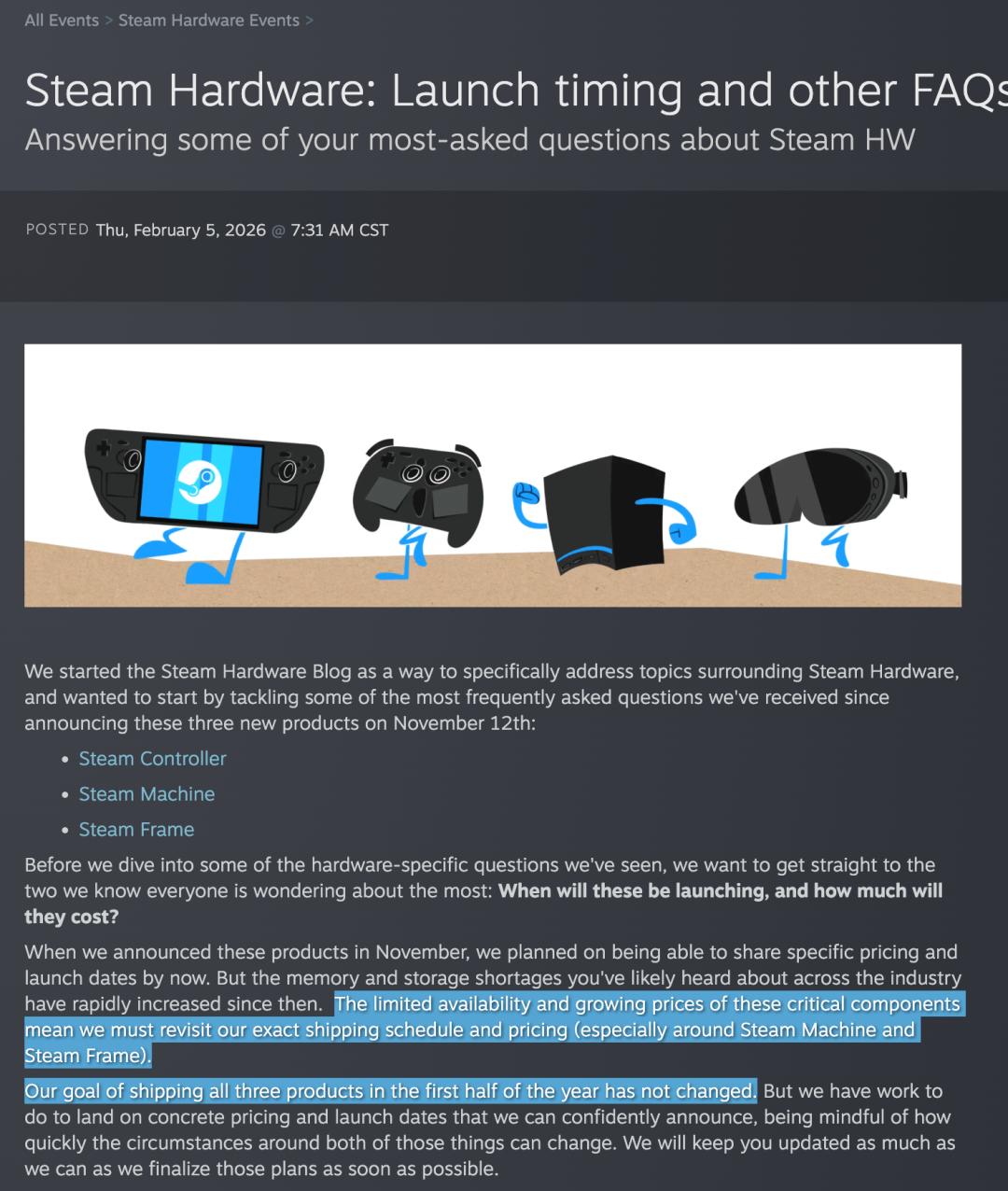
Core Viewpoint - Valve's Steam Machine, along with the Frame headset and Controller, has been delayed due to rising memory and storage costs, impacting pricing and release schedules [1][15]. Group 1: Market Dynamics - TrendForce reports that by 2026, 70% of global memory chip production will be consumed by data centers, with Citibank predicting an 88% year-on-year increase in average DRAM prices [3]. - The price of DDR5 memory has surged 3-4 times in recent months, exacerbating the cost challenges for consumer hardware [3][21]. - Samsung and SK Hynix have signed a significant agreement with OpenAI to supply nearly half of the global DRAM capacity for AI infrastructure, leading to a strategic reallocation of silicon wafer production [5]. Group 2: Product Positioning and Challenges - The Steam Machine's pricing is expected to be significantly higher than initially planned, with the 512GB version potentially priced at $950 and the 2TB version at $1,070, surpassing the PS5 Pro's price of $749 [5][15]. - Valve's previous attempt at the Steam Machine in 2013 failed due to high prices, unclear positioning, and a lack of a compelling user experience compared to traditional consoles [6][11]. - The current Steam Machine aims to be closer to an entry-level PC, featuring AMD's Zen 4 CPU and RDNA3 GPU, but faces challenges in delivering a simple, plug-and-play experience that consumers expect from consoles [12][15]. Group 3: Competitive Landscape - The Steam Machine's hardware performance is estimated to be about 85% of the market's RX7600 GPU, which may limit its appeal for high-performance gaming at 4K resolution [17]. - For PC gamers with older hardware, the Steam Machine may be attractive, but for those with mid to high-end PCs, its appeal is limited compared to established consoles like the PS5 Pro [18]. - The overall consumer hardware market is facing structural challenges due to rising costs, making it difficult for new entrants like the Steam Machine to gain traction [21][22].
太空机房这件事,马斯克为什么认真了
3 6 Ke· 2026-02-06 00:42
Core Insights - The AI industry has experienced significant growth, but power supply remains a critical bottleneck for scaling operations [2][10] - Elon Musk predicts that within 36 months, deploying AI will be cheaper in space than on Earth due to various advantages [3][12] - The current challenges in the AI sector are not related to chip availability but rather to electricity supply and infrastructure [5][10] Group 1: Power Supply Challenges - The deployment of xAI's Colossus 2 cluster requires 1 gigawatt of power, which is a significant portion of the U.S. average electricity consumption [5][6] - The lengthy approval processes for power generation permits and equipment shortages hinder the timely scaling of AI operations [8][9] - Musk anticipates that by the end of the year, many AI chips will be stockpiled due to insufficient power supply [10] Group 2: Transition to Space - Musk argues that space offers a viable solution for AI deployment, as it eliminates ground-based obstacles such as permitting and equipment bottlenecks [12][13] - Solar power in space can be generated at a significantly lower cost compared to Earth, with estimates suggesting a tenfold reduction in electricity costs [13][14] - SpaceX and Tesla are already preparing for this transition by developing the necessary launch capabilities and solar technology [14][28] Group 3: Future Projections - Within five years, Musk predicts that AI computing power in space will exceed the cumulative total on Earth, marking a shift in the competitive landscape [16][17] - The projected annual increase in space-based AI capacity could reach hundreds of gigawatts, equivalent to adding a new U.S. power grid every two and a half years [17][18] - Musk envisions that the Moon could serve as a future launch point for even larger-scale AI operations, leveraging local resources for solar panel production [20][21] Group 4: Strategic Alignment of Companies - SpaceX, Tesla, and xAI are positioned to collaborate effectively, with SpaceX providing launch capacity, Tesla manufacturing solar panels, and xAI driving demand for AI capabilities [25][30] - This synergy allows for a streamlined approach to overcoming the limitations of terrestrial data centers, paving the way for scalable AI solutions in space [31]

全球供应紧张,惠普等PC巨头考虑使用中国存储芯片
Sou Hu Cai Jing· 2026-02-05 23:30
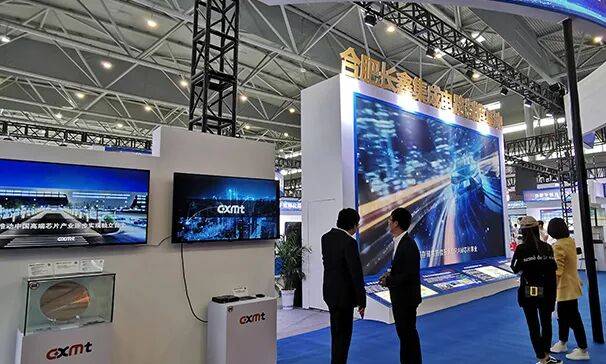
Core Viewpoint - The global memory chip market is experiencing a supply-demand imbalance driven by the AI boom, leading to rising memory prices and prompting PC manufacturers like HP and Dell to consider sourcing from Chinese manufacturers such as Changxin Memory [1][2]. Group 1: Supply Chain Dynamics - HP is in the process of certifying products from Changxin Memory to establish alternative supply options, with plans to monitor the memory supply situation until mid-2026 [1]. - Dell is also beginning to certify Changxin Memory's DRAM products due to concerns over continued price increases in memory chips [1]. - Acer and Asus are increasingly relying on mainland Chinese manufacturers for memory chips, with Acer's chairman stating that new production capacity from mainland suppliers could help alleviate current supply tensions [2]. Group 2: Market Competition and Trends - Major memory chip manufacturers like Micron, Samsung, and SK Hynix are prioritizing production for AI giants, leaving the consumer electronics market in a challenging position [1]. - The traditional division of labor in the PC manufacturing sector is shifting, with manufacturers now seeking to leverage their contract manufacturers' supply chain relationships to expand memory procurement channels [5]. - Changxin Memory has captured approximately 5% of the global DRAM market, while Yangtze Memory Technologies is projected to reach about 10% of the NAND market by 2025 [5][6]. Group 3: Impact of Chinese Manufacturers - Chinese manufacturers like Changxin Memory and Yangtze Memory are increasingly influencing the global market, with significant market shares in both DRAM and NAND sectors [5][6]. - Despite being blacklisted by the U.S., Yangtze Memory remains a key player in the NAND flash market and continues to sell solid-state drives internationally [6]. - Analysts believe that the Chinese memory industry is achieving economies of scale in NAND and is expected to enter a similar phase in DRAM soon, making Chinese companies more critical during downturns in the market [6].


【高通(QCOM.O)】FY26Q1业绩符合预期, 内存短缺拖累下游需求——FY26Q1业绩点评(付天姿)
光大证券研究· 2026-02-05 23:08
Core Viewpoint - Qualcomm's FY26Q1 performance met expectations, but the guidance for FY26Q2 fell short due to adverse impacts from memory shortages and price increases affecting downstream demand [4]. Group 1: FY26Q1 Performance - Qualcomm achieved Non-GAAP revenue of $12.252 billion in FY26Q1, slightly above Bloomberg's consensus estimate of $12.196 billion, representing a year-on-year increase of 5% [4]. - The QCT business generated $10.613 billion in revenue, also up 5% year-on-year, while the QTL business reported $1.592 billion, a 4% increase [4]. - Non-GAAP net profit for FY26Q1 was $3.781 billion, exceeding the consensus estimate of $3.690 billion, with Non-GAAP EPS at $3.50, above the expected $3.407 [4]. Group 2: FY26Q2 Guidance - Qualcomm's guidance for FY26Q2 indicates Non-GAAP revenue between $10.2 billion and $11 billion, below the consensus estimate of $11.16 billion [4]. - The projected Non-GAAP diluted EPS for FY26Q2 is between $2.45 and $2.65, compared to the consensus estimate of $2.874 [4]. - The guidance shortfall is primarily attributed to the negative impact of memory shortages and price increases on downstream demand [4]. Group 3: QCT Mobile Business - In FY26Q1, the mobile business revenue was $7.824 billion, reflecting a 3% year-on-year growth, driven by increased shipments of Snapdragon chips [5]. - Qualcomm secured a 75% supply share for high-end smartphone chips for Samsung's upcoming series, and ByteDance's AI smartphone features Qualcomm's Snapdragon Elite chips [5]. - The company anticipates that the ongoing memory chip shortage will constrain the growth of its mobile business in the short term, with FY26Q2 mobile revenue expected to be around $6 billion [5]. Group 4: QCT IoT Business - The IoT business generated $1.688 billion in revenue in FY26Q1, a 9% year-on-year increase, mainly due to higher shipments in edge networking and consumer products [6]. - Qualcomm is expanding its presence in vertical applications, launching new products at CES 2026, including the Dragonwing Q-7790 and Q-8750 for various applications [6]. - The company introduced the Snapdragon X2 Plus chip, enhancing CPU single-core performance by 35% and NPU performance by 78%, with multiple PC products based on Snapdragon showcased at CES [7]. Group 5: QCT Automotive Business - The automotive business reported $1.101 billion in revenue for FY26Q1, a 15% year-on-year increase, driven by higher shipments of vehicles equipped with Qualcomm's smart cockpit technology [8]. - Qualcomm signed a long-term supply agreement with Volkswagen Group, expanding its supply to brands like Audi and Porsche [8]. - The company is collaborating with CARIAD and Bosch to develop autonomous driving systems, indicating progress in its smart driving initiatives [8].

存储芯片荒难解!惠普(HPQ.US)等PC大厂据称首次考虑中国大陆供应商
智通财经网· 2026-02-05 22:24
Group 1 - Major PC manufacturers, including HP, Dell, Acer, and Asus, are considering sourcing memory chips from Chinese manufacturers due to supply shortages and rising costs in the tech industry [1][2] - HP has begun certifying products from Changxin Memory Technologies (CXMT) as a potential alternative supply source, with plans to monitor the memory chip supply situation until mid-2026 [1][2] - Dell is also certifying CXMT's DRAM products amid concerns of continued price increases for memory chips through 2026 [2] Group 2 - Acer and Asus are open to using memory chips from Chinese manufacturers, with Asus requesting assistance from its Chinese partners for notebook memory chip procurement [2] - Many PC manufacturers view Chinese memory chip companies as potential "saviors" for the consumer electronics industry, as leading manufacturers like Micron, Samsung, and SK Hynix prioritize supply for AI giants [2] - The ongoing supply constraints and cost pressures are forcing manufacturers to diversify their supply sources and rethink long-term procurement strategies [2] Group 3 - The price surge of storage chips is impacting the consumer electronics market, with IDC predicting a 4.9% contraction in the PC market by 2026, following an 8.1% growth last year [2] - Market expectations indicate that the price increase for storage chips will continue, with Counterpoint forecasting a further 40% to 50% rise in Q1 of this year after a 50% increase last year [3]
江波龙37亿元募资,存储龙头向“芯”突围
Bei Jing Shang Bao· 2026-02-05 14:09
Core Viewpoint - The storage industry is experiencing a strong cycle driven by AI, with companies like Jiangbolong showing significant profit growth and strategic fundraising to enhance technology capabilities [1][3]. Group 1: Company Performance - Jiangbolong's 2025 annual profit is expected to increase by 150.66% to 2.1082 billion yuan, marking a significant turnaround [1]. - The company anticipates a net profit of 1.25 billion to 1.55 billion yuan for the year, with a fourth-quarter net profit of approximately 650 million to 870 million yuan [5]. Group 2: Market Dynamics - The current cycle is driven by AI-induced demand for DRAM, differing from past cycles characterized by inventory fluctuations, suggesting a longer duration for this upturn [3]. - The global semiconductor storage market is projected to grow from $165.5 billion in 2024 to $184.8 billion in 2025, reflecting an 11.7% year-on-year increase [3]. Group 3: Price Trends - TrendForce predicts a 55% to 60% quarter-on-quarter increase in general DRAM contract prices in Q1 2026, with NAND flash prices expected to rise by 33% to 38% [4]. - Major manufacturers like Micron, Samsung, and SK Hynix have raised storage product contract prices by up to 30% in late 2025, indicating a clear upward trend in pricing [4]. Group 4: Industry Supply and Demand - AI technology is driving increased demand for SSDs among cloud service providers, while HDD supply shortages are pushing these providers to switch to SSDs, leading to a surge in NAND Flash demand [6]. - The supply chain is expected to remain constrained, with limited contributions to output growth from increased capital expenditures by manufacturers due to the lag in capacity construction [6]. Group 5: Domestic Industry Development - China's storage market accounts for over 20% of global demand, but domestic production remains insufficient, particularly in high-end storage products related to AI [7]. - Jiangbolong's fundraising of 3.7 billion yuan is aimed at enhancing capabilities in NAND Flash controller chip design and storage chip packaging and testing, addressing key technological gaps in the domestic industry [7][8].