问界

Search documents
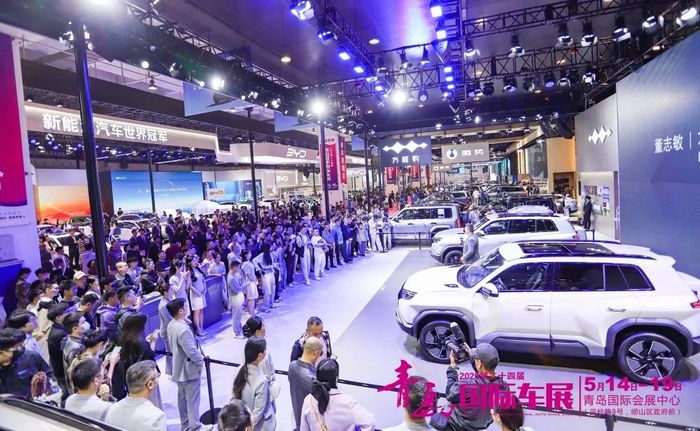
2025第二十四届青岛国际车展启幕,智领未来出行,激活消费新势能
Xin Lang Cai Jing· 2025-05-16 10:54
Core Insights - The 2025 Qingdao International Auto Show, themed "Moving Upward, Leading the Future," showcases over 90 global automotive brands and nearly 1,000 models, with more than 60% being new energy vehicles, reflecting the industry's shift towards electrification and smart technology [1][3][9] Industry Trends - The integration of new energy and smart technology is reshaping product forms, consumption patterns, and industry structures, with significant representation from brands like BYD, NIO, and XPeng, marking a notable increase in the scale of new energy vehicle displays [3][4] - The event features 24 press conferences on the opening day, highlighting new models and strategic releases from various brands, indicating a competitive landscape focused on innovation and market presence [3][4] Technological Innovations - The exhibition emphasizes smart technology not only in vehicles but also through AI robots and interactive experiences, enhancing visitor engagement and showcasing advancements in automotive technology [7][9] - Major automakers, including BMW, Mercedes-Benz, and Volkswagen, present multiple electric and hybrid models equipped with advanced driver assistance systems, reflecting the industry's commitment to innovation [5][9] Policy and Market Dynamics - Qingdao's "old-for-new" vehicle replacement policy, combined with first-time car purchase subsidies, has stimulated significant automotive consumption, with reported figures of approximately 5.213 billion yuan in sales and 35,700 vehicles traded in under the program [10] - The ongoing exemption of purchase tax for new energy vehicles until December 31, 2025, further incentivizes consumer adoption, with additional discounts leading to comprehensive savings exceeding 40,000 yuan for certain models [10] Regional Impact - The Qingdao International Auto Show serves as a critical engine for regional consumption and a reflection of China's automotive market transformation, driven by local policy initiatives and national strategic frameworks [9][10] - The event reinforces Qingdao's status as one of China's top five auto shows, showcasing the city's innovative capabilities in artificial intelligence and its role in the automotive industry's evolution [9][11]

乘用车将被要求必须安装AEBS!十余只关联个股盘中涨停
Di Yi Cai Jing· 2025-05-16 09:54
Core Viewpoint - The automotive industry is focusing on improving vehicle safety, particularly through the implementation of new regulations for Automatic Emergency Braking Systems (AEBS) in light vehicles [1][2]. Group 1: New Regulations - A new mandatory national standard for AEBS has been drafted, requiring M1 and N1 class vehicles to be equipped with this system [1][2]. - The AEBS includes two main functions: Forward Collision Warning (FCW) and Automatic Emergency Braking (AEB), aimed at reducing the likelihood of collisions with vehicles or pedestrians [1]. Group 2: Technical Requirements - For M1 vehicles, the AEBS must be active at speeds between 10 km/h and 80 km/h under all load conditions, while for N1 vehicles, the active speed range is 10 km/h to 60 km/h [2]. - The system must also activate when detecting potential collisions with pedestrians, bicycles, and two-wheeled vehicles at speeds between 20 km/h and 60 km/h [2]. Group 3: Market Impact - Following the announcement of the new regulations, stocks in the automotive parts sector surged, with companies like Jingsheng Electronics and Spring Precision Engineering hitting their daily limits [3]. - The discussion around AEB technology has intensified due to recent accidents involving smart connected vehicles, raising concerns about the effectiveness and reliability of AEB systems [3][4]. Group 4: Industry Debate - There is ongoing debate within the industry regarding the effectiveness of AEB systems, with some executives questioning the reliability of current AEB functionalities and their marketing claims [4]. - Specific incidents, such as the Xiaomi SU7 collision, have highlighted the limitations of AEB systems, particularly in recognizing certain obstacles [4].
小米汽车销量连续三周下滑!最新回应
证券时报· 2025-05-15 15:42
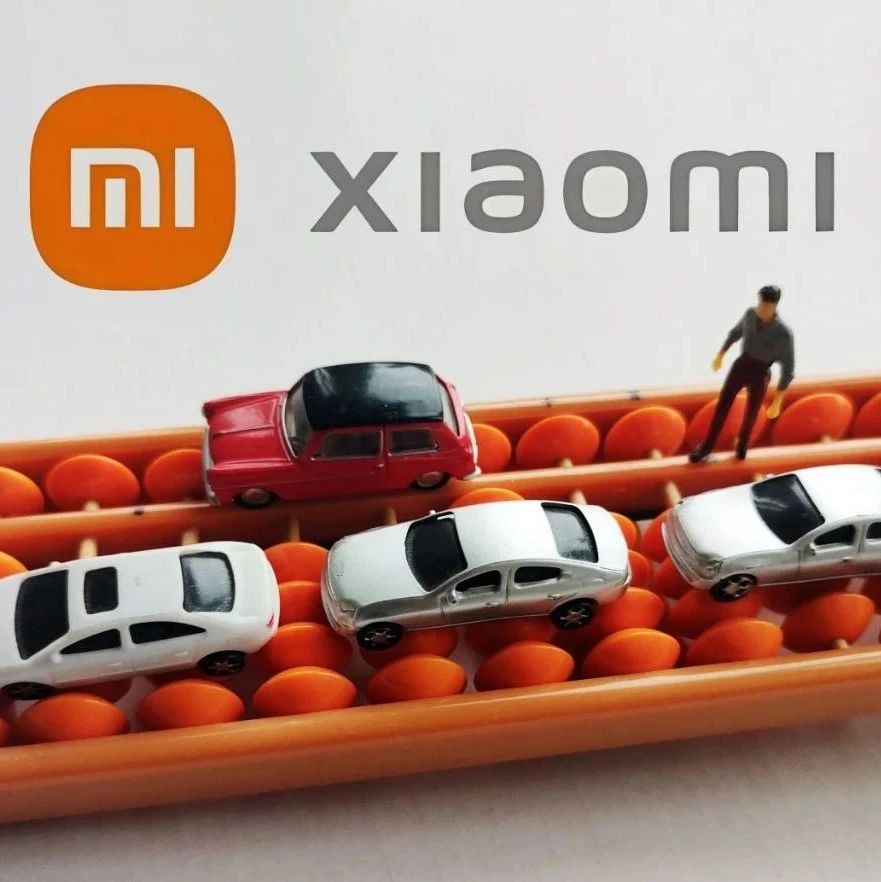
针对小米"销量连续多周下滑"的风波,小米集团公关部总经理王化进行了回应。 5月15日,王化在微博发文称,米粉反馈有人在集体扩散"小米汽车销量"的内容。他表示:"和每一个小长假一样,假期前后消费重心向旅游、休闲等领域倾斜。无 视周期的主观臆断,非常不专业。要不咱们回溯一下全行业历史周期数据验证一下我说的对不对?" 责编:叶舒筠 校对: 王蔚 版权声明 证券时报各平台所有原创内容,未经书面授权,任何单位及个人不得转载。我社保留追 究相关 行 为主体法律责任的权利。 转载与合作可联系证券时报小助理,微信ID:SecuritiesTimes END 点击关键字可查看 潜望系列深度报道丨 股事会专栏 丨 投资小红书 丨 e公司调查 丨 时报会客厅 丨 十大明星私募访谈 丨 雷军官宣!小米自研芯片要来了,名字叫"玄戒 O1"! 丨 肖某引发舆情事件,卫健委最新通报! 丨 中办、国办重磅印发!事关城市更新→ 丨 证监会副主席陈华平最新发声! 丨 预订量飙升近300%!这 一板块,集体大涨! 丨 资本市场"新"实力,潮涌广东! 丨 用好资本"无形之手" 赋能产业"大显身手"——广东以产融协同驱动产业跃迁的启示 丨 深度丨中 ...

观车 · 论势 || 为坚守技术长期主义的勇气与担当点赞
Zhong Guo Qi Che Bao Wang· 2025-05-15 01:19
Core Viewpoint - The declaration by Great Wall Motors' president, Mu Feng, to "never engage in range-extended technology" signifies a commitment to long-term strategies over short-term gains in the automotive industry [1][4]. Group 1: Company Strategy - Great Wall Motors is choosing to focus on hybrid technology, which is more complex but aligns with long-term industry trends and consumer needs, rather than opting for the simpler, more popular range-extended technology [1][2]. - The company’s decision reflects a deep understanding of technological pathways, market demands, and policy directions, showcasing a balance between innovation and consumer expectations [1][4]. Group 2: Industry Context - Many automotive companies are currently adopting range-extended technology due to its lower technical barriers and higher market acceptance, driven by the success of brands like Li Auto and AITO [1][2]. - The industry is experiencing a trend of companies quickly following profitable technologies without a long-term vision, leading to homogenization and a lack of true innovation [3][4]. - Great Wall Motors' approach serves as a model for the industry, emphasizing the importance of strategic determination and technological confidence in navigating the evolving automotive landscape [3][4]. Group 3: Technological Insights - Hybrid technology, while more expensive and complex, offers superior user experience and aligns with energy-saving policies, making it a forward-looking choice for manufacturers [2][4]. - Great Wall Motors has invested significantly in core technologies such as traditional fuel engines, transmissions, and new energy batteries, which provides the foundation for rejecting shortcuts like range-extended technology [2][3].

都市车界|新能源混动赛道“三足鼎立” 插混、油混、增程该如何选?
Qi Lu Wan Bao· 2025-05-12 04:03
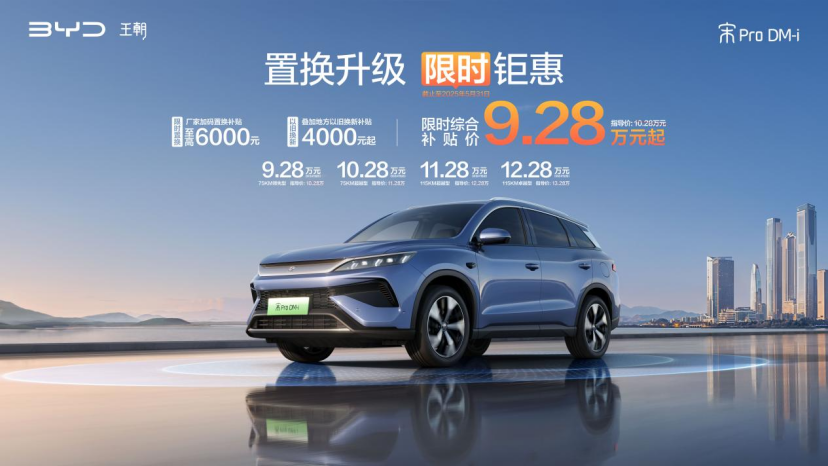
Core Viewpoint - The competition among three major technology routes in the post-subsidy era of the new energy vehicle industry is intensifying, significantly impacting both automakers' survival and consumer purchasing decisions [1] Group 1: Technology Routes - Plug-in Hybrid Electric Vehicles (PHEV) are characterized as versatile with features like large capacity batteries and external charging capabilities, allowing seamless switching between electric and fuel power [2] - Hybrid Electric Vehicles (HEV) focus on energy efficiency with systems that do not require external charging, exemplified by models like Toyota Corolla Hybrid, achieving fuel consumption as low as 4.2L/100km [5] - Range-Extended Electric Vehicles (REEV) eliminate range anxiety through a combination of fuel generators and large batteries, providing a smooth driving experience and freedom in refueling [6] Group 2: Market Performance - BYD dominates the PHEV market with a monthly sales figure of 184,000 units, capturing nearly half of the market share, while its fifth-generation DM-i technology achieves a fuel consumption of 2.9L/100km [7] - Toyota and Honda maintain a stronghold in the HEV market, but the rise of BYD's PHEV models is encroaching on their market share [8] - Li Auto leads the REEV market with an annual sales target of 500,000 units, holding a 70% market share, while other brands like Xpeng are entering the segment [9] Group 3: Consumer Preferences - For consumers with charging convenience, PHEVs like BYD Qin PLUS DM-i are recommended, while those with limited charging options should consider REEVs like Li Auto L6 [15] - In cities with license plate restrictions, PHEVs or REEVs are advisable for their policy benefits, while HEVs are suitable for urban commuting [16] - The competition among PHEVs, HEVs, and REEVs reflects automakers' differentiated interpretations of user needs, providing consumers with diverse choices [15]

坑人的隐藏式车门把手,终于被整治了
3 6 Ke· 2025-05-12 00:32
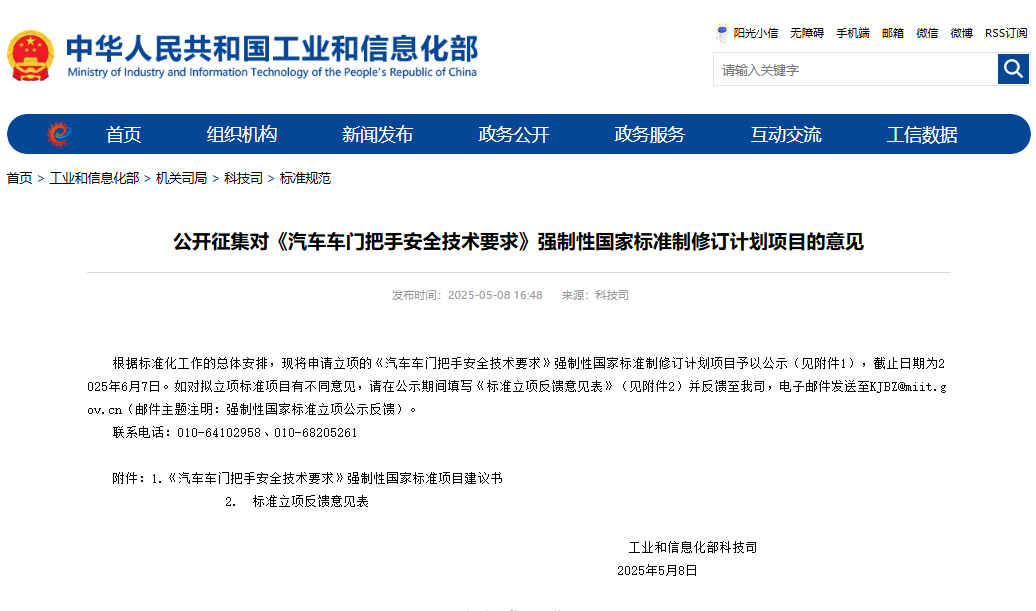
Core Viewpoint - The article discusses the safety concerns and usability issues associated with hidden door handles in electric vehicles, highlighting the need for regulatory intervention to prioritize safety over aesthetics in automotive design [7][8][27]. Group 1: Industry Trends - The Ministry of Industry and Information Technology (MIIT) has initiated a public consultation on the safety technical requirements for automotive door handles, focusing on hidden designs that have been criticized as "technological burdens" [7][8]. - Hidden door handles have become a standard feature in many electric vehicles, with brands like Tesla, NIO, and Xpeng adopting this design to enhance the futuristic appeal of their cars [11][13][15]. Group 2: Safety Concerns - Data indicates that approximately 12% of annual rescue delays for new energy vehicles are related to door handle design flaws, a figure that has increased by 8% since 2020 [22]. - Hidden door handles can complicate emergency situations, as they may not open in case of power failure or accidents, leading to increased rescue times and reduced survival chances [20][24][27]. Group 3: Company Responses - Great Wall Motors' chairman has publicly criticized hidden door handles, stating that their drawbacks outweigh the benefits, particularly in terms of safety and reliability [27]. - Xpeng Motors is working on developing door handles that are more reliable in extreme conditions, acknowledging existing design issues [29]. - Some manufacturers, like Volvo and Aito, are adopting hybrid designs that combine electronic and mechanical functions to ensure safety while maintaining aesthetic appeal [29][31].
旧秩序在坍塌
汽车商业评论· 2025-05-11 15:41
Core Viewpoint - The article discusses the transformation of the Chinese automotive industry, highlighting how domestic brands like Geely are redefining market standards and challenging traditional luxury brands through innovative technology and competitive pricing [2][8][19]. Group 1: Market Dynamics - The Geely Galaxy Star 8, priced between 115,800 to 155,800 RMB, is positioned in the C-segment, competing with luxury brands like Audi A6L, which has a price range of 427,900 to 656,800 RMB, showcasing a significant price disparity [2][3]. - The sales of C-segment vehicles in 2024 are expected to be dominated by eight traditional luxury brands, with a total sales volume of 486,000 units, indicating a concentrated market [2][3]. - The article notes a shift in consumer perception, where cars are increasingly viewed as a third living space rather than just a means of transportation, particularly with the rise of electric vehicles [16][18]. Group 2: Technological Advancements - Chinese brands are not merely following the lead of joint venture brands but are establishing new standards in technology, product offerings, and pricing strategies [8][19]. - The Galaxy Star 8 includes advanced features such as a seven-layer structure design for seats, heating and cooling functions, and high-end audio systems, which were previously exclusive to luxury vehicles [9][11]. - The article emphasizes that the technological advancements and features offered by Chinese brands are often superior to those of traditional luxury brands at a fraction of the price [8][11]. Group 3: Consumer Engagement - The development of the Geely Galaxy Star 8 involved extensive communication with users to ensure the vehicle met their needs, illustrating a shift towards user-driven product development [24][25]. - The article highlights the importance of understanding local consumer preferences, with Chinese brands adapting their designs and features to better suit domestic market demands [18][22]. - The concept of "co-creation" with users is emphasized, where feedback directly influences product design and features, leading to a more tailored consumer experience [24][25]. Group 4: Competitive Landscape - The emergence of large SUVs like the Lynk & Co 900, which has a price range of 289,900 to 396,900 RMB, signifies a shift in the market where previously niche segments are now being aggressively targeted by Chinese brands [13][15]. - The article notes that the rapid growth of large SUVs in China is driven by changing consumer needs and preferences, with several domestic brands now offering models exceeding 5.2 meters in length [15][16]. - The competitive landscape is evolving, with traditional luxury brands facing challenges from agile Chinese manufacturers that are quick to adapt to market trends and consumer demands [22][25].

修订车门把手强制性国标,更要重建汽车工业安全底线
Nan Fang Du Shi Bao· 2025-05-09 16:46
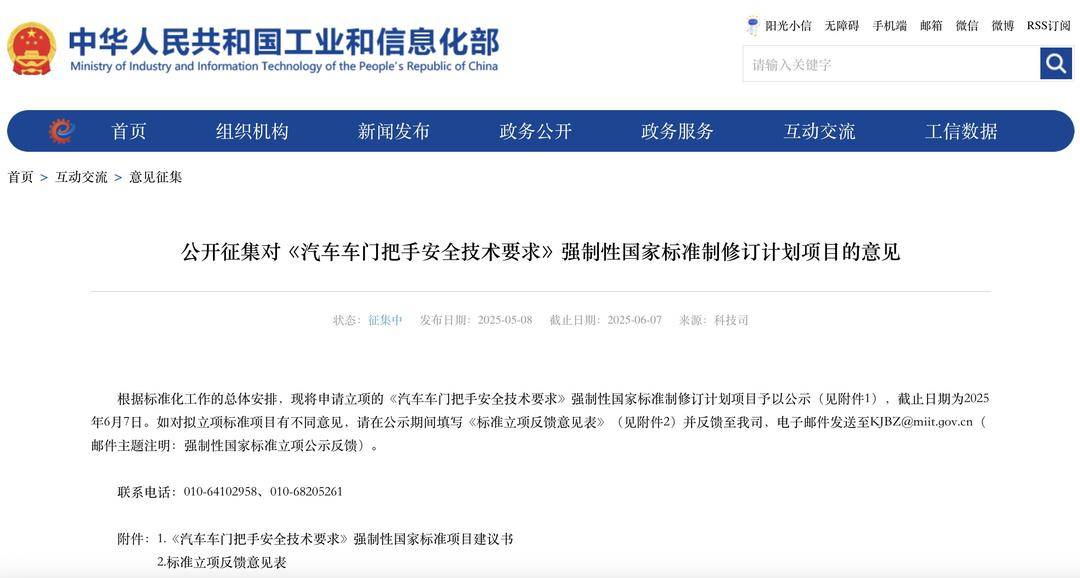
Core Viewpoint - The Ministry of Industry and Information Technology (MIIT) of China has initiated a public consultation on the mandatory national standard for "Automotive Door Handle Safety Technical Requirements," signaling a move to address the safety issues associated with hidden door handles in vehicles [1][2]. Group 1: Industry Trends - The rapid development of electric and intelligent vehicles has led to the widespread adoption of hidden door handles, which are seen as a hallmark of high-end and smart designs [1]. - The shift from traditional mechanical door handles to electric-driven precision devices has raised concerns about the original functionality of door handles, which is to provide reliable access to the vehicle [1][2]. Group 2: Safety Concerns - Recent incidents, such as the fire following a collision of a Wuling M7 and the Xiaomi SU7's failure to open after a high-speed crash, highlight the technical flaws and design oversights in current automotive door handle systems [1]. - The design preference for aesthetics over safety has been criticized, with industry leaders questioning whether the pursuit of minimal drag coefficients justifies compromising passenger safety [1]. Group 3: Regulatory Response - The MIIT's move to regulate door handle design is not just about specific components but aims to reshape the innovation logic of the entire automotive industry [2]. - The proposed standards, including "power failure protection," "uniform marking," and "anti-pinch design," are intended to establish a safety baseline that keeps pace with technological advancements in the automotive sector [2]. Group 4: Consumer Sentiment - Public feedback indicates widespread frustration with hidden door handles, with users expressing confusion and concern over their practicality and safety [2]. - The call for a shift towards a "safety-first" innovation culture in the automotive industry is evident, emphasizing the need for designs that prioritize human-centered safety alongside technological advancement [2].

工信部出手整顿隐藏式车门把手,科技感和安全感有望兼得
Yang Zi Wan Bao Wang· 2025-05-09 11:59
Core Viewpoint - The rapid development of electric and intelligent vehicles has led to the widespread adoption of hidden door handles, which offer aesthetic and technological advantages, but also raise safety concerns that necessitate new national standards [1][5]. Group 1: Industry Trends - Hidden door handles have become a standard feature in electric vehicles due to their streamlined appearance and reduced wind resistance [3]. - The market is witnessing a diversification in the design and operation of door handles, with at least three different methods for operation identified [3]. Group 2: Safety Concerns - Hidden door handles are highly dependent on electrical systems, which can fail in accidents, potentially trapping occupants inside [4][5]. - The lack of standardized markings on hidden handles complicates emergency situations, making it difficult for rescue personnel to identify how to operate them [4][5]. - The complexity of hidden door handle designs results in maintenance costs that are 5 to 6 times higher than traditional designs [4]. Group 3: Regulatory Developments - The Ministry of Industry and Information Technology (MIIT) has initiated a public consultation for the revision of mandatory national standards for automotive door handles, focusing on safety requirements [1][5]. - The new standards aim to enhance safety logic in scenarios such as collisions and fires, ensuring that door systems can be operated even in the event of power failure [5][6]. Group 4: Future Implications - The implementation of new standards is expected to elevate the safety level of the automotive industry, thereby protecting consumer rights [6]. - The shift towards safety-focused competition may require companies to invest in technology upgrades and supply chain restructuring [6]. - Complying with these new standards could enhance the global competitiveness of Chinese automotive products in emerging markets [6].
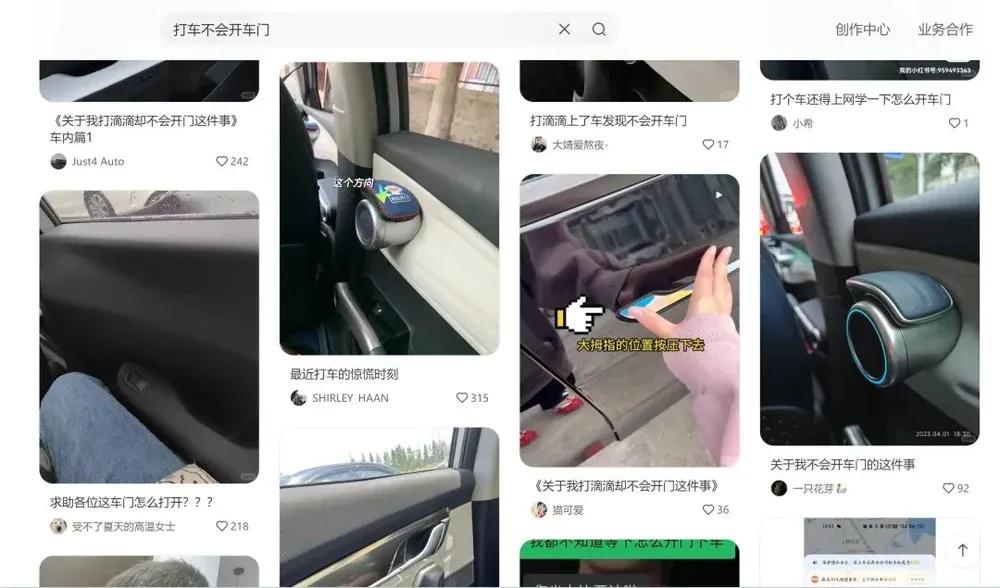
你的车门安全吗?工信部出手破解隐藏式车门把手隐患
Bei Ke Cai Jing· 2025-05-09 11:42
Core Viewpoint - The Ministry of Industry and Information Technology (MIIT) is initiating a revision of the national standard for automotive door handles due to safety concerns associated with hidden door handles widely used in electric vehicles. The proposed standards aim to enhance safety features, ensuring that door systems can be opened in emergencies such as power failure or collisions [1][4][17]. Group 1: Safety Concerns - Hidden door handles have been linked to various safety issues, including insufficient strength, potential control logic risks, and difficulties in operation due to lack of visible markings, which can hinder escape during emergencies [4][9][16]. - Incidents have occurred where hidden door handles contributed to rescue difficulties, such as a serious accident involving a Wanjie M7 Plus, where the door handle failed to operate after a high-speed collision, complicating rescue efforts [4][5][6]. - The MIIT's proposed standards will include requirements for mechanical or power failure protection to ensure door systems remain operable during accidents, thereby facilitating rescue and escape [8][9][17]. Group 2: Industry Response - The automotive industry is recognizing the need to shift from a focus on aesthetic and technological appeal of hidden door handles to prioritizing safety. Companies like BYD and Great Wall Motors are actively participating in the development of safety standards [16][17]. - There have been calls from industry leaders to improve the design of hidden door handles to enhance usability in various conditions, including extreme weather [16][17]. - The trend towards hidden door handles has been driven by their sleek design and perceived technological advantages, but the recent focus on safety may lead to a reevaluation of their design priorities [10][11][14].