鸣鸣很忙

Search documents
推中式精酿啤酒,多元化会是好想你的良药吗?
Bei Jing Shang Bao· 2025-07-30 12:48
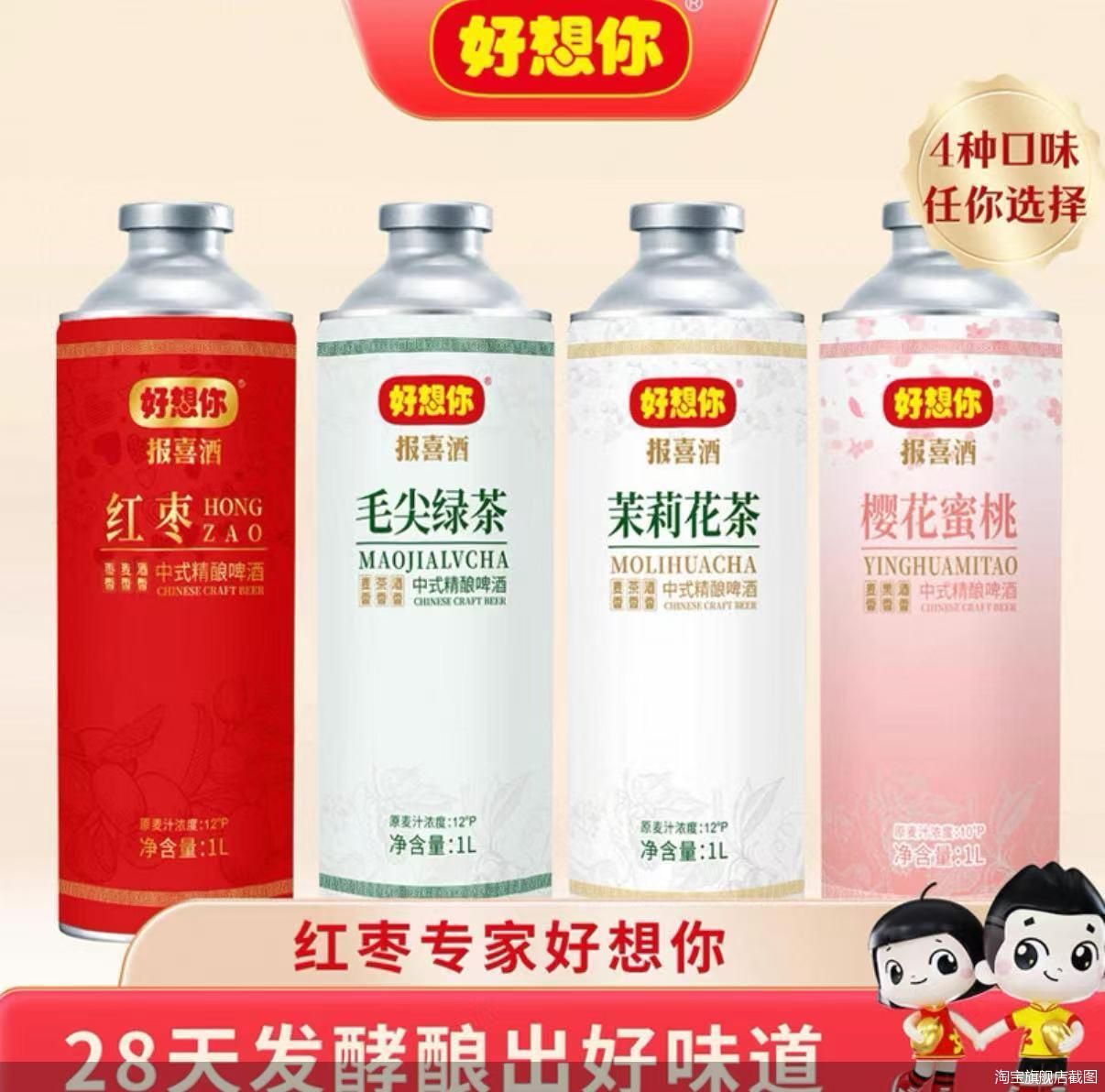
Core Viewpoint - The company "Hao Xiang Ni," known as the "King of Red Dates," is diversifying into the craft beer market by launching a series of flavored beers, aiming to find new growth opportunities amid ongoing financial losses [1][3]. Group 1: Company Overview - Founded in 1992, Hao Xiang Ni specializes in the research, procurement, production, and sales of health foods, including red dates and dried fruits. It became the first listed company in China's red date industry in 2011 [3]. - The company experienced significant revenue growth from 2016 to 2019, with revenue increasing from 2.072 billion to 5.961 billion yuan, and net profit also rising during this period [3]. - However, after selling its subsidiary Baicaowei to PepsiCo in 2020, the company has faced continuous losses, reporting losses of 189 million, 52 million, and 72 million yuan from 2022 to 2024 [3][4]. Group 2: Recent Developments - In an effort to improve performance, the company has focused on the "Red Date+" strategy, launching various health-oriented products, including the "Hong Xiaopai" red date snack, which achieved nearly 300 million yuan in sales in its first year [3][4]. - Despite these efforts, the health-oriented product line generated only 69 million yuan in revenue in 2024, a decline of 20.31% year-on-year [4]. - The red date product segment has also shown revenue fluctuations, with figures of 955 million, 1.311 billion, and 1.222 billion yuan from 2022 to 2024, reflecting a challenging market environment [4]. Group 3: Strategic Moves - The company has made several strategic investments, including a 30 million yuan investment in the Shenzhen Longzhu Equity Investment Fund, indirectly participating in the popular tea drink brand Mixue Ice City, which led to the launch of a red date milk tea product that sold 8 million cups in one month [5][6]. - In December 2024, the company announced a 700 million yuan investment in the snack brand Mingming Hen Mang, acquiring a 6.64% stake, which became its largest customer, contributing approximately 94 million yuan to annual sales [5]. - The recent entry into the craft beer market, with products featuring flavors like red date and green tea, aligns with current consumer trends, particularly targeting female consumers [6]. However, the company faces challenges in aligning its sales channels with the craft beer market, which typically relies on immediate retail and bar sales [6].


非公经济人士优秀建设者名单出炉,消费行业这些人受表彰
Bei Ke Cai Jing· 2025-07-30 04:31
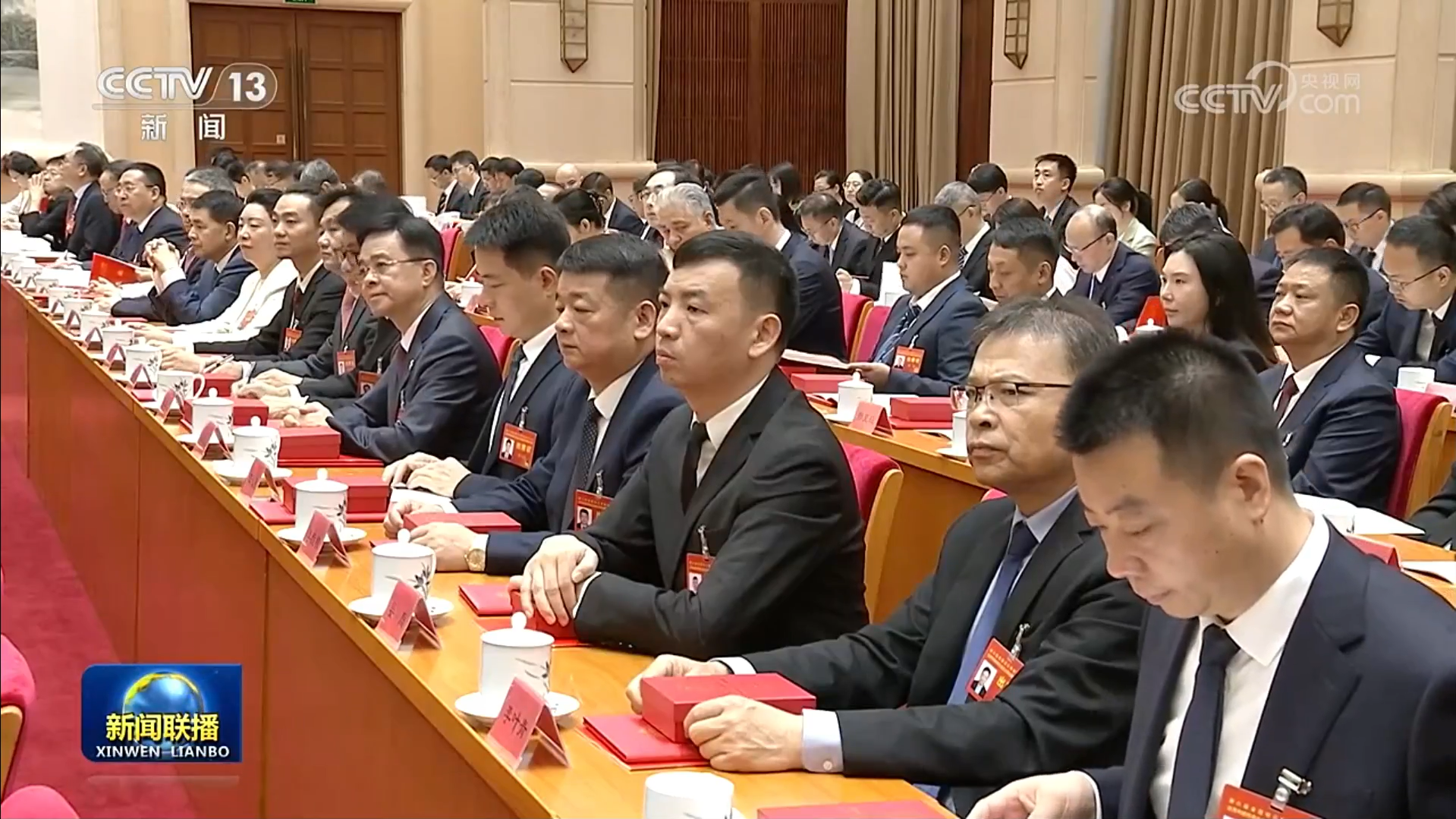
Core Points - The sixth National Non-Public Economic Person Excellent Builder of Socialism with Chinese Characteristics Award ceremony was held, recognizing 100 individuals from various sectors including technology, pharmaceuticals, and consumer industries [1][3] - The event highlights the importance of private enterprises, which account for over 92% of all companies in China, and over 92% of national high-tech enterprises are private [3] Group 1: Technology Sector - Notable entrepreneurs from the technology sector were recognized, including Wang Xingxing, CEO of Hangzhou Yushu Technology Co., Li Xiang, founder and CEO of Li Auto, and Chen Tianshi, Chairman and General Manager of Cambricon Technologies [4] Group 2: Pharmaceutical Sector - Representatives from the pharmaceutical industry also received awards, including Xu Haoyu, Chairman and President of Yangtze River Pharmaceutical Group, Chen Baohua, President of Zhejiang Huahai Pharmaceutical Co., and You Hongtao, Chairman of Chongqing Huasen Pharmaceutical Co. [5] Group 3: Consumer Sector - The consumer sector gained attention, with awardees from traditional and emerging consumption fields, including snack foods, textiles, and grain and oil industries, such as Beida Cang, Wanshili, Mingming Hen Mang, and Hainan Oscar [6] - Wanshili Group, with over 40 years of history, has transformed its focus to silk cultural creativity, reflecting the upgrade of traditional consumption industries [6] - The emerging snack food industry, represented by "Mingming Hen Mang," is gaining traction among young consumers, emphasizing high frequency, low price, and experiential consumption [7][8]
厚爱非公经济,厚植发展根基
Chang Sha Wan Bao· 2025-07-29 23:35
Core Insights - The recognition of three entrepreneurs from Changsha highlights the vitality of the non-public economy in the city, which significantly contributes to its development [1][2] Group 1: Non-Public Economy Contribution - The non-public economy, particularly the private sector, accounts for over 60% of Changsha's GDP, contributing more than 50% of profits from "four above" enterprises, over 65% of employment in these enterprises, over 70% of R&D expenses in industrial firms, and over 90% of the total number of enterprises [1] - Changsha has nearly 2 million operating entities, with over 90% of high-tech enterprises being private [2] Group 2: Supportive Environment for Entrepreneurs - Changsha fosters a supportive ecosystem for non-public economic actors, characterized by close collaboration between private entrepreneurs and government officials, streamlined administrative processes, and targeted policy incentives such as R&D subsidies [2] - The city emphasizes the importance of continuous optimization of the development environment for the non-public economy to enhance the sense of gain, happiness, and security among entrepreneurs [2] Group 3: Future Outlook - The non-public economy is seen as the largest growth driver for Changsha, with a commitment to respecting and supporting entrepreneurs expected to yield more successful figures like Chen Bang, Yan Zhou, and Wang Xinliang, thereby injecting dynamic energy into high-quality development [3]

打造场景化消费体验,鸣鸣很忙抢占零食饮料零售市场先机
Sou Hu Cai Jing· 2025-07-25 12:45
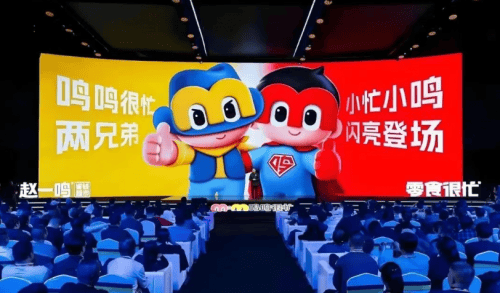
Core Viewpoint - The emergence of "Mingming Busy" has created new opportunities in the snack and beverage retail industry, offering consumers a new shopping experience that emphasizes quality and price balance, while differentiating itself in a market characterized by brand homogenization and competition among various players [1] Group 1: Market Strategy - "Mingming Busy" adopts a comprehensive approach to meet diverse consumer needs, moving beyond traditional snack offerings to include a wide range of products such as healthy snacks, craft beers, and various beverages, thus creating a one-stop shopping experience [3] - The company has developed a product matrix that aligns with the increasingly diverse consumer demands, maintaining over 3,880 SKUs in total and more than 1,800 SKUs per store, which is double the average SKU count of similar-sized supermarkets [3][5] Group 2: Quality Control - The company emphasizes quality and safety by implementing a "direct sourcing + six inspections and six checks + quality assurance alliance" strategy, ensuring that products are both affordable and safe for consumers [5][7] - A professional quality inspection team of over 100 members, along with a self-operated quality control laboratory and third-party testing agencies, ensures rigorous quality checks from supplier qualification to in-store inspections [7] Group 3: Supply Chain Management - "Mingming Busy" has streamlined its supply chain by directly connecting with over 2,000 manufacturers, reducing costs and keeping most products within a single-digit price range, thereby enhancing consumer expectations for low prices and stable quality [7] - The company is constructing a large smart logistics warehouse, which will significantly increase its testing capacity and enhance its quality control measures across the supply chain [7] Group 4: Digital Transformation - The company has established a fully digital warehouse and transportation management system, improving supply efficiency from production to retail [8] - A partnership with Alibaba Cloud has enabled the transition from a traditional architecture to an agile cloud-native architecture, enhancing the company's ability to manage promotional activities and rapidly iterate business functions [10] Group 5: Consumer Experience - "Mingming Busy" focuses on evolving consumer experiences from merely having food to enjoying it, ensuring that comprehensive SKU coverage, stringent quality control, and digital efficiency transform snack purchasing into a pleasurable and reliable experience [12]
又一零售巨头,加入硬折扣大战
3 6 Ke· 2025-07-25 09:56
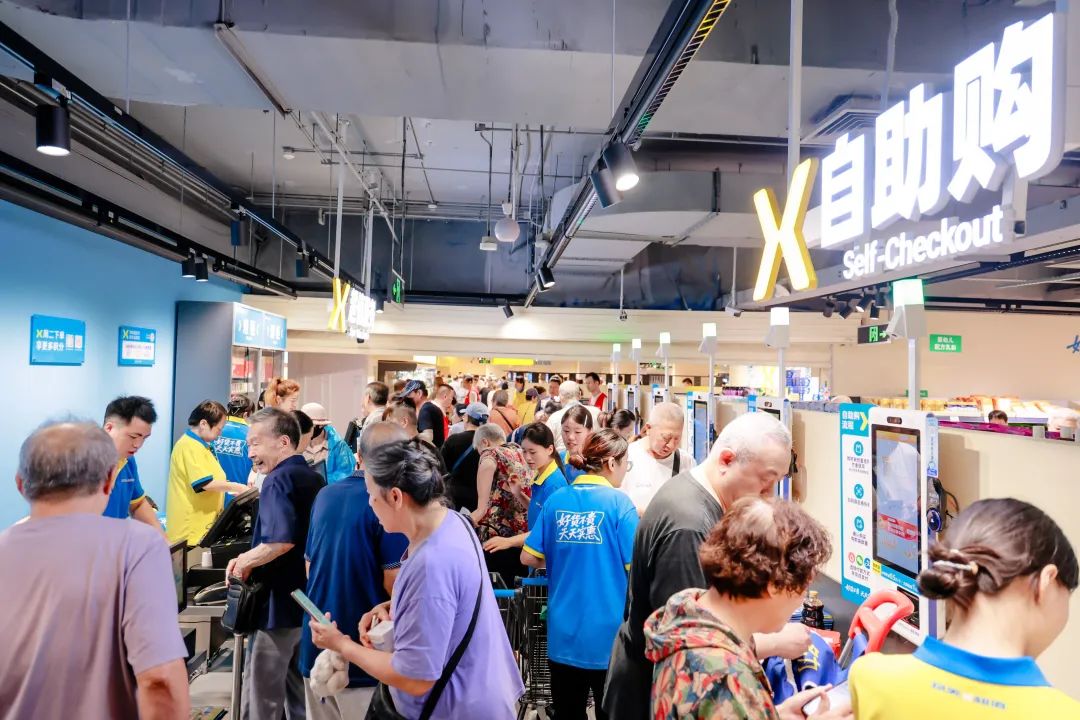
Group 1 - The core point of the article is the aggressive expansion of discount retail formats in China, particularly by Wumart, which opened six discount stores in Beijing, marking a significant move in the competitive landscape against established players like Aldi and Hema NB [1][2][13] - Wumart's new discount stores, branded as "Wumart Super Value," are smaller in size (800-1000 square meters) compared to traditional hypermarkets and focus on offering lower prices on essential goods, with a significant reduction in SKU count to around 1300 [2][5][12] - The pricing strategy in Wumart's discount stores includes items like bottled water priced under 0.5 yuan and 30-pack eggs for about 14 yuan, showcasing a commitment to affordability [2][3] Group 2 - The discount retail sector is experiencing rapid growth, with various players like Yonghui and Zhongbai also entering the market, indicating a broader trend towards discount formats in the retail industry [8][9] - Aldi has seen impressive sales growth in China, doubling its revenue from 10 billion yuan to 20 billion yuan within a year, highlighting the effectiveness of the hard discount model [9][11] - Hema NB is also expanding aggressively, with plans to reach 1000 stores, indicating a competitive environment among discount retailers [11][12] Group 3 - The shift towards discount retailing is driven by changing consumer preferences, particularly among middle-class consumers who are increasingly price-sensitive while still seeking quality [14][16] - The operational model of hard discount stores focuses on optimizing supply chains and reducing costs by minimizing intermediaries, which allows for lower pricing strategies [16][17] - Despite the growth potential, the hard discount model presents challenges, including lower profit margins (10-15%) compared to traditional retail (20-25%), requiring significant investment and operational efficiency [16][19]
良品铺子卖身,徐新套现4亿
创业家· 2025-07-24 09:57
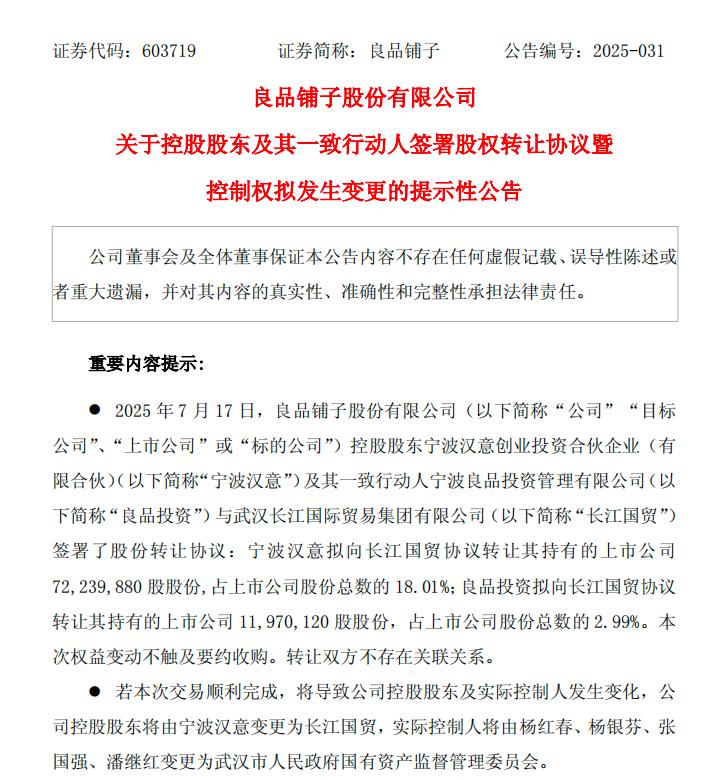
Core Viewpoint - The article discusses the significant changes in the snack food industry in China, focusing on the strategic investment by Wuhan's state-owned enterprise, Changjiang Guomao, in Liangpinpuzi, marking a pivotal moment in the company's history and reflecting broader industry transformations [4][17]. Group 1: Strategic Investment - Liangpinpuzi announced a strategic investment from Changjiang Guomao, with a total transaction amount of 1.49 billion yuan [4][6]. - The deal involves the transfer of 21% of shares from the controlling shareholder and 8.99% from the second-largest shareholder, Today Capital, making Changjiang Guomao the new controlling shareholder with a 29.99% stake [6][7]. - The company aims to enhance its core competitiveness and transition from "quality snacks" to a "quality food" ecosystem through this partnership [7][15]. Group 2: Company Performance - Liangpinpuzi's market value has drastically decreased from over 34 billion yuan at its peak in 2020 to approximately 5.5 billion yuan, losing over 28 billion yuan [11]. - The company's revenue for 2023 was 8.046 billion yuan, a year-on-year decline of 14.76%, with net profit dropping by 46.26% to 180 million yuan [11]. - The company is projected to face a net loss of 46.1 million yuan in 2024, with further losses expected in the first half of 2025 [11][12]. Group 3: Industry Competition - The competitive landscape has shifted dramatically, with discount snack stores like "Mingming Hen Mang" rapidly gaining market share, achieving a GMV of 55.5 billion yuan in 2024 [12][13]. - Liangpinpuzi previously held a 3% stake in "Zhao Yiming," which merged with "Mingming Hen Mang," leading to a significant loss of market share for Liangpinpuzi [13]. - In response to competitive pressures, Liangpinpuzi initiated a large-scale price reduction strategy, lowering prices on 300 products by an average of 22% [13][14]. Group 4: Future Outlook - The entry of state-owned capital is seen as a crucial attempt for Liangpinpuzi to break through in a consolidating industry [15]. - Analysts suggest that the partnership with Changjiang Guomao could help Liangpinpuzi address supply chain challenges and enhance its competitive position [15][16]. - However, the company still faces risks, including regulatory approvals and ongoing competitive pressures in the market [16].


零食行业“大变局”:谁猛打价格战,谁撑不住了?
3 6 Ke· 2025-07-24 09:20
Core Viewpoint - The snack industry is undergoing significant changes, with traditional brands like Liangpinpuzi facing challenges from new players adopting a low-cost, high-volume model, leading to a re-evaluation of brand value and market strategies [7][10]. Group 1: Liangpinpuzi's Situation - Liangpinpuzi announced a plan to introduce Wuhan Yangtze International Trade Group as an investor, with the latter acquiring a 29.99% stake for 1.49 billion yuan, making it the controlling shareholder [1][10]. - The company reported a projected net loss of 75 million to 105 million yuan for the first half of 2025, a stark contrast to a net profit of 23.89 million yuan in the same period of 2024 [4][7]. - In 2024, Liangpinpuzi experienced a revenue decline of 11.02% to 7.159 billion yuan and recorded its first annual net loss of 46.1 million yuan since its IPO in 2020 [5][10]. - The company initiated its first major price reduction in 17 years, lowering prices on 300 products by an average of 22%, with some items seeing discounts of up to 45% [10][11]. - Despite these efforts, the price reduction strategy did not yield the desired results, further compressing profit margins as consumers gravitated towards cheaper alternatives [11][13]. Group 2: Industry Dynamics - The snack industry is witnessing a divide, with traditional brands struggling while new mass-market players like Mingminghenmang and Wancheng Group thrive, reporting significant revenue growth and extensive store networks [6][21]. - Mingminghenmang projected a revenue of 39.3 billion yuan for 2024, with a gross merchandise volume (GMV) of 55.5 billion yuan and a store count of 14,394 across 28 provinces [6][21]. - The rise of mass-market snack brands is attributed to their ability to offer lower prices through economies of scale, with average prices being approximately 25% lower than traditional retail channels [22][25]. - However, the intense competition among these new players is leading to price wars and reduced profit margins, with Mingminghenmang reporting a gross margin of only 7.6% in 2024 [25][26]. - The industry is shifting towards a more complex competitive landscape, where success will depend on balancing cost control, product innovation, and user experience [27].
3年多亏掉3亿多,“红枣第一股”好想你上半年还是没扭亏
Guan Cha Zhe Wang· 2025-07-17 08:56
Core Viewpoint - The company "Hao Xiang Ni," known as the "first stock of red dates," continues to face losses in the first half of the year, with a projected net loss of approximately 15 million to 25 million yuan, despite an improvement compared to the previous year's loss of 36.23 million yuan [1][2]. Financial Performance - The net loss for the first half of the year is expected to be between 15 million and 25 million yuan, which is a reduction of about 40% to 70% compared to the previous year's loss of 36.23 million yuan [1]. - Over the past three years, the company's net losses have totaled between 327 million and 337 million yuan, with losses of 189 million yuan in 2022, 51.89 million yuan in 2023, and 71.96 million yuan projected for 2024 [1]. - As of July 17, the company's stock price was 9.88 yuan per share, with a total market capitalization of approximately 4.465 billion yuan [1]. Operational Challenges - The company attributes its losses to a decline in investment income due to changes in accounting methods for equity investments, resulting in a year-on-year decrease of approximately 37 million yuan in non-recurring gains and losses [2]. - The company's core product, red dates, remains a significant part of its revenue, accounting for 73.17% of total revenue last year, with red date product revenue at 1.221 billion yuan [5]. - The company heavily relies on offline sales, with over 68% of revenue coming from offline channels, while online sales account for only 28.43% [5]. Strategic Initiatives - To address its limitations, the company has partnered with new retail brands like "Ming Ming Hen Mang" and "Mi Xue Bing Cheng" to expand product channels and generate investment income [6][7]. - The company has invested 700 million yuan in "Ming Ming Hen Mang," acquiring a 6.6191% stake, and aims to leverage its extensive store network to reach more consumers [7]. - The company has also begun listing its products in various retail channels, including Sam's Club and partnerships with companies like Yonghui and Hai Di Lao [8].

消费新观察:关注边际改善与出口链复苏
CMS· 2025-07-17 01:18
Investment Rating - The report maintains a "Recommended" rating for the industry, indicating a positive outlook on the sector's fundamentals and expected performance relative to the benchmark index [1]. Core Insights - The report emphasizes the importance of marginal improvements and the recovery of the export chain, particularly in the consumer goods sector [1]. - It highlights the overall growth in retail sales, with June's total retail sales reaching 42,287 billion yuan, a year-on-year increase of 4.8% [7]. - The report notes that the online retail sector has shown significant growth, with a total online retail sales of 74,295 billion yuan in the first half of the year, up 8.5% year-on-year [8]. Summary by Sections Industry Scale - The industry comprises 1,212 listed companies, accounting for 23.7% of the total market [1]. - The total market capitalization stands at 17,086.8 billion yuan, representing 18.7% of the overall market [1]. - The circulating market capitalization is 15,615.9 billion yuan, which is 18.8% of the total market [1]. Performance Metrics - The absolute performance over 1 month, 6 months, and 12 months is 3.1%, 14.8%, and 33.5% respectively [3]. - The relative performance compared to the benchmark index shows a decline of 0.4% over 1 month, but an increase of 9.4% over 6 months and 19.0% over 12 months [3]. Consumer Goods Insights - The report suggests focusing on structural opportunities in the food and beverage sector, particularly in alcoholic beverages and snacks [6][11]. - It recommends investing in leading companies that have shown resilience and potential for growth, such as Moutai and other major brands in the food sector [12]. Retail Trends - The report indicates a shift in consumer behavior, with a notable increase in demand for online shopping and convenience stores, which saw a year-on-year growth of 7.5% in the first half of the year [8]. - The report also highlights the competitive landscape in the food delivery sector, driven by aggressive subsidy strategies from major platforms [22][23]. Export Chain Recovery - The report discusses the recovery of the export chain, particularly for companies with strong manufacturing capabilities and those benefiting from favorable tariff conditions [19]. - It emphasizes the potential for growth in the home appliance sector, particularly in the context of new consumer trends and technological advancements [19][20].
江西,51名员工一起撑起一个IPO
投中网· 2025-07-16 03:32
Core Viewpoint - Jiangxi Qiyunshan Food Co., Ltd. is preparing for an IPO on the Hong Kong Stock Exchange, showcasing significant growth in revenue and net profit, driven by its flagship product, the South Jujube Cake, which has a strong market presence and a commitment to green food standards [5][11][12]. Group 1: Company Overview - Jiangxi Qiyunshan Food Co., Ltd. originated from a food factory established in 1958 and has evolved into a leading player in the South Jujube food market, holding a 32.4% market share [5][9]. - The company has achieved annual revenues exceeding 330 million yuan, with a remarkable growth trajectory over the past few years [3][11]. - The leadership of the company consists of the Liu brothers, who have been instrumental in its development since the introduction of the South Jujube Cake in 1992 [5][8]. Group 2: Financial Performance - From 2022 to 2024, the company's revenue increased from 217 million yuan to 339 million yuan, reflecting a compound annual growth rate (CAGR) of 24.92% [11]. - Net profit surged from approximately 25.6 million yuan in 2022 to 53.2 million yuan in 2024, with a CAGR of 44.06% [11]. - In 2024, the company reported a 37.2% year-on-year revenue growth and a staggering 124.4% increase in net profit [11]. Group 3: Product and Market Strategy - The South Jujube Cake remains the primary product, contributing 86.7% of total revenue in 2024, while the company has expanded its product line to include South Jujube particles and soft candies [12]. - The company has adopted a "rural encircling cities" sales strategy, focusing on traditional offline channels, with 89.3% of revenue coming from offline sales [13]. - A significant partnership with a major customer, identified as "Customer G," has been pivotal, contributing 22.9% of total revenue in 2024 [11][12]. Group 4: Future Plans and Challenges - The company plans to use IPO proceeds to enhance online sales platforms and expand its distribution network into new regions [16]. - Despite its success, the company faces challenges such as over-reliance on a single product and traditional sales channels, with the South Jujube Cake accounting for nearly 90% of revenue [15]. - The competitive landscape is characterized by a fragmented market, with the top ten snack companies holding only 10.4% of the market share, indicating intense competition [15].