中国财险

Search documents
非车险报行合一落地 定价能力或成竞争焦点
Zhong Guo Zheng Quan Bao· 2025-11-17 01:56
Core Viewpoint - The implementation of "reporting and execution in unison" for non-auto insurance starting November 1 aims to standardize the market, curb vicious competition, and improve underwriting profitability [1][2]. Group 1: Implementation Details - "Reporting and execution in unison" means that the insurance terms and rates executed by companies must align with the materials submitted to regulatory authorities [2]. - The non-auto insurance sector has seen rapid growth, with premium income reaching 687.8 billion yuan in the first nine months of this year, accounting for a significant portion of property insurance premiums [2]. - Regulatory measures have been introduced to address issues in the non-auto insurance market, including optimizing assessment mechanisms and strengthening rate management [2][4]. Group 2: Industry Impact - Analysts believe that the new regulations will lead to a shift in business models, focusing on service competition rather than price competition, ultimately promoting high-quality development in the non-auto insurance sector [3][5]. - The requirement for "fee upon issuance" will change the operational processes of insurance companies, necessitating communication with clients regarding these changes [4]. Group 3: Future Competitiveness - The competition in the non-auto insurance market is expected to shift from cost-based competition to a focus on pricing capability, risk identification, and service quality [5][6]. - Smaller specialized insurance companies can leverage their strengths by focusing on niche markets and offering customized products and differentiated services [6].
巨灾保险织就民生防护网
Jing Ji Ri Bao· 2025-11-17 01:56
Core Insights - The fourth National Commercial Insurance Development Seminar highlighted the need to improve the insurance industry's role in major disaster relief, emphasizing the enhancement of compensation ratios for disaster losses and the transfer of risks for enterprises, families, and individuals [1] Group 1: Current State of Disaster Insurance - As of the first three quarters of 2025, natural disasters in China caused direct economic losses of 217.65 billion yuan, with the most significant losses occurring during the "July to August" period [1] - The comprehensive catastrophe insurance pilot has been implemented in over 20 provinces and cities, with various models such as all-cause coverage in Hebei and Hubei, and disaster index insurance in Guangdong [2] - By the end of September 2023, the catastrophe insurance from China People's Property Insurance Company covered 23 provinces and 137 cities, protecting a population of 459 million [2] Group 2: Regulatory Developments - In March 2024, the National Financial Supervision Administration and the Ministry of Finance issued a notice to expand the coverage of urban and rural residential catastrophe insurance, enhancing the basic coverage levels [3] - The State Council's September 2024 opinions aimed at promoting high-quality development in the insurance industry included measures to enrich catastrophe insurance forms and develop catastrophe risk models [3] - In October 2025, a notification was issued to support domestic insurance companies in issuing insurance-linked securities in the Hong Kong market, broadening the path for insurance risk securitization [3] Group 3: Future Outlook - The National Financial Supervision Administration plans to advance the top-level design of catastrophe insurance, improve the protection system, and coordinate with relevant departments to enhance the service functions of insurance in disaster prevention, emergency rescue, and timely compensation [4]
非银金融行业周报:居民存款搬家在途,险资3Q25二级市场权益资产配置规模显著提升-20251116
Shenwan Hongyuan Securities· 2025-11-16 11:12
Investment Rating - The report maintains a "Positive" outlook on the non-bank financial sector, highlighting the potential for growth in wealth management and asset management businesses within brokerages [3][4]. Core Insights - The report indicates a significant shift of household deposits from traditional banks to capital markets, with a notable increase in non-bank institution deposits by 1.85 trillion yuan in October 2025, while household deposits decreased by 1.34 trillion yuan [4]. - The insurance sector shows robust growth, with insurance funds' investment balance reaching 37.5 trillion yuan by the end of Q3 2025, reflecting a 3.4% increase from Q2 2025 and a 12.6% increase year-on-year [4]. - The report emphasizes the increasing attractiveness of the equity market, which is expected to benefit brokerage firms' wealth management and asset management businesses [4]. Summary by Sections Market Performance - The Shanghai Composite Index closed at 4,628.14 with a weekly change of -1.08%, while the non-bank index rose slightly by 0.16% [7]. - The brokerage sector index decreased by 1.01%, while the insurance sector index increased by 2.63% [7]. Non-Bank Financial Data - As of November 14, 2025, the average daily trading volume in the stock market was 20,283.14 billion yuan, reflecting a slight decrease of 0.76% from the previous period [46]. - The margin trading balance reached 25,065.34 billion yuan, an increase of 34.4% compared to the end of 2024 [19]. Key Investment Recommendations - The report recommends focusing on brokerage firms that will benefit from the increased attractiveness of the equity market, specifically highlighting firms such as GF Securities, Huatai Securities, and China Galaxy Securities [4]. - In the insurance sector, companies like China Life, China Pacific Insurance, and AIA are recommended due to their strong performance and growth potential [4].




2024年交强险经营结果点评:出现率提高、案均上涨、新能源车占比提升,共同导致近两年交强险承保亏损额大幅攀升,连续刷新历史纪录!
13个精算师· 2025-11-14 11:04
Core Viewpoint - The article discusses the significant losses in compulsory traffic accident liability insurance (CIC) in 2024, highlighting the increase in claim frequency, average claim amounts, and the rising proportion of electric vehicles, which have collectively led to record-high underwriting losses in recent years [1][8][20]. Summary by Sections Insurance Market Overview - The CIC premium has grown from 21.9 billion RMB in 2006 to 271.06 billion RMB in 2024, with a compound annual growth rate (CAGR) of 15% over 18 years [1][12]. - The total coverage amount provided by CIC increased from 2.9 trillion RMB in 2006 to 74.3 trillion RMB in 2024, reflecting a CAGR of 19.8% [1][14]. - The vehicle insurance penetration rate rose from 34% in 2006 to 82% in 2024 [1][14]. Impact of Regulatory Changes - The comprehensive reform of auto insurance implemented on September 19, 2020, raised the liability limits of CIC and optimized the premium adjustment coefficients, aiming to enhance insurance coverage while reducing the financial burden on vehicle owners [3][16]. Claims and Losses - The ultimate claim payout ratio for CIC has increased from 63% in 2019 to 86.3% in 2024, indicating a rising trend in claims [5][18]. - In 2024, CIC reported an underwriting loss of 10.7 billion RMB, with investment income of 4.6 billion RMB, resulting in a total loss of 15.3 billion RMB, which is a year-on-year increase of 4.7 billion RMB [7][20]. Factors Contributing to Losses - The increase in claim costs is attributed to three main factors: 1. A significant rise in accident frequency post-pandemic, with the claim frequency for major insurers like Ping An and PICC reaching 11.9% and 11.3%, respectively, in 2024 [8][22]. 2. The average claim amount has been driven up by rising personal injury compensation standards, which are linked to the growth in residents' disposable income (5.1% increase in 2024) and rising medical costs [8][22]. 3. The growing share of electric vehicles, which have higher accident rates and repair costs, further elevating overall claim levels [8][22]. Financial Performance of Insurers - The average underwriting profit for 62 property insurance companies in 2024 was reported at -246 million RMB, with a median of -38 million RMB [25]. - The comprehensive cost ratio for CIC in 2024 was 105.8%, an increase of 1.6 percentage points year-on-year [28][30]. - The comprehensive payout ratio was 85.9%, up by 5.2 percentage points from the previous year, while the comprehensive expense ratio decreased by 3.6 percentage points to 19.9% [30]. Company-Specific Insights - The article provides detailed statistics on the underwriting profits of various insurers, with the top 20 companies listed based on their performance metrics [27][32].


资讯日报:美联储再现人事变动-20251113
Guoxin Securities Hongkong· 2025-11-13 08:05
Market Overview - The Dow Jones Industrial Average reached a new all-time high, driven by gains in the financial and healthcare sectors, while the Nasdaq continued to decline due to outflows from overvalued tech stocks[2] - The S&P 500 index has increased by approximately 17% year-to-date, while the Dow has risen about 13%[11] Hong Kong Market Performance - On November 12, Hong Kong's three major indices collectively rose, with significant gains in tobacco, home appliance, internet healthcare, and oil and gas sectors[9] - Home appliance stocks saw strong performance, with Hisense Appliances rising over 8% and TCL Electronics and Midea Group both increasing over 4%[9] - Aluminum stocks also performed well, with China Hongqiao up over 5% and China Aluminum up over 4%, supported by expectations of increased market liquidity due to potential Fed rate cuts[9] Key Sector Movements - Insurance stocks showed strong performance, with China Life rising over 4% and other major insurers increasing by over 3%, driven by better-than-expected Q3 earnings reports[9] - The gaming sector saw gains, with Melco International Development up over 7% and Galaxy Entertainment up over 4%[9] - The photovoltaic sector experienced significant declines, with GCL-Poly Energy falling over 7% amid rumors of industry issues[9] Economic Indicators - The probability of a 25 basis point rate cut by the Federal Reserve in December is estimated at 65% according to CME's FedWatch tool[11] - The U.S. government shutdown has raised concerns about the release of key economic reports, including employment and CPI data for October[14]
国泰海通晨报-20251113
GUOTAI HAITONG SECURITIES· 2025-11-13 06:42
Macro Research - The monetary policy framework continues to emphasize "appropriate monetary policy" and "maintaining reasonable growth in financial aggregates," with a shift towards combining counter-cyclical and cross-cyclical adjustments, reflecting the requirements of the 14th Five-Year Plan [1][2][3] - The central bank's focus is transitioning from merely short-term counter-cyclical support to a more forward-looking layout that optimizes efficiency and structural adjustments to better serve long-term economic goals [3][4] Strategy Research - The technology manufacturing sector remains highly prosperous, with rising prices in memory chips and an improved outlook for the lithium battery supply chain due to tight supply and demand [4][5] - Real estate demand is weak, with a significant decline in passenger vehicle sales, while coal demand has improved, leading to a substantial price increase [4][5] Energy Equipment and New Energy Research - The future expansion of the capacity pricing mechanism for energy storage is expected to enhance the economic viability of storage solutions across more provinces, significantly boosting demand in 2026 [8][9] - The introduction of a compensation standard for energy storage in Inner Mongolia at 0.28 yuan/kWh is anticipated to stimulate storage demand [10][25] Agriculture Research - The pet consumption sector showed strong performance during the Double 11 shopping festival, with domestic brands rising in rankings and companies like Zhongchong Co. performing exceptionally well [11][12][14] - The pet industry is experiencing a shift towards higher quality and more emotional consumption behaviors, indicating a trend of pet products becoming more integrated into family life [14][12]





省级统筹普惠家庭财产综合保险 “秦家保”上线
Shan Xi Ri Bao· 2025-11-12 23:57
Core Points - The launch of the "Qin Family Insurance" marks a significant step for Shaanxi in building a multi-level family risk protection system and promoting inclusive insurance services [1][2] - The project is a key product of the Shaanxi financial system's efforts to implement supply-side structural reforms and enhance social governance [1] - "Qin Family Insurance" is a collaborative effort among 19 provincial property insurance companies, providing standardized risk protection for residents [1][2] Industry Impact - The initiative aims to channel financial resources towards social welfare, enhancing the sense of security and well-being among the public [1] - The project has been successfully piloted in Xi'an for two years, demonstrating positive outcomes before its provincial rollout [1] - A strategic cooperation agreement was signed with the Xi'an Property Management Industry Association to promote insurance services within communities [2] Financial Contributions - The "Qin Family Insurance" alliance donated insurance coverage worth 87.3 million yuan to support advanced party members and families in need in the community [2]
中国财险(02328):新力量NewForce总第491期
First Shanghai Securities· 2025-11-12 11:52
Investment Rating - The report assigns a "Buy" rating to China Pacific Insurance (2328) with a target price of HKD 23.30, representing a 21.7% upside from the current price of HKD 18.62 [2][10]. Core Insights - The company is undergoing a structural transformation in its non-auto insurance business and is expanding internationally, which is expected to drive a second growth curve [5][8]. - In the first three quarters of 2025, the company achieved insurance service revenue of CNY 385.9 billion, a year-on-year increase of 5.9%, with net profit rising by 50.5% to CNY 40.3 billion [5]. - The non-auto insurance segment has become a core growth engine, with original premium income reaching CNY 223.06 billion, accounting for 50.3% of total premiums [6]. Summary by Sections Financial Performance - For the first three quarters of 2025, the company reported total investment income of CNY 35.9 billion, a 33% increase year-on-year, with an annualized total investment return rate of 5.4%, up by 0.8 percentage points [5]. - The projected earnings per share (EPS) for 2025 is HKD 2.575, reflecting a 14% increase from the previous estimate [2]. Non-Auto Insurance Business - The report highlights that the non-auto insurance business is expected to benefit from new regulatory policies aimed at improving profitability and cost efficiency [6]. - The company aims to maintain a combined cost ratio of less than 96% for auto insurance and 99% for non-auto insurance in 2025 [6]. International Expansion - The international strategy is designed to significantly increase overseas business within five years, focusing on supporting Chinese enterprises' global expansion, particularly in the new energy vehicle sector [7]. - The company has already established operations in Hong Kong and Thailand, with plans to expand into Europe and Southeast Asia [7]. Future Projections - The report forecasts net profits for 2025, 2026, and 2027 to be CNY 51.5 billion, CNY 54.3 billion, and CNY 59.1 billion, respectively, indicating a growth trajectory of 60%, 5%, and 9% [8].
集体大涨,重磅信号来了
Ge Long Hui· 2025-11-12 10:35
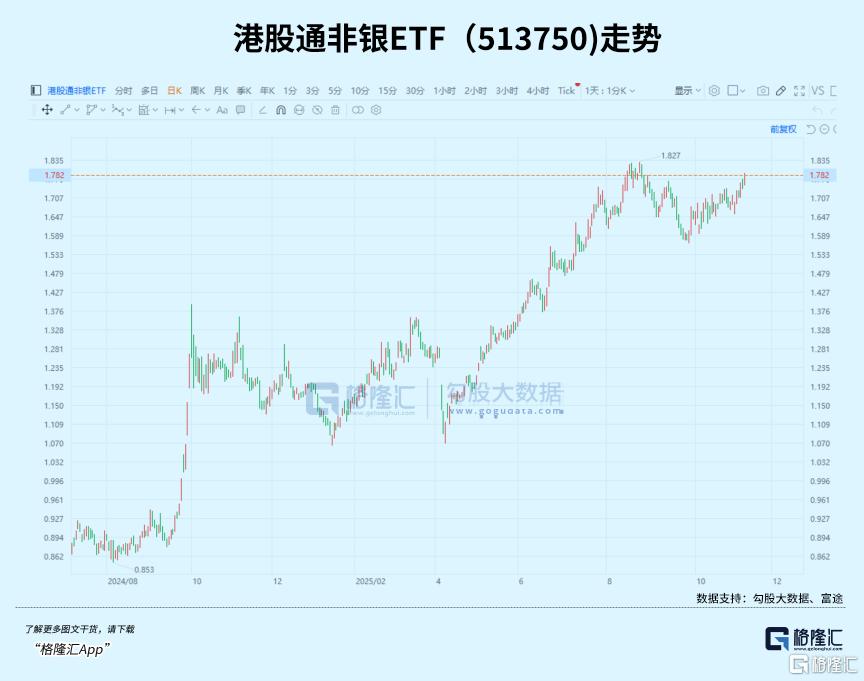
Core Viewpoint - The adjustment of accounting regulations has significantly contributed to the profits from insurance capital's stock investments, driving the rise of insurance stocks and indicating a potential long-term value reassessment in the market [2] Group 1: Investment Trends - Insurance capital has made 31 stake acquisitions this year, surpassing the peak in 2020 and setting a new record since 2015 [3] - The increase in stock investments by insurance capital is a positive response to regulatory policies, reflecting the broadening investment channels and enhancing the overall return on investment for the industry [4][5] - The allocation of insurance capital to equity assets has been increasing, with a notable rise in the proportion of equity investments [6] Group 2: Performance Metrics - As of mid-year, the total investment assets of listed insurance companies reached 21.85 trillion yuan, with the stock allocation ratio increasing by 1.44 percentage points compared to the end of 2024 [7] - The focus of insurance capital remains on high-dividend sectors such as banking, public utilities, and transportation, which align with the dual demand for safety and yield [9][11] - The technology sector has emerged as a new focus for insurance capital, with significant increases in holdings in the electronics industry, particularly in companies like Dongshan Precision, Huanshu Electronics, and Shenzhen Technology [12] Group 3: Financial Performance - The insurance sector has shown a strong upward trend, with major insurance companies reporting better-than-expected earnings, alleviating concerns over high base effects from the previous year [18][21] - The average annualized total investment return for major insurance companies reached 7.3%, a year-on-year increase of 1.2 percentage points, driven by a significant rise in equity investments [21] - The implementation of new accounting standards (IFRS 17 and IFRS 9) has increased the correlation between insurance company performance and stock market movements, allowing for higher net profit growth during market upswings [22] Group 4: Future Outlook - The strong performance in equity investments is expected to boost confidence in the sales of dividend insurance products in 2026, with projections for double-digit growth in new single premium sales [24] - The ongoing "slow bull" market in A-shares is anticipated to benefit insurance companies with strong beta attributes, leading to sustained stock price appreciation [24] - China Ping An's investment strategy is shifting towards diversified allocations, reflecting a broader market acceptance of this approach, as evidenced by significant stock price increases among leading insurance firms [14][25]
集体大涨!重磅信号来了
Ge Long Hui· 2025-11-12 10:06
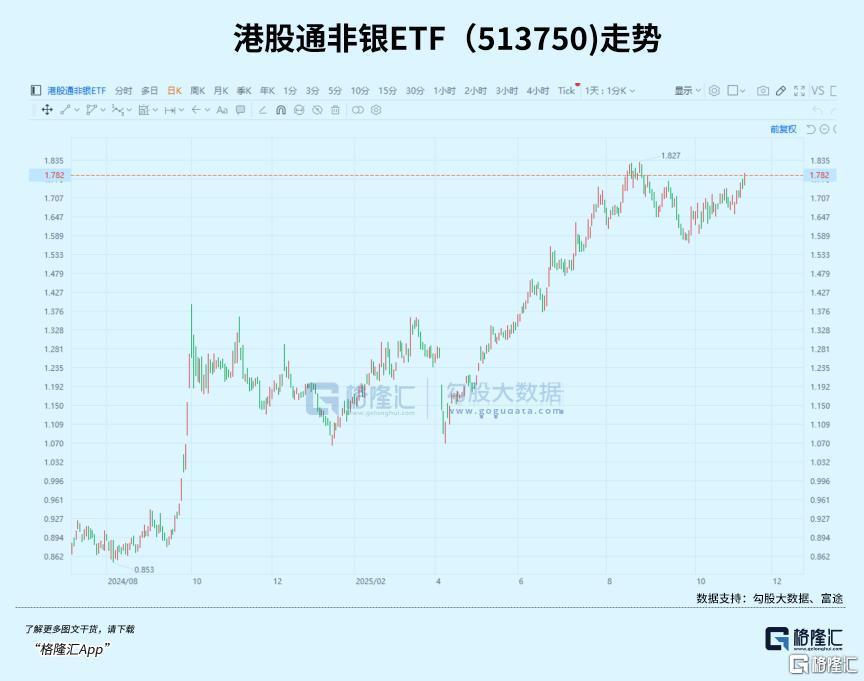
Core Viewpoint - The adjustment of accounting regulations has significantly contributed to the profits from insurance capital's stock investments, driving the rise of insurance stocks. The valuation recovery of insurance stocks is expected to evolve from a cyclical rebound into a long-term value reassessment [2]. Group 1: Investment Trends - Insurance capital has made 31 stake acquisitions this year, surpassing the peak in 2020 and setting a new record since 2015 [4]. - The increase in equity asset allocation by insurance capital is a positive response to regulatory policies, enhancing the overall return on investment and stability of the industry [5]. - The trend shows a substantial increase in the balance of insurance capital utilization and a higher proportion of equity asset allocation [7]. Group 2: Sector Performance - Insurance capital primarily holds positions in high-dividend sectors such as banking, public utilities, and transportation, which serve as the "ballast" for their portfolios [9][10]. - The defensive attributes of undervalued, high-dividend assets align well with the dual demand for safety and profitability from insurance capital [12]. Group 3: Technology Sector Investment - Insurance capital's investment in technology stocks has exceeded expectations, opening up new profit growth opportunities [13]. - In the third quarter, insurance capital's holdings in the electronics sector grew significantly, reaching nearly 11.8 billion, with increased positions in companies like Dongshan Precision, Huaxin Electronics, and Shenzhen Technology [14]. Group 4: Market Dynamics - The role of insurance capital as a "stabilizer" in the capital market is becoming more pronounced, with significant profit growth enhancing the investment value of insurance capital [16]. - Major insurance companies have seen their stock prices reach new highs, with the Hong Kong Stock Connect Non-Bank ETF (513750) rising over 50% this year [16]. Group 5: Financial Performance - The five A+H listed insurance companies reported impressive investment returns, with an average annualized total investment return of 7.3%, a year-on-year increase of 1.2 percentage points [24]. - The implementation of new accounting standards (IFRS 17 and IFRS 9) has further increased the correlation between insurance companies' performance and the stock market [25]. Group 6: Future Outlook - The strong performance of equity investments is expected to boost confidence in the sales of dividend insurance products in 2026, with a forecast of double-digit growth in new premium income [27]. - Insurance companies are likely to continue increasing their allocation to equity assets, benefiting from a sustained "slow bull" market in A-shares [27]. Group 7: Investment Strategy - The valuation recovery of insurance stocks is anticipated to transition from a cyclical rebound to a long-term value reassessment, with significant inflows of southbound capital into the A-share and Hong Kong markets [33]. - The Hong Kong Stock Connect Non-Bank ETF (513750) is highlighted as a convenient tool for investors to access the non-bank financial sector in Hong Kong [34].