蔚来

Search documents
港股科网股,再度大跌
Di Yi Cai Jing Zi Xun· 2026-02-04 08:52
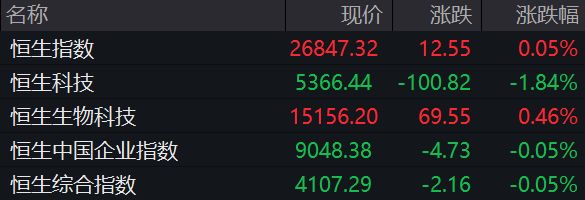
| 名称 | 现价 | 涨跌幅 ▲ | | --- | --- | --- | | 纳芯微 | 138.700 c | -6.66% | | 天域半导体 | 45.840 c | -6.41% | | 上海复日 | 47.880 c | -5.19% | | 华虹米昌体 | 102.400 c | -4.92% | | 兆易创新 | 304.400 c | -3.85% | | 伟志控股 | 0.790 c | -3.66% | | 峰昭科技 | 128.400 c | -2.65% | | 中村国际 | 68.750 c | -2.41% | | 普达特科技 | 0.224c | -2.18% | | 天岳先进 | 58.350 c | -1.77% | 煤炭股活跃,兖矿能源涨逾10%,中煤能源涨逾8%,中国神华涨逾5%。 2月4日,香港恒生指数收涨0.05%,恒生科技指数跌1.84%。 | 名称 | 现价 | 淵跌 | 涨跌幅 | | --- | --- | --- | --- | | 恒生指数 | 26847.32 | 12.55 | 0.05% | | 恒生科技 | 5366.44 | -100.82 ...


7年贷+减配,买车“套路”大揭秘
3 6 Ke· 2026-02-04 08:51
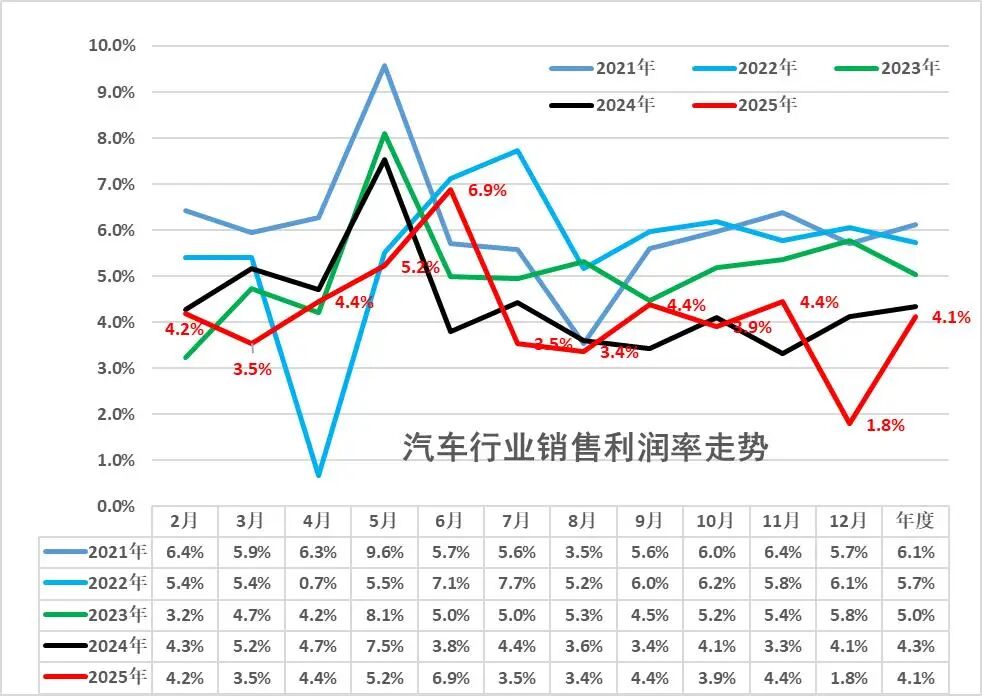
20多个品牌、超75款车疯狂促销。2026年刚开年,车圈就跟打了鸡血一样!什么"现金直降"、"零首付开走"、"月供一千三"的广告满天飞,好像不买就亏 了。 这波热闹促销的背后,其实藏着一个让行业都沉默的数据:去年12月,整个汽车行业的销售利润率,只剩下1.8%了。 什么概念?比去年同期直接腰斩, 甚至低于很多保本理财的收益。 数据来源:崔东树 就算看全年,平均利润4.1%,也是连续两年趴在地板上,低于工业平均的5.9%。 车是越造越多,2025年产了3478万台,增长10%,但"增产不增利",终究是压着车企喘不过气。 那么问题来了:利润都去哪了?车企为了活下去,使出的招数会不会影响我们买车? 三座大山压垮车企 利润薄得像张纸,有哪些大山正在压垮车企? 第一座山:原材料大涨。 来看瑞银刚出的这份研报,过去三个月,铝价涨了,单车成本多出约600块;铜价涨了,又多出1200块。但这都是小头,波动最大的是锂,一辆装80度电 池的纯电车,光锂成本就涨了约3800元! 仅金属部分,一辆电车成本就多出5600元。 你以为这就完了?更狠的还在后面——内存。 蔚来李斌之前预警得一点没错:到2026年,车企最大的成本压力可能不是 ...




1月QDII基金跌幅第一:华宝海外新能源汽车跌5.9%
Zhong Guo Jing Ji Wang· 2026-02-04 08:09
中国经济网北京2月4日讯今年1月份,华宝基金旗下的华宝海外新能源汽车股票发起式(QDII)C/A分别下跌5.95%、5.91%,位居当月QDII基金跌幅榜第一。 资料显示,两只基金均成立于2023年5月23日,累计收益率为55.54%和57.12%。 华宝海外新能源汽车股票发起式(QDII)C/A主要投资境外上市的新能源汽车主题相关股票,截至去年四季度末,前十大重仓股分别为英伟达、Rivian Automotive Inc-A、特斯拉、法拉利、蔚来、博通、Carvana Co-A、小马智行、迈威尔科技、小鹏汽车。 其现任基金经理为周晶和赵启元。周晶2005年至2007年在华宝基金管理有限公司任内控审计风险管理部主管,2011年6月再次加入华宝基金管理有限公司,现 任华宝基金管理有限公司首席投资官。赵启元2019年7月加入华宝基金管理有限公司历任高级分析师、投资经理、基金经理助理等职务。 | 代码 名称 | | | 区间复权单累计单位净基金规模[]基金成立日 基金经理(基金投资 | | --- | --- | --- | --- | | 017145. OF 华宝海外新能源汽车股票发起式(QDII)C | -5 ...

光大证券:1月新能源车表现疲软 各车企购车优惠加码
智通财经网· 2026-02-04 07:41
Core Viewpoint - The report from Everbright Securities highlights the focus on AI transformation in the automotive industry and the pressure from rising upstream raw material prices, particularly for new energy vehicles [1]. Group 1: AI Transformation in Automotive Industry - New energy vehicle companies are actively transitioning towards AI, especially in humanoid robotics. Tesla plans to gradually convert its Model S/X production line for humanoid robots, while Xpeng Motors will start mass production of humanoid robots in 2026. Li Auto has also established a humanoid robot team [1]. Group 2: Raw Material Price Pressure - From the end of 2025, prices for upstream raw materials such as copper, aluminum, and lithium carbonate have been rising, which is expected to pressure the gross profit margins of complete vehicles. The industry is advised to monitor the progress of price pressure digestion along the supply chain [1]. Group 3: January Performance of New Energy Vehicles - In January, the performance of new energy vehicles was weak: - Li Auto's delivery volume decreased by 7.5% year-on-year and 37.5% month-on-month to 27,668 units - NIO's delivery volume increased by 96.1% year-on-year but decreased by 43.5% month-on-month to 27,182 units - Xpeng's delivery volume fell by 34.1% year-on-year and 46.6% month-on-month to 20,011 units [1]. Group 4: New Model Launches - Various automakers launched updated models in January to meet tax requirements and enhance product competitiveness. BYD introduced long-range versions of its models, while Xpeng released several new models with improved cost-performance and intelligence levels [2]. Group 5: Increased Purchase Incentives - Tesla is offering significant purchase incentives, including insurance subsidies and low-interest financing options across its Model 3 and Model Y ranges. Other new energy vehicle companies like Li Auto, NIO, and Xpeng are also providing various financing options and maintaining competitive delivery timelines for their models [3][4]. Group 6: Delivery Performance - In January, Xiaomi delivered over 39,000 vehicles, while Huawei's delivery volume for its smart vehicle line increased by 65.5% year-on-year but decreased by 35.4% month-on-month to 58,000 units [4].

汽车行业 2026 年 2 月投资策略:智能驾驶加速推进,建议关注业绩期行情
Guoxin Securities· 2026-02-04 07:19
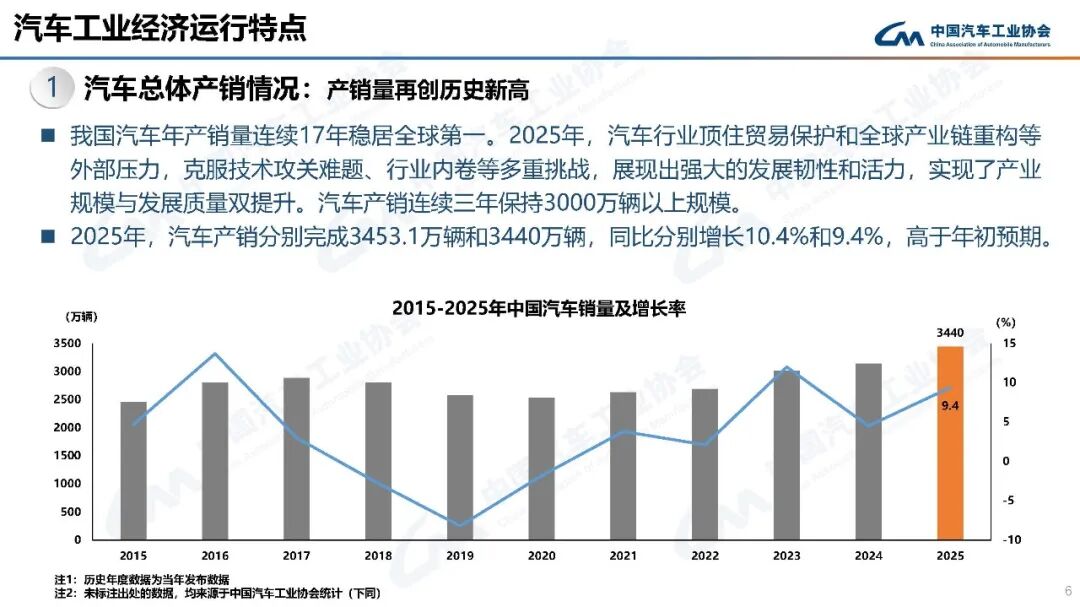
证券研究报告 | 2026年02月04日 汽车行业 2026 年 2 月投资策略 优于大市 智能驾驶加速推进,建议关注业绩期行情 月度产销:根据乘联会数据,1 月狭义乘用车零售市场规模约为 180 万辆, 环比下降 20.4%,同比增长 0.3%。其中新能源零售量预计为 80 万左右,渗 透率约 44.4%。12 月全国乘用车市场零售 226.1 万辆,同比下降 14.0%,环 比增长 1.6%。2025 年累计零售 2,374.4 万辆,同比增长 3.8%。12 月全国乘 用车厂商批发 278.9 万辆,同比下降 9.0%,环比下降 7.0%;2025 年累计批 发 2,955.4 万辆,同比增长 8.8%。根据中汽协数据,12 月汽车产销分别完 成 329.6 万辆和 327.2 万辆,环比分别下降 6.7%和 4.6%,同比分别下降 2.1% 和 6.2%。2025 年,汽车产销分别完成 3453.1 万辆和 3440 万辆,同比分别 增长 10.4%和 9.4%。2025 年 12 月,乘用车产销分别完成 287.9 万辆和 284.7 万辆,环比分别下降 8.4%和 6.3%,同比分别下降 4.2% ...



重仓新能源的车厂们
投中网· 2026-02-04 07:13
Core Viewpoint - The Chinese automotive market in January 2026 is characterized by a stark contrast, with most automakers experiencing negative growth, particularly in the new energy vehicle (NEV) sector, highlighting the importance of having a diversified product lineup that includes both fuel and electric vehicles [5][6][7]. Sales Performance Summary - In January, the retail sales of passenger cars are expected to reach 1.8 million units, a month-on-month decline of 20.4%, with NEV sales around 800,000 units, marking a penetration rate drop to 44.4%, nearly 10 percentage points lower than the peak at the end of 2025 [6][7]. - Traditional automakers like SAIC, Geely, and GAC Toyota reported stable sales due to their dual strategy of offering both fuel and NEVs, with SAIC's total sales reaching 327,400 units, a year-on-year increase of 23.94% [10][11]. - Geely's total sales were 270,167 units, with fuel vehicles contributing significantly to its performance, while BYD faced a 30.11% decline in NEV sales, indicating the challenges faced by companies heavily reliant on NEVs [12][15]. Market Dynamics - The differentiation in sales performance among automakers is attributed to their strategic choices, particularly the presence of a fuel vehicle base, which enhances resilience against market fluctuations [9][19]. - The demand for fuel vehicles surged during the pre-Spring Festival period, as consumers preferred mature technology and the convenience of fuel vehicles for long-distance travel, further supported by the limited impact of policy changes on fuel vehicles [19][20]. Export Growth - Exports have become a crucial support for many leading automakers, with companies like Chery and SAIC reporting significant increases in overseas sales, indicating a dual strategy of maintaining domestic stability while expanding globally [17][18]. Future Outlook - The current market conditions signal a shift from policy-driven growth to market-driven dynamics, emphasizing the need for automakers to maintain a balanced portfolio of fuel and NEVs to navigate future uncertainties [22]. - Companies that can effectively manage their fuel vehicle base while rapidly advancing in the NEV sector are likely to emerge as market leaders, while those focusing solely on NEVs may face greater risks during market fluctuations [21][22].




比亚迪稳夺1月新能源汽车销冠,头部格局进一步分化
Xin Lang Cai Jing· 2026-02-04 06:54
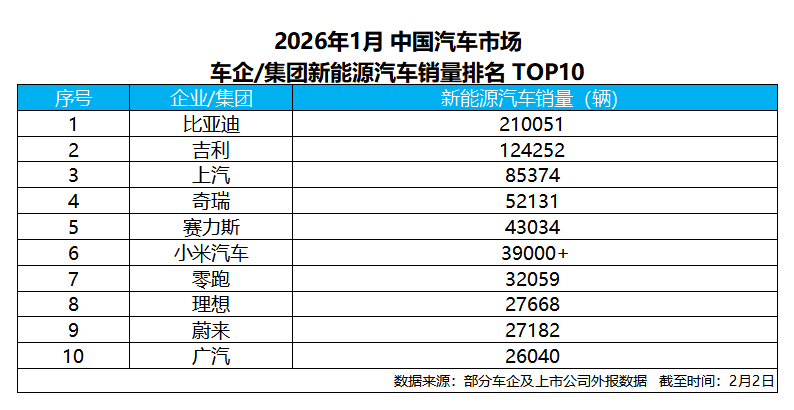
| 序 | 企业/集团 | 新能源汽车销量(辆) | | --- | --- | --- | | 1 | 比亚迪 | 210051 | | 2 | 吉利 | 124252 | | 3 | 上汽 | 85374 | | ব | 奇瑞 | 52131 | | 5 | 塞力斯 | 43034 | | e | 小米汽车 | 39000+ | | 1 | 零跑 | 32059 | | 8 | 理想 | 27668 | | 9 | 蔚来 | 27182 | | 10 | 广汽 | 26040 | | | | 数据来源:部分车企及上市公司外报数据 截至时间:2月2日 | 新年伊始,中国新能源汽车市场的竞争轮廓迅速显现,头部车企之间的差距在1月销量榜单中被进一步拉开。截 至2月2日,根据部分车企及上市公司对外披露的数据,比亚迪以超21万辆的新能源汽车销量位居行业首位,展现 出强大的市场竞争力,继续稳居中国新能源市场头部位置,并在主要车企中拉开明显差距。(深圳新闻网) ...
2025年度中国汽车产业盘点——销量篇 车企竞争进入深水区
Zhong Guo Zhi Liang Xin Wen Wang· 2026-02-04 06:51
Overall Market - In 2025, China's automotive industry achieved record production and sales, with 34.53 million vehicles produced and 34.40 million sold, marking year-on-year growth of 10.4% and 9.4% respectively, driven by policy support and market dynamics [1][5] - The market demonstrated strong resilience against global trade protectionism, supply chain restructuring, and intensified competition [1] Market Dynamics - The "Two New" policy expanded consumer goods categories and support for equipment upgrades, stimulating vehicle replacement demand, particularly in lower-tier cities [5] - The transition to electric vehicles (EVs) was facilitated by stable tax policies and improved charging infrastructure, lowering barriers for potential EV buyers [5] - Consumer preferences are shifting towards intelligent features and green travel, pushing the market towards higher quality development [5] Segmented Market - In 2025, new energy vehicles (NEVs) became the dominant growth segment, with production and sales reaching 16.63 million and 16.49 million respectively, reflecting year-on-year growth of 29% and 28.2% [6] - NEVs accounted for 47.9% of total new vehicle sales, a 7 percentage point increase from the previous year [6] - The traditional fuel vehicle market is undergoing structural adjustments, with demand for high-displacement, high-fuel-consumption models declining, while smaller, hybrid models remain popular [10] Market Structure - Domestic brands solidified their leading position, with their market share exceeding 60% for the first time, driven by strong performances from companies like BYD, Geely, and Changan [13][15] - BYD led the market with over 4.6 million units sold, benefiting from its technological advancements in NEVs [15] - Joint venture brands faced significant pressure, with declining market shares due to slow adaptation to the NEV market and product homogenization [16] Export Market - In 2025, China's automotive exports exceeded 7 million units, achieving a year-on-year growth of 21.1%, maintaining its position as the world's largest automotive exporter for three consecutive years [18] - Emerging markets in Southeast Asia, the Middle East, and South America remain key destinations for Chinese automotive exports, with NEVs becoming a significant export category [18] Sales Rankings - The top ten automotive brands in 2025 showcased a strong performance from domestic brands, with five spots occupied by them, and a combined market share of 37.3% [21] - BYD, Geely, and Changan maintained their positions through a dual strategy of fuel and NEV offerings [21] - Traditional joint venture brands like FAW-Volkswagen and SAIC Volkswagen continued to experience declines, unable to offset losses from fuel vehicle sales with NEV growth [21] Emerging Brands - New entrants like Leap Motor and Hongmeng Zhixing showed remarkable growth, with Leap Motor doubling its sales through self-developed technology and competitive pricing [23] - Traditional automakers' NEV sub-brands also performed well, rapidly capturing market share through targeted strategies [23] Consumer Trends - Successful models in 2025 aligned with market trends, focusing on price adaptability, user needs, and technological highlights [24] - Family and young consumers emerged as core target groups, with vehicles designed for spaciousness and smart features gaining popularity [26] - The integration of new energy and intelligent technologies became essential for popular models, addressing consumer concerns about range and charging [26] Future Outlook - The strong rise of NEVs indicates China's automotive industry is positioned advantageously in the global transformation of the sector [28] - Continued policy support for NEVs and smart vehicles is expected, alongside growing consumer demand for high-quality, intelligent products [28] - The industry is likely to see further integration across the supply chain, enhancing competitiveness [28]
研报掘金丨东吴证券:首予富特科技“买入”评级,目标价70.4元
Ge Long Hui A P P· 2026-02-04 05:41
格隆汇2月4日|东吴证券研报指出,富特科技是第三方车载高压电源系统头部企业,迎来业绩高速增长 通道。25年上半年在国内OBC行业市占率达8%,位居行业第四。22-24年公司营收分别为 16.50/18.35/19.34亿元,同比+71%/+11%/+5%,随客户拓展而稳定增长。25年受益于小米、蔚来等主要 客户的销量增长及海外项目的定点项目放量,根据2025年度业绩预告,25年营收超40亿元,归母净利润 达2.1~2.5亿元,同比+122%~+164%,展望2026年,我们公司将继续受益于国内外客户的销量增长及新 客户拓展,保持高速增长。公司在车载高压电源系统行业长期耕耘,近年来持续开拓小米、蔚来、雷 诺、Stellantis等行业头部客户。考虑到公司产品广受认可,主业国内加速渗透,海外客户拓展速度领 先,HVDC带来潜在增量,未来成长空间广阔,因此我们给予公司26年30倍PE,对应股价70.4元/股, 首次覆盖,给予"买入"评级。 ...

债市早报:资金面整体平稳;债市以震荡为主
Jin Rong Jie· 2026-02-04 03:26
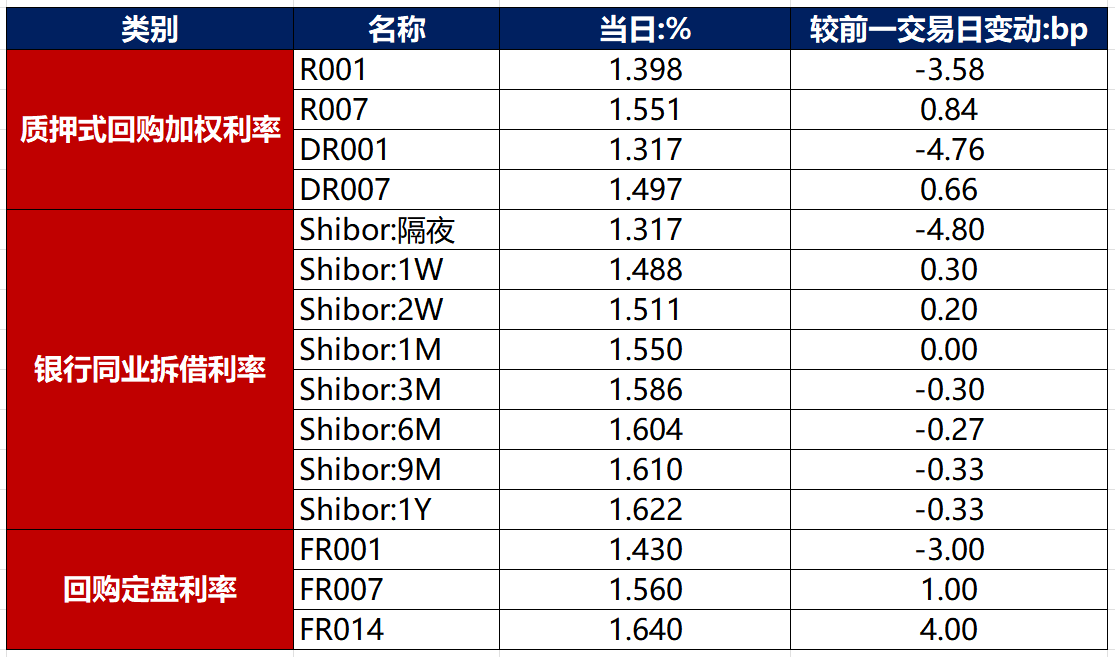
Group 1: Domestic News - The 2026 Central Document was released, focusing on agricultural modernization and rural revitalization, emphasizing the need for reforms in rural collective property rights and controlling new village-level debts [2] - The document encourages the use of special bonds and long-term treasury bonds to support major projects in agriculture and rural areas, enhancing the effectiveness of financial support for agriculture [2] Group 2: Monetary Policy - The central bank announced an increase in the amount of 3-month reverse repos, conducting an operation of 800 billion yuan, resulting in a net injection of 100 billion yuan after accounting for maturing repos [3] - The central bank's Shanghai headquarters is actively promoting financial reforms in the free trade zone, aiming to enhance cross-border financial services and the convenience of cross-border RMB business [3] Group 3: International News - The U.S. House of Representatives approved a funding bill to end a partial government shutdown, with a vote of 217 to 214, sending the bill to the President for signature [4] - Despite the approval, a funding shortfall risk remains, particularly for the Department of Homeland Security, which has funding only until February 13 [4] Group 4: Commodity Market - International crude oil prices rose, with WTI crude up 1.72% to $63.21 per barrel and Brent crude up 1.56% to $67.33 per barrel [5] - Gold futures increased by 6.94% to $4975.30 per ounce, while natural gas prices rose by 3.49% to $3.377 per million British thermal units [5] Group 5: Bond Market Dynamics - The bond market showed mixed performance, with short-term bonds weaker and medium to long-term bonds slightly stronger; the yield on the 10-year government bond fell by 0.40 basis points to 1.8110% [9] - The central bank conducted a 7-day reverse repo operation with a total of 1055 billion yuan at a rate of 1.40%, resulting in a net withdrawal of 2965 billion yuan due to maturing repos [6][7] Group 6: Credit Bonds - No credit bonds showed price deviations exceeding 10% on February 3, indicating stable trading conditions in the secondary market [11] - Companies like Zhongjun Group and Yida China are facing financial difficulties, with Zhongjun unable to repay a bond and Yida receiving a lawsuit for debt recovery [11][12] Group 7: Convertible Bonds - The convertible bond market saw a collective rebound, with major indices rising between 2.51% and 2.79%, and trading volume increasing significantly [13] - Notable individual bonds like Baichuan Convertible Bond surged over 17%, while some bonds experienced declines, such as Huazheng Convertible Bond, which fell over 4% [14] Group 8: Overseas Bond Market - U.S. Treasury yields showed mixed movements, with the 10-year yield down 1 basis point to 4.28%, while the 2-year yield remained unchanged at 3.57% [16] - European government bond yields generally increased, with Germany's 10-year yield rising by 2 basis points to 2.89% [18]