
佳能

Search documents
SEMICON Japan走访见闻
2025-12-22 15:47
SEMICON Japan 走访见闻 20251222 2026 年半导体行业迎来存储超级周期,DRAM 资本开支迅速增长超 20%,NAND 主要集中于升级投资,利好东京电子、Kokusai Electric 等企业。 先进工艺升级驱动后道设备需求,Advantest、Teradyne 等受益。3 纳米和 2 纳米工艺光刻强度提升,ASML 和 LaserTech 等公司有望受益。 日本企业预测 2026 年中国市场持平或微增,长存和长兴表现突出,未 来资本开支仍有上行空间。光纤光缆供应紧张,藤仓、住友电工和古河 电气产能全满。 英特尔 CEO 更换后股价上涨,可能通过先进封装技术或代工业务实现复 苏,现有产品竞争力或回升,投资者对此高度关注。 软银押注 OpenAI 存在争议,出售英伟达股票并承担高杠杆风险,投资 收益具有不确定性。WSTS 预测 2026 年全球半导体行业加速增长,总 规模接近 1 万亿美元。 中国企业市场份额不断提升,预计到 2026 年底市占率可能从 23%- 24%提高到 30%左右,显著高于东京电子等海外厂商的预期。 台积电 CoWoS 产能受限仍是全球 AI 发展的瓶颈之一,预 ...
为啥中国的世界级企业估值都那么低?
集思录· 2025-12-22 13:44
Core Viewpoint - The article discusses the valuation challenges faced by various industries in the A-share market, highlighting that despite global competitiveness, many sectors are undervalued due to market dynamics and investor behavior [1][10]. Group 1: Industry Valuations - Home Appliances: Midea (13x), Haier (12.3x), Hisense (12.73x) [1] - Engineering Machinery: Sany (23.6x), XCMG (20x), Zoomlion (17x) [2] - Forklifts: Hangcha (16x), Heli (14x) [2] - Tires: Zhongce (12x), Sailun (16x), Senqilin (14x) [2] - Heavy Trucks: China National Heavy Duty Truck (12x) [2] Group 2: Market Dynamics - The industries mentioned are characterized by low-frequency consumption and strong cyclicality, leading to fluctuating performance and valuations based on government subsidies and market conditions [1][2]. - The article suggests that a P/E ratio around 15x is reasonable for stable growth industries, providing a risk premium over ten-year government bonds [1][2]. Group 3: Investment Behavior - Institutional investors hold significant pricing power in these markets, making it challenging for individual investors to influence valuations [1][2]. - The article emphasizes that high expectations can lead to investment disasters, and that long-term returns may be better for established companies despite their low valuations [3][10]. Group 4: Valuation as an Incentive Mechanism - Valuation is described as an incentive mechanism that reflects market competition and societal evolution, where higher valuations encourage innovation and investment in growth sectors like technology [4][5][6]. - Conversely, traditional industries with stable earnings often receive lower valuations due to a lack of societal encouragement for new investments [7][10]. Group 5: Global Comparisons - The article notes that mature manufacturing companies globally, such as Toyota and Caterpillar, also exhibit low valuation multiples, indicating a broader trend beyond the A-share market [14][15][16].








初芯集团入主皮阿诺 三个月前曾收购韩国光刻胶龙头在中国十家工厂
Cai Fu Zai Xian· 2025-12-22 10:15
Group 1 - Japan has reportedly stopped exporting photoresists to China, impacting the semiconductor supply chain significantly [1] - Photoresists are crucial materials in semiconductor manufacturing, accounting for 12% of chip material costs [1] - Major Japanese companies like Canon, Nikon, and Mitsubishi are rumored to halt core photoresist supplies and maintenance of lithography machines [1] Group 2 - The global semiconductor photoresist market is highly concentrated, with Japanese companies dominating and accounting for 95% of the total supply [2] - China is shifting from a passive to an active approach in response to supply pressures, including acquiring South Korean photoresist leader Dongjin Semichem [2] - Dongjin Semichem has developed EUV photoresists and is positioned as a key player in breaking Japan's monopoly in this sector [3] Group 3 - Dongjin Semichem is selling ten factories in China for $260 million, which represents about 25% of its projected revenue and profit for 2024 [4] - Initial Group, the buyer, is a notable player in the semiconductor investment space, focusing on high-tech industries and has been active in the market since 2015 [4] - Initial Group's founder has been recognized as a leading investor in the semiconductor sector, indicating strong strategic positioning [4] Group 4 - Initial Group is also acquiring control of the listed company Pianuo, with plans to increase its stake to 29.99% [5] - The acquisition aligns with current trends in mergers and acquisitions in high-value technology sectors, supported by favorable policies [6] - The ongoing policy environment encourages technological advancements and ecosystem expansion in various industries [6]
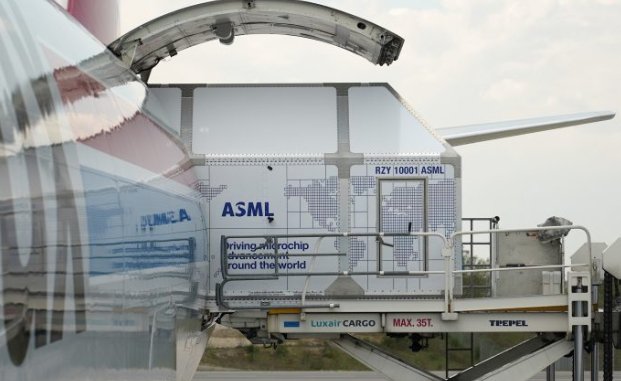
据报道,中国利用较旧的ASML组件制造EUV原型机,Eyes 2028芯片制造
Xin Lang Cai Jing· 2025-12-19 15:22
Core Viewpoint - China is making unexpected progress in developing extreme ultraviolet (EUV) technology, with a prototype machine assembled using old ASML components, aiming to produce practical chips by 2028, although 2030 is seen as a more realistic target [2][4]. Group 1: Prototype Development - The prototype machine is expected to be completed by early 2025 and is currently undergoing testing, although it has not yet produced functional chips [2]. - The development of the prototype involved former ASML engineers who reverse-engineered the EUV equipment, highlighting the importance of their expertise in this project [3]. - The recruitment of these engineers was part of a talent acquisition initiative launched in 2019, offering substantial signing bonuses and housing subsidies [3]. Group 2: Role of Huawei - Huawei plays a central role in coordinating the EUV project, which is led by the Chinese government, involving a network of thousands of engineers from various enterprises and research institutions [4]. - Employees from Huawei have been deployed across different locations to support the project, often working under strict conditions due to the sensitive nature of the work [4]. Group 3: Technical Limitations - Despite the development of the EUV prototype, its technology is still significantly behind that of ASML, particularly in matching the ultra-precision optical systems produced by Western suppliers [5]. - The prototype is expected to utilize components subject to export restrictions from Japanese companies Nikon and Canon, further complicating its development [7].

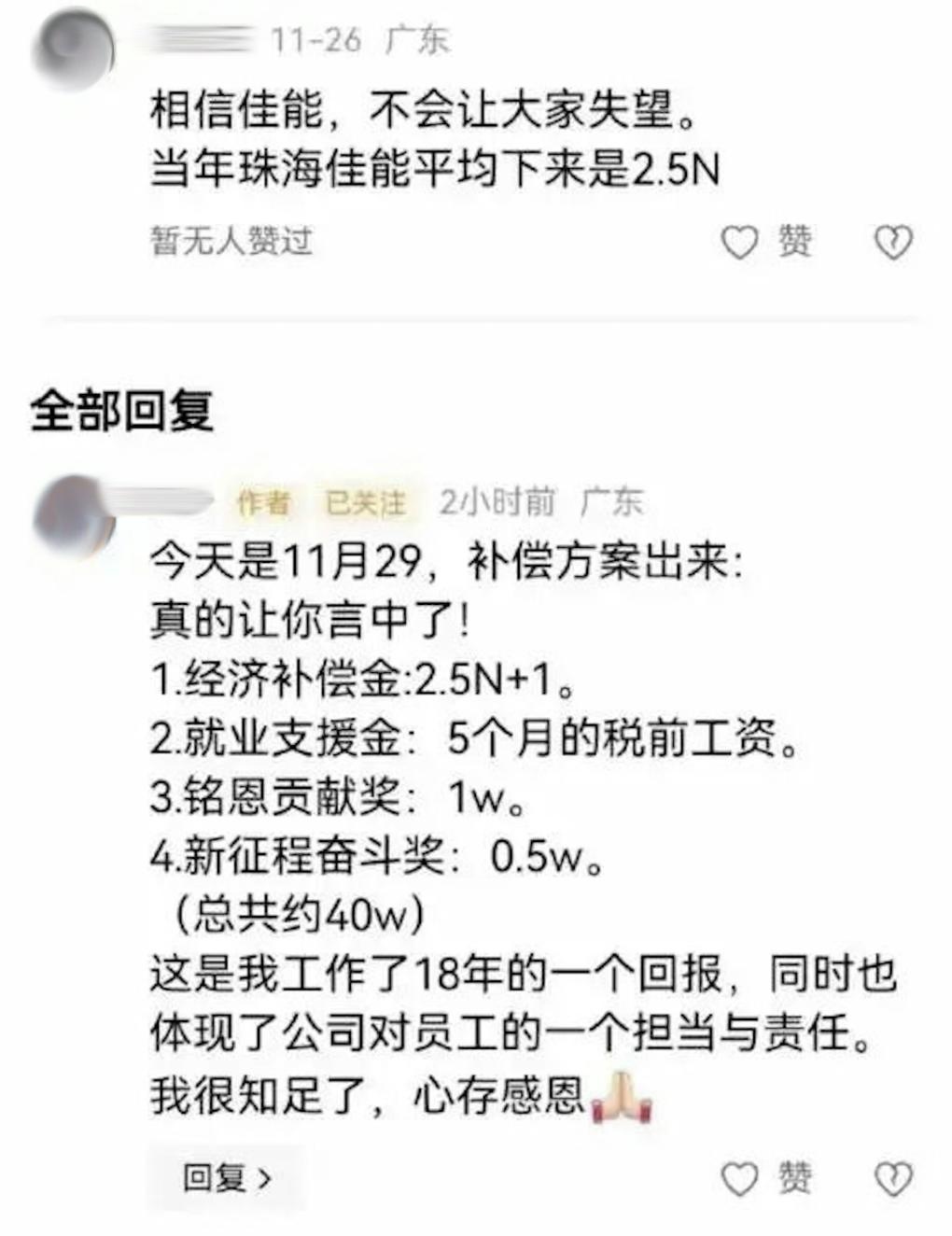
“在佳能被裁拿了40多个月工资赔偿和董事长推荐信”,为啥外企总有「远超劳动法上限」的裁员大礼包?
Sou Hu Cai Jing· 2025-12-16 09:24
Group 1 - Canon's factory in Zhongshan, Guangdong, closed on November 21, resulting in the layoff of over a thousand employees, with compensation packages averaging around 2.3N, exceeding labor law standards [1][3] - Employees received various forms of compensation, including a total of 400,000 yuan, which included economic compensation, employment support, and awards [1][3] - The trend of high severance packages is not unique to Canon, as other foreign companies like Mercedes-Benz and Microsoft have also provided generous compensation during layoffs [2][3][4] Group 2 - High severance payments often exceed legal limits, with some companies offering compensation based on actual salaries rather than the average salary cap set by labor laws [5][6] - The rationale behind offering high severance is to facilitate a smooth and quick exit for employees, reducing potential disputes and legal risks for the company [6][16] - The compensation amounts can vary significantly based on employee tenure and individual circumstances, with senior employees often receiving more favorable packages [8][9] Group 3 - Not all foreign companies are "layoff-friendly," as some have provided minimal compensation, leading to employee dissatisfaction and legal disputes [10][21] - The perception of foreign companies varies, with European firms generally viewed as more compliant and generous compared to American and Japanese firms [11][12] - The ongoing trend of cost-cutting in large foreign enterprises has led to a reduction in severance packages over time, indicating a shift in corporate strategies [22]


“在佳能被裁拿了40多个月工资赔偿和董事长推荐信”,为啥外企总有“远超劳动法上限”的裁员大礼包?
3 6 Ke· 2025-12-16 09:13
Group 1 - Canon's factory in Zhongshan, Guangdong, closed on November 21, resulting in layoffs for over a thousand employees, with compensation packages averaging around 2.3N, exceeding legal standards [1] - Employees received various forms of compensation, including a total of 400,000 yuan, which consisted of economic compensation, employment support, and awards [1] - The trend of generous severance packages is not unique to Canon, as other foreign companies like Mercedes-Benz and Microsoft have also provided high compensation during layoffs [4][6] Group 2 - High severance packages are often used by companies to facilitate a smooth exit for employees, reducing potential disputes and legal risks associated with layoffs [7] - The compensation amounts can vary significantly based on individual circumstances, with senior employees often receiving more favorable packages [11] - Despite the perception of foreign companies as "employee-friendly," not all adhere to high compensation standards, and experiences can differ widely among firms [13][15] Group 3 - The legal framework in China allows for significant compensation in cases of unlawful termination, which can lead to higher costs for companies if disputes arise [22][23] - The trend of generous severance packages may be influenced by the need for companies to maintain a positive public image and comply with international standards [19][21] - Recent reports indicate that severance packages in foreign companies are beginning to shrink, reflecting a broader trend of cost-cutting measures [29][30]
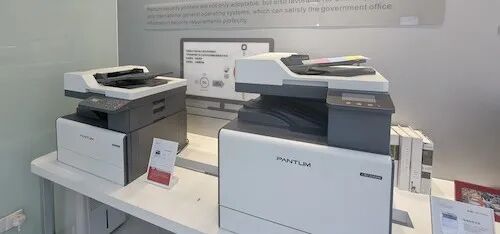
国产打印机用近二十年突破垄断
Di Yi Cai Jing· 2025-12-15 10:09
Core Insights - Canon's decision to close its printer factory in Zhongshan, China by the end of 2025 marks a significant shift in the global laser printer market, dominated for decades by Japanese and American brands like Canon and HP [2] - The market landscape is changing, with domestic brands increasing their market share from approximately 10% in 2010 to over 40% today, while foreign brands have seen their share drop below 60% [2][10] - Canon's market share has decreased from 7.7% in 2018 to 3.9% in the first three quarters of 2025, while domestic brand BenQ has captured significant market shares of 23.5%, 25.8%, and 21.3% in the same period [2] Domestic Brand Growth - BenQ's entry into the printer market was driven by long-term commercial prospects and national strategic needs, particularly concerning supply chain and information security risks [3] - The company initially focused on consumables but soon recognized the limitations and shifted towards printer manufacturing, launching its first A4 monochrome laser printer in 2010 [4] - Despite facing aggressive pricing strategies from competitors, BenQ managed to grow its output from 53,000 units in May 2011 to over one million units by 2019, achieving an average annual growth rate of about 50% [4] Technological Advancements - BenQ has made significant strides in developing core components such as the laser scanning unit (LSU) and main control SoC chips, achieving independent research and development of these critical modules by 2018 [6][7] - The company has accumulated over 6,000 patents, establishing a technological moat that supports its competitive position in the market [7] - Lenovo has also transitioned from imitation to independent innovation, increasing its self-developed printer revenue share from less than 10% to 50% [7] Market Dynamics - The printer industry's business model relies on a "razor-and-blades" strategy, where original consumables generate ongoing revenue, with hardware sales often only breaking even [8] - Despite a decline in overall printer sales from 10 million units in 2000 to about 7 million units recently, domestic brands have continued to expand their market presence [9] - The shift in the global industrial landscape is evident as foreign brands relocate some production capacity, allowing domestic brands to take the lead in the supply chain [10] Competitive Landscape - Domestic brands are gaining market share due to lower prices (20%-30% cheaper than foreign brands) and features tailored to local needs, such as remote printing and Bluetooth/NFC connectivity [12] - The penetration rate of home printers in China is only about 10%, indicating significant growth potential as demand for home and small business printing continues to rise [14] - The competitive environment is intensifying, with profit margins shrinking and companies investing heavily in research and development to innovate and meet market demands [14] Future Outlook - Domestic brands are expected to focus on high-end products, AI ecosystems, and international expansion, particularly in Southeast Asia [13] - The industry is entering a phase of stock or even declining competition, with foreign giants like HP and Canon facing challenges [15] - The rise of Chinese printer brands is attributed to continuous innovation in core technologies, establishing independent intellectual property, and enhancing supply chain security [15]

国产打印机用近二十年突破垄断
第一财经· 2025-12-15 09:45
Core Viewpoint - The closure of Canon's printer factory in Zhongshan, China, symbolizes a significant shift in the global laser printer market, where domestic brands are rapidly gaining market share at the expense of foreign brands like Canon and HP [3][12]. Market Dynamics - Canon's market share in China has decreased from 7.7% in 2018 to 3.9% in the first three quarters of 2025, while domestic brand BenQ's market share has increased to 23.5% [3][12]. - The share of domestic brands in the Chinese laser printer market has risen from approximately 10% in 2010 to over 40% currently, while foreign brands' share has fallen below 60% [3][12]. Competitive Landscape - BenQ's entry into the printer market was driven by long-term commercial prospects and national strategic needs, particularly concerning supply chain and information security risks [4][12]. - The company faced significant challenges from foreign competitors who quickly reduced prices in response to BenQ's market entry, leading to initial losses [5][12]. Technological Advancements - BenQ has developed over 6,000 patents, establishing a technological moat, and has successfully localized critical components such as the laser scanning unit and main control SoC chip [7][8]. - Lenovo has also transitioned from imitation to independent innovation, increasing the revenue share of self-developed printers from less than 10% to 50% [8][9]. Cost and Pricing Strategy - The "razor-and-blades" business model in the printer industry relies on original consumables for sustained revenue, with domestic brands offering lower-priced alternatives to foreign brands [9][10]. - The cost of consumables has significantly decreased, with Lenovo's toner cartridges priced around 100 yuan compared to over 300 yuan for foreign brands, reducing the cost per A4 page from 0.2-0.3 yuan to 0.07-0.08 yuan [9][10]. Market Growth and Trends - Despite a decline in overall printer sales from 10 million units in 2000 to 7 million units recently, domestic brands have continued to expand their market presence [10][12]. - The penetration rate of home printers in China is only about 10%, indicating significant growth potential as demand for educational and office printing increases [15][16]. Future Outlook - Domestic brands are expected to move towards high-end markets, build AI ecosystems, and accelerate international expansion, particularly in Southeast Asia [14][16]. - The competitive landscape is becoming increasingly challenging, with profit margins under pressure and the industry entering a low-profit era [15][16].

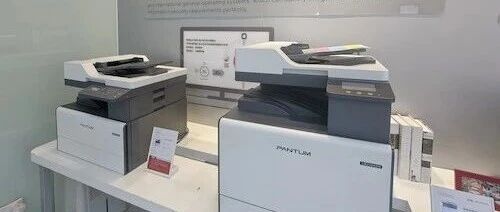
打印机十年攻防战:奔图联想突破垄断,佳能惠普退守
Di Yi Cai Jing· 2025-12-15 07:07
Core Insights - The rise of Chinese printer brands is not merely a result of low pricing or market exchange for technology, but rather a complex evolution involving core technology innovation and the establishment of independent intellectual property rights [16] Market Dynamics - Canon's decision to close its printer factory in Zhongshan, China by the end of 2025 symbolizes a significant shift in the global laser printer market, which has been historically dominated by Japanese and American brands like Canon and HP [2] - According to IDC, the market share of domestic brands in China's laser printer market has increased from approximately 10% in 2010 to over 40% today, while foreign brands' share has decreased to below 60% [2] - Canon's market share has declined from 7.7% in 2018 to 3.9% in the first three quarters of 2025, while domestic brand BenQ's market share has fluctuated between 21.3% and 25.8% during the same period [2] Competitive Landscape - The competition in the printer market has intensified, with domestic brands like BenQ and Lenovo gaining ground by focusing on supply chain security and addressing information security risks associated with networked printers [4][9] - BenQ has developed over 6,000 patents, creating a technological moat that supports its competitive position [8] Innovation and Development - BenQ's entry into the printer market in 2007 was driven by the long-term commercial prospects of printers and national strategic needs, leading to significant investments in R&D and supply chain development [4][5] - The company achieved a breakthrough in core components like the laser scanning unit (LSU) and SoC chips, enabling it to produce competitive products domestically [7] Pricing and Cost Structure - The pricing strategy of domestic brands is significantly lower than that of foreign brands, with original consumables from US brands priced around 300 RMB, while similar products from Lenovo are priced at approximately 100 RMB [10] - The cost of printing has decreased from 0.2-0.3 RMB per A4 page to 0.07-0.08 RMB due to the integration of supply chain and technological innovations [10] Future Outlook - The domestic printer market is expected to continue growing, with a current household penetration rate of only 10%, compared to 30%-40% in Western countries [15] - Domestic brands are focusing on high-end markets, AI ecosystems, and international expansion, particularly in Southeast Asia, to navigate patent barriers and enhance their market presence [13][16]
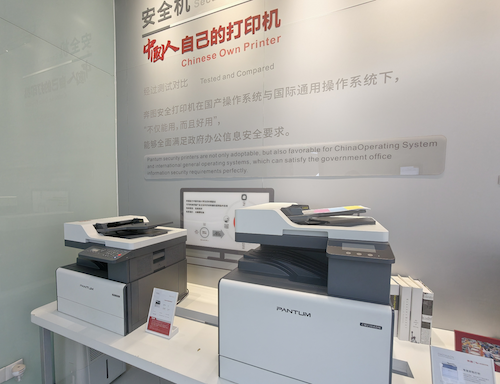
日本加速重振半导体产业体系
Ke Ji Ri Bao· 2025-12-15 03:21
Core Insights - Rapidus, a key player in Japan's semiconductor revival strategy, has recently welcomed new shareholders, including major companies and local banks, increasing the total number of shareholders to approximately 30. This move helps the company achieve its private funding target of 130 billion yen for the fiscal year 2025, laying the financial groundwork for mass production of 2-nanometer advanced process semiconductors in Chitose, Hokkaido [1][2] Group 1 - Rapidus was established in 2022 by leading Japanese companies such as Toyota, NTT, Sony Group, SoftBank, NEC, Denso, and Kioxia, aiming to rebuild domestic manufacturing capabilities in advanced processes [1] - The Japanese Ministry of Economy, Trade and Industry has positioned Rapidus as a national-level initiative, providing ongoing support through subsidies, capital injections, and institutional backing. Government support has reached nearly 3 trillion yen to date [1] - Japan is restructuring its semiconductor ecosystem from multiple angles, including the operational launch of TSMC's wafer plant in Kumamoto, attracting overseas advanced manufacturers through substantial subsidies, and maintaining international competitiveness in equipment and materials sectors [1] Group 2 - The financial system is integrated into the semiconductor industry revival framework, with several local banks participating in funding and financing arrangements for semiconductor projects, representing a new model of "linkage between industrial policy and financial policy" [2] - The recent funding round for Rapidus, involving over 20 new corporate investors, signifies a significant step in mobilizing private capital, indicating an unprecedented collaborative effort among the government, industry, and financial institutions focused on "economic security," "domestic advanced process production," and "supply chain resilience" [2]