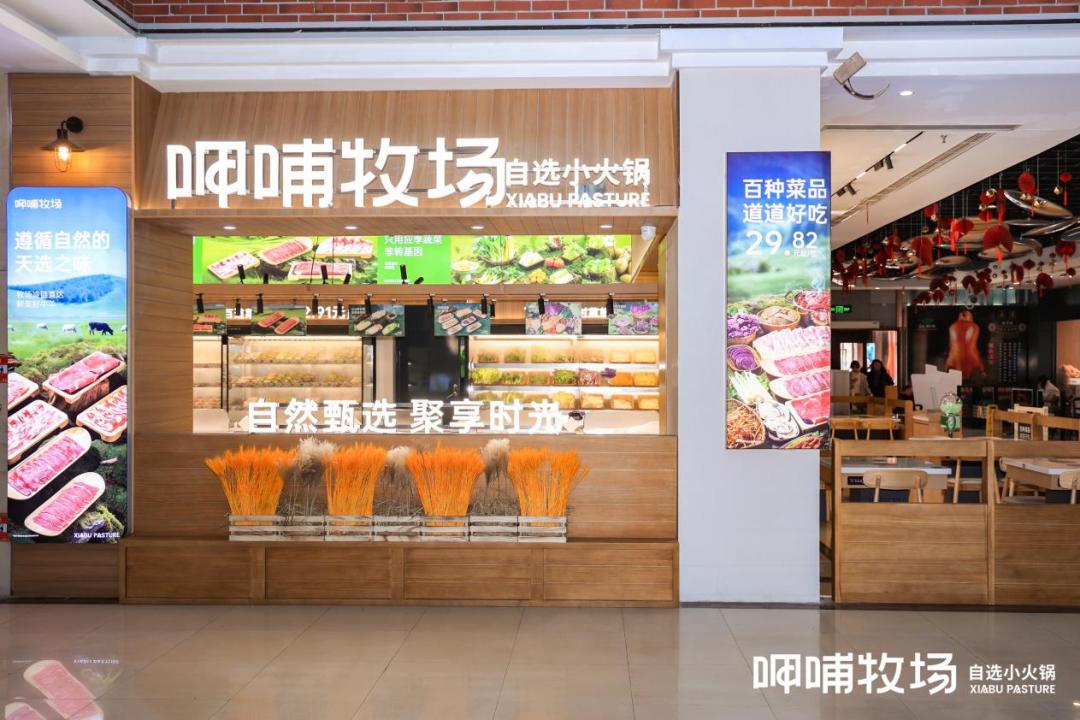
呷哺呷哺

Search documents
张勇重任海底捞CEO,能否打造第二曲线?
2 1 Shi Ji Jing Ji Bao Dao· 2026-01-14 03:26
Group 1: Company Leadership Changes - Zhang Yong has returned to the CEO position of Haidilao, effective January 13, 2026, following the resignation of Guo Yiqun as CEO [1] - Zhang Yong previously handed over the CEO role to Yang Lijuan in March 2022, and Guo Yiqun took over in June 2024 [1] - The leadership change comes as Haidilao faces performance challenges, with a 3.0% year-on-year revenue decline to 20.703 billion yuan and a 13.7% drop in net profit to 1.755 billion yuan in the first half of 2025 [1] Group 2: Industry Context - The Chinese restaurant industry is experiencing a slowdown, with revenue growth decelerating, profits declining, and competition intensifying, as reported by the China Cuisine Association [1] - Competitors like Xiaobai Xiaobai reported an 18.88% revenue decline to 1.942 billion yuan and a net loss of 84 million yuan in the same period [1] Group 3: Strategic Initiatives - Zhang Yong's return is linked to the "Pomegranate Plan," a multi-brand incubation strategy launched in August 2024, aimed at creating a second growth curve for Haidilao [2] - As of June 2025, the "Pomegranate Plan" has incubated 14 restaurant brands, generating a 227% year-on-year revenue increase to 600 million yuan from related businesses [2] - The company is at a critical transformation juncture, with Zhang Yong becoming more involved in operational details [2]






张勇重任海底捞CEO,能否打造第二曲线?丨消费参考
2 1 Shi Ji Jing Ji Bao Dao· 2026-01-14 03:10
Group 1: Company Leadership Changes - Zhang Yong has returned to the CEO position of Haidilao, effective January 13, 2026, following the resignation of Guo Yiqun as CEO [1] - Zhang Yong previously handed over the CEO role to Yang Lijuan in March 2022, and Guo Yiqun took over in June 2024 [1] - The leadership change comes as Haidilao faces performance challenges, with a 3.0% year-on-year revenue decline to 20.703 billion yuan and a 13.7% drop in net profit to 1.755 billion yuan in the first half of 2025 [1] Group 2: Industry Context - The restaurant industry in China is experiencing a slowdown, with the China Cuisine Association noting a trend of "slowing revenue growth, declining profits, and intensified competition" in the first half of 2025 [1] - Competitors like Xiaobing Xiaobing reported an 18.88% revenue decline to 1.942 billion yuan and a net loss of 84 million yuan during the same period [1] Group 3: Strategic Initiatives - Zhang Yong's return is linked to the "Pomegranate Plan," a multi-brand incubation strategy launched in August 2024, aimed at creating a second growth curve for Haidilao [2] - As of June 2025, the "Pomegranate Plan" has incubated 14 restaurant brands, with a total of 126 stores, and the related business saw a 227% year-on-year revenue increase to 600 million yuan in the first half of 2025 [2] - The company is at a critical juncture for transformation, with Zhang Yong becoming more involved in operational details [2]


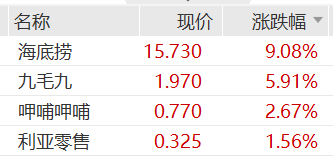
港股餐饮股集体回升 海底捞大涨超10%领衔 九毛九涨6%
Jin Rong Jie· 2026-01-14 02:57
Group 1 - The Hong Kong stock market saw a collective rise in the restaurant sector, with notable gains from several companies [1] - Haidilao led the surge with an increase of over 10%, indicating strong market performance [1] - Other companies such as Jiumaojiu, Helen's, and Tehai International also experienced significant increases of 6%, 4.4%, and 3.4% respectively [1]
海底捞大涨超9%,创始人张勇重掌CEO
2 1 Shi Ji Jing Ji Bao Dao· 2026-01-14 02:55
| 名称 | 现价 | 涨跌幅 ▼ | | --- | --- | --- | | 海底捞 | 15.730 | 9.08% | | 九毛九 | 1.970 | 5.91% | | 甲哺甲哺 | 0.770 | 2.67% | | 利亚零售 | 0.325 | 1.56% | 海底捞(6862.HK)盘初一度飙升超10%,股价创去年5月以来新高。截至09:53,海底捞涨9.08%,报15.73港元/股,总市值为876亿港元。 消息面上,时隔近四年,海底捞创始人及董事会主席张勇回归管理一线,接任公司CEO。与此同时,公司董事会也发生调整,为培养年轻一代管理团队, 迎来四位新董事加入。 1月14日,港股早盘三大指数高开后涨幅收窄,恒生科技指数盘初曾大涨至2.35%,截至10:00,涨0.43%,恒生指数、国企指数分别上涨0.32%及0.23%。 盘面上,消费股走强,海底捞涨超9%,农夫山泉涨超5%,九毛九涨超5%,呷哺呷哺涨超2%。 公开资料显示,张勇出生于1971年,是海底捞的创办人之一,在海底捞积累了逾30年食品行业及管理经验。2018年,海底捞在港交所上市,张勇担任公司 首席执行官,后于2022年3月卸任。 ...
港股异动丨餐饮股集体回升 海底捞大涨超10%领衔 九毛九涨6%
Ge Long Hui· 2026-01-14 02:47
Group 1 - The Hong Kong restaurant stocks experienced a collective surge, with Haidilao leading the increase by over 10%, followed by Jiumaojiu with a 6% rise, and Helen's with a 4.4% increase [1] - On New Year's Day 2026, many regions in China saw a strong consumer market performance, particularly in the restaurant sector, with Haidilao reporting over 4.5 million customers served during the holiday period [1] - Haidilao's founder and chairman, Zhang Yong, has returned to the front line of management, taking on the role of CEO after nearly four years [1] Group 2 - The restaurant market's growth is driven by two main strategies: "going down" to lower-tier cities and "going out" to international markets, as leading brands seek to penetrate these areas amid high costs and intense competition in first-tier cities [1] - Many restaurant brands are now targeting fourth and fifth-tier cities for new growth opportunities, moving beyond second-tier cities [1]
9个月狂揽20亿,硬刚海底捞,“火锅界爱马仕”冲刺上市
Sou Hu Cai Jing· 2026-01-14 02:45
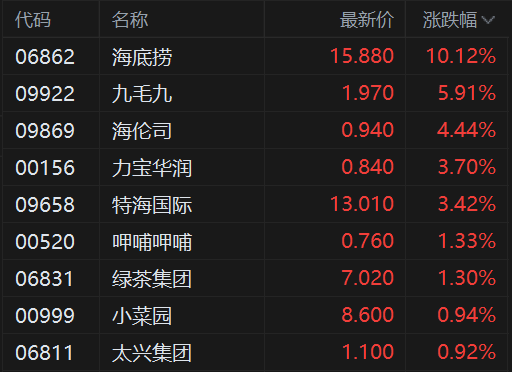
Core Viewpoint - Banu International Holdings Limited is making a second attempt to go public on the Hong Kong Stock Exchange, aiming to become the "third stock" in the Chinese hot pot market, following the recent update of its financial data after an initial failed submission [1][6]. Financial Performance - Banu's revenue is projected to grow significantly, with total revenues of RMB 14.33 billion, RMB 21.12 billion, and RMB 23.07 billion from 2022 to 2024, nearly doubling over three years [3][4]. - Adjusted net profits are expected to rise from RMB 41.5 million in 2022 to RMB 168 million in 2024, with a strong performance in the first three quarters of 2025, achieving RMB 2.35 billion in revenue and a profit margin of 24.3% [3][4]. - The average customer spending is reported at RMB 138, indicating a high turnover rate with an increase in table turnover from 3.0 times in 2022 to 3.6 times in the first three quarters of 2025 [3][15]. Market Position - Banu holds a 3.1% market share in the high-end hot pot segment, making it the largest brand in the quality hot pot market by revenue in 2024, while being the third largest in the overall hot pot market with a 0.4% share [1][9]. - The hot pot market is expected to grow to RMB 650 billion by 2025, with a notable concentration of market share among leading brands, highlighting the importance of capitalizing on this window for brand expansion [9][10]. Strategic Adjustments - In response to regulatory inquiries, Banu has restructured its ownership to alleviate concerns about concentrated voting rights and has introduced institutional investors to its capital structure [6][7]. - The company plans to use funds raised from the IPO for store expansion and supply chain optimization, with a goal of opening 157 new stores over the next three years [10][16]. Competitive Landscape - Banu faces intense competition from established players like Haidilao and Xiaobai Xiaobai, as well as emerging high-end brands, necessitating a strong differentiation strategy focused on its unique product offerings [5][18]. - The brand's commitment to high-quality ingredients, such as its signature beef tripe and mushroom soup, is central to its market positioning, although it must navigate challenges related to consumer price sensitivity and market dynamics [13][14]. Operational Challenges - Banu's workforce includes a significant proportion of non-formal employees, raising compliance concerns that the company is addressing through measures to improve labor practices [7][8]. - The company has experienced a decline in average daily customer volume, particularly in first-tier cities, which poses a challenge to maintaining its high-end market position [14][15].
变相涨价成风,火锅价格战要结束了?
3 6 Ke· 2026-01-13 02:45
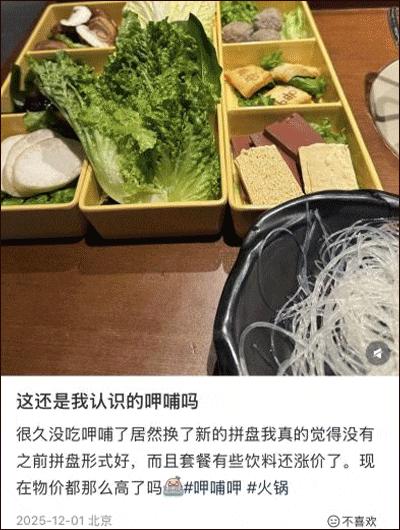
01 更换菜单、调整锅底 已有多个品牌变相涨价 涨价,正在成为行业焦点。 2025年底,麦当劳涨价一事引起外界关注,不少人表示穷鬼套餐不香了。在此之前,杨国福麻辣香锅套餐中绿豆芽28.8元/斤的定价被骂上热搜,新晋网 红茶饮品牌卡旺卡也被网友发现在悄悄涨价,招牌产品手剥大橘从原先的16元上涨至20元。 餐饮寒冬,生意难做,涨价需要不小的勇气。 对于餐饮品牌而言,到底该坚持薄利多销,还是选择涨价保利润呢?这一命题同样萦绕在火锅老板的心头。火锅餐见注意到,目前一些火锅品牌已经用实 际行动给出了自己的回答。 比如呷哺呷哺。曾几何时,它凭借平价火锅的定位打开市场,成为诸多大学生心中的白月光,但近年来的人均消费已逐渐上探至50-60元。近段时间,菜 品又发生一些变化,其经典九宫格拼盘食材从蛋饺、午餐肉等变为普通丸子,被消费者质疑价值缩水,变相提价。 网友吐槽呷哺变贵了 无独有偶,怂火锅在"爆改"过程中,似乎也悄悄地调整了价格体系。 大众点评数据显示,爆改后的怂火锅·焕新(广州丽影广场店)的人均消费为114元,比普通门店高出15-30元。另外,近期多家门店的锅底容量从1/4调整 为1/3,牛油锅底价格随之上涨,虽被解释为 ...
一个商场,全是自助,餐饮人其实也很无奈
虎嗅APP· 2026-01-12 09:23
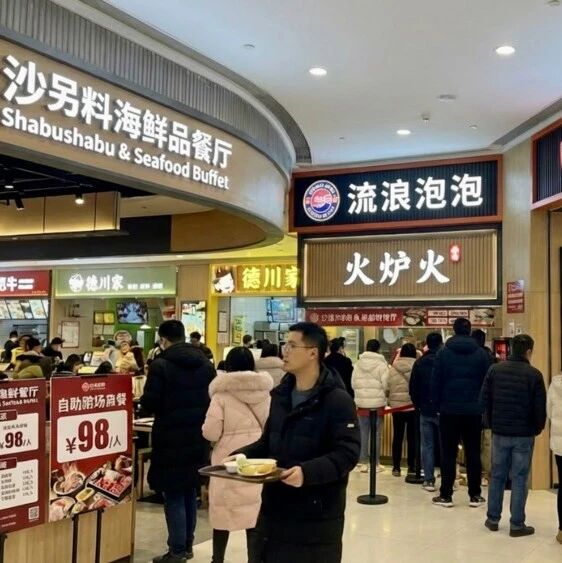
Core Viewpoint - The article discusses the rapid growth and popularity of the self-service restaurant model in China, highlighting its appeal to consumers and the strategic shifts by various brands to adopt this model for better customer engagement and operational efficiency [5][10][11]. Group 1: Market Trends - By the end of 2025, the total number of self-service restaurant outlets in China is expected to reach approximately 79,000, with 33,000 new openings in the past year [6]. - In key monitored shopping centers, the proportion of self-service dining outlets is projected to average 15.7% in 2025, an increase of about 0.8 percentage points from 2024 [6]. - Self-service restaurants are increasingly dominating shopping malls, with instances of up to 15 self-service restaurants coexisting in a single mall [7]. Group 2: Consumer Preferences - Consumers are shifting towards self-service dining due to improved quality and environment, with many expressing a preference for self-service options during holidays and gatherings [9]. - The new generation of consumers appreciates the variety and experience offered by self-service dining, viewing it as a way to enjoy diverse culinary options [10]. Group 3: Business Strategies - Major restaurant brands are increasingly integrating self-service models to enhance customer attraction and retention, particularly targeting family and young adult demographics [8][13]. - The self-service model is seen as a solution for various brands facing operational challenges, with some brands launching new self-service concepts to revitalize their offerings [11][15]. - Successful self-service restaurants focus on maintaining high quality and cost-effectiveness, with operational efficiencies allowing for better customer service and management [14][17]. Group 4: Competitive Landscape - The self-service dining market is becoming highly competitive, with many brands offering similar products, leading to a need for differentiation through quality and unique offerings [23]. - Brands are moving away from the traditional "all-you-can-eat" model to focus on quality over quantity, emphasizing a curated selection of high-quality ingredients [24]. - The rise of self-service dining is also seen in various sectors, including hotels and corporate cafeterias, which are adapting to consumer demand for affordable and quality dining experiences [21].
巴奴直面火锅血泪史
3 6 Ke· 2026-01-12 04:56
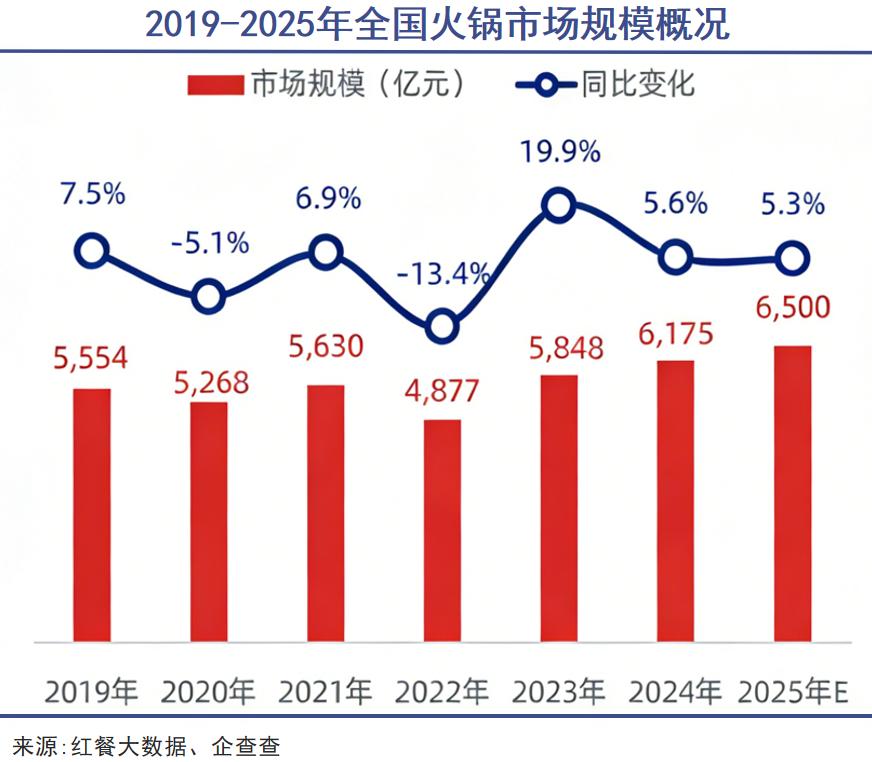
01 两重天 火锅行业正在经历一场前所未有的分化。 根据窄门餐眼数据显示,刚刚过去的2025年,火锅行业经历了一场16.5万家新开门店与19.2万家闭店同时出现了的可怕对 冲,净减少27126家。 回看火锅江湖20年,这一深受全国各地消费者喜爱的餐饮形式经历了璀璨且持续的繁荣。 火锅行业正上演一场残酷的"冰火博弈"。 一边是行业全年闭店数量超19万家;另一边是行业高端品牌的代表之一巴奴毛肚火锅(以下简称巴奴)逆势向港交所递交招 股书,计划募资扩张,希望在3年内将开店数量翻倍。 资本市场的惨烈与巴奴的豪赌形成了鲜明的对比。在此之前,港股投资者已经对火锅股集体放弃——海底捞股价较高点下跌 80%,呷哺呷哺下跌97%,锅圈下跌75%,九毛九下跌93%。 而巴奴在此时选择激进融资,想要获得更多投资者的认可并不容易。 火锅行业的上市公司实际上也在转型。作为行业标杆,海底捞的烤肉、炸鸡、中式快餐业务都开始崭露头角;呷哺呷哺精简 店铺,以求断臂求生。面对资本市场对火锅公司的严苛审视,巴奴的新故事想要讲好并不容易。 如今小肥羊已经一店难觅,海底捞从小弟变成了大哥。在新老交替的过程中,巴奴以全新挑战者的姿态出现了。 在巴奴的门 ...
一个月10多个副牌齐开,餐饮巨头们在急什么?
3 6 Ke· 2026-01-07 02:44
Core Insights - The restaurant industry is witnessing a resurgence of "sub-brands" as major players like Haidilao, Yum China, and others launch new concepts to capture market share and cater to specific consumer needs [1][2] Group 1: Sub-brand Launches - Major restaurant brands are intensifying their focus on sub-brands, with Haidilao introducing a lively hot pot concept, Yum China launching two new independent sub-brands, and others like Jiumaojiu and Maliuji also expanding their offerings [1] - The recent trend shows a shift from blindly expanding product categories to targeting specific customer segments and dining scenarios [1][2] Group 2: Strategic Focus and Upgrades - Brands are prioritizing quality and price-performance ratio, as seen with Xiabuxiabu's new self-service hot pot, which offers competitive pricing while aiming to differentiate from its main brand [3] - Jiumaojiu is narrowing its sub-brand strategy, focusing on upgrading its flagship brand Tai Er, which is evolving into a more diverse dining experience [3] Group 3: Cost Structure and Operational Efficiency - Major brands are adopting a "light asset" model for sub-brands, reducing operational costs and risks by leveraging existing resources [13][14] - KCOFFEE exemplifies this model by utilizing KFC's infrastructure for rapid expansion, while Pizza Hut's new sub-brand also follows a similar cost-saving strategy [14][16] Group 4: Market Penetration Strategies - The industry is increasingly targeting lower-tier cities and international markets, with brands like Haidilao and Jiumaojiu making strategic moves to penetrate these areas [23][25] - Haidilao's acquisition of "Jugaogao" aims to meet the demand for affordable dining in lower-tier cities, while Jiumaojiu's acquisition of BigWayHotPot facilitates its entry into the North American market [25]