淘宝

Search documents
淘宝Vision Pro应用获苹果设计大奖:希望模糊线上和线下购物的边界
news flash· 2025-06-12 04:15
Core Insights - Apple announced the winners of the 2025 Apple Design Awards during WWDC 2025, with Taobao's app on Apple Vision Pro winning the award, marking the first time a domestic internet platform has achieved this honor [1] - The official evaluation from Apple highlighted that Taobao Vision on Vision Pro provides high-quality 3D product presentations, allowing users to accurately perceive product dimensions, positions, control methods, and applicable scenarios, significantly enhancing the shopping decision-making experience [1] Company and Industry Summary - Taobao's website and XR business head, Zhao Kun, expressed the ambition to break the boundaries between online and offline shopping, aiming to create an interactive experience that combines both realms, making online shopping feel as immersive as in-person shopping [1]

即时零售系列更新
2025-06-11 15:49
即时零售系列更新 20250611 摘要 美团闪购在 2025 年 6 月至 9 月核心旺季集中补贴,旨在稳定市场份额, 抓住核心用户,补贴策略包括国补加码、全网同价以及传统红包,但红 包金额较小,控制在 4 元以下。 美团即时零售自营业务占比极小(<5%),未来 3-5 年内不会成为核心 方向。自营主要集中在外卖和闪电仓,采用加盟为主的模式,酒水品类 因供应链可控、毛利高且天花板高,成为自营重点。 即时零售成功的关键在于线下供给和运力是否充足,构成核心护城河。 价格并非主要竞争点,满足即时性需求是核心,但长期来看,价格因素 的重要性将提升。 美团闪购通过 KA 客户(30%-40%占比)和小商家结合,实现供给多样 化。小型夫妻店提供广泛覆盖,闪电仓提升供给效率,通过大数据分析 需求差异,实现精准匹配和批量覆盖。 闪电仓数量持续增长,目前约 1 万家,95%为加盟店。平台提供选址、 选品和营销建议,但闪电仓因纯线上运营,盈亏平衡线较高,约 300 单。 Q&A 今年(2025 年)美团闪购在二季度开始发力补贴的具体原因是什么?主要补 贴在哪些地方? 美团闪购在今年(2025 年)二季度开始发力补贴有两个主要背 ...
降低商家营销流量权重,美团反“内卷” 动真格 谁将是外卖大战赢家?
Mei Ri Jing Ji Xin Wen· 2025-06-11 12:18
Core Viewpoint - The takeaway from the articles is that the competition in the food delivery industry is shifting from a price war to a focus on quality and service, as major platforms like Meituan, JD, and Taobao are implementing strategies centered around enhancing quality rather than engaging in low-cost competition [1][5][6]. Summary by Sections Industry Trends - The food delivery market is witnessing a collective shift towards quality as a core strategy, moving away from the previous "price war" mentality [1][5]. - Major players are emphasizing quality and service, with Meituan launching marketing tool reforms to combat low-quality, low-price competition [1][2]. Meituan's Initiatives - Meituan has introduced a series of reforms aimed at reducing the emphasis on low-cost marketing activities, including lowering the weight of promotional activities in traffic recommendations and implementing automatic warnings for excessive marketing efforts [1][2][3]. - The company reported a 15% decrease in merchant subsidy investments for promotional activities and an 85% reduction in the number of merchants using large discount promotions after the optimization [2]. Merchant Feedback and Challenges - Despite the reforms, some merchants still face challenges related to reliance on subsidies and the pressure of low-quality competition, indicating that the issue of "internal competition" remains unresolved [3][4]. - Merchants have expressed concerns about the lack of transparency and the negative impact of low-price competition on their businesses [3]. Quality Improvement Measures - Meituan is focusing on enhancing the quality of offerings by adjusting its traffic system to favor quality merchants and products, while also implementing strict measures against deceptive marketing practices [3][4]. - The platform is utilizing data on store characteristics, product information, and customer reviews to highlight unique selling points and assist merchants in transitioning from price competition to quality competition [4]. Market Outlook - The overall trend in the food delivery industry is towards a more mature and rational competition model that prioritizes quality and service over price [5][6]. - Analysts suggest that the long-term sustainability of the industry relies on improving overall quality and ensuring that high-quality merchants have opportunities to thrive without solely depending on marketing tactics [6].

预见2025:《2025年中国智能手环行业全景图谱》(附市场现状和发展趋势等)
Qian Zhan Wang· 2025-06-11 02:18
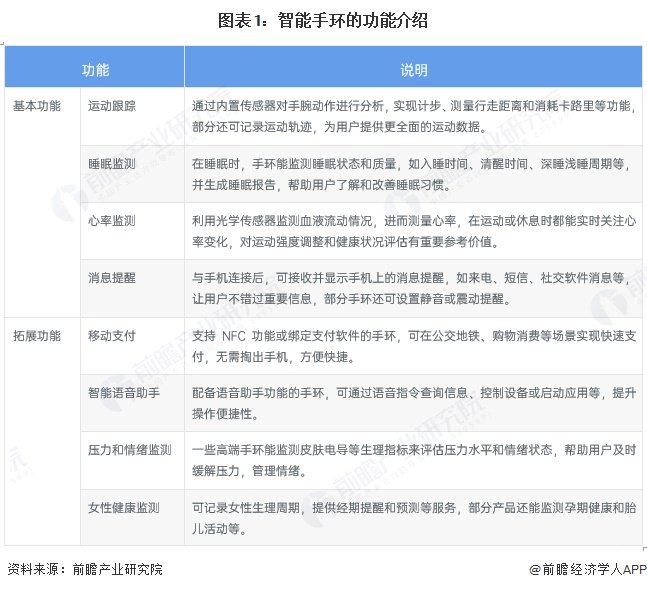
Industry Overview - The smart wristband is a wearable smart device that allows users to record real-time data related to exercise, sleep, and diet, syncing this data with their smartphones to guide a healthier lifestyle [1] - The smart wristband industry involves multiple segments, including upstream raw material and component suppliers, midstream device manufacturers, and downstream sales channels and application fields [4][5] Industry Development - The development of smart wristbands in China has progressed through several stages: initial phase, rapid growth phase, mature phase, and is currently in the innovation development phase, focusing on product differentiation and smart upgrades [6] - The market for smart wristbands is projected to grow at an annual rate of 18%, potentially reaching a market size of 21 billion yuan by 2030 [24] Market Size and Sales - In 2024, China's smart wristband market is expected to see a shipment volume of 17.99 million units, representing a year-on-year growth of 20.2% [14] - The total market size for smart wristbands in China is estimated to be approximately 7.78 billion yuan in 2024, driven by the "national subsidy" policy [15] Competitive Landscape - The smart wristband market is characterized by a "dual oligopoly" structure, with Xiaomi and Huawei dominating approximately 85% of the market share [21] - Xiaomi has emerged as the only brand among the top five to achieve growth, largely due to the successful launch of the Xiaomi Band 9, which has enhanced features and performance [21] Policy Support - The Chinese government has implemented various policies to support the development of wearable devices, particularly in health monitoring applications, encouraging advancements in technology and component manufacturing [11][12][13]


618酒水促销新战场:即时零售频现名酒“地板价”
2 1 Shi Ji Jing Ji Bao Dao· 2025-06-10 09:55
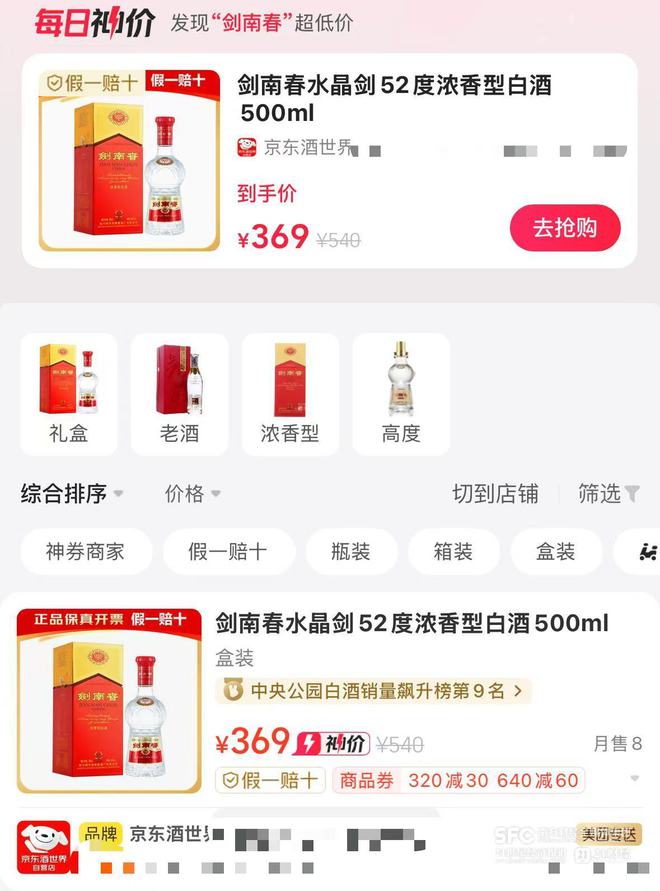
Core Viewpoint - The article discusses the evolution of e-commerce promotions for alcoholic beverages, particularly during the 618 shopping festival, highlighting the shift towards instant retail platforms offering significant discounts through subsidies [1][5][20]. Group 1: E-commerce Competition - Major e-commerce platforms like Meituan, Taobao, and JD.com are competing fiercely in the instant retail space, offering substantial discounts on alcoholic beverages during the 618 promotion [1][5]. - Instant retail has emerged as a new battleground for low-priced alcoholic beverages, with platforms providing subsidies that allow them to offer prices significantly lower than traditional retail [5][10]. Group 2: Pricing Strategies - Discounts on premium liquors have become more common, with some high-end products being sold at prices significantly below market rates due to platform subsidies [1][10]. - For example, a premium liquor was priced at 1999 yuan after subsidies, while another high-end product was available for as low as 859 yuan [1][10]. Group 3: Sales Performance - Meituan reported a staggering 18-fold increase in sales for alcoholic beverages during the 618 event, with white liquor sales increasing over 70 times compared to previous years [20]. - Other platforms like Tmall also reported significant growth in sales for various domestic liquors, with some brands experiencing over 400% growth [20]. Group 4: Industry Response - Traditional liquor companies have shown a degree of acceptance towards the lower prices offered by instant retail platforms, indicating a shift in strategy to maintain sales volume during a downturn [19][21]. - Many well-known liquor brands have partnered with e-commerce platforms for instant retail services, allowing for faster delivery and maintaining product authenticity [19][21]. Group 5: Future Outlook - While instant retail is gaining traction, industry experts believe it will serve as a supplement rather than a replacement for traditional sales channels, as the primary market for liquor remains focused on bulk purchases [22][23]. - The long-term impact of e-commerce promotions on liquor pricing and sales dynamics is still uncertain, with concerns about potential harm to brand value and traditional retail channels [23].

美团王兴再谈与京东、淘宝闪购平台竞争:非常欢迎更多参与者入场,美团坚决反对内卷,我们对长期很有信心
Sou Hu Cai Jing· 2025-06-10 04:35
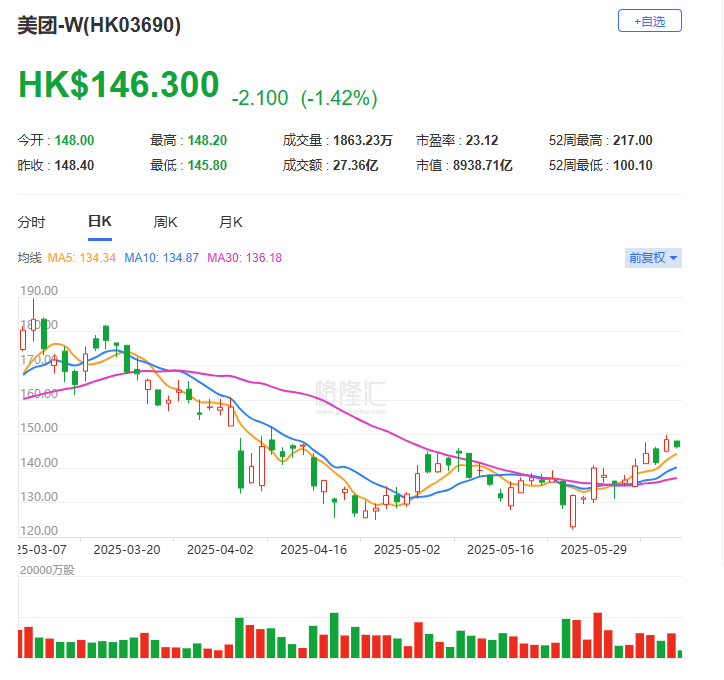
Core Viewpoint - The company welcomes increased competition in the food delivery and instant retail market, expressing confidence in its long-term prospects [1][3]. Group 1: Market Dynamics - The recent influx of new players in the food delivery and instant retail sectors indicates a positive outlook for the market, as these players recognize its potential [3][4]. - The company has been a pioneer in the food delivery space since 2013 and has expanded its services to include non-food items and instant retail, reflecting its adaptability to consumer demands [3][4]. Group 2: Consumer Demand - There is an almost insatiable demand for faster delivery services, evolving from days to hours, and now to half-hour delivery windows, which consumers have come to expect [3][4]. - The company believes that meeting consumer needs is crucial for market growth, emphasizing the importance of supply-side enhancements to satisfy this demand [4]. Group 3: Industry Collaboration - The company acknowledges the necessity of collaboration with traditional retail players to enhance supply capabilities, which has been challenging in the past [4]. - The entry of more players, including traditional retailers, into the instant retail space is seen as a positive development that can drive innovation and accelerate industry growth [4].
临安“发网智能仓”8月开仓!
Hang Zhou Ri Bao· 2025-06-10 03:03
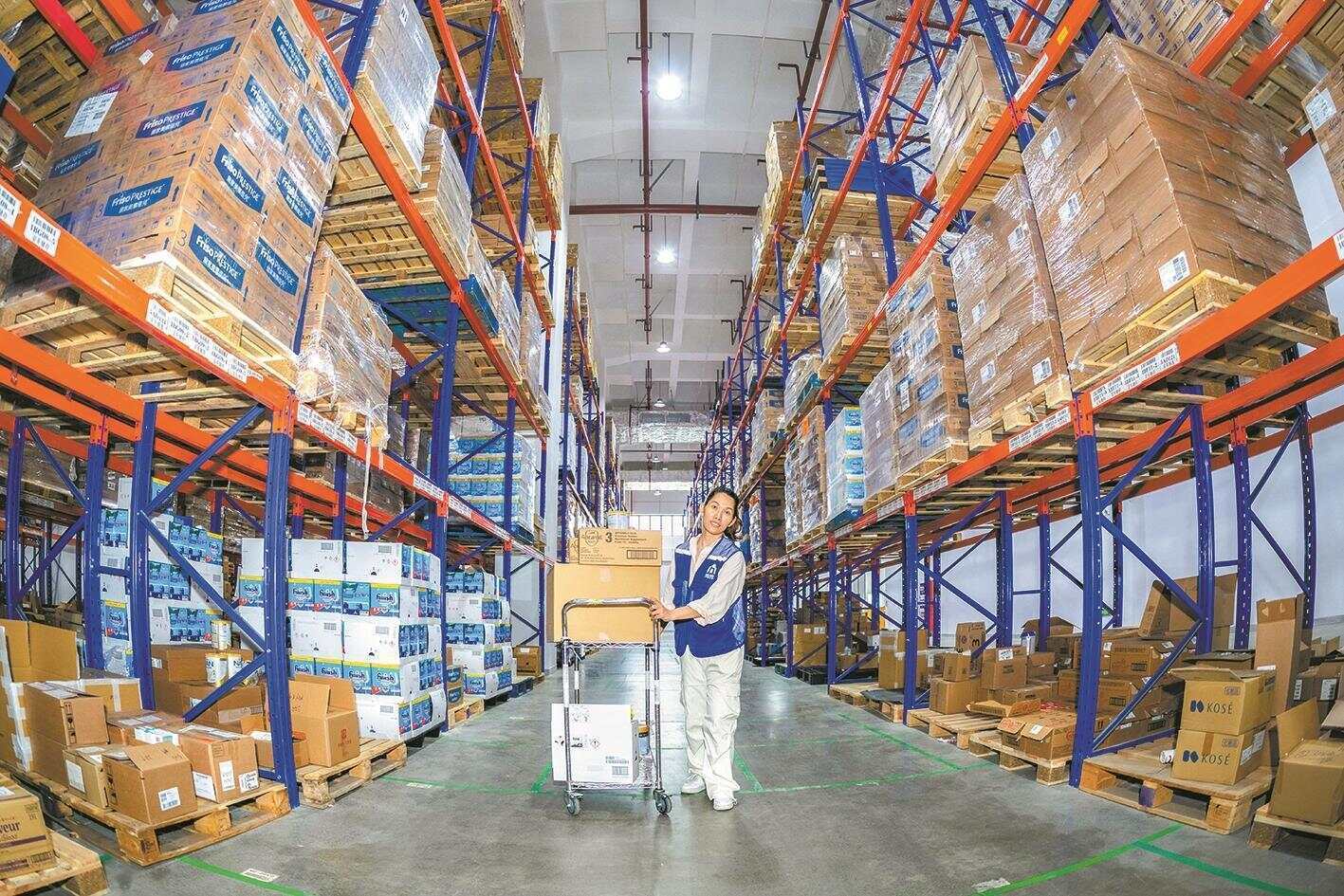
杭州及周边消费者的网购体验将迎来全新升级!随着临安发网智能物联网产业园(以下简称"发网 产业园")即将于8月投入运营,更多订单将以"半日达""小时达"的极速配送叩响家门。这一以临安为圆 心、辐射长三角核心城市群的智慧物流网络,正为区域电商与物流产业注入新动能。 "前店后仓+就近发货" 重塑物流模式 6月9日,记者在临安区玲珑街道的发网产业园建设现场看到,总建筑面积近50万平方米的9幢高楼 已进入装修扫尾阶段。据项目负责人王彬介绍,园区突破传统"产地直发"模式,创新打造"前店后仓+就 近发货"业态:合作商家的高频商品预先收储于园区"后仓",消费者下单后,系统就近智能匹配仓配资 源,实现"接单-派单-送单"全链路"零耽误"。 园区还规划了近2000平方米的品牌展示中心,集中展销食品、服装、美妆等领域的头部合作品牌。 目前,京东、菜鸟、淘宝等数十家企业已考察洽谈,多家表达入园意向。预计全面投运后,园区每年可 为临安贡献约2.5亿元商贸批发产值。 "园中园"矩阵 激活临安"西门户" 今年,街道再推进300亩低效用地"新陈代谢",同时加速征收小堰山区块产业用地,为"美丽幸福西 城区"建设拓空间、强产业。 发网产业园是玲 ...

一文读懂:“国补” 资金如何精准触达消费者
Sou Hu Cai Jing· 2025-06-07 07:23
Group 1: Policy Source - The funding for the consumer goods replacement policy comes from fiscal funds, with central and local governments collaborating to contribute [3] Group 2: Fund Flow - Unlike traditional subsidy methods, the consumer goods replacement policy directly allocates funds to local governments, allowing for quicker delivery of benefits to consumers [4] Group 3: Claim Process - Consumers can claim subsidies through both online and offline channels, with specific procedures for each [5][10] Group 4: Regional Funding Distribution - The central government and local governments share the subsidy costs in a 9:1 ratio, with varying central government contribution rates across eastern (85%), central (90%), and western (95%) regions [7] - Local governments allocate matching funds based on central funding distribution, considering factors like population and economic activity to optimize support [7] Group 5: Consumer Experience - For example, consumers can receive a 15% subsidy on a smartphone priced at 3000 yuan, saving 450 yuan when using the appropriate payment method [9] - In Changsha, consumers can claim a subsidy through a mobile app and receive a discount at participating stores [10] Group 6: Fund Management and Oversight - Strengthening fund supervision and ensuring the safe use of funds has become a priority for local governments as the subsidy amounts increase [13] - Various measures are in place to ensure compliance and prevent fraud, including real-name management for applications and cross-departmental oversight [14]

“618”新战场 外贸“抢滩登陆” 内贸“锚定价值”
Sou Hu Cai Jing· 2025-06-07 03:24
Group 1: Core Insights - The "618" shopping festival has evolved into a significant event for both domestic consumption and international trade, marking the first "Foreign Trade 618" due to a favorable tariff "window period" that has increased toy exports by six times [2][3][4] - Companies like Shuangzhen Textile are experiencing a surge in orders, with a notable increase in Christmas-related product orders, indicating a shift in the timing of procurement [3][4] - The "Foreign Trade 618" event is not just a temporary measure but is expected to become a regular marketing strategy, focusing on service rather than price competition [5][6] Group 2: Domestic Consumption Trends - E-commerce platforms have simplified promotional rules, moving away from complex discount structures to more straightforward pricing, enhancing consumer shopping experiences [7][8] - Consumers are increasingly focused on product quality and value, leading to a rise in interest in alternative brands that offer similar quality at lower prices [8] - The trend of "de-complexification" in promotional strategies reflects a broader shift in e-commerce towards long-term growth driven by quality and service [8][9] Group 3: Instant Retail Revolution - Instant retail has become a key player in this year's "618," with platforms like Meituan and Taobao integrating this model to meet consumer demand for rapid delivery [10][11] - The growth of instant retail is transforming traditional e-commerce logistics, allowing for delivery within one hour, thus enhancing consumer satisfaction [11] - The integration of instant retail is expected to shift the focus of "618" from online subsidies to boosting offline consumption, creating a deeper value proposition [11]
06月06日零售资讯
Sou Hu Cai Jing· 2025-06-07 01:52
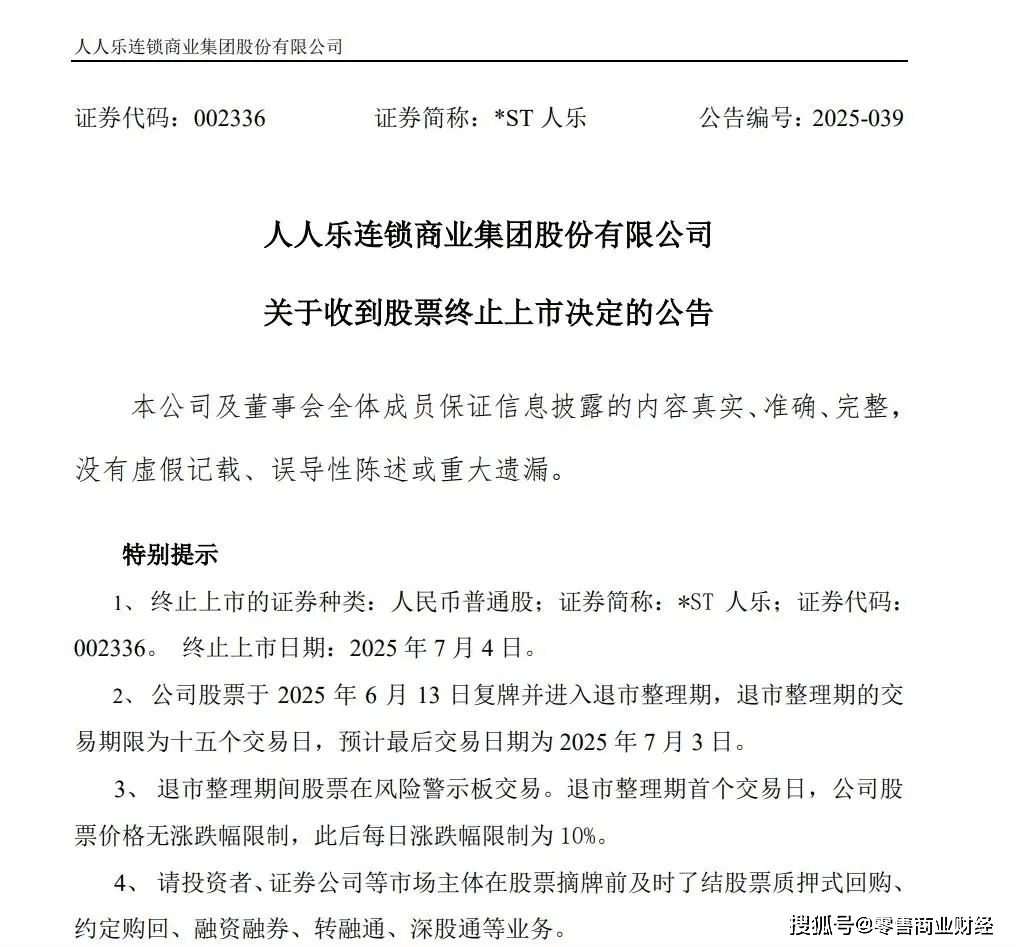
Group 1: Company News - Renrenle's stock will be delisted due to a negative net asset of -404 million yuan for the fiscal year 2024, with a 15-day delisting preparation period starting June 13, 2025 [1] - Xiaohongshu's valuation has surged to $26 billion, up from a previous $20 billion, primarily driven by its significant contribution to a major fund's asset value [3] - The franchisees of Hu Shang A Yi are facing profitability issues, with actual revenue rates only at 50-60%, leading to a wave of store closures and a 15.2% decline in net profit for 2024 [4] Group 2: Industry Developments - The first batch of 38 pilot cities for retail innovation has been announced, focusing on various enhancements such as supply chain improvements and digital empowerment [5][6] - The Asian retail digitalization market is projected to reach 94.7 billion yuan by 2029, with a compound annual growth rate of 22.5% from 2024 to 2029 [7] - Alibaba's Taobao is testing a primary traffic entry for flash sales on Alipay, which is expected to significantly increase traffic for Taobao's flash sales [9] Group 3: Financial Performance - Lululemon reported a 7% increase in net revenue for Q1 2025, reaching $2.4 billion, although comparable sales growth was only 1%, below expectations [19] - Didi's core platform gross transaction value (GTV) reached 101.6 billion yuan in Q1 2025, with a year-on-year growth of 13.5% [20] - IKEA Australia has introduced a new parcel locker service to enhance shopping convenience, allowing customers to pick up orders outside standard business hours [21]