
极氪

Search documents
新款极氪7X上市 全系标配900V高压架构
Mei Ri Jing Ji Xin Wen· 2025-10-28 10:31
Core Insights - The new Zeekr 7X has officially launched on October 28, with three configurations available at a limited-time price range of 219,800 to 259,800 yuan [1] Group 1 - The Zeekr 7X features a 900V motor, electronic control, and thermal management system across all configurations [1] - Standard equipment includes the Thor-U assisted driving chip and laser radar [1]
内地电动车疯狂围攻香港
创业邦· 2025-10-28 10:23
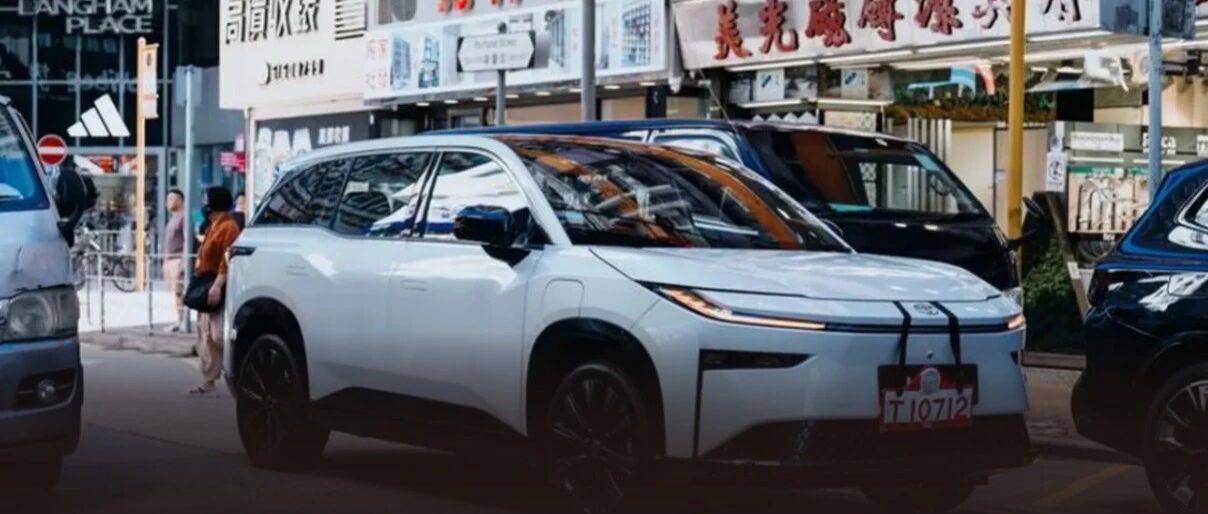
Core Insights - The article highlights the growing popularity of domestic electric vehicle (EV) brands in Hong Kong, with Zeekr leading the market share among newly registered vehicles [5][7][19] - The shift in consumer preferences from foreign brands to domestic brands reflects a significant change in the automotive landscape in Hong Kong [7][19] Market Trends - In September 2025, Zeekr registered 546 vehicles, capturing an 11.7% market share, followed by Aion with 246 vehicles (5.3%) and Xpeng with 120 vehicles (2.6%) [7] - The total number of newly registered electric private cars in Hong Kong from 2017 to 2023 reached 62,458, with Tesla accounting for 33,909 vehicles and a market share of 54.3% [9] Brand Competition - Domestic brands are increasingly replacing foreign brands in key commercial areas, showcasing modern designs and features [10] - The entry of domestic MPVs into the market has significantly impacted the sales of previously dominant models like the Toyota Alphard [12][15] Consumer Preferences - The article notes a shift in consumer attitudes towards domestic EVs, with increasing recommendations among friends and family [7] - Domestic brands are adapting to local preferences, such as integrating CarPlay and supporting Cantonese voice control [16] Government Policies - The Hong Kong government has implemented policies to promote EV adoption, including tax incentives for electric vehicle purchases and a roadmap to phase out new fuel and hybrid vehicles by 2035 [19][21] - A total of HKD 3.5 billion has been allocated for charging infrastructure development, aiming to install charging facilities in residential areas [22] Financial Landscape - Hong Kong serves as a critical platform for mainland car manufacturers to enter international markets, with local feedback helping to refine products for diverse consumer bases [25][26] - The Hong Kong stock market has seen significant growth in the new energy sector, with a market value increase of approximately four times from 2015 to 2025 [28][30]



限时21.98万元起售,极氪7X上市
Bei Jing Shang Bao· 2025-10-28 09:49
Core Insights - Zeekr 7X has officially launched with three configurations priced between 229,800 to 269,800 yuan, with a limited-time exchange price starting at 219,800 yuan [1] Group 1: Product Features - The Zeekr 7X features a 900V motor, electronic control, and thermal management system, with ultra-fast charging capabilities of 5.5C or 6C, allowing the 75 kWh version to gain 425 km of range in just 10 minutes of charging [3] - The 103 kWh version offers a maximum CLTC range of 802 km [3] - All configurations are equipped with laser radar, a Thor-U auxiliary driving chip with 700 TOPS computing power, and the H7 auxiliary driving system, supporting D2D navigation from parking space to parking space [3] Group 2: Smart Cabin and Space - The Zeekr 7X includes an 8295 smart cabin computing platform, a 36.21-inch AR-HUD head-up display system, and a 16-inch 3.5K Mini-LED central control screen [3] - The rear legroom measures 1187 mm, and the trunk capacity is 905 liters, featuring 40 storage spaces, with nearly 90° door opening angle and movable sliding rails for the second row [3]
盛大科技(SDA.US)2025年上半年经调整利润250万美元 新能源车险增长111%规模突破50亿 盘后股价大涨35.83%
Zhi Tong Cai Jing· 2025-10-28 07:36
Core Insights - SunCar (SDA.US) reported a strong performance for the first half of 2025, achieving an adjusted profit of $2.5 million and a significant growth in its new energy vehicle insurance business, which surpassed $700 million (approximately 5.1 billion RMB), marking a year-on-year increase of 111% [1] - The company's total revenue rose to $222.3 million, up 9.5% from $203 million in the same period last year, maintaining its position as the industry leader [1] - SunCar has established deep strategic partnerships with 20 major new energy vehicle manufacturers, including Tesla, Xiaomi, and NIO, to strengthen its market position [1] Financial Performance - Adjusted profit for the first half of 2025 was $2.5 million [1] - Total revenue increased to $222.3 million, a 9.5% year-on-year growth [1] - Revenue from automotive electronic insurance grew by 33% to $97.8 million, while technology service revenue increased by 11% to $24.3 million [1] Strategic Initiatives - SunCar has set up dedicated cloud service centers for partner automakers to enhance cooperation efficiency and provide personalized services [1] - The company has integrated AI technology into its core systems through collaboration with ByteDance's Volcano Engine, optimizing operations across key business processes [2] - SunCar has established over 48,000 automotive service outlets nationwide, creating a "insurance + service" collaborative development model that enhances user engagement and adds business value [2] Future Outlook - The company aims to achieve semi-annual profitability in the second half of 2025, supported by scale advantages, deep partnerships, and a synergistic model of "insurance + service + technology" [2] - Continued investment in AI and technology is planned to further enhance the "insurance + service + technology" ecosystem and solidify its industry-leading position [3]

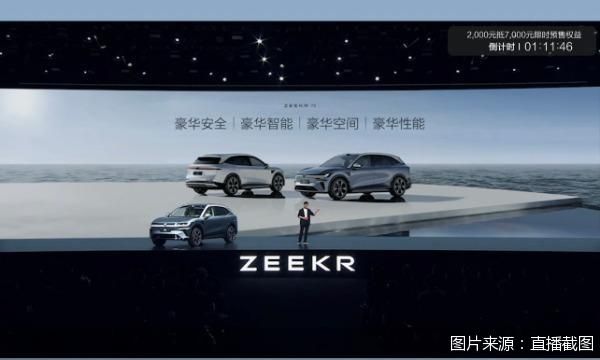
焕新版极氪7X今日上市
Zheng Quan Shi Bao Wang· 2025-10-28 03:58
人民财讯10月28日电,今天15:00,焕新版极氪7X将举行上市发布会,新品提供三种配置版本,在智 能驾驶、三电系统及空间设计等方面全面进化。其中升级了全栈900V高压架构,可在10分钟内从10% 电量充至80%,CLTC续航里程最长可达802km。 ...
年轻人抄底烂尾车
投资界· 2025-10-28 03:15
Core Viewpoint - The article discusses the emerging trend of young consumers purchasing defunct electric vehicles at significantly reduced prices, highlighting a shift in perception towards the value of cars and the components that make them functional rather than brand loyalty [5][10][18]. Group 1: Market Dynamics - The market for defunct electric vehicles is evolving, with young consumers viewing these cars as opportunities to acquire high-performance vehicles at low prices, often disregarding the brand's viability [6][10]. - Vehicles like the Jiayue 07, originally priced at 229,900 yuan, are now being sold for as low as 148,000 yuan, indicating a drastic price drop and a shift in consumer interest towards value rather than brand reputation [8][13]. - The number of electric vehicle brands in China has drastically decreased from over 400 in 2018 to around 40 by 2025, with projections suggesting further consolidation in the coming years [24]. Group 2: Consumer Behavior - Young consumers are increasingly focused on the hardware and specifications of vehicles rather than the brand's longevity, often referring to their purchases as "hardware gambles" [9][15]. - The perception of cars has shifted from being a status symbol to a practical means of transportation, with consumers prioritizing essential functionalities over advanced features [18][19]. - The trend of modifying defunct vehicles for basic utility reflects a pragmatic approach to car ownership, where consumers are willing to forgo brand prestige for practical benefits [16][20]. Group 3: Industry Challenges - The article highlights the challenges faced by consumers of defunct electric vehicles, including the lack of parts and support from manufacturers, leading to the emergence of informal repair and parts markets [19][20]. - There is a call for the establishment of a "post-sale responsibility fund" to support consumers of defunct brands, indicating a need for systemic changes in the industry to protect consumers [20]. - The rapid technological advancements in the electric vehicle sector pose a risk for current defunct models becoming obsolete, as companies like CATL plan to produce solid-state batteries with significantly improved performance by 2027 [24].

内地电动车疯狂围攻香港
汽车商业评论· 2025-10-27 23:07
Core Viewpoint - The article highlights the significant shift in Hong Kong's automotive market, where domestic electric vehicle (EV) brands from mainland China are rapidly gaining market share, reflecting changing consumer preferences and a move away from traditional foreign brands [4][6][17]. Market Dynamics - Liu Luanxiong, a prominent Hong Kong businessman, recently purchased multiple Zeekr 009 vehicles, indicating a growing trend among local elites towards domestic EV brands [4]. - In September 2025, Zeekr registered 546 vehicles in Hong Kong, capturing an 11.7% market share, followed by Aion with 246 vehicles (5.3%) and Xpeng with 120 vehicles (2.6%) [6]. - The shift from foreign brands like Toyota and Tesla to domestic brands is evident, with a notable increase in the registration of electric vehicles in Hong Kong [8][10]. Consumer Behavior - The article notes a change in consumer attitudes, with initial skepticism towards domestic brands evolving into active recommendations among friends [6]. - The rise of domestic brands is attributed to their competitive pricing and advanced features, appealing to the local market's preferences [14]. Government Policies - The Hong Kong government has implemented policies to promote EV adoption, including a roadmap to phase out new fossil fuel vehicles by 2035 and achieve carbon neutrality by 2050 [17]. - Financial incentives for EV purchases, such as tax reductions for trading in old vehicles, have further encouraged consumers to switch to electric options [19][20]. Charging Infrastructure - The government is investing in charging infrastructure, with plans to install charging facilities in residential areas and public spaces, aiming for 200,000 charging points by 2027 [20]. - As of March 2025, there were 11,188 public charging stations in Hong Kong, facilitating the growing number of electric vehicles [21]. Competitive Landscape - Domestic brands are increasingly entering the Hong Kong market, with new models and features tailored to local consumer needs, such as support for Cantonese voice control [14][23]. - The article emphasizes that Hong Kong serves as a critical testing ground for mainland brands looking to expand internationally, particularly in right-hand drive markets [22][24]. Financial Opportunities - Hong Kong's financial environment is favorable for mainland EV companies, providing access to capital markets and opportunities for international expansion [26][27]. - The stock market has seen significant growth in the EV sector, with a market capitalization increase of approximately four times since 2015, highlighting investor confidence in the industry [27][29].
卖不动了?保时捷销售利润暴跌99%,一季度亏损80亿元!国人更爱国产科技豪华车【附新能源汽车行业市场分析】
Qian Zhan Wang· 2025-10-27 11:56
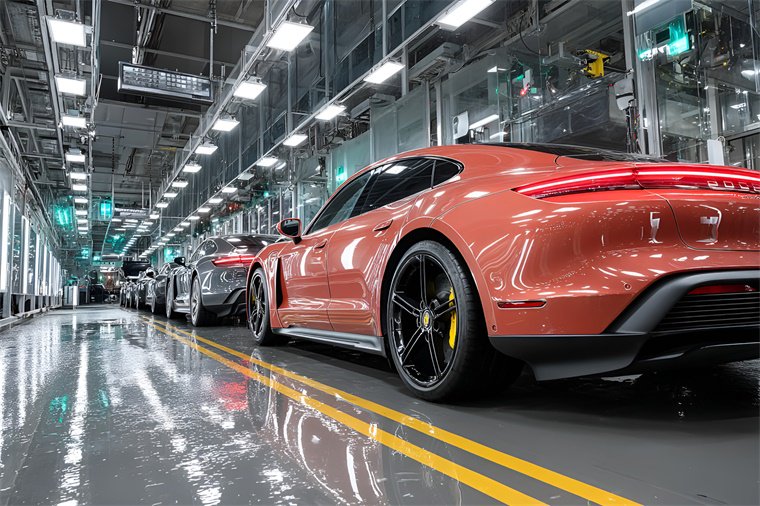
Core Viewpoint - Porsche is experiencing a significant decline in sales and profits, particularly in the Chinese market, which has shifted from being its largest market to its biggest burden, leading to a critical moment for the brand [2][3]. Financial Performance - In the first three quarters of 2025, Porsche reported revenues of approximately €26.86 billion, a year-on-year decrease of 6% [2]. - The operating profit plummeted to €40 million, down 99% from €4.035 billion in the same period last year [2]. - The third quarter alone recorded a loss of €966 million, equivalent to about 8 billion RMB [2]. Market Challenges - The decline in the Chinese market is attributed to challenging market conditions and intense competition, with sales dropping 28% from 29,551 units in 2024 to 21,302 units in 2025 [3]. - Porsche's product strategy is lagging in the face of the smart and electric vehicle transition, resulting in a lack of competitiveness in the Chinese market [3][8]. - The company is facing pressure from domestic brands like BYD and NIO, which are offering high-performance, intelligent, and rapidly iterating electric vehicles [3][8]. Strategic Adjustments - To address the downturn, Porsche plans to delay the launch of electric models, terminate its battery production plans, and incur a restructuring cost of €2.7 billion [2]. - The company anticipates a tariff expenditure of €700 million this year and intends to raise prices in the U.S. to cope with these tariffs [2]. Industry Trends - The Chinese electric vehicle market is rapidly growing, with a penetration rate reaching 31.6% in 2023, and expected to rise to 40.3% in 2024 [4]. - The market for smart electric vehicles, AI technology, and digital automotive platforms is identified as key growth areas for the future [6]. - Traditional luxury brands must adapt to the evolving market trends in China, focusing on product and technology innovation to maintain competitiveness [8].
购车预算15万元,有哪些“高配低价”机会?
Xin Jing Bao· 2025-10-27 11:17
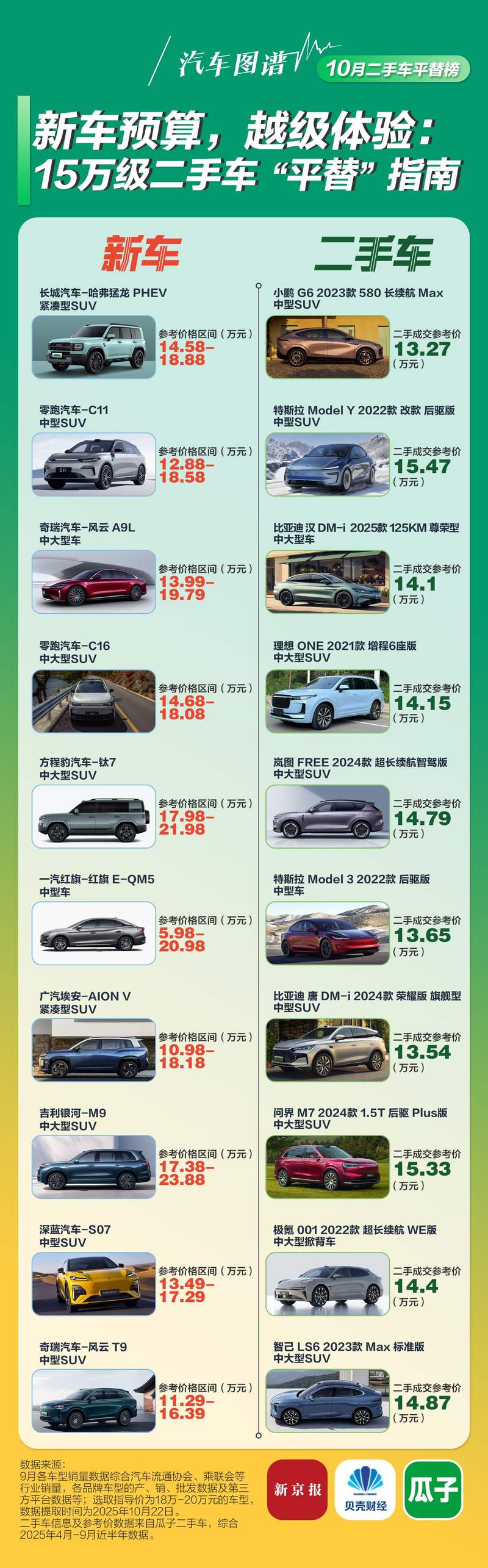
Core Insights - The domestic passenger car market in China has reached historical highs in production, retail, and export volumes in September, with the penetration rate of new energy vehicles rising to 57.8% [1] - The competition among major automakers is intensifying in the mainstream price range of 180,000 to 200,000 yuan, leading to a stabilization of pricing strategies and a decrease in price wars [1] - Consumers are shifting their focus from new cars to the second-hand car market, emphasizing quality and cost-effectiveness, with a notable increase in second-hand car transaction volumes [1][2] Industry Trends - The second-hand car market is witnessing a trend of "high configuration at low prices," reshaping the purchasing logic for mid-range vehicles as consumers seek value within limited budgets [2] - Data from the China Automobile Circulation Association indicates that the national second-hand car transaction volume reached 1.7944 million units in September 2025, marking a month-on-month increase of 5.1% and a year-on-year increase of 8.2% [1] Consumer Behavior - Consumers are increasingly prioritizing aspects such as configuration, intelligence, and resale value when purchasing second-hand vehicles, alongside considerations for space comfort and brand quality [1] - A budget of 150,000 yuan has emerged as a new "blue ocean" for consumers seeking quality and value in the second-hand car market, allowing for upgrades in features and brand experience [1] Purchasing Guidance - Consumers are advised to focus on "ask more, look closely, and ensure guarantees" when selecting second-hand new energy vehicles, with platforms like Guazi providing direct supply and competitive pricing [3][5] - Key steps in the purchasing process include using AI assistants for demand clarification, checking vehicle conditions through video, and ensuring battery health with dual insurance options [5]

十年新能源免购置税政策谢幕前夜:超10家车企“自掏腰包”稳订单
Feng Huang Wang· 2025-10-27 08:21
Group 1 - The core viewpoint of the articles highlights a subsidy "battle" among car manufacturers triggered by policy changes regarding the purchase tax for new energy vehicles [1][2] - Chery Automobile announced a purchase tax subsidy plan, offering full subsidies for eligible users to cover the tax difference due to policy adjustments, with a maximum subsidy of 15,000 yuan per vehicle [1] - Other companies like Deep Blue and Xiaomi have also introduced similar subsidy plans to protect consumer rights and avoid additional expenses due to policy changes, with Xiaomi's plan estimated to cost over 2 billion yuan [1][2] Group 2 - The coordinated actions of car manufacturers stem from a joint announcement by the Ministry of Finance, the State Taxation Administration, and the Ministry of Industry and Information Technology regarding the extension and optimization of the purchase tax exemption policy for new energy vehicles [2] - The new policy states that from January 1, 2026, to December 31, 2027, the purchase tax for new energy vehicles will be halved, significantly increasing the cost for consumers purchasing vehicles in 2026 compared to 2025 [2] - Currently, at least 10 brands have announced cross-year purchase tax subsidy plans, indicating a shift in subsidies from being a bonus to a critical competitive tool [2] Group 3 - The automotive industry is experiencing a surge in new vehicle launches, with over 70 new models introduced in September, creating a competitive landscape across various segments [3] - The adjustment of the new energy vehicle purchase tax exemption policy is expected to stimulate consumer purchases before the end of the year, supported by seasonal demand and the introduction of new models [3] - Data from the China Automobile Circulation Association indicates a 35.4% increase in customer engagement in the first half of October compared to September, suggesting a positive trend in order volume [3] Group 4 - The automotive industry faces challenges such as slow domestic demand growth, inventory pressure, and ongoing risks from price wars and geopolitical impacts on supply chains [4] - Recommendations from industry leaders include the gradual implementation of the new purchase tax to mitigate the impact on production capacity and costs, suggesting a phased approach to tax increases starting from March 2026 [4] - The call for a smooth transition to the new purchase tax regime reflects concerns about maintaining industry stability and profitability amid changing market conditions [4]