携程集团

Search documents
港股新能源车概念股走强
Di Yi Cai Jing Zi Xun· 2025-12-31 01:52
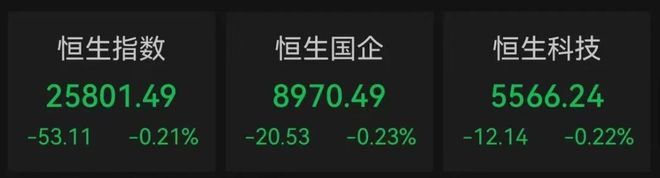
12月31日,港股恒生指数低开0.21%,恒生科技指数跌0.22%。 | 名称 | 现价 | 涨跌幅 ◆ | | --- | --- | --- | | 携程集团-S | 559.500 | -2.01% | | 9961.HK | | | | 京东集团-SW | 112.100 | -1.32% | | 9618.HK | | | | 网易-S | 219.000 | -1.26% | | 9999.HK | | | | 快手-W | 63.800 | -1.09% | | 1024.HK | | | | 京东健康 | 55.900 | -1.06% | | 6618.HK | | | | 百度集团-SW | 128.700 | -0.77% | | 9888.HK | | | | 同程旅行 | 22.100 | -0.72% | | 0780.HK | | | | 美团-W | 103.700 | -0.58% | | 3690.HK | | | | 阿里巴巴-W | 143.700 | -0.55% | | 9988.HK | | | 编辑 | 钉钉 | 名称 | 现价 | 涨跌幅 ◆ | | --- ...

社会服务板块2026年度策略:重视服务消费布局元年,看好细分景气与周期改善
Guoxin Securities· 2025-12-31 00:45
Group 1 - The report emphasizes the importance of service consumption in 2026, highlighting a year of strategic layout and potential improvements in specific sectors and cycles [4][6][8] - The overall recovery of the service sector is characterized by a moderate rebound and structural prosperity, with service consumption growth outpacing that of goods consumption [11][12] - The report identifies three key changes affecting demand, policy, and technology, including a shift towards more rational consumer behavior, the impact of policy and globalization on corporate decisions, and accelerated technological iterations [11][4][6] Group 2 - The investment strategy for 2026 focuses on boosting domestic demand, with significant potential for service consumption in China compared to developed countries [19][26] - The report outlines specific sub-sectors such as duty-free, hotels, and education, which are expected to perform differently based on demand and supply dynamics [7][8][34] - Recommendations include focusing on cyclical recovery and sector-specific prosperity, with suggested investments in companies like China Duty Free Group, Huazhu Group, and Meituan [4][34][8] Group 3 - The report notes that the service sector has underperformed compared to the broader market, with a year-to-date increase of 14.55%, lagging behind the CSI 300 index [14][12] - Structural trends indicate that leading companies in tea drinks and hotels have outperformed, while duty-free and hotel stocks have shown strength in the fourth quarter [14][12] - The report highlights the importance of policy measures aimed at enhancing service consumption, including various initiatives to stimulate demand and improve the consumer environment [26][28][27]




对话携程集团高级副总裁王韦:入境游红利,推动文旅市场三重“变革”
2 1 Shi Ji Jing Ji Bao Dao· 2025-12-30 23:15
Core Insights - The implementation of visa facilitation policies in 2025 has significantly boosted China's inbound tourism market, with a 27.2% year-on-year increase in foreign visitors, totaling 40.6 million [1] - The growth in visa-free transit has seen a 60.8% increase in passenger flow, with major cities like Shanghai, Beijing, and Guangzhou benefiting from over 55% of inbound travelers enjoying visa-free access [1] - The influx of foreign visitors has led to a substantial increase in consumer spending, with a 300% rise in related project bookings and over 20.89 million foreign visitors recorded in the first three quarters of 2025, marking a growth of over 50% [1] Group 1: Structural Changes in the Tourism Industry - Three structural "watersheds" have emerged in the tourism market, indicating a shift towards a service-oriented economy, moving from a "tourism powerhouse" to a "service powerhouse" [2] - The engine for inbound tourism has shifted from primarily relying on nearby Asian markets to a rapid increase in visitors from Europe and America, creating a new dynamic of "Asian base + European and American new engine" [7] - The role of platforms has evolved from merely selling products to acting as industry coordinators, connecting various stakeholders in the tourism ecosystem [7] Group 2: Experience and Standards - The concept of "dual-directional travel" reflects a change in travel motivations, where travelers seek immersive experiences rather than just sightseeing, indicating a shift in consumer behavior [3] - The demand for high-quality experiences has led to the establishment of stringent quality standards, such as "Trip Select," which has improved user satisfaction by 15 percentage points [5] - The industry is now required to provide immersive experiences rather than just basic services like flight and hotel bookings [4] Group 3: Addressing Industry Bottlenecks - The rapid growth in tourist numbers has outpaced the industry's ability to upgrade, particularly affecting smaller hotels and local businesses that lack the capacity to serve international visitors [8] - Solutions include providing AI-powered tools for real-time translation and enhancing the capabilities of local businesses to cater to foreign tourists [8] - Initiatives like one-stop service counters at major airports aim to streamline the arrival experience for international visitors, addressing payment and communication challenges [9] Group 4: Cultural and Product Innovation - Transforming intangible cultural heritage and local culture into marketable experiences requires innovative product development, as demonstrated by immersive dining experiences that combine food, performance, and cultural elements [10] - Innovative marketing strategies, including social media engagement and incentive mechanisms, are crucial for promoting cultural products and attracting global audiences [10] - A tourism innovation fund has been established to support successful cultural transformation projects, highlighting the importance of creativity in the tourism sector [10]
智通ADR统计 | 12月31日
智通财经网· 2025-12-30 22:39
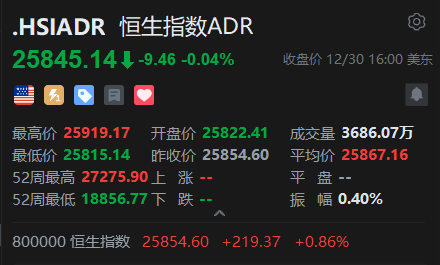
Market Overview - The Hang Seng Index (HSI) closed at 25,845.14, down by 9.46 points or 0.04% [1] - The index had a trading volume of 36.86 million shares, with a high of 25,919.17 and a low of 25,815.14 [1] Blue-Chip Stocks Performance - HSBC Holdings closed at HKD 123.376, up by 0.31% compared to the previous close [2] - Tencent Holdings closed at HKD 599.528, down by 0.08% compared to the previous close [2] Individual Stock Movements - Tencent Holdings: Latest price HKD 600.000, up by HKD 3.500 or 0.59%, ADR price HKD 599.528, down by HKD 0.472 [3] - Alibaba Group: Latest price HKD 144.500, up by HKD 1.200 or 0.84%, ADR price HKD 143.326, down by HKD 1.174 [3] - HSBC Holdings: Latest price HKD 123.000, up by HKD 1.100 or 0.90%, ADR price HKD 123.376, up by HKD 0.376 [3] - AIA Group: Latest price HKD 81.650, down by HKD 0.550 or 0.67%, ADR price HKD 82.070, up by HKD 0.420 [3] - Meituan: Latest price HKD 104.300, up by HKD 0.100 or 0.10%, ADR price HKD 103.410, down by HKD 0.890 [3] - Ctrip Group: Latest price HKD 571.000, up by HKD 11.500 or 2.06%, ADR price HKD 562.723, down by HKD 8.277 [3] - BYD Company: Latest price HKD 97.600, up by HKD 0.500 or 0.51%, ADR price HKD 97.496, down by HKD 0.104 [3]




2025年前三季度携程入境游预订量同比增长超100%
Bei Jing Shang Bao· 2025-12-30 13:49
Core Insights - Ctrip Group has launched innovative services such as "free city inbound tours" and "Taste of China" immersive dining experiences to enhance the arrival and experience quality for overseas tourists, with inbound travel bookings increasing by over 100% year-on-year in the first three quarters of 2025 [1] Group 1 - Ctrip aims to improve the quality of inbound tourism experiences for international visitors [1] - The company has implemented a hybrid work policy, allowing 630,000 employees to work from home, saving 1.25 million commuting hours [1] - Ctrip continues to support frontline customer service staff with a work-from-home policy during the Spring Festival, allowing employees to choose their remote work schedule [1] Group 2 - Ctrip has established a 1 billion yuan tourism innovation fund to support global industry innovation projects [1] - In 2025, the fund awarded 10 million yuan to 20 global innovation projects, which led to an average increase of 51% in destination orders and a 42% increase in search volume [1] - These initiatives are designed to stimulate market vitality and foster collaboration with industry partners [1]
你住的青年旅舍,为什么没青年,也没旅舍?
3 6 Ke· 2025-12-30 11:35
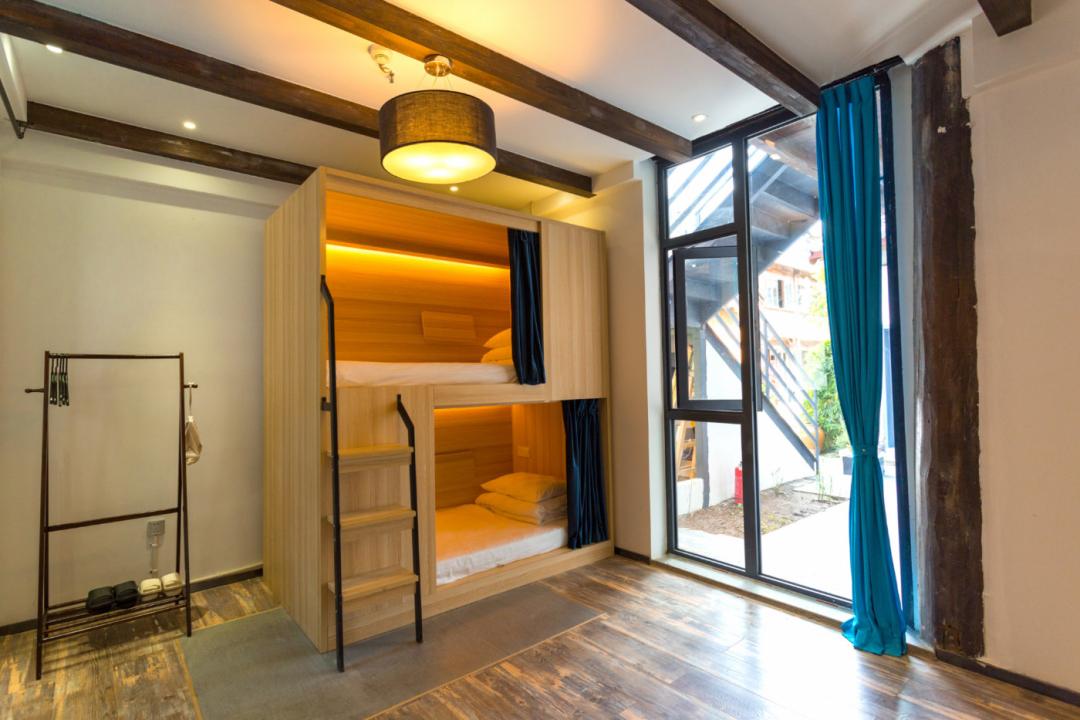
Core Insights - The youth hostel market in China is projected to reach approximately 180 billion yuan by 2025, with optimistic forecasts suggesting it could grow to 300 billion yuan. However, the number of certified youth hostels (YHA) is rapidly declining, with only 109 remaining by 2025, down from nearly 300 in 2017, indicating a reduction of over 60% [1][3][5] Market Dynamics - The traditional concept of youth hostels is being challenged by a rise in "pseudo-hostels," which prioritize low-cost accommodations over cultural and social experiences. This shift has led to a significant disconnect between the nominal "youth hostels" and the actual experience offered [3][11] - The design and operational logic of authentic youth hostels differ significantly from budget hotels, focusing on maximizing communal spaces to foster social interactions rather than providing isolated sleeping quarters [5][8] Revenue Models - The revenue model for youth hostels has evolved from relying solely on bed fees to a more complex structure that includes income from experiential activities, local travel services, and community operations. This diversification is crucial for sustainable operations [7][8] - Successful youth hostels can achieve non-accommodation revenue ratios of 30%-40% or higher, indicating a shift towards lifestyle platform models that enhance customer engagement and loyalty [8][19] Consumer Behavior - The younger demographic, particularly those born after 1995, increasingly prioritizes cost-effectiveness and basic functionality over cultural engagement when choosing accommodations. This trend has led to a rise in demand for low-cost, basic sleeping arrangements [11][12] - The perception of youth hostels has shifted, with many young consumers associating them primarily with budget travel rather than community and cultural exchange [11][12] Strategic Positioning - To thrive in a mixed market of genuine and pseudo-hostels, companies must adopt clear positioning strategies, focusing on specific target audiences and enhancing customer satisfaction through tailored services [12][14] - Differentiation through unique space design, community activities, and emotional connections with guests can help establish a competitive edge in the market [14][19] Industry Trends - The integration of local experiences and activities into the hostel model is becoming increasingly necessary, with examples of hostels combining accommodation with coworking spaces or local craft workshops to enhance value [17][19] - The development of membership systems that offer exclusive benefits and experiences can foster community and loyalty among guests, transforming one-time visitors into long-term members [19][20]
携程报告:旅行决策进入“双引擎”时代 多维数据诠释“友好”力量
Zheng Quan Ri Bao Wang· 2025-12-30 10:15
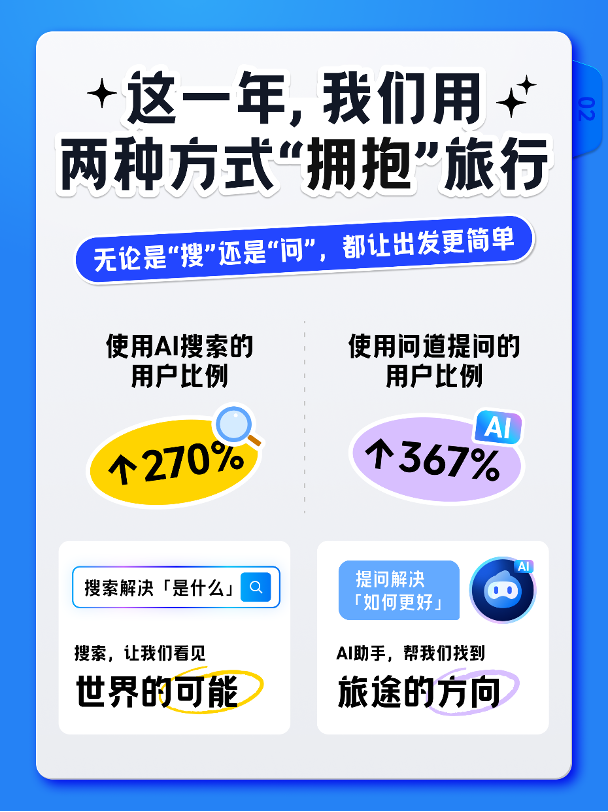
Core Insights - The core trend in travel decision-making is shifting from geographical coordinates to emotional needs, driven by a dual engine of "search engine + AI dialogue" [1] Group 1: AI and User Engagement - In 2025, the proportion of users utilizing AI for travel planning in searches is expected to increase by 270% year-on-year [2] - The user base for the AI Q&A product "Wenda" has seen a staggering growth of 367% year-on-year [2] - Travel is evolving from mere information retrieval to an important means of emotional regulation and life extension [2] Group 2: Cultural and Emotional Drivers - Concerts, events, and film IPs are emerging as new travel triggers, with searches for locations related to the film "Nezha 2" increasing by over 70% [3] - The release of "Zootopia 2" led to a 50% rise in search interest for Disney, while searches for the filming location of "Detective Chinatown 1900" surged by 473% within a week [3] - The analysis of dialogues on the "Wenda" platform reveals a strong emotional healing demand behind travel motivations [3] Group 3: Corporate Social Responsibility and Employee Welfare - The "2025 Annual Friendly Report" highlights Ctrip's achievements in promoting global cultural integration, industry innovation, ESG sustainability, and a friendly workplace environment [3] - Ctrip has made significant progress in low-carbon strategies and building a diverse and inclusive workplace [3] - The "Spring Festival Return to Work Policy," in place for three years, will expand in 2026 to include nearly a thousand employees in first-tier suburban customer service roles, offering two months of remote work benefits [3] Group 4: Leadership Vision - Ctrip's CEO emphasizes the importance of creating a friendly work environment and providing tangible support for employees' family and career development [4] - The company aims to continuously listen to employee feedback and translate consensus into actionable steps [4]
百度、京东、阿里、小米,集体上涨
第一财经· 2025-12-30 08:44
12月30日,香港恒生指数收涨0.86%,恒生科技指数涨1.74%。 | 代码 | 名称 | 现价 | 涨跌 | 涨跌幅 | | --- | --- | --- | --- | --- | | મંદા | 恒生指数 | 25854.60 | 219.37 | 0.86% | | HSTECH | 恒生科技 | 5578.38 | 95.37 | 1.74% | | HSBIO | 恒生生物科技 | 14379.73 | -61.14 | -0.42% | | HSCEI | 恒生中国企业指数 | 8991.02 | 99.31 1.12% | | | HSCI | 恒生综合指数 | 3934.64 | 25.23 | 0.65% | 半导体、机械、石油石化、有色金属、银行等板块涨幅居前,耐用消费品、环保、纺织服装、医疗设备等板块跌幅居前。 半导体板块大涨,英诺赛科涨超15%,中芯国际涨超4%,华虹半导体涨近4%。 黄金板块下跌,珠峰黄金跌超6%,老铺黄金跌超5%,六福集团、万国黄金集团跌超2%。 1 E10/ 10 100 科网股普涨,百度集团涨近9%,此前申万宏源上调公司评级至"买入";网易、携程、小米集 ...

港股收评:午后涨幅扩大!恒指涨0.86%,科技股拉升,6只新股上市集体收涨
Ge Long Hui· 2025-12-30 08:20
Market Performance - The Hong Kong stock market indices saw significant gains in the afternoon, with the Hang Seng Tech Index rising by 1.74%, while the Hang Seng Index and the China Enterprises Index increased by 0.86% and 1.12% respectively, approaching the 26,000-point mark [1] Key Stocks and Sectors - Major technology stocks acted as market indicators, with Baidu surging nearly 9%, and other companies like NetEase and Xiaomi rising over 2%. JD.com, Tencent, Alibaba, and Meituan also experienced gains [1] - Semiconductor stocks strengthened due to favorable AI infrastructure news, with InnoCare Technologies leading the rise with over a 15% increase, and major player SMIC up over 4% [1] - Geopolitical risks led to a spike in international oil prices, benefiting the "Big Three" oil companies, with CNOOC rising nearly 4% [1] - The market is anticipating Tesla's Optimus project, with a potential U.S. robot executive order expected to be released in 2026, resulting in a noticeable rise in robotics stocks [1] - The National Development and Reform Commission encouraged major companies in the alumina sector to pursue mergers and acquisitions, leading to a rebound in aluminum and non-ferrous metal stocks [1] Underperforming Sectors - Wind power stocks declined sharply, with leading company Goldwind Technology falling nearly 11%. Nuclear power stocks also dropped, along with weak performances in aviation, building materials, cement, steel, insurance, and gaming sectors [1] New Listings - Six new stocks were listed on the Hong Kong market today, with notable performances including InnoCare Technologies up 24.66%, Meilian Holdings up 7.6%, Wuyi Vision up 29.9%, Linqingxuan up 9.3%, XunCe up 1%, and Woan Robotics closing flat [1]
美国人的消费是义务,中国人的消费是权利
3 6 Ke· 2025-12-30 01:58
Core Insights - The financial structure of American consumers is under significant strain, with 37% unable to handle a $400 emergency, indicating a precarious financial situation despite seemingly high incomes [2][8] - In contrast, Chinese consumers exhibit a more flexible spending structure, with a higher proportion of disposable income available for discretionary spending, leading to different consumption behaviors [7][13] Group 1: American Consumer Spending - In the U.S., consumer spending is largely driven by obligations, with essential expenses like housing, transportation, and healthcare consuming over 70% of income, leaving little room for discretionary spending [5][6] - The rising costs of healthcare are particularly burdensome, with average family insurance premiums reaching $26,993 annually, which can significantly impact disposable income [5][6] - The perception of strong consumer spending in the U.S. is misleading, as much of it is tied to rigid expenses rather than discretionary choices [6][8] Group 2: Chinese Consumer Spending - Chinese consumers have a more balanced spending structure, with only 50-55% of income tied to essential expenses, allowing for greater flexibility in discretionary spending [7][8] - Recent data shows that while physical goods consumption is weakening, service consumption is on the rise, indicating a shift in consumer priorities towards experiences rather than ownership [9][12] - The high savings rate in China, estimated at 32.4%, provides a buffer for consumers, allowing them to wait for compelling reasons to spend rather than being forced to spend due to obligations [8][15] Group 3: Investment Implications - Companies reliant on impulsive spending may face challenges as consumers become more budget-conscious, while those with stable cash flows and strong user engagement may be undervalued in the current market [10][11] - Certain sectors, such as experience-based consumption and value-driven products, are likely to benefit from the current consumer behavior shift, as consumers prioritize spending on experiences and affordable options [11][12] - The distinction between passive market declines and active consumer retrenchment is crucial for investment strategies, as the latter may indicate potential for recovery given the substantial savings available [9][13]