博通

Search documents
刚刚,全线跳水!英伟达,重大发布!
券商中国· 2025-08-27 23:39
Core Viewpoint - Nvidia's latest earnings report shows strong revenue growth but raises concerns about slowing AI spending, leading to a significant drop in stock price post-announcement [1][3]. Financial Performance - For the second quarter of fiscal year 2026, Nvidia reported revenue of $46.743 billion, a year-over-year increase of 56%, slightly above analyst expectations of $46.23 billion [2]. - Data center revenue was $41.1 billion, a 56.4% increase year-over-year, but slightly below the expected $41.29 billion [2]. - Net profit for the second quarter was $26.422 billion, up 59% from $16.599 billion in the same period last year, exceeding market expectations of $23.465 billion [2]. - The gross margin for the second quarter was 72.4%, down from 75.1% year-over-year [2]. Guidance and Market Reaction - Nvidia expects third-quarter revenue to be around $54 billion, with a margin of ±2%, which is in line with analyst expectations of $53.46 billion [3]. - The stock price fell over 5% in after-hours trading following the earnings report, reflecting market concerns about future growth [1][3]. Market Challenges - Nvidia faces ongoing challenges in the Chinese market, having not sold any H20 chips to Chinese customers during the second quarter, although $180 million worth of inventory was released [7]. - The company has returned $24.3 billion to shareholders through stock buybacks and cash dividends in the first half of fiscal year 2026 [7]. Future Outlook - CEO Jensen Huang emphasized strong demand for AI and the potential for significant growth opportunities in the future [9]. - Nvidia's CFO projected that AI infrastructure spending could reach $3 to $4 trillion by the end of the century, with revenues from sovereign AI expected to exceed $20 billion this year [10].


鲍威尔讲话打压降息预期,黄金跳水
Sou Hu Cai Jing· 2025-08-27 21:18
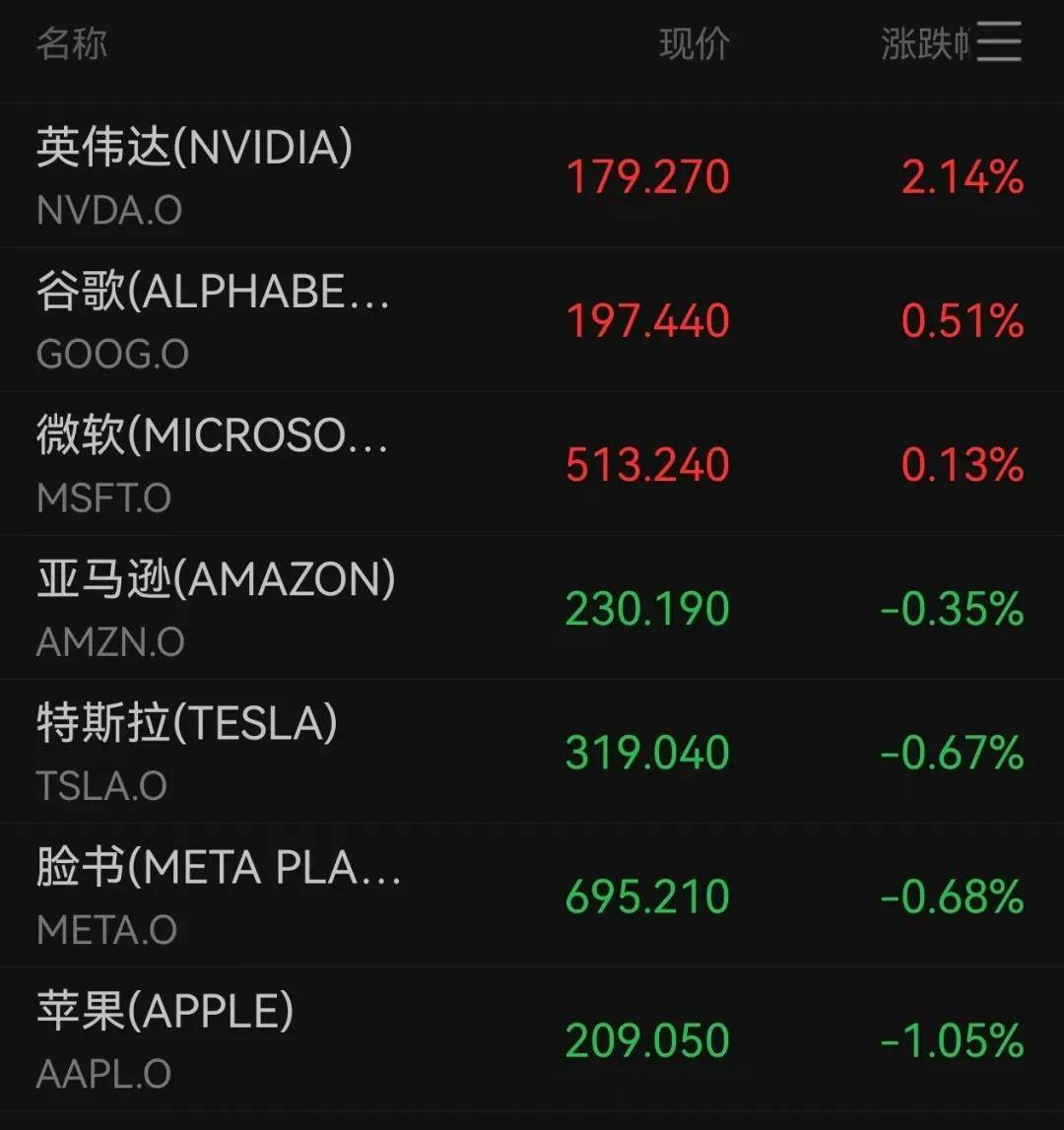
Core Insights - The Federal Reserve decided to maintain the federal funds rate target range at 4.25% to 4.50%, marking the fifth consecutive meeting without a change, aligning with market expectations [2][3] - There was notable dissent within the Federal Reserve, with two governors voting against the decision, advocating for a 25 basis point rate cut, reflecting a divided opinion on monetary policy [3] - Economic indicators suggest a slowdown in growth, with potential for future rate cuts if the trend continues, but uncertainties around inflation and employment remain high [3][6] Market Reactions - Gold prices fell over 1.5%, dropping below $3280 per ounce, with significant declines in U.S. gold stocks [7][10] - U.S. stock markets showed mixed results, with tech stocks like NVIDIA and Broadcom rising, while major companies like Apple experienced slight declines [10] - The Nasdaq China Golden Dragon Index fell by 1.82%, with significant drops in stocks like NIO and New Oriental [11] Commodity Market Impact - Following the Federal Reserve's meeting, former President Trump announced a 50% tariff on imported semi-finished copper, leading to an 18% drop in copper prices in New York [11]
大动作!美银拆解全球资金流向,机构配置逻辑已清晰
贝塔投资智库· 2025-08-27 04:00
Group 1 - The core logic of the report revolves around "fund holding behavior + active exposure + triple momentum," revealing global institutional capital's allocation preferences under the long-term theme of AI [3] - The semiconductor sector has seen significant increases in investment due to the recovery of the AI long-term investment theme, with a net purchase of $27.2 billion, making it the largest industry for net buying [4] - The industrial and healthcare sectors faced significant sell-offs, with net outflows of $42.3 billion and $27.1 billion respectively, driven by a decline in global manufacturing PMI and rising uncertainty in healthcare policies [4][7] Group 2 - From a regional perspective, the Asia-Pacific region (excluding Japan) has become a major beneficiary, attracting a net inflow of $21 billion, primarily due to valuation recovery in technology sectors like semiconductors and the growth expectations in Southeast Asia's manufacturing [8] - In contrast, the US market experienced a net outflow of $6.5 billion, reflecting institutional concerns over the high interest rate environment and slowing economic growth [12] - Other regions, including Europe and Japan, also saw slight outflows, but the Asia-Pacific region remains one of the top areas for capital inflow in 2025 [13] Group 3 - On an individual stock level, Nvidia and TSMC emerged as the top beneficiaries, with Nvidia receiving a net purchase of $16.9 billion, while TSMC gained $5.9 billion due to its advanced process technology [17][21] - Conversely, Apple faced a net reduction of $11.2 billion due to weak consumer electronics demand, while Honda was also reduced by $1.1 billion due to slow progress in electric vehicle transformation [17][21] Group 4 - The report identifies four major stock screening criteria: crowded positives, crowded negatives, under-owned positives, and under-owned negatives, which help in identifying potential investment opportunities and risks [22] - Crowded positives include stocks with high ownership and positive momentum, such as Meta, Broadcom, and Netflix, which benefit from long-term themes [23] - Crowded negatives are stocks with high ownership but low active exposure and negative momentum, such as Meituan and LVMH, indicating potential reversal risks [25] Group 5 - The backtesting results from 2015 to 2025 show that crowded positive stocks have an annualized return of 9.4%, significantly outperforming the global composite index, while crowded negative stocks have an annualized return of only 0.0% [31] - The report concludes that AI and the Asia-Pacific region will be the core themes for the second half of 2025, with semiconductor stocks and internet leaders being key areas of focus for investors [34]

台积电美国封装厂,重要进展
半导体行业观察· 2025-08-27 01:33
Core Viewpoint - TSMC is accelerating its expansion in the United States, planning to establish two advanced packaging plants (AP1, AP2) with construction expected to start in the second half of 2026 and operational by 2028, in response to local demand for AI and HPC chip packaging [2][3]. Group 1: Expansion Plans - TSMC's second wafer fab (P2) in the U.S. is set to introduce 2nm process technology earlier than initially planned, while the advanced packaging plants are located directly across from P3, with construction now expedited to 2026 [2][3]. - The company aims to build two new advanced packaging facilities and a research center in Arizona, enhancing the AI supply chain [2][3]. Group 2: Technology and Production - AP1 will incorporate SoIC and CoW technologies, while AP2 is focused on CoPoS, which is expected to mature by 2028 [3][4]. - SoIC is currently TSMC's most advanced packaging technology, already in mass production for clients like AMD, Apple, and NVIDIA [3][4]. Group 3: Investment and Market Impact - TSMC announced a $100 billion investment in the U.S., which includes the construction of three wafer fabs, two advanced packaging facilities, and a research center, marking the largest single foreign direct investment in U.S. history [6][7]. - The establishment of advanced packaging lines in the U.S. is driven by the needs of major clients such as Apple, NVIDIA, and AMD, with a focus on CoWoS and InFO technologies [6][8]. Group 4: Supply Chain Considerations - The construction of advanced packaging facilities requires a complete supply chain, including materials and testing capabilities, which may take at least four years to establish [7][8]. - TSMC's expansion in the U.S. could impact the existing packaging and testing supply chain in Taiwan, necessitating a mature ecosystem for testing and packaging [8][9].
“上半年强劲、下半年压制”!高盛总结英伟达股价规律,“年底前难以跑赢大盘”
硬AI· 2025-08-26 14:30
Core Viewpoint - Goldman Sachs expresses a cautious tactical view on Nvidia, suggesting that while the long-term growth outlook remains positive, the stock may struggle to outperform the market in the second half of the year, entering an "AI autumn" phase [2][3][4]. Group 1: Nvidia's Stock Performance - Nvidia's stock typically performs well in the first half of the year due to clear capital expenditure guidance from major clients, but tends to underperform in the second half due to a lack of new hard data catalysts [3][6]. - Historical data shows that Nvidia's stock surged by 149% in the first half of 2024, but only increased by 12% in the second half due to concerns over capital expenditure peaks and competition [8]. - Similarly, in 2023, Nvidia's stock rose by 189% in the first half following the AI narrative but only increased by 17% in the second half as investors questioned the sustainability of spending [8]. Group 2: Key Variables Influencing Future Performance - The stock's performance in the remainder of 2025 will depend on three key variables: comments from major clients during their Q3 earnings in October, clarity on the launch timing of Nvidia's next-generation "Rubin" platform, and insights regarding its business in China amid U.S. export controls [10]. - Without substantial progress on these fronts, Nvidia's stock may face pressure due to a lack of catalysts [10]. Group 3: Outlook for Other AI-Related Companies - Goldman Sachs anticipates that Broadcom will exhibit similar trading dynamics to Nvidia in the second half of 2025, with new customer data being crucial for stock performance [13]. - For AMD, the potential growth of its data center GPUs in 2026 and the strength of its PC and server CPUs are already reflected in current stock prices, with an upcoming investor day seen as a critical test for future revenue expectations [13]. - Marvell is expected to maintain a range-bound stock performance for the remainder of the year, with growth visibility from Amazon's custom computing and Microsoft's business in the second half of 2026 being key drivers [14].

套现27亿!大牛股多位股东折价卖票:股价150多元,只卖105元
Mei Ri Jing Ji Xin Wen· 2025-08-26 04:01
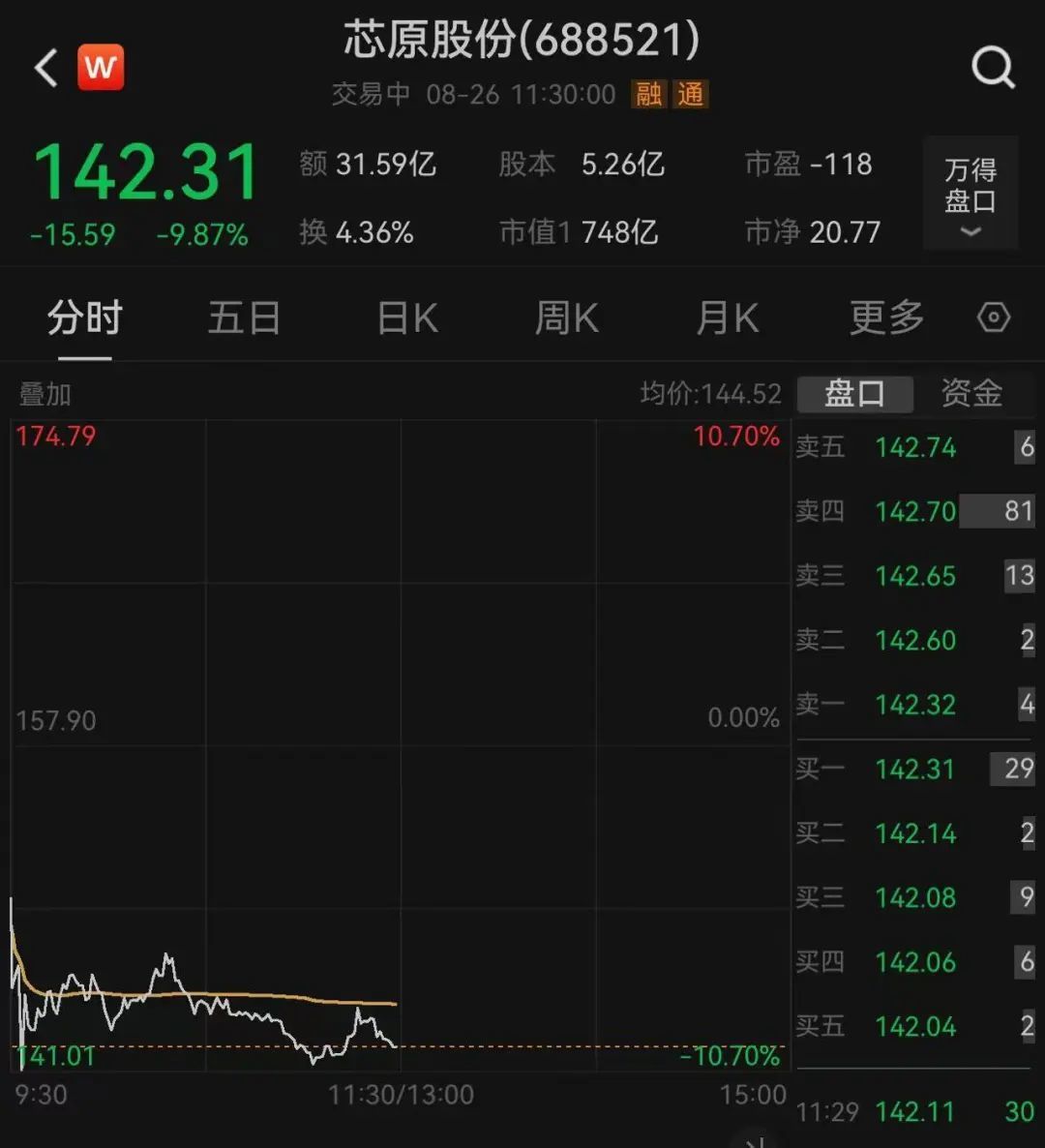
Core Viewpoint - The article discusses the recent share transfer pricing and performance of VeriSilicon Limited, highlighting a significant drop in share price and the company's revenue structure, which is heavily reliant on one-time licensing fees rather than ongoing royalties. Group 1: Share Transfer and Pricing - VeriSilicon Limited has set a share transfer price of 105.21 CNY per share, which is approximately 66.63% of the closing price of 157.90 CNY on August 25 [1] - The total number of shares to be transferred accounts for 5.00% of the company's total share capital, with 37 institutional investors participating in the transfer [1] - The total transaction value is expected to exceed 2.7 billion CNY based on the transfer price [1] Group 2: Stock Performance - Over the past year, from September 24 to August 25, the stock price of VeriSilicon Limited has increased by over 500% [1] - Following the announcement, the stock price experienced a significant drop of 9.87% in the morning session [2] Group 3: Revenue Structure - The company's revenue is primarily derived from one-time licensing fees, which accounted for 84.64% of its IP business in the first half of 2025, while royalty fees made up 15.36% [4] - The knowledge property licensing fees for the first half of 2025 were 281 million CNY, reflecting a year-on-year increase of 8.20% [4] - In contrast, the royalty fees showed a slight decline of 0.03%, totaling 50.74 million CNY [4] Group 4: Business Model and Market Position - VeriSilicon Limited is recognized as a leader in AI ASIC chip design, providing customized solutions for various applications, including smart devices and automotive technology [11][12] - The company has shipped nearly 200 million AI chips globally, indicating a strong market presence in embedded AI/NPU sectors [12] - However, the gross margin for its one-stop custom services is relatively low at 18.17%, compared to industry leaders like Broadcom and Marvell, which have gross margins around 60% to 75% [13][14]

一把套现27亿元!5倍大牛股多位股东折价卖票:股价150多元,只卖105元!股价应声大跌
Mei Ri Jing Ji Xin Wen· 2025-08-26 03:45
Core Viewpoint - The article discusses the recent share transfer pricing of VeriSilicon Limited and other shareholders of Chip Origin Co., Ltd. (688521.SH), highlighting the significant price difference between the transfer price and the market price, as well as the company's business structure and financial performance. Group 1: Share Transfer Details - Chip Origin Co., Ltd. has set a preliminary share transfer price of 105.21 CNY per share, which is approximately 66.63% of the closing price of 157.90 CNY on August 25 [1] - The total number of shares to be transferred accounts for 5.00% of the company's total share capital, with 37 institutional investors participating in the transfer [1] - The total transaction value is expected to exceed 2.7 billion CNY based on the transfer price [1] Group 2: Stock Performance - Over the past year, from September 24 to August 25, Chip Origin's stock price has increased by over 500% [1] - Following the announcement, the stock price experienced a significant drop of 9.87% in the morning session on August 26 [4] Group 3: Business Structure and Revenue - Chip Origin's revenue structure is characterized by a high proportion of one-time licensing fees compared to ongoing royalties, which is atypical for semiconductor IP companies [4][6] - In the first half of 2025, the company's intellectual property licensing fees amounted to 281 million CNY, a year-on-year increase of 8.20%, while royalty fees slightly decreased by 0.03% [6] - The licensing fees accounted for 84.64% of the IP business revenue, indicating a reliance on one-time fees [6] Group 4: Profit Margins and Market Position - The gross margin for Chip Origin's one-stop custom chip services is relatively low at 18.17%, compared to industry leaders like Broadcom and Marvell, which have gross margins around 60% to 75% [14][16] - The company is recognized as a leader in AI ASIC chip design and has provided services to major international clients, with nearly 200 million AI chips shipped globally [15] - The low gross margin in custom chip services is attributed to the diverse customer base and product structure, which may improve as domestic manufacturers expand into AI ASIC markets [17]

“上半年强劲、下半年压制”!高盛总结英伟达股价规律,“年底前难以跑赢大盘”
美股IPO· 2025-08-26 03:30
Core Viewpoint - Goldman Sachs maintains a cautious short-term outlook on Nvidia, predicting a potential "AI autumn" where the stock may struggle to outperform the market in the second half of the year despite a long-term positive growth outlook [2][3]. Group 1: Nvidia's Stock Performance - Nvidia's stock typically performs well in the first half of the year due to clear capital expenditure guidance from major clients like Amazon, Microsoft, Meta, and Google, but tends to underperform in the second half due to a lack of new hard data catalysts [4][6]. - Historical data shows Nvidia's stock surged 149% in the first half of 2024 but only rose 12% in the second half, while in 2023, it increased by 189% in the first half and just 17% in the second half [9]. Group 2: Key Variables Influencing Stock Performance - Three key variables will influence Nvidia's stock performance until the end of 2025: comments from hyperscale computing clients during their Q3 earnings reports in October, clarity on the launch timing of the next-generation "Rubin" platform, and insights regarding Nvidia's business in China amid evolving U.S. export controls [6][8]. - The absence of substantial progress in these areas may lead to stock pressure due to a lack of catalysts [6]. Group 3: Outlook for Other AI-Related Semiconductor Companies - Broadcom is expected to exhibit similar trading dynamics to Nvidia in the second half of 2025, with new data from XPU clients and AI network business being crucial for stock performance [8]. - AMD's potential growth in data center GPUs for 2026 and the strength of PC and server CPUs are already reflected in its current stock price, with an upcoming investor day in November serving as a critical test for its revenue expectations [8]. - Marvell is anticipated to maintain a range-bound stock performance for the remainder of the year, with growth visibility from Amazon's custom computing business and Microsoft's business in the second half of 2026 being key drivers [8].

“上半年强劲、下半年压制”!高盛总结英伟达股价规律,“年底前难以跑赢大盘”
Hua Er Jie Jian Wen· 2025-08-26 01:35
Core Viewpoint - Nvidia's stock price is expected to face challenges in the coming months due to a lack of new catalysts, despite a strong long-term growth outlook from Goldman Sachs [1][2]. Group 1: Stock Performance Patterns - Nvidia's stock typically performs well in the first half of the year, driven by positive capital expenditure guidance from major clients like Amazon, Microsoft, Meta, and Google, leading to a 149% increase in the first half of 2024 [1][3]. - In the second half of the year, Nvidia's stock often struggles due to the absence of new hard data to boost market expectations, resulting in only a 12% increase in the second half of 2024 [1][4]. - Historical patterns show that in 2023, Nvidia's stock surged 189% in the first half but only rose 17% in the second half due to concerns about the sustainability of spending [4]. Group 2: Key Variables Influencing Future Performance - The stock's performance in the latter part of 2025 will depend on three key variables: comments from major clients during their Q3 earnings reports in October, the timeline for the launch of Nvidia's next-generation "Rubin" platform, and clarity regarding Nvidia's business in China amid evolving U.S. export controls [3][4]. - Any quantitative insights regarding 2026 capital expenditures from major clients will be crucial for market sentiment [3][4]. Group 3: Long-term Outlook - Despite short-term caution, Goldman Sachs maintains a positive long-term outlook for Nvidia, expecting exceptional growth in 2026 driven by strong capital expenditure from cloud providers and demand from non-traditional customers [2][5]. - Goldman Sachs has a "buy" rating on Nvidia with a 12-month target price of $200, based on a standardized EPS of $5.75 and a 35x P/E ratio [5]. Group 4: Insights on Other AI-related Companies - For Broadcom, a similar trading dynamic to Nvidia is expected in the second half of 2025, with new customer data being critical for stock performance [6]. - AMD's potential growth in data center GPUs for 2026 is already reflected in its current stock price, with an upcoming investor day seen as a key event [6]. - Marvell's stock is anticipated to remain range-bound for the remainder of the year, with growth visibility from Amazon and Microsoft in 2026 being pivotal for stock movement [6].
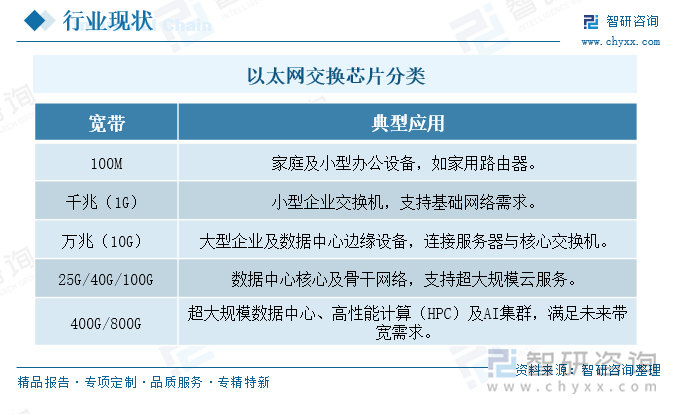
研判2025!中国以太网交换芯片行业产业链、市场规模及重点企业分析:交换芯片引领网络升级,技术迭代与场景拓展共驱行业增长[图]
Chan Ye Xin Xi Wang· 2025-08-26 01:34
Core Viewpoint - The performance of Ethernet switch chips, as a core component of network devices, directly determines the processing capability and scalability of these devices. The demand for these chips is closely related to the technological iterations and scenario extensions in the switch market. The Chinese Ethernet switch chip industry is projected to reach a market size of approximately 16.2 billion yuan in 2024, reflecting a year-on-year growth of 7.95%, driven by ongoing advancements in digital transformation and network infrastructure construction [1][10]. Industry Overview - Ethernet switch chips are critical components in network devices, enabling data exchange and routing functions in local area networks (LAN) and data center networks. These chips are specialized integrated circuits (ASICs) designed for network applications, featuring multiple ports and routing tables to efficiently forward data frames based on target MAC addresses [6][4]. Market Size - The Chinese Ethernet switch chip market is expected to grow to approximately 16.2 billion yuan in 2024, marking a 7.95% increase from the previous year. This growth is indicative of the continuous progress in domestic network infrastructure and the sustained demand driven by digital transformation [10][1]. Key Companies' Performance - The Ethernet switch chip industry in China exhibits high market concentration, with foreign giants dominating the market. However, domestic companies like Shengke Communication and Yutai Micro are making significant strides. Shengke Communication is the only domestic company to enter the commercial 10G and above chip market, launching the Arctic series chip with 800G support in 2024. Yutai Micro focuses on automotive Ethernet physical layer chips, with plans to release a vehicle-grade TSN chip series by 2025 [12][13]. Industry Development Trends 1. **Technological Upgrades**: The demand for higher performance and lower power consumption in Ethernet switch chips is increasing due to the rapid development of data centers, cloud computing, and artificial intelligence. Companies are focusing on optimizing chip architecture and adopting advanced manufacturing processes to balance performance and power efficiency [17]. 2. **Breaking Foreign Monopoly**: Domestic companies are accelerating the process of replacing foreign products in the Ethernet switch chip market. With significant technological advancements, domestic firms are gradually capturing market share in the high-end chip sector [19][18]. 3. **Emerging Technologies**: The rise of artificial intelligence, the Internet of Things (IoT), and industrial internet technologies is creating new opportunities for the Ethernet switch chip industry. Chips need to support higher data transmission rates and lower latency while ensuring security and reliability for various applications [21].