雀巢

Search documents
雀巢中国进入马凯思时间:增长存在压力丨消费参考
2 1 Shi Ji Jing Ji Bao Dao· 2025-07-02 01:26
Group 1 - Nestlé China has appointed Kais Marzouki as Chairman and CEO starting July 1, 2025, marking a significant leadership change in the company [1] - Marzouki has extensive experience within Nestlé, having previously served as Chairman and CEO of Nestlé Philippines and held various senior management roles across different regions [2][3] - Under Marzouki's leadership, Nestlé Philippines regained growth, increasing its market share by over 200 basis points and boosting daily consumption of Nestlé products from 0.9 to 1.1 servings [3] Group 2 - In 2024, Nestlé Greater China reported sales of 5 billion Swiss francs, reflecting a 1.3% decline in sales, with currency fluctuations contributing to a 3.5% decrease [4] - The company experienced growth in its infant nutrition and confectionery segments, while its seasoning and dairy businesses saw a decline in market share [4] - The operating profit margin decreased by 40 basis points to 16.1%, attributed to higher input costs and increased investments in advertising and marketing [4]

“朋克养生”年轻人,喝出100亿大买卖
3 6 Ke· 2025-07-01 23:28
Core Insights - The rise of the "punk health" trend among young people has significantly boosted the health beverage market, particularly in the development of traditional Chinese health drinks [1][4] - Major brands are entering the health beverage sector, with notable products like Yuanqi Forest's "Yuanqi Zizai Water" achieving substantial sales [1][4] - The market for Chinese health beverages is projected to grow rapidly, with a forecasted market size exceeding 10 billion yuan by 2028 [4] Market Overview - The Chinese health beverage market reached 450 million yuan in 2023, showing a year-on-year growth of over 350% [4] - The target demographic for health beverages primarily consists of young adults aged 20 to 35, who are open to trying new products [1][2] - The market is dominated by two main players, Kexiang and Yuanqi Forest, which together hold over 90% of the market share [4] Consumer Behavior - Many consumers are trying health beverages for the first time, but the repurchase rate is low due to taste preferences and higher pricing compared to regular drinks [6][7] - Health beverages are prominently displayed in convenience stores, but their visibility in traditional retail settings is lower [5][6] Competitive Landscape - Traditional beverage giants are also entering the health beverage market, with brands like Kang Shifu and Nongfu Spring launching their own products [4] - New brands are emerging, focusing on niche markets and unique health benefits, such as sleep aid and localized ingredients [12] Pricing and Production - The production cost of health beverages is higher than that of regular unsweetened teas, leading to a retail price that is typically 30-50% higher [10][12] - The market is characterized by a two-tier pricing structure, with premium products priced significantly higher due to the use of high-quality ingredients [10][12] Distribution Channels - Both online and offline sales channels are being utilized to expand market reach, with significant growth in online sales observed [9] - Retailers like Hema and Sam's Club are actively promoting health beverages, often featuring them prominently in-store [5][9]


U.S. Department of Health and Human Services Designates Four Nutrients of Public Health Concern Validating Glucose Health, Inc. (OTC: GLUC) Patent Pending Soluble Fiber-Based Nutrition Formulation
Globenewswire· 2025-06-30 10:30
Core Insights - The U.S. Department of Health and Human Services (HHS) and U.S. Department of Agriculture (USDA) have officially recognized dietary fiber as a nutrient of public health concern, highlighting a significant deficiency in American diets [2][5] - This designation is expected to lead to increased government funding for dietary fiber awareness campaigns, which will likely drive demand for dietary fiber-based nutrition products [2][5] - Glucose Health, Inc. is well-positioned to benefit from this recognition due to its focus on soluble fiber-based nutrition products, including its flagship brand GlucoDown® and the Fiber Up® supplement [2][3][4] Company Overview - Glucose Health, Inc. specializes in diabetic nutrition and has been developing soluble fiber-based products since 2017 [1][2] - The company's flagship product, GlucoDown®, is designed to support balanced glucose levels and competes with established brands like Glucerna® and Boost® [3] - Fiber Up® is another product from Glucose Health, targeting digestive health and competing with Metamucil® [4] Market Position - The recognition of dietary fiber as a public health concern aligns with Glucose Health's mission to provide effective and enjoyable fiber supplementation [5] - The company anticipates rising consumer demand for its products as awareness of dietary fiber's health benefits increases [2][5]

2025戛纳六大全场大奖解析:有哪些品牌必看的创意趋势?
3 6 Ke· 2025-06-27 03:05
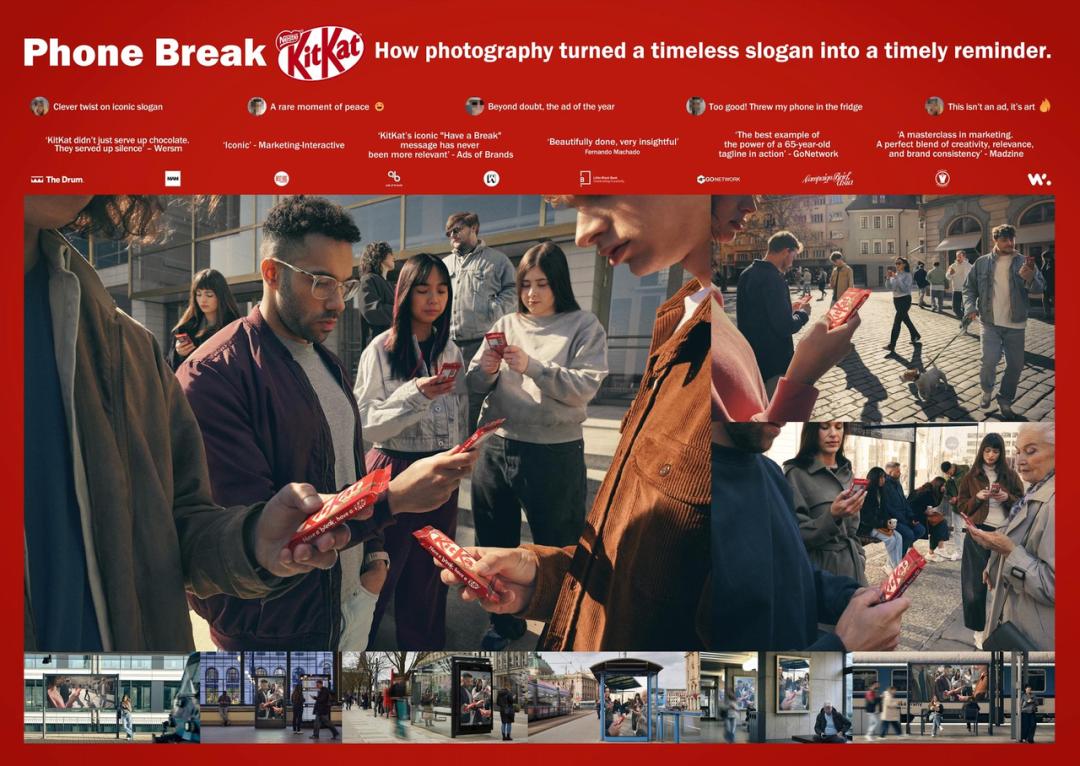
Group 1: Core Insights - The Cannes International Festival of Creativity concluded, featuring various award categories such as Classic Award, Craft Award, Engagement Award, Entertainment Award, Experience Award, Good Award, and Health Award [1] - Morketing selected six award-winning cases, including KitKat's "Phone Break" and Budweiser's "One Second Ads" in the Classic Award category, as well as IONIQ's "Night Fishing" and Mercado Livre's "Call of Discounts" in the Entertainment Award category, and Vaseline's "Vaseline Verified" and the New Zealand Herpes Foundation's "The Best Place In The World To Have Herpes" in the Health Award category [1][9] Group 2: Classic Award Highlights - KitKat's "Phone Break" won the Outdoor Lion Grand Prix, using simple content to capture user attention by replacing phones with KitKat bars in various public settings, emphasizing the brand's message of taking a break [2][5] - Budweiser's "One Second Ads" won the Radio Lion Grand Prix, utilizing a one-second ad format featuring recognizable song snippets, effectively engaging target audiences and creating a sense of community through social media challenges [6][8] Group 3: Entertainment Award Highlights - IONIQ's "Night Fishing" won the Entertainment Lion Grand Prix, employing a cinematic storytelling approach to integrate the brand into an engaging narrative, successfully changing perceptions of the IONIQ brand [10][13] - Mercado Livre's "Call of Discounts" won the Game Entertainment Lion Grand Prix, gamifying the advertising experience by linking gameplay with real product discounts, thus enhancing user engagement and reducing ad annoyance [14][16] Group 4: Health Award Highlights - Vaseline's "Vaseline Verified" won the Health Lion Grand Prix, addressing user-generated content around unconventional uses of the product by validating effective uses and warning against harmful ones, thereby enhancing brand credibility [17][19] - The New Zealand Herpes Foundation's "The Best Place In The World To Have Herpes" won the Health Public Lion Grand Prix, using humor to destigmatize herpes and encourage open discussions, while promoting collective participation through a challenge [20][22][24] Group 5: Overall Conclusion - The six award-winning cases demonstrate the importance of connecting with consumers, reducing ad disruption, and creating deeper links with users, emphasizing a human-centered approach in advertising [25][26]
摩根士丹利:印度必需消费品研究
摩根· 2025-06-27 02:04
Investment Rating - The report assigns an "In-Line" investment rating to the India Consumer Staples sector [3]. Core Insights - India's Consumer Staples sector is characterized by high consumption growth, with households spending nearly 50% of their expenditure on food [16]. - The total addressable market (TAM) for India's FMCG market is estimated at approximately US$164 billion, with varying growth drivers across sub-categories [35][32]. - The sector has underperformed relative to the MSCI India index over the past three years, indicating potential challenges in stock performance [10]. Summary by Sections Consumption Landscape - India's consumption growth is among the highest globally, with significant expenditure on food [16]. - The penetration of packaged foods in India remains low compared to global peers, indicating room for growth [38]. Growth Drivers - Key growth drivers include volume growth, market share, raw material price movements, and currency fluctuations [19]. - The FMCG market is projected to grow at a compound annual growth rate (CAGR) of 10-11% over the next five years [35]. Key Players - Major players in the sector include HUL, Nestle, Britannia, and Dabur, with varying degrees of rural revenue contribution [24][89]. - The rural market is crucial, with companies like Dabur and HUL having significant exposure [89]. Market Performance - The report highlights that rural food and beverages (F&B) have outperformed, while rural home and personal care (HPC) remains weak [27]. - The FMCG sector's revenue growth has shown fluctuations, with a notable decline in certain periods [92]. Distribution and Market Strategy - Companies are focusing on expanding their distribution reach, particularly in rural areas, to tap into the growing consumer base [62]. - The rise of e-commerce and modern trade channels is reshaping the market dynamics, with increasing revenue shares from these segments [70][72]. Financial Metrics - The report provides insights into revenue contributions and growth trends for various categories, indicating a shift towards premium products [49][50]. - The financial performance of key players shows varying gross margins and EBITDA margins, reflecting operational efficiencies and cost management strategies [103]. Future Outlook - The sector is expected to benefit from innovations and expansions into adjacent categories, with companies identifying aspirational brands for future growth [79]. - The overall sentiment in the sector remains cautiously optimistic, with macroeconomic factors and consumer sentiment playing a significant role in shaping future performance [19][40].
哈根达斯客流连续下滑,「冰激凌届爱马仕」的人气去哪了? | 声动早咖啡
声动活泼· 2025-06-26 04:10
Core Viewpoint - Häagen-Dazs, originally positioned as a high-end ice cream brand, is facing challenges in the Chinese market due to changing consumer preferences and increased competition from local brands and alternative dessert options [5][6][10]. Brand Positioning and Market Entry - Häagen-Dazs was established in 1921 and entered the Chinese market in 1996, targeting high-end consumers with a premium brand image [1]. - The brand aimed to align itself with luxury brands, using upscale store locations and a sophisticated design to enhance its premium perception [1][2]. Sales Performance and Growth - By 2010, Häagen-Dazs had achieved over $100 million in sales in China, growing at a rate of 20% [2]. - The period from 2005 to 2015 was identified as a golden era for the brand, with an average sales growth rate of 23% [3]. Decline in Consumer Interest - Recently, Häagen-Dazs has experienced a decline in customer traffic, with reports of double-digit decreases over three consecutive quarters [3][6]. - The brand's high pricing strategy is being questioned as consumer preferences shift towards more affordable options [6][10]. Competitive Landscape - The brand's high-end image is being challenged by local ice cream brands and the rise of dessert alternatives like tea drinks and coffee [6][9]. - A survey indicated that 80% of consumers believe a reasonable price for ice cream is under 10 yuan, with only 5% willing to pay over 15 yuan [6]. Brand Image and Product Offerings - Häagen-Dazs has been criticized for its lack of product diversity and innovation, failing to introduce popular flavors or products in recent years [8][9]. - The brand's traditional European romantic image is seen as outdated in a market that increasingly values local culture and personalized experiences [8]. Strategic Shifts - In response to declining store traffic, Häagen-Dazs has expanded its retail presence in supermarkets and convenience stores, with increasing market share in these channels [10]. - The brand is also focusing on B2B opportunities, supplying ice cream for high-end restaurants, hotels, and other venues [10].
中东局势并未动摇全球股市
日经中文网· 2025-06-25 07:20
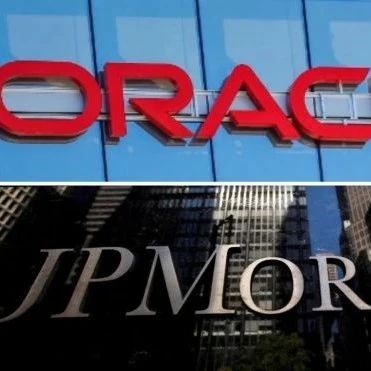
Group 1 - Global stock markets have shown resilience amid tensions in the Middle East, with a total market capitalization decrease of only 1% as of June 23 compared to the day before Israel's attack on Iran [1] - Funds have shifted towards high-tech and financial stocks, which are less affected by Middle Eastern risks, supporting overall market performance [1][2] - The total global stock market capitalization was $127.2 trillion on June 23, down from a record high of $128.7 trillion on June 12, indicating a minimal decrease of 1.6% [1] Group 2 - Investors have been cautious about over-reducing stock holdings to avoid missing potential rebounds after the conflict, leading to a focus on defense-related stocks and sectors less impacted by the situation [2] - Notable stock performance includes AMD, which saw a 9% increase in share price by June 23, following the launch of new AI chips [2] - Major banks like JPMorgan and Goldman Sachs have had their target prices raised by 2-4% due to expected recovery in M&A and underwriting activities [3] Group 3 - Chinese bank stocks have also performed well, supported by regulatory changes allowing insurance companies to increase stock investments [3] - Defensive stocks like Nestlé and McDonald's have declined, as rising costs from tariffs may hinder their appeal as safe investments [4] Group 4 - A ceasefire agreement between Israel and Iran was announced, increasing the likelihood of a quick resolution to the conflict, although uncertainties remain regarding the impact of U.S. actions on Iran's nuclear capabilities [5]
2025蛋鸡产业非笼养转型的商业价值
Sou Hu Cai Jing· 2025-06-25 01:54
Group 1: Core Insights - The global egg industry is undergoing a significant transformation from traditional cage systems to cage-free production, driven by increasing consumer concern for animal welfare, tightening regulations, and corporate sustainability strategies [1][10] - As of 2023, over 2,500 cage-free procurement commitments have been made globally, with a transformation rate of 80% in Europe, 73% in the U.S., and 57% in the Asia-Pacific region, marking a 6.9% increase from 2022 [2][14][17] - The European Union has banned traditional battery cages since 2012, with several countries moving towards phasing out enriched cages, while the U.S. has seen 10 states prohibit cage production [2][22] Group 2: Business Factors - The transition to cage-free systems involves significant costs, including barn renovations and reduced stocking densities, which can impact production capacity [2][29] - A study in Greece indicated that while production and capital costs increased by 18.1%, the premium income from cage-free eggs offset 11.4% of these costs [2][30] - Companies can mitigate transition costs through strategies such as price increases, transitional arrangements, and securing contracts [2][29] Group 3: Animal Welfare - Cage-free systems significantly improve animal welfare, with mortality rates comparable to enriched cages and better bone and foot health due to improved living conditions [3][4] - Behavioral expression is enhanced in cage-free systems, allowing hens to engage in natural behaviors such as dust bathing and foraging, which are restricted in cage systems [3][4] Group 4: Consumer and Environmental Considerations - Consumer awareness of animal welfare is rising, with many willing to pay a premium for cage-free eggs, believing they are more nutritious and safer [5][20] - The environmental impact of transitioning to cage-free systems includes increased feed and land consumption, but can be mitigated through alternative feed sources and sustainable practices [5][20]

一周上新!祐禾、全家、爱达乐...海内外新品资讯抢先看 | 全球职人情报站
东京烘焙职业人· 2025-06-22 00:18
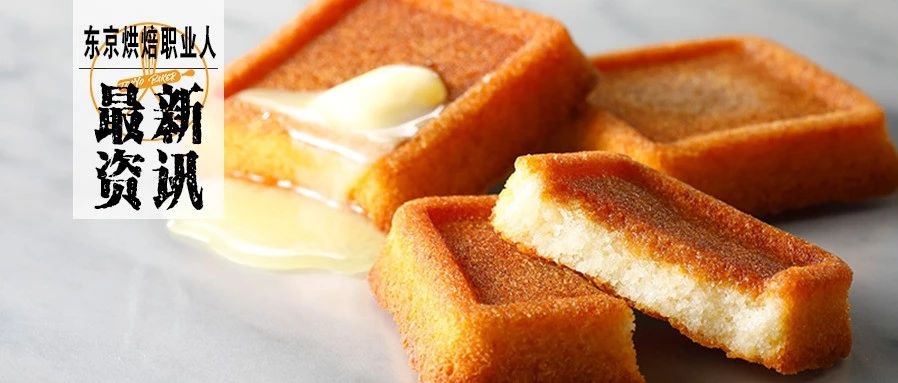
Core Viewpoint - The article provides a comprehensive overview of the latest product launches and innovations in the baking industry, highlighting new offerings from various brands and companies, showcasing trends and consumer preferences in baked goods and desserts [1]. Product Innovations - Yuhe launched "Yogurt Soft Cake," featuring crispy freeze-dried yogurt particles and a smooth yogurt cream filling, balanced with savory chicken floss [2]. - HPC Bakery introduced "Lychee Cheese European Bread," described as soft and chewy, embodying the essence of lychee [10]. - Dingdong Maicai's "Wuchang Rice Ice Bread" incorporates premium Wuchang rice, with a fluffy exterior and a creamy filling, offering a unique taste experience [12]. - Walmart's "Coconut Latte Puff" features a crispy outer layer that bursts with rich coconut and coffee flavors [15]. - "Black Truffle Bacon French Baguette" from "Kongru" combines truffle sauce, caramelized onions, and crispy bacon for a luxurious taste [18]. Seasonal and Thematic Offerings - Various brands are launching summer-themed products, such as "Rose Lychee Bagel" from "My Bread," which combines fresh lychee and rose flavors [25]. - "Inno" introduced six fruit cakes, including a vibrant mango and guava combination, appealing to summer aesthetics [31]. - "Lai'ao" presented "Melon Cake," featuring smooth cream and fresh melon, ideal for summer enjoyment [34]. Collaborations and Market Trends - CoCo collaborated with the classic anime "Hunter x Hunter" for a special drink promotion, indicating a trend of cross-industry partnerships [110]. - Starbucks announced plans to sell part of its stake in China, aiming to enhance competitiveness in the market [111]. - The rising price of lemons, attributed to climate conditions and increased demand from the beverage industry, reflects market dynamics affecting ingredient costs [113]. New Product Highlights - "Fanen" introduced a series of egg tarts with floral designs, emphasizing the aesthetic appeal of baked goods [57]. - "The Daily Bagel" launched a unique bagel with a special sauce, showcasing innovative flavor combinations [59]. - "Lopus" presented two types of ciabatta, highlighting the trend of artisanal bread with rich fillings [62].
如何让消费者真的动“新”?
虎嗅APP· 2025-06-21 08:58
Core Viewpoint - The current consumer trend is redefining "new product launches" by emphasizing emotional resonance and social engagement rather than just functional upgrades or price competitiveness [3][5][26]. Group 1: Consumer Behavior and Expectations - Consumers are increasingly looking for products that resonate with their emotions and lifestyles, rather than just additional features or aesthetic changes [3][4]. - Successful new products often tell a story or evoke a sense of nostalgia, as seen with the popularity of the Fujifilm X-Half, which appeals to a "retro film" aesthetic [3][7]. - The emotional connection and understanding of consumer needs are crucial for brands to stand out in a crowded market [5][26]. Group 2: New Product Launch Strategies - Brands must move beyond traditional SKU replacement strategies and engage consumers in a co-creation process that makes new launches feel like events [4][8]. - The Tmall platform has successfully facilitated the launch of numerous new products, with data showing significant sales growth, including five products achieving over 1 billion in sales and over 120 products exceeding 1 million [7][20]. - The introduction of immersive content and interactive experiences, such as live streaming and short videos, has transformed how new products are showcased, making them more engaging for consumers [8][9]. Group 3: Emotional Engagement and Consumer Trust - Emotional engagement is essential for driving immediate purchases, as consumers are more likely to buy when they feel a connection to the product [10][12]. - Tmall's approach to creating a sense of exclusivity and personalized experiences, such as limited edition products and celebrity collaborations, enhances consumer trust and willingness to purchase [12][21]. - The integration of comprehensive subsidy mechanisms, including government and platform discounts, has increased consumer confidence in their purchasing decisions [15][20]. Group 4: Trends and Market Dynamics - The resurgence of vintage and retro trends reflects a broader desire among younger consumers for meaningful and quality experiences, which presents opportunities for brands to innovate [23][26]. - Tmall's collaboration with fashion influencers and trendsetters has successfully tapped into these emerging trends, driving significant sales for brands like Burberry [23][26]. - The platform's ability to create trend-driven environments not only boosts product visibility but also fosters a deeper connection between brands and consumers [26].