
娃哈哈

Search documents
董明珠们的最大靠山,倒在了2025
3 6 Ke· 2025-12-10 08:38
Core Viewpoint - The traditional distribution model in various industries, particularly in alcohol, beverages, and confectionery, is facing unprecedented challenges, leading to significant financial losses for distributors and a potential industry shakeout by 2025 [1][11][25] Group 1: Industry Challenges - By 2025, the once-stable consumption patterns of traditional products like liquor and tobacco are deteriorating, with younger consumers moving away from these products [1] - Distributors, once seen as profitable entities, are now facing severe financial difficulties, with some predicting losses in the millions due to a complete lack of profitability across the board [3][11] - The inventory levels for listed liquor companies are alarmingly high, with 20 companies accumulating nearly 4 million tons of stock, leading to distributors becoming mere storage facilities for excess inventory [6][8] Group 2: Financial Strain on Distributors - Distributors are experiencing a dual pressure of slow sales returns while needing to prepay for goods, creating a "double squeeze" on their finances [8] - The beverage market is also struggling, with some distributors reporting a sales decline of up to 80% compared to the previous year, indicating a significant shift in market dynamics [8][9] - Confectionery distributors are facing even harsher realities, with some unable to sustain operations due to prolonged payment delays from manufacturers, leading to bankruptcies [9][11] Group 3: Evolution of Distribution Models - The traditional distribution model is collapsing as brands begin to bypass distributors by establishing direct supply chains, diminishing the role of distributors in the market [14][17] - Major retailers are expanding their operations to include logistics and consumer engagement, further reducing the relevance of traditional distributors [14] - The historical reliance on brand partnerships and extensive product offerings is becoming a liability, as market conditions shift towards a more fragmented and competitive landscape [15][19] Group 4: Future Outlook and Transformation - The current market conditions are prompting a necessary transformation for distributors, who must shift from a passive role to one that actively creates user value [21][23] - Distributors are encouraged to focus on localized business strategies and adapt to changing consumer preferences, moving away from traditional methods of operation [21][23] - The industry is expected to undergo a significant shakeout, with estimates suggesting that 20%-30% of distributors may be eliminated in the coming years if they do not adapt [23][25]

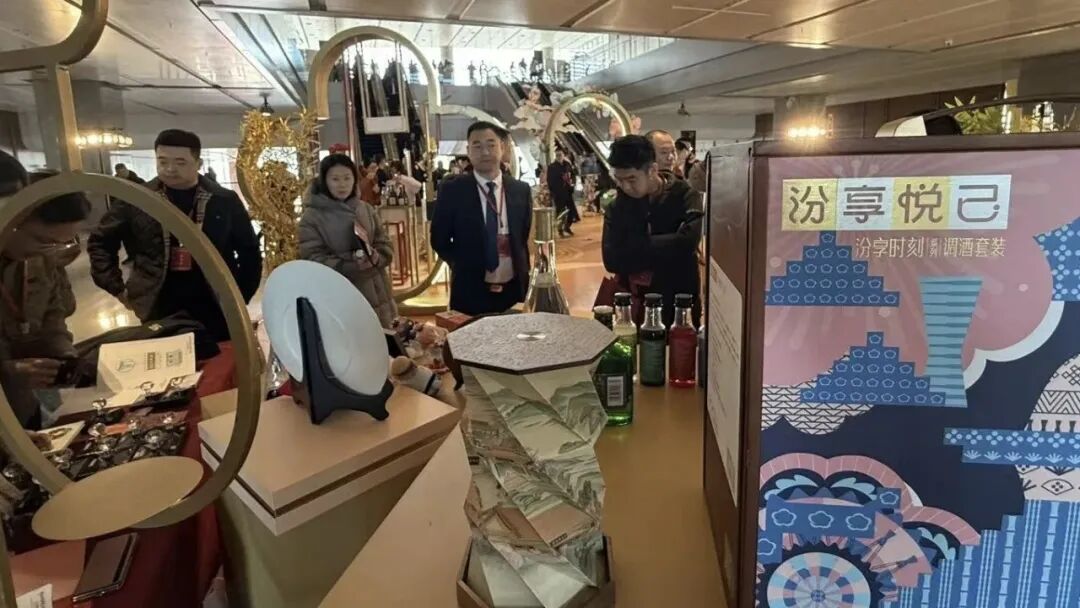
太古可口可乐中国区换帅
Guo Ji Jin Rong Bao· 2025-12-09 14:27
Core Viewpoint - The resignation of the president of Swire Coca-Cola China, Zhang Jian, has been approved, and he will officially leave by the end of March 2026, amid increasing competition and changing consumer preferences in the beverage industry [1][2]. Group 1: Company Overview - Swire Coca-Cola is the fifth-largest bottling group for Coca-Cola globally, holding exclusive rights in eight markets, including Greater China, the Midwest of the United States, and Southeast Asia [1]. - Zhang Jian has been with the company since 1995, rising through the ranks to lead the China operations [1][2]. Group 2: Industry Context - The beverage industry is experiencing intensified competition and a restructuring of product categories, with a notable shift towards healthier options like sugar-free tea and functional drinks, leading to a decline in the carbonated soft drink market [2][3]. - The company's revenue for the previous year was HKD 25.234 billion, reflecting a 6% year-on-year increase, primarily driven by price hikes, while both sales volume and active retail points saw a 1% decline [4]. Group 3: Leadership Transition - Hunter Jin, who will succeed Zhang Jian, has extensive experience within Swire Coca-Cola, having joined in 2004 and held various positions, including regional manager at a young age [5]. - Jin's management philosophy emphasizes a "family culture" and practical actions to enhance performance, such as energy-saving initiatives and meticulous sales practices [5]. Group 4: Market Dynamics - The beverage industry is witnessing significant personnel changes, with other companies like Wahaha and China Resources Beverage also undergoing leadership transitions, indicating a broader trend of transformation within the sector [6].
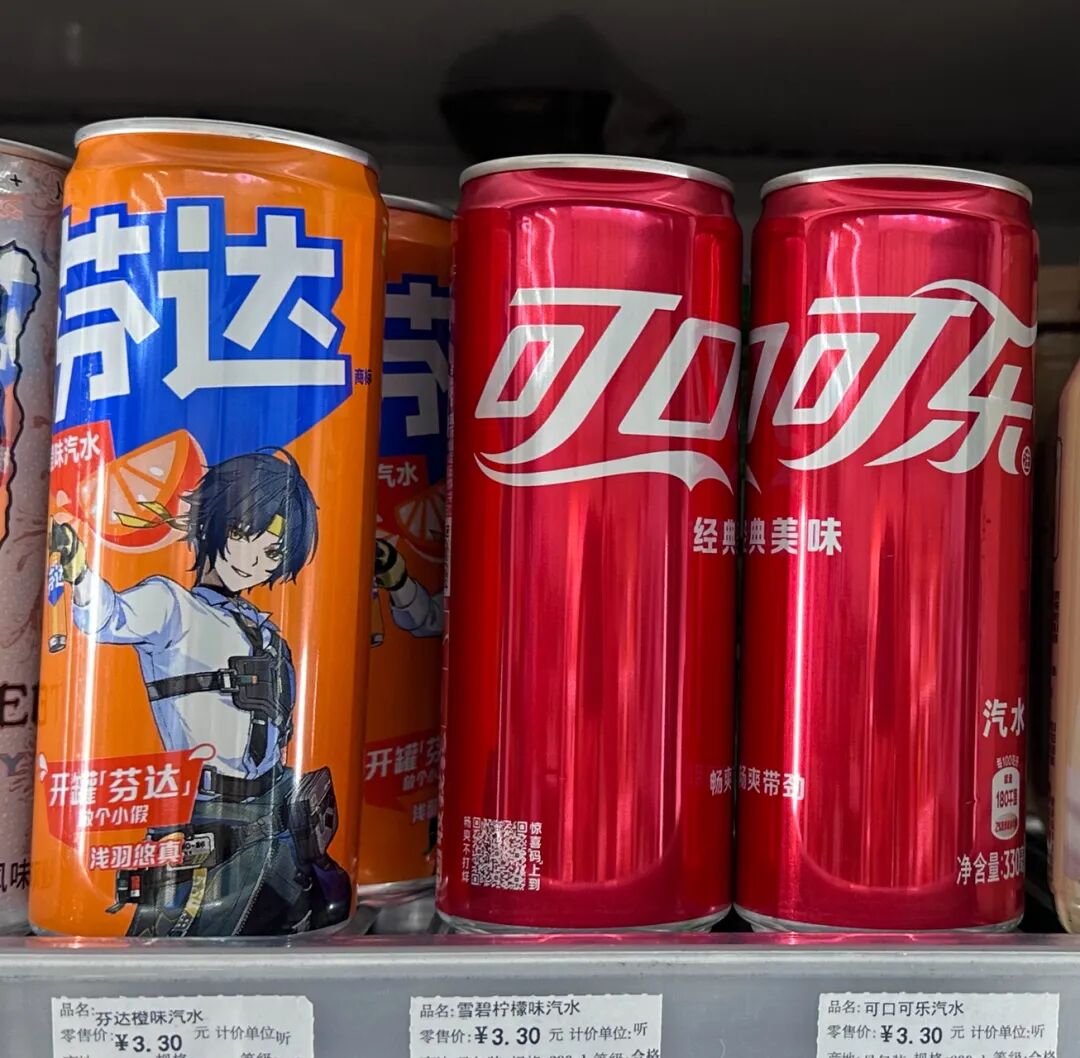
王明夫谈企业传承:娃哈哈在企业制度上存在缺陷
Xin Lang Cai Jing· 2025-12-09 03:08
专题:2025《中国企业家》影响力企业家年会 12月5日-7日,由《中国企业家》杂志社主办的"2025(第二十三届)《中国企业家》影响力企业家年 会"(原中国企业领袖年会)在北京举行,主题为"涌现·无限——共创智能商业新形态"。和君集团董事 长,和君商学院院长王明夫出席并演讲。 责任编辑:李昂 专题:2025《中国企业家》影响力企业家年会 12月5日-7日,由《中国企业家》杂志社主办的"2025(第二十三届)《中国企业家》影响力企业家年 会"(原中国企业领袖年会)在北京举行,主题为"涌现·无限——共创智能商业新形态"。和君集团董事 长,和君商学院院长王明夫出席并演讲。 谈及企业传承,王明夫从娃哈哈的传承风波提出了自己的观点。在他看来,娃哈哈的传承风波,反映了 娃哈哈在企业制度上的缺陷。 谈及企业传承,王明夫从娃哈哈的传承风波提出了自己的观点。在他看来,娃哈哈的传承风波,反映了 娃哈哈在企业制度上的缺陷。 具体来讲,他提到,制度缺陷是指娃哈的股东关系,它的公司治理结构,它的三权分立,它的现代企业 制度、公司章程、议事规则和决策程序,这些方面不够科学、不周全、不完善,存在久拖不决的盲区和 硬伤。 "于是一旦创始人 ...
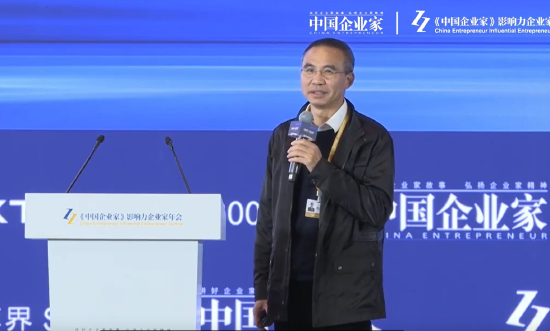
太古可口可乐中国区总裁传将离任,高管更迭的风吹至饮料行业?
Sou Hu Cai Jing· 2025-12-08 05:55
Group 1 - The internal announcement regarding the resignation of the president of Swire Coca-Cola China has been circulated, with the president, Zhang Jian, set to leave by the end of March 2026, to be succeeded by Jin Yi, the current head of Southeast Asia, Hong Kong, and Taiwan markets [1] - The food and beverage industry is experiencing a wave of executive changes, with notable departures in the beer and liquor sectors, indicating a potential shift in leadership dynamics within the beverage industry [3] - In the first three quarters of 2025, the food and beverage sector showed a clear divergence in performance, with emerging categories like electrolyte drinks and snacks growing rapidly, while traditional segments such as carbonated drinks and beer maintained low growth rates [3] Group 2 - Swire Coca-Cola is accelerating adjustments to its product and channel structure in response to competition and health trends, focusing on expanding its low-sugar and no-sugar product offerings [4] - The latest financial report indicates that Swire Coca-Cola's recurring profit for the first half of 2025 was HKD 861 million, a slight decrease of 2% year-on-year, with mainland China being the core growth driver, showing an 8% profit increase [4] - Despite facing challenges from the rapid rise of local brands and increasing consumer demand for healthier and personalized products, the new president's strategies for overcoming these challenges remain to be seen [4]
中泰证券:包装水行业转向价值竞争 头部品牌凭产品矩阵与响应能力抢占先机
智通财经网· 2025-12-06 23:59
Core Insights - The packaging water industry is shifting from a price war to a value war, driven by increasing consumer demand for product quality and specific consumption scenarios [1][6] - The market size for China's packaging water (excluding large packages over 8L) is projected to reach 224.23 billion yuan by 2025, with a year-on-year growth of 3% [1] - Leading brands like Nongfu Spring hold a significant market share of 33%, while regional brands like Quan Yang Quan are also showing strong growth due to geographical advantages [1][6] Industry Trends - The competition in the packaging water industry is becoming more multifaceted, with a clear distinction in performance among leading brands and regional players [1] - The price index for packaging water has shown a slight decline, with manufacturers adopting "price for volume" strategies during peak seasons [2] - High-end water products are experiencing rapid growth, with the number of new products priced above 10 yuan expected to increase by 42% in 2025 [2] Channel Dynamics - The channel landscape for packaging water has changed significantly, with specialized channels showing a GMV growth of 13.8% from January to July 2025, while modern channels have seen a decline of 14.2% [3] - Brands are increasingly focusing on discount store channels and developing specialized products to capture market share [3] Future Outlook - The focus on product value and health trends is expected to continue, with consumers seeking functional enhancements in packaging water [4] - The competition is anticipated to shift towards resource-based factors, particularly water sources, as the core competitive advantage in the industry [5] Investment Recommendations - Companies are advised to pay attention to leading brands like Nongfu Spring, which are well-positioned to respond quickly to market demands [6] - Regional brands like Quan Yang Quan are also recommended for their potential to leverage local advantages in the competitive landscape [6]



2026年软饮料策略报告:包装水:需求细分发展,关注价值突围-20251205
ZHONGTAI SECURITIES· 2025-12-05 12:50
Core Insights - The report emphasizes the segmentation of demand in the bottled water industry, highlighting a shift from price competition to value competition as consumer preferences evolve towards health and functional benefits [5][27][36] - The market for bottled water in China is projected to reach CNY 224.23 billion in 2025, with a year-on-year growth of 3%, indicating a complex competitive landscape with varying performances among leading brands [15][16][36] - The focus of competition is shifting towards resource control, particularly water sources, as companies seek to differentiate themselves through quality and sustainability [33][36] Market Overview - The bottled water market is experiencing a diversification in consumer segments, with both budget and premium products seeing growth [17][20] - Major brands like Nongfu Spring hold a 33% market share, while Wahaha and Yibao follow with 19% and 17% respectively, showcasing a clear market leader and the impact of brand strategies on market positioning [15][16] - Regional brands, such as Quan Yang Quan, are capitalizing on strong distributor relationships and local cultural ties, achieving significant revenue growth [16][36] Pricing and Cost Trends - The price index for bottled water has shown a downward trend, particularly during peak seasons, as companies adopt "price for volume" strategies to maintain market share [17][20] - The cost of PET materials has been declining since 2024, providing manufacturers with the leverage to engage in price competition [20][21] Channel Dynamics - The report notes a significant shift in distribution channels, with traditional channels under pressure while special channels (特通渠道) are experiencing robust growth, indicating changing consumer purchasing behaviors [21][26] - Special channels, such as those serving specific venues like billiard halls and highway facilities, have seen GMV growth rates of 47% and 25% respectively [21][24] Future Outlook - The industry is expected to continue focusing on value enhancement and health trends, with consumers increasingly seeking products that offer functional benefits [27][29] - The competition is anticipated to transition from price wars to value wars, with brands needing to enhance product quality and adapt to diverse consumer scenarios [27][36] - The report suggests that companies with strong product matrices and quick market response capabilities, like Nongfu Spring, will likely lead in this evolving landscape [36]
一线饮料品牌释放“价格战”信号,2026饮料行业或将再迎来降价潮
Xin Lang Cai Jing· 2025-12-05 11:37
Core Insights - A leading beverage company in China has proactively lowered its growth target for 2026, indicating a significant reduction compared to its historical growth rates, while simultaneously pursuing aggressive expansion plans, suggesting the initiation of a "price war" [1][3] - Another major beverage player has announced a clear and aggressive strategy for the coming year, focusing on expanding market share through "internal competition" and seeking breakthroughs in new categories via price wars [1][3] Price War Dynamics - Historical trends show that when industry giants initiate internal competition, it often compels other players to follow suit, leading to a downward spiral into price wars [3] - The price decline in the beverage market has already begun to manifest, with average prices for sugar-free tea and "health water" dropping from approximately 5.6 yuan and 0.9 yuan per 100ml in 2023 to about 5.15 yuan and 0.86 yuan in 2025 [4][6] Pricing Strategies - New products in the health beverage category launched in the first half of the year have an average price of about 5 yuan per bottle, a 12% decrease from the 2024 average of 5.7 yuan [6] - Promotions such as "second bottle for 1 yuan" have led to actual transaction prices for health beverages dropping to between 3 and 5.5 yuan per bottle, representing a decline of over 40% [6] - The bottled water sector is also experiencing price reductions, with major brands like Nongfu Spring and Wahaha temporarily pausing before second-tier brands like Master Kong and Yili continue to push low-price strategies [8] Market Sentiment and Consumer Behavior - Distributors are feeling the impact of price reductions directly, with reports indicating that previously popular beverages priced at 6-8 yuan are now generally below 5 yuan [10] - The shift in pricing power from distributors to brand owners is evident, as brands are forced to lower prices to maintain market share and relationships with distributors amid high inventory levels [10][12] Promotional Tactics - Brands are employing sophisticated pricing strategies, including large packaging and "one yuan exchange" promotions, to capture market share without directly undermining existing price structures [12][15] - Some companies have officially announced price reductions by launching newly priced products, such as a major international cola brand introducing a 400ml product priced lower than its previous 500ml offerings [15] Industry Outlook - The signals from industry giants indicate that the beverage sector will become increasingly competitive in 2026, with price wars expected to be a primary battleground [16][20] - The ongoing price war is likely to impact all segments of the supply chain, including small brands, distributors, and consumers, with potential negative consequences for profit margins and product quality [20][22]




因涉劳动争议,宗馥莉控股的宏胜集团被起诉
Xin Lang Cai Jing· 2025-12-05 08:53
Core Viewpoint - Hongsheng Beverage Group Limited is facing a labor dispute lawsuit, with a court date set for December 11, 2023, indicating potential operational challenges for the company [1][5]. Group 1: Company Background - Hongsheng Group was established in 2003 and primarily focuses on beverages while also engaging in upstream supply chain production, high-end equipment manufacturing, and printing packaging [1][5]. - The company is fully controlled by Hengfeng Trading Co., Ltd. [1][5]. Group 2: Management Changes - The legal representative of Hongsheng Group, Zhu Lidan, has resigned, and the office has been vacated, with Zheng Qundi taking over the role [1][5]. - Zhu Lidan, a veteran associated with Wahaha, has stepped down from multiple positions within the Hongsheng system, marking her complete exit from management [1][5]. Group 3: Investigations and Controversies - In mid-October, there were rumors about Zhu Lidan being taken for investigation, which she publicly denied [2][6]. - Another key member, Yan Xuefeng, was previously investigated for disciplinary issues but has since been reinstated [2][6]. Group 4: Trademark Registrations - Hongsheng Group has registered several trademarks, including "Wawa Xiaozong," "Zong Xiaohai," and "Wawa Xiaohai," covering categories such as food and beverage [2][6]. - Reports suggest that Wahaha may utilize the new brand "Wawa Xiaozong" in the future [2][6]. Group 5: Sales Continuity - A distributor confirmed that the Hongsheng system will continue to sell "Wahaha" brand products through 2026, indicating ongoing brand collaboration [4][8].
香飘飘加入现制茶饮赛道
Bei Jing Ri Bao Ke Hu Duan· 2025-12-05 05:42
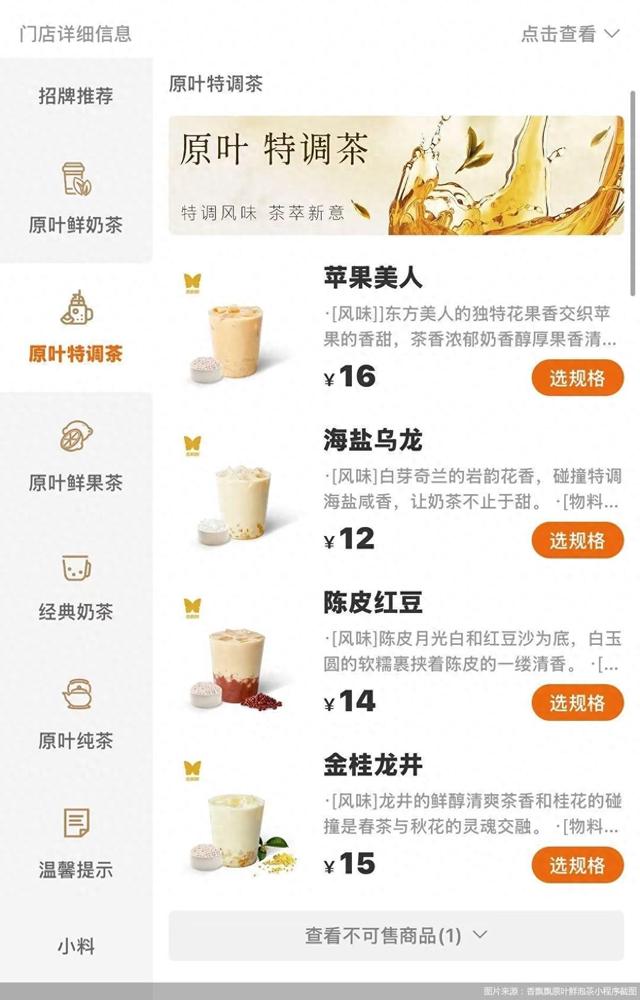
Core Viewpoint - Xiangpiaopiao, known as "National Milk Tea," has opened its first two stores in Hangzhou, focusing on a "raw leaf" milk tea series, with prices ranging from 5.9 to 16 yuan, indicating a strategic entry into the competitive ready-to-drink tea market [1][3][5]. Company Developments - The first store is located in the basement of Hangzhou Joy City, featuring a layout similar to typical tea shops, with a focus on "raw leaf" brewing and five main product lines [3][4]. - Xiangpiaopiao has previously experimented with various offline formats, including self-service tea shops and pop-up stores, indicating a long-standing ambition to enter the offline retail space [4][5]. - The company aims to create a new consumer experience space to gather direct feedback for product innovation [4][9]. Market Context - The ready-to-drink tea market is highly competitive, with projections indicating it will exceed 300 billion yuan by 2025, featuring numerous brands and established players dominating various market segments [5][6]. - Xiangpiaopiao's entry into this saturated market is challenging, as it competes against established brands like Heytea and others that have strong market positions [5][6]. Financial Performance - In the third quarter of 2023, Xiangpiaopiao reported a revenue of 1.684 billion yuan, a year-on-year decline of 13.12%, and a net loss of 89 million yuan, a drastic drop of 603.07% [8][9]. - The decline in revenue is attributed to changes in the external consumption environment and inventory management strategies [8]. Strategic Direction - To counteract declining performance, Xiangpiaopiao is pursuing a dual strategy of "brewing + ready-to-drink" to diversify its business [9][10]. - The company has seen positive sales from its "raw leaf" series, which has surpassed 100 million yuan in sales within a year, indicating a successful product innovation strategy [10].

入局现制茶饮 香飘飘姗姗来迟
Bei Jing Shang Bao· 2025-12-04 16:13
Core Viewpoint - Xiangpiaopiao has entered the ready-to-drink tea market with the opening of its first two stores in Hangzhou, focusing on "original leaf" milk tea series, amidst a highly competitive landscape [1][2][3] Company Strategy - Xiangpiaopiao is testing two business models: dine-in and takeout, with the aim of creating a new consumer experience and gathering direct feedback for product innovation [2][6] - The company has a long-term strategy of diversifying its business, establishing a dual-driven model of brewing and ready-to-drink products to counteract declining sales in its traditional brewing segment [7][8] Market Environment - The ready-to-drink tea market in China is projected to exceed 300 billion yuan by 2025, with numerous brands competing across various market segments [3] - High-end market leaders include Heytea and Bawang Chaji, while mid-tier brands like Cha Bai Dao and Gu Ming dominate the middle market, and Mixue Ice City leads in lower-tier markets [3] Financial Performance - In the first three quarters of 2025, Xiangpiaopiao reported a revenue of 1.684 billion yuan, a year-on-year decline of 13.12%, and a net profit loss of 89 million yuan, a drastic drop of 603.07% [6][8] - The company attributes the revenue decline to changes in the external consumption environment and inventory management strategies [6] Product Development - The "original leaf" series has generated over 100 million yuan in sales within a year of its launch, indicating positive market reception [8] - Xiangpiaopiao is also exploring new product categories, such as ice cream, to meet evolving consumer demands [8]