
红旗连锁

Search documents
宇树科技被起诉;蜜雪冰城回应加盟费;马斯克正式起诉OpenAI和苹果公司;KDP将收购皮爷咖啡母公司丨邦早报
创业邦· 2025-08-26 00:04
Group 1 - Yushu Technology is facing a lawsuit for patent infringement by Hangzhou Luwei Meirihua Co., Ltd, with the court hearing scheduled for August 26 [3] - The lawsuit involves a dispute over an invention patent, with Yushu Technology having seven robotic dog products in its lineup [3] - The franchise fee for Mixue Ice City has sparked discussions, with the total investment starting at 210,000 yuan, excluding additional costs like rent and transfer fees [4] Group 2 - ByteDance has denied rumors about the imminent release of AI glasses, stating that the product is still in the early exploration phase [6][7] - Meituan has addressed user complaints regarding refund delays, attributing the issues to high customer service volume and has implemented measures to resolve them [7] - Kuaishou has been ordered to pay 89.1 million yuan for copyright infringement related to popular shows, with the courts ruling that Kuaishou's actions were significantly negligent [8] Group 3 - Haidilao reported a 13.7% decline in net profit for the first half of 2025, attributing the drop to decreased table turnover rates and initial adjustments in product and service innovation [11] - Pinduoduo's Q2 revenue reached 103.98 billion yuan, a 7.1% year-on-year increase, with online marketing revenue growing by 13.4% [11][13] - Dongfeng Motor Group has resumed trading on the Hong Kong Stock Exchange, with its subsidiary Lantu Auto set to go public [13] Group 4 - NVIDIA has launched the Jetson AGX Thor developer kit, aimed at robotics applications, with a starting price of $3,499, enhancing AI computing power significantly [13] - Ele.me has announced an expansion of social security subsidies for delivery riders nationwide, covering up to 100% of insurance premiums [13] - Elon Musk has filed a lawsuit against OpenAI and Apple, alleging anti-competitive behavior to suppress competition in the AI sector [13] Group 5 - JD.com and Wanda have established a partnership in Beijing with a capital contribution of approximately 8.05 billion yuan [14] - Keurig Dr Pepper has agreed to acquire JDE Peet's for 15.7 billion euros, with plans to split the company into two independent entities post-acquisition [17] - Shanghai Disneyland will adjust its ticket pricing structure, introducing more intermediate price levels while maintaining the existing price range [18]


河南消费品牌频频出圈,巴奴或将成接棒新势力
Sou Hu Cai Jing· 2025-08-25 07:42
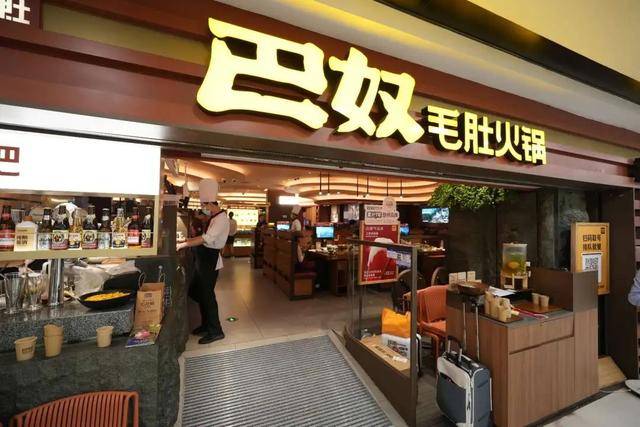
Group 1 - The core viewpoint of the article highlights the emergence of Henan as a significant consumer market, with brands like Banu becoming notable players in the hot pot industry [1][3] - Henan's population of nearly 100 million creates a vast consumer market, making it a critical area for brands aiming for national expansion [3] - The competitive landscape in Henan is intense, with over 24,000 hot pot businesses, positioning Banu as a standout with a third-place market share in the overall hot pot market [5] Group 2 - Banu has adopted a unique strategy by focusing on the "quality hot pot" segment, with average spending exceeding 140 RMB, surpassing major competitors like Haidilao [6] - Financial data from Banu indicates a steady revenue increase, with projected revenues of approximately 1.433 billion RMB, 2.112 billion RMB, and 2.307 billion RMB for 2022, 2023, and 2024 respectively [8] - The adjusted net profit margins for Banu are also on the rise, with figures of 2.9%, 6.8%, and 8.5% for the years 2022, 2023, and 2024, and a first-quarter net profit margin of 10.8% in 2025 [8]
刚刚,星巴克劲敌要卖了
投资界· 2025-08-25 07:27
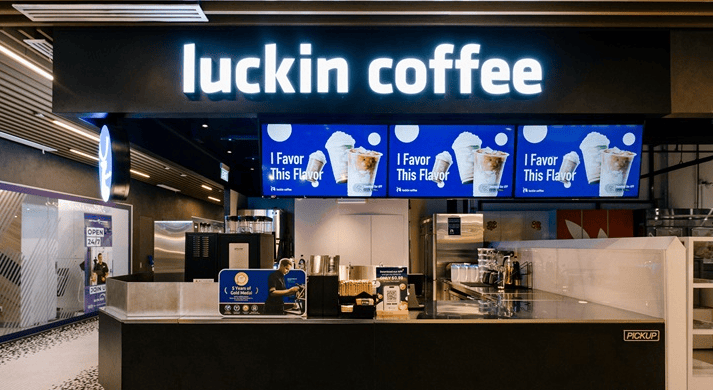
Core Viewpoint - The global coffee market is undergoing significant changes, with major players like Coca-Cola and Starbucks considering divestitures amid increasing competition and shifting market dynamics [2][10]. Group 1: Coca-Cola and Costa Coffee - Coca-Cola is reportedly evaluating the sale of Costa Coffee, having initially acquired it for £3.9 billion (approximately ¥34.7 billion) in 2018, but is now considering a sale price of only £2 billion (approximately ¥19.4 billion), indicating a significant depreciation in value [3][11]. - Costa Coffee's revenue was £1.22 billion (approximately ¥12.8 billion) in 2023, but the company has faced challenges in maintaining growth due to economic conditions and inflationary pressures [8][12]. - The competitive landscape has intensified, with rivals like Starbucks and fast-food chains such as McDonald's and Tim Hortons eroding market share, particularly in China, which is a crucial market for Costa [12][10]. Group 2: Starbucks and Market Dynamics - Starbucks China is also in talks for a potential sale, with interest from various investment firms, reflecting the competitive pressures it faces from local brands like Luckin Coffee and others [14][15]. - Starbucks' market share in China has dropped from 34% in 2019 to an estimated 14% by 2024, yet its valuation has increased significantly, with potential bids reaching up to $10 billion [15]. - The coffee market is experiencing a broader trend of consolidation and strategic realignment, as companies adapt to fierce competition and changing consumer preferences [16][17]. Group 3: Industry Trends - The coffee industry is witnessing a major reshuffling, with established brands like Costa and Starbucks reassessing their strategies in response to market pressures [13][16]. - The trend of divestitures and acquisitions is indicative of a larger shift in the consumer sector, where companies are moving from heavy asset models to lighter asset strategies to remain competitive [17].



2025咖啡预言:下沉市场、银发经济与可持续供应链的终极战场
Sou Hu Cai Jing· 2025-08-23 16:51
Core Viewpoint - The Chinese coffee market is experiencing unprecedented rapid growth and profound transformation, with significant competition between international giants and local brands [4][5]. Market Overview - The Chinese chain coffee market is projected to exceed 100 billion RMB by 2025, with a compound annual growth rate (CAGR) of over 15% [5]. - As of the first half of 2025, there are 66,568 stores from 27 major chain coffee brands, marking a net increase of 11,841 stores, a growth of 21.64% compared to the end of 2024 [5]. Competitive Landscape - Starbucks leads the market with over 7,750 stores, reporting an 8% year-on-year revenue growth to $790 million (approximately 5.67 billion RMB) in Q3 2025 [6]. - Local brands like Luckin Coffee are gaining market share, with a 47.1% year-on-year revenue increase to 12.36 billion RMB in Q2 2025, and a net profit of 1.75 billion RMB [8]. - The market is characterized by a dual-track competition: international brands focus on the high-end market while local brands adopt differentiated strategies for rapid expansion [5][11]. Brand Performance - Luckin Coffee has surpassed 26,000 stores, capturing a 35% market share, while Kudi Coffee has 15,000 stores, growing at a rate of 50% [9][11]. - The pricing strategy varies significantly, with Luckin and Kudi targeting the 10-20 RMB range, Starbucks positioned above 30 RMB, and Lucky Coffee focusing on a low price of 6 RMB [11]. Regional Differences - The coffee market shows significant regional disparities, with first-tier cities nearing saturation and lower-tier cities becoming the new battleground for brands [12][14]. - First-tier cities are dominated by brands like Starbucks and Manner, while new first-tier and second-tier cities are seeing rapid expansion from brands like Luckin and Kudi [12][14]. Innovation and Technology - Digitalization and new technology applications are becoming industry standards, with Luckin leveraging big data for consumer insights and operational efficiency [16][26]. - The integration of AI technologies, such as smart ordering systems and facial recognition payments, is enhancing operational efficiency and user experience [16][26]. Product Trends - There is a growing demand for health-oriented and functional products, with brands introducing low-sugar and plant-based options to meet consumer preferences [24][25]. - The trend of "coffee+" is emerging, where coffee brands are diversifying their offerings to include tea and other beverages, creating a more comprehensive consumer experience [18][28]. Future Outlook - The coffee industry is expected to transition from rapid expansion to a more mature phase, with sustainable practices becoming increasingly important [30]. - The market may see consolidation as larger brands leverage their scale and capital to acquire smaller players, leading to a stable competitive landscape [30].

36氪精选:5300倍认购、超越「雪王」,减肥药概念股上市暴涨200%
日经中文网· 2025-08-23 00:34
Core Viewpoint - The article discusses the strong market performance and potential of GLP-1 (glucagon-like peptide-1) drugs, particularly focusing on the recent IPO of Silverno Pharmaceuticals, which has seen significant stock price increases and market interest due to its innovative drug offerings [5][6]. Group 1: Company Overview - Silverno Pharmaceuticals recently went public on the Hong Kong Stock Exchange, with its stock price increasing by 200% on the first day, reaching a market capitalization of 26 billion [5]. - The company has successfully launched its self-developed GLP-1 drug, Isupaglutide α, for the treatment of type 2 diabetes, generating nearly 40 million in sales by the end of May [5][12]. - The drug Isupaglutide α has a half-life of 204 hours, which is longer than its competitors, potentially allowing for less frequent dosing [7]. Group 2: Market Dynamics - The global and Chinese long-acting GLP-1 market shares are projected to reach 96.5% and 86.9% respectively by 2024, indicating a shift towards long-acting formulations [7]. - The competitive landscape for weight loss drugs is intensifying, with major multinational pharmaceutical companies dominating the market, posing challenges for domestic players like Silverno Pharmaceuticals [10]. - The company has established a 15-member sales team with an average of 20 years of experience in metabolic diseases, and its sales expenses have increased to 37.54 million in the first five months of 2025 [11]. Group 3: Clinical Development and Efficacy - In clinical trials, Isupaglutide α demonstrated an average weight loss of 8.13% after four weeks of treatment, compared to 0.79% in the placebo group [8]. - The drug also showed promising results in preserving muscle mass during weight loss, which is crucial for maintaining metabolic rates [9]. - The company is currently conducting a Phase IIb/III clinical trial for Isupaglutide α, expected to conclude by the end of next year [8]. Group 4: Sales Strategy and Market Positioning - Silverno Pharmaceuticals is focusing on online sales channels and internet hospitals to expand its market reach, especially for its diabetes treatment [11]. - The company achieved notable rankings during the "618" shopping festival, placing 7th in endocrine medications and 3rd in GLP-1 drugs on major e-commerce platforms [11]. - The overall GLP-1 market remains strong, with significant sales reported for leading products, but there are concerns about market saturation and competition as more products enter the market [13][14].

河南“三头象”跑进大阪世博会
He Nan Ri Bao· 2025-08-22 23:25
Group 1 - Three companies from Henan, namely Pang Donglai, Mixue Ice City, and Pop Mart, have gained significant attention at the 2025 Osaka World Expo, becoming "star" enterprises and cultural communication links [1] - The Japan External Trade Organization's Osaka office director highlighted the popularity of these Henan companies among Japanese youth, noting that Mixue Ice City is well-received for its balance of price and quality [1][2] - Mixue Ice City has established over 46,000 stores globally, making it the largest fresh beverage company in terms of store count, and is focusing on expanding its presence in Japan [1] Group 2 - Mixue Ice City opened its first store in Japan in 2023 and currently operates seven stores, with the largest store selling over 1,500 cups daily [2] - The company is developing a supply chain tailored to the Japanese market, sourcing local ingredients like milk and fruits to ensure product freshness and quality [2] - The Expo serves as a high-internationality platform, allowing Henan's "three elephants" to gain broader recognition and interest in Henan's culture and lifestyle [2]

(经济观察)“药香入咖”或创新中国咖啡出海路
Zhong Guo Xin Wen Wang· 2025-08-22 13:23
Group 1 - The Chinese coffee market is witnessing a unique trend of combining coffee with traditional Chinese medicinal ingredients like dried tangerine peel, astragalus, and ginseng, which may serve as a cultural key for Chinese coffee to enter the global market [1][2] - The consumption pattern in China differs from the Western "sit-down" coffee culture, leaning more towards takeaway and high-frequency consumption, with young people and women being the main consumers [2][3] - China's per capita annual coffee consumption is only around 20 cups, significantly lower than the over 700 cups in the U.S. and 300-400 cups in Japan and South Korea, indicating a substantial growth potential for the market [2] Group 2 - The integration of coffee with traditional Chinese medicine offers a differentiated development path for the coffee industry, with products like dried tangerine peel coffee and ginseng coffee gaining consumer attention [2][4] - To mature and strengthen, the Chinese coffee industry should aim for international markets by exporting not only coffee beans and processing equipment but also store models, brand stories, and cultural symbols [3] - The combination of medicinal aromas with coffee could create new experiences and add value, potentially paving the way for the internationalization of traditional Chinese medicine [4]
要情绪、要体验、要特昂,在深圳的一场消费「价值感」实验
36氪· 2025-08-22 11:20
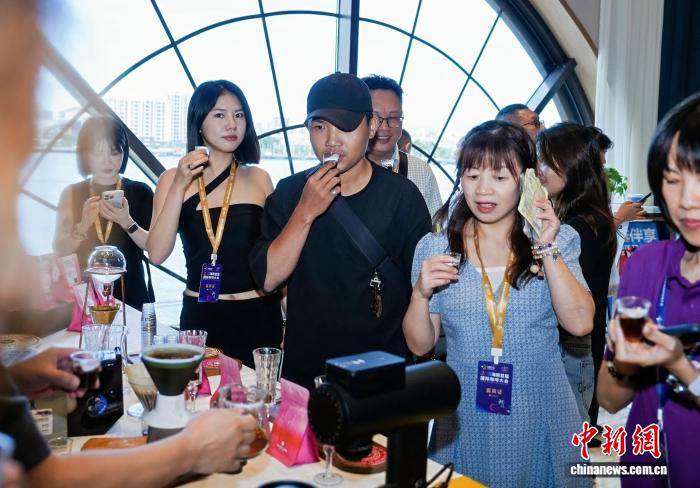
Core Viewpoint - The discussion of "consumption downgrade" has been replaced by the consensus of "consumption stratification," indicating a shift in consumer behavior towards valuing experience, identity, and future potential rather than merely seeking low prices [3][4]. Group 1: Consumer Behavior Trends - Consumers are increasingly emphasizing "value for money" rather than just low prices, showing a willingness to pay for "emotional value" in areas like tea drinks and supermarkets [3][4]. - Experience consumption is a major category for younger consumers, with activities such as travel, concerts, and outdoor events being prioritized [3][4]. - The new consumption trends are characterized by a focus on emotional and practical values, leading to the emergence of new economic sectors like toy economy, pet economy, and cultural creative economy [4]. Group 2: New Consumption Landscape - The retail sales of consumer goods reached 24.55 trillion yuan in the first half of the year, with a year-on-year growth of 5.0%, indicating steady growth in the overall market [4]. - New consumption is defined by diverse demands from target customer groups, driven by new technologies, concepts, and models, leading to continuous product and service innovation [4]. - The essence of new consumption lies in the innovation of product categories, scenarios, and the emotional connection consumers have with brands [4]. Group 3: Event Overview - The Shenzhen Craft Beer Festival and the Third Shenzhen Teao Festival aim to explore new consumption scenarios and promote night economy development [5][7]. - The event will feature various activities, including beer competitions, live music, and creative showcases, designed to create a vibrant social atmosphere [7][12]. - Over 70 brands will participate, fostering cross-industry collaboration and creative exchanges to inspire new lifestyle concepts [12][14]. Group 4: Brand and Market Insights - The event organizers recognize the importance of brand beliefs that can transcend cycles, memorable product expressions, and commercial language that reflects urban culture [14]. - The "CITYFORCE Annual Brand" initiative will be launched to identify brands that excel in commercial, user, and social value, showcasing innovation and experience [14].

从奶茶杯到黄金柜:新消费浪潮中,那些被忽略的投资密码
Sou Hu Cai Jing· 2025-08-22 10:17
Group 1: New Consumption Opportunities - The emergence of new consumption opportunities is evident in everyday scenarios, such as affordable beverages and jewelry, which reflect deeper commercial insights [1] - The success of brands like Mixue Ice City and Laopuhuang highlights the importance of understanding consumer needs and market dynamics [1][4] Group 2: Mixue Ice City's Business Model - Mixue Ice City has achieved remarkable growth through a low-price strategy and effective supply chain management, allowing it to dominate the market with over 30,000 stores [4][5] - The brand's ability to reduce costs by 30% through direct sourcing and efficient logistics has positioned it as a leader in the sub-10 yuan price segment [5][6] - The company's expansion into Southeast Asia demonstrates its adaptability, although challenges in markets like Australia reveal the limitations of its pricing strategy [7] Group 3: Laopuhuang's Unique Positioning - Laopuhuang has redefined the value of gold jewelry by integrating culture and craftsmanship, appealing to a younger, high-net-worth demographic [8][9] - The brand's premium pricing strategy is justified by the unique customer experience and cultural significance of its products, leading to higher customer loyalty [10][11] - Laopuhuang's cautious expansion strategy has preserved its brand prestige, contrasting with competitors' rapid growth [11] Group 4: Competitive Landscape in the Beverage Industry - The tea beverage market is segmented by price, with Mixue Ice City dominating the under-10 yuan segment, while brands in the 10-20 yuan range compete on supply chain efficiency [12][13] - The pressure on premium brands to lower prices indicates a shift in consumer preferences and market dynamics [12] Group 5: Investment Insights - Investors should focus on understanding the underlying supply chain dynamics and consumer behavior rather than relying solely on brand reputation [15][16] - Recognizing cultural and experiential value in products can lead to better investment decisions, as seen with Laopuhuang and Mixue Ice City [15][16] - Observing subtle market signals and consumer trends can provide valuable insights into future investment opportunities [16][18]

蜜雪冰城到东南亚卖咖啡,对手全是“瑞幸”
3 6 Ke· 2025-08-22 09:17
Core Viewpoint - Mixue Ice City is expanding its second growth curve overseas, with its coffee brand Lucky Coffee preparing to open five stores in Malaysia, potentially marking its first international venture [2]. Group 1: Company Expansion - Lucky Coffee is viewed as the next Mixue Ice City, having rapidly expanded to over 7,000 stores in China, making it the fourth largest fresh coffee brand domestically [2]. - The brand aims to replicate its low-price strategy in Malaysia, where it will face competition from local coffee brands that have adopted similar pricing models [2][3]. - Mixue Ice City has successfully expanded in Southeast Asia, with significant growth in Indonesia and Vietnam, indicating a proven strategy for entering new markets [6][10]. Group 2: Market Competition - Southeast Asia is home to several local coffee brands that mimic the business model of Luckin Coffee, including Fore Coffee, Flash Coffee, and ZUS Coffee, all of which have established a strong presence in the region [2][3]. - Flash Coffee recently went bankrupt due to overexpansion and lack of operational experience, highlighting the risks associated with rapid growth in competitive markets [4]. - Lucky Coffee's entry into Malaysia will require it to compete against established brands like ZUS Coffee and GIGI Coffee, which have already captured significant market share [9]. Group 3: Pricing Strategy - Lucky Coffee's strategy involves offering coffee at a price point of 6.6 yuan, which is lower than competitors, aiming to attract price-sensitive consumers in Malaysia [5][9]. - The brand's success in China was largely due to its integration with Mixue Ice City's supply chain, allowing for lower operational costs and competitive pricing [5][7]. - The coffee market in Southeast Asia is fragmented, with diverse consumer preferences, making it essential for Lucky Coffee to adapt its offerings to local tastes while maintaining its low-price strategy [3][10]. Group 4: Financial Performance - Luckin Coffee reported a revenue of 91.4 million yuan in Singapore for the first three quarters of 2024, but its expenses reached 167.7 million yuan, indicating challenges in achieving profitability in international markets [8]. - The overall coffee market in Southeast Asia is significantly smaller than that of China, which may limit the profitability potential for brands like Luckin Coffee and Lucky Coffee [10].