德邦股份

Search documents
北京消费活力释放的“N种可能”
Bei Jing Shang Bao· 2025-06-17 16:34
Group 1 - The total market consumption in Beijing increased by 1.3% year-on-year from January to May, with a slight improvement compared to the previous month [1] - The total retail sales of consumer goods reached 560.72 billion yuan, showing a decline of 3.1%, but the decline rate narrowed by 0.6 percentage points compared to the previous month [1] - Service consumption in areas such as information services and cultural entertainment grew by 4.9%, indicating a shift towards more diversified and segmented consumption patterns [1][10] Group 2 - Online retail sales in Beijing's wholesale and retail, accommodation, and catering sectors grew by 1.1% from January to May, supported by promotional events like "6·18" [3] - The opening of new physical stores, such as JD MALL locations, attracted significant foot traffic, indicating a successful integration of online and offline shopping experiences [3] - The express delivery business volume in Beijing reached 1.147 billion pieces, with a year-on-year growth of 6.71%, reflecting strong e-commerce consumption capabilities [3] Group 3 - The demand for home services, such as cleaning and pet care, has seen significant growth, with home cleaning orders increasing by 13% year-on-year [11] - The demand for domestic helpers and childcare services surged by 43% after the Spring Festival, highlighting a growing trend in service consumption [11] - The pet economy and other niche markets are expanding, contributing to the overall growth in service consumption [11] Group 4 - The consumption of craft beer is on the rise, with average prices for craft beer in Beijing ranging from 80 to 120 yuan, indicating a willingness among consumers to pay more for unique experiences [9] - The dining experience in craft beer bars has improved, with high occupancy rates and increased customer spending, reflecting a shift towards experiential consumption [8][9] - Instant retail businesses are tapping into home drinking scenarios, further diversifying the craft beer market [9]

英伟达、宇树都将参会,超百项新品首展,国家级供应链会议“链博会”7月举行
Xuan Gu Bao· 2025-06-17 08:18
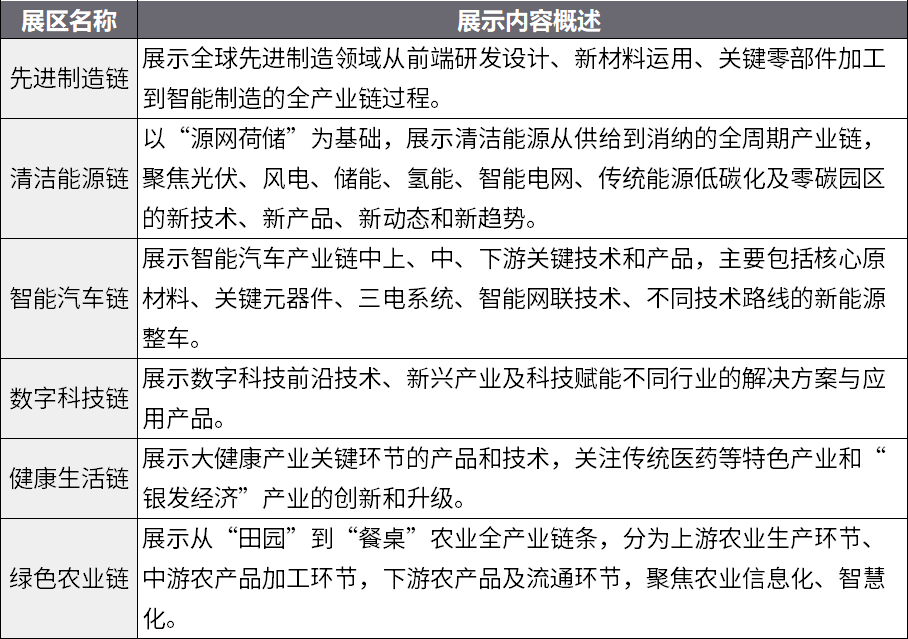
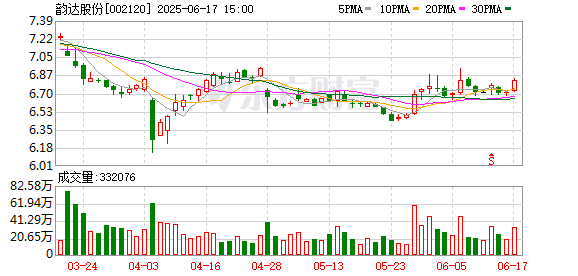
Event Overview - The third Chain Expo will be held from July 16 to July 20 in Beijing, themed "Linking the World, Co-Creating the Future" [1] - The event is the world's first national-level exhibition focused on supply chains, with over 650 participating companies and organizations from 75 countries and regions, including more than 65% of Fortune Global 500 and industry leaders [1] Exhibition Details - The expo will feature six major supply chain categories: Advanced Manufacturing Chain, Clean Energy Chain, Smart Automotive Chain, Digital Technology Chain, Health Living Chain, and Green Agriculture Chain [1] - Each category will showcase various aspects of the supply chain, from R&D and manufacturing to new technologies and products in clean energy and smart vehicles [1] Notable Participants - Major companies participating include Siemens, China National Chemical Corporation, China National Offshore Oil Corporation, and many others from the Fortune Global 500 [4] - Emerging companies such as Jiechuan Intelligent, Xinheng Pump Industry, and GAC Components will also be present [4] - Notable multinational companies like NVIDIA, Schneider, and L'Oréal will make their debut at the Chain Expo [4] Historical Performance - The second Chain Expo held on November 26, 2024, saw significant stock price increases for logistics and supply chain concept stocks, including Debon Logistics and Zhongchu股份 [2][3]

韵达被立案调查结果:58家加盟企业未实名收寄,罚4万元
Nan Fang Du Shi Bao· 2025-06-17 07:07
据国家邮政局最新披露,近日,韵达快递关联公司上海韵达货运有限公司因未按规定履行安全保障统一 管理责任被处以罚款4万元。邮政管理部门发现,部分韵达快递加盟企业存在未按规定执行实名收寄制 度、未按规定备案协议客户、违规收寄禁寄物品等行为。上海韵达货运有限公司作为韵达快递总部企 业,存在履行安全保障统一管理责任不到位问题,2025年3月,国家邮政局依法对其立案调查。 经查,天津、河北、山西、江苏、陕西等地共计58家韵达快递加盟企业(均与上海韵达货运有限公司签 订了快递业务加盟经营协议),存在未按规定执行实名收寄制度、未按规定备案协议客户、违规收寄禁 寄物品等违法行为,分别被邮政管理部门依法实施行政罚款或者停业整顿处罚。上海韵达货运有限公司 在其安全保障制度执行管理方面存在漏洞,存在管理措施不到位、不严格的问题,对相关58家加盟企业 发生的寄递安全违法行为,负有安全保障统一管理责任。 行政处罚内容显示:由于上海韵达货运有限公司履行安全保障统一管理责任不到位,并导致不良后果, 违反《快递暂行条例》第十九条规定,构成违法,依据《快递暂行条例》第四十一条规定,责令其改正 违法行为,对其处以罚款40000元的行政处罚。并要求 ...

前5个月快递业务量同比增长20.1% 智能技术促行业提质增效
Zheng Quan Ri Bao· 2025-06-16 16:28
Core Insights - The express delivery industry in China has shown significant growth, with a total of 861.8 billion items delivered in the first five months of the year, marking a 17.6% year-on-year increase [1] - The revenue from the postal industry reached 718.73 billion yuan, reflecting an 8% increase, while express delivery revenue was 592.46 billion yuan, up by 10.3% [1] Business Volume Growth - In the first five months, same-city express delivery reached 6.42 billion items, a 5.8% increase; intercity express delivery was 70.69 billion items, up 21.5%; and international/overseas express delivery totaled 1.66 billion items, growing by 22.4% [2] - The revenue share of express delivery in eastern, central, and western regions was 74%, 15.5%, and 10.5% respectively, with corresponding volume shares of 71.5%, 19.4%, and 9.1% [2] - The central and western regions saw slight increases in revenue and volume shares compared to the previous year, indicating a shift in logistics dynamics [2] Technological Advancements - Express delivery companies are investing in smart warehousing and intelligent sorting facilities, enhancing overall logistics efficiency and reducing costs [2] - The integration of AI and automation technologies is being prioritized, with initiatives to deploy unmanned vehicles and drones for delivery, improving service efficiency [4][5] - Companies like JD Logistics and SF Express are actively utilizing unmanned vehicles in multiple cities, aiming to enhance delivery efficiency and reduce operational costs [4][5] Market Trends - The growth in express delivery volume is attributed to the digitalization of consumption and changes in the supply chain, with online shopping becoming a prevalent lifestyle [3] - Policies aimed at boosting domestic demand, such as "old-for-new" exchange programs, are contributing to stable growth in online retail sales, further driving express delivery volumes [2][3]
如何看2025年5月消费数据?
Changjiang Securities· 2025-06-16 14:11
Investment Rating - The report does not explicitly state an investment rating for the industry, but it provides various investment recommendations across different sectors [48]. Core Insights - In May, the total retail sales of consumer goods reached 41,326 billion yuan, a year-on-year increase of 6.4%. Excluding automobiles, retail sales amounted to 37,316 billion yuan, growing by 7.0% [4][7]. - The report highlights a strong recovery in consumer spending, particularly in the restaurant sector, while the hotel industry continues to face challenges. The automotive sector is experiencing growth due to new car launches, and there is a positive outlook for the home appliance and consumer goods sectors [7][16][20][37]. Retail Sector Summary - Retail sales in May showed a month-on-month acceleration, with online sales gaining a larger share. The total retail sales of consumer goods in May increased by 6.4%, with a 1.3 percentage point increase from the previous month [13]. - The online retail sales of physical goods grew by 6.3% year-on-year in the first five months, accounting for 24.5% of total retail sales [13]. - Essential goods maintained good growth, with retail sales of staple food and daily necessities increasing by 14.6% and 8% respectively [14]. Food and Beverage Sector Summary - The restaurant sector saw a robust growth of 5.9% in May, marking the highest growth rate of the year. The hotel sector, however, continues to face pressure due to weak business travel demand [16]. - The report indicates that the liquor retail sales increased by 11.2% in May, with expectations for continued growth during peak seasons [32]. Automotive Sector Summary - In May, the automotive retail sales reached 4,010 billion yuan, with a year-on-year increase of 1.1%. The report emphasizes the strong performance of new energy vehicles, which saw a sales increase of 33% year-on-year [20][21]. - The report suggests that the automotive sector is likely to benefit from a price war, which may stimulate sales growth in the short term [21]. Home Appliance Sector Summary - The home appliance sector experienced a significant increase in retail sales, with a year-on-year growth of 53% in May. The report attributes this growth to government subsidies and the early start of the "618" shopping festival [37][42]. - The report highlights strong performance in various categories, including air conditioners and refrigerators, with online sales showing substantial growth [38]. Textile and Apparel Sector Summary - Retail sales in the textile and apparel sector increased by 4% in May, driven by holiday promotions and the early start of sales events [26]. - The report recommends focusing on domestic demand and the potential for growth in the mid-to-high-end segments of the market [26]. Consumer Goods Sector Summary - The report indicates a positive outlook for consumer goods, particularly in personal care and pet care segments, with retail sales of daily necessities growing by 8% in May [29][30]. - The report suggests that companies with strong brand recognition and consumer insights are well-positioned to capture market share [15].
美妆已死,医美当道?
阿尔法工场研究院· 2025-06-16 13:05
Core Insights - The beauty industry is transitioning from a phase of "easy growth" to a "complex new stage" globally, with significant challenges ahead [2][5] - The McKinsey report predicts a global beauty market size of $441 billion in 2024, with a growth rate of 7% from 2022 to 2024, but a decline to 5% from 2024 to 2030 [3][4] - The Chinese beauty market is projected to account for 15% of the global market in 2024, with a compound annual growth rate (CAGR) of 3% from 2019 to 2024, but a significant drop to -3% from 2021 to 2024 [7][10] Regional Analysis - The Chinese beauty market has lost $6.33 billion (approximately 454 billion yuan) over four years, indicating a downturn post-pandemic [7] - The beauty giants are now looking for growth opportunities in emerging markets, particularly in the Middle East, Africa, and India, which are showing higher growth rates [11][12] - In 2024, major companies like L'Oréal and Unilever are increasing investments in emerging regions, with Unilever investing in seven Indian brands [13][14] Category Opportunities - Skincare remains the largest category in the beauty market, accounting for 41%, followed by haircare (21%), color cosmetics (19%), and fragrance (19%) [17] - Fragrance has shown the highest growth rate of 8% from 2019 to 2024, and is expected to continue leading with a growth rate of 4-6% from 2024 to 2030 [18][20] - The demand for health, sun protection, and personal care products is rising, indicating a shift in consumer preferences towards efficacy and certainty [22][24] Growth Drivers - Future growth in the beauty industry will primarily come from volume rather than price increases, as consumers are increasingly focused on the real value of products [26][30] - Price increases have been met with consumer resistance, as seen with Estée Lauder and L'Oréal, indicating a need for brands to focus on product quality and differentiation [28][31] - The beauty market is being segmented into five price tiers, and brands must compete on product strength or pricing rather than simply lowering prices [30][32] Consumer Trends - There is a noticeable shift in consumer spending towards emotional and experiential purchases, as evidenced by high-value art sales and changing preferences in the beauty sector [33][34] - The focus on value, differentiation, and individuality will be key opportunities in the current market landscape [34]




淡季填仓大战升级,“毕业寄”这块肥肉不好吃了?
3 6 Ke· 2025-06-16 12:01
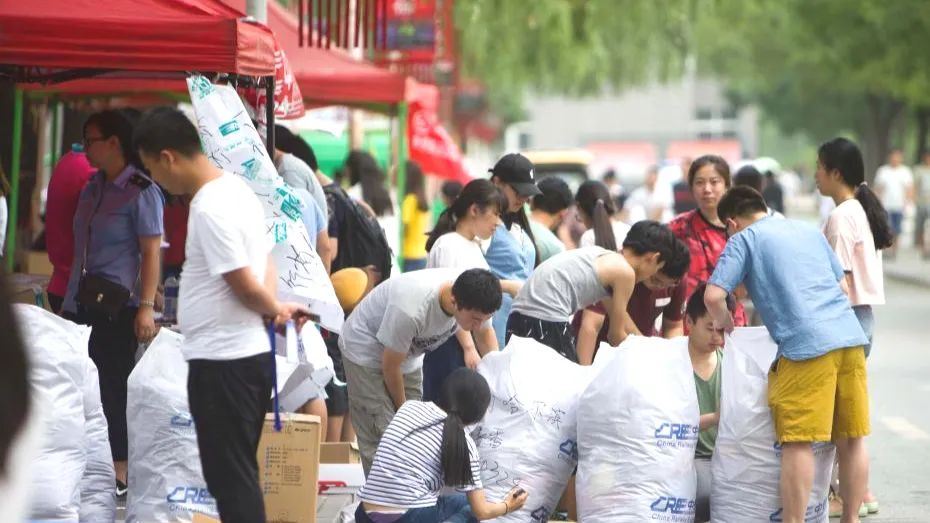
Core Insights - The graduation season has become a competitive battleground for express delivery companies, with nearly 12.22 million graduates from around 3,000 universities creating significant demand for luggage delivery services [2][3] - Major players like SF Express and JD Logistics are aggressively marketing their services, offering discounts and special promotions to capture market share [2][5] Group 1: Market Dynamics - The demand for luggage delivery during graduation is driven by a consumer mindset cultivated by years of market education, making it a natural choice for students [3] - Companies are leveraging the graduation season as a critical business opportunity, especially during a traditionally slow period for the express delivery industry [9] Group 2: Competitive Strategies - SF Express has introduced a "first order starting at 0 yuan" promotion for certified student members, aiming to attract the "Z generation" entering the workforce [5] - JD Logistics has also been proactive, providing free packing materials and on-site services to graduates, indicating a strategic push to enhance brand presence among young consumers [7] Group 3: Operational Challenges - The rapid increase in demand has led to operational challenges, including the need for significant staffing and resource allocation to handle peak periods effectively [10][14] - Issues such as price transparency and service reliability have emerged, with reports of unexpected fees and service shortcomings affecting customer experience [12][14] Group 4: Economic Considerations - The competitive landscape has intensified, leading to price wars where delivery costs have dropped below 1 yuan per kilogram, impacting profitability for companies [12] - Companies are exploring strategies like exclusivity agreements with universities to secure profitable contracts, but the trend of multiple service providers per campus complicates this approach [12]



央行与土耳其续签350亿元货币互换协议 南向资金成交创九周新高
Sou Hu Cai Jing· 2025-06-15 02:11
Group 1 - The People's Bank of China and the Central Bank of Turkey have renewed a bilateral currency swap agreement worth 35 billion RMB, equivalent to 189 billion Turkish Lira, with a validity of three years [1] - This agreement marks a new phase in financial cooperation between China and Turkey, facilitating cross-border settlements in local currencies and promoting bilateral trade and investment [3] - As of May 31, 2025, the People's Bank of China has signed bilateral currency swap agreements with 32 central banks, with an outstanding balance of 81.8 billion RMB utilized by foreign central banks [3] Group 2 - Southbound capital transactions reached a record high of 640.38 billion HKD this week, marking a 56.36% increase from the previous week [4] - Notable stocks with high trading volumes include Xiaomi Group-W, Alibaba-W, Meituan-W, and Pop Mart, each exceeding 20 billion HKD in total transactions [4] - Meituan-W saw the highest net buy of 3.605 billion HKD despite a 2.47% decline in stock price, indicating sustained interest from southbound capital [4] Group 3 - Three stocks experienced significant increases in holdings, with Yimai Sunshine, BYD Company, and China National Nuclear Power leading the growth at 116.02%, 40.38%, and 37.05% respectively [5] - Yimai Sunshine's holdings doubled to 40.776 million shares, despite a 17.21% drop in stock price, following the acquisition of 100% equity in Zhongya Diagnostics [5] - BYD Company reported a record weekly increase in holdings of 20.188 million shares, with a total of 70.1799 million shares held, as the company aims to standardize supplier payment terms to within 60 days [5]



「四大金刚」,挤满商场一楼
36氪· 2025-06-15 02:02
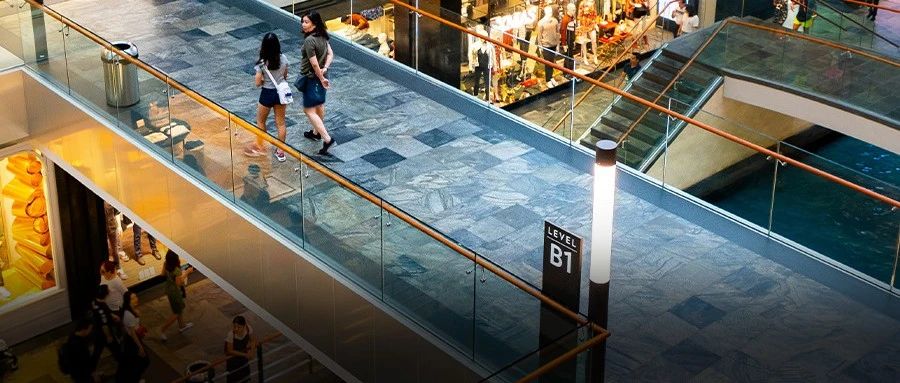
Core Viewpoint - The article discusses the transformation of shopping malls in China, highlighting the shift from traditional cosmetics brands to new categories such as trendy toys, outdoor sports, and tea beverage brands, referred to as the "Four Kings" of modern retail [6][11][12]. Group 1: Transformation of Retail Landscape - The flagship store of Innisfree, a Korean beauty brand, has been replaced by Pop Mart, a trendy toy company, symbolizing a broader trend in retail [6][8]. - The "Four Kings" now dominating mall spaces include trendy toys, outdoor sports, new energy vehicles, and diverse tea brands, reflecting changing consumer preferences [8][11]. - The vacancy rate in shopping malls has approached 14% in major cities, providing an opportunity for the "Four Kings" to establish a presence [11]. Group 2: Decline of Traditional Brands - The number of cosmetic counters in China has decreased from 15,415 in 2020 to 11,365 in 2022, with low-end cosmetics experiencing the most significant decline [11][12]. - High-end cosmetic brands like Chanel and Lancôme continue to maintain their presence in malls despite overall declines in sales [12][14]. Group 3: New Entrants and Market Dynamics - New energy vehicle brands have become prominent in malls, with Tesla being a pioneer in this space, shifting the focus from traditional car dealerships to experiential retail [18][19]. - The tea beverage market has seen rapid changes, with brands like Nayuki and Heytea adapting to consumer preferences, while others like Tiger Sugar have exited the market [22][24]. Group 4: Future Trends and Opportunities - The article notes that while the "Four Kings" dominate, there are still opportunities for emerging brands like Mao Geping, which has expanded rapidly in the offline market [32][35]. - The future of retail remains uncertain, with the potential for new categories to emerge and replace existing ones, indicating a dynamic and evolving market landscape [36].
「四大金刚」,挤满商场一楼
36氪· 2025-06-14 13:57
Core Viewpoint - The article discusses the transformation of shopping malls in China, highlighting the shift from traditional cosmetics brands to new categories such as trendy toys, outdoor sports, and tea beverage brands, referred to as the "Four Kings" of shopping malls [6][11][22]. Group 1: Transformation of Shopping Malls - The flagship store of Innisfree, a Korean beauty brand, has been replaced by Pop Mart, a trendy toy company, symbolizing a broader trend in retail [6][8]. - The "Four Kings" now dominating mall entrances include trendy toys, outdoor sports brands, new energy vehicles, and various tea beverage brands, reflecting changing consumer preferences [8][11]. - The vacancy rate in shopping malls has approached 14% in major cities, providing an opportunity for the "Four Kings" to establish a presence [11]. Group 2: Decline of Cosmetics Brands - The number of cosmetics counters in China has decreased from 15,415 in 2020 to 11,365 in 2022, with low-end cosmetics seeing the most significant decline [11][12]. - Many cosmetics brands are shifting online due to high rental costs and changing consumer habits, with a growing emphasis on natural beauty and fitness over makeup [11][12]. Group 3: New Entrants and Market Dynamics - New energy vehicle brands have become prominent in shopping malls, with Tesla being a pioneer in this space, leading to a shift in how vehicles are marketed and sold [18][19]. - The tea beverage market is highly dynamic, with brands like Nayuki and Heytea rapidly changing positions in high-demand locations, reflecting the fast-paced nature of consumer preferences [22][24]. Group 4: Future Trends and Opportunities - Despite the challenges, there are still opportunities for brands to thrive in shopping malls, as seen with the rise of domestic beauty brand Mao Geping, which has expanded significantly in physical retail [32][35]. - The article suggests that while the "Four Kings" currently dominate, the future may bring new competitors and shifts in consumer behavior that could alter the retail landscape again [36].