
东风股份

Search documents
利好!固态电池赛道,新进展!
Zheng Quan Shi Bao· 2025-11-23 11:03
Core Insights - The first large-capacity all-solid-state battery production line in China has been completed and is currently undergoing small-scale testing [1] - The all-solid-state battery technology is seen as a significant breakthrough in addressing "range anxiety" and "safety concerns" in the electric vehicle industry [1] - The energy density of the newly developed all-solid-state battery is nearly double that of existing batteries, enabling vehicles with over 500 kilometers of range to achieve more than 1000 kilometers [1] Industry Developments - Currently, no company globally has commercialized all-solid-state batteries, but several companies have set timelines for production and testing [2] - Companies like CATL and Changan Auto plan to achieve vehicle integration by 2027, with Changan's battery safety improved by 70% compared to liquid batteries [2] - The industry is expected to see a peak in pilot production lines in 2026, with small-scale commercialization anticipated by 2027 and a potential market scale of 100 GWh by 2030 [2] Technological Advancements - The transition from laboratory to pilot production for all-solid-state batteries is accelerating, with multiple companies initiating pilot line construction [3] - Key challenges include material systems, manufacturing processes, and cost reduction, with ongoing engineering validation of core processes [3] - The demand for equipment is expected to rise as pilot lines transition to GWh-level production, benefiting equipment manufacturers [3] Company Updates - SAIC Group has achieved full connectivity of its all-solid-state battery production line in Shanghai and plans to conduct vehicle testing in 2023 [4] - Penghui Energy has established its pilot line for solid-state batteries, with results pending further evaluation [4] - Baichuan Co. is monitoring the development of solid-state battery technology but has not yet initiated mass production [4] - The Chinese Association for Science and Technology emphasizes the need to overcome technical bottlenecks in manufacturing costs and lifecycle for solid-state batteries [4]




利好!热门赛道,新进展!
证券时报· 2025-11-23 11:01
国内已建成首条大容量全固态电池产线,目前正在小批量测试生产。 在新能源汽车产业迈向"续航焦虑"与"安全痛点"双重突破的关键节点,全固态电池技术迎来里程碑式进展。据 央视新闻报道,在广汽集团,国内首条大容量全固态电池产线建成,这在行业内率先具备了60安时以上车规级 全固态电池的批量量产条件。 广汽集团平台技术研究院新能源动力研发负责人祁宏钟表示,现在开发的全固态电池的能量密度比现有的电池 能量密度高了接近一倍。500公里以上续航的车使用之后达到1000公里以上的续航。计划是2026年可以进行小 批量的装车实验,2027年到2030年期间,可以逐步地进行批量生产。 固态电池产业化加速 固态电池,被业内称为"下一代电池技术的圣杯"。相比传统液态锂电池,它用固态电解质取代了易燃的液态电 解液,不仅能量密度更高,还具备本质安全、长寿命、宽温域等优势。正因如此,它被写入《新型储能制造业 高质量发展行动方案》,成为国家战略级技术攻关方向。 不过,当前全球范围内尚未有一家公司的全固态电池进入商业验证阶段。从量产时间表上看,宁德时代、中创 新航计划2027年实现全固态电池装车;长安汽车计划2025年底首发样车,2027年量产, ...


今年广州车展,一堆“豆包”上车了 | 巴伦精选
Tai Mei Ti A P P· 2025-11-23 08:04
Core Insights - The competition in the smart car industry is shifting from hardware capabilities to the sophistication of AI models, with the "Doubao" model leading in adoption among new mass-produced vehicles set to launch in 2025 [2][3][9] - The integration of large models into vehicles is moving from a novelty to a necessity, with companies focusing on the usability and effectiveness of these AI systems rather than just their presence [3][9] Industry Trends - The 2023 Guangzhou Auto Show highlighted a significant increase in the deployment of AI models in vehicles, with the "Doubao" model being integrated into a wide range of cars from luxury brands like Mercedes and Audi to mainstream models from Roewe and Changan Mazda [2][3][5] - The shift in power dynamics within the automotive industry is evident, as companies now prioritize the robustness of their AI model foundations and the real-world data they can leverage over traditional hardware specifications [3][7] Product Innovations - The "Doubao" model enhances user interaction in vehicles, exemplified by its implementation in the Mercedes-Benz EQ CLA, which improves interaction efficiency by 50% and can recognize four emotional states [5][6] - Other models, such as the Roewe M7 DMH, utilize the "Doubao" model for complex command execution, demonstrating the ability to understand nuanced language and perform multiple actions in response to a single command [6][7] Strategic Partnerships - Fire Mountain Engine has expanded its partnerships with major automotive brands, including Mercedes, BMW, and Volkswagen, integrating its AI capabilities into various aspects of vehicle operation and customer engagement [7][8] - The collaboration with Mercedes illustrates a comprehensive approach, extending beyond in-car systems to include digital marketing and customer lifecycle management [7][8] Future Outlook - The competitive landscape for AI in vehicles is still evolving, with the true measure of success lying in the ability to deeply integrate AI models into practical use cases and continuously iterate based on real-world data [9][10] - The challenge for Fire Mountain Engine will be to maintain its leading position while allowing automotive companies to retain brand identity and control over their technology [10]
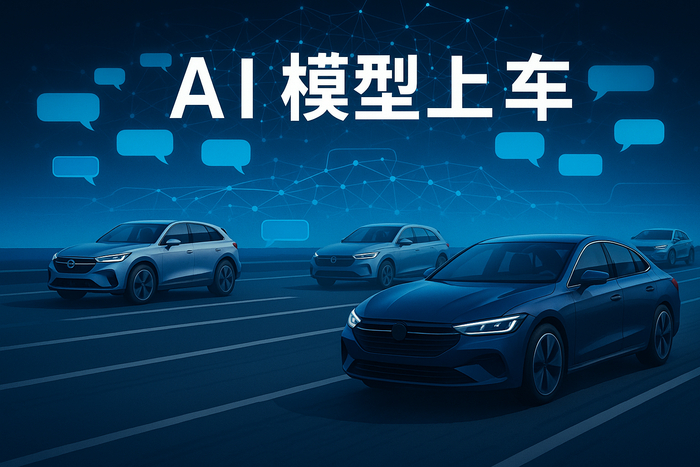
市场波动中,重点关注风电、锂电、储能等确定性高景气方向
SINOLINK SECURITIES· 2025-11-23 08:02
Investment Rating - The report suggests a focus on wind power and lithium battery/storage sectors due to their attractive valuation and growth potential, while also indicating a watchful eye on AIDC power, liquid cooling, distribution, and SOFC as they may show significant elasticity when AI sentiment improves [1][6]. Core Insights - The global capital market is experiencing significant volatility influenced by AI, but long-term trends such as global energy supply-demand shifts, domestic planning, and carbon reduction goals remain unchanged, making certain sub-industries attractive for investment [1][6]. - Wind power is highlighted as having a clear upward trend in demand, with low valuations and immunity to AI-related fluctuations, particularly following the initiation of a 2.8GW offshore wind project in Denmark [1][7]. - The lithium battery sector is seeing price increases, with the price of lithium hexafluorophosphate reaching 165,000 RMB/ton, a 27% year-on-year increase, indicating a strong outlook for the lithium battery supply chain [1][10]. Summary by Sections Wind Power - The Danish government has initiated a 2.8GW offshore wind project tender, marking a significant policy shift in Europe that is expected to stabilize industry growth [7]. - Daikin Heavy Industries has signed a major contract for offshore wind projects in Europe, with a contract value significantly exceeding expectations, indicating strong growth potential in service business expansion [8]. Lithium Battery/Storage - The lithium battery supply chain is experiencing price increases, with the average cost of lithium iron phosphate materials ranging from 15,714.8 RMB/ton to 16,439.3 RMB/ton, providing a benchmark for cost control [10][15]. - Guoxuan High-Tech has commenced mass production of standard battery cells for Volkswagen, marking a significant milestone in their strategic partnership [10]. Photovoltaics & Energy Storage - In October, battery component exports increased by 21% year-on-year, although terminal demand is expected to slow down towards the end of the year, suggesting a potential recovery in demand-side pessimism [18]. - The report recommends bottom-fishing in the photovoltaic sector, focusing on leading companies in solar storage, glass, low-cost silicon materials, and high-efficiency batteries/components [20]. Hydrogen and Fuel Cells - The green methanol industry is transitioning from policy-driven growth to commercial realization, with significant progress in project implementation and infrastructure [20]. - The establishment of a green methanol project in Inner Mongolia is expected to enhance production capacity and reduce costs, indicating a robust future for the green methanol market [21]. AIDC - NVIDIA's recent financial report shows a significant revenue increase, indicating strong market demand for liquid cooling solutions, which presents investment opportunities in this sector [23][24]. - The shift in NVIDIA's strategy to supply Level-10 systems directly to partners is expected to enhance the competitive advantage of companies providing comprehensive liquid cooling solutions [24][25]. Electric Grid - In October, major power equipment exports reached 6.3 billion USD, with a year-on-year increase of 8%, indicating a long-term high demand for overseas power equipment [26][27]. - The approval of several high-voltage direct current projects is expected to accelerate bidding and enhance order growth for related companies [28][29].

华为“最强境”奕境开启招商:东风与华为合力的境系列旗舰胜算几何?
经济观察报· 2025-11-23 07:33
Core Viewpoint - The collaboration between Dongfeng and Huawei to create the "Yijing" brand represents a new paradigm in the automotive industry, focusing on high-end household electric vehicles with significant investment and a dedicated team for three years [1][4]. Group 1: Strategic Collaboration - Dongfeng and Huawei have established a new cooperative model, investing over 10 billion yuan and forming a specialized team to develop the "Yijing" brand [1][4]. - The "Yijing" brand aims to leverage Dongfeng's insights from over 60 million family users and Huawei's advanced technologies to create a flagship product in the high-end household electric vehicle market [4][6]. Group 2: Market Positioning - The high-end electric vehicle market is experiencing substantial growth, with household models making up a significant portion of this segment [6]. - "Yijing" is positioned to meet the needs of families seeking high-quality living, integrating smart technology and reliable performance [6][8]. Group 3: Channel Strategy - The "1+N" channel model will be implemented, focusing on a user center as the core hub, complemented by multiple lightweight retail points to enhance service quality for high-end family users [6][7]. - The strategy aims to reduce internal competition among dealers while ensuring precise service for family users, with a clear regional protection mechanism to secure profitability [7]. Group 4: Future Outlook - The first model of "Yijing" is expected to debut at the 2026 Beijing Auto Show, with plans to launch at least one new model annually to build a comprehensive high-end household product lineup [7]. - The collaboration between Dongfeng and Huawei is seen as a benchmark for partnerships between state-owned enterprises and tech companies, potentially setting a new standard for traditional automakers transitioning to high-quality development in the electric vehicle sector [8].

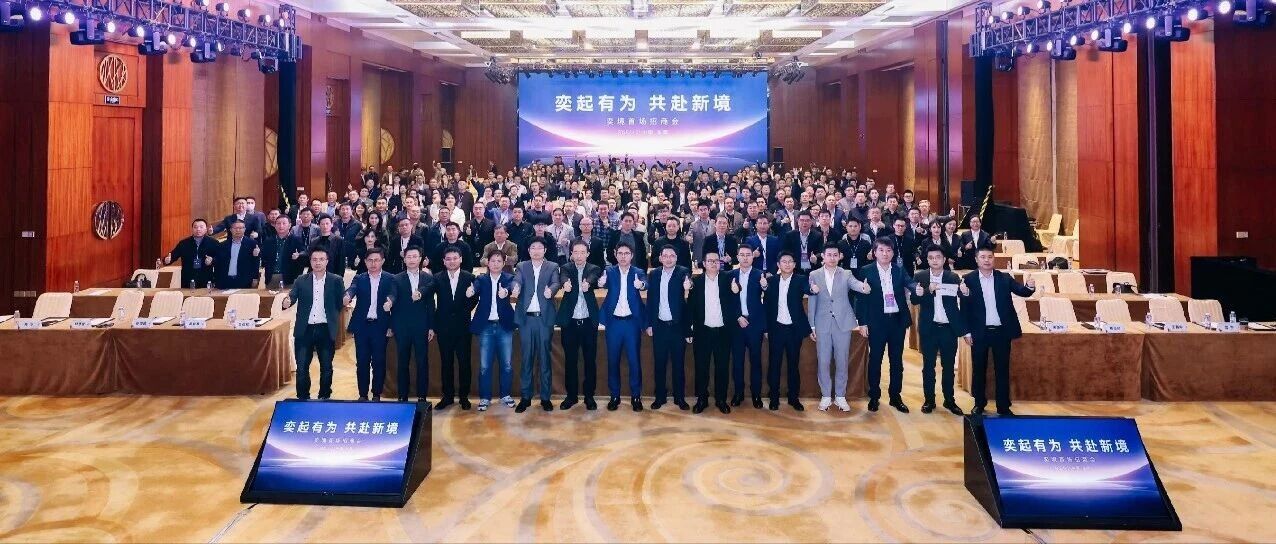
华为“最强境”奕境开启招商:东风与华为合力的境系列旗舰胜算几何?
Jing Ji Guan Cha Bao· 2025-11-23 06:53
Core Insights - The collaboration between Dongfeng and Huawei aims to establish the "Yijing" brand, targeting the high-end household electric vehicle market as the penetration rate of new energy vehicles in China is expected to rise by 2025 [2][4] - The partnership represents a new entrepreneurial venture for both companies, with a commitment to invest 10 billion yuan and develop a unique cooperative model [4][5] Industry Trends - The high-end electric vehicle market is experiencing significant growth, with household models making up a large portion of this segment [7] - The shift from "technology competition" to "experience competition" in the electric vehicle sector aligns with Yijing's positioning [7] Strategic Initiatives - Yijing has introduced a "1+N" channel model to create a service network tailored for high-end family users, emphasizing a user-centered approach [7][8] - The initial focus will be on the top 50 cities, with plans for gradual nationwide expansion [8] Market Validation - The dual endorsement from Dongfeng and Huawei has reduced market risks, while the clear regional protection mechanism ensures profitability for dealers [8] - The launch of the first Yijing model is planned for the 2026 Beijing Auto Show, with a commitment to release at least one new model annually [8]

雷军缺席!两大新主角联袂登场,“处处都有华为的身影”
中国基金报· 2025-11-23 03:14
Core Viewpoint - The 2025 Guangzhou International Auto Show highlights a shift in the automotive landscape, with significant participation from new players like Huawei's QianKun and a notable absence of established figures like Lei Jun from Xiaomi [4][6][10]. Group 1: Event Overview - The absence of key figures such as Lei Jun and Yu Chengdong has made the 2025 Guangzhou Auto Show feel less vibrant, but Huawei's QianKun has emerged prominently as a supplier and exhibitor [6][10]. - The proportion of new energy vehicles (NEVs) at the show reached 57.97%, up from 43.72% in the previous edition, indicating a growing trend towards electrification [4][14]. Group 2: Huawei's Role - Huawei QianKun has transitioned from a background role to a front-stage presence, showcasing partnerships with various automakers and emphasizing its smart automotive solutions [6][8]. - The collaboration between Huawei and automakers like Avita has deepened, with a focus on upgrading their partnership to include comprehensive areas such as user insights and product development [10]. Group 3: Trends in the Automotive Industry - The show revealed three major trends: the rise of large-scale and personalized vehicle models, the ongoing debate between pure electric and range-extended technologies, and the increasing importance of AI in automotive innovation [14][22]. - A total of 1,085 vehicles were displayed, with 629 being NEVs, reflecting a strong consumer interest in electric vehicles [14][17]. Group 4: Technological Innovations - AI technology is becoming a core driver of change in the automotive industry, with companies like Xpeng showcasing advancements in AI applications and autonomous driving capabilities [22][26]. - Several automakers are focusing on enhancing their AI capabilities, with plans to integrate advanced features into their vehicles, such as intelligent navigation and emergency response systems [27][28].

雷军缺席!两大新主角联袂登场 “处处都有华为的身影”
Zhong Guo Ji Jin Bao· 2025-11-23 03:04
Core Insights - The absence of key figures like Lei Jun at the 2025 Guangzhou Auto Show marks a shift in the automotive landscape, with Huawei's new brand, Huawei QianKun, emerging as a significant player [2][4] - The proportion of new energy vehicles (NEVs) at the show increased to 57.97% from 43.72% in the previous edition, highlighting the growing importance of NEVs in the market [2][8] Group 1: Industry Trends - The 2025 Guangzhou Auto Show showcased 1,085 vehicles, with 629 being NEVs, indicating a strong consumer interest in electric vehicles [8] - The event highlighted three major trends: the rise of personalized and large-volume models, the pursuit of individuality by automakers, and the ongoing debate between range-extended and pure electric technologies [9][10] Group 2: Huawei's Role - Huawei QianKun transitioned from a background supplier to a prominent exhibitor, showcasing partnerships with various automakers and emphasizing its smart automotive solutions [4][5] - The collaboration between Huawei and automakers like Avita is deepening, with a focus on upgrading their partnership to include comprehensive areas such as user insights and product development [4][5] Group 3: New Energy Vehicles - The introduction of new brands like "Qijing" by GAC Group in collaboration with Huawei aims to target the high-end smart NEV market, with plans to launch models priced around 350,000 yuan [5][6] - The competition between range-extended and pure electric vehicles remains a hot topic, with companies like NIO advocating for pure electric technology while others explore hybrid solutions [10] Group 4: AI Integration - AI technology is becoming a central theme, with companies like Seres and XPeng showcasing advancements in AI-driven automotive solutions [11][12] - XPeng's focus on AI applications, including autonomous driving and humanoid robots, reflects a broader trend of integrating AI into the automotive industry [12][14]

雷军缺席!两大新主角联袂登场,“处处都有华为的身影”
Zhong Guo Ji Jin Bao· 2025-11-23 02:55
Core Insights - The absence of key figures like Lei Jun at the 2025 Guangzhou Auto Show marks a shift in focus towards new players like Huawei's QianKun, highlighting a "new entrants, old exits" trend in the automotive industry [4][6] - The proportion of new energy vehicles (NEVs) at the show increased significantly to 57.97% from 43.72% in the previous edition, indicating a growing market presence for NEVs [4][11] Group 1: Industry Trends - The 2025 Guangzhou Auto Show showcased 1,085 vehicles, with 629 being NEVs, reflecting a strong consumer interest in electric vehicles [11] - A notable trend is the increasing emphasis on large, personalized vehicle models, with several companies launching flagship MPVs and SUVs during the event [13][14] - The competition between pure electric and range-extended technologies remains a hot topic, with various companies showcasing their respective advancements in these areas [15][16] Group 2: Company Collaborations - Huawei's QianKun brand is gaining traction as a key player, collaborating with multiple automakers like Avita and Dongfeng to enhance their vehicle offerings [8][9] - Avita and Huawei announced a strategic partnership to upgrade their collaboration model, expanding their joint efforts across various domains including product development and marketing [8] - The partnership between GAC Group and Huawei's QianKun aims to launch a high-end smart NEV brand named "Qijing," targeting the 350,000 yuan market segment [9] Group 3: Technological Innovations - AI technology is becoming a central theme at the auto show, with companies like Seres showcasing their advancements in smart electric vehicle platforms [16][19] - Xiaopeng Motors introduced several AI-driven applications, including a new generation of autonomous driving technology, set to enter mass production by 2026 [19][20] - The event highlighted the importance of self-developed capabilities in AI and autonomous driving among new automotive players, indicating a shift towards integrated technological solutions [20]
2025年10月中国货车进出口数量分别为0.03万辆和7.48万辆
Chan Ye Xin Xi Wang· 2025-11-23 02:22
Core Insights - The report highlights a significant decline in China's truck imports and a notable increase in exports for October 2025, indicating a shift in the market dynamics within the truck industry [1] Import and Export Data - In October 2025, China's truck imports totaled 0.03 thousand units, representing a year-on-year decrease of 26.6%, with an import value of 0.26 million USD, down 21% [1] - Conversely, truck exports reached 7.48 thousand units in October 2025, showing a year-on-year growth of 35%, with an export value of 13.73 million USD, an increase of 32.4% [1] Industry Context - The report is based on data from China Customs and is part of a broader market research initiative by Zhiyan Consulting, which specializes in industry research and investment insights [1]
