
抖音

Search documents
当小红书和高德坐在同一牌桌
Xin Lang Cai Jing· 2025-10-24 05:27
Core Insights - The local lifestyle sector is experiencing renewed competition among major players, including Alibaba's Taobao, Xiaohongshu, and Gaode, as they seek to capture a share of the trillion-yuan market [1][3] - New entrants like Gaode and Xiaohongshu are focusing on in-store consumption, leveraging their unique strengths to differentiate themselves in a crowded market [3][4] Group 1: New Players and Strategies - Gaode has launched the "Street Ranking" feature, emphasizing user-generated content and real-time feedback, with a promotional budget exceeding 1 billion yuan in its first month [3][4] - Xiaohongshu is introducing the "Xiaohong Card," offering discounts and focusing on user-generated content to enhance consumer decision-making [5][17] - Both companies are not viewing each other as direct competitors but are entering the same market space, leading to potential audience overlap [4][6] Group 2: Merchant Adaptation - Merchants are increasingly adopting multi-platform strategies to maximize exposure and sales, with some reporting increased revenue despite higher operational costs [9][12] - The shift from single-platform focus to multi-platform adaptation is becoming a survival necessity for businesses in the competitive landscape [12][10] - Different platforms have unique operational rules, requiring merchants to invest time and resources to navigate these complexities effectively [10][11] Group 3: Content to Transaction Dynamics - The primary focus of most players remains on in-store consumption, with platforms aiming to influence consumer decision-making through content-driven strategies [13][15] - Douyin has successfully integrated short video content with low-price group buying, significantly boosting merchant sales [15][16] - Xiaohongshu aims to leverage its community-driven content to enhance the value of its offerings, while Gaode faces challenges in creating a compelling content strategy [16][18]


今年双十一,平台打起“技术战”
3 6 Ke· 2025-10-24 03:31
Core Insights - The 2023 Double 11 shopping festival marks a significant shift towards AI integration in e-commerce, with major platforms like Tmall and JD emphasizing the role of technology over traditional price and traffic competition [1][4][6] - AI has transitioned from a supporting role to a central figure in the e-commerce ecosystem, impacting various operational aspects such as product selection, marketing, customer service, and logistics [4][6][15] - The advancements in AI technology, particularly in computing power, data, and model performance, have enabled a large-scale application of AI in e-commerce, moving beyond pilot projects to substantial value realization [6][15] Group 1: AI Integration in E-commerce - Tmall and JD have introduced various AI applications aimed at enhancing the shopping experience, such as "AI万能搜" and "京言AI导购," which assist consumers in product selection and decision-making [7][9] - The AI tools launched by these platforms are designed to address consumer pain points throughout the shopping process, from pre-purchase decision-making to post-purchase support [9][10] - The shift towards AI-driven e-commerce is seen as a necessary evolution in the industry, as traditional competition based on traffic and pricing has led to high marketing costs and homogenization [6][15] Group 2: Differentiation Among Platforms - Each e-commerce platform has developed unique AI functionalities tailored to their user base, with Tmall focusing on user-centric solutions and JD emphasizing a comprehensive AI system for both consumers and merchants [9][11] - Tmall's AI applications, such as "拍立淘" and "AI清单," enhance user experience by providing personalized recommendations and simplifying the shopping process [10][11] - JD's AI capabilities, including 24/7 customer service through AI agents, aim to improve operational efficiency, although there are still gaps compared to human service [10][11] Group 3: Future Trends and Challenges - The integration of large models in e-commerce is transforming the shopping experience, allowing for conversational interactions that lower decision-making barriers for consumers [15][17] - Despite the potential of AI to enhance shopping efficiency, challenges remain, including unclear definitions of AI shopping scenarios and varying user experiences across platforms [18] - The long-term impact of AI on e-commerce will focus on user-centric innovations that enhance convenience and personalization while supporting sustainable growth for merchants [18][19]


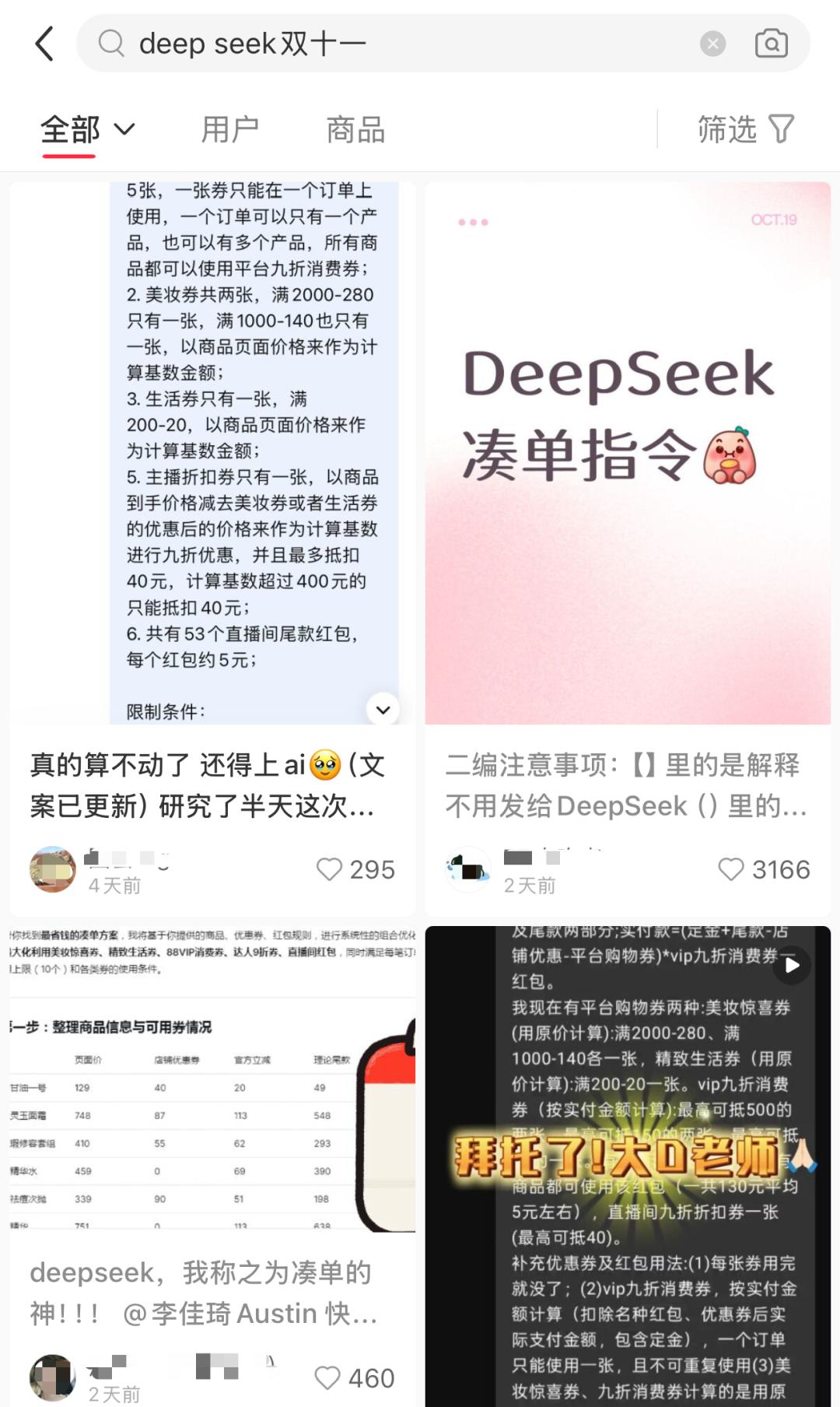
一个更“友好”的双十一,藏着一场更复杂的平台暗战
Tai Mei Ti A P P· 2025-10-24 02:30
Core Insights - The excitement surrounding the Double Eleven shopping festival is diminishing, leading to a phenomenon termed "shopping fatigue" among consumers [1] - E-commerce platforms are adapting to this maturity by extending promotional periods and seeking innovative ways to re-engage consumers [1] Group 1: Changes in Promotional Strategies - Major platforms are simplifying their promotional strategies, with Tmall adopting a transparent pricing model and JD.com focusing on direct discounts [2][3] - Despite these efforts, consumer feedback indicates confusion over complex discount structures, leading to dissatisfaction [2][3] - The introduction of AI technologies in promotions marks a shift towards enhancing user experience and operational efficiency [3] Group 2: Instant Retail and Market Competition - The extension of the Double Eleven period highlights the narrowing of traffic dividends, prompting platforms to explore instant retail as a growth avenue [4][5] - JD.com and Tmall are heavily investing in instant retail, with JD.com acquiring a local delivery subsidiary to enhance last-mile delivery capabilities [5][6] - The instant retail market is projected to exceed 2 trillion yuan by 2030, with a compound annual growth rate of over 25% [6] Group 3: Emergence of Content E-commerce - The rise of new players in the e-commerce space is leading to a multi-polar competitive landscape for Double Eleven [7][9] - Platforms like Xiaohongshu are leveraging a "buyer influencer" model to drive sales, achieving significant sales figures during the festival [9][10] - Live-streaming e-commerce is becoming a core growth driver for platforms like Douyin and Kuaishou, with substantial year-on-year sales increases reported [10] Group 4: E-commerce Evolution - The competition is shifting from traditional e-commerce models to content-driven approaches, where the focus is on creating consumption scenarios through content [10][11] - The duality of traditional and content e-commerce is reshaping consumer choices, indicating a new phase for the Double Eleven festival [11]
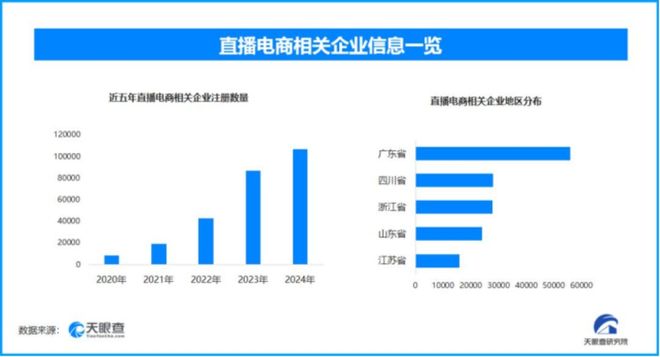
中信证券:“双11”大促开启,运动户外表现亮眼
Zhong Zheng Wang· 2025-10-24 01:13
Core Insights - The 2025 "Double 11" shopping festival is set to begin soon, with major platforms like Tmall, JD.com, Pinduoduo, and Kuaishou starting their promotional events earlier than last year [1] - The promotional periods for these platforms will last approximately one month, maintaining stable discount levels compared to the same period last year [1] - In the sports and outdoor category, discounts on promotional products range from 50% to 70% after applying various coupons and discounts [1] - Early sales results indicate strong performance on platforms such as Tmall, JD.com, and Douyin, with the sports and outdoor category showing notable strength [1] - Recent lower temperatures across many regions may stimulate winter clothing consumption [1]

为了让更多用户关注热点,小红书要与微博battle
3 6 Ke· 2025-10-23 23:46
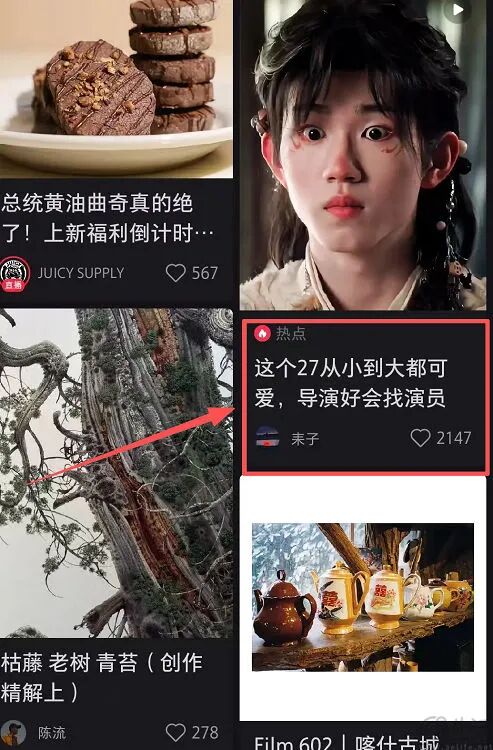
Core Insights - Xiaohongshu is targeting Weibo as a new competitor by launching a trending topics feature on its app, which aims to enhance user engagement and content discovery [1][3] Group 1: Trending Topics Feature - The trending topics feature on Xiaohongshu focuses on real-life sharing and emerging lifestyle trends, analyzing user interactions to curate relevant content [3][5] - The trending topics are increasingly incorporating non-lifestyle content such as entertainment, finance, and sports, indicating a broadening of content boundaries [3][5] - The trending topics are presented similarly to other content, marked only by a "hot" label, allowing users to easily access related content [3][4] Group 2: User Engagement and Content Strategy - Xiaohongshu's trending topics aim to enhance user interaction and drive traffic by providing creators with direction on popular content [4][5] - The platform is transitioning from a lifestyle guide to a lifestyle interest community, which increases its opportunities to capture trending topics [5] - The challenge for Xiaohongshu lies in maintaining user trust and avoiding the pitfalls of information overload while introducing new content [5][9] Group 3: Commercialization and Competition - Although Xiaohongshu claims that its trending topics feature currently has no advertising placements, the potential for future commercialization remains [7][9] - Competing platforms like Weibo and Douyin have established trending mechanisms, creating pressure for Xiaohongshu to differentiate itself [7][9] - Xiaohongshu emphasizes "real user discussions" as a key differentiator, positioning itself against criticisms of other platforms' trending content being overly commercialized [7][9]

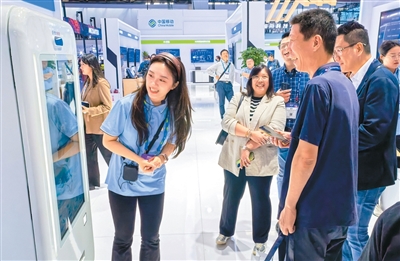
你刷的短视频,标注“AI生成”了吗?
Ren Min Ri Bao Hai Wai Ban· 2025-10-23 23:05
Core Viewpoint - The implementation of the "Artificial Intelligence Generated Synthetic Content Identification Measures" in China mandates explicit and implicit labeling for all AI-generated content, aiming to enhance transparency and combat misinformation in the digital landscape [4][9][10]. Regulatory Framework - The new regulations require all AI-generated text, images, and videos to have a clear identification, referred to as a "digital identity card" [4][5]. - The measures include both explicit labeling, which is easily noticeable by users, and implicit labeling, which embeds metadata within the content for traceability [6][7]. Industry Impact - As of June 2025, the user base for generative AI in China is projected to reach 515 million, highlighting the rapid growth and potential challenges in content verification [5]. - Major platforms like Douyin, Kuaishou, and Xiaohongshu are already implementing these identification measures, enhancing user awareness and compliance with the new regulations [8][9]. Technical Specifications - Explicit labels must be clearly visible and placed at the beginning, end, or key positions of the content, while implicit labels involve embedding metadata that includes identifiers and verification information [6][7]. - The regulations aim to create a comprehensive governance model that covers the entire content lifecycle, from creation to distribution [7][10]. Social Responsibility - The measures are designed to mitigate the risks associated with AI-generated misinformation, particularly targeting vulnerable populations who may be misled by unverified content [9][10]. - The initiative encourages companies to integrate ethical considerations into their technology development processes, promoting responsible AI usage [10].
助贷新规落地观察:银行向头部化平台集中
Bei Jing Shang Bao· 2025-10-23 16:21
Core Insights - The implementation of the "New Lending Regulations" is leading to a significant restructuring of collaborations between banks and internet platforms, with a focus on consolidating partnerships with major platforms like Douyin, JD.com, Ant Group, and Du Xiaoman, while smaller platforms are being pushed out of the market [1][3][5]. Group 1: Industry Trends - The new regulations have prompted banks to prioritize partnerships with large platforms due to their compliance, risk management capabilities, and extensive user bases, which help mitigate risks [3][5]. - The shift towards major platforms is seen as a response to increasing competition in retail finance, narrowing interest margins, and rising customer acquisition costs [3][10]. - The focus on a "head platform" strategy is expected to enhance industry concentration and standardization, rather than lead to monopolistic practices [5][11]. Group 2: Risk Management - The introduction of a 24% interest rate cap is a critical aspect of the new regulations, aimed at preventing high-risk clients from entering the financial system, as clients with rates above 36% have shown a 60% default rate [6][7]. - Banks are encouraged to implement differentiated pricing based on credit scores, income stability, and consumption scenarios, while also utilizing big data for dynamic interest rate adjustments [7][11]. - There are concerns that the tightening of lending channels may lead to credit chain disruptions for high-risk clients, potentially increasing default rates and impacting banks' asset quality [6][8]. Group 3: Operational Adjustments - Banks are advised to enhance their digital risk management capabilities and innovate service offerings to balance compliance with profitability [8][11]. - The competitive landscape is shifting, with larger banks focusing on self-operated loan businesses while smaller banks struggle with high customer acquisition costs and reliance on external platforms [9][10]. - The transition from high-interest, high-risk lending to a model of "thin profit, high volume, and value-added services" is becoming essential for banks to maintain profitability in a regulated environment [11][12].

助贷新规落地观察:银行分化调整,流量争夺进入“下半场”
Bei Jing Shang Bao· 2025-10-23 13:31
Core Viewpoint - The implementation of the "New Lending Regulations" is leading to a significant restructuring of cooperation between banks and internet platforms, with a trend towards consolidation among major platforms, pushing smaller ones out of the market [1][3]. Group 1: Industry Trends - The new regulations have prompted banks to focus their partnerships on major platforms like Douyin, JD.com, Ant Group, and Du Xiaoman, reflecting a shift towards larger, more established entities [3][5]. - Banks are increasingly discontinuing partnerships with mid-tier platforms due to rising customer acquisition costs and declining traffic quality, favoring collaborations with larger platforms that offer better risk management and customer data [3][4]. Group 2: Risk Management - The introduction of a 24% interest rate cap is a critical focus, as it aims to prevent high-risk clients from entering the financial system, with previous high-interest clients potentially facing credit disruptions due to reduced funding channels [6][8]. - Banks are adopting stricter due diligence processes for selecting partners, emphasizing the need for platforms with strong compliance and risk management capabilities [4][5]. Group 3: Customer Acquisition and Costs - The cost of acquiring a customer has increased significantly, from approximately 1400 yuan to around 2000 yuan, highlighting the challenges faced by banks in attracting clients in a competitive environment [11]. - Smaller banks, particularly private and regional banks, are struggling with high customer acquisition costs and are heavily reliant on platform traffic for client growth [10][11]. Group 4: Strategic Responses - Banks are encouraged to refine their risk management strategies and develop differentiated pricing models based on customer behavior data to enhance competitiveness [12]. - The shift in focus from high-interest, high-risk lending to a model of "thin profit margins and value-added services" is seen as essential for maintaining profitability while adhering to regulatory requirements [12].

今年双十一,AI集中上岗
Sou Hu Cai Jing· 2025-10-23 11:25
Core Insights - The 2023 Double 11 shopping festival marks a significant shift towards AI integration in e-commerce, with major platforms like Tmall and JD.com emphasizing the role of technology over traditional price and traffic competition [3][6][12] - AI is no longer just a supplementary tool but has become a central component in the operational strategies of e-commerce platforms, fundamentally altering the competitive landscape [6][8][24] Group 1: AI Integration in E-commerce - Tmall announced the first fully AI-integrated Double 11, while JD.com highlighted the deep integration of technology in this year's event, indicating a transition from price wars to technology-driven competition [3][6] - The advancements in AI technology, particularly in computing power, data, and models, have enabled e-commerce to move from limited trials to large-scale applications, enhancing operational efficiency [6][12][24] Group 2: AI Applications and Consumer Experience - AI applications have been introduced to enhance consumer experience, with Tmall launching six AI shopping tools aimed at improving decision-making and product selection [8][15] - JD.com’s AI features, such as the JD Tongyan AI guide, provide personalized recommendations based on user queries, similar to Tmall's offerings [17][18] Group 3: Future of E-commerce with AI - The integration of AI is expected to redefine e-commerce models, with a focus on personalized shopping experiences and operational efficiency for merchants [21][24] - The shift towards AI as a primary shopping interface is anticipated to lower decision-making barriers for consumers, particularly benefiting those less familiar with e-commerce [21][23]

双十一大促:闪购与AI成为新变量
HTSC· 2025-10-23 11:17
Investment Rating - The report maintains an "Overweight" rating for the internet sector, specifically recommending "Buy" for JD Group and Alibaba [6]. Core Insights - The 2025 Double Eleven shopping festival is characterized by three key trends: extended promotional timelines, the introduction of flash sales as a new fulfillment method, and accelerated application of AI in e-commerce [1]. - The competition among platforms remains intense, with a focus on acquiring market share through early promotional activities and enhanced discount strategies [2][10]. - The integration of flash sales into the Double Eleven event marks a significant shift, combining local and distant e-commerce to create new consumption scenarios [3][16]. Summary by Sections Promotional Strategies - The promotional period for Double Eleven has been extended, with platforms like Taobao and JD increasing their event durations compared to 2024 [9][10]. - Discount strategies have evolved, with platforms moving from cross-store discounts to simpler direct discounts, aiming to enhance user experience and reduce return rates [12][13]. Flash Sales and AI Integration - Flash sales have been introduced for the first time in Double Eleven, with both Taobao and JD leveraging local retail partnerships to improve delivery efficiency [3][19]. - AI tools are being heavily invested in by platforms, with various applications aimed at enhancing user experience and operational efficiency for merchants [4][20]. User Engagement and Membership Benefits - Membership programs like Taobao's 88VIP and JD's PLUS have seen increased benefits, with significant discounts and exclusive offers aimed at retaining core users [14][15]. - The number of active users on both Taobao and JD has shown notable growth, attributed to the introduction of flash sales and enhanced promotional activities [20][26]. Merchant Support and Policy Changes - Platforms are lowering entry barriers for merchants, with initiatives to simplify the onboarding process and reduce operational costs [31][32]. - There has been a contraction in commission-free policies compared to previous years, indicating a shift towards a more balanced approach to profitability and merchant support [33].