今世缘

Search documents
中证全指食品、饮料与烟草指数报12699.63点,前十大权重包含泸州老窖等
Jin Rong Jie· 2025-05-26 08:15
Core Viewpoint - The China Securities Index for Food, Beverage, and Tobacco has shown a slight decline of 0.85% over the past month, but a growth of 3.91% over the last three months, with a year-to-date decrease of 1.78% [1] Group 1: Index Performance - The China Securities Index for Food, Beverage, and Tobacco is currently at 12,699.63 points [1] - The index is categorized into 11 primary industries, 35 secondary industries, over 90 tertiary industries, and more than 200 quaternary industries [1] Group 2: Major Holdings - The top ten weightings in the index are as follows: Yili Group (11.01%), Kweichow Moutai (10.74%), Wuliangye (9.12%), Shanxi Fenjiu (6.74%), Luzhou Laojiao (6.45%), Haitian Flavoring (5.32%), Dongpeng Beverage (4.24%), Yanghe Brewery (2.92%), Jinshiyuan (2.45%), and Shuanghui Development (1.84%) [1] - The Shanghai Stock Exchange accounts for 61.18% of the index holdings, while the Shenzhen Stock Exchange accounts for 38.82% [1] Group 3: Industry Composition - The industry composition of the index includes: Baijiu (46.70%), Dairy Products (12.47%), Seasonings and Cooking Oils (12.08%), Other Foods (7.99%), Soft Drinks (6.64%), Beer (4.75%), Snack Foods (4.09%), Meat Products (3.26%), Wine and Others (1.22%), and Huangjiu (0.81%) [2] Group 4: Sample Adjustment - The index samples are adjusted biannually, with adjustments occurring on the next trading day after the second Friday of June and December [2] - Weight factors are generally fixed until the next scheduled adjustment, with temporary adjustments made in response to special events affecting sample companies [2]






中国首个战略方法论诞生,“战略三角”为中国企业打造品牌提供新思路
Cai Jing Wang· 2025-05-26 07:29
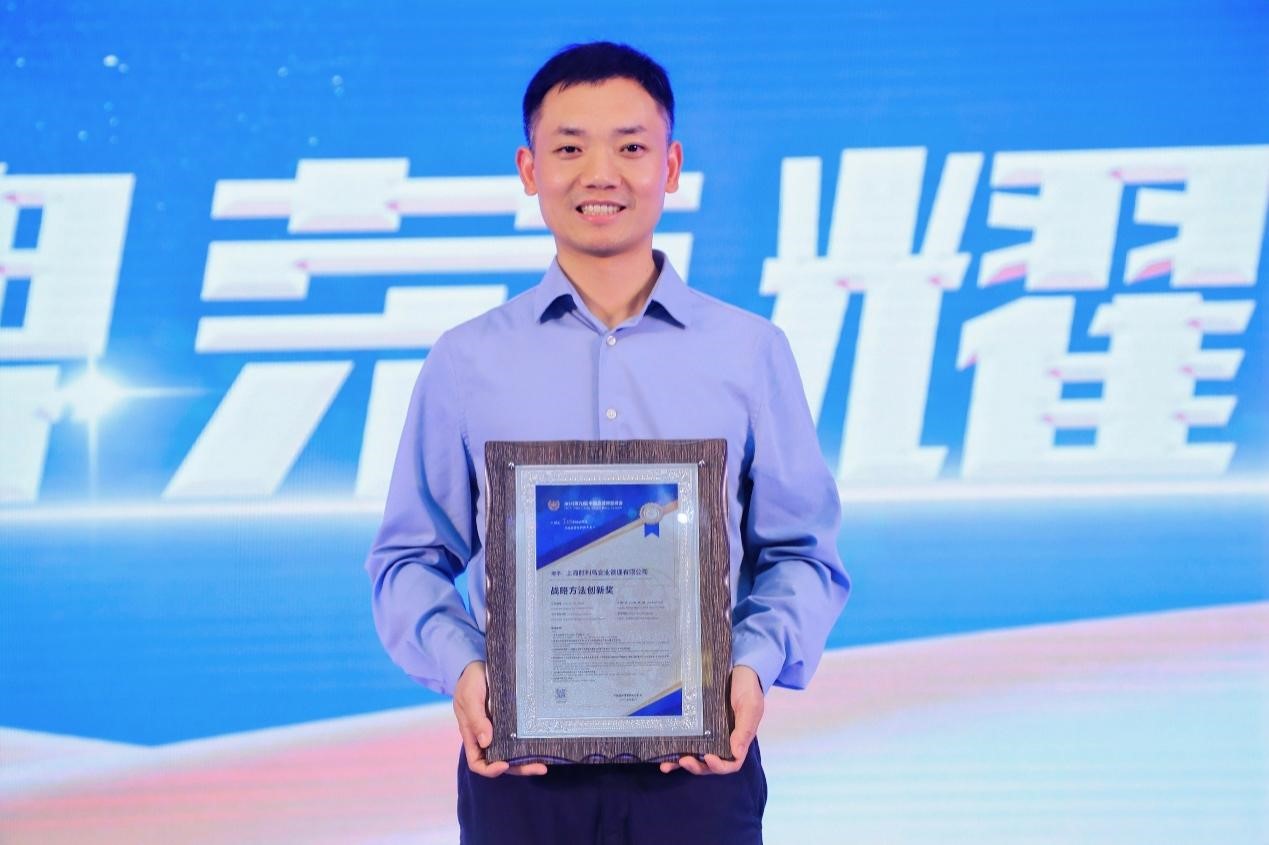
Core Insights - The 9th China Brand Boao Summit was successfully held on May 24, 2025, with the theme "Building Brand Development Together" [1] - The summit featured prominent companies such as Huawei, CATL, Meituan, JD.com, and Alibaba, among others [1] - The "Strategic Methodology Innovation Award" was established to encourage Chinese strategic consulting firms to contribute to the development of domestic brands [1][3] - The "Strategic Triangle" proposed by Victory Bird Consulting won the award for its scientific rigor and practical results [1][3] Group 1: Strategic Triangle Methodology - The "Strategic Triangle" effectively combines "strategy, preparedness, campaign, and tactics" into a cohesive strategic system, providing practical tools for building domestic and global brands [3] - The methodology is inspired by ancient Chinese wisdom and incorporates Western branding theories, tailored to the practices of Chinese enterprises [3][8] - Victory Bird Consulting's founder, Zhu Hongren, emphasized the need for "scientific strategy" to ensure stable growth, contrasting it with methods overly reliant on subjective creativity and experience [8] Group 2: Recognition and Impact - Zhu Hongren was recognized as the only strategic expert in the "2025 Annual China Brand Observers List," highlighting the professional level of Victory Bird Consulting [8] - The methodology has been praised for its scientific value and ability to guide enterprises in avoiding developmental pitfalls [11] - The innovative approach of Victory Bird Consulting marks a significant step in the evolution of Chinese strategic methodologies, potentially inspiring more firms to develop similar innovative tools [11]

贵州茅台、今世缘等5家公司目标涨幅超60%,通威股份获6家券商推荐丨券商评级观察
2 1 Shi Ji Jing Ji Bao Dao· 2025-05-26 04:30
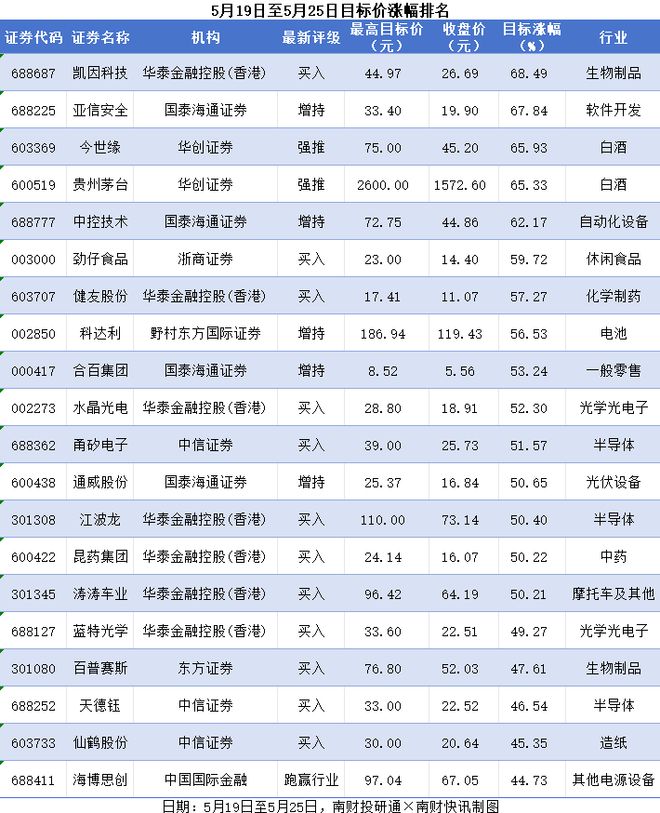
5月19日至5月25日,券商给予上市公司目标价共223次,按最新收盘价计算,目标价涨幅排名居前的公 司有凯因科技、亚信安全、今世缘,目标价涨幅分别为68.49%、67.84%、65.93%,分别属于生物制 品、软件开发、白酒行业。 | | | | 5月19日全5月25日目标价获幅排名 | | | | | | --- | --- | --- | --- | --- | --- | --- | --- | | 证券代码 证券名称 | | 机构 | 最新评级 | 废局日标0 | | | 行业 | | 688687 | 凯因科技 | 华泰金融控股(香港) | 头人 | 44. 97 | 26. 69 | 68. 49 | 生物制品 | | 688225 | 亚信安全 | 国泰海通证券 | 增持 | 33. 40 | 19. 90 | 67.84 | 软件开发 | | 603369 | 今世缘 | 华创证券 | 强推 | 75.00 | 45. 20 | 65. 93 | 日酒 | | 600519 | 贵州茅台 | 华创证券 | 强推 | 2600. 00 | 1572. 60 | 65. 33 | 日酒 | | 6 ...

湾财周报 大事记 多款新能源准新车价崩;宁德时代登陆港股
Nan Fang Du Shi Bao· 2025-05-25 12:41
Industry Insights - The production of new energy vehicles in China reached over 4.4 million units from January to April, with a market penetration rate of 43%, leading to a significant increase in second-hand vehicle supply and a notable price drop for several models in May, including those from Tesla, BYD, Zeekr, and Xiaomi [9] - The first quarter of 2025 saw Xiaopeng Motors reclaim the title of sales champion among new energy vehicle manufacturers, delivering 94,008 vehicles, a year-on-year increase of 330.8% [15] - BYD's stock price hit a new high, with a year-to-date increase of over 40%, and its sales of pure electric vehicles in Europe surpassed those of Tesla for the first time [14] - The recent revision of regulations regarding government dining has negatively impacted the stock prices of several liquor companies, with notable declines observed in companies like Wuliangye and Shanxi Fenjiu [12] Company Developments - Ningde Times made a strong debut on the Hong Kong stock market, with shares opening at 263 HKD and reaching a peak of 307.6 HKD, marking a 16.96% increase and establishing it as the largest IPO globally this year [13] - Huaxi Biological criticized the market's portrayal of the hyaluronic acid industry, claiming it has faced misinformation and manipulation that undermines its competitive position [16] - The establishment of a new company for High合汽车, with a registered capital of approximately 143 million USD, indicates a shift in ownership structure, now involving foreign investment [18][19]


食品饮料行业周观点:白酒行业逐步施压,餐供龙头边际修复
GOLDEN SUN SECURITIES· 2025-05-25 06:23
Investment Rating - The report maintains an "Increase" rating for the food and beverage industry, indicating a positive outlook for key players in the sector [5]. Core Insights - The white liquor industry is experiencing gradual pressure, with a focus on rational targets for 2025. The report emphasizes three main investment lines: leading brands with competitive advantages, high-certainty regional brands, and flexible stocks benefiting from recovery and increased risk appetite [1][2]. - The beer sector shows a slight decline in production, with a 0.6% year-on-year decrease in the first four months of 2025. However, there is potential for recovery in the upcoming peak season, suggesting a favorable investment window [3]. - The report highlights the broad recovery potential in the catering supply space, with leading companies expected to benefit from improved performance and market expansion strategies [4][7]. Summary by Sections White Liquor - The industry consensus is shifting towards stable, high-quality growth with a focus on market share rather than aggressive growth targets. Key strategies include product innovation, market penetration, and international expansion [2]. - Major companies like Guizhou Moutai and Shanxi Fenjiu are focusing on maintaining market stability and enhancing their brand presence among younger consumers [2]. Beer and Beverage - The beer production for January to April 2025 was 11.44 million kiloliters, reflecting a slight decline. However, April showed a 4.8% increase in production, indicating potential for recovery [3]. - The beverage sector is characterized by intense competition, but new product launches and recovery in consumer demand are expected to sustain high growth [3]. Catering Supply - The report notes significant opportunities for leading companies in the catering supply sector, particularly with the introduction of new products and expansion into new categories [4][7]. - Companies like Three Squirrels are diversifying their product lines and enhancing their distribution channels to capture more market share [7].



食品饮料周观点:白酒行业逐步施压,餐供龙头边际修复-20250525
GOLDEN SUN SECURITIES· 2025-05-25 06:18
Investment Rating - The report maintains an "Increase" rating for the food and beverage industry, indicating a positive outlook for key players in the sector [5]. Core Insights - The white liquor industry is experiencing gradual pressure, with a focus on rational growth targets for 2025. Key players are emphasizing market share enhancement and strategic execution efficiency. Innovations, market penetration, international expansion, and youth-oriented strategies are highlighted as core directions for liquor companies [2]. - The beer sector shows a slight decline in production, with a 0.6% year-on-year decrease in output from January to April 2025. However, there is potential for recovery in the upcoming peak season, suggesting a favorable investment window [3]. - The beverage sector is characterized by intense competition, but there are opportunities for growth driven by extended holiday periods and improved travel scenarios. Companies with strong channel networks and high-potential products are recommended for investment [3]. Summary by Sections White Liquor - The industry consensus is shifting towards stable, quality growth with a focus on market share rather than aggressive quantitative targets. Major companies like Guizhou Moutai and Shanxi Fenjiu are implementing strategies to enhance brand resilience and market stability [2]. - Guizhou Moutai aims for a revenue target of 7.6 billion yuan (approximately $1.1 billion) for 2025, reflecting a 3.49% year-on-year increase, while net profit is targeted at 2.62 billion yuan (approximately $380 million), a 1% increase [2]. Beer and Beverage - The beer production for the first four months of 2025 totaled 11.44 million kiloliters, with April showing a 4.8% increase compared to the previous year. The sector is expected to benefit from low comparative bases in the upcoming quarters [3]. - The beverage market is witnessing the launch of innovative products, such as the new electrolyte water brand targeting health-conscious consumers. Despite fierce competition, the beverage sector is projected to maintain high growth due to favorable market conditions [3]. Food Supply - The food supply sector is seeing recovery among leading companies, with a focus on expanding product lines and enhancing distribution channels. Companies like Three Squirrels are diversifying into new categories and exploring innovative retail strategies [7].

今世缘(603369):经营稳健 优势延续 省外市场持续突破
Xin Lang Cai Jing· 2025-05-23 02:27
Group 1 - The company maintains stable operational performance while seeking breakthroughs through strategies such as price stability, inventory control, and organizational adjustments [1] - During the off-season, the main products' prices remained stable, with significant year-on-year growth in order volume during festive occasions, although the average drinking volume per banquet slightly decreased [1] - The company has established a customer relationship management department to enhance professional operations and steadily grow its sales team, aiming to strengthen its competitive edge during the new adjustment cycle [1] Group 2 - The company has a clear strategy for its main products, leveraging its price range and brand advantages to continuously increase market share [2] - The company holds a strong position in the 100-500 yuan price range, benefiting from widespread consumption scenarios and strong product recognition, while also addressing market upgrades in the 300 yuan segment [2] - The V series products have performed in line with market expectations, with the V3 product showing strong development in mature markets such as Nanjing and Suzhou [2] Group 3 - The company continues to pursue development in the domestic market while focusing on regional integration in the surrounding areas for expansion [3] - There is still penetration space in the domestic market, with leading market shares in mature markets like Huai'an and Nanjing, while there are opportunities for growth in markets like Yangzhou and Taizhou [3] - The company is actively exploring new channels, with an increasing proportion of online sales and initiatives in instant retail through self-built teams and third-party collaborations [3] Group 4 - The company’s strategy of refining operations in the domestic market while aggressively expanding in surrounding areas is clear, with expectations for revenue growth of 8.5% and 10.1% in 2025-2026 [3] - Projected revenues for 2025 and 2026 are 12.525 billion and 13.789 billion yuan, respectively, with net profits expected to reach 3.672 billion and 4.017 billion yuan [3]

白酒市场化40年,公务用酒退出餐桌
Xin Lang Cai Jing· 2025-05-23 01:38
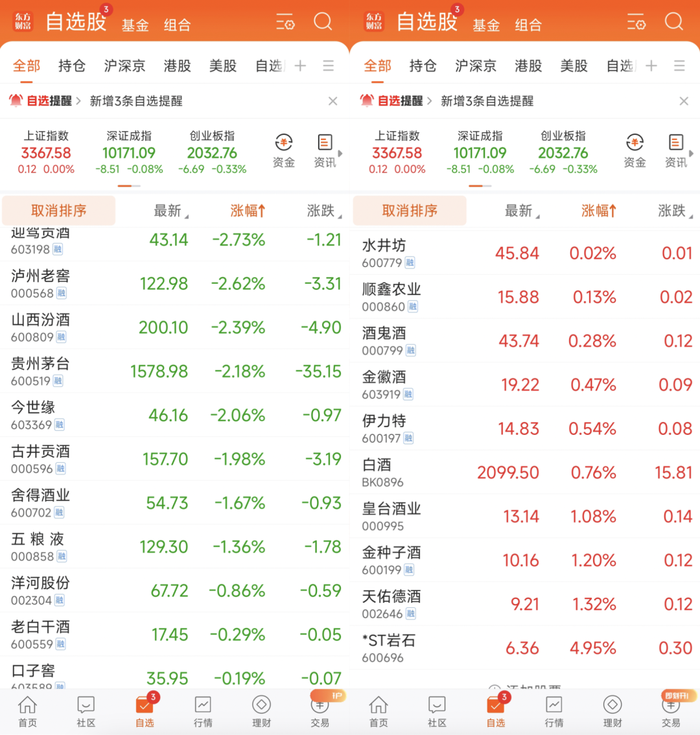
Core Viewpoint - The newly revised "Regulations on Strict Economy and Opposition to Waste in Party and Government Agencies" emphasizes a ban on high-end dishes, cigarettes, and alcohol in work meals, which has led to a decline in the stock prices of liquor companies, particularly in the white liquor sector [1][4]. Group 1: Impact of the New Regulations - The new regulations reaffirm existing restrictions on public alcohol consumption, which have been in place since the "Eight Regulations" introduced in 2012, and further clarify the details of these rules [1][3]. - The market share of public alcohol consumption has significantly decreased, from approximately 40% in 2011 to less than 5% currently, indicating a substantial shift in the consumption landscape [3][4]. Group 2: Historical Context of Public Alcohol Consumption - Public alcohol consumption has historically held a significant role in Chinese culture, evolving from a political tool to a mainstream market driver, and is now being phased out [2][12]. - Previous bans on public alcohol consumption in 1989, 1996, and 2012 have each led to drastic changes in the white liquor market, with the latest ban being less impactful compared to earlier ones [6][10]. Group 3: Market Reactions and Trends - Following the announcement of the new regulations, 11 white liquor stocks experienced declines ranging from 0.19% to 2.73%, with high-end brands facing larger drops [4][11]. - Despite short-term fluctuations, analysts suggest that the long-term investment logic for the white liquor sector remains largely unaffected, as public alcohol consumption constitutes a minor portion of overall sales [4][6]. Group 4: Changing Consumer Preferences - The current consumer base for white liquor is shifting towards younger generations, who prioritize taste, brand recognition, price, and packaging, indicating a trend towards more diverse and personalized consumption [12][14]. - The top consumption scenarios for white liquor in 2024 are family gatherings, friend meet-ups, and business banquets, reflecting a move away from traditional public consumption [12][14].



禁酒令最大的杀伤力是什么?
虎嗅APP· 2025-05-22 15:11
Core Viewpoint - The recent "ban on alcohol" has limited short-term impact on the liquor industry, but it may significantly influence the strategic layout of liquor companies and alter the industry landscape [1][4]. Group 1: New Ban Characteristics - The latest ban is different as it is issued by the central government, requiring strict adherence across regions, unlike previous local regulations [2]. - The new regulations prohibit all alcoholic beverages during work meals, expanding the scope of previous restrictions [2]. Group 2: Impact on Revenue and Brand Power - The direct revenue impact on major liquor companies is minimal, with government consumption dropping from 40% in 2011 to around 5% currently [3][5]. - High-end brands like Moutai remain essential for business receptions, maintaining their brand power despite the ban [6]. - Mid-tier brands may face more challenges as they lose the brand enhancement from government consumption [7]. Group 3: Long-term Industry Changes - The ban is expected to drive the liquor industry from policy dependence to market-driven dynamics, reshaping the competitive landscape [7][8]. - The current consumption scenarios highlight family gatherings and social events as primary drivers, indicating a shift in consumer behavior [8][9]. Group 4: Investment Perspective - Investors may look for opportunities as liquor stocks could drop to attractive levels, with expectations of industry recovery potentially starting in late 2025 or 2026 [10].
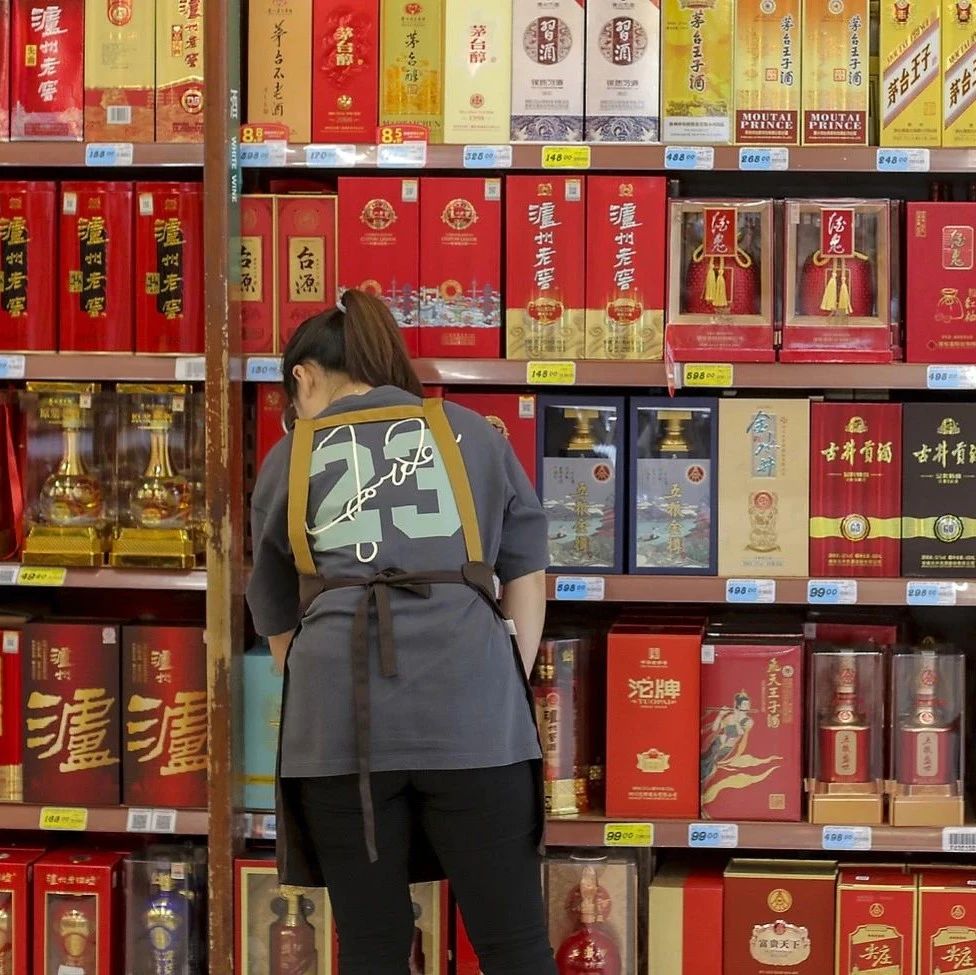
“茅五洋”神话破灭
Sou Hu Cai Jing· 2025-05-22 14:27
Core Viewpoint - The recent regulations prohibiting alcohol in government receptions have negatively impacted the stock prices of major liquor companies, particularly affecting Yanghe Co., which has seen a significant decline in market position and financial performance [2][4][21]. Financial Performance - Yanghe Co. reported a revenue of 110.7 billion yuan in Q1 2025, marking a year-on-year decline of 31.92%, with net profit dropping by 39.93% to 36.37 billion yuan [5][6][10]. - In 2024, Yanghe's revenue was 288.7 billion yuan, down 12.83%, and net profit fell by 33.37% to 66.73 billion yuan, indicating the largest profit drop since its listing [7][8][10]. Market Position - Yanghe Co. has lost its position as the third-largest liquor company in China, now ranking fifth behind Moutai, Wuliangye, Luzhou Laojiao, and Shanxi Fenjiu [5][20]. - The company is facing increasing competition from Gujing Gongjiu, which has shown strong growth, and from Jinshiyuan, which is gaining market share in Jiangsu province [20][21]. Brand and Product Issues - Yanghe's brand has been criticized for lacking historical depth and cultural significance compared to competitors like Moutai and Wuliangye, leading to perceptions of its products as "advertising liquor" [11][19]. - The company's high-end products are facing intense competition, with significant price overlaps with other brands, leading to a decline in market share in the premium segment [11][13]. Distribution and Sales Strategy - Yanghe's distribution model, which relies heavily on a large number of small distributors, is becoming less effective, as many of these distributors lack the financial strength to sustain operations during market downturns [14][15]. - The company has not effectively transitioned to online sales, with only 1.4% of revenue coming from online channels, compared to competitors who have successfully leveraged e-commerce [15][18]. Management and Governance - The current management team at Yanghe lacks significant experience in the liquor industry, primarily consisting of individuals with backgrounds in government, which may hinder the company's strategic direction [19][20]. - The company's governance structure has historical issues, including a low percentage of employee ownership, which may affect motivation and alignment with company goals [19].