
中国供应链

Search documents
拼多多的新起点,藏着中国供应链的 “效率密码”
阿尔法工场研究院· 2025-12-24 07:33
Core Viewpoint - Temu has rapidly achieved in three years what Pinduoduo accomplished in ten years, positioning itself as a new engine for global e-commerce growth, with plans to create a dual growth model alongside Pinduoduo in the next three years [1][5][7]. Group 1: Temu's Growth and Market Position - Temu's global downloads surpassed 1.2 billion, with monthly active users reaching 530 million, making it the top e-commerce app in terms of downloads and user growth [3][4]. - The platform has effectively integrated resources from millions of small and medium-sized factories in China, enabling a rapid response to market demands and achieving significant efficiency in inventory turnover [2][12]. - Temu's business model leverages extreme cost performance, full-service management, algorithmic recommendations, and social sharing to replicate the successful domestic e-commerce ecosystem in international markets [2][5]. Group 2: Supply Chain and Strategic Focus - Pinduoduo's strategy emphasizes deep integration with the Chinese supply chain, aiming to leverage its unique industrial system characterized by high-density manufacturing and flexible production capabilities [11][14]. - The company is transitioning from a focus on traffic to enhancing supply chain capabilities, aiming for high-quality development through direct connections with production areas [16][19]. - Pinduoduo's initiatives, such as "hundred billion reductions" and "new quality supply," are designed to promote innovation and quality improvements across the supply chain, reflecting a shift towards a more integrated and efficient industrial model [20].



重仓中国供应链,拼多多掀起新一轮电商革命的底气何在?
阿尔法工场研究院· 2025-12-23 02:32
Core Viewpoint - Temu has rapidly achieved in three years what Pinduoduo accomplished in ten years, positioning itself as a new engine for global e-commerce growth, with plans to create a dual growth model alongside Pinduoduo in the next three years [1][5]. Group 1: Temu's Growth and Market Position - Temu's global downloads surpassed 1.2 billion, with monthly active users reaching 530 million, making it the top e-commerce app in terms of downloads and user growth [3][4]. - The platform has effectively integrated resources from millions of small and medium-sized factories in China, enabling a rapid response to market demands and achieving significant efficiency in inventory turnover [12][14]. - Temu's business model leverages extreme cost performance, full-service management, algorithmic recommendations, and social sharing to replicate the successful domestic e-commerce ecosystem in international markets [2][5]. Group 2: Supply Chain and Strategic Focus - Pinduoduo's strategy emphasizes deep integration with the Chinese supply chain, aiming to leverage its unique industrial efficiency to create a new global commercial system [11][14]. - The company is transitioning from a focus on traffic to enhancing supply chain capabilities, which is seen as essential for future growth and competitiveness in the e-commerce sector [16][20]. - Pinduoduo's initiatives, such as "hundred billion subsidies" and "new quality supply," aim to promote the transformation of traditional manufacturing into a more innovative and quality-focused model [20]. Group 3: Impact on Chinese Manufacturing - Temu represents a new driving force for Chinese exports, shifting from merely exporting goods to exporting business models, thus marking a significant upgrade in foreign trade [5][14]. - The platform's success has accelerated the development of local industries, such as the eyelash manufacturing sector in Shandong, demonstrating the potential for rapid growth through e-commerce [19]. - By utilizing digital integration capabilities, Pinduoduo is enhancing traditional manufacturing to meet new quality supply standards, thereby fostering innovation and responsiveness to consumer demands [19][20].

拼多多要和中国供应链立下“三年之约”
Xin Lang Cai Jing· 2025-12-22 11:20
Core Insights - The core belief of Pinduoduo is that the evolution of the Chinese supply chain over the next three years will enable the creation of another Pinduoduo, reflecting a confidence based on factual assessments rather than mere ambition [2][28] - Pinduoduo's development has been closely tied to the growth of small and medium-sized manufacturing enterprises in China, leveraging the country's supply chain capabilities [2][29] Group 1: Foundation - A Decade of Symbiosis - Pinduoduo's success is attributed to its ability to connect the surplus production capacity of quality factories with the burgeoning consumer demand for affordable goods [29] - The company has evolved from merely discovering the lower-tier market to becoming a key player in the supply chain, driven by technology and mutual growth with manufacturers [29][34] Group 2: Evolution - From Behind the Scenes to Brand Incubator - Pinduoduo has transformed the relationship with supply chain partners into a replicable empowerment system, bringing many factories into the spotlight as direct-to-consumer brands [34] - The platform has enabled brands like "Qing Shang" and "Le Ba" to achieve significant sales growth by leveraging consumer trend data and platform support [34][35] Group 3: Global Expansion and Brand Globalization - Temu, as a global platform, exemplifies the internal drive for globalization of Chinese manufacturing, showcasing the capabilities of Chinese products to the world [39][41] - Pinduoduo provides a new pathway for Chinese brands to enter global markets, reducing reliance on traditional Western platforms and enabling collective brand globalization [44][46] Group 4: Future Outlook - The confidence in recreating another Pinduoduo stems from a deep belief in the potential evolution of the Chinese supply chain over the next three years [50][52] - The platform aims to translate diverse global consumer demands into actionable production directives for Chinese factories, potentially reshaping the landscape of Chinese manufacturing exports [52]
东南亚深陷中美夹缝,既难舍中国供应链,又害怕美国的制裁大棒!
Sou Hu Cai Jing· 2025-12-20 05:51
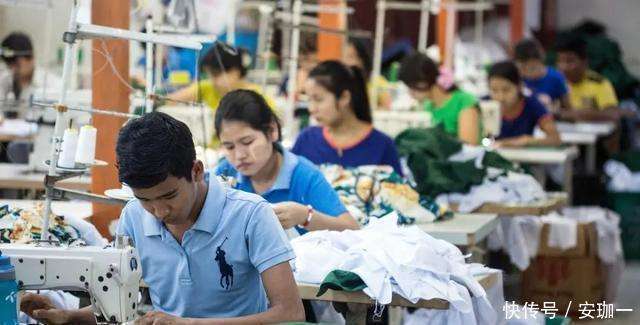
Group 1 - Southeast Asian countries are caught in a complex situation due to US-China trade tensions, relying on Chinese supply chains while facing US tariffs [1][11] - The "China plus one" strategy has led multinational companies to shift assembly operations to Southeast Asia to avoid US tariffs, but this still ties them to Chinese supply chains [5][6] - Southeast Asia's dependence on Chinese supply chains is critical for its assembly industries, which are essential for exports to the US market [8][10] Group 2 - The tightening of US policies under the Trump administration has exacerbated the challenges faced by Southeast Asian countries, pushing them towards a more extreme position of choosing sides [3][15] - New US policies classify products as "Made in China" if they rely on Chinese components, imposing additional tariffs and creating uncertainty for Southeast Asian exporters [17][20] - The economic growth in Southeast Asia is showing signs of fragility, with industries like textiles and electronics facing significant risks due to reliance on US markets and Chinese supply chains [22][23] Group 3 - The US has pressured Southeast Asian countries to choose between trade agreements with the US or China, complicating their ability to maintain a balanced approach [29][31] - Countries like Indonesia have rejected US demands, while smaller nations like Cambodia face difficult choices between losing access to the US market or compromising their strategic autonomy with China [32][35] - The path to industrial upgrading for Southeast Asia is fraught with challenges, as they struggle to break free from dependence on Chinese supply chains while needing to enhance their technological capabilities [34]
雷诺借中国供应链,在欧洲阻击中国车
晚点Auto· 2025-12-09 04:36
Core Viewpoint - Renault is leveraging Chinese supply chain efficiency to revive its Twingo model for the European market, despite having exited the Chinese passenger car market since 2020 [3][4][5]. Group 1: Market Strategy - The new electric Twingo is priced starting at under €20,000, competing directly with BYD's Seagull in Europe, showcasing Renault's reliance on Chinese components [4]. - Renault has ceased local production in China but continues to utilize Chinese suppliers for significant parts of its vehicles, with 46% of the Twingo's components sourced from China [3][4]. Group 2: Historical Context - Renault was one of the first foreign car manufacturers in China, establishing a joint venture in 1993, but faced challenges due to high costs and low competitiveness, leading to the closure of its joint ventures by 2020 [5][6]. - The company’s late entry into the mainstream passenger car market in China resulted in a rapid decline in sales, with East Wind Renault's sales dropping from a peak of 72,000 units in 2017 to under 20,000 units by 2019 [5][6]. Group 3: Development and Production - The Twingo project was developed with a focus on utilizing existing Chinese supply chains to reduce costs and development time, achieving a prototype in just nine weeks and preparing for mass production in under 24 months [11][12]. - The decision-making process for the Twingo project was expedited in China, allowing for daily progress rather than the typical weekly pace seen in Europe [11][12]. Group 4: Future Plans - Renault plans to replicate the successful model of utilizing Chinese supply chains for other vehicles, including the entire Twingo family and a new A-segment car under the Dacia brand [13]. - The company aims to maintain a competitive edge in the European market by leveraging the efficiency and cost advantages of Chinese manufacturing [12][13].

剔除中国供应链?特斯拉回应:“不实”
新华网财经· 2025-11-26 09:19
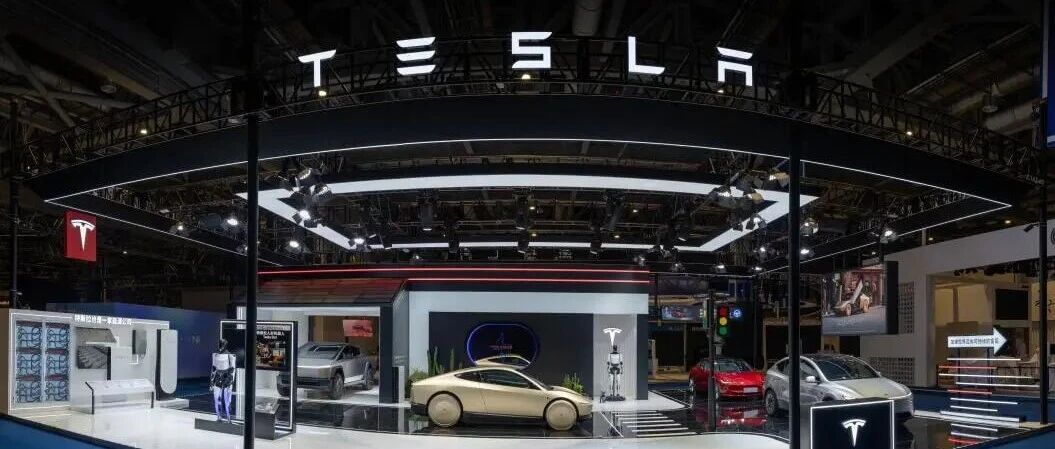
Core Viewpoint - Tesla's management has clarified that the reports regarding the exclusion of Chinese supply chains are false, emphasizing that supplier selection is based on quality, total cost, technical capability, and long-term supply continuity, rather than the geographical origin of the suppliers [1][4]. Group 1: Supplier Relationships - Tesla has integrated over 60 Chinese suppliers into its global procurement system, showcasing the importance of Chinese suppliers in its operations [2][5]. - The company maintains that the origin of suppliers does not serve as an exclusionary criterion, reinforcing its commitment to quality and efficiency [4]. Group 2: Manufacturing and Production - Tesla's Shanghai Gigafactory has achieved over 95% localization of parts and a 95% automation rate, allowing for rapid production with a vehicle rolling off the line every 30 seconds [9]. - The Shanghai Gigafactory serves as a key export center, supporting Tesla's global electric vehicle expansion, with significant delivery numbers reported in various markets [9]. Group 3: Market Performance - In September, the Shanghai Gigafactory delivered over 90,000 vehicles, with sales in the Chinese market exceeding 71,000 units, reflecting a 25% month-over-month growth [9]. - The Model Y has become the best-selling SUV in the Chinese market, with a notable increase in sales, indicating strong consumer demand [9].

比利时买家广交会“赶场”:百万订单背后的“中国供应链执着”
第一财经网· 2025-10-24 04:29
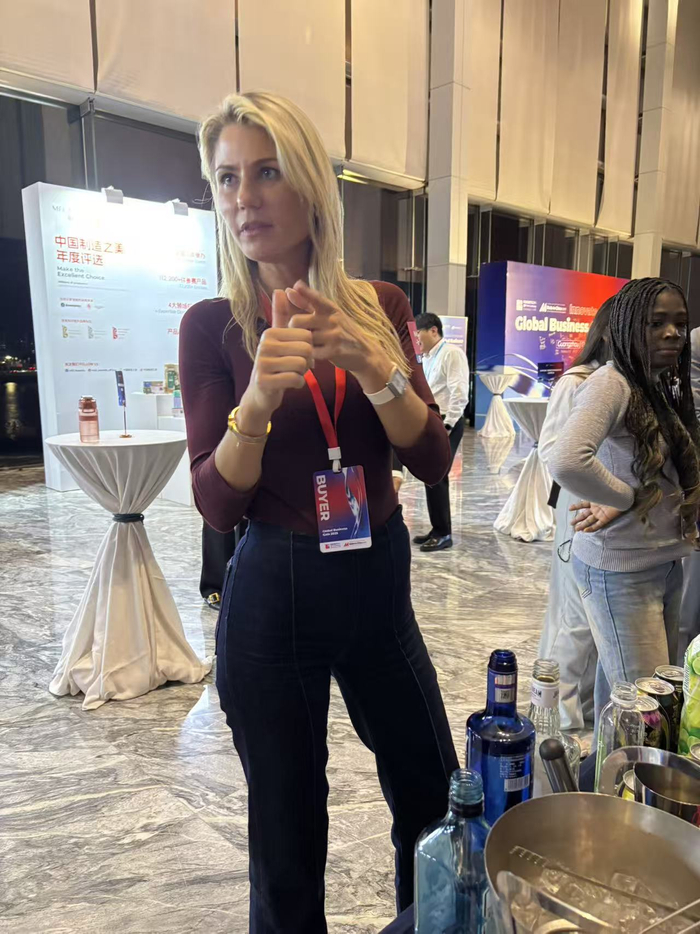
Core Insights - The 138th "China Import and Export Fair" (Canton Fair) is attracting international buyers, highlighting the ongoing appeal of the Chinese supply chain despite global trade fluctuations [2][3] - Buyers like Benedicte Toumpsin emphasize the advantages of Chinese suppliers, including customization capabilities and a wide range of product options [3][4] Group 1: Buyer Insights - International buyers, such as Toumpsin, are actively participating in multiple trade events, indicating a strong commitment to sourcing from China [3] - Toumpsin plans to purchase over $1 million worth of goods from China annually, focusing on bulk orders with diverse product options to meet consumer preferences [4] - The demand for high-value products, particularly those with CE certification, is increasing in the European market, driving buyers to seek innovative electronic and beauty products [4] Group 2: Competitive Landscape - Emerging markets like Vietnam are developing their manufacturing sectors, but buyers still prefer Chinese suppliers due to better logistics and a wider variety of products [5] - The ability of Chinese manufacturers to produce a diverse range of goods, especially in electronics and home products, remains a significant competitive advantage [5] - The transportation infrastructure and the concentration of similar factories in regions like Guangzhou enhance the attractiveness of the Chinese supply chain for international buyers [5]
Meta们的AI眼镜梦 绕不开中国供应链
Di Yi Cai Jing· 2025-10-22 07:10
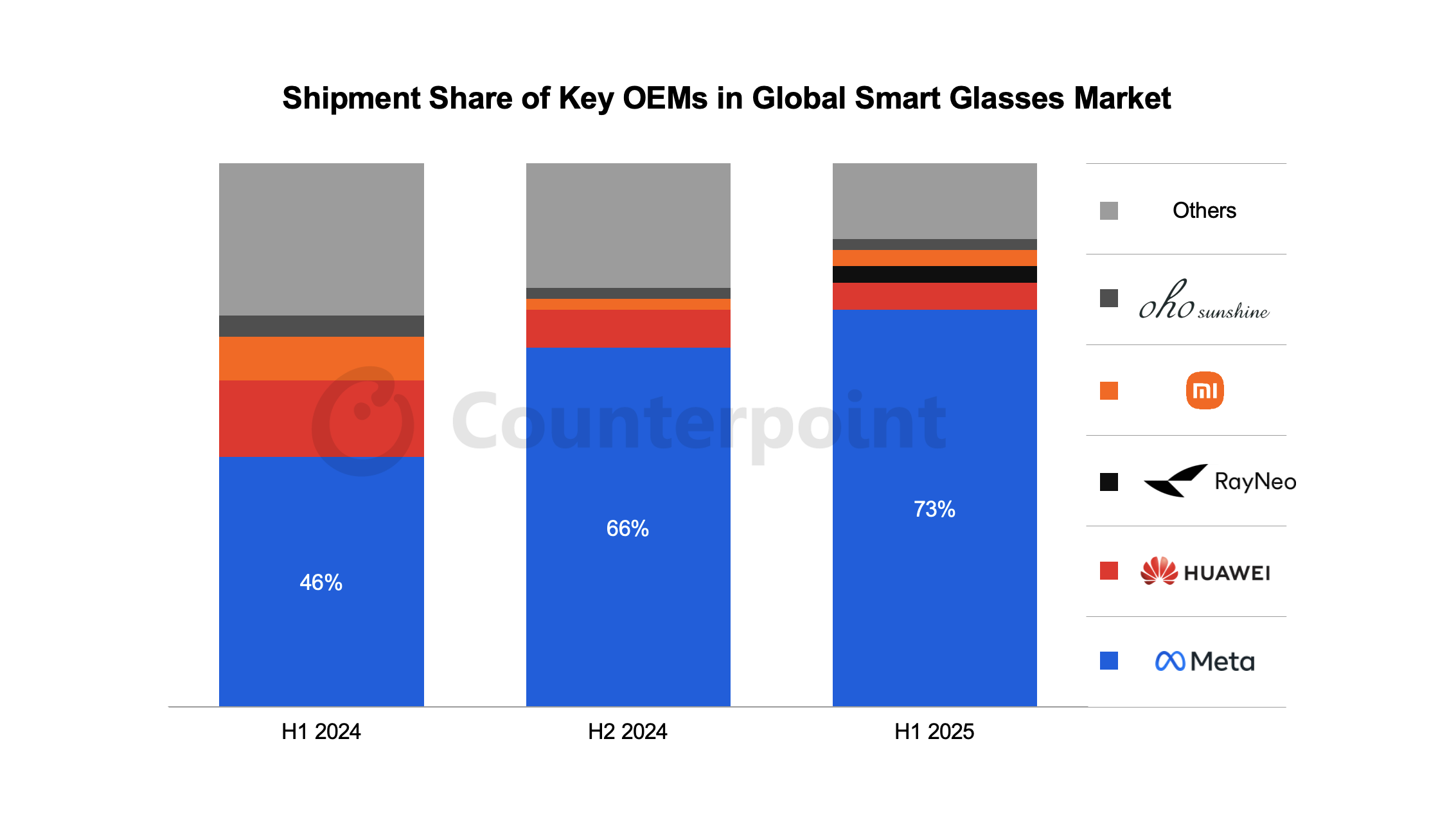
Core Insights - The AI glasses market is rapidly evolving, with major players like Meta and Apple competing to launch innovative products, indicating a significant shift in consumer technology [1][10] - China's supply chain plays a crucial role in the global AI glasses industry, with over 80% of manufacturers based in China, highlighting its dominance in the supply chain [4][5] - The industry is expected to reach a pivotal moment around 2027, where AI glasses may replace smartphones, marking a potential "iPhone moment" for the sector [2][14] Industry Trends - The global AI glasses market is projected to ship 4.065 million units in the first half of 2025, reflecting a year-on-year growth of 64.2%, with expectations to exceed 40 million units by 2029 [3] - Companies like GoerTek, Crystal Optoelectronics, and Sunny Optical are identified as key players in the AI glasses sector, with significant stock price increases since April 2023 [3][4] - The integration of core technologies such as optics, chips, sensors, and AI algorithms is essential for the AI glasses supply chain, with optics being a stronghold for Chinese manufacturers [3][4] Supply Chain Dynamics - China's supply chain advantages stem from a complete ecosystem that includes components like cameras, optical coatings, and assembly, with over 50% global market share in key areas [4][5] - The collaboration between Meta and various Chinese manufacturers underscores the reliance on Chinese suppliers for stable and reliable components [4][5] - The density and efficiency of suppliers in regions like the Pearl River Delta and Yangtze River Delta contribute to China's competitive edge in the AI glasses supply chain [5] Technological Evolution - The transition from OEM to JDM models indicates a shift in Chinese companies from passive roles to active participants in design and manufacturing [6][7] - Continuous investment in R&D, with companies like Sunny Optical committing nearly 7% of revenue annually, reflects a long-term strategy to enhance technological capabilities [7][8] - The industry is witnessing a transformation in interaction methods, with AI expected to significantly improve user experience and potentially replace traditional devices [10][15] Future Outlook - The anticipated breakthrough in AI glasses is expected to occur around 2027, with advancements in spatial computing and optical display technologies [14] - Challenges such as interaction experience, computing power, battery life, and weight remain critical barriers to widespread adoption [14][15] - The industry's goal is to reduce the weight of AR glasses to a more consumer-friendly range, with ongoing efforts to enhance comfort and usability [14][15]



见证太多事情,无论什么消息,都要往好处想
Hu Xiu· 2025-08-11 05:39
Group 1 - The article discusses the current bullish sentiment in the stock market, with predictions of a potential bull market starting soon [22][23] - Notable figures in the investment community, such as Sun Jiaying and Liu Jipeng, have expressed optimistic views on market indices, suggesting a possible breakthrough of key resistance levels [26][27] - The margin trading balance has reached a record high of 2 trillion yuan, indicating strong market participation and confidence [29][30] Group 2 - The article highlights the significant inflow of capital into the Hong Kong stock market, with net inflows exceeding 800 billion yuan, indicating a robust liquidity environment [40][41] - Hong Kong's asset and wealth management market is projected to grow by 13% year-on-year, reaching 35 trillion HKD, positioning it as a potential global leader in wealth management [43][44] - The competition between Hong Kong and Singapore in the wealth management sector is intensifying, with both markets showing substantial growth [45][46] Group 3 - The article outlines the government's focus on managing local government debt risks, with a significant reduction in financing platforms and a push for transparency [56][58] - The issuance of long-term bonds has increased, with 76.65% of bonds being over 10 years in duration, reflecting a shift in debt management strategy [68] - The average issuance rate of local government bonds has decreased from 2.6% to 1.8%, indicating a favorable borrowing environment [71] Group 4 - Toyota's decision to source components from Chinese suppliers for its production in Thailand marks a significant shift in the automotive supply chain dynamics [82][83] - This move is seen as a response to increasing global competition and aims to leverage China's cost advantages [84][85] - The article also notes the growing recognition of China's supply chain resilience by major global manufacturers, including German firms [87] Group 5 - The article discusses the ongoing consumer subsidy programs aimed at stimulating domestic consumption, with significant funding allocated for trade-in programs [113][114] - Domestic tourism has seen a substantial increase, with a 20.6% rise in travel numbers, indicating a recovery in consumer spending [117][118] - The competitive landscape in the service industry is intensifying, with regulatory actions being taken to ensure fair competition and prevent price wars [121][122]

“同样买俄油,为何特朗普制裁印度却放过中国?”“中国太强了”
Sou Hu Cai Jing· 2025-08-07 22:20
Group 1 - The U.S. is imposing a 50% tariff on India for purchasing Russian oil, while refraining from similar actions against China due to its strong position [1][3] - Navarro's comments indicate a cautious approach towards China, acknowledging the potential harm to U.S. interests if aggressive actions are taken [3][4] - The U.S. strategy towards China is complicated by the latter's ability to withstand tariffs and retaliate effectively, particularly through its control of rare earth elements [5][6] Group 2 - The differing responses to India and China highlight the power dynamics at play, with the U.S. adopting a bullying stance towards India while being more reserved with China [6][4] - India's attempts to compete with China are undermined by its lack of leverage in negotiations with the U.S., leading to a reliance on China for strategic positioning [6][4] - The perception of a "China exception" in U.S. trade policy reflects the recognition of China's unique economic and geopolitical significance [6][5]
