低度酒

Search documents
预调酒行业深度报告:顺应趋势,开拓创新
Dongguan Securities· 2026-02-25 07:51
食品饮料行业 超配(维持) 顺应趋势,开拓创新 预调酒行业深度报告 本报告的风险等级为中风险。 本报告的信息均来自已公开信息,关于信息的准确性与完整性,建议投资者谨慎判断,据此入市,风险自担。 请务必阅读末页声明。 深 度 研 究 行 业 研 究 2026 年 2 月 25 日 分析师:黄冬祎 SAC 执业证书编号: S0340523020001 电话:0769-22119410 邮箱: huangdongyi@dgzq.com.cn 食品饮料行业指数走势 资料来源:东莞证券研究所,同花顺 相关报告 投资要点: 证 | 1. 预调酒简介 | 4 | | --- | --- | | 1.1 预调酒口感丰富,酒精含量适中 | 4 | | 1.2 预调酒行业产业链 | 4 | | 2. 我国预调酒行业市场规模稳步增长,消费群体以年轻女性为主 | 5 | | 2.1 我国预调酒行业市场规模稳步增长 | 5 | | 2.2 预调酒市场集中在一二线城市,消费群体以年轻女性为主 | 6 | | 2.3 我国预调酒渠道结构以 KA 为主 | 8 | | 3. 我国预调酒市场呈寡头垄断竞争格局 | 8 | | 4. 我国预调酒 ...

洋河股份:公司有丰富的低度酒储备
Zheng Quan Ri Bao Wang· 2026-02-11 13:43
Core Viewpoint - Yanghe Distillery (002304) emphasizes its historical expertise and strong foundation in low-alcohol beverages, highlighting its commitment to product development in line with consumer trends towards younger and lower-alcohol options [1] Group 1: Company History and Achievements - The company has a rich history in low-alcohol beverages, with notable achievements including the 28-degree Yanghe Daqu winning a national quality award silver medal at the 1989 National Fifth Wine Evaluation Conference [1] - The 33-degree Shuangguo Tequ received the title of National Quality Wine and a silver medal [1] Group 2: Product Portfolio - Yanghe Distillery offers a variety of low-alcohol products, including 33-degree Yanghe Daqu, 33.8-degree Yanghe Micro-molecule Wine, and 38-degree Haitan Dream [1] - The company is well-prepared with a diverse range of low-alcohol products to meet the evolving market demands [1] Group 3: Market Strategy - The company plans to align its product layout and consumer guidance with the trends of youth and low-alcohol consumption [1]

争抢“Z世代” “老白酒”杀向低度酒
Shen Zhen Shang Bao· 2026-02-05 17:55
Group 1 - The core viewpoint of the articles highlights the increasing trend of low-alcohol beverages in the Chinese liquor market, particularly driven by the younger generation's consumption preferences as the Spring Festival approaches [1][5] - Traditional liquor companies are launching new low-alcohol products to attract younger consumers, with notable examples including Moutai's 6-degree blueberry sparkling wine and Wuliangye's 29-degree product that achieved over 100 million yuan in sales within 60 days [2][3] - The market for low-alcohol beverages is experiencing growth rates that exceed the industry average, indicating a shift in consumer preferences from high-alcohol content to more moderate options [4][5] Group 2 - The competition between traditional and new liquor brands is intensifying, with established companies adapting their strategies to include younger demographics and low-alcohol products [2][3] - The market is transitioning from "expansion-based growth" to "structural growth," indicating a new phase of competition and differentiation among liquor brands [4] - The Chinese Alcoholic Drinks Association notes that the growth rate of low-alcohol products reflects a change in consumer attitudes, where alcohol is increasingly viewed as an emotional medium rather than just a social tool [5]
争抢“Z世代”,“老白酒”杀向低度酒
Shen Zhen Shang Bao· 2026-02-05 17:53
Core Viewpoint - The low-alcohol beverage market is experiencing significant growth, driven by the younger generation's changing preferences and the strategic shifts of traditional liquor companies towards lower-alcohol products [5][8]. Group 1: Market Trends - The low-alcohol beverage segment is gaining traction, with new brands and products emerging to cater to the preferences of the "Z generation" [5]. - Traditional liquor companies are launching lower-alcohol products to attract younger consumers, with several major brands already introducing new offerings [5][6]. - The growth rate of low-alcohol beverages is surpassing the average growth rate of the industry, indicating a shift in consumer demand [8]. Group 2: Product Launches - Moutai's subsidiary launched a 6-degree blueberry sparkling wine in October 2024, available on multiple online platforms [5]. - Wuliangye introduced a 29-degree product called "Yijianqingxin" in August 2023, which achieved over 100 million yuan in sales within 60 days [5][6]. - Luzhou Laojiao is preparing to launch a 28-degree product, while Yanghe has introduced a 33.8-degree "light white wine" [6]. Group 3: Consumer Preferences - Younger consumers are increasingly drawn to low-alcohol beverages for reasons such as appealing packaging and celebrity endorsements [5]. - Traditional high-alcohol products still dominate the preferences of long-time customers, who may view lower-alcohol options as less desirable [7].

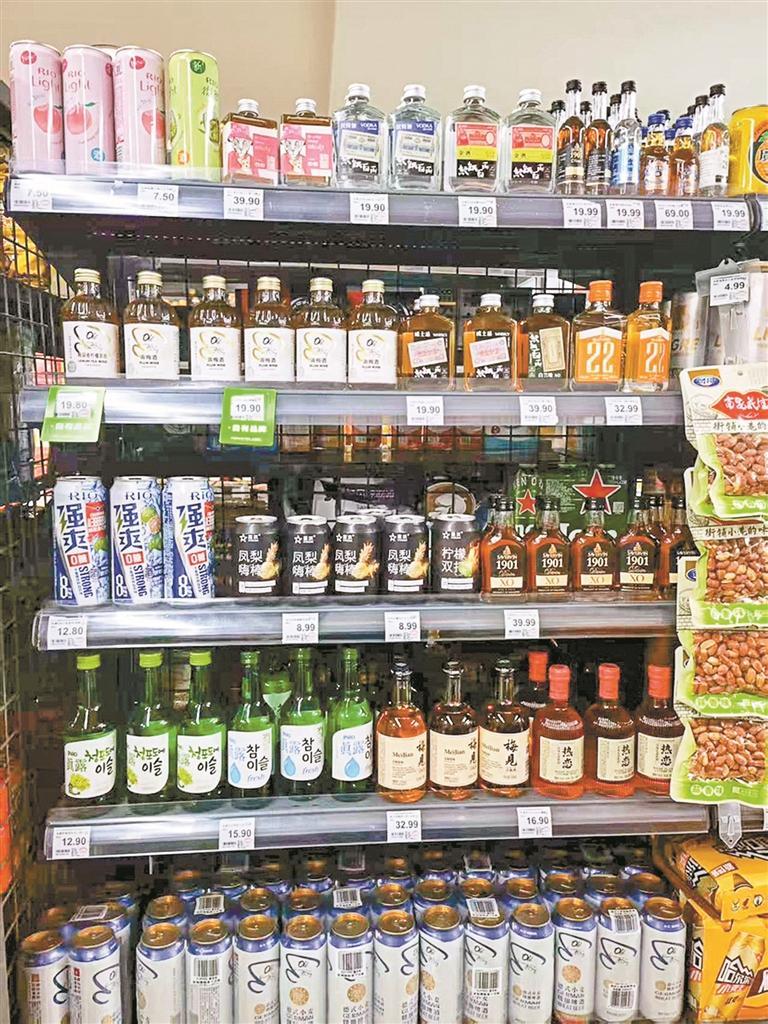
酒行业周度市场观察-20260125
Ai Rui Zi Xun· 2026-01-25 03:02
Investment Rating - The report does not explicitly provide an investment rating for the industry Core Insights - The Australian wine market is reshaping the Chinese imported wine market after a year and a half of absence, with a significant initial increase in imports followed by a decline in sales due to inventory issues and economic pressures [2] - The low-alcohol beverage category is rapidly growing, appealing to younger consumers, but faces challenges such as brand homogenization and declining repurchase rates [2] - The white liquor industry is experiencing a shift in market dynamics, with top brands competing fiercely and some companies facing their first quarterly negative growth in nearly a decade [4] - New beverage products are emerging, with brands like Xiaojin Wine and Guoli Fang successfully capturing market share through innovative approaches [5] - The industry is expected to return to rationality in 2026, focusing on consumer needs and product quality, while smaller companies may face elimination [6] Industry Environment - The Australian wine market is seeing a resurgence in China due to the removal of anti-dumping taxes, but initial sales have not met expectations, leading to inventory issues and price reductions [2] - The low-alcohol market is projected to grow from 20 billion yuan in 2020 to 57 billion yuan by 2024, but faces challenges in brand differentiation and consumer loyalty [2] - The white liquor market is undergoing structural changes, with companies like Shanxi Fenjiu surpassing others in revenue, indicating a competitive landscape [4] - The introduction of innovative products is crucial for the industry's transformation, with a focus on low-alcohol and health-oriented offerings [5] - The industry is moving towards a more rational approach, emphasizing product quality and consumer experience, as it transitions from a bubble phase to a healthier growth period [6] Top Brand Dynamics - Guizhou Zhenjiu is upgrading its "Dazhen" product to enhance quality and market positioning, aiming to compete with top brands like Moutai [8] - Wuliangchun is celebrating its 30th anniversary with a marketing campaign that deepens emotional connections with consumers [9] - Xifengjiu is focusing on quality and cultural empowerment to drive its revival in the competitive white liquor market [10] - Moutai is launching a new product structure to meet diverse consumer needs and stabilize its market presence [14] - Niulanshan is evolving its product strategy to maintain its position in the mass market while enhancing emotional connections with consumers [18]





“金标牛轻口味白酒”新品上市 实现酿造工艺系统性革新白酒消费启新程 牛栏山加快“低度酒、高风味”探索
Xin Lang Cai Jing· 2026-01-14 20:45
Core Insights - The launch of "Jinbiao Niu Light Flavor Baijiu" by Niulanshan Distillery reflects a strategic response to evolving consumer preferences towards healthier and more enjoyable drinking experiences, showcasing the company's market sensitivity and innovation capabilities [1][5] - The Chinese baijiu industry is undergoing a significant structural transformation, shifting from scale expansion to quality and value enhancement, driven by generational changes in consumer demographics and preferences [1][4] Product Innovation - "Jinbiao Niu Light Flavor Baijiu" is a low-alcohol (36% vol) pure grain liquor that achieves a balanced flavor profile through scientific adjustments in its flavor substance system, offering a smooth drinking experience [1][2] - The product's formulation includes a unique blend of five grains: 42% sorghum, 26% rice, 16% glutinous rice, 10% wheat, and 6% corn, which aligns closely with the golden ratio, enhancing its flavor complexity [2][3] - Advanced brewing techniques, such as low-temperature fermentation extended from 60 days to 95 days, and multi-stage precision separation technology, contribute to the product's smoothness and purity, setting a new quality benchmark in the low-alcohol baijiu segment [3][4] Market Trends - The younger generation of consumers is shifting the value definition of baijiu from social settings to personal experiences, emphasizing flavor, health, emotional resonance, and cultural identity [4][5] - "Jinbiao Niu Light Flavor Baijiu" is designed to be versatile, suitable for both neat consumption and as a base for cocktails, catering to diverse drinking scenarios such as social gatherings and personal enjoyment [4][5]

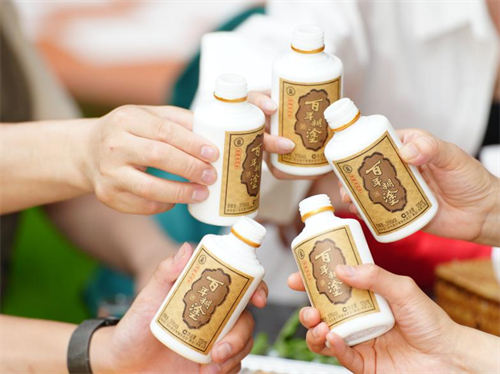
低度酒新浪潮品质突破,百年糊涂经典小百年33度以工艺赋能“顺口又够味”
Sou Hu Wang· 2026-01-04 10:03
Core Insights - The article highlights the successful positioning of Baijiu brand "Bainian Hutu" in the low-alcohol segment, particularly with its product "Classic Xiaobainian 33 degrees," which meets the growing consumer demand for lower alcohol content and quality [1][8] - The low-alcohol market in China is projected to exceed 74 billion yuan by 2025, with a compound annual growth rate of 25%, driven by younger consumers seeking a comfortable drinking experience [1][8] Product Positioning - "Classic Xiaobainian 33 degrees" is designed to cater to the preferences of the 18-35 age group, with 63% of this demographic showing a preference for low-alcohol beverages [1] - The product emphasizes a balance of "smoothness" and "rich flavor," addressing the common misconception that low-alcohol drinks lack taste [3][8] Production Techniques - The quality of "Classic Xiaobainian 33 degrees" is supported by four core production techniques: multi-stage distillation, gradual alcohol reduction, multi-layer filtration, and diverse blending [5][6][8] - The multi-stage distillation process enhances the aroma and flavor complexity, while the gradual reduction technique ensures stability and purity of the final product [5][6] - The use of various filtration materials improves the clarity and taste of the beverage, ensuring a safe and enjoyable drinking experience [5][6] Market Impact - The product's success reflects the brand's deep understanding of market demands and consumer preferences, positioning it as a quality benchmark in the low-alcohol Baijiu segment [1][8] - "Classic Xiaobainian 33 degrees" serves as a bridge between younger consumers and traditional Baijiu culture, leading the trend towards quality consumption in the low-alcohol market [8]
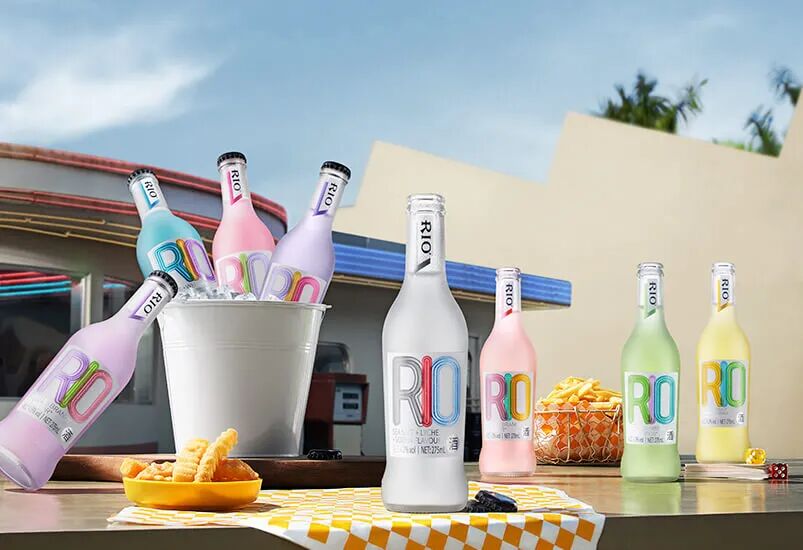
低度酒品类狂欢下,却赚了个寂寞
3 6 Ke· 2025-12-30 04:00
Core Insights - The low-alcohol beverage market in China has rapidly expanded, with market size projected to grow from 200 billion yuan in 2020 to over 570 billion yuan by 2024, and globally reaching 634.17 billion yuan in 2023, expected to exceed 740 billion yuan by 2025 [1][4][6] - The shift in consumer preferences from traditional high-alcohol beverages to low-alcohol options is driven by younger generations seeking healthier and more enjoyable drinking experiences [5][6][8] - The market is becoming increasingly competitive with new brands entering, including traditional liquor companies and retail chains launching their own low-alcohol products [5][9][12] Market Trends - The rise of low-alcohol beverages is characterized by a cultural shift from "drinking for social obligation" to "drinking for personal enjoyment," with 50% of consumption occurring at home and a 56% increase in outdoor activities like camping [5][6] - Young consumers aged 18-35 account for 68% of sales, with a significant portion being female [5][6] - Health concerns are a primary motivator for Gen Z consumers choosing low-alcohol options, as traditional high-alcohol spirits are viewed as outdated [6][8] Competitive Landscape - Established brands like RIO and emerging players such as Mei Jian and Bei Rui Tian Xin are competing for market share, with RIO facing challenges due to declining sales and brand fatigue [2][9][11] - Traditional liquor companies like Moutai and Wuliangye are diversifying into low-alcohol products, while retail chains like Hema and Haidilao are also launching their own offerings [5][9] - The market is characterized by a lack of standout brands, with many new entrants struggling to differentiate themselves in a crowded space [12] Consumer Behavior - Young consumers prefer low-alcohol products that are smooth and sweet, contrasting with the strong flavors of traditional spirits [8] - The use of social media has significantly increased the visibility and popularity of low-alcohol beverages, with discussions on platforms tripling in 2020 [4] - The trend towards low-alcohol beverages is not just a passing fad; it reflects a deeper cultural shift in drinking habits among younger generations [5][6]
食品饮料:秋糖反馈符合预期
Dongxing Securities· 2025-10-27 09:36
Investment Rating - The industry investment rating for the food and beverage sector is "Positive" [5] Core Insights - The recent 113th National Sugar and Wine Commodity Fair indicated that while overall sales in the liquor industry have declined, the worst demand phase has passed. Companies are launching low-alcohol products to attract younger consumers, with new products like the 22-degree "Jinshi Yuan" being showcased [1][2][11] - The overall atmosphere at the autumn fair was subdued, with fewer exhibitors and visitors compared to previous years. Sales of liquor during the Mid-Autumn and National Day holidays dropped approximately 25%, primarily due to a significant decline in group purchases and government-related sales. However, it is believed that liquor demand has reached its lowest point, although destocking will take time [1][11] - The upcoming online Double Eleven shopping festival may temporarily affect liquor prices, but short-term price fluctuations are not expected to hinder the industry's recovery. Leading companies, particularly Kweichow Moutai, are showing signs of bottoming out and recovery [2][12] Market Performance - During the fair, the weekly price changes in various food and beverage sub-sectors were as follows: Yellow Wine +6.55%, Other Liquors +2.07%, Beer +0.76%, Baijiu +0.43%, Seasoning and Fermented Products -0.26%, Other Foods -0.66%, Dairy Products -1.42%, Soft Drinks -3.26%, Meat Products -3.44% [2][13] - The top five companies in terms of price increase during the fair were: Kuaijishan +11.08%, Guyue Longshan +5.07%, Shede Liquor +4.92%, Luzhou Laojiao +4.76%, and Bairun Co. +4.33%. The bottom five were: Weilang Co. -2.00%, Budweiser Asia -3.10%, ST Lanhua -3.11%, Huangtai Liquor -4.67%, and China Resources Beer -6.07% [3][18] Industry Tracking - Key upcoming events in the industry include shareholder meetings and performance briefings for various companies, such as Delisi and Jinhuijiu, scheduled for late October [6] - The food and beverage industry comprises 126 listed companies, with a total market capitalization of approximately 46,813.98 billion and an average P/E ratio of 21.65 [6]
“蛇茅”首推“日期酒”;今世缘老白干加码低度酒|观酒周报
2 1 Shi Ji Jing Ji Bao Dao· 2025-10-19 23:53
Group 1: Industry Trends - The current discussions at the Nanjing Autumn Sugar Conference and Wuhan Wine Expo revolve around whether the Chinese liquor industry has hit rock bottom, with low-alcohol beverages remaining a hot topic [1] - The white liquor consumption demographic in China is rapidly shrinking, and the demand for white liquor is believed to have reached its lowest point, with recovery expected to take several quarters [13] Group 2: Company Developments - Moutai has launched a new product called "Date Wine," allowing consumers to choose the production date when purchasing a full box of the 53% vol 500ml Moutai liquor [2] - Wuliangye Group reported positive performance across its various sectors in the first three quarters, aiming to achieve its annual targets [3] - Moutai's sales of its sauce-flavored liquor saw a significant recovery in September, with the channel inventory returning to a healthy level [4] - Guyue Longshan and China Resources Beer have announced a strategic partnership to develop a "yellow wine + beer" crossover product, expected to launch in November [5][6] - Langjiu will continue its sponsorship of the CCTV Spring Festival Gala, enhancing its brand visibility [7] - Huangtai Liquor's major shareholder has completed a share buyback plan, acquiring shares worth 600 million RMB [8] - Hengshui Laobaigan introduced a new low-alcohol product line, responding to the trend of lower alcohol content in the market [9] - Yanghe launched several new products during the Nanjing Autumn Sugar Conference, including themed packaging related to football [10] - Jinsiyuan introduced a new low-alcohol product with an alcohol content of 22 degrees, the lowest among recent low-alcohol offerings [12] - The new CEO of Zhenjiu Lidu, Tang Xiangyang, has outlined three strategies for the company's development in the new cycle [14] - Guyue Longshan's vice president has resigned, and Hu Feng has been appointed as the new vice president [15] Group 3: Market Challenges - Treasury Wine Estates has withdrawn its profit growth target for the current fiscal year due to weaker-than-expected sales in the Chinese market [16] - The company is implementing measures to address the declining prices of its BIN series products and is reallocating some products to other markets [17]