
安全冗余

Search documents
BBA将成历史,问界杀入豪车市场腹地
Feng Huang Wang Cai Jing· 2025-12-11 14:25
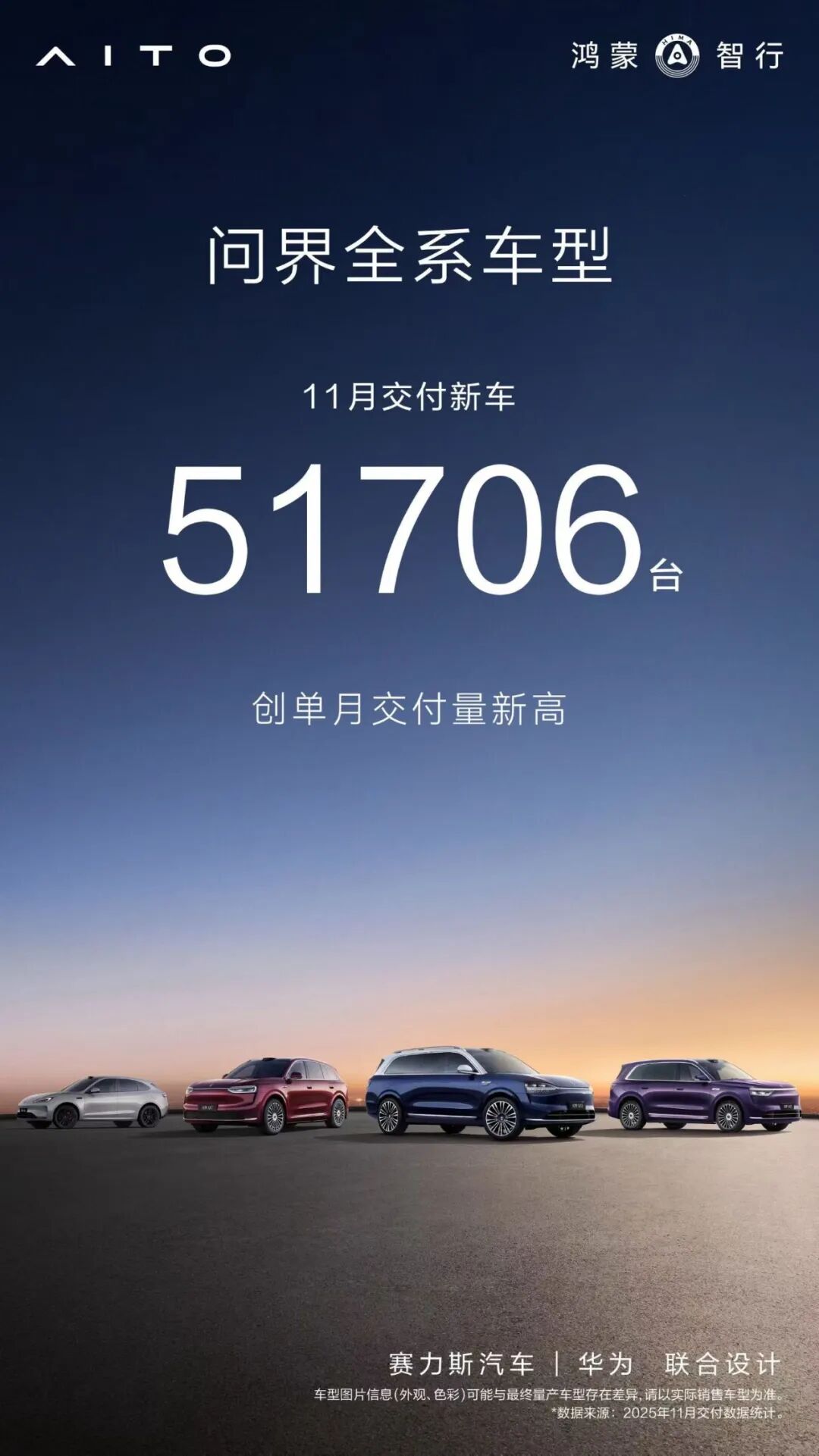
Core Viewpoint - The luxury car market in China is undergoing a dramatic shift, with traditional foreign luxury brands facing significant challenges from domestic competitors like AITO Wenjie, which has rapidly ascended to become a leading luxury brand in China [1][2]. Group 1: Market Dynamics - Foreign luxury car brands, once dominant, are now losing ground as local dealers transition to selling AITO Wenjie vehicles, indicating a significant change in consumer preferences [1][2]. - AITO Wenjie has achieved cumulative sales exceeding 900,000 units, with November sales surpassing 51,000 units, marking a historic high and establishing it as the only brand in China to exceed both sales and average price of traditional luxury brands [2][5]. Group 2: Product Performance - AITO Wenjie models, such as the M9, M8, M7, and M5, have seen impressive sales figures, with the M9 alone selling over 260,000 units and dominating the 500,000 yuan price segment [5][6]. - The average transaction price for AITO Wenjie vehicles reached 390,000 yuan, closely aligning with traditional luxury brands, indicating a shift in market value [5]. Group 3: Consumer Perception - The perception of luxury is evolving, with high-net-worth individuals now prioritizing smart technology and safety features over traditional brand prestige [6][8]. - AITO Wenjie has positioned itself as a leader in safety and technology, with innovative features such as collision unlock redundancy modules, which enhance vehicle safety beyond industry standards [7][8]. Group 4: Competitive Landscape - AITO Wenjie has become a benchmark for luxury electric vehicles in China, with its models frequently compared to those of traditional luxury brands [11][12]. - The brand's rapid rise has led to a shift in consumer recommendations, with AITO Wenjie now being viewed as a reliable choice in the luxury segment [12][16]. Group 5: Strategic Vision - The company aims to redefine luxury by integrating advanced technology and safety into its vehicles, moving away from the traditional luxury model based on brand history and material quality [9][10]. - AITO Wenjie represents a new wave of Chinese automotive innovation, leveraging local manufacturing and technology to compete on a global scale [9][10].


小马智行VS文远知行,Robotaxi对决走向“价值创造”
3 6 Ke· 2025-11-24 03:51
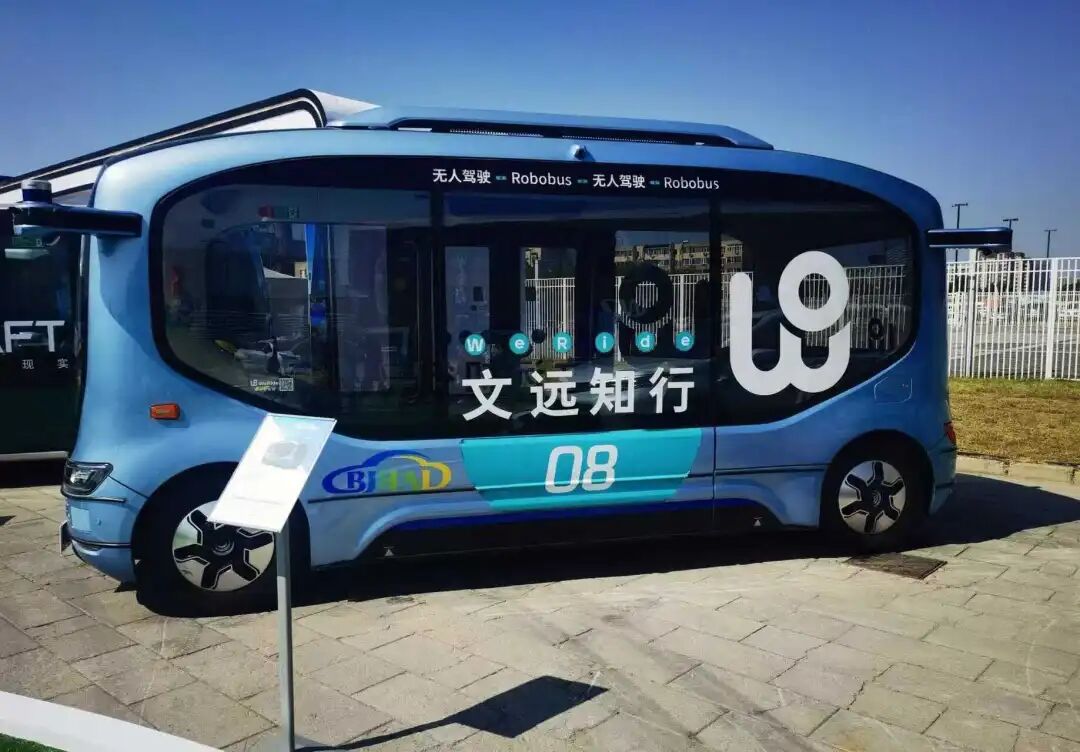
Core Viewpoint - The competition between Pony.ai and WeRide in the Robotaxi sector represents a critical survival and future-oriented battle in the context of a capital bubble and a "burning money for growth" cycle in the autonomous driving industry [1][22]. Group 1: Technical Approaches - Pony.ai, led by Peng Jun, focuses on safety redundancy, employing over 20 safety systems including LiDAR, cameras, and millimeter-wave radar, to ensure reliability in extreme weather conditions [1][2][4]. - WeRide, under Han Xu, aims for full-scene coverage with a unified algorithm that spans various autonomous driving applications, enhancing cost efficiency through data feedback from multiple scenarios [4][6]. - Both companies face the challenge of addressing the "long-tail problem" in autonomous driving, which involves rare but severe scenarios [5][10]. Group 2: Commercialization Strategies - Pony.ai adopts a strategy of "concentration," focusing resources on Robotaxi services in major Chinese cities, aiming for scale to reduce unit costs and enhance user trust [7][9]. - WeRide employs a "diversification" strategy, covering multiple scenarios and markets globally, which helps mitigate risks associated with any single business line [9][10]. - The financial performance of both companies indicates differing paths to profitability, with Pony.ai targeting breakeven for individual vehicles by late 2025 or early 2026, while WeRide seeks to leverage global expansion to offset domestic market risks [10][19]. Group 3: Capital Strategies - Pony.ai's capital strategy involves a dual listing approach, securing funding from both the US and Hong Kong markets to stabilize its financial base and enhance liquidity [13][19]. - WeRide's strategy focuses on leveraging capital investments and partnerships with global players like Uber and Grab to accelerate market entry and resource acquisition [15][16][19]. - The competition between Pony.ai's "safety card" and WeRide's "leverage strategy" reflects broader trends in the autonomous driving sector, where building trust and proving growth potential are crucial [18][20]. Group 4: Industry Implications - The rivalry between Pony.ai and WeRide signifies a pivotal moment for China's autonomous driving industry, transitioning from experimental phases to commercial viability and value creation [21][22]. - The outcome of this competition will not only determine the future of these companies but also shape the landscape of the autonomous driving market in China and beyond [22].
智能汽车的安全冗余 不能只是选择题
Zheng Quan Shi Bao· 2025-10-26 17:41
Core Insights - Recent fire incidents involving Xiaomi and Li Auto vehicles have raised significant safety concerns in the electric vehicle market [1][2] - The accidents highlight the critical need for safety redundancies in smart vehicles, which should not be viewed as optional but as essential for survival [1][2] Industry Analysis - The design of hidden door handles in vehicles should not compromise emergency accessibility for aesthetic purposes [2] - There is a pressing need for multiple protective mechanisms in battery systems to ensure safety, especially when "zero self-ignition" cannot be guaranteed [2] - The advancement of technologies like autonomous driving and smart cockpits must be built on a solid foundation of safety redundancies rather than marketing rhetoric that obscures design flaws [2] Market Implications - The Chinese smart vehicle industry is transitioning from scale expansion to high-quality development, where user trust is paramount and can be easily undermined by safety incidents [2] - Safety is not an optional aspect for companies but a fundamental requirement in the era of smart vehicles, making it a critical issue for the industry [2] - The recent fire incidents serve as both a warning and an opportunity for the industry to mature and improve [2]
智能汽车的安全冗余不能只是选择题
Zheng Quan Shi Bao· 2025-10-26 17:41
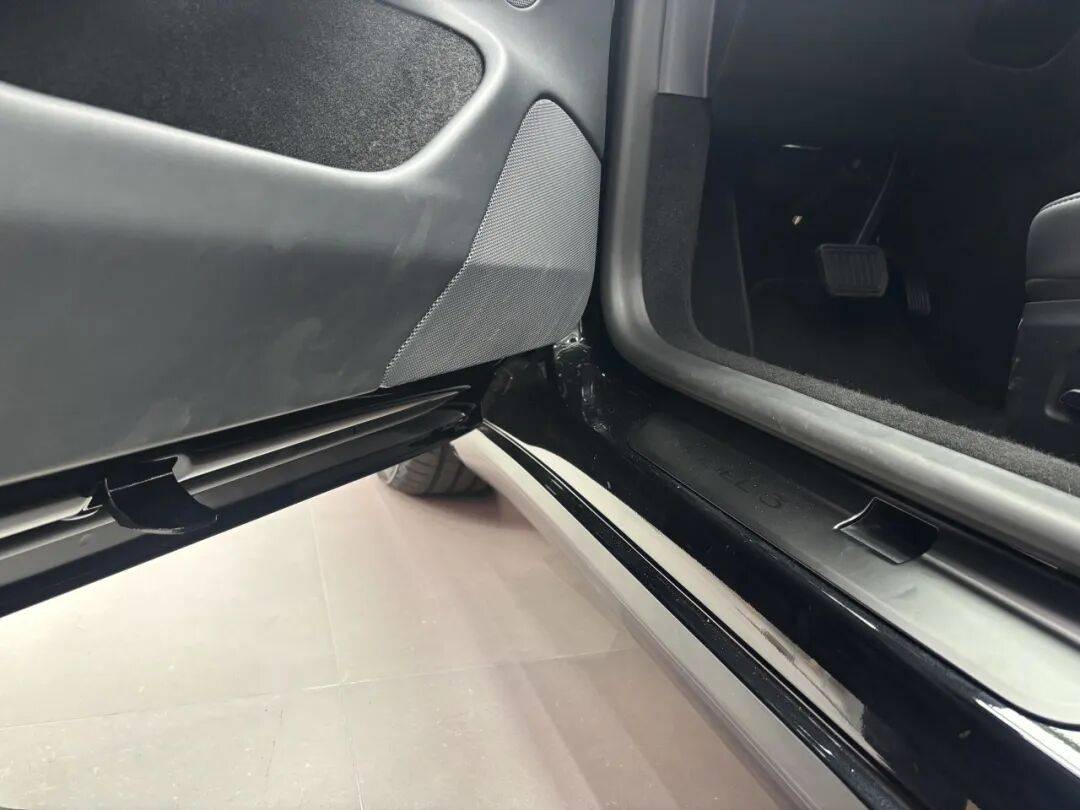
Core Viewpoint - Recent fire incidents involving Xiaomi and Li Auto vehicles have raised significant safety concerns in the electric vehicle market, highlighting the critical need for safety redundancy in automotive design [1][2]. Group 1: Incident Analysis - The fire incident involving Xiaomi's vehicle in Chengdu featured a door that could not be opened, attributed to the lack of effective mechanical redundancy in its semi-hidden door handle design [1]. - Li Auto's MEGA caught fire unexpectedly while driving, bringing the safety of high-priced electric vehicles into question [1]. Group 2: Safety Redundancy Importance - Safety redundancy, derived from engineering and emergency management, is essential for enhancing the overall safety and reliability of vehicles, especially in the context of electric vehicles where fire spread is significantly faster than in traditional fuel vehicles [1][2]. - Current market competition has led some manufacturers to cut costs by reducing critical redundancy features in lower-priced models, shifting safety responsibilities onto consumers [1]. Group 3: Industry Recommendations - The design of features like hidden door handles should not compromise emergency accessibility for aesthetic purposes, and there is a need for robust protective mechanisms for battery systems to ensure safety [2]. - The advancement of technologies such as autonomous driving and smart cockpits must be grounded in solid safety redundancy rather than marketing rhetoric that obscures design flaws [2]. - The transition of China's smart vehicle industry from scale expansion to high-quality development necessitates a focus on safety as a fundamental requirement rather than an optional feature [2].


汽车安全,一场没有终点的全员马拉松
36氪· 2025-10-21 09:41
Core Viewpoint - The article emphasizes the importance of collaboration among all traffic participants for automotive safety, highlighting the critical role of driver control over steering, acceleration, and braking [2]. Group 1: Incident Overview - A recent traffic accident involving a Xiaomi SU7 Ultra in Chengdu, where the driver died after the vehicle caught fire post-collision, has reignited discussions on automotive safety [3]. - The driver was reported to be under the influence of alcohol, and attempts to rescue the driver were hindered by the inability to open the car doors from the outside [3]. Group 2: Design and Safety Concerns - The design of non-mechanical door handles in electric vehicles has come under scrutiny following several incidents where doors could not be opened after collisions, raising safety concerns [4][5]. - The automotive industry must balance addressing specific safety issues with the need for technological advancement, as automotive safety is a complex field requiring rational and objective analysis [5]. Group 3: Lock Mechanism and Emergency Procedures - Modern vehicles typically incorporate automatic locking and unlocking mechanisms to enhance safety, such as locking doors when the vehicle reaches speeds of 10-20 km/h and unlocking them in the event of a collision [7]. - The locking mechanism is designed to prevent doors from opening during a collision to keep occupants secure, with unlocking occurring only after the vehicle has come to a stop [11]. Group 4: Redundancy and Reliability - The industry employs redundancy in power supply systems to ensure that door locks function even if the primary power source fails, with some brands implementing a third layer of redundancy [16]. - Despite these measures, no automotive company can guarantee absolute reliability of door lock emergency procedures due to the unpredictable nature of collisions [18]. Group 5: Non-Mechanical Door Handles - Non-mechanical door handles, which require electronic systems to operate, have become increasingly common, with nearly 1 million new vehicles expected to feature this design in 2024 [23]. - Current national standards mandate that at least one door must be operable after a collision, but new regulations are being proposed to enhance safety by requiring mechanical release functions for electronic handles [29][30]. Group 6: Collision Dynamics and Limitations - The energy from high-speed collisions can exceed standard testing thresholds, as demonstrated by the Xiaomi SU7 Ultra accident, where the impact speed was estimated to be over 160 km/h, significantly higher than the typical testing speeds [36]. - The structural integrity of vehicle doors can be compromised in extreme collisions, making it difficult to open them for rescue, as the door's locking mechanism is not the sole factor in door operation [39]. Group 7: Future of Automotive Safety - The automotive safety landscape is evolving, with regulations adapting to higher collision speeds and the need for improved safety measures [41]. - Ultimately, the responsibility for safety lies with the driver, as discussions around automotive safety return to the fundamental principle of safe driving [43].

应用场景再上新!我国智能网联汽车又有新突破
Yang Shi Xin Wen· 2025-10-18 01:37
Core Insights - The 2025 World Intelligent Connected Vehicle Conference is being held in Beijing, showcasing the expansion of intelligent connected applications such as smart buses and unmanned delivery vehicles, indicating a new phase of multi-scenario applications in China's intelligent connected vehicle sector [1][9] Industry Developments - In Chongqing, a technology company's intelligent assisted driving has been tested in increasingly complex scenarios, including steep curves and crowded areas [3] - In Guangzhou, a Level 4 autonomous bus line has accumulated over 2.1 million kilometers of travel, demonstrating the integration of intelligent connected vehicles into daily life [5] - In Xinjiang, over 140 unmanned mining trucks are operating in challenging weather conditions, utilizing 5G and intelligent cloud control platforms, marking a significant step in industrial automation [7][9] Safety and Security Measures - The concept of "safety redundancy" is gaining attention, with many companies focusing on multi-layered backup designs to enhance vehicle safety [11] - A technology company is implementing algorithmic, software, and hardware redundancies to ensure product safety, conducting comprehensive testing in various challenging conditions [13] - Didi's autonomous driving CEO highlighted the importance of an independent module for collision detection, emphasizing safety as a non-negotiable priority for companies [15][17] Global Perspectives - The conference attracted representatives from multiple countries, with international experts expressing optimism about China's intelligent connected vehicle development and its potential to influence the global industry [19][21] - Companies like BMW are establishing significant R&D bases in China, aiming to leverage local technological advancements for mutual growth [23] - Countries such as Germany are investing heavily in digitalization and infrastructure, with plans to collaborate with China on various technological fronts [24][26]

实探10家新能源车:多数极端情况无法开门
Hu Xiu· 2025-10-17 12:35
Core Viewpoint - The tragic incident involving a Xiaomi car has reignited the safety debate surrounding hidden door handles in electric vehicles, highlighting the critical need for safety redundancy in automotive design [1][2][3]. Group 1: Incident Overview - A Xiaomi vehicle lost control and caught fire due to the owner's drunk driving, leading to fatalities as rescuers struggled to open the doors, which were rendered inoperable due to the hidden electric door handles failing after power loss [1][2]. - Previous incidents in 2024 and 2025 involving other electric vehicles with similar hidden door handle designs have raised public awareness about the safety risks associated with these features [2][3]. Group 2: Regulatory Response - The Ministry of Industry and Information Technology (MIIT) initiated a safety technology research project in July 2024, focusing on the risks associated with hidden door handles [2][28]. - A draft of mandatory national standards for automotive door handles was released on September 24, 2025, proposing significant restrictions on hidden door handles and suggesting a transition period until January 1, 2027 [2][27]. Group 3: Industry Implications - The ongoing accidents and the impending regulations indicate a shift in the automotive industry towards prioritizing safety over aesthetic and aerodynamic considerations [3][21]. - The new regulations require all vehicle doors to have mechanical release functions, which fundamentally challenges the current trend of fully hidden door handles [27][29]. Group 4: Design and Safety Redundancy - The design of hidden door handles has been criticized for relying heavily on electronic signals, which can fail in emergencies, leading to difficulties in opening doors during critical situations [7][8]. - Some manufacturers, like Tesla, have implemented designs that combine electronic and mechanical systems to enhance safety redundancy, while others still rely on less reliable designs [12][16]. Group 5: Future Directions - The automotive industry is beginning to reassess its design philosophies, moving away from a sole focus on technological aesthetics towards incorporating safety as a fundamental design principle [31][34]. - Companies are actively preparing to comply with the new regulations, with some already adapting their designs to meet the upcoming safety standards [30][32].
OTA新规下,车企们如何适应新的迭代模式?
3 6 Ke· 2025-09-03 09:16
Core Insights - The automotive industry is shifting focus from rapid iteration to building safety and trust, moving competition towards system resilience and ethical responsibility [1][9] - The Chinese automotive recall rate is projected to increase by 67% in 2024, particularly affecting new energy vehicles, prompting companies to prioritize safety redundancy in R&D [1][2] - New regulations from the State Administration for Market Regulation and the Ministry of Industry and Information Technology aim to enhance recall management and ensure software updates are thoroughly tested before being pushed to users [1][2][5] Regulatory Changes - The introduction of new OTA regulations is seen as a necessary step for rebuilding consumer trust and ensuring safety standards align more closely with those in the aviation industry [2][7] - The regulations require that any upgrades involving technical parameter changes must be reported to the Ministry of Industry and Information Technology, complicating the update process for companies [5][6] - A "three-level warning" mechanism is mandated, which will significantly increase the computational load and development costs by approximately 20% [5][6] Industry Adaptation - Companies like XPeng are adapting to the new regulations by implementing robust rollback mechanisms for OTA updates, ensuring minimal disruption to vehicle operation [8][9] - The traditional model of "hardware pre-embedding + software unlocking" is being challenged, as the new regulations push for a more standardized approach to automotive iteration [7][9] - The integration of various sensors and systems for enhanced safety and redundancy is becoming a competitive advantage, as seen in the marketing strategies of companies like Li Auto [9] Technological Implications - The shift towards safety and redundancy in automotive technology is expected to reshape the development logic of vehicles, requiring more upfront investment in hardware capabilities [7][9] - Companies that can effectively manage data across departments and maintain a closed-loop data system will have a competitive edge in meeting the new regulatory requirements [6][7] - The collaboration between different smart devices through systems like Huawei's HarmonyOS is positioned as a key feature for enhancing user experience and safety [4][9]

“安全冗余”不多余(纵横)
Ren Min Ri Bao· 2025-08-13 21:50
Group 1 - The article emphasizes the importance of "safety redundancy" in mitigating risks associated with extreme weather events, which have been increasingly recognized as a global risk [1][2][3] - It highlights that the construction of "safety redundancy" requires significant upfront investment, but the benefits are often realized in the form of "accidents that did not happen," making it easy to overlook [1][2] - The article points out that a lack of "safety redundancy" can lead to severe consequences, as it serves as a backup when primary defenses fail [1][2] Group 2 - The Central Urban Work Conference has called for the construction of resilient cities, emphasizing the need to focus on "safety redundancy" to enhance urban resilience [2][3] - It suggests that improving urban resilience requires attention to detail, process control, and proactive risk assessment, rather than just addressing current needs [2] - The article advocates for public awareness and education to enhance individual protective capabilities, which is also considered a necessary form of "redundancy" [2]
“安全冗余”并不多余
Xin Hua Ri Bao· 2025-07-31 10:24
Core Viewpoint - The articles emphasize the importance of "safety redundancy" in urban planning and disaster management to mitigate the impacts of extreme weather events, which are increasingly recognized as a significant global risk [1][2][3] Group 1: Extreme Weather and Urban Vulnerability - Jiangsu Province is currently facing severe weather due to Typhoon No. 8, highlighting the need for effective disaster preparedness and response measures [1] - Extreme weather events, such as droughts and heavy rainfall, are becoming more frequent, necessitating a reevaluation of urban infrastructure and safety protocols [1][2] - The tragic incident of a fallen tree during a storm underscores the vulnerabilities in urban management, where aging infrastructure and lack of proper maintenance can lead to catastrophic outcomes [2] Group 2: Importance of Safety Redundancy - "Safety redundancy" is defined as having backup systems in place to manage risks effectively, which is crucial in preventing disasters when primary defenses fail [1][2] - The lack of investment in safety redundancy is often due to the misalignment of costs and benefits, where the benefits of preventing disasters are not immediately visible [2] - The concept of safety redundancy is increasingly recognized in urban planning, with calls for cities to incorporate sufficient backup measures to handle extreme weather events [3] Group 3: Recommendations for Urban Resilience - The Central Urban Work Conference has called for the construction of resilient cities, emphasizing the need for redundancy in urban planning to prepare for unforeseen disasters [3] - Urban planners are encouraged to consider extreme weather factors in their designs, ensuring that adequate emergency shelters and flood control measures are in place [3] - Public awareness and education on risk management are essential components of building a resilient urban environment, promoting individual preparedness alongside institutional measures [3]