关税政策

Search documents
特朗普天都塌了,不仅对华贸易战要打输,还倒赔2万亿美元?
Sou Hu Cai Jing· 2025-11-22 07:15
与中国握手休战后,特朗普本该松一口气,却没多久就迎来了坏消息。美国最高法院做出了对他不利的 决定,这让他几乎感到天塌下来。如果他输了官司,不仅贸易战将以失败告终,美国政府还可能需要赔 偿2万亿美元。 在10月底,美方与中方达成协议,暂时停火,特朗普因此稍感宽慰,并兴奋地表示,今 后美国将不再为稀土资源问题而担忧。然而,刚回到美国没多久,坏消息接踵而至。 特朗普政府今年的目标之一就是减少财政赤字,因为美国的国家债务已经非常庞大,利息负担已经超过 了本金,迟早会引发危机。他需要尽可能避免这个雷在自己手上爆炸。而要解决赤字,最有效的办法就 是通过增加关税来增加财政收入,哪怕这些费用最终是由美国人民承担的。 因此,这次最高法院的审 理,对于特朗普来说,简直是灾难性的。如果三名保守派大法官都不站在他这一边,他不仅会失去关税 战,还将不得不面对中国以外的其他经济损失。 法律界普遍对特朗普的关税政策持负面态度,最初在地方贸易法院就有判决认为他超越了权限。在随后 的许多类似案件中,特朗普的关税政策也大多被判定为越权,这些判例也代表了法律界的整体态度。 最高法院三名重要的保守派法官倒戈,显然对特朗普政府是一个巨大的打击。特朗普 ...

少了1万亿美元 美国会预算办公室大幅下调特朗普关税收入预期
Di Yi Cai Jing· 2025-11-21 11:29
Core Points - The U.S. Congressional Budget Office (CBO) has revised down the long-term fiscal surplus expectation from the Trump administration's tariff policy by $1 trillion, raising concerns about U.S. borrowing needs [1][2] - The CBO estimates a total surplus of $3 trillion from 2025 to 2035, down from an earlier estimate of $4 trillion [2] - The CBO attributes about two-thirds of the downward revision to adjustments based on new data and notes that recent tariff rate adjustments have lowered the projected deficit impact [2] Tariff Revenue and Economic Impact - The actual tariff rate is estimated to be approximately 16.8%, the highest level since 1935, compared to a previous estimate of 18% [2] - The U.S. fiscal deficit for the fiscal year ending September was $1.78 trillion, with a projected deficit of $1.82 trillion for 2024 [2] - Higher tariff revenues are expected to cumulatively reduce the budget deficit by $2.5 trillion from 2025 to 2035, saving $500 billion in interest payments [2] Trade Policy Adjustments - The Trump administration is considering the removal of tariffs on certain EU food imports to alleviate consumer price concerns [3] - The U.S. Department of Agriculture is actively seeking to increase exports to the EU and is focusing on modifying EU sanitary standards that restrict certain U.S. products [3] - The annual agricultural trade deficit for the U.S. is reported to be $23.6 billion, indicating a disadvantage for American farmers [3] Legal and Financial Implications - There are concerns that if the Supreme Court rules to refund tariffs, the amount could range from $750 billion to $1 trillion [4] - As of September 30, 2025, the federal government has generated nearly $195 billion in revenue from tariffs for the fiscal year [4]
少了1万亿美元,美国会预算办公室大幅下调特朗普关税收入预期
第一财经· 2025-11-21 11:12
Core Viewpoint - The U.S. Congressional Budget Office (CBO) has revised down the long-term fiscal surplus expectations from Trump's tariff policies by $1 trillion, raising concerns about U.S. borrowing needs. The tariff revenues are insufficient to offset the impacts of the tax cuts implemented by the Trump administration [3][4]. Group 1: Fiscal Projections - CBO estimates a total surplus of $3 trillion from 2025 to 2035, down from the previous estimate of $4 trillion made in August [5]. - The tax cuts from Trump's administration are projected to increase the fiscal deficit by $3.4 trillion over the next decade [5]. - CBO Director Philip Swagel noted that about two-thirds of the downward revision is due to adjustments based on new data, and recent tariff rate adjustments have also lowered deficit impact estimates [6]. Group 2: Tariff Rates and Revenue - The actual tariff rate is currently estimated to be approximately 16.8%, the highest level since 1935, which is about 14 percentage points higher than a year ago [6]. - For the fiscal year ending September, the U.S. fiscal deficit was $1.78 trillion, with an expected deficit of $1.82 trillion for 2024 [7]. - Higher tariff revenues are expected to cumulatively reduce the budget deficit by $2.5 trillion from 2025 to 2035, saving $500 billion in interest payments due to reduced deficits [7]. Group 3: Trade Agreements and Tariff Adjustments - Recent adjustments to tariff levels aim to alleviate consumer price concerns, with the U.S. considering the removal of tariffs on EU beef and other food products [9]. - The U.S. Department of Agriculture is actively seeking to increase exports to the EU and address trade imbalances, with an annual agricultural trade deficit of $23.6 billion [9]. - If the Supreme Court rules tariffs imposed under the International Emergency Economic Powers Act (IEEPA) invalid, it could significantly impact fiscal revenue, with potential refunds estimated between $750 billion to $1 trillion [10]. Group 4: Current Tariff Revenue - As of September 30, 2025, the federal government has generated nearly $195 billion in revenue from tariffs for the fiscal year [11].

少了1万亿美元,美国会预算办公室大幅下调特朗普关税收入预期
Di Yi Cai Jing· 2025-11-21 10:13
Core Insights - The U.S. Congressional Budget Office (CBO) has revised its long-term fiscal surplus forecast down by $1 trillion due to the impact of tariff policies, raising concerns about U.S. borrowing needs [1][2] - The CBO estimates a total surplus of $3 trillion from 2025 to 2035, significantly lower than the previous estimate of $4 trillion [2] - The actual tariff rates have increased by approximately 14 percentage points compared to a year ago, with the average effective tariff rate for U.S. consumers reaching 16.8%, the highest since 1935 [2] Group 1: Tariff Policy and Economic Impact - The CBO's adjustment reflects new data and the impact of recent tariff rate changes, which have reduced the estimated deficit effects [2] - The U.S. fiscal deficit for the fiscal year ending September was $1.78 trillion, with a projected deficit of $1.82 trillion for 2024 [3] - Higher tariff revenues are expected to reduce the budget deficit by $2.5 trillion from 2025 to 2035, leading to savings of $500 billion in interest payments [3] Group 2: Trade Agreements and Tariff Adjustments - The U.S. government is considering eliminating tariffs on EU beef and other food products as part of recent trade agreements [4] - The U.S. Department of Agriculture is actively seeking to increase exports to the EU and address trade imbalances, particularly in agricultural products [4] - The potential ruling by the Supreme Court regarding tariffs could significantly impact future fiscal revenues, with estimates of refunds ranging from $750 billion to $1 trillion [5] Group 3: Revenue from Tariffs - As of September 30, 2025, the U.S. federal government has generated nearly $195 billion in revenue from tariffs for the fiscal year [6]
日本对美出口连续7个月同比下降
Xin Hua She· 2025-11-21 05:52
Core Viewpoint - Japan's exports to the United States have been declining for seven consecutive months due to U.S. tariff policies, significantly impacting its trade balance and economic outlook [1] Export Performance - In October, Japan's exports to the U.S. decreased by 3.1% year-on-year to 1.75 trillion yen (approximately 11.1 billion USD) [1] - The decline in exports was primarily driven by significant drops in three categories: automobiles (-7.5%), semiconductor manufacturing equipment (-49.6%), and pharmaceuticals (-30.8%) [1] - Although the decline in automobile exports has lessened, it remains the largest contributor to the overall decrease in exports to the U.S. [1] Trade Balance - Japan has experienced a trade deficit for four consecutive months, with a trade deficit of 231.8 billion yen in October [1] - Overall exports increased by 3.6% year-on-year to 9.766 trillion yen, while imports rose by 0.7% to 9.998 trillion yen [1] Economic Implications - Experts note that in 2024, exports of automobiles and auto parts are expected to account for about one-third of Japan's total exports to the U.S., indicating the ongoing significant impact of U.S. tariff policies [1] - The persistent trade deficit, coupled with the depreciation of the yen, exacerbates the economic challenges faced by Japan [1]
再次跑赢印度,亚洲GDP增速第一的国家还是它,明年目标要增长10%
3 6 Ke· 2025-11-21 03:49
Group 1: Vietnam's Economic Growth - Vietnam's GDP growth rate for Q3 2025 reached 8.23%, with a target of 8% for the year [2] - The manufacturing sector is the core driver of Vietnam's rapid economic growth, with manufacturing output increasing by 9.92% year-on-year from January to September [3][5] - Vietnam's total goods import and export volume for the first nine months of 2025 reached $680.66 billion, a 17.3% increase year-on-year, with exports close to $349 billion, growing by 16% [5] Group 2: Impact of U.S. Tariff Policies - The U.S. has signed a framework agreement with Vietnam regarding tariffs, reducing the average import tariff on Vietnamese goods to about 20%, which has stimulated exports [2][5] - In contrast, India's trade deficit reached a record $41.68 billion in October due to the U.S. imposing high tariffs, leading to an 11.8% decline in exports [2][11] - The U.S. tariffs on Indian goods have resulted in a significant drop in India's trade surplus with the U.S., decreasing by 54% from April to October [9][11] Group 3: Challenges Facing Vietnam and India - Despite strong economic growth, Vietnam faces challenges such as reliance on cheap labor and resources, and plans to invest in infrastructure and technology to reduce this dependency [8] - India's manufacturing sector is at a disadvantage compared to competitors like Vietnam due to the high tariffs imposed by the U.S., which have severely impacted its export capabilities [12][13] - The Indian government is implementing measures to support exporters, including over $5 billion in relief packages, while also seeking to negotiate trade agreements with multiple countries [15][18]

全球关税政策波动下的市场挑战与QYResearch的专业解决方案
QYResearch· 2025-11-21 03:14
Core Viewpoint - The recent tariff increases by the Trump administration are expected to reshape global trade dynamics, significantly impacting multinational companies in sectors such as semiconductors, electric vehicles, photovoltaics, communications, and advanced materials [3]. Group 1: Impact of Tariff Policies - The escalation of tariff policies poses a dual challenge to industry chain costs and market structures [4]. - Increased cost pressure is anticipated, with rising cross-border trade costs for key products like semiconductor equipment, power batteries, and photovoltaic components, thereby squeezing profit margins for companies [5]. - Accelerated supply chain restructuring is necessary as companies reassess regional and nearshore strategies to mitigate policy risks [5]. - Market competition is expected to become more polarized, with some countries potentially using domestic subsidy policies to protect their industries, leading to intensified global market share battles [5]. - The complexity of compliance is increasing due to overlapping multilateral trade rules and various countries' countermeasures, necessitating dynamic adjustments in compliance strategies by companies [5]. - The impact of tariff policies will vary significantly by industry characteristics, with the semiconductor equipment sector facing technology export restrictions and localization demands [5]. Group 2: QYResearch's Core Services - QYResearch provides data-driven, standardized, and customized services to help companies navigate market changes induced by tariff policies [6]. - Comprehensive industry chain data insights are offered, including industry research reports covering sensitive sectors like semiconductors, photovoltaics, and electric vehicles, along with supply-demand analysis, price trend forecasts, and policy impact assessments [6]. - Competitive dynamics monitoring is conducted to track major global companies' capacities, sales regions, product prices, revenues, and key customers, enabling market structure predictions [6]. Group 3: Strategic Consulting and Investment Support - Market entry strategies are developed to address tariff barriers and competitive environments in target countries, creating differentiated entry plans [7]. - Government affairs support is provided to assist companies in obtaining qualifications such as "specialized and innovative" and "single champion," allowing them to capture policy benefits to offset external risks [7]. - IPO consulting and compliance verification services are available, offering specialized analysis reports on the financial impacts of tariff policies for companies planning to go public, ensuring compliance with disclosure requirements [7]. Group 4: Company Background - QYResearch, established in 2007, is headquartered in Los Angeles, USA, and Beijing, China, and has evolved into a leading consulting firm providing detailed industry research services to global clients over 18 years [8]. - The service areas encompass various high-tech industry chains, including electronics, semiconductor, chemical raw materials, advanced materials, machinery manufacturing, electric vehicles, and photovoltaics [8].

被欧盟发起反倾销调查!大叶股份回应
Shen Zhen Shang Bao· 2025-11-21 01:48
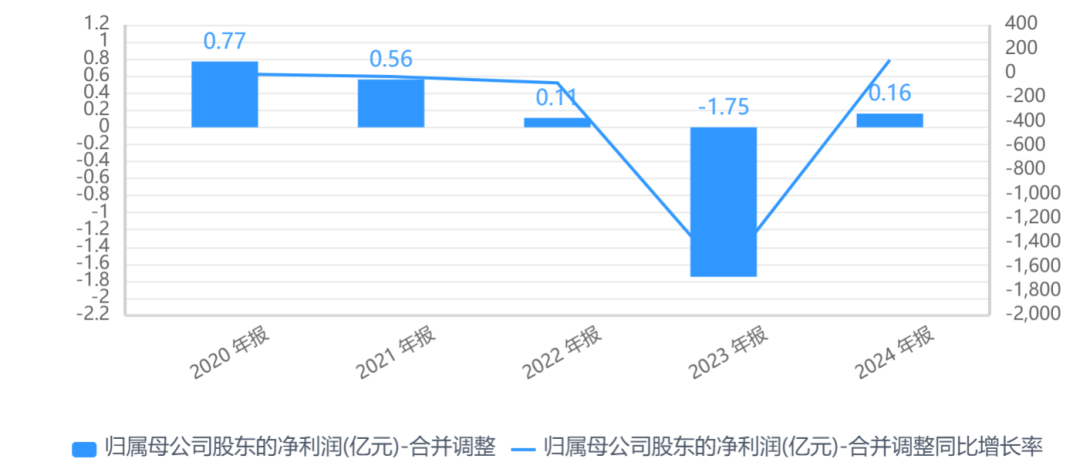
Core Viewpoint - The European Commission has initiated an anti-dumping investigation against Chinese lawn mower manufacturers, including Daye Co., which may impact the company's operations and market access in Europe [1][2]. Group 1: Company Response and Strategy - Daye Co. plans to adjust its overseas production structure and integrate internal and external production resources to mitigate the impact of the EU's anti-dumping investigation on its lawn mower business [1]. - The company has completed the acquisition of its German subsidiary AL-KO, which will facilitate local operations for research, production, and sales of lawn mower products in Austria [1]. Group 2: Financial Performance - For the first three quarters of 2025, Daye Co. reported total revenue of 3.073 billion yuan, a year-on-year increase of 122.23%, and a net profit attributable to shareholders of 124 million yuan, up 483.56% [4]. - In the third quarter, the company experienced a revenue of 522 million yuan, an increase of 83.41%, but reported a net loss of 101 million yuan, a decline of 218.83% compared to the previous year [5][6]. - The company's net profit fluctuated significantly from 2020 to 2024, with figures of 77 million yuan, 56 million yuan, 11 million yuan, -175 million yuan, and 16 million yuan respectively [2]. Group 3: Market and Sales - Daye Co.'s products are primarily exported, with 97.86% of revenue coming from international sales, targeting over 70 countries including the US, Germany, and France [7]. - As of November 20, Daye Co.'s stock price decreased by 1.00% to 28.71 yuan per share, with a total market capitalization of approximately 5.811 billion yuan, while the stock has risen over 80% this year [7].

December interest rate cut in doubt as Fed minutes show policymakers divided
Fox Business· 2025-11-20 16:11
Core Insights - The Federal Reserve's policy meeting minutes indicate uncertainty regarding interest rate cuts in December and early next year, with policymakers divided on the necessity of an additional rate cut due to concerns over the labor market and inflation [1][2][5] Interest Rate Decisions - The Fed implemented its first rate cut of the year in September, followed by a second 25-basis-point cut in October, resulting in a benchmark federal funds rate range of 3.75% to 4% [2] - Participants expressed differing opinions on the appropriateness of further rate cuts at the December meeting, with some suggesting that a 25-basis-point reduction may not be likely [5][6] Inflation and Tariff Impact - The minutes highlighted discussions on the impact of higher tariffs from the Trump administration, which have increased costs for businesses importing goods and contributed to rising inflation as these costs are passed to consumers [8] - While some policymakers noted that inflation was close to the Fed's long-term target of 2%, many remarked that overall inflation had been above target for an extended period without signs of returning to the 2% objective [9][11] Economic Outlook and Consumer Sentiment - Many participants anticipated a potential increase in core goods inflation in the coming quarters due to the pass-through effects of tariffs, although there was uncertainty regarding the timing and extent of these price adjustments [11] - The consensus among Fed policymakers was that monetary policy decisions would not follow a preset course but would depend on incoming data and the evolving economic outlook [12] Market Expectations - Market expectations for a third consecutive rate cut in December have fluctuated, with the CME FedWatch tool indicating a 43.8% probability of a 25-basis-point cut, a rise from 30.1% but below the previous week's 50.1% and last month's 98.8% [13]

【世界说】美国家庭正为高关税买单 瑞银:通胀持续难降,实际收入增长被吞噬
Sou Hu Cai Jing· 2025-11-20 10:54
从长期来看,瑞银预计到2028年,关税对核心PCE的累计直接影响将达到1.4个百分点;若计入供应链重构和受关税保护的美国本土厂商涨价等连锁反应, 影响幅度将升至近1.9个百分点。换言之,仅关税这一个因素或许就能解释当前通胀水平与美联储2%目标之间近三分之二的差距。 关税相关的成本转嫁已然成为了美国家庭的实际负担。过去六个月,美国平均时薪年化增速已放缓,薪资总收入年化增长率约为3.25%。而经济学家预测, 未来两季度PCE通胀率将维持在3%到4%的区间。这就意味着实际收入增长将被完全吞噬。 中国日报网11月20日电 美国《财富》杂志网站日前刊文称,在瑞银集团对2026年至2028年美国经济的展望报告中,"衰退还是繁荣"成为核心问题。由瑞银 首席经济学家乔纳森·平格尔领导的团队指出,当前美国关税政策的实质无异于大规模增税。该团队认为,关税正严重拖累经济增长,持续助推通胀,侵蚀 消费者的实际收入增长。 分析团队在报告中直言:"关税就是大幅增税。"根据瑞银测算,现行关税政策意味着加权平均关税率已达13.6%,较年初的2.5%暴涨五倍。贸易政策最直接 的冲击体现在物价的攀升。据估算,新贸易制度将使2026年核心个人消费 ...