一带一路倡议

Search documents
“石油王国”经济版图重塑,沙特非石油经济是怎样撬动的
Di Yi Cai Jing· 2025-12-12 11:12
Economic Growth and Diversification - Saudi Arabia's actual GDP growth is expected to accelerate to 4.4% by 2025, with the non-oil sector projected to grow by 5% [1] - The share of the non-oil sector in Saudi Arabia's GDP has increased from 45.4% a decade ago to 55.6% today, driven by the "Vision 2030" economic diversification initiative [1] - The non-oil economy's growth rate for the first three quarters of this year was 4.7%, with an expected annual growth of 5%, making it a key driver of overall economic growth [3] Vision 2030 and National Development Fund (NDF) - The NDF has played a crucial role in aligning its strategies with the national "Vision 2030" goals, acting as a catalyst for local and international investments [5][6] - As of this year, 93% of the key performance indicators (KPIs) related to the Vision 2030 goals have been on track, with 257 indicators exceeding their targets [3] - The NDF is focusing on unlocking capital and ensuring that every Riyal spent generates a multiplier effect, particularly in projects like green hydrogen [6] Investment and Economic Sectors - The Saudi government is promoting local content in public procurement, which has stimulated the growth of the domestic non-oil manufacturing sector [3] - The tourism sector is being actively developed, supported by the establishment of the Tourism Development Fund (TDF) [4] - Saudi Arabia's green investment and sustainable finance issuance has reached $12 billion this year, capturing two-thirds of the Middle East's green finance market [6] China-Saudi Cooperation - China is Saudi Arabia's largest trading partner, with trade volume expected to reach $107.5 billion in 2024, a significant increase from $5 billion at the time of diplomatic relations [7] - The NDF is facilitating partnerships between Saudi Arabia and China, focusing on sectors such as infrastructure, digital economy, and green development [8][9] - Many Chinese investors are particularly interested in the infrastructure sector, indicating strong bilateral cooperation potential [9]


超级水电研究:雅鲁藏布江下游水电工程发展全貌与战略意义
Tou Bao Yan Jiu Yuan· 2025-12-11 14:24
Investment Rating - The report indicates a strong investment rating for the hydropower industry, particularly focusing on the Yarlung Tsangpo River downstream hydropower project, which is classified as a major national strategic initiative [3][4]. Core Insights - The Yarlung Tsangpo downstream hydropower development is recognized as a key energy project under China's 14th Five-Year Plan, aimed at establishing a modern energy system and supporting the country's dual carbon goals [3][5]. - The project is expected to generate an annual electricity output of approximately 300 billion kilowatt-hours, significantly contributing to reducing carbon emissions and enhancing energy security [26][28]. - The total investment for the project is projected to reach 1.2 trillion yuan, encompassing not only the construction of power stations but also the necessary infrastructure upgrades [14][28]. Strategic Planning and Positioning - The Yarlung Tsangpo hydropower project is positioned as a core engine for economic development in Tibet, with a focus on activating regional growth through substantial investments [6]. - The project aligns with national strategies such as "Western Development" and "Dual Carbon" initiatives, promoting coordinated development between eastern and western regions of China [6][27]. - The construction of the hydropower stations will enhance infrastructure and living conditions in border areas, contributing to national stability and development [27]. Engineering Technology and Challenges - The project faces significant technical challenges, including high-altitude construction, long underground tunnels, and geological hazards such as earthquakes and landslides [15][21]. - Innovative solutions such as "decentralized development and centralized transmission" are proposed to minimize ecological disturbances while maximizing energy efficiency [22][25]. Ecological and Global Impact - The Yarlung Tsangpo hydropower project is expected to play a crucial role in China's clean energy supply, with the potential to replace over 9 million tons of standard coal annually [26]. - The project emphasizes ecological protection, ensuring that environmental assessments and biodiversity considerations are integrated into the development process [31][32]. Future Outlook and Recommendations - The report suggests that the Yarlung Tsangpo hydropower project could serve as a model for cross-border energy cooperation, particularly with neighboring countries like India and Bangladesh [37]. - It highlights the importance of establishing a flexible benefit-sharing mechanism and ecological compensation funds to balance development and environmental sustainability [37].
“十五五”规划建议为全球南方国家发展提供宝贵借鉴
Xin Hua She· 2025-12-09 23:09
Core Insights - The article emphasizes the effectiveness and forward-looking nature of China's development path, particularly through the "14th Five-Year Plan," which serves as a valuable reference for sustainable development and long-term economic transformation for global South countries [1] Group 1: Sustainable Development - The global South countries are increasingly becoming significant players in the world economy, prioritizing green development and sustainable growth [1] - The "14th Five-Year Plan" suggests enhancing infrastructure's safety resilience and operational sustainability, which will provide important references for building modern infrastructure systems in global South countries [1] Group 2: Cooperation and Infrastructure - Azerbaijan is strengthening cooperation with China in areas such as photovoltaics and new energy vehicles, which will create new opportunities for global South countries through deepened technological collaboration and knowledge sharing [1] - The "14th Five-Year Plan" includes high-quality initiatives for building the Belt and Road, offering new opportunities for participating countries like Azerbaijan to diversify their economies and improve connectivity [2] Group 3: Transportation and Trade - Azerbaijan serves as a crucial hub for the Trans-Caspian International Transport Corridor ("Middle Corridor"), which provides a cost-effective route for goods transportation from China to Europe [2] - The rapid development of the "Middle Corridor" is a response to changing global trade patterns, with Azerbaijan and related countries working together to expand transportation capacity [2]
中国邮政开通“重庆-仰光”国际货邮航线 打造中缅空中物流新通道
Sou Hu Cai Jing· 2025-12-09 11:41
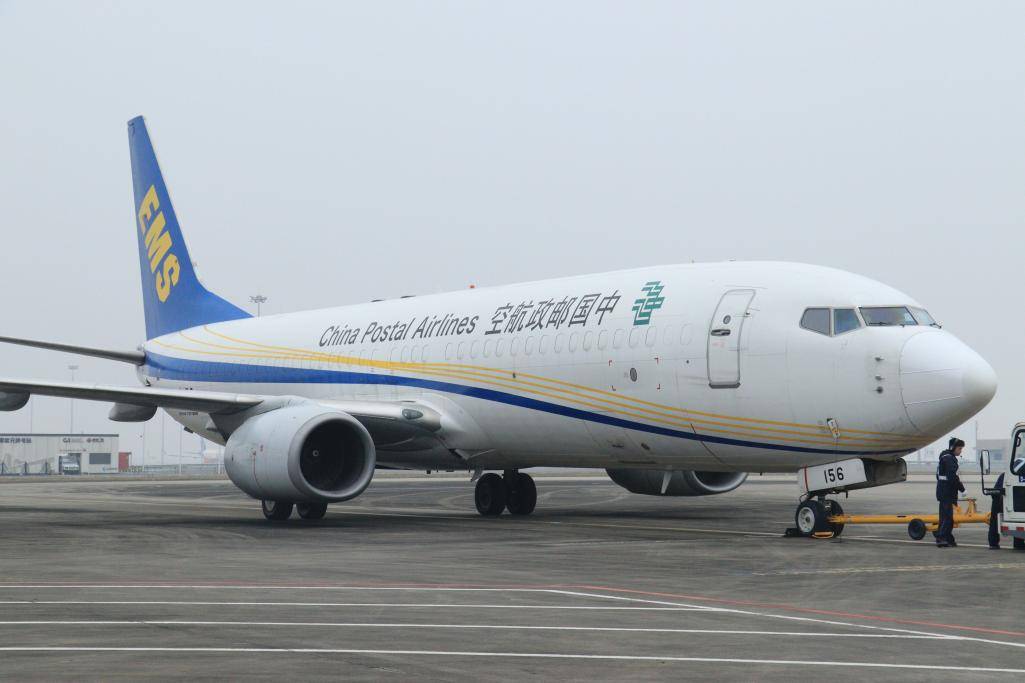
中国邮政航空波音B737-800F已完成装机,等待起飞。梁珏 摄 首航航班由中国邮政航空波音737-800F全货机执飞,于9日10时40分从重庆江北国际机场起飞,飞行约3小时25分钟后,于当地时间12点35分(北京时间14 时05分)抵达缅甸仰光国际机场;返程航班于仰光当地时间15时30分起飞,北京时间18时10分返回重庆,实现"当日往返、高效周转"。 12月9日,中国邮政"重庆-仰光"国际货邮航线在重庆江北国际机场顺利执行首飞任务。值得关注的是,该航线是中国邮政航空开通的第35条国际航线,其 落地不仅填补了重庆至缅甸仰光直飞货运航线的市场空白,更丰富了邮航国际航线网络布局,为"一带一路"倡议下中缅经贸合作与重庆国际航空物流枢纽 建设注入新动能。 "重庆-仰光"航线的开通,是中国邮政落实2023年11月与重庆市政府签署的战略合作协议的关键举措,也是邮政构建自主可控国际物流体系的重要实践。近 年来,重庆与缅甸经贸往来持续升温,两地时效敏感类货物运输需求快速增长,但此前重庆无直飞仰光货运航线,货物需经第三方中转,不仅耗时长,还 存在破损、延误风险。 该航线与西部陆海新通道形成"空陆互补"的立体化物流网络,大宗货物 ...
受海外需求回暖、基数效应消退等影响,11月出口超预期反弹
Feng Huang Wang· 2025-12-08 12:36
Core Insights - In November, China's total import and export value reached $549.03 billion, a year-on-year increase of 4.3% [1][2] - Exports totaled $330.35 billion, growing by 5.9% year-on-year, while imports were $218.67 billion, up by 1.9% [1][2] - The trade surplus for November was $111.68 billion [1] Summary by Category Total Trade Value - The total import and export value for the first eleven months of the year was $5.75 trillion, reflecting a year-on-year growth of 2.9% [2] - The total export value for the same period was $3.41 trillion, increasing by 5.4%, while imports were $2.34 trillion, showing a decline of 0.6% [2] Export Performance - November's export growth of 5.9% was a significant rebound, accelerating by 7.0 percentage points compared to the previous month [4] - The high base effect from the previous year diminished, contributing to the improved export figures [4] - Exports to the EU, Africa, and Latin America saw notable increases, while exports to the U.S. experienced a slight decline [4][5] Import Performance - November's import growth rose to 1.9%, an increase of 0.9 percentage points from the previous month [6] - The increase in imports was supported by a lower base from the previous year and strong export performance driving the demand for intermediate goods [6] - Despite the growth, domestic investment and consumption have slowed, impacting the demand for bulk commodities and consumer goods [6]

希拉里没说错,特朗普要分天下,中俄管欧亚?整个西半球留给美国
Sou Hu Cai Jing· 2025-12-08 07:07
Group 1 - The World Bank report indicates that trade between Latin America and China has surpassed total trade with the United States for the first time, marking a significant geopolitical shift [1] - The U.S. Southern Command announced plans to gradually reduce military presence in Panama, representing a strategic retreat from the core region of Latin America for the first time in over two centuries [1] - The geopolitical landscape in Latin America is changing, characterized by an influx of capital and cooperation from China, while U.S. military power and influence are diminishing [1] Group 2 - The U.S. is attempting to reinforce its dominance in the Western Hemisphere, as articulated by Vice President Pence, who emphasized that the region should be under U.S. leadership [3] - The U.S. military actions in the Caribbean, framed as anti-drug operations, are seen as politically motivated rather than purely law enforcement [5] - Washington's aid often comes with stringent political conditions, contrasting with China's more development-oriented cooperation proposals [5] Group 3 - The U.S. hegemony is perceived as increasingly fragile, with its share of global GDP declining from 25% post-Cold War to approximately 15% today, while China's economy, measured by purchasing power parity, has reached 120% of the U.S. [9] - The erosion of U.S. global influence is attributed to internal divisions and a loss of public trust in the system, leading to a historical end of the old rules of power [9] Group 4 - China is actively promoting global cooperation through initiatives like the Belt and Road Initiative, contrasting with the U.S.'s isolationist tendencies [11] - Brazilian President Lula highlighted the revitalization of the manufacturing sector through Chinese investments, exemplified by the successful launch of electric vehicles and renewable energy projects [13] - The bilateral trade between China and Latin America is projected to reach a record $518.4 billion, doubling over the past decade, reflecting the growing engagement of Chinese enterprises in the region [13] Group 5 - Countries traditionally aligned with the U.S. are reassessing their relationships, with leaders from Canada and Colombia expressing a desire for more equitable partnerships with other nations [15] - The shift towards cooperation and mutual benefit is seen as a response to the U.S.'s divisive geopolitical strategies [19] - The emerging global order emphasizes collaboration over control, with Latin American cooperation viewed as a key component of this new paradigm [19][21]
国际视角下的中国“软实力”与“硬支撑”
Ren Min Ri Bao Hai Wai Ban· 2025-12-05 22:03
Group 1 - The core viewpoint of the article highlights the significant growth of China's soft power across various indicators, as noted in the upcoming Global Soft Power Index by Brand Finance [1] - Brand Finance has conducted over 6,000 brand valuations annually and produces more than 100 reports covering global industries and regions [1] - China's economic strength, being the world's second-largest economy, provides a solid foundation for enhancing its soft power [1] Group 2 - The "Belt and Road" initiative is emphasized as a practical approach to showcase China's commitment to improving local livelihoods through infrastructure investments in Africa, South America, and Asia [1] - Successful Chinese brands like BYD in the electric vehicle market and Pop Mart in cultural trends illustrate the country's advancements in green development, technological innovation, and cultural creativity [1] - The ultimate goal for Chinese brands is to create globally recognized top-tier brands, which requires long-term investment in various marketing strategies [1] Group 3 - The unique cultural heritage of China, including traditional medicine, calligraphy, and cuisine, serves as a bridge for international communication and enhances soft power [1] - There is significant potential for China to produce world-class cultural products, leveraging its rich history and diverse culture [1] - The positive image of China is also reflected through the capabilities and interactions of the younger generation, particularly in international settings [3]

出口专题:中国出口多元化成功的逻辑
Xinda Securities· 2025-12-05 11:34
Group 1: Market Diversification Strategy - China's market diversification strategy has been in place for over 30 years, initiated in the early 1990s to reduce reliance on the US, Japan, and Western Europe[7] - Export dependence on the US has decreased from over 36% in 2011 to 26% by Q3 2025, indicating a significant shift in trade dynamics[10] - Exports to ASEAN have increased to 18% of total exports, while exports to countries involved in the Belt and Road Initiative now account for over 50%[10] Group 2: Strategic Complementarity with Trade Partners - The success of China's export diversification is attributed to strategic complementarity with key trade partners, particularly ASEAN and Africa[1] - ASEAN and China have developed a tight industrial chain collaboration, with Vietnam importing 30% of intermediate goods and 43% of capital goods from China in 2023[18] - China provides significant funding support to Africa, with a commitment of 360 billion RMB for infrastructure development under the PIDA framework[23] Group 3: Growth Opportunities in Emerging Markets - Emerging markets, particularly ASEAN and Africa, are expected to be key areas for export growth in the coming year, driven by favorable trade policies and reduced tariffs[27] - The US's imposition of tariffs has led many countries to seek more stable trade relationships with China, enhancing its export opportunities[27] - China's ongoing tariff reductions for African countries, including 100% tariff exemptions for 33 least developed nations, are expected to facilitate further trade growth[28] Group 4: Risk Factors - Potential risks include insufficient growth policy support, lower-than-expected global economic conditions, and unexpected trade frictions[29]
澳门国际机场庆祝营运30周年
Ren Min Ri Bao Hai Wai Ban· 2025-12-05 02:01
马有恒在欢迎辞中回顾澳门国际机场30年的辉煌历程。他表示,未来澳门国际机场将积极投身粤港澳大 湾区建设及共建"一带一路"倡议,紧密配合特区政府战略部署,协力将澳门打造成顶尖的世界旅游休闲 中心。 谭伟文致辞时表示,当前特区政府正全力推进珠江西岸国际航空运输枢纽(港)建设,同时机场填海扩 建工程与横琴前置货站项目的稳步推进,结合珠澳机场合作项目的深化落实,将共同构建"澳琴无缝衔 接"的物流与出行新格局。期望澳门国际机场持续把握民航发展机遇,肩负联通世界的使命,为澳门经 济适度多元发展注入新动能。 新华社澳门12月4日电(记者刘刚、齐菲)澳门国际机场专营股份有限公司4日举办酒会,庆祝澳门国际 机场营运30周年。 马兵表示,30年来,在中央政府的大力支持下,澳门民航业蓬勃发展,成为"一国两制"在民航领域的生 动实践。中国民航局将一如既往支持澳门民航业高质量发展,深化内地与澳门合作,推动粤港澳大湾区 民航协同发展。期望澳门民航业把握机遇,发挥"背靠祖国、联通世界"的独特优势,积极融入国家发展 大局,开启新的辉煌征程。 全国政协副主席何厚铧,澳门特区行政长官代表、运输工务司司长谭伟文,澳门国际机场专营股份有限 公司董事 ...
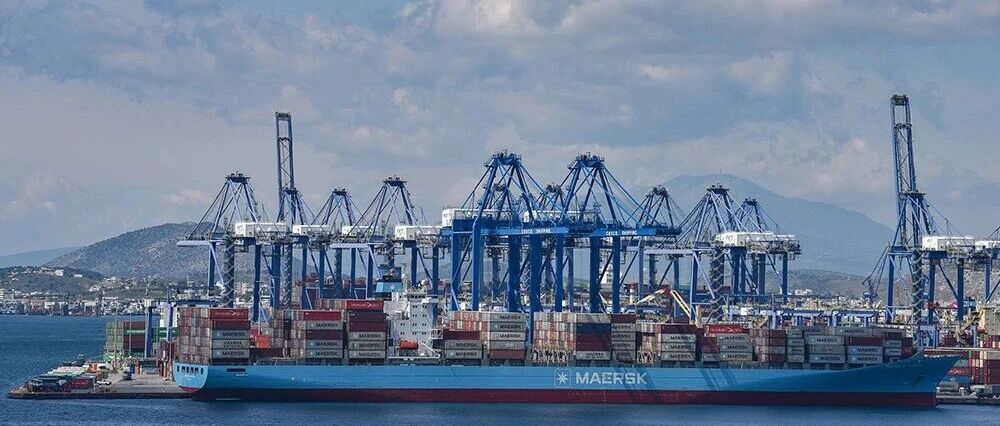
港口较量:中美角力,这个欧洲小国得利
财富FORTUNE· 2025-12-04 13:08
Core Viewpoint - The article discusses the strategic expansion of ONEX at Elefsina Port in Greece, highlighting its potential to enhance the U.S. presence in the Mediterranean and counter China's influence in the region [2][5]. Group 1: ONEX and Elefsina Port Expansion - The Greek parliament approved ONEX's expansion plan at Elefsina Port, allowing the company to acquire an additional 40 hectares of land and diversify its operations into commercial, logistics, port, and energy sectors [2]. - ONEX's CEO, Panos Xenocostas, praised the restructuring of the Elefsina shipyard as a model of industrial revival, emphasizing its sustainable operations and advanced logistics capabilities [2]. Group 2: U.S. Strategic Interests - The U.S. International Development Finance Corporation (DFC) was established to enhance U.S. economic leadership globally and to support American businesses in overseas investments [3]. - The U.S. aims to compete with China in the shipping and shipbuilding sectors, with Greece being a critical battleground for influence in the Mediterranean [3][4]. Group 3: Competition with China - COSCO's operations at Piraeus Port, which began in 2008, have made it a significant player in the Mediterranean, with a container throughput of 5.5 million TEUs, nearing capacity [4]. - The U.S. is concerned about China's control over global maritime infrastructure, with Chinese companies managing 96 ports worldwide, prompting a strategic response from the U.S. government [6]. Group 4: Political Dynamics in Greece - Greek Prime Minister Kyriakos Mitsotakis indicated a willingness to explore cooperation with the U.S. while respecting existing agreements with COSCO [5]. - The Greek opposition expresses concerns about increased dependency on the U.S. and the potential for Greece to be caught in the U.S.-China rivalry [6].