以旧换新政策

Search documents
江西:政策落地激活消费 以旧换新热潮持续升温
Sou Hu Cai Jing· 2026-01-15 10:16
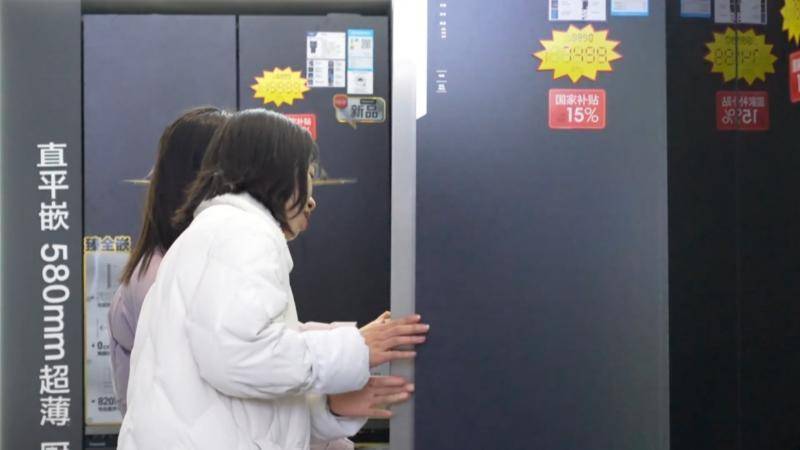
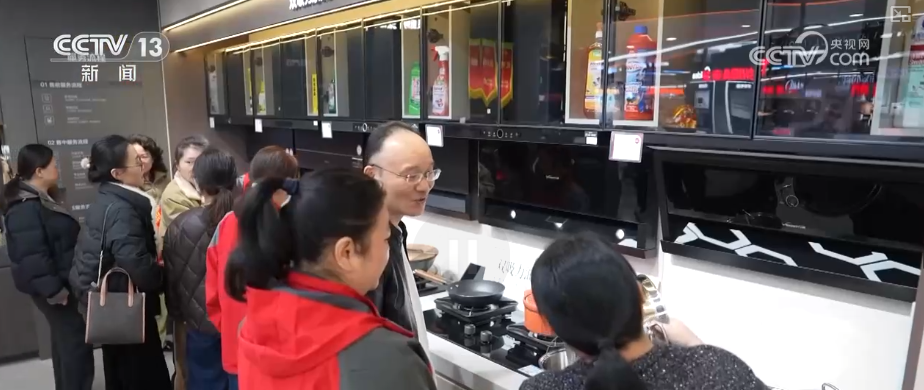
Core Viewpoint - The new round of consumer goods trade-in policy implemented at the beginning of 2026 is expected to stimulate the consumption market in Jiangxi, particularly in the automotive and home appliance sectors [1]. Group 1: Home Appliances - The trade-in policy for consumer goods has led to a surge in home appliance sales, with stores displaying various products like refrigerators, washing machines, and air conditioners [3]. - Consumers can enjoy immediate discounts through a "subsidy reduction" model when purchasing eligible products, enhancing the attractiveness of energy-efficient appliances [3]. - A store manager reported a significant increase in sales of first-level energy-efficient appliances, with sales in just ten days surpassing the total sales for December of the previous year [3]. Group 2: Automotive Sector - The implementation of the trade-in subsidy policy for automobiles has sparked a wave of vehicle exchanges, with promotional messages highlighting subsidies of up to 20,000 yuan [3][4]. - Consumers can receive a 12% subsidy on the purchase price of new energy vehicles when trading in old gasoline cars registered before June 30, 2013, with a maximum subsidy of 20,000 yuan [4]. - The combination of national, manufacturer, and store subsidies can lead to total discounts of up to 50,000 yuan, significantly lowering the cost of purchasing new vehicles [3][4]. - A dealership reported a 50% increase in customer traffic, resulting in an average of 3 to 5 orders per day, indicating a positive impact on sales [3].

崔东树:以旧换新政策对乘用车拉动较好,尤其是政策进入期效果好
Cai Jing Wang· 2026-01-15 08:34
1月15日,乘联分会崔东树表示,2025年宏观经济保持较强增长,在国家促销费政策推动下汽车市场保 持强势增长,2025年全国汽车市场总体走势较强,卡车市场和客车市场回暖明显。 由于去年政策力度超强,今年政策收缩明显,2024年12月的零售大幅强于批发,导致今年12月乘用车零 售负增长,但因出口和库存增量,12月厂家销量增速相对较好。12月新能源车走势较强,汽车出口市场 持续走强,厂商库存变化较大,行业压力仍较大。 2025年商用车市场出现设备更新补贴推动的结构性增长特征,高补贴带来物流运输类电动化加速,商用 车景气度较高。近几年乘商分化特征明显,随着房地产持续下滑,商用车走弱,乘用车消费改善。 以旧换新政策对乘用车拉动较好,尤其是政策进入期效果好,近期绝大部分暂停补贴,行业综合治 理"内卷"工作取得积极进展,车市总体走势放缓。 2025年市场受政策因素推动,乘用车增速9%相对较好,商用车受电动化推动,新能源商用车走势较去 年明显走强,包含微客的客车市场实现较强增长。 ...
焕新惠民政策红利精准激发消费热情 消费市场持续火热迎来“开门红”
Yang Shi Wang· 2026-01-15 04:14
Core Insights - The new round of consumer goods trade-in policy has been implemented, leading to a surge in the consumption market in regions like Hunan and Shanxi, marking a strong start to the new year [1] Group 1: Policy Impact - The trade-in policy has resulted in significant consumer interest, with many consumers in Hunan's Changsha city actively inquiring about the "national subsidy" policy at large appliance stores [3] - The subsidy from businesses and manufacturers can reach up to 45%, contributing to a sales increase of over 30% since January 1 [7] Group 2: Product Coverage - Hunan's 2026 trade-in policy has expanded the scope of subsidized products to include "digital and smart products," covering smartphones, tablets, smartwatches, smart glasses, and smart home products [9] - The current "national subsidy" program includes six categories of home appliances and four categories of digital smart products, with a subsidy standard of 15% off the final price after all discounts [14] Group 3: Consumer Behavior - Consumers are taking advantage of the subsidies, with reports of significant discounts, such as a consumer purchasing a refrigerator for 2,000 yuan less on the first day of the subsidy [13] - The addition of smart glasses in the 2026 policy is particularly appealing to younger consumers, indicating a shift in consumer preferences [13]
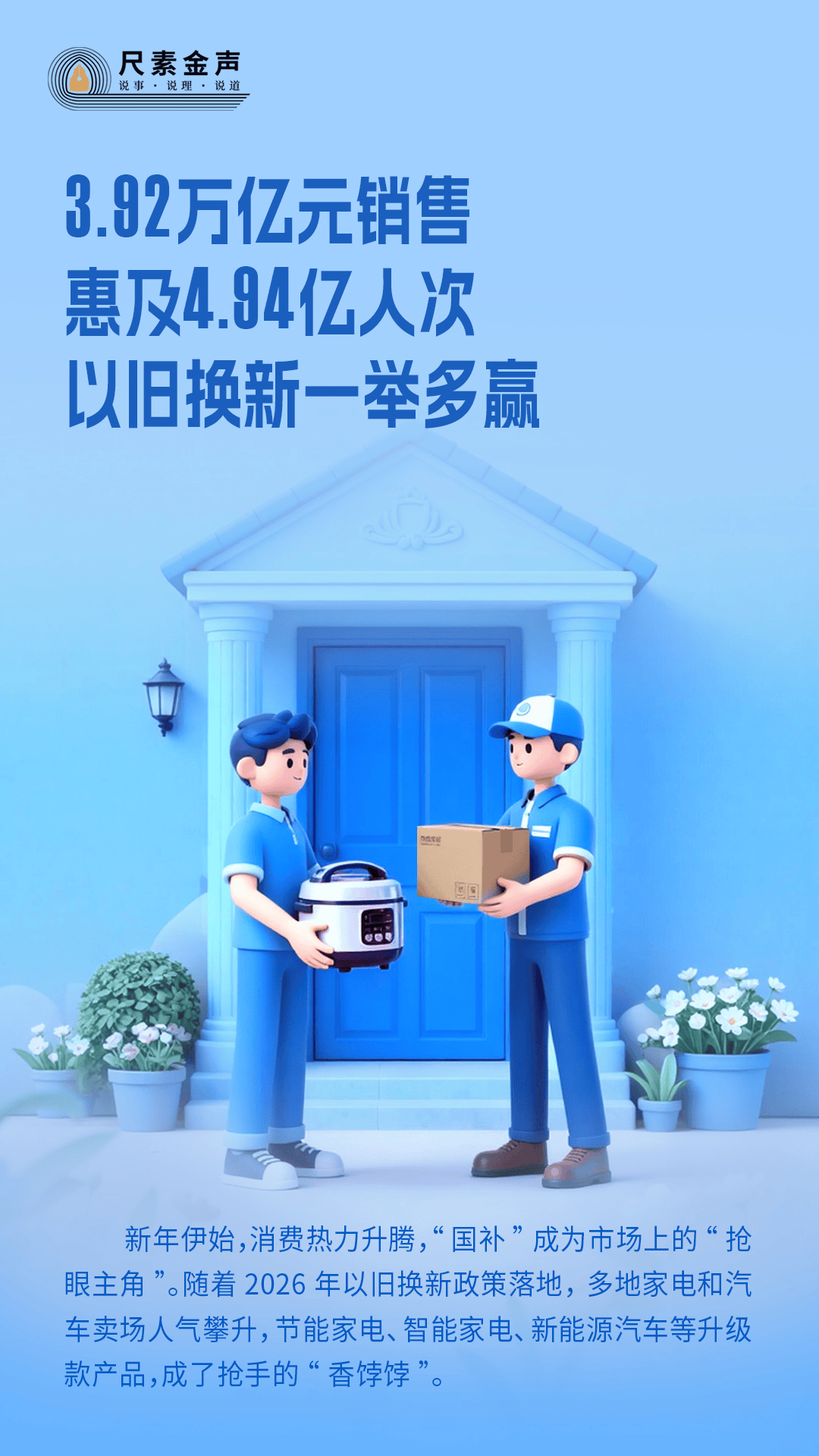
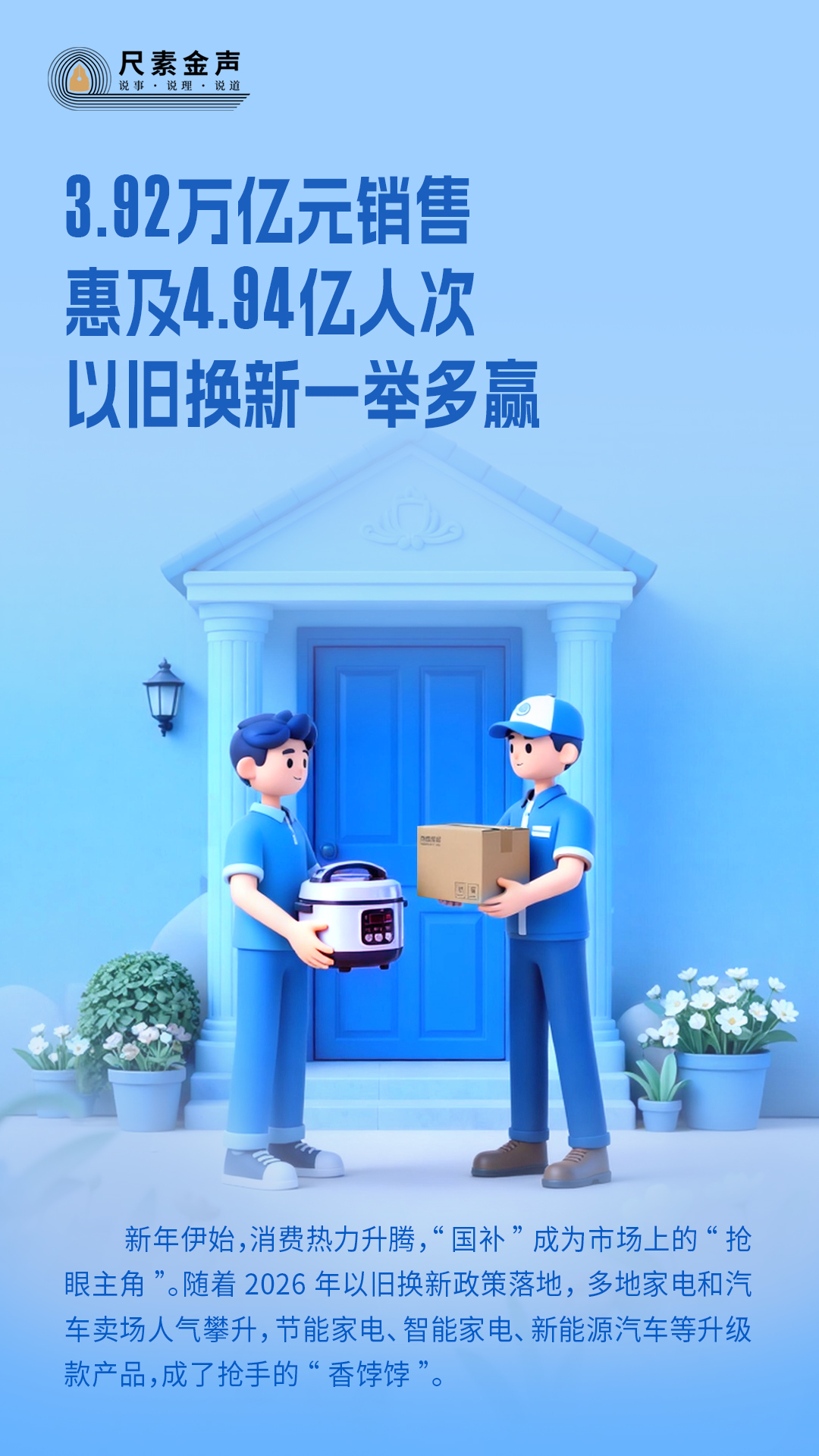
尺素金声|3.92万亿元销售、惠及4.94亿人次,以旧换新一举多赢
Sou Hu Cai Jing· 2026-01-14 12:46
Group 1 - The core viewpoint of the news is that the "old-for-new" policy has become a significant driver of consumer demand and economic growth, particularly in the appliance and automotive sectors [1][4][5] - From January 1 to 2, 2024, Hebei Province recorded 133,600 sales transactions in home appliances and digital products, totaling 590 million yuan, indicating a strong market response to the policy [1] - The "old-for-new" policy has led to a total sales volume of 3.92 trillion yuan, benefiting 494 million people, with over 18.3 million vehicles and 192 million home appliances exchanged [4] Group 2 - The policy has contributed to a growth of over 1 percentage point in total retail sales, with home appliance retail sales exceeding 1 trillion yuan, marking a historical high [5] - In the automotive sector, nearly 60% of the old-for-new exchanges involved new energy vehicles, with the retail market share of new energy passenger cars exceeding 50% for nine consecutive months [6] - The policy adjustments for 2026 aim to enhance quality and innovation, with a focus on energy-efficient products and expanding subsidies to new smart devices, thus supporting high-quality development [8]
2025年长沙消费品以旧换新带动消费超423亿元
Sou Hu Cai Jing· 2026-01-14 03:33
Core Insights - The "old-for-new" consumption policy in Changsha has attracted over 7.02 million participants and generated sales exceeding 42.3 billion yuan in 2025, becoming a significant driver for economic growth and consumer spending [3][4]. Group 1: Policy Implementation - In 2025, Changsha expanded the "old-for-new" policy to include digital products such as smartphones, tablets, and smart wearables, achieving full coverage across four core categories: home appliances, automobiles, home renovation, and digital products [4]. - The subsidy structure is differentiated, with energy-efficient appliances receiving up to 20% of the final sales price as a subsidy, capped at 2,000 yuan, while digital products receive a 15% subsidy, with a maximum of 500 yuan per item [4]. - The policy has been optimized for efficiency, with changes in subsidy distribution methods and simplified application processes to enhance consumer experience [4]. Group 2: Market Impact - The "old-for-new" policy has significantly boosted various consumer sectors, particularly in the automotive market, where over 139,000 people applied for scrapping and replacement subsidies, leading to vehicle purchases exceeding 22.2 billion yuan, with 55% being new energy vehicles [4][6]. - In the home appliance sector, the "old-for-new" initiative generated sales of 10.598 billion yuan, with over 80% of replacements being energy-efficient appliances, indicating a shift towards higher-quality products [6]. - The overall consumer sentiment has improved, with notable increases in foot traffic and sales at major retailers, reflecting a transition from mere replacement to upgrading in home consumption [6][7]. Group 3: Future Outlook - The ongoing policy benefits are expected to continue into 2026, with early indicators showing a sales increase of over 30% in the first 11 days of January, suggesting a strong start for the year [7]. - Changsha plans to further optimize policy services and enhance the recycling system for waste materials, aiming to unlock additional consumer potential and support high-quality economic development [7].
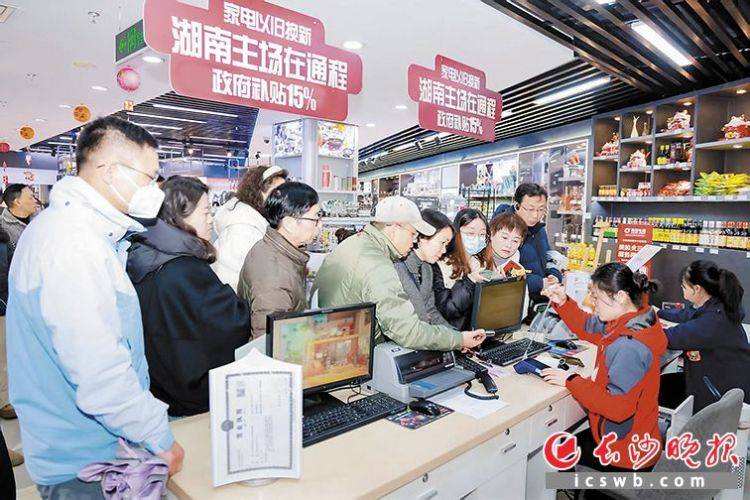
逾702万人次参与 带动消费超423亿元
Sou Hu Cai Jing· 2026-01-13 22:20
Core Insights - The "old-for-new" policy in Changsha has significantly boosted the home appliance market, attracting over 7.02 million participants and generating sales exceeding 42.3 billion yuan in 2025, making it a key driver for economic growth and consumer spending [2][3] Group 1: Policy Implementation - In 2025, Changsha expanded the "old-for-new" policy to include digital products like smartphones and tablets, achieving comprehensive coverage across four core categories: home appliances, automobiles, home renovation, and digital products [3] - The subsidy structure is differentiated, with energy-efficient appliances receiving up to 20% of the final sales price as a subsidy, capped at 2,000 yuan, while digital products receive a 15% subsidy, with a maximum of 500 yuan per item [3] - The policy has been optimized for efficiency, with changes in subsidy distribution and a simplified application process to enhance consumer experience [3] Group 2: Market Performance - The "old-for-new" initiative led to significant sales in various sectors, with home appliances generating approximately 10.598 billion yuan, and digital products and home renovation markets contributing over 5.4 billion yuan and 3.7 billion yuan, respectively [4] - The automotive sector saw over 139,000 participants claiming subsidies, resulting in vehicle purchases exceeding 22.2 billion yuan, with 55% of these being new energy vehicles [3][4] Group 3: Future Outlook - The home appliance market in Changsha continues to thrive into 2026, with a reported sales increase of over 30% in early January compared to the previous year, driven by the new policy [5] - Changsha plans to further optimize policy services and enhance the recycling system for waste materials, aiming to unlock additional consumer potential and support high-quality economic development [5]
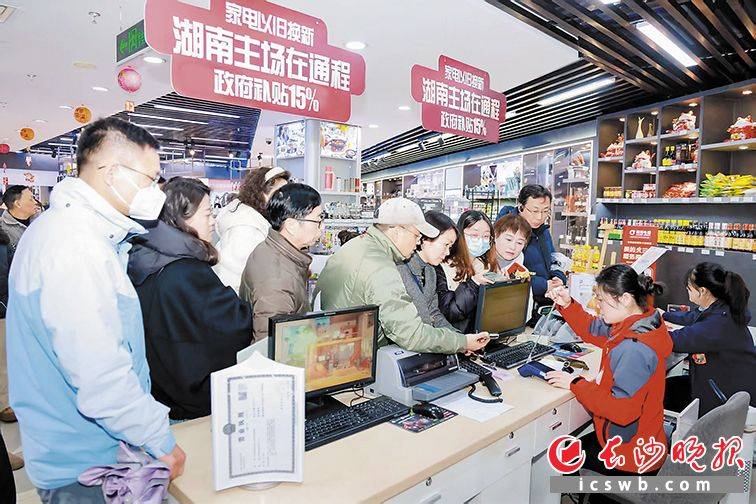
3.92万亿元销售、惠及4.94亿人次,以旧换新一举多赢
Xin Lang Cai Jing· 2026-01-13 10:28
来源:人民日报客户端 新年伊始,消费热力升腾,"国补"成为市场上的"抢眼主角"。随着2026年以旧换新政策落地,多地家电和汽车卖场人气攀升,节能家电、智能家电、新能 源汽车等升级款产品,成了抢手的"香饽饽"。 1月1日至2日,河北省家电、数码和智能产品合计销售13.36万笔,销售总额5.9亿元;元旦假期,福州市消费品(不含汽车)以旧换新核销近1600万元,拉动 消费1.25亿元……政策红利对接消费需求,奏响新年扩内需、促消费的"开场好戏"。 2024年消费品以旧换新政策实施以来,相关商品销售额达3.92万亿元,惠及4.94亿人次。其中,汽车以旧换新超1830万辆,家电以旧换新超1.92亿件,手 机等数码产品购新超9100万部。以旧换新已不是简单的"旧物换新品",而是成了推动经济良性循环的"关键纽带"。 政策支撑消费潜力持续释放 —— 2025年前11个月,以旧换新带动社零总额增长超1个百分点,家电零售额已超2024年全年,突破万亿元大关并创历史新高。一大批绿色智能新品走进千家 万户,更好满足了人们对美好生活的向往。 政策精准 " 导航 " 产业提质升级 —— 2025年,汽车以旧换新中,新能源汽车占比近60% ...
瑞银:小鹏汽车-W料今年价格更稳定 销量扩张抵销原材料成本上升
Zhi Tong Cai Jing· 2026-01-13 06:01
Core Viewpoint - UBS has assigned a "Neutral" rating to XPeng Motors (XPEV.US) with a target price of $18, indicating a cautious outlook on the company's performance in the near term [1] Group 1: Management Insights - The management of XPeng Motors has indicated that the pricing of new models takes into account changes in the trade-in policy, with expectations for a relatively stable pricing environment by 2026 [1] - The company will prioritize cost optimization, enhancing operational leverage, and consolidating its technological leadership [1] Group 2: Financial Performance - Despite rising lithium prices, the company does not anticipate significant challenges to its gross margin this year, as sales expansion is expected to offset the increase in raw material costs [1] - Future models will be equipped with Turing chips to highlight cost advantages and performance improvements [1] Group 3: Market Strategy - Currently, the company has no plans to establish joint ventures in overseas markets, but it expects international sales growth to significantly outpace domestic growth, targeting over 20% of total revenue from overseas markets by 2026 [1] - The localized production line in Austria is expected to shorten delivery times and reduce tax costs, further improving profit margins [1]
优化消费品以旧换新政策 实施推动商品消费扩容升级
Zheng Quan Ri Bao· 2026-01-12 17:18
Core Viewpoint - The national business work conference has outlined key tasks for 2026, with a focus on implementing consumption stimulation actions and enhancing the "Buy in China" brand, particularly through optimizing the old-for-new policy for consumer goods [1] Group 1: Policy Implementation - The Ministry of Commerce reports that in 2025, sales related to the old-for-new policy exceeded 2.6 trillion yuan, benefiting over 360 million people [1] - Specific figures include over 11.5 million vehicles, 129 million home appliances, 9.1 million digital products, and 12 million home renovation items exchanged under the policy [1] - A joint notice from the Ministry of Commerce and six other departments has been issued to enhance the implementation of the old-for-new policy in 2026, with continued funding support from central and local governments [1] Group 2: Subsidy Optimization - The 2026 policy will optimize subsidy standards and ranges, transitioning from fixed subsidies to percentage-based subsidies based on vehicle prices for both new energy and fuel vehicles [2] - Consumers purchasing energy-efficient home appliances will receive a 15% subsidy based on the product's sales price, with an expansion to include new categories like smart glasses [2] - The central government will continue to allocate long-term special treasury bond funds, with local governments providing matching funds to enhance the efficiency of subsidy distribution [2] Group 3: Market Expansion and Consumer Experience - The 2025 old-for-new policy has significantly increased sales and promoted the adoption of high-quality products, laying a foundation for the 2026 upgrades [3] - Experts suggest expanding consumer categories, optimizing the consumption environment, and innovating consumption models to further stimulate consumption [3] - Recommendations include supporting traditional sectors like automotive and home appliances while also expanding to emerging fields like smart devices [3] Group 4: Enhancing Supply and Experience - The focus will be on improving the consumption supply system, supporting the development of AI and low-carbon products, and encouraging personalized goods [4] - Enhancements to consumer experience will involve upgrading offline commercial facilities and improving rural consumption networks [4] - Strengthening the consumption ecosystem includes improving recycling systems for old goods, enhancing quality and price regulation, and optimizing payment and after-sales services to alleviate consumer concerns [4]
月度前瞻 | 再议宏微观“温差”(申万宏观·赵伟团队)
赵伟宏观探索· 2026-01-12 16:04
Group 1 - The core viewpoint of the article discusses the economic "temperature difference" at the end of 2025, highlighting a divergence between macro indicators like PMI and micro indicators such as production and consumption [2][4][10] - At the end of 2025, production indicators such as high furnace operation and PTA operation showed a decline, while manufacturing PMI increased by 0.9 percentage points to 50.1% in December [2][10] - Consumer high-frequency indicators continued to decline at the end of 2025, yet the overall consumer goods industry PMI rose to 50.4%, indicating a recovery in certain sectors like textiles and apparel [20][10] Group 2 - Investment indicators such as asphalt operation rates and cement shipment rates did not show significant improvement, but the construction industry PMI rose by 3.2 percentage points to 52.8% at the end of 2025 [3][32][10] - The article identifies three reasons for the divergence in macro and micro indicators: the shift in economic growth momentum, the risk of demand overextension in consumer sectors, and the impact of previous debt issues on investment rhythms [4][5][44][67] Group 3 - The article anticipates that service consumption and new infrastructure investments will contribute more than expected to the economy at the beginning of 2026, despite pressures on commodity consumption due to the tapering of "old-for-new" policies [6][78][82] - The easing of the debt impact on investment is expected to lead to a rebound in broad infrastructure and service sector investments in early 2026, with a focus on digital infrastructure and carbon reduction investments [82][86] - The delayed Spring Festival in 2026 is projected to extend the "export rush" window, potentially boosting January export figures [105][110]