本土化

Search documents
格力高入华三十周年答卷:智造+本土化+绿色,引领“为中国创造”
Di Yi Cai Jing· 2025-08-04 02:31
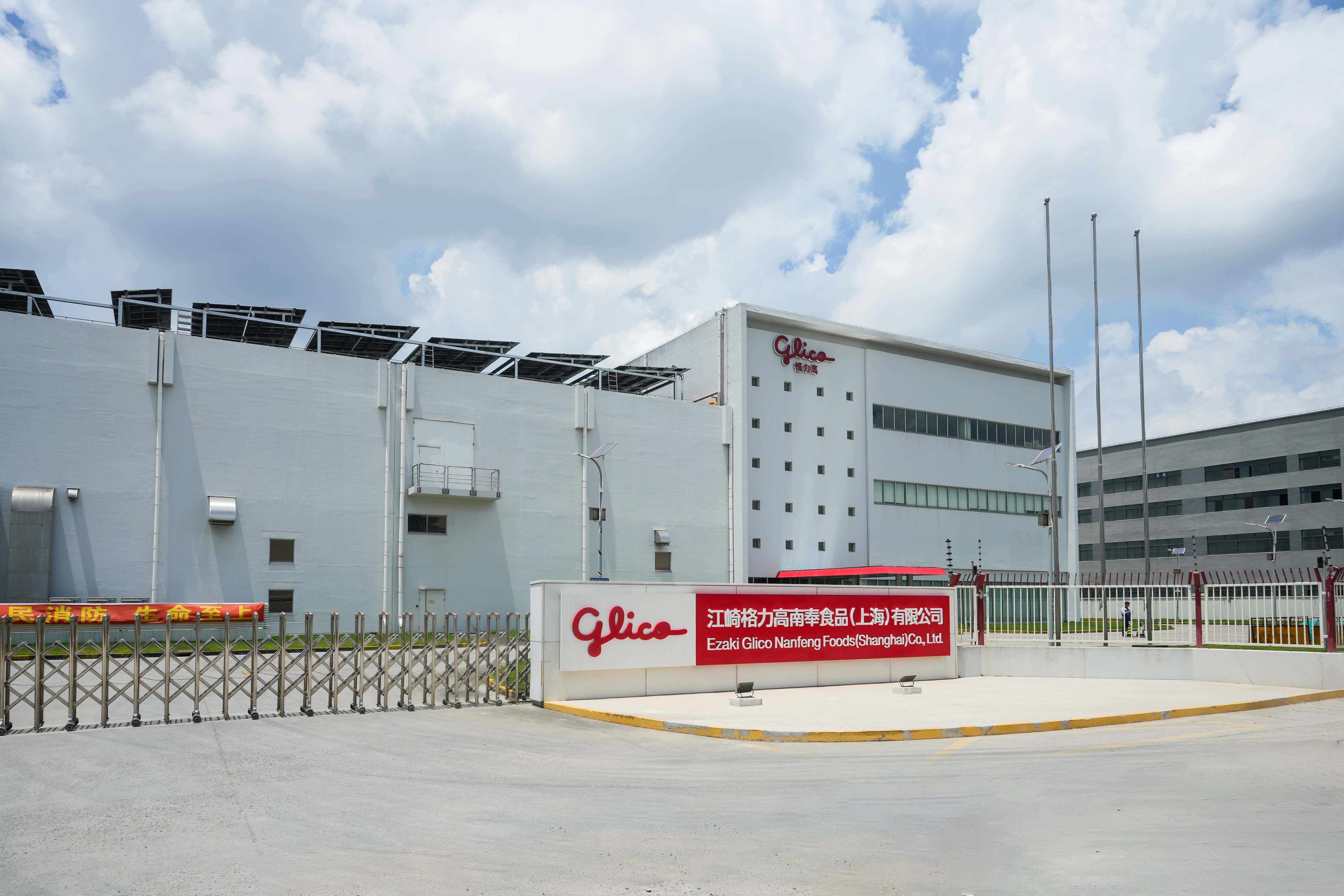
Core Insights - The article highlights the transformation of Glico in China over the past 30 years, evolving from "producing in China" to "creating for China" through deep localization and innovation [1][12] - Glico's Shanghai factory serves as a model for smart manufacturing and sustainability, showcasing advanced technologies and a commitment to environmental responsibility [5][11] Group 1: Smart Manufacturing and Quality Control - The Shanghai factory employs AGV logistics robots and AI visual inspection systems to ensure high precision and efficiency in production [5] - A comprehensive digital management system monitors production metrics in real-time, enhancing operational efficiency and product safety [5] - The factory is the only Glico facility focused on the Chinese market, emphasizing localized R&D and production [5][10] Group 2: Localization and Product Development - Glico has successfully developed localized products such as "Caiyuan Xiaobing" and "Dahongpao Tea Almond" to cater to Chinese consumer preferences [9] - The brand "Bai Chun" has achieved significant success, surpassing 1 billion in sales in the Chinese market and expanding into international markets like Singapore and Thailand [9][10] Group 3: Sustainability Initiatives - The factory has installed solar panels generating approximately 45.8 million kWh annually, contributing to significant carbon reduction [11] - Glico has transitioned to 100% sustainable palm oil usage and has implemented FSC-certified packaging, reflecting its commitment to environmental responsibility [11] - The company has reduced paper usage significantly through initiatives promoting paperless operations [11] Group 4: Future Investment and Growth Strategy - Glico plans to increase production capacity by adding new production lines and expanding its product range to meet growing market demands [10] - The company aims to enhance its offline sales channels, particularly in lower-tier cities, to increase consumer touchpoints [10] - Future investments will also focus on AI applications in production quality and sustainability efforts [10]

专访IBM陈科典:中国仍很重要,大湾区或成东南亚企业入华支点
2 1 Shi Ji Jing Ji Bao Dao· 2025-07-31 07:15
Core Insights - IBM Consulting's strategy in China emphasizes proximity to clients, particularly in the Greater Bay Area, to enhance collaboration and efficiency [1][3] - The Greater Bay Area is viewed as a crucial hub for both Chinese companies expanding abroad and foreign companies entering China, supported by its unique geographical advantages and cultural ties with Southeast Asia [2][9] - IBM Consulting's performance in the Greater Bay Area has been strong, compensating for challenges faced in other regions, driven by the vibrancy of private enterprises and foreign company headquarters [5][17] Group 1: Strategic Focus - IBM Consulting prioritizes understanding client needs and fostering a sense of closeness, which is essential for delivering high-quality services [3][4] - The company is committed to establishing local teams in the Greater Bay Area to better serve both local and Hong Kong clients, recognizing the region's unique cultural characteristics [5][6] - The establishment of the AI Intelligence Center in Qianhai is part of IBM's broader strategy to invest in the Greater Bay Area, with a focus on AI as a key growth area [2][6] Group 2: Market Dynamics - The Greater Bay Area is becoming a pivotal point for Chinese enterprises looking to expand internationally and for foreign firms seeking to enter the Chinese market [2][10] - IBM Consulting has observed that many foreign companies remain committed to the Chinese market, adjusting their strategies to optimize operations rather than withdrawing [12][13] - The company aims to assist Chinese firms in their international expansion by addressing challenges related to management, establishing shared services centers, and ensuring cultural localization [8][11] Group 3: Performance and Future Outlook - IBM Consulting's performance in the Greater Bay Area has been notably strong, with expectations for continued growth and investment in the region [5][17] - The company plans to execute its strategies over the next year to year and a half, focusing on building trust and strong relationships with clients [6][18] - Despite global uncertainties, the Chinese market remains a significant focus for IBM Consulting, with plans to maintain a pragmatic and focused approach to business operations [18]

既要高端技术也要性价比:外资在中国的生存之道和进阶路
Di Yi Cai Jing· 2025-07-30 13:29
Group 1: Foreign Investment in China - Foreign companies are increasingly collaborating with Chinese enterprises to enhance their global competitiveness, reflecting a shift in attitudes towards foreign investment in China due to the rise of local manufacturing capabilities [1] - The competitive pressure from local manufacturers is prompting foreign firms to rethink their strategies for survival and advancement in the Chinese market, focusing on high-end, localized, and cost-effective solutions [1] Group 2: Product Localization and Cost-Effectiveness - Companies like Tennant are launching products specifically designed for the Chinese market, emphasizing cost-effectiveness while maintaining similar performance levels, achieved through technological upgrades and material improvements [2] - Kärcher is adapting to the competitive landscape by developing differentiated products and expanding its market presence through collaborations with local entities, highlighting the importance of local market responsiveness [3] Group 3: Service Industry Adaptation - The CFA Institute has introduced a localized version of its sustainable investment certification in China, significantly reducing the price compared to its English counterpart, reflecting a trend towards cost-effective solutions in the service sector [4] Group 4: Localized Solutions and Market Responsiveness - Lenz Group is focusing on high efficiency and local customer needs, adapting its product offerings while reducing costs to enhance competitiveness in the Chinese market [5][6] - The company has transitioned from reliance on imports to a fully localized supply chain, achieving over 80% localization in key components [6] Group 5: Growth in the Shipbuilding Industry - China has become the world's largest shipbuilding nation, with significant shares in global completion and new orders, indicating a strong competitive position in the industry [8] - Shanghai Wärtsilä is capitalizing on local partnerships and the push for low-carbon technologies, with a robust order pipeline extending to 2028, showcasing the growth potential in the shipbuilding sector [9][10] Group 6: Customization and Global Orders - Companies are leveraging platforms like the China International Import Expo to secure global orders, with Shanghai Wärtsilä offering customizable engine options to meet diverse customer preferences [10] - Emerson is adapting its products to local market needs while maintaining global standards, translating its commitment to local adaptation into competitive advantages [10] Group 7: Expansion and Investment Plans - Lesaffre is enhancing its production capabilities and R&D investments in China, with plans for further expansion to support its global and high-end transformation [11]
科技与本土化成利器,中国物流企业“卷”向海外
Di Yi Cai Jing· 2025-07-30 10:37
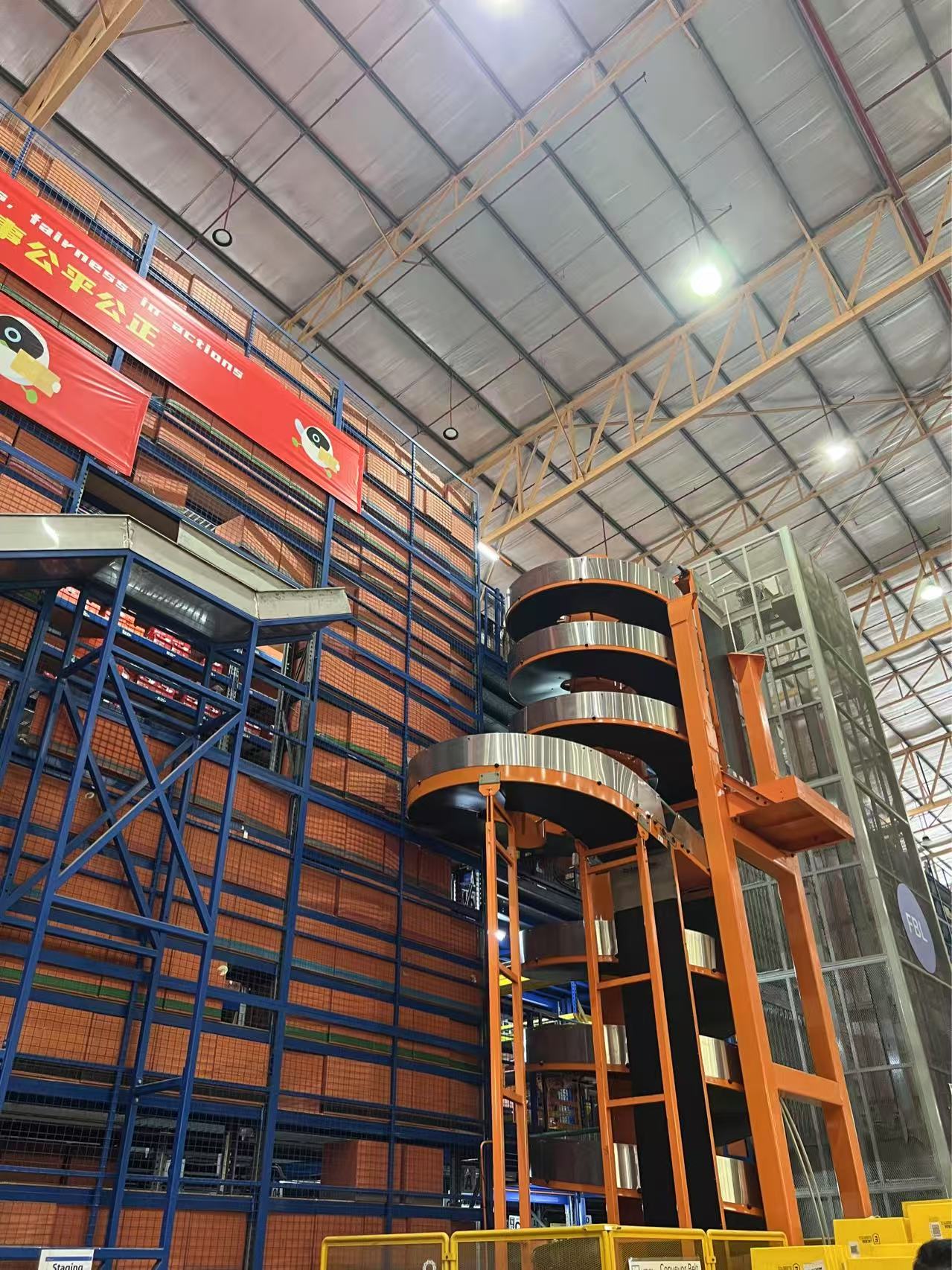
Core Viewpoint - Chinese logistics companies are rapidly expanding overseas, particularly in Southeast Asia, by combining localized staff with domestic-like facilities to enhance efficiency and market influence [1][5][10]. Group 1: Localization and Efficiency - The integration of local staff and facilities similar to those in China is a hallmark of Chinese logistics companies' overseas operations [1]. - In Malaysia, the presence of prayer rooms and culturally appropriate work practices for local Muslim employees exemplifies the company's commitment to localization [1]. - The use of advanced technologies such as smart warehousing and automated processes has significantly improved operational efficiency, reducing order fulfillment time from 2-3 days to same-day processing [5][12]. Group 2: Market Demand and Growth - There is a high demand for warehouse space, with Malaysian self-operated warehouses reaching full capacity this year, indicating robust growth in logistics needs [9][10]. - The Southeast Asian e-commerce market is experiencing rapid growth, with projections indicating a total GMV of $128.4 billion in 2024, driven by platforms like Shopee and TikTok Shop [10][11]. Group 3: Challenges in Overseas Expansion - Chinese logistics companies face challenges such as local regulations, labor management, and cultural differences when entering new markets [5][6][12]. - The logistics model in Malaysia differs from China, relying on third-party partners for last-mile delivery due to local preferences for self-pickup points [6]. - Selecting optimal warehouse locations is a significant challenge due to uneven resource distribution and varying warehouse classifications in Malaysia [6]. Group 4: Competitive Landscape - Chinese logistics firms are leveraging their large-scale operational experience and technological advantages to compete in Southeast Asia, where they face local and international competition [12]. - The logistics market in Southeast Asia is still developing, focusing on building infrastructure and enhancing digital capabilities to avoid past pitfalls seen in China [12].
易点天下兰向辉:出海企业要抱团,共同寻找、解决本地用户需求
Bei Ke Cai Jing· 2025-07-11 13:26
Core Viewpoint - The fluctuation of US-China tariff policies has minimal impact on service trade companies such as gaming and short dramas, presenting a favorable opportunity for these brands to grow overseas [1] Group 1: Market Expansion - Chinese companies are increasingly looking to expand into emerging markets such as South America and the Middle East [1] - Companies that deeply engage in specific regional markets and address local user needs can achieve sustainable growth, even amidst trade conflicts [1] Group 2: Strategic Adaptation - Companies can adapt to tariff impacts by innovating their product offerings, such as producing AI headphones that provide real-time translation for Spanish-speaking users in the US [1] - The concept of "localization" is emphasized, where companies establish a presence in foreign markets, contributing to local economies and gaining government support [1] Group 3: Globalization Trends - There is a growing trend of Chinese companies listening to local demands and using market data for informed decision-making [1] - A wide range of industries, including e-commerce, gaming, and traditional sectors like tea and dining, are seeking overseas opportunities, indicating a shift towards a more collective approach to international expansion [1] - The experience accumulated by Chinese companies in product development, operations, and capital management provides a competitive edge against foreign counterparts [1]
国货美妆“出海”火爆 品牌化、科技化、高性价比成大势
Guang Zhou Ri Bao· 2025-07-11 10:02
Core Insights - The beauty industry is a rapidly growing segment in cross-border e-commerce, with significant opportunities for Chinese beauty brands to expand globally [1] Group 1: Market Trends - The global beauty and personal care market is projected to reach $677.19 billion by 2025 and exceed $799.07 billion by 2030, with oral care, beauty devices, and bathing products being the top three segments [1] - The demand for home beauty devices is expected to grow explosively after 2023, indicating a "blue ocean" market for brands focusing on technology and performance [2] Group 2: Brand Strategies - JOVS, a personal care brand, has successfully entered 35 countries since its launch in 2018, emphasizing the importance of a strong supply chain and high-performance products [2] - Yangbo Trading Co., a leader in the nail care industry, maintains over 20% annual revenue growth by understanding customer needs and leveraging social media for marketing [3] Group 3: Localization Efforts - Companies are increasingly focusing on localization to meet the specific demands of different markets, including product preferences and language requirements [4] - Effective localization strategies involve understanding local customer preferences and deploying localized marketing teams to enhance brand presence [4] Group 4: Market Opportunities - The U.S. beauty and personal care market is expected to reach $85.44 billion by 2029, with significant growth also anticipated in the UK, Germany, and Japan [5] - High-growth beauty categories on Amazon include anti-aging devices and multifunctional styling tools in North America, and eco-friendly bathing tools in Europe [5]
现身2025贝壳财经年会,印尼驻华大使周浩黎热议中企如何出海
Bei Ke Cai Jing· 2025-07-11 09:16
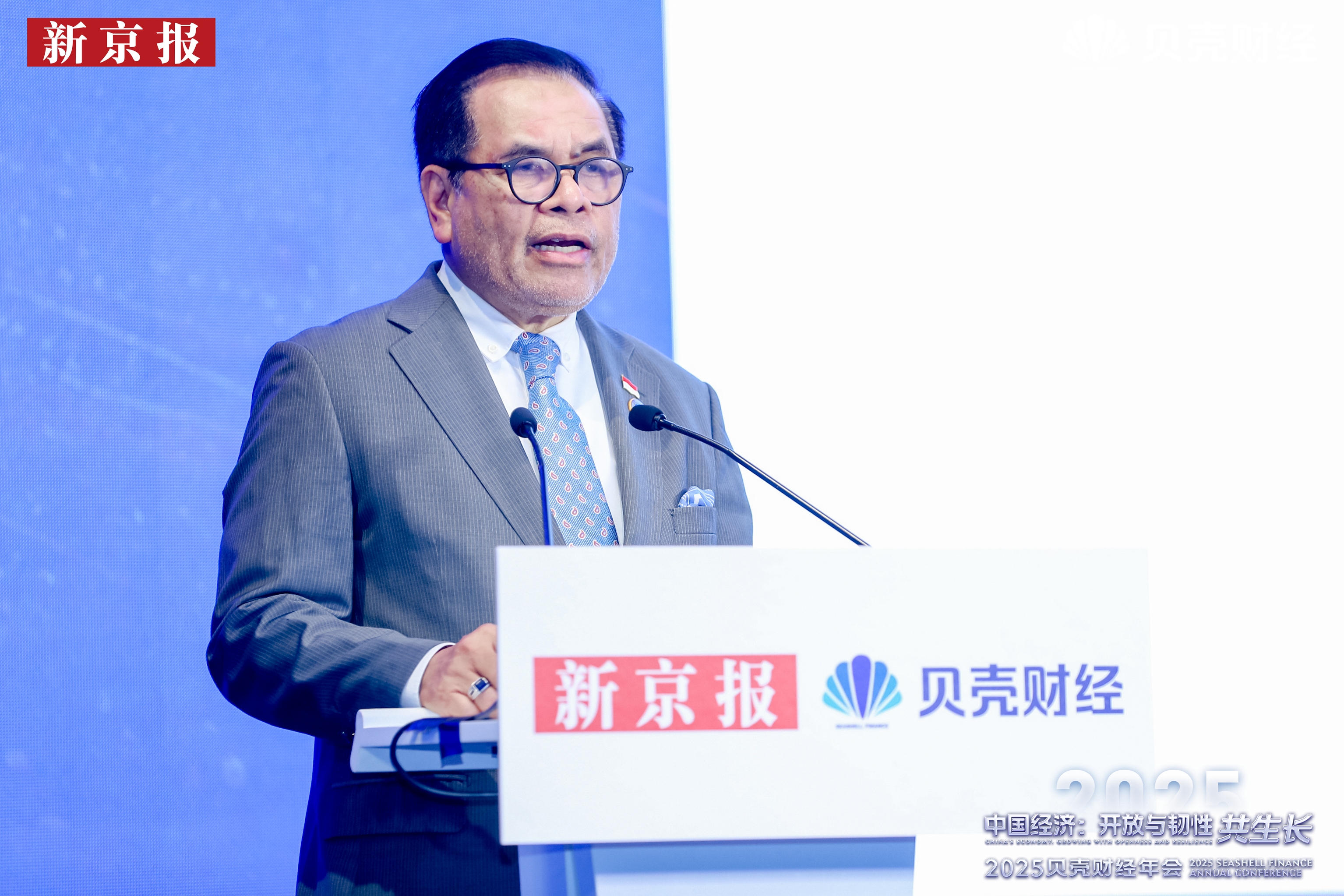
Group 1 - The core message emphasizes the growing bilateral relationship between China and Indonesia, particularly in investment and trade, as Indonesia celebrates 75 years of diplomatic relations with China [1][6][7] - In 2024, China's investment in Indonesia is projected to reach $8.1 billion, a significant increase from approximately $0.8 billion in 2014, indicating a strong commitment to enhancing economic ties [7] - The bilateral trade volume between China and Indonesia is expected to reach $147.8 billion in 2024, with a year-on-year growth of 6.1%, showcasing the importance of this partnership [7] Group 2 - The Indonesian ambassador highlighted various sectors where Chinese companies can collaborate with Indonesia, including renewable energy, electric vehicles, digital economy, and agricultural technology, indicating numerous opportunities for synergy [2][13] - Indonesia is experiencing a digital transformation, with a focus on e-commerce, fintech innovation, and creative economy, positioning itself as a key player in Southeast Asia's economic landscape [9][14] - The ambassador called for more Chinese enterprises to engage in Indonesia, emphasizing the importance of responsible globalization and local partnerships to create meaningful and mutually beneficial relationships [14][15] Group 3 - The ambassador pointed out that Southeast Asia, with over 680 million people, is one of the fastest-growing regions globally, presenting a significant market for investment and innovation [8] - Indonesia's government is implementing investor-friendly policies to attract foreign investment, including reducing bureaucracy and offering incentives, which can enhance the investment climate for Chinese companies [9][15] - The need for local partnerships is crucial for Chinese companies to navigate the complexities of international markets, ensuring sustainable and equitable development [15]
韩妆品牌再“瘦身” 悦诗风吟关店求生
Bei Jing Shang Bao· 2025-07-07 09:13
Core Insights - Innisfree, once a leading Korean beauty brand, has closed its Tmall overseas flagship store while maintaining operations in local channels, reflecting the broader struggles of Korean beauty brands in the Chinese market [1][3] - The decline in Innisfree's performance is attributed to the waning popularity of the "Korean Wave," the rise of domestic beauty brands, and quality issues within some Korean brands [1][5] Channel Adjustments - Innisfree has officially shut down its Tmall overseas flagship store, focusing on domestic channels like Tmall and Douyin, which remain operational [3] - The brand's rapid rise in China was fueled by the "Korean Wave" and high cost-performance strategies, but it has faced significant challenges since 2020, including a 37% revenue drop due to the pandemic [3][4] - The number of Innisfree stores in China plummeted from over 800 to just 140, marking an over 80% closure rate [3] Financial Performance - Innisfree's global revenue fell by 18% in 2024, with operating profit down 84.1%, representing a more than 62% decline from its peak [4] - Amorepacific Group, Innisfree's parent company, reported a 10.4% revenue decline in the Greater China region for Q1 2025, indicating broader struggles for foreign beauty brands in China [6] Market Dynamics - The decline of Innisfree is indicative of a larger trend among Korean beauty brands in China, with several brands like Etude House and Laneige also scaling back operations [5][6] - Domestic brands have gained significant market share, achieving 55% of the Chinese cosmetics market in the first half of 2025, surpassing international brands [6] Strategic Shifts - Innisfree is attempting to pivot its brand positioning from "naturalism" to "efficacious naturalism" to better meet consumer demands for high-performance products [4][7] - Experts suggest that foreign brands must accelerate localization efforts and enhance product innovation to remain competitive in the rapidly evolving Chinese market [7][8]

冰激凌生意不行了?CFB许惟抡:中国市场至少双位数增长
2 1 Shi Ji Jing Ji Bao Dao· 2025-06-26 13:05
Core Viewpoint - The ice cream market in China is expected to grow at a double-digit rate annually despite challenges faced by some brands, indicating a dynamic and evolving market landscape [2][5]. Group 1: Market Growth and Brand Strategy - CFB Group's CEO, Xu Weilan, anticipates significant growth in the Chinese ice cream market, with new brands entering the space and existing brands like Dairy Queen (DQ) accelerating their store updates and designs [2][5]. - DQ plans to open 800 new stores in three years, including 50 hamburger stores, 100 custom cake stores, and 650 ice cream stores, aiming to diversify its product offerings and enhance profitability [4][6]. - Currently, cake sales account for approximately 20% of DQ's overall business, with ice cream and beverages making up the rest, and the brand has seen over 20% growth in sales and profits in the first half of the year [6][4]. Group 2: Consumer Behavior and Target Market - The younger generation, particularly Generation Z, is identified as the core target demographic, with a focus on understanding their unique consumption behaviors and preferences [11][12]. - The consumption scenarios for cakes have expanded beyond birthdays, with only about 40% of cake sales attributed to birthdays, indicating a shift towards various celebrations and occasions [7][12]. - DQ is adapting to the changing market by creating localized products that cater specifically to Chinese consumers, which has allowed the brand to thrive in a competitive landscape [9][5]. Group 3: Store Expansion and Location Strategy - DQ currently operates around 1,400 stores across various city tiers in China, with a strategic focus on high-traffic areas to attract core customer groups [8][4]. - The company employs a satellite coverage strategy for its custom cake stores, ensuring that key commercial areas are well-served, particularly in first and second-tier cities [8][4]. Group 4: Product Development and Innovation - DQ emphasizes the importance of continuous innovation and consumer insight to stay relevant in a rapidly changing market, particularly through social media engagement [13][12]. - The company aims to create products that encourage repeat purchases, focusing on sustainable growth rather than short-lived trends [13][12].

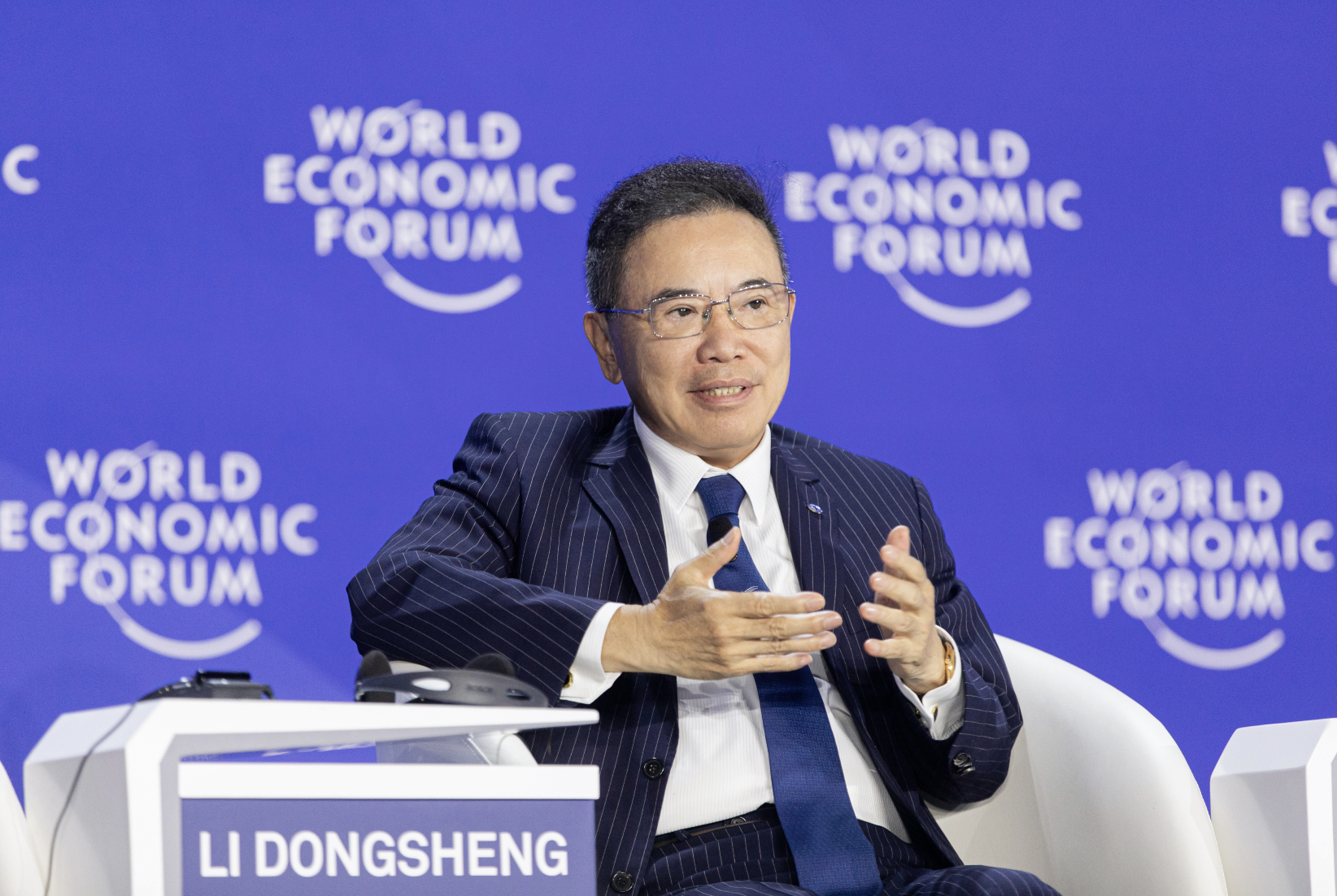
李东生:希望在海外建立五个TCL
Hua Er Jie Jian Wen· 2025-06-25 18:15
Core Viewpoint - TCL aims to establish five operational entities overseas to enhance local economic development and contribute to the local industry chain [2][3] Group 1: Globalization Strategy - Since its international expansion in 1999, TCL has consistently pursued a globalization strategy, focusing on localized operations to benefit local economies and environments [2] - TCL's overseas revenue has grown significantly, from 59 billion to 125.3 billion yuan from 2019 to May 2023, with an average annual growth rate of 17.6% [3] - Currently, over 60% of TCL's revenue comes from overseas markets, with the potential for regional centers to surpass the Chinese market [3][4] Group 2: Localized Operations - TCL emphasizes the importance of building local supply chains and industrial capabilities in overseas markets, which includes establishing manufacturing bases and collaborating with local suppliers [7][8] - The company has created thousands of jobs in various countries, such as employing over 7,000 local workers in Vietnam and providing 800 to 1,000 jobs annually in Poland [8] - TCL's global workforce includes over 150 local employees in the U.S. and more than 50 in countries like France, Australia, and Japan [8] Group 3: Future Outlook - TCL's recent partnership as a global Olympic partner is expected to open new avenues for its globalization efforts [8] - The company aims to balance efficiency and fairness in its operations, focusing on co-building industrial capabilities with local communities [6][8]