
通胀预期

Search documents
近忧或已解,远虑未迫近——2月债市策略
Huafu Securities· 2026-02-02 06:53
固 定 收 益 华福证券 2026 年 02 月 02 日 近忧或已解,远虑未迫近——2 月债市策略 团队成员 投资要点: 固 定 收 益 专 题 1 月利率先上后下,转折点主要在于政府债供给与信贷扩张的潜在冲 击不及预期,但这背后可能也受到了央行政策态度变化的影响。此前 Q4 央 行提到"做好逆周期和跨周期调节",《金融时报》也表示货币政策带来的 积极效果还可能持续显现发力,必须警惕过度放松货币金融条件可能产生 的一些负面效果,在 M2 与社融增速超过 8%、明显高于目标的情况下,进 一步放松的动力可能下降。但 1 月以来,可能由于 25Q4GDP 增速降至 4.5% 后中央稳增长的诉求增强,叠加 1 月信贷扩张幅度弱于预期,央行对于稳 信贷的诉求似乎有所增强,表示 M2 与社融高于目标较好地满足了实体经 济的资金需求,持续为经济回升向好创造适宜的货币金融环境,这可能反 映了在适度宽松的货币政策下,央行可以在一定程度上容忍 M2 与社融增 速高于目标,对其过度放松副作用的担忧也明显减弱。 近期市场对央行后续创设新型工具的预期升温,尤其是认为针对非银 的工具可能类似于美联储 ONRRP。但 ONRRP 是美国 ...
金银过山车:三大叙事背后的真相与陷阱
Xin Lang Cai Jing· 2026-02-02 05:15
Group 1 - The article discusses the recent volatility in gold and silver prices, suggesting that there are three plausible explanations for the surge in gold prices, although none fully account for the current situation [2][10] - Investors are increasingly seeking gold as an alternative to the US dollar, with central bank purchases decreasing and private investors, particularly through ETFs, becoming the main buyers [3][11] - The relationship between gold prices and the US dollar has decoupled, as gold has surged despite a significant decline in the dollar [3][11] Group 2 - There is a prevailing belief among investors that a new wave of inflation is imminent due to large-scale government stimulus and deliberate weakening of the dollar, which typically benefits gold [4][12] - Recent price fluctuations in gold and silver support concerns about currency devaluation, particularly following the appointment of Kevin Warsh as the Federal Reserve Chairman, which is perceived to have implications for interest rates [4][13] - Despite concerns about inflation, long-term inflation expectations, as measured by the five-year breakeven inflation rate, have actually declined this year compared to early last year [14] Group 3 - Growing confidence in global economic growth has led to market behaviors reminiscent of the years leading up to the 2008-09 financial crisis, with a preference for overseas stocks and small-cap stocks over large-cap stocks [6][15] - Gold prices have seen significant growth, with a notable increase of 21.8% in the first 21 trading days of the year, marking the largest gain for that period since late 1999 [6][16] - The article suggests that while gold plays a significant role in these narratives, the scale of its volatility, along with the dramatic fluctuations in silver prices, indicates a potential market bubble [6][16]

通胀预期下如何看种植链投资机会?
HTSC· 2026-02-02 02:40
Investment Rating - The report maintains an "Overweight" rating for the Agriculture, Forestry, Animal Husbandry, and Fishery sector [2] Core Insights - The report highlights that the planting chain has shown significant excess returns during inflation cycles, with a total excess return of 140 percentage points and 126 percentage points compared to the CSI 300 index during five inflation periods [6] - Current inflation expectations are rising, driven by a 16% increase in Brent crude oil prices since January, which is expected to catalyze the planting chain [5][7] - The report suggests increasing allocation to the planting industry chain, particularly in corn and cotton, due to favorable price trends and low fund holdings in the sector [9] Summary by Sections Investment Recommendations - Recommended stocks include Longping High-Tech (000998 CH) with a target price of 12.77 and a "Buy" rating, and Denghai Seeds (002041 CH) with a target price of 12.06 and an "Overweight" rating [4][22] Market Trends - As of Q4 2025, the fund holding ratio for the agriculture/planting sector is at 1.18% and 0.07%, respectively, indicating a low allocation compared to historical levels [8][9] - The report notes that domestic corn and cotton prices have shown an upward trend since 2025, with January 2026 average prices up 10% and 11% compared to the lowest monthly averages in 2025 [7][9] Historical Performance - The analysis of past inflation cycles indicates that the planting and agricultural processing sectors typically outperform the market, with the planting sector achieving a cumulative excess return of 657% compared to the CSI 300 index over five inflation periods [20] Future Outlook - The report anticipates that the recovery of core inflation indicators and the optimization of supply-demand dynamics will support price increases in the planting chain, further enhancing investment opportunities [7][9]


金价暴跌7.58%,黄金先跌后涨,投资机会来了
Sou Hu Cai Jing· 2026-02-01 17:25
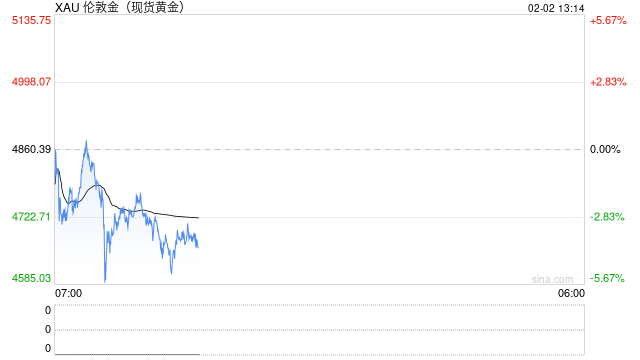
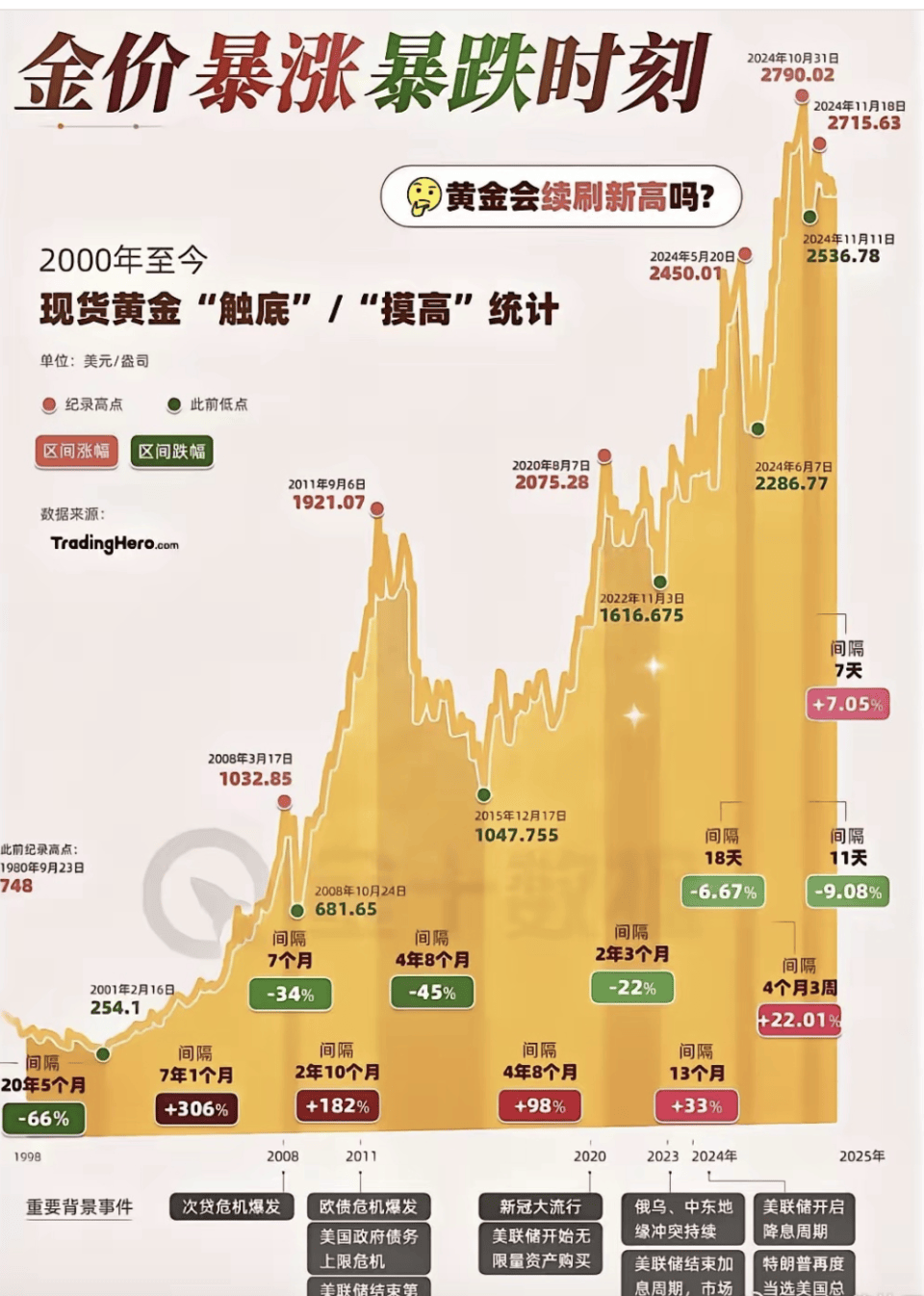
1月31日,黄金市场像被人推下了悬崖,伦敦金一天之内蒸发了7.58%,国内黄金T D也跟着跌了 3.92%,连商场里的金饰都跟着打了个寒噤,这一幕,谁看了不心慌,不要说散户,连机构的交易员也 都做起了短暂的失忆症,没人敢第一时间宣称"老子看准了",市场的气氛瞬间从自信变成惊恐,人人心 里都有条弦,被放开了——紧张到了极点。 这次下跌是技术性的割裂,还是情绪性的恐慌,是短线资金的集体出逃,还是宏观基本面的转折,大家 各执一词,媒体也不干脆,报道一会儿说是获利盘集中止盈,一会儿又把锅甩到美联储可能延缓降息 上,事实很简单,市场在高潮之后选择了群体退场,钱多了要找门,门一关,挤出来的就是溢价变现的 价格下跌。 市场有自己的逻辑,也有集体的情绪,先有一波疯涨,吸引了太多不该来的资金,积累了太多利润,接 着就是情绪性的出逃,放大器一样放大波动,外加美联储的后续言辞带来不确定性,信息落地的那一 刻,很多所谓的利好被"兑现"了,市场短线资金就说够了,走人吧,结果就是这次黑色星期五。 再说央行和大行的声音,高盛这些外资机构喊着金价会在3000美元一盎司,表面是预测,实际上也是一 种话语权的延展,高盛可以喊高价来吸引注意力,也 ...

出来了,就是他,凯文沃什!
Sou Hu Cai Jing· 2026-02-01 16:49
Core Viewpoint - Kevin Warsh has been nominated by Trump as the next Federal Reserve Chairman, indicating a potential shift in monetary policy direction towards a more hawkish stance, which may impact market dynamics and interest rates [1][5]. Group 1: Kevin Warsh's Economic Views - Warsh is known for his hawkish stance, opposing quantitative easing (QE), arguing that it benefits the wealthy while harming ordinary people and distorting the market [2]. - He advocates for a unique theory called "balance sheet reduction for interest rate cuts," suggesting that liquidity should not be provided through monetary easing but rather through a supply-side reform approach, reducing leverage and allowing the market to self-generate liquidity [2]. - Warsh believes inflation is a choice and that the central bank should focus more on controlling money supply and inflation expectations rather than strictly adhering to a 2% inflation target [2]. Group 2: Market Impact and Strategy - Warsh is not inclined to intervene in the market to stabilize it, which may lead to increased volatility in the stock market [3]. - The choice of Warsh over a dovish candidate like Hassett suggests a strategic move to consolidate hawkish influence within the Federal Reserve, potentially leading to a shift in consensus towards a more gradual approach to interest rate cuts [4][5]. - Warsh's appointment is seen as a way to change the game rules within the Fed, aiming to transform hawkish colleagues' perspectives on how to safely achieve interest rate reductions rather than remaining in a stalemate over whether to cut rates [6]. Group 3: Implications for Gold - The anticipated volatility in the market could lead to significant fluctuations in gold prices, with potential declines of 10% or more in a single day due to strong dollar and high real interest rate expectations [7]. - Historical trends indicate that gold prices can drop 30-40% over a year, but recover to previous highs over a decade, suggesting a long-term bullish outlook for gold as a strategic asset [8]. - Central banks globally are actively increasing their gold reserves, reinforcing the notion that physical gold serves as a strategic safeguard rather than merely a trading asset [10].
固定收益策略报告:“主线逻辑”的边际变化-20260201
SINOLINK SECURITIES· 2026-02-01 13:29
Report Industry Investment Rating - Not provided in the content Core Viewpoints - After the January long - short game, the market has seen some new changes. The PPI recovery speed may be faster than the previous neutral expectation, government bond supply is front - loaded with longer terms, and the expectation of broad monetary policy has further weakened. The bond market may face medium - term pressure, but there may be short - term trading opportunities with limited space [7][11][15][25][31] Summary by Related Catalogs Interest Rate and Bond Market in January - Interest rate showed a first - up - then - down trend in January. In the first two weeks, the 10 - year Treasury bond rate rose to around 1.9% due to factors such as supply concerns, dampened interest rate cut expectations, the seesaw effect of rising equities, and inflation concerns from strong commodities. In the middle and late January, with sufficient central bank liquidity injection and other factors, the market had a recovery window [2][7] - The bond market remained relatively resilient in the last week of January. The 7 - day reverse repurchase net investment was 5.805 billion yuan. The 7 - day funding rate rose significantly. The yields of both ends of the curve rose while the middle part declined. The 10 - year Treasury bond yield fell 2bp to 1.81%. The duration of public - offering funds continued to rise [32][33][37] PPI and Inflation - In January, prices accelerated upward with a wider coverage, and the change was transmitted from raw materials to the end - products. The month - on - month increase of PPI in January may be between 0.15% and 0.25%, and the year - on - year may be in the range of - 1.53% to - 1.43%, with the year - on - year decline expected to narrow faster. The PPI may return to zero earlier than the previous neutral prediction [3][11] Government Bond Supply - In January, the overall net financing of government bonds was significantly higher than the seasonal level, showing the characteristic of front - loaded supply. The local bond issuance was skewed towards the medium - and long - term, with the issuance scale of 10 - year and 30 - year bonds increasing. The supply pressure will still be relatively high from February to March [4][15][24] Expectation of Broad Monetary Policy - Since the beginning of the year, the market's expectation of broad monetary policy has gradually cooled, and the overall level has further weakened compared with the end of last year. Although there may be opportunities for short - term game of easing expectations, the overall space for total easing is limited this year [5][25][27] Local Bond Issuance - In the last week of January, local bond issuance increased, and the issuance scale this year has been significantly higher than that of the same period last year. The weighted average issuance term of local bonds has generally increased slightly compared with the same period last year, and the issuance scale of 10 - year and 30 - year local bonds has almost doubled [54][57] - In the week from January 24th to January 30th, the issuance scale of new special bonds and ordinary refinancing bonds increased month - on - month. The weighted average issuance term increased slightly by 1 year to 17 years, and the issuance spread decreased by 1bp month - on - month [43][45][51] - The actual issuance progress of local bonds in January was 103% of the plan. The expected issuance scale of local bonds from February 2nd to 6th is 57.97 billion yuan [59][60]
国债期货周报-20260201
Guo Tai Jun An Qi Huo· 2026-02-01 08:58
二 五 2026 年 2 月 1 日 二 〇 国债期货周报 年 度 唐立 投资咨询从业资格号:Z0021100 Tangli2@gtht.com 虞堪 投资咨询从业资格号:Z0002804 yukan@gtht.com 国 泰 君 安 期 货 研 究 所 报告导读: 摘要: 上周周报我们提到"TL 合约上方压力位在 MA60 附近",本周国债期货短端无明显波动,超长端有 所回落。 中期因央行货币政策相对克制、通胀预期转变、中长期资金入市导向、十五五政策预期无法证伪 等原因,维持大方向看震荡偏空的观点。 风险提示: 货币政策力度不及预期、权益市场情绪超预期、固收产品赎回超预期 (正文) 1. 周度聚焦与行情跟踪 上周周报我们提到"TL 合约上方压力位在 MA60 附近",本周国债期货短端无明显波动,超长端有所回 落。 中期因央行货币政策相对克制、通胀预期转变、中长期资金入市导向、十五五政策预期无法证伪等原 因,维持大方向看震荡偏空的观点。 图 1:活跃合约走势 图 2:活跃合约周度涨跌幅 请务必阅读正文之后的免责条款部分 1 期货研究 期货研究 请务必阅读正文之后的免责条款部分 2 2. 流动性监控与曲线跟踪 ...
如何理解 Warsh(沃什)的货币政策框架?:美联储将迎来供给侧改?者
Yin He Zheng Quan· 2026-01-31 11:00
宏观专题报告 美联储将迎来供给侧改⾰者 !如何理解 Warsh(沃什)的货币政策框架? 2026 年 1 ⽉ 31 ⽇ (ü)美联储资产负债表和 QE:Warsh 历来批评量化宽松(QE),但这不意味着他就 任后会⼤规模的对美联储持有的各种资 产进⾏缩 减。结合其对货币、财 政、通 胀 间关系 的理解来看,缩表的本质还是 为了更好的进⾏降 息, 并控制通胀预期。 (ß)货币与财政的关系:Warsh 认为财政部在尊重货币政策的前提 下应和美联储协 作,以清晰而审慎地向市场描述未来的资产负债表规模和所期望实现的⽬标。但同时, 美联储与财政部的合作也可能意味着,如果没有 Bessent 的 同意与配合,Warsh 也不 会开启⼤规模的量化紧缩。 (´)通 胀 :对 于 Warsh 来说," 通 胀 是 ⼀种选择"。其关于缩表的论述本质上是为了 通 过 控 制货币 数 量 和稳定通胀预期来 控 制通胀 , 也 即缩表有利于通胀预期的稳定。 Warsh 并不会因为担忧近期的通胀⻛险而拒绝降 息, 他也表达过 在 AI 提升⽣ 产效率 的情况下,这类进步会在通胀稳定下⽀持更⾼的增⻓。 (Æ)⾦ 融 监 管 :Warsh ...
美联储将迎来供给侧改革者——如何理解Warsh(沃什)的货币政策框架?
Zhong Guo Yin He Zheng Quan· 2026-01-31 10:24
宏观专题报告 美联储将迎来供给侧改⾰者 !如何理解 Warsh(沃什)的货币政策框架? 2026 年 1 ⽉ 31 ⽇ (ü)美联储资产负债表和 QE:Warsh 历来批评量化宽松(QE),但这不意味着他就 任后会⼤规模的对美联储持有的各种资 产进⾏缩 减。结合其对货币、财 政、通 胀 间关系 的理解来看,缩表的本质还是 为了更好的进⾏降 息, 并控制通胀预期。 (ß)货币与财政的关系:Warsh 认为财政部在尊重货币政策的前提 下应和美联储协 作,以清晰而审慎地向市场描述未来的资产负债表规模和所期望实现的⽬标。但同时, 美联储与财政部的合作也可能意味着,如果没有 Bessent 的 同意与配合,Warsh 也不 会开启⼤规模的量化紧缩。 (´)通 胀 :对 于 Warsh 来说," 通 胀 是 ⼀种选择"。其关于缩表的论述本质上是为了 通 过 控 制货币 数 量 和稳定通胀预期来 控 制通胀 , 也 即缩表有利于通胀预期的稳定。 Warsh 并不会因为担忧近期的通胀⻛险而拒绝降 息, 他也表达过 在 AI 提升⽣ 产效率 的情况下,这类进步会在通胀稳定下⽀持更⾼的增⻓。 (Æ)⾦ 融 监 管 :Warsh ...
中国PMI非制造业全国综述202601:建筑淡季延续,服务回落
Zhong Guo Ren Min Yin Hang· 2026-01-31 09:53
月度分析报告·综述 中国 PMI 非制造业全国综述 202601: 建筑淡季延续,服务回落 2026 年 1 月 31 日 月度分析报告 1 月份中国非制造业经营活动状况回落 0.8 个百分点至 49.4%,近年当月均 值差-2.4,非制造业经营活动结束扩张的势头。新订单回落 1.2 至 46.1%,中间 投入价格回落,收费价格有所回升,需求恢复力度仍然较弱。 表 1:PMI 非制造业 1 月数据(50.0 表示与上月相比持平) | 指标 | 本月 | 环比值 | 上月环比值 | 同比值 | 上月同比值 | | --- | --- | --- | --- | --- | --- | | 经营活动状况 | 49.4 | -0.8 | 0.7 | -0.8 | -2 | | 新订单(业务需 | 46.1 | -1.2 | 1.6 | -0.3 | -1.4 | | 求) | | | | | | | 收费价格 | 48.8 | 0.8 | -1.1 | 0.2 | -0.8 | | 中间投入价格 | 50 | -0.2 | -0.2 | -0.4 | -0.3 | | 国(境)外新订 | 46.9 | -0.6 | ...