
智能化

Search documents
理想汽车三年盈利神话被打破,李想反思为何变成“越来越差的自己”
Xin Lang Cai Jing· 2025-11-28 09:11
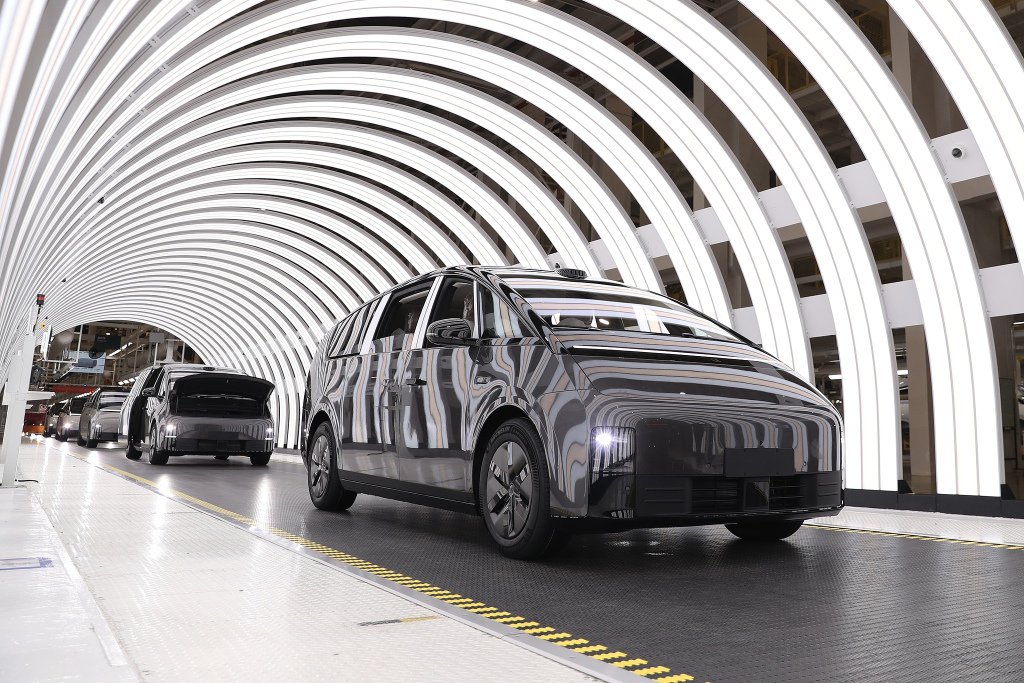
Core Insights - Li Auto's third-quarter financial report for 2025 marks the end of its nearly three-year profitability streak, reporting a revenue of 27.4 billion yuan, a year-on-year decline of 36.2%, and a net loss of 624 million yuan, the first quarterly loss since Q4 2022 [1][4] Financial Performance - The delivery volume in Q3 was 93,211 units, down 39% year-on-year, leading to a 37.4% decrease in vehicle sales revenue to 25.9 billion yuan, which was the main driver of revenue decline [4] - The company recorded a warranty cost provision of approximately 1.1 billion yuan in Q3, which impacted the gross margin, reducing it from 21.5% in the same period last year to 16.3% [5][6] - Even excluding this one-time cost, the adjusted gross margin was 20.4%, indicating a significant drop from historical highs [6] Market Challenges - Li Auto faces multiple pressures including the fading benefits of range-extended vehicles, challenges in transitioning to pure electric models, and intensified market competition [3][4] - The share of range-extended vehicles in the new energy vehicle wholesale structure has been declining, dropping to 7.5% in October 2025, while the share of pure electric models from new forces has increased from 49% to 74% [6] Strategic Adjustments - Despite short-term performance pressures, Li Auto continues to invest strategically, with R&D expenses reaching 3 billion yuan in Q3 and an expected total of 12 billion yuan for the year, focusing heavily on AI technology [7] - The company is adopting a dual-supplier model for i6 batteries to alleviate production bottlenecks, with expectations to stabilize monthly production capacity to 20,000 units by early 2026 [7] Management Changes - Li Auto's management model is undergoing a transformation, with the CEO expressing a desire to return to a startup management style, acknowledging the challenges faced after scaling up [11][14] - The company has recognized the need to enhance decision-making efficiency while maintaining operational stability, which will be a critical challenge moving forward [11][15] Future Outlook - For Q4 2025, Li Auto has provided conservative guidance, expecting deliveries between 100,000 to 110,000 units, a year-on-year decrease of 30.7% to 37.0%, and revenue between 26.5 billion to 29.2 billion yuan, a decline of 34.2% to 40.1% [11][15] - The ability to release production capacity for pure electric models, improve cost control, and effectively implement management changes will be crucial for the company's recovery and growth trajectory in 2026 [15]


上市辅导企业受资本青睐,成功融资
Sou Hu Cai Jing· 2025-11-28 08:51
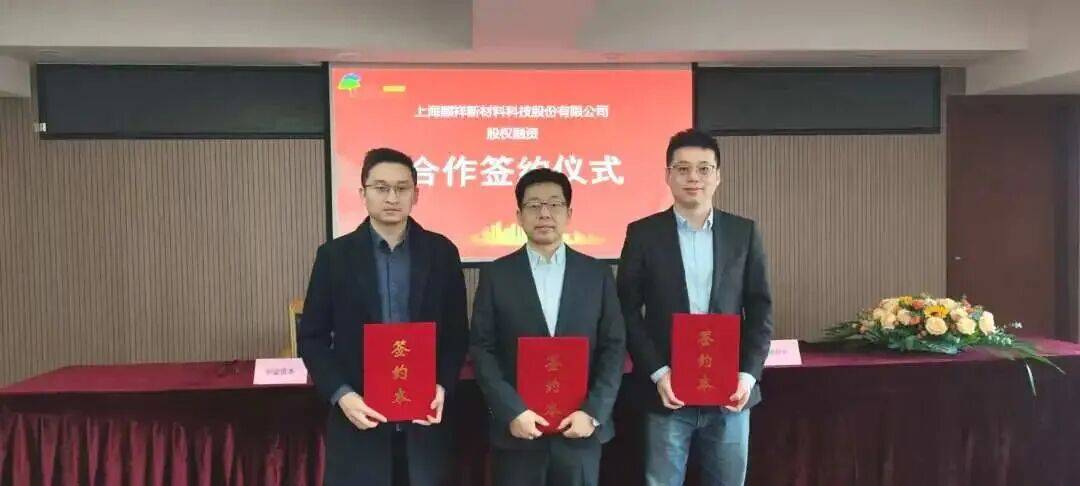
Core Viewpoint - The successful signing ceremony for equity financing cooperation of Shanghai Qixiang New Materials Technology Co., Ltd. marks a significant milestone in the company's development and reflects strong confidence from shareholders in its long-term potential and broad prospects [1][3]. Group 1: Company Developments - Qixiang New Materials completed its shareholding system reform on July 2, establishing a new governance structure [3]. - On September 22, the company signed a contract with Guotou Securities for listing guidance, indicating its intention to go public [3]. - The completion of the financing signifies an increase in the overall value of Qixiang New Materials and a notable optimization of its capital structure, providing strong momentum for future high-quality development [3]. Group 2: Future Plans - The company plans to accelerate technological breakthroughs and industrialization, aiming to upgrade its industrial chain towards high-end, intelligent, and green directions [3]. - Qixiang New Materials is committed to injecting new energy into the high-quality development of the rubber new materials industry and providing higher quality and more reliable innovative solutions for customers [3].
基建投资有望带动机械设备需求,机床ETF(159663)涨1.15%
Sou Hu Cai Jing· 2025-11-28 06:28
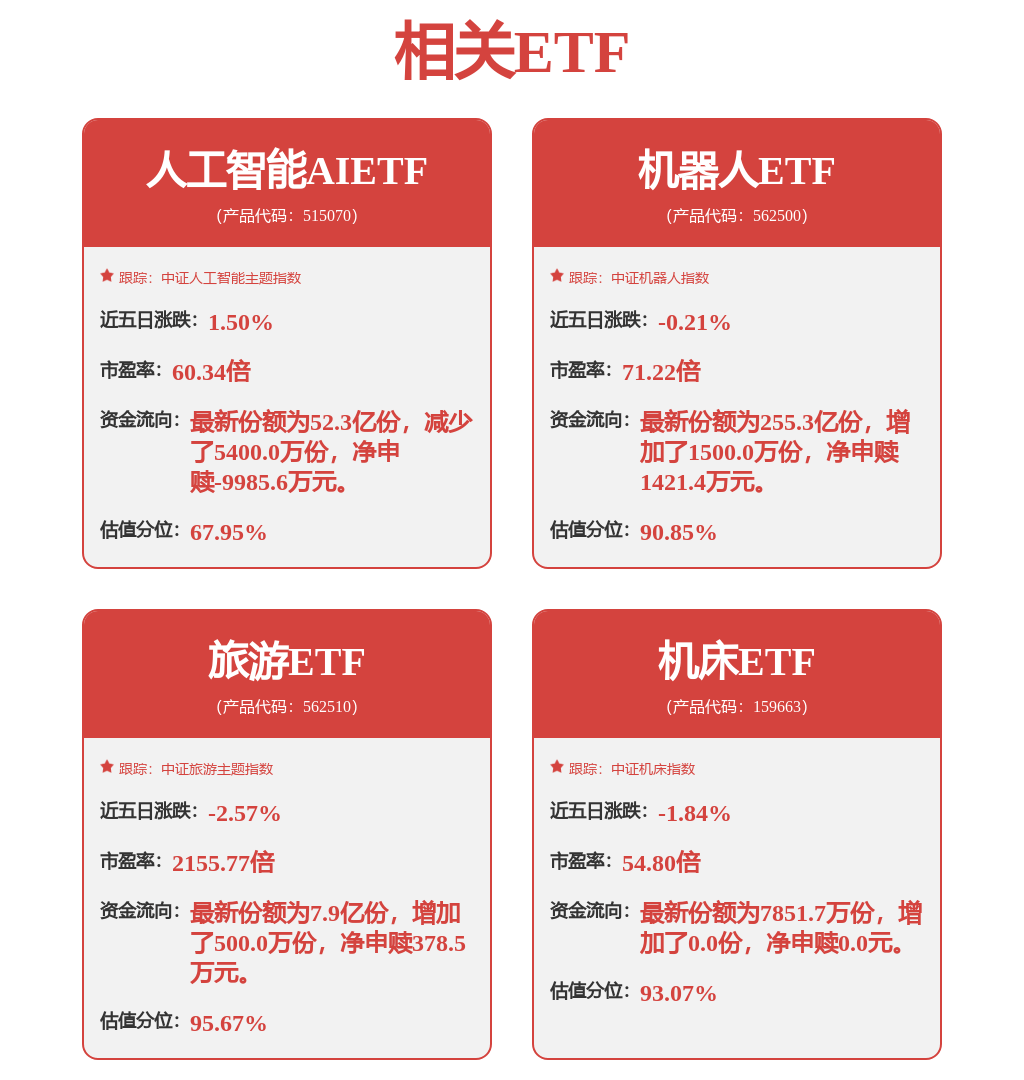
Group 1 - The core viewpoint is that the CNC machine tool market in China is experiencing rapid growth driven by downstream demand, with a projected market size of approximately 432.5 billion yuan in 2024 and expected to exceed 450 billion yuan by 2025 [1] - The domestic production rate of high-end CNC machine tools is only 6%, indicating significant room for domestic production growth in this segment [1] Group 2 - Increased policy support is expected to boost equipment demand, particularly with infrastructure investments, such as the commencement of the Yaxia hydropower project, which will drive demand for large excavators and other equipment [2] - The internationalization, electrification, and intelligentization processes are advancing, with electric loader sales increasing by 157.2% year-on-year, and intelligent applications like unmanned forklifts and mining equipment are anticipated to break through first [2] - The nuclear fusion industry is entering a phase of capital expenditure expansion, focusing on high-value components such as magnet systems, vacuum chambers, and power systems [2] - The low-altitude economy policy emphasizes safety, health, and high-quality development, with a positive outlook on infrastructure construction and low-altitude equipment research and application [2]
四川:“十五五”期间加快制造业高端化、智能化、绿色化发展步伐
Zhong Guo Xin Wen Wang· 2025-11-28 03:06
Core Viewpoint - Sichuan province aims to accelerate the high-end, intelligent, and green development of its manufacturing industry during the "14th Five-Year Plan" period, focusing on technological innovation and industrial transformation [1][2][3] Group 1: Technological and Industrial Innovation - Sichuan will enhance the core competitiveness of its manufacturing sector by integrating technological and industrial innovation, including a new round of large-scale technological upgrades and the establishment of over 50 provincial-level manufacturing innovation centers [1] - The province plans to create over 100 high-level testing platforms and 300 pilot platforms for manufacturing, aiming to elevate the industrial foundation and move the value chain towards mid-to-high end [1] Group 2: Intelligent Manufacturing Development - The province will promote the intelligent upgrade of the entire production process, accelerating digital transformation and enhancing numerical control levels [2] - Sichuan aims to cultivate 100 future factories and 1,000 advanced intelligent factories, while also developing 1,000 new intelligent terminal products [2] - The focus will also be on strengthening the support for the intelligent industry system and enhancing the integration of "5G + industrial internet" applications [2] Group 3: Green Manufacturing Initiatives - Sichuan will build a comprehensive green manufacturing system, promoting green transformation across all stages from product design to recycling [3] - The province targets the establishment of over 1,000 green factories and more than 150 green industrial parks, along with the implementation of over 1,000 green integration technology renovation projects annually [3] - The goal is for green low-carbon industries to account for over 30% of the industrial share, with clean energy making up 90% of the industrial energy structure [3]
理想汽车20251127
2025-11-28 01:42
Summary of Li Auto's Conference Call Company Overview - **Company**: Li Auto - **Industry**: Electric Vehicles (EVs) Key Points and Arguments Market Position and Sales Performance - Li Auto leads the market for passenger vehicles priced above 200,000 RMB, with a market share of 12.1% in the Chinese new energy vehicle sector as of Q3 2025, ranking first among Chinese automotive brands [2][3][4] - Cumulative deliveries exceeded 1.46 million units by the end of October 2025, with new electric SUV models I8 and I6 achieving over 100,000 total orders [2][3] Product Development and Technology - The company focuses on in-house development of core technologies, including electric drive, battery, and electronic control systems [3][4] - Li Auto has developed its own silicon carbide power chips and established a dedicated electric motor factory, aiming for mass production of its proprietary 5C battery in the coming year [2][3] - The VOLS C4G large model has been fully pushed to the AD Max model, with plans to enhance perception and response accuracy through OTA updates [2][4] Financial Performance - Total revenue for Q3 2025 was 27.4 billion RMB, with a gross margin of approximately 20% after excluding a one-time cost of 1.1 billion RMB related to the Mega recall [2][5] - The company maintains a cash reserve of nearly 100 billion RMB, providing a solid foundation for future growth [4] Research and Development - R&D investment is expected to grow in single digits, focusing on smart technology and software, while reducing the number of vehicle models developed to improve efficiency [7] - The M100 chip has completed testing and will be integrated into the L series models in 2026, with plans for broader deployment across the i series [13] Supply Chain and Production Challenges - Current delivery ramp-up for the I8 and I6 models is slower than expected due to supply chain coordination issues, particularly with CATL [8] - The company is working to resolve these bottlenecks by enhancing collaboration with suppliers and introducing a second supplier [8] Strategic Insights - The company acknowledges past strategic misjudgments, particularly in market capacity predictions and sales targets, emphasizing the need for better consumer insights and macroeconomic understanding [11] - Li Auto views the capital market as a vital source of long-term insights, not just a financing tool [10] Future Outlook - The L series is set for significant iteration next year, with a goal to shorten product life cycles to approximately two years [14] - The company plans to establish a comprehensive battery supply matrix to mitigate potential supply issues [16] AI and Smart Driving Initiatives - Li Auto is committed to long-term investments in AI, smart driving, and autonomous technologies, aiming to compete in both domestic and global markets [18] Additional Important Points - The company has optimized its sales service structure, operating around 550 retail centers across over 150 cities and establishing more than 3,500 supercharging stations [2][4] - The introduction of a simplified OKR assessment system aims to enhance efficiency and address internal challenges [9]
研判2025!中国节能家电行业政策、产业链、市场规模、重点企业及发展前景展望:政策引领与技术赋能,推动节能家电产业高质量发展[图]
Chan Ye Xin Xi Wang· 2025-11-28 01:29
Core Insights - The energy-saving home appliance market is experiencing continuous demand growth due to the global trend towards energy conservation and increasing consumer awareness of environmental protection [1][3][6] - The market size of China's energy-saving home appliance industry is projected to grow from 236.25 billion yuan in 2015 to 680.325 billion yuan in 2024, with a compound annual growth rate (CAGR) of 12.47% [1][10] - By 2025, the market size is expected to reach 744.3 billion yuan, driven by technological advancements and evolving consumer demands [1][10] Industry Overview - Energy-saving home appliances utilize advanced technologies such as variable frequency technology, high-efficiency compressors, and optimized insulation materials to significantly reduce energy consumption during use [1][3] - The industry includes various products such as air conditioners, refrigerators, washing machines, water heaters, televisions, and rice cookers [3] Market Dynamics - The Chinese government has implemented various policies to support the energy-saving appliance sector, including subsidies for replacing old appliances and promoting energy-efficient products [6][7][11] - The increasing focus on green consumption and energy efficiency among consumers is driving demand for energy-saving appliances [7][11] Industry Chain - The upstream of the energy-saving appliance industry includes raw materials and components such as steel, copper, plastics, rubber, electronic components, semiconductor materials, chemical materials, and insulation materials [8] - The midstream involves the production and manufacturing of energy-saving appliances, while the downstream encompasses sales channels including specialty appliance stores, home improvement markets, and various e-commerce platforms [8] Key Players - Major companies in the energy-saving appliance sector include Midea Group, Haier Smart Home, Gree Electric Appliances, Sichuan Changhong, Hisense, and others [1][13] - Midea Group reported a revenue of 167.201 billion yuan in its smart home business for the first half of 2025, reflecting a year-on-year growth of 13.32% [13] - Haier Smart Home achieved significant sales in its refrigerator, washing machine, and air conditioning segments, with respective revenues of 42.517 billion yuan, 31.645 billion yuan, and 31.645 billion yuan in the first half of 2025 [14][15] Development Trends - The industry is moving towards greater integration of artificial intelligence and IoT technologies, enabling autonomous energy management and optimization [16] - There is a focus on green design and circular economy principles, with an emphasis on using eco-friendly refrigerants and increasing the use of renewable materials [16] - Energy-saving appliances are evolving from single-function products to comprehensive, scenario-based solutions that optimize energy consumption across different home environments [17]



工业机器人有望更智能、易用(专家点评)
Ren Min Ri Bao· 2025-11-27 22:05
Core Insights - China has maintained its position as the world's largest industrial robot application market for 12 consecutive years, achieving both scale and qualitative advancements in the industry [1] - The performance quality of domestic robots is steadily improving, with several companies launching six-axis robots with a load capacity exceeding 500 kilograms, and the average uninterrupted operation time of domestic robots reaching 120,000 hours [1] - The product structure is continuously optimizing, with sales of self-owned brand multi-joint robots expected to exceed 100,000 units in 2024, increasing their share of total sales to 60.9% [1] Industry Development - Despite rapid industry growth, there is still a reliance on imports for high-end components, operating systems, and virtual simulation platforms, and the usability and intelligence of complete machines do not yet meet user expectations [1] - The 20th Central Committee of the Communist Party of China emphasizes focusing economic development on the real economy, with a direction towards intelligence, greening, and integration [1] Future Outlook - The demand for intelligent robots is driven by the need for manufacturing equipment to possess adaptive and autonomous learning capabilities, while green initiatives require the manufacturing sector to save energy and reduce waste, which industrial robots can facilitate [1] - The integration of robotic technology with new technologies such as large models and embodied intelligence, as well as collaboration with industries like lithium batteries and communications, creates opportunities for enhancing robot capabilities and establishing a new technological innovation ecosystem [1] - Looking ahead, China's industrial robots are expected to become more intelligent and user-friendly, with human-machine collaboration becoming the norm and serving as a crucial support for cultivating new productive forces [1]

坚持智能化、绿色化、融合化方向 云南曲靖因地制宜提升产业能级
Jing Ji Ri Bao· 2025-11-27 21:38
Core Insights - Yunnan's Qujing City has achieved a 45.9% increase in foreign trade import and export volume in the first three quarters of the year, driven by the development of new productive forces and a modern industrial system [1][2] Group 1: Economic Development - Qujing City is focusing on optimizing traditional industries while nurturing emerging and future industries, leading to a robust support system from traditional sectors like tobacco, coal, and electricity [1] - The city is also advancing in new sectors such as green aluminum, silicon photovoltaic, and new energy batteries, alongside stable growth in advanced equipment manufacturing, new materials, and biomedicine [1] - The local government has established seven provincial-level foreign trade transformation bases, resulting in a 66% increase in the number of enterprises engaged in foreign trade compared to the end of the 13th Five-Year Plan [1] Group 2: Industrial Strategy - Qujing is committed to intelligent, green, and integrated development, promoting synchronized advancements in new industrialization, information technology, urbanization, and agricultural modernization [2] - The city is accelerating the establishment of an advanced manufacturing center and implementing three major projects: upgrading traditional industries, nurturing emerging industries, and planning for future industries [2] - Industrial investment accounts for 57.1% of fixed asset investment, while the added value of the private economy constitutes 57.6% of the regional GDP [2]
从供应商到服务商 创力集团详解转型之道
Zhong Guo Zheng Quan Bao· 2025-11-27 20:21
Core Viewpoint - The coal industry is experiencing cyclical fluctuations, but some companies, like Chuangli Group, are demonstrating strategic resilience and adaptability through comprehensive value reconstruction in response to market changes [1][8]. Market Expansion Strategy - Chuangli Group is transitioning from a supplier to a service provider, focusing on creating value throughout the entire lifecycle of its products, which is seen as a fundamental change in its business model [1][6]. - The company is pursuing both national and international market expansion, recognizing the challenges of penetrating new markets in the coal machinery sector due to high switching costs for customers [2][3]. - The strategy includes technical embedding to meet specific customer needs and service integration to provide unique value that competitors cannot offer [2][3]. Domestic Market Development - In the domestic market, Chuangli Group has successfully addressed local financing challenges by providing leasing services, which has led to an expected revenue of nearly 200 million yuan from the Guizhou market this year [3][4]. - The company has established a network of sales offices and service centers across key coal-producing regions to enhance customer relationships and service efficiency [6]. International Market Strategy - Chuangli Group is focusing on Russia as a key market for its global strategy, leveraging its expertise in intelligent mining equipment to adapt to local conditions [4][5]. - The company is adopting a "win-win" strategy by collaborating with top international partners rather than building its own teams abroad, which helps reduce costs and risks [3][4]. Technological and Business Model Upgrades - The company is undergoing a significant transformation from a hardware supplier to a service-oriented business, emphasizing long-term partnerships and integrated service solutions [6][7]. - Collaboration with Huawei aims to enhance the reliability and intelligence of mining equipment, with a focus on creating a comprehensive smart mining ecosystem [5][6]. Brand Value and Customer Focus - Chuangli Group emphasizes the importance of creating value for customers as a core principle of its operations, which is essential for building brand loyalty and long-term success [7][8]. - The company aims to establish itself as a leading brand in the industry by focusing on customer needs and transforming relationships from mere transactions to strategic partnerships [7][8].

“机械臂”跃迁“数据脑” 煤机装备智能化发展提速
Zhong Guo Zheng Quan Bao· 2025-11-27 20:21
Core Viewpoint - The coal machinery industry is undergoing a significant transformation driven by intelligent technology, moving from traditional mechanical operations to smart, data-driven solutions [1][6][7] Industry Transformation - The coal machinery industry is actively seeking transformation as evidenced by the decline in product output and sales revenue, with the top 50 companies reporting a total product value of 123.72 billion and sales revenue of 120.83 billion, reflecting a year-on-year decrease of 7.77% and 4.35% respectively [1][2] - Major companies are shifting their strategies to adapt to the changing market environment, with traditional coal machinery firms rebranding and redefining their missions to focus on intelligent industrial solutions [2][3] Intelligent Product Development - There is a growing demand for intelligent mining solutions driven by changes in population structure, increased safety awareness, and technological advancements, with expectations for the intelligent mining equipment market to reach an annual scale of 100 billion [3][4] - Companies like CITIC Heavy Industries are prioritizing the development of high-end, intelligent, and green products, with their mining and heavy equipment business generating 2.24 billion in revenue, accounting for 56.17% of total revenue [4][5] Policy and Ecosystem Support - Government policies are promoting high-quality development in the energy equipment sector, emphasizing the need for intelligent upgrades and the integration of smart technologies [6][7] - Collaborations between companies and tech giants like Huawei and Lenovo are forming a large industrial ecosystem that integrates mechanical manufacturing, artificial intelligence, and software development, indicating a shift towards a competitive landscape based on ecosystem capabilities rather than just equipment [7]