
国潮

Search documents
洋洋大观丨古韵酿新趣 时尚中国芯——国货渐成年轻人消费首选
Xin Hua Wang· 2025-12-19 03:32
Core Viewpoint - Cultural confidence is driving domestic brands to become the preferred choice for young consumers in China, supported by traditional culture, fashion creativity, and cutting-edge technology [1] Group 1 - Traditional culture is the foundation for the rise of domestic brands, which are increasingly favored by young consumers [1] - The integration of fashion creativity and modern technology is breaking boundaries and enhancing the appeal of these brands [1] - The report highlights a day in the life of "Guochao" (national trend) through the experiences of a Syrian reporter, showcasing the cultural phenomenon [1]
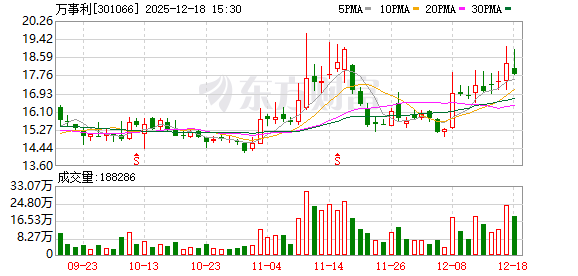
万事利:产品运用了敦煌、故宫等中国传统文化元素
Zheng Quan Ri Bao· 2025-12-18 12:39
Core Viewpoint - The company focuses on integrating Chinese silk products with cultural elements, emphasizing innovation and the spirit of national trends [2] Product Offerings - The main products include silk scarves, combination sets, home textiles, branded clothing, scarves, and silk crafts, all of which are designed to resonate with important Chinese cultural festivals and rituals [2] - The products incorporate traditional Chinese cultural elements such as Dunhuang, the Forbidden City, West Lake, zodiac signs, blue and white porcelain, and beautiful landscapes, showcasing the essence of Chinese culture [2]


欧莱雅在中国市场遭遇“滑铁卢”,反应慢了?
Xi Niu Cai Jing· 2025-12-16 01:24
Core Insights - 2024 is expected to be a challenging year for L'Oréal, particularly in the Chinese market, which has become a significant concern for the company [2] Group 1: Financial Performance - L'Oréal achieved a record sales figure of €43.48 billion in 2024, representing a year-on-year growth of 5.1% [2] - The operating profit reached €8.688 billion, with a year-on-year increase of 6.7%, resulting in an operating margin of 20% [2] - The North Asia market, which includes China, reported a sales decline of €10.3 billion, down 3.2% year-on-year, making it the only region with negative growth among L'Oréal's five major markets [2] Group 2: Market Dynamics - The growth rate of L'Oréal in the Chinese market has been declining, with previous growth rates exceeding 20% from 2019 to 2021, but dropping to low single-digit growth from 2022 onwards [2] - The first quarter of 2024 showed decent performance, but the second quarter experienced negative growth, which continued into the third and fourth quarters [2] - Factors contributing to the negative growth in the North Asia market include weak selective channels and pressure on travel retail sales [2] Group 3: Competitive Landscape - L'Oréal's revenue in China is primarily driven by mass-market and premium cosmetics, with brands like L'Oréal Paris and Lancôme being significant contributors [3] - The mass-market segment faces intense competition from local skincare brands that are gaining popularity due to the "national trend" and high cost-performance ratios [3] - In the premium segment, consumers are becoming more discerning, often opting for "alternative" products instead of high-end offerings, which diminishes L'Oréal's previous pricing advantages [3][4] Group 4: Adaptability Challenges - Local brands are quicker to respond to market changes and consumer demands due to their advantages in channels and supply chains, putting L'Oréal at a disadvantage [4] - The beauty market's dynamics have shifted, requiring brands to adopt more agile and flexible strategies to keep pace with rapid changes [4] Group 5: Future Outlook - In the first three quarters of 2025, the North Asia market reported sales of €7.35 billion, with a slight year-on-year growth of 0.5%, indicating a low growth state [5] - The Chinese market remains a crucial revenue source for L'Oréal, necessitating a focus on market trends and consumer demand changes to potentially restore high growth in the future [5]


服装产业抢抓机遇稳健前行
Jing Ji Ri Bao· 2025-12-15 22:28
Core Insights - The clothing industry in China has shown remarkable resilience and growth during the "14th Five-Year Plan" period, despite facing numerous challenges and pressures [2] - The industry has achieved a production of over 70 billion garments annually, accounting for more than half of global production and approximately 30% of global clothing exports [2] - The future "15th Five-Year Plan" period is seen as a critical transition towards a fashion and creative industry, emphasizing the integration of technology, culture, and sustainability [4] Industry Development Highlights - The clothing industry has maintained steady progress, enhancing its global competitiveness and influence through scale, system, and innovation advantages [2] - Continuous optimization of the industry structure has been observed, with improved innovation capabilities, manufacturing levels, and sustainable development [2] - The pace of technological innovation has accelerated, with widespread application of AI and 3D virtual simulation technologies, significantly improving product development efficiency and consumer shopping experiences [2] Brand and Market Dynamics - The competitiveness of brands has significantly increased, with a growing demand for clothing that incorporates traditional Chinese cultural elements, leading to the rise of new brands and a diversification of brand operations [3] - The new retail model, which integrates online and offline experiences, is rapidly evolving, enhancing consumer experience and increasing brand recognition and international influence [3] - The clothing industry is actively promoting a green transformation throughout its lifecycle, focusing on sustainability and social responsibility [3] Future Development Directions - The clothing industry aims to leverage the new round of technological revolution and industrial transformation, focusing on four dimensions: technology, fashion, green, and health [4] - Development of new productive forces is identified as a core path for high-quality industry development, encompassing technological, cultural, and green productivity [5] - Emphasis on cultural productivity is crucial, with the market for "Guochao" (national trend) clothing expected to exceed 220 billion yuan in 2024, indicating a shift from following trends to creating them [5] Strategic Recommendations for Companies - Companies should focus on specialized and innovative paths, adapting to changing consumer lifestyles and creating effective demand through high-quality and diverse offerings [6] - Emphasizing both technology and culture as dual engines for high-quality development is essential, as both aspects contribute to product style and value [6] - A shift from an enterprise-centered approach to a consumer-oriented model is necessary, enhancing responsiveness to consumer needs and expanding quality supply [6] Corporate Social Responsibility - Companies are encouraged to integrate ESG (Environmental, Social, and Governance) principles into their strategies and operations, emphasizing green operations and ethical business practices [7]
单店年销5亿,抢购需“配货”,中国古法黄金新贵们,正在创造下一个爱马仕
创业邦· 2025-12-15 10:10
Core Viewpoint - The article discusses the rapid growth and transformation of the Chinese gold jewelry market, particularly focusing on the rise of traditional craftsmanship and cultural significance in gold products, which are increasingly seen as luxury items by younger consumers [5][30]. Group 1: Market Trends - The price of gold has been on a record-breaking rise, leading to a surge in interest in traditional Chinese gold jewelry, which is now considered a luxury item [6][30]. - The consumption of gold jewelry in China has seen a decline, with a reported 32.5% drop in the first three quarters of the year, while traditional gold products have experienced continuous growth since 2019 [24][30]. - The market for traditional gold jewelry is projected to reach 4,214 billion yuan by 2028, indicating a significant shift towards high-value, culturally rich products [24]. Group 2: Company Highlights - Linchao Jewelry, known for its intricate craftsmanship, recently secured a strategic investment of over 100 million yuan, highlighting investor confidence in the brand's potential [6][9]. - Borland, another high-end gold jewelry brand, also completed a Series A financing round exceeding 100 million yuan, indicating a trend of significant capital inflow into the sector [6][14]. - Both Linchao and Borland emphasize traditional craftsmanship, with Linchao's products often taking up to a year to create, reflecting a commitment to quality over mass production [9][10]. Group 3: Consumer Behavior - Younger consumers are increasingly drawn to gold jewelry that reflects individuality and cultural significance, moving away from traditional designs [25][30]. - The overlap between consumers of traditional gold jewelry and luxury brands like Louis Vuitton and Cartier is significant, with a reported 77.3% overlap in consumer demographics [29]. - The demand for traditional gold jewelry is driven by a desire for cultural expression and emotional value rather than mere price competitiveness [30][31]. Group 4: Competitive Landscape - The article identifies a new competitive landscape among traditional gold brands, referred to as the "Four Sisters of Ancient Gold," which includes Linchao, Borland, and others, all of which command high prices for their products [22][30]. - Old Shop Gold, a pioneer in promoting traditional gold concepts, reported a staggering 848-fold increase in sales during a promotional event, showcasing the potential for growth in this niche market [19][30]. - The craftsmanship involved in traditional gold jewelry, such as the intricate flower wire inlays, sets these brands apart and contributes to their high market value [20][30].

政府积极出台专项政策,支持开拓国货“潮品”国内外增量市场
Sou Hu Cai Jing· 2025-12-14 13:40
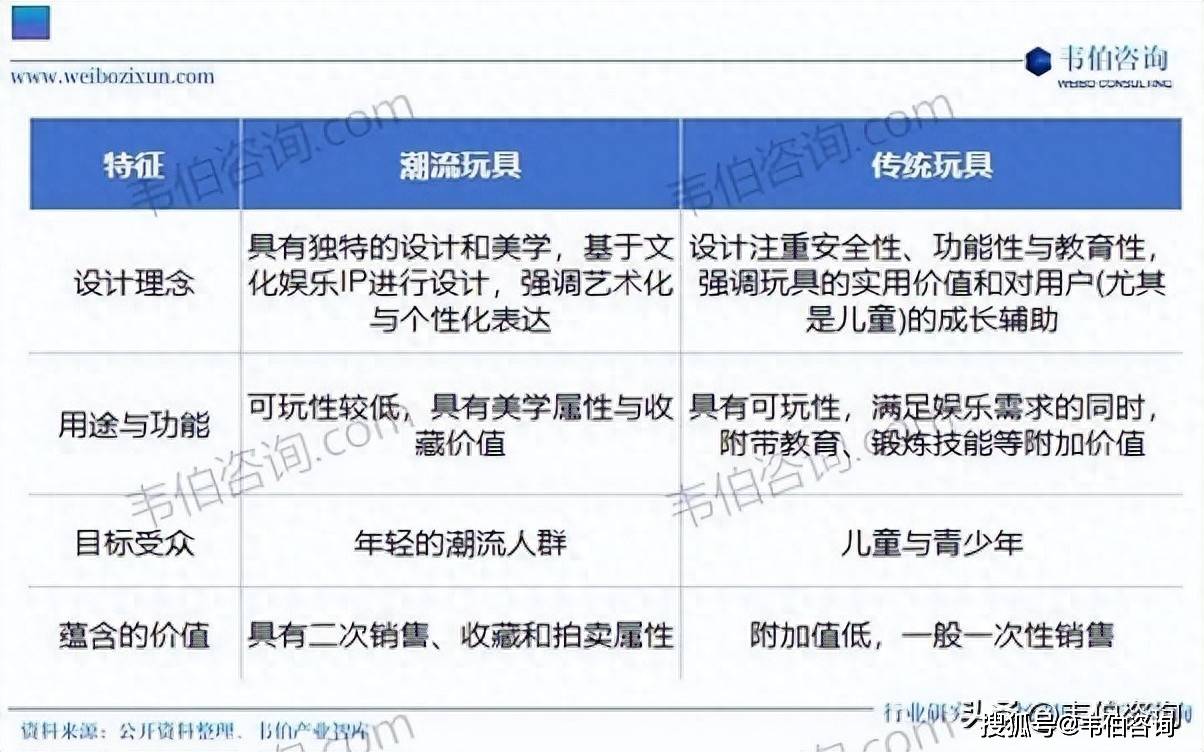
Core Insights - The trend toy market is experiencing significant growth, driven by unique designs, aesthetic appeal, and the integration of popular culture, with a focus on collectible value and resale potential [3][5]. Market Overview - The global trend toy market has shown a consistent double-digit growth rate, with the market size increasing from $20.3 billion in 2020 to $41.8 billion in 2024, reflecting a compound annual growth rate (CAGR) of nearly 20% [3]. - In China, the trend toy market is booming, with the market size projected to grow from 22.9 billion yuan in 2020 to 76.3 billion yuan in 2024, achieving a CAGR of 35% [5]. Product Categories - The trend toy market is diverse, with blind boxes representing the largest segment, accounting for over one-third of the market share in 2024. Additionally, assembly toys and building sets make up nearly one-fifth of the market [1]. Policy Support - Recent government initiatives, such as the measures issued by the State Council in January 2025, aim to promote the development of fashionable domestic products, including trend toys, by encouraging collaborations in various sectors [7][10]. - Policies emphasize the integration of traditional Chinese culture into product design and support the development of original intellectual property (IP) brands, which is expected to enhance the trend toy market [8][10]. Consumer Behavior - The trend toy market appeals to younger consumers as a means of self-expression and social interaction, with urbanization and rising disposable incomes contributing to increased consumer engagement [11]. - Innovative products like blind boxes create emotional connections with consumers, enhancing their willingness to purchase and increasing repurchase rates due to the anticipation of "hidden" and "popular" items [11].

从劲酒卖断货看中年品牌的逆袭
Sou Hu Cai Jing· 2025-12-10 16:37
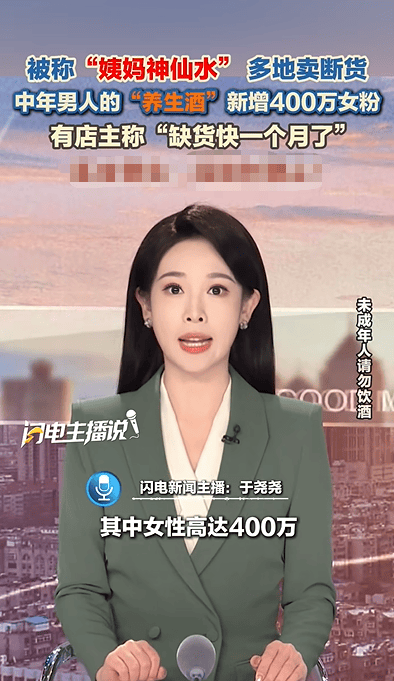
Core Insights - The traditional liquor industry is facing significant challenges, with a notable decline in the number of large-scale liquor enterprises and a 5.8% decrease in production in the first half of 2025 [3][4] - Despite the overall market downturn, certain brands like Jinjiu and Fenjiu are experiencing growth, indicating a shift in consumer preferences towards younger demographics and new consumption patterns [1][7] Group 1: Market Conditions - The white liquor industry is experiencing a "cold" phase, with over 100 large-scale enterprises exiting the market and an average inventory turnover period of 900 days [3][4] - 60% of enterprises are facing price inversion issues, and 19 listed liquor companies reported declines in both revenue and net profit, with a revenue drop of 18.42% in the third quarter [3][4] Group 2: Consumer Trends - There is a fundamental shift in consumer logic, with younger consumers moving away from traditional drinking culture and seeking experiences that offer relaxation and emotional resonance [5][7] - Brands that successfully capture this new consumer logic are finding new growth paths, moving from a focus on distribution channels to defining value through consumer engagement [7][10] Group 3: Brand Strategies - Brands are adopting a "de-oldification" strategy by reconstructing products to allow for user customization and creativity, as seen with Jinjiu's smaller bottle sizes and lower alcohol content [8][10] - Successful brands are also breaking away from traditional drinking scenarios, focusing on emotional healing and social experiences, which resonate with younger consumers [10][12] Group 4: Success Formula - The success of brands like Jinjiu, Fenjiu, and Guolifang is attributed to a combination of adaptable products, open narratives, and agile organizational structures [12][14] - The core of their success lies in establishing genuine emotional connections with the new generation of consumers, emphasizing product quality and brand trust over temporary market trends [12][14]
老铺黄金(06181):投资价值分析报告:做深做精、铸就典范,古法金赛道引领者
EBSCN· 2025-12-10 08:12
Investment Rating - The report assigns a "Buy" rating to the company with a target price of 804.64 HKD, indicating a strong potential for growth in the coming years [5][7][15]. Core Insights - The company, Laopu Gold, is a pioneer and leader in the ancient gold concept in China, focusing on high-end products and continuously achieving record-breaking performance due to rising gold prices and increasing consumer demand for gold as a store of value [1][23]. - The market for ancient gold is experiencing significant growth, with its market share expected to rise from 30% in 2023 to 52% by 2028, reflecting a shift in consumer preferences towards younger demographics and fashion-oriented gold products [2][13]. - Laopu Gold differentiates itself through unique product designs and craftsmanship, leading to higher profit margins compared to competitors, with a gross margin of 38.1% and a net margin of 18.4% in the first half of 2025 [3][39]. Summary by Sections Company Overview - Laopu Gold is recognized as the first brand to promote ancient gold in China, establishing a strong brand presence and achieving high sales performance in premium markets [24][25]. - The founder, Xu Gaoming, has extensive experience in the industry and personally oversees product design, contributing to the brand's innovative edge [34]. Market Trends - The gold jewelry market is evolving, with a notable shift towards younger consumers who value design and emotional significance in their purchases, moving beyond traditional gifting occasions [2][13]. - The ancient gold segment is projected to grow significantly, with its market size expected to reach 421.4 billion RMB by 2028 [2][26]. Competitive Advantage - Laopu Gold's differentiation strategy allows it to avoid the intense competition faced by traditional gold brands, achieving a high overlap rate with luxury brands like LV and Cartier [3][39]. - The company maintains a robust brand moat due to its unique craftsmanship and high-end positioning, which competitors find difficult to replicate [3][39]. Financial Projections - Revenue forecasts for Laopu Gold indicate substantial growth, with expected revenues of 267.44 billion RMB in 2025, 361.68 billion RMB in 2026, and 460.94 billion RMB in 2027, reflecting year-on-year growth rates of 214.4%, 35.2%, and 27.4% respectively [5][6]. - The company's net profit is projected to reach 47.63 billion RMB in 2025, with a growth rate of 223.3% [5][6]. Growth Drivers - The company's growth is supported by both internal product innovation and external market expansion, including international market penetration [14][15]. - The online sales channel is expected to grow rapidly, with a projected increase of 490% in 2025, driven by younger consumers seeking convenient purchasing options [12][14].
让“国潮”涌动“世界潮”
Ren Min Ri Bao· 2025-12-10 08:11
Group 1 - In the first three quarters of this year, China's export of holiday goods, dolls, and animal-shaped toys exceeded 50 billion yuan, reaching over 200 countries and regions globally, indicating a significant impact on modern global consumer culture [1] - The rise of "interest consumption" is driving the popularity of niche products in the mass market, allowing small-scale products to gain traction [2] - Chinese manufacturing capabilities are advancing towards the high-end of the value chain, supporting the global success of Chinese trendy toys [2] Group 2 - Cultural products' appeal is rooted in their cultural charm, with a diverse range of offerings from traditional arts to modern digital content, reflecting a shift from "single-point breakthroughs" to a "multi-dimensional matrix" in cultural export [2] - Effective communication is crucial for cultural export, as cultural differences and language barriers can affect the acceptance of cultural products abroad [3] - Successful cultural export requires a blend of global vision and local strategies, ensuring respect for local cultures while enhancing understanding of Chinese culture [3] Group 3 - A robust cultural industry and market system are essential for driving innovation and expanding the reach of cultural exports [4] - The performance of companies in the cultural sector is notable, with the number of overseas publishing contracts signed by a major online literature company increasing by 80% year-on-year, and the authorization amount rising by over 200% [4] - As of June this year, over 600 cultural enterprises have settled in the National Cultural Trade Base (Nanjing), with projected total revenue exceeding 30 billion yuan for the 2024 fiscal year [4]
国货实力圈粉,“潮”动力势能强劲
Ren Min Wang· 2025-12-10 08:11
Group 1 - The core viewpoint is that domestic brands in China are reshaping the consumer market landscape by occupying prominent positions across various sectors, including smart home appliances, beauty products, and new energy vehicles [1][2] - By the first three quarters of 2025, China's exports of holiday goods, dolls, and animal-shaped toys exceeded 50 billion yuan, reaching over 200 countries and regions globally [1] - The rise of domestic brands reflects a significant transformation in consumer psychology and market environment, moving from being a secondary option to a primary choice for consumers [1][3] Group 2 - In the first ten months of this year, China's cumulative exports of new energy vehicles surpassed 2 million units, with brands like BYD and NIO excelling in core technologies such as battery management and intelligent driving [2] - Cultural confidence is a key driver of the rise of domestic brands, allowing for a creative transformation that resonates emotionally across different age groups and regions [2] - The integration of traditional cultural elements into modern products, such as the Palace Museum's creative products and Li Ning's sportswear, showcases the blend of culture and innovation [2] Group 3 - The ability of domestic brands to quickly adapt to market dynamics and meet upgraded consumer demands is supported by a resilient supply chain backed by a complete industrial system in China [3] - China's industrial system includes 41 major industrial categories, enabling full control from design to manufacturing, which enhances competitiveness in global markets [3] - Domestic brands have achieved a balance between quality and price, offering products that exceed consumer expectations in emotional value, thus upgrading overall product value [3]

