
智能驾驶

Search documents
新科技驱动新生活 2025广州车展勾勒未来出行新图景
Ren Min Wang· 2025-11-22 06:01
Group 1 - The 23rd Guangzhou International Auto Show, themed "New Technology, New Life," commenced on November 21, showcasing 1,085 vehicles, with 93 new car debuts [1] - Among the exhibited vehicles, 629 were new energy vehicles (NEVs), accounting for nearly 60% of the total, reflecting a significant increase from the previous year's show where NEVs did not exceed half [1] - In 2024, China's automotive production and sales are expected to exceed 30 million units, with NEV production and sales surpassing 10 million units for the first time, and NEV ownership increasing 5.4 times compared to 2020 [1] Group 2 - The auto show highlighted the rapid development of electric and intelligent vehicles, with a focus on advanced driving technologies becoming a core attraction [2] - Companies like Avita and Huawei announced a new phase of collaboration, integrating advanced driving solutions and intelligent cockpit technologies into Avita models [2] - The exhibition saw an 81% increase in the number of exhibitors showcasing innovations in electric motors, energy storage, autonomous driving, and artificial intelligence, indicating a collaborative advancement across the entire automotive supply chain in China [2][3]

深蓝汽车L06搭载地平线芯片 余凯与邓承浩直播测试
Zhong Guo Jing Ying Bao· 2025-11-22 05:54
Core Insights - The launch of the Deep Blue L06 at the 2025 Guangzhou Auto Show marks a significant step in the integration of advanced intelligent driving technologies in mainstream vehicles [2][3] - The DEEPAL AD Max system, developed through collaboration between Horizon, Deep Blue, and Changan, utilizes advanced algorithms to provide comprehensive intelligent driving assistance [2] - The automotive industry is witnessing a shift towards the democratization of high-level intelligent driving technologies, with a goal to make these features accessible to ordinary consumers by 2025 [3] Company Developments - Deep Blue has introduced four models of the L06, priced between 132,900 and 154,900 yuan, all equipped with laser radar and advanced driving assistance systems [2] - Horizon's market share in China's autonomous driving computing solutions for domestic brands has reached 32.4% as of mid-2025, indicating strong growth and adoption of their technology [3] - Despite a revenue increase of 67.6% to 1.567 billion yuan in the first half of 2025, Horizon reported an expanded loss of 5.233 billion yuan, highlighting the challenges faced in achieving profitability [4] Industry Trends - The intelligent driving sector is rapidly evolving, with increasing competition and technological breakthroughs driving the adoption of these systems in non-premium vehicles [3] - The collaboration among multiple automotive manufacturers, including Changan, Chery, Volkswagen, and NIO, reflects a broader industry trend towards providing mature and efficient intelligent driving solutions [3] - The emphasis on user experience is becoming a key differentiator in the automotive market, as companies strive to enhance the practical application of intelligent driving technologies [3]

中国一汽斥资逾36亿元入股卓驭科技 加码智能驾驶“大脑”
Zhong Guo Jing Ying Bao· 2025-11-22 05:36
Core Insights - Zhuoyu Technology has announced a strategic investment of over 3.6 billion yuan from China First Automobile Group (FAW), resulting in a post-investment valuation exceeding 10 billion yuan [1] - Zhuoyu Technology will continue to operate as an independent entity with its existing management team, technology roadmap, and brand strategy unchanged [1] - The collaboration between Zhuoyu Technology and FAW began with a strategic cooperation agreement on intelligent driving signed in April 2024, leading to the integration of Zhuoyu's technology in several FAW models [1][2] Company Overview - Zhuoyu Technology was established in October 2022, focusing on the development and production of intelligent driving systems and core components, including the Chengxing platform, intelligent parking systems, and visual perception sensors [3] - The company has formed partnerships with major automotive manufacturers such as Volkswagen, FAW, and BAIC Group [3] Strategic Importance - FAW's chairman emphasized the importance of mastering key technologies and establishing a national automotive brand, indicating that this investment will enhance FAW's competitiveness in the intelligent driving sector [2] - Zhuoyu Technology's CEO highlighted the mission to provide safe and easy travel experiences, viewing the investment as a recognition of their capabilities and a step towards advancing the automotive industry's intelligent transformation [2]

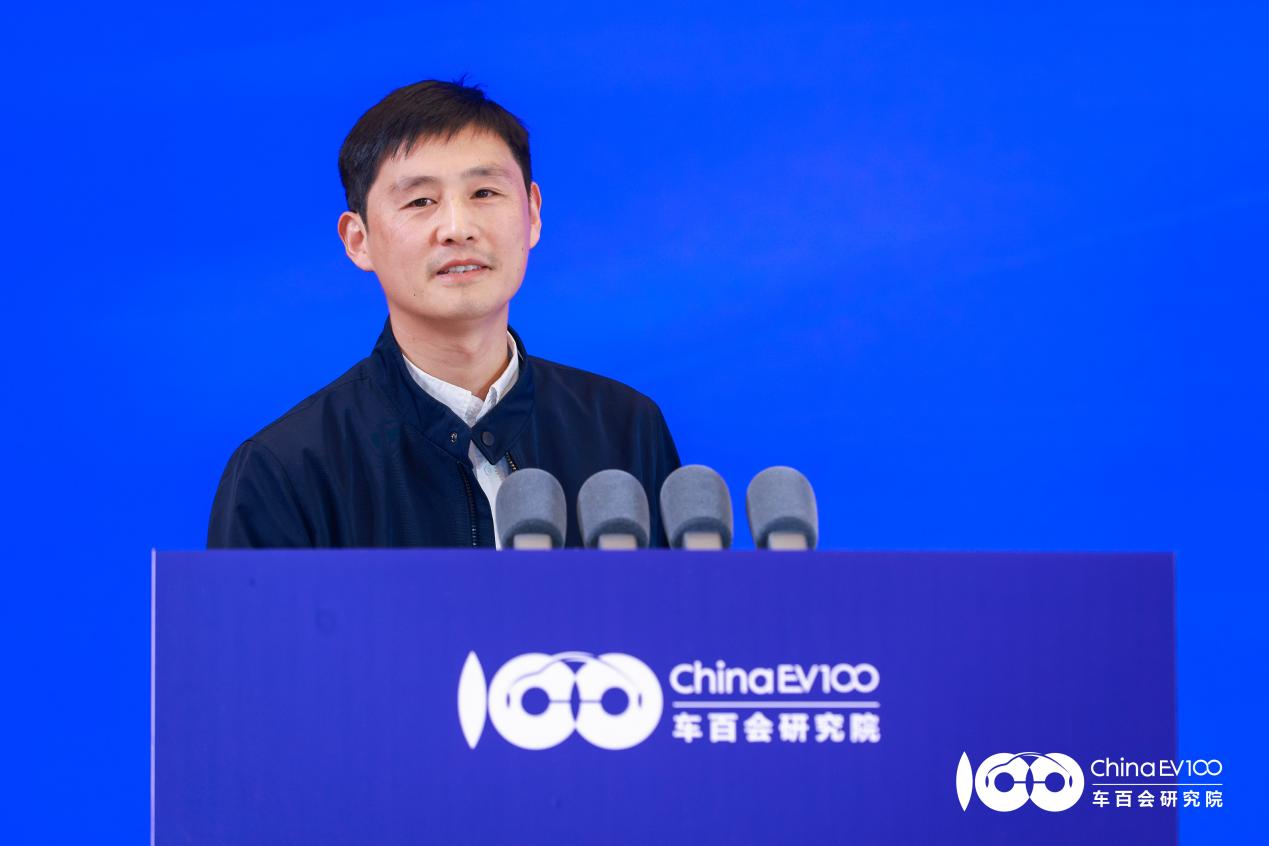
合肥工业大学汽车与交通工程学院副院长夏光:重塑产业竞争力 中国新能源汽车底盘迎技术革命
Zhong Guo Qi Che Bao Wang· 2025-11-22 05:04
Core Insights - The Chinese automotive industry is transitioning from "quantity leadership" to "quality breakthroughs," with chassis technology becoming a key battleground for competition [1][3] - The future of Chinese electric vehicle chassis will focus on four main directions: high adaptability, high safety, high controllability, and high comfort [1][6] Industry Overview - China has been the world's largest automotive producer and seller for 15 consecutive years, but it still lags behind foreign giants in profitability and technological value [3] - In 2024, Toyota's net profit is projected to be three times that of the combined profits of China's seven most profitable car companies, highlighting the challenges faced by the Chinese automotive industry [3] Technological Challenges - Core components of traditional vehicles, particularly engines, transmissions, and chassis systems, have long been dominated by international giants like Bosch and ZF, creating high technical barriers [3][4] - The traditional chassis design is incompatible with the structure and control logic of electric vehicles, necessitating a complete redesign and integration [4] Technological Innovations - "Drive-by-wire" technology is emerging as a core focus for chassis evolution, enhancing vehicle response speed and control precision while providing reliable execution for intelligent driving systems [4][5] - The chassis accounts for over 70% of the total vehicle cost, making it a critical factor for product competitiveness and profit margins [4] Domestic Progress - Chinese companies have made significant advancements in niche areas such as intelligent suspension and steer-by-wire systems, with companies like Baolong Technology and Konghui Technology gaining market share [5] - NIO's ET9 has become the first mass-produced vehicle in China to feature a steer-by-wire system, indicating China's capability in high-end chassis technology [5] Future Outlook - The electronic mechanical brake (EMB) system is expected to achieve mass production by 2026, presenting an opportunity for China to potentially lead in this area [6] - The Chinese government has prioritized "new chassis architecture" as a key technology, promoting domestic innovation in chassis technology [6] - The future development of Chinese electric vehicle chassis will aim for a new architecture characterized by flexibility, sensitivity, stability, and adaptability, with a goal to transition from a "quantity powerhouse" to a "technology powerhouse" in the automotive sector [6]

钛媒体「2025 EDGE AWARDS 创新评选」正式开启,在全球视野中锚定创新版图
Sou Hu Cai Jing· 2025-11-22 03:05
Core Insights - The 2025 EDGE AWARDS has officially launched, focusing on global innovation and value creation rather than just technological breakthroughs or business scale [1] - The evaluation criteria for innovation will expand to include supply chains, ecosystems, and value chains, emphasizing adaptability and value reconstruction [1] - The awards aim to recognize companies, products, and individuals that redefine industry boundaries and contribute to technological and industrial advancements [1] Award Categories - The awards will feature multiple categories, including Annual AI Innovation List, Annual Globalization Company List, Annual Listed Company Value List, and Annual Person List [5] - The Annual AI Innovation List will spotlight companies that drive AI technology application and innovation, enhancing business efficiency and industry integration [5] - The Annual Health Industry List will recognize companies that achieve significant advancements in medical technology and health service systems, contributing to public health and sustainable industry development [10] Specific Awards - The "Best AI Industry Company" will honor companies that make breakthroughs in AI technology development and lead industry standards [6] - The "Best Health Industry Company" will recognize firms excelling in technology R&D, product quality, and market expansion, contributing significantly to health and industry upgrades [11] - The "Best Globalization Pioneer" will be awarded to companies that achieve significant breakthroughs in overseas markets, enhancing China's international influence [24] Investment and Corporate Governance - The Annual Investment and Entrepreneurship List will highlight outstanding investors and institutions in fundraising, investment, management, and exit strategies [37] - The Annual Listed Company Value List will honor companies that excel in governance, investment value, and social responsibility, setting benchmarks for sustainable development [40] Creator Recognition - The Annual Creator List will focus on creators who produce high-quality content in text or video, driving industry discussions and knowledge sharing [46] - The "Most Influential Text Creator" and "Most Influential Video Creator" awards will recognize creators who demonstrate originality and industry insight [47][48] Notable Individuals - The Annual Person List will celebrate ten influential figures in technology who drive progress and reshape industry landscapes [49]
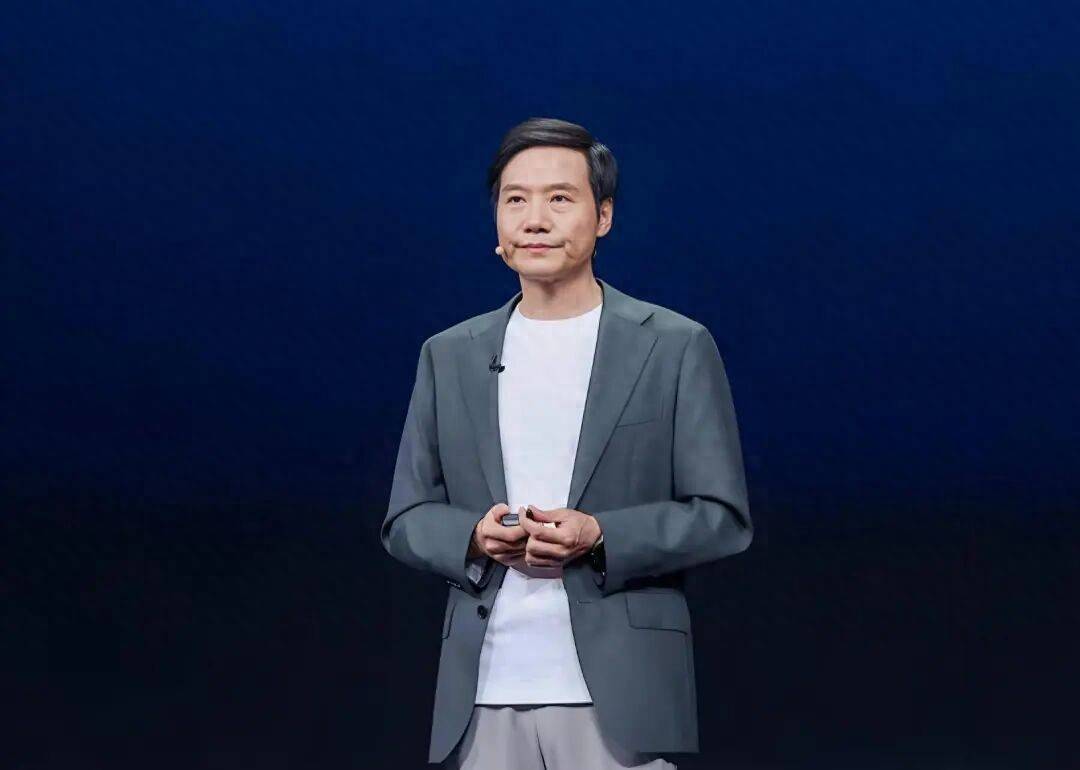
小米两天共斥资8亿回购:股价终于止跌回升 雷军公开智驾团队
Sou Hu Cai Jing· 2025-11-21 13:28
Core Viewpoint - Xiaomi has successfully reversed its stock price decline through significant share buybacks, demonstrating strong fundamentals and resilience against short-selling pressures [2][3][5]. Financial Performance - Xiaomi's revenue for Q3 2025 reached 113.12 billion yuan, a 22.3% increase from 92.5 billion yuan in the same period last year [3]. - The operating profit for the same quarter was 15.11 billion yuan, up 150.1% from 6.04 billion yuan year-on-year, with an operating profit margin of 13.4%, the highest in recent years [3]. Automotive Business - In Q3 2025, Xiaomi's smart electric vehicle revenue was 28.3 billion yuan, with an additional 700 million yuan from other related income, marking the first quarter of positive operating profit for its automotive and AI innovation segments [4]. - Xiaomi aims to deliver over 400,000 vehicles in 2025, having recently celebrated the production of its 500,000th vehicle, achieved in just over a year and seven months [16][18]. Market Response - Following a series of share buybacks totaling 800 million HKD, Xiaomi's stock price rose to 38.08 HKD, a 1% increase, and the company's market capitalization reached 991.7 billion HKD [3][5]. - The stock price recovery has alleviated some investor dissatisfaction towards CEO Lei Jun, especially in light of recent criticisms regarding the company's automotive strategy [5][15]. Strategic Initiatives - Xiaomi is investing over 7 billion yuan in AI research and development in 2025, with a focus on enhancing its autonomous driving capabilities [13]. - The company has assembled a core team of over 1,800 members for its smart driving division, including 108 PhDs, to drive innovation in this area [7][11].
超级AI增程吉利银河V900广州车展全球首秀 重塑豪华出行新体验
Zheng Quan Ri Bao Wang· 2025-11-21 13:24
Core Insights - The 2025 Guangzhou Auto Show marks the global debut of the Geely Galaxy V900, the first flagship MPV from the Geely Galaxy brand, filling a gap in the high-end MPV market and signaling a new upward journey for Geely Galaxy after achieving a million sales milestone [1] Design and Dimensions - The Geely Galaxy V900 is designed by Geely's UK team, inspired by the concept of a "land yacht," blending Eastern aesthetics with global luxury [1] - The vehicle measures 5360mm in length, 1998mm in width, and 1920mm in height, with a wheelbase of 3200mm, offering a spacious interior with a 91.8% class-leading usable area [2] Interior Features - The interior design follows a "Chinese luxury" theme, featuring a three-layer instrument panel inspired by classical Chinese architecture and various traditional auspicious elements [2] - The V900 offers a unique seating configuration with options for 6, 7, or 8 seats, including an innovative fourth row that can be adjusted for different uses [2] Comfort and Amenities - The seating experience is comparable to first-class airline cabins, with features such as 180° reclining seats, massage functions, and extensive ventilation and heating options [3] - The vehicle includes a high-end sound system with 27 speakers and a large panoramic sunroof, enhancing the overall passenger experience [3] Health and Safety Features - The V900 is equipped with a three-zone fresh air system and advanced noise reduction technologies, ensuring a healthy and quiet cabin environment [3][5] - Safety features include a unique battery safety system with high waterproof and dustproof ratings, designed to protect against various environmental conditions [5] Intelligent Technology - The vehicle integrates the FlymeAuto 2.0 system with advanced AI capabilities, enabling personalized services and seamless voice interactions [4] - It features a comprehensive suite of driving assistance technologies, including a high-precision sensor array for 360-degree situational awareness and advanced parking capabilities [4] Powertrain and Efficiency - The V900 is built on the GEAEvo global intelligent new energy architecture, utilizing Geely's AI range-extending technology for efficient fuel and energy management [4] - The vehicle is equipped with a fast-charging battery that can recharge from 30% to 80% in just 18 minutes, addressing range anxiety concerns [4]

吉利推进智驾整合,极氪团队正被划转至新合资公司
Xin Lang Cai Jing· 2025-11-21 13:19
Core Insights - The Geely Group's intelligent driving team has made progress in integrating its resources into a newly established joint venture, including "Qianli Zhijia" and its subsidiary "Qianli Haohan" [1] - The joint venture aims to enhance the advanced, proactive, and economical nature of its intelligent driving solutions, with plans to offer industry-leading assistance driving solutions in the future [1] Group 1 - The Qianli Zhijia company will act as an intelligent driving solution provider, while Qianli Haohan will specifically provide assistance driving services for Geely [1] - The core technologies and research capabilities of the Zeekr assistance driving team, along with the large model capabilities of Qianli Technology, will be utilized in the Qianli Haohan team, which is currently responsible for the H5, H7, and H9 models [1] - The integration process is ongoing, with adjustments to roles and responsibilities expected as the teams further merge [1] Group 2 - Zeekr is negotiating the transfer of certain employees to the joint venture, ensuring that employee rights are protected throughout the integration process [1] - The integration is seen as a key step in consolidating resources to improve the overall effectiveness of the intelligent driving solutions [1]
百度集团-SW(09888.HK):2025Q3利润超预期 AI贡献收入显著提升
Ge Long Hui· 2025-11-21 13:13
Core Insights - AI search transformation is stabilizing, with significant revenue contributions from AI marketing, AI applications, and cloud services, leading to an upward revision of the company's non-GAAP net profit forecasts for 2025-2027 [1] - The company maintains a "buy" rating, anticipating valuation increases driven by AI-enhanced cloud revenue, smart driving breakeven in key regions, and overseas expansion [1] Financial Performance - In Q3 2025, the company reported revenue of 31.17 billion yuan, a year-on-year decline of 7%, slightly above Bloomberg consensus expectations [2] - Non-GAAP net profit for Q3 2025 was 3.77 billion yuan, down 36% year-on-year, but better than the Bloomberg consensus estimate of 2.63 billion yuan [2] - Core online marketing revenue decreased by 18% year-on-year due to macroeconomic impacts and internal search transformation adjustments, with AI-generated content in searches rising to 70% by the end of October 2025 [2] AI and New Business Segments - Smart cloud revenue reached 4.2 billion yuan in Q3 2025, a 33% year-on-year increase, while AI high-performance computing subscription revenue surged by 128% [2] - AI application revenue was 2.6 billion yuan, reflecting a 6% year-on-year growth, and AI-native online marketing products generated 2.8 billion yuan, up 262% year-on-year [2] - The smart driving segment saw a 212% year-on-year increase in orders for "萝卜快跑," with global expansion covering 22 cities and achieving 100% fully autonomous operation in domestic cities by October 2025 [2] Future Outlook - Short-term improvements in advertising business are expected due to a low base, with AI and smart cloud driving growth [2] - In the medium to long term, AI-native marketing is anticipated to initiate a second growth curve for the advertising business, while smart driving business models are expected to accelerate overseas market expansion [2]

大通“众辉标”锚定全球轻商,无人货车+宁德时代合作构建创富生态
2 1 Shi Ji Jing Ji Bao Dao· 2025-11-21 10:30
Core Insights - The company DaTong officially launched a brand overhaul at the Guangzhou Auto Show on November 21, introducing a new logo "Zhonghui Logo" and signaling a strategic shift towards becoming a "user-oriented enterprise" [1] - DaTong aims to become the "global leader in light commercial vehicles," focusing on advanced technology and a complete ecosystem to fulfill its mission [1] - The company made significant advancements in intelligent driving, unveiling the industry's first self-developed unmanned passenger and cargo vehicles, DaNa RoboVAN and DaNa RoboBUS, which redefine future commercial mobility [1] Strategic Developments - The brand transformation includes the introduction of the "DaNa" unmanned vehicles, developed on SAIC's L4 technology platform, utilizing over 2 billion kilometers of real-world data for training [1] - The vehicles feature two industry-first technologies: the Hongtu intelligent algorithm for "delivery upon operation" without the need for high-precision map adaptation, and a vehicle-grade L4 skateboard chassis with dual redundancy design for safety and reliability [1] - The unmanned vehicles are designed for low-speed, all-scenario intelligent solutions, ensuring a maintenance-free operation for up to 200,000 kilometers [1]

