
情绪消费

Search documents
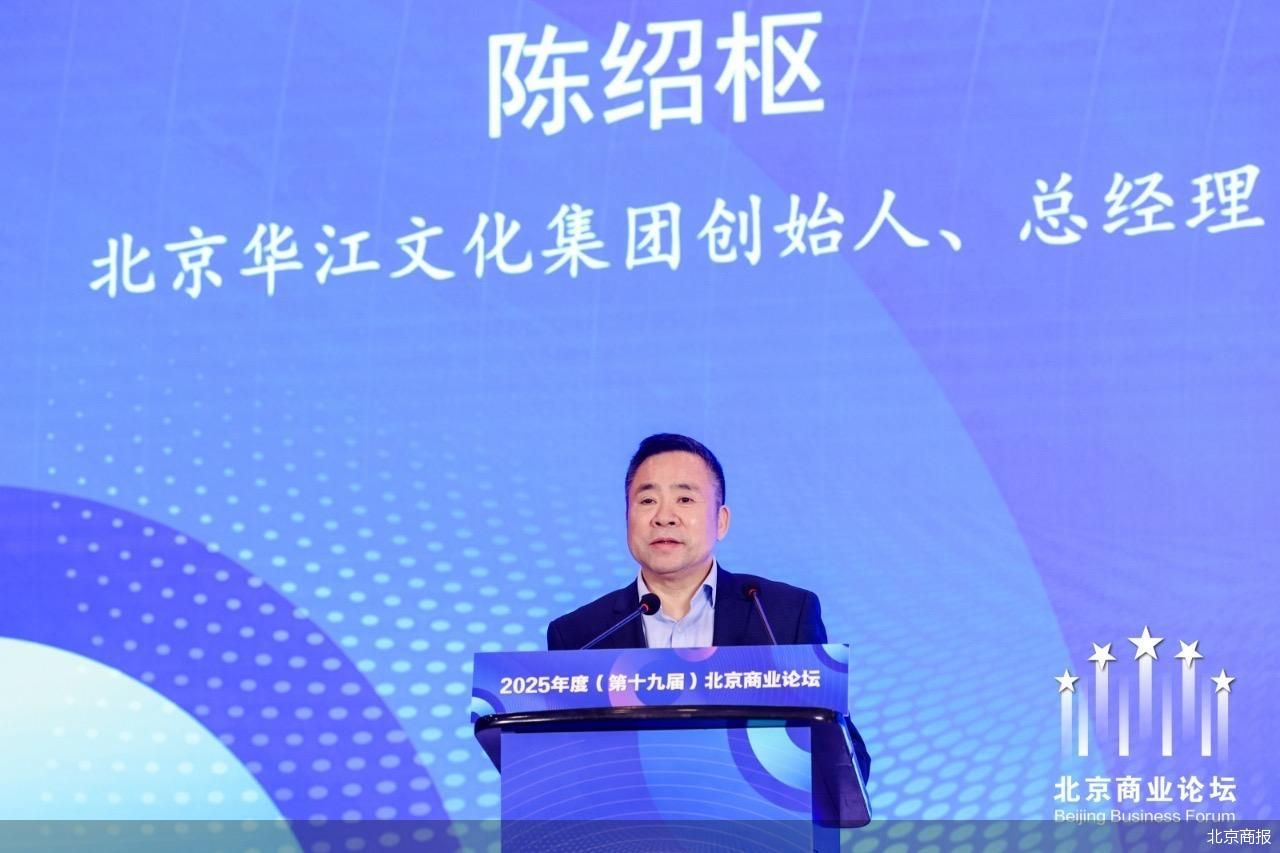
北京华江文化集团的创始人陈绍枢:文体行业借情绪消费加快融合
Bei Jing Shang Bao· 2026-01-16 07:06
Group 1 - The 2025 Beijing Business Forum was successfully held, focusing on the theme "Trendy Transformation: New Demand and New Supply," gathering representatives from various sectors to discuss fashion consumption and trends [1] - The founder of Beijing Huajiang Cultural Group, Chen Shaoshu, highlighted the company's 14-year involvement in operating the "Beijing Gift" brand, with over 10,000 original products designed that incorporate Beijing elements, showcasing the integration of cultural IP and market operations [3] - The sports industry is increasingly recognized as a commercial "gold mine," with significant market potential and commercial value in areas such as ticket sales, television broadcasting, commercial sponsorship, and the development of sports merchandise [3] Group 2 - Young consumers are placing greater emphasis on emotional value in their purchases, seeking social capital and a sense of belonging to products, and are willing to pay a premium for products that resonate emotionally [3] - Product design is increasingly focusing on emotional recognition, cultural identity, and self-healing, enhancing attractiveness through compelling cultural narratives and emotional connections [3] - Technological innovations are driving upgrades in creative methods, leading to more diverse products and rapid iterations, which further enrich the consumer experience [3]

这年头,情绪竟成“大买卖”
Jin Rong Shi Bao· 2026-01-16 03:36
Core Insights - The rise of "emotional consumption" among the younger generation is driven by the need for emotional healing and stress relief, with a significant market potential projected to grow from 16.3 trillion yuan in 2022 to 23.1 trillion yuan in 2024, and expected to reach 27.2 trillion yuan by 2025 and exceed 45 trillion yuan by 2029 [1][2] Group 1: Emotional Consumption Trends - Emotional consumption is characterized by young consumers seeking products and services that provide immediate emotional satisfaction and companionship, such as blind boxes, emotional toys, and creative cultural products [1][3] - Over 90% of young people recognize the value of emotional consumption, with nearly 60% willing to pay for it, indicating a strong market demand [2][7] - The emotional consumption market is evolving, with physical products and experiential services becoming mainstream, as over 50% of respondents spend between 100-300 yuan monthly on physical goods [7][9] Group 2: Psychological Drivers - The core motivation for the rise in emotional consumption among youth is linked to the need for emotional management and the fulfillment of psychological needs in a high-pressure environment [3][9] - Traditional emotional support systems have weakened, leading young people to seek external products and services for emotional compensation [3][9] - The demand for emotional products is not just about material satisfaction but also about emotional expression, identity construction, and social connection [7][9] Group 3: Market Opportunities - The growth of digital and virtual emotional consumption is notable, with AI-driven products and services gaining traction, such as virtual gifts and emotional chatbots [8][9] - The market for AI toys is projected to see a significant increase, with sales expected to rise by 394.9% in 2025, highlighting the shift towards emotional companionship through technology [9][10] - Companies are encouraged to explore untapped emotional needs and expand consumption scenarios across various sectors, including health, education, and workplace environments [10]

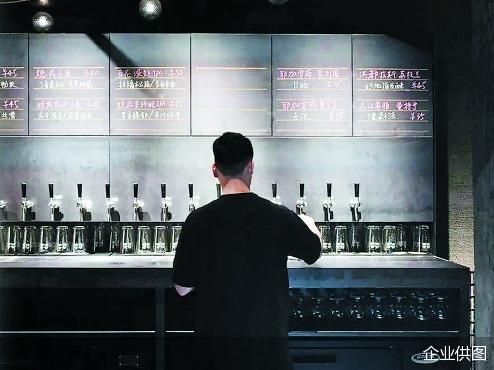
悦己疗愈成新刚需 酒馆撬动千亿“情绪消费”
Bei Jing Shang Bao· 2026-01-15 12:14
Core Insights - The rise of small taverns represents a shift in social consumption habits among young people, moving from traditional business banquets to more casual and intimate settings, creating a new social and emotional landscape [1][6] - The small tavern market is emerging as a significant sub-market within the liquor industry, projected to reach a scale of 100 billion yuan, driven by changing consumer preferences and innovative business models [1][4] Market Growth - The overall revenue of China's tavern industry increased from 84.4 billion yuan in 2015 to 117.9 billion yuan in 2019, with a compound annual growth rate (CAGR) of 8.7%, expected to reach 183.9 billion yuan by 2025, with a CAGR of 18.8% [3] - The small tavern sector is characterized by a "dual billion" ecosystem, combining the rapid growth of the scattered liquor market and the larger tavern market [3] Consumer Behavior - Young consumers are shifting from seeking lively social interactions to "healing social" experiences, with a focus on "micro-drunk" consumption that emphasizes personal enjoyment rather than social obligation [6][17] - The demand for high cost-performance ratios is driving the popularity of new liquor retail formats, such as "one or two servings," which lower the barriers to entry for consumers [6][18] Policy Support - Beijing's government has implemented comprehensive policies to support the development of the night economy and unique dining experiences, fostering an environment conducive to the growth of small taverns [5] - The initiative to cultivate "late-night dining" districts aims to expand the reach of small taverns beyond core business areas into community settings [5] Competitive Landscape - The small tavern market is facing challenges of product homogenization and supply chain issues, which could hinder long-term growth and brand loyalty [20] - The focus is shifting from mere product offerings to creating unique brand identities and consumer loyalty through enhanced supply chain management and quality control [20][22] Innovation in Business Models - Different players in the small tavern market are innovating their business models, such as the "day coffee, night liquor" concept that combines multiple experiences to meet diverse consumer needs [11] - Community-based liquor shops are emerging as cost-effective options, integrating into local lifestyles and offering competitive pricing [12][13] Future Trends - The integration of online and offline sales channels is expected to redefine the small tavern business model, with a focus on immediate retail and building consumer trust through in-store experiences [21] - The future of small taverns will depend on their ability to create deep cultural connections and emotional value, moving beyond simple product offerings to become community-centric social hubs [22]
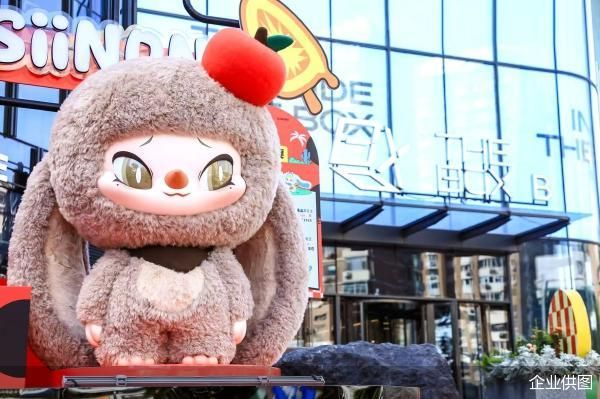
从商品到社交硬通货 次元经济重塑零售逻辑
Bei Jing Shang Bao· 2026-01-15 12:14
Core Insights - The rise of emotional consumption is transforming the fashion market in Beijing, shifting from mere product transactions to experiences that resonate with consumers' emotions [1][2] - Emotional consumption is becoming a key driver of growth in Beijing's retail sector, reflecting a broader return to human-centric needs in the market [2][3] Group 1: Emotional Consumption Trends - Emotional consumption is permeating various fashion scenarios, leading to a shift from "traffic acquisition" to "emotional maintenance" in user operations [2] - The emotional value derived from products like blind boxes and collectibles is creating a unique consumer experience that transcends traditional retail [2][3] - Events like concerts and festivals are enhancing collective experiences, fostering a sense of belonging among consumers [2] Group 2: Market Data and Projections - By 2029, China's emotional economy market is expected to exceed 4.5 trillion yuan, with Generation Z being the core consumer group [3] - In the first three quarters of 2025, per capita spending on movie and theater tickets and sports activities in Beijing saw over a double-digit year-on-year growth [3] - During the 2026 New Year holiday, key shopping districts in Beijing recorded over 20.84 million visitors and sales of 8.46 billion yuan [3] Group 3: Business Model Innovations - Retail spaces in Beijing are evolving from single-product sales to immersive emotional experiences through combinations of different business models [3] - Examples include the integration of "trendy toys + dining" and "performances + retail" to create emotional experience loops [3] - The transformation of traditional shopping districts into multi-dimensional cultural hubs is becoming a benchmark for commercial evolution [3] Group 4: IP and Cultural Significance - The collaboration between IP and toys is essential, as IP provides emotional narratives and cultural symbols that enhance the appeal of products [6][11] - Successful brands in the trendy toy market are often backed by strong, market-accepted IPs that resonate with consumers' emotional needs [6][7] - The rise of domestic cultural IPs reflects a growing emotional connection among Chinese consumers, emphasizing the importance of cultural value in product offerings [8][11] Group 5: Consumer Behavior and Social Dynamics - The shift towards emotional consumption is indicative of a broader trend where consumers seek social connections and self-actualization through their purchases [14] - The emergence of "social currency" among different generations highlights the evolving nature of consumer behavior in the context of emotional fulfillment [14] - The popularity of trendy toys and collectibles among adults signifies a deeper emotional engagement beyond mere entertainment [14] Group 6: Market Challenges - Despite the growth of emotional consumption, issues like excessive emotional marketing and homogenization of experiences pose risks to the sustainability of this trend [4][27] - The rapid expansion of the "emotional economy" has led to a proliferation of similar businesses, raising concerns about product differentiation and market saturation [27] - Copyright issues remain a significant challenge, with unauthorized products undermining the value of legitimate IPs and leading to increased consumer complaints [28][29]
潮尚消费 小切口大趋势
Bei Jing Shang Bao· 2026-01-15 12:07
Group 1 - The core idea of the report emphasizes that consumption is fluid and ever-changing, with a focus on exploring trends and finding opportunities in the context of uncertainty, particularly in the fashion and trend sectors of Beijing's commercial landscape by 2025 [1] - "Good consumption" is identified as the ultimate theme for urban commercial renewal, while "trend" is seen as a new tool for creating good consumption [2] - Trend is described as an innovation driver, with a surge in brand launches and technological products, reflecting consumer innovation and the emergence of various consumption categories [2] Group 2 - Trend is also characterized as an emotional expression, where emotional value drives consumer behavior and fosters a culture of community and local identity, particularly among Generation Z [2] - The report highlights the integration of various scenes in consumption, such as the "ticket economy" linked to concerts and events, which breaks down physical and psychological barriers in commerce [2] - The concept of "old brand renewal" is introduced, focusing on the strong demand for revitalization in traditional brands and cultural heritage, catering to a large elderly consumer group [3] Group 3 - The report suggests that the transformation in commercial consumption reflects subtle new propositions and significant trends within small niches [4]
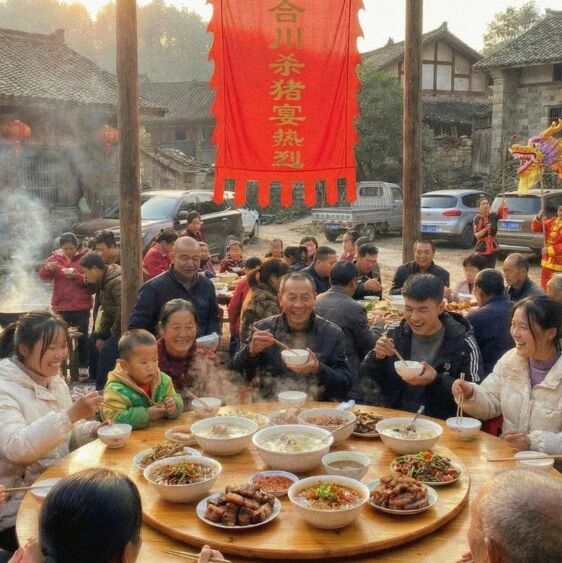
合川杀猪爆火,打了多少专业文旅人的脸
虎嗅APP· 2026-01-15 09:45
以下文章来源于劲旅网 ,作者陈杰tigereat 劲旅网 . 劲旅网-文旅新经济增量价值发现平台。我们以理性、严谨、客观、专业、务实的视角,为中国文旅业 界和关注文旅产业的金融界、科技界、产业界、学界等领域的精英们,实时输出有深度、有态度、高品 质的原创内容,以及产业社群服务。 本文来自微信公众号: 劲旅网 ,编辑:壮壮,作者:陈杰,头图来自:AI生成 这两天,重庆合川的爆火在文旅圈里扔下了一颗"情绪炸弹"。 有一位地方文旅的朋友忍不住向劲旅君吐槽,去年绞尽脑汁,蹭遍热点,自己所在的城市在网上一点 浪花都没翻出来。反倒是一个素人女孩,简单发了一条请大家帮忙按猪的视频,就让名不见经传的合 川火得一塌糊涂,感觉自己被疯狂啪啪打脸。 简直没有天理啊! 这位朋友至今一脸懵逼,搞不懂合川是怎么火的。 说实话,如果此时劲旅君就在重庆,势必要去凑个热闹,亲身参与一下当地杀猪盛宴,以此来寄托自 己的乡愁。 说到底,合川之所以爆火,并非呆呆多会营销,也不是按猪多好玩,更不是刨猪汤多美味,而是在年 关将近的当下,唤起了在外打工人对亲人和家乡的思念,这份压抑一整年的乡愁,在社交媒体上引发 强烈共鸣,最终让一个名为合川的地方承接了由 ...
12亿人次打卡“水韵江苏”,2025年江苏旅游总收入1.48万亿元
Yang Zi Wan Bao Wang· 2026-01-15 09:24
Core Insights - The Jiangsu cultural and tourism market is experiencing a robust recovery, with domestic and international tourist arrivals reaching 1.2 billion and total tourism revenue hitting 1.48 trillion yuan, reflecting growth rates of 10.4% and 10.2% respectively [1][4] - Jiangsu leads the nation in off-site tourism consumption, accounting for 10.22% of the total national tourism expenditure, with off-site consumption through UnionPay channels amounting to 664.62 billion yuan, a year-on-year increase of 13.9% [2][4] Group 1: Market Performance - In 2025, Jiangsu's inbound tourism saw approximately 4.26 million visitors, marking a 40.26% increase, with overnight visitors reaching 3.05 million, up 14.9% [4] - The province's foreign exchange income from tourism was about 4.22 billion USD, representing a 24.3% growth [4] Group 2: Policy and Support - The Jiangsu government has implemented a three-year action plan (2025-2027) to promote high-quality development in the cultural tourism sector, featuring six major actions and 22 key tasks [4] - The province has introduced nearly 250 tourism consumption incentive projects across various sectors, utilizing a direct and accessible subsidy model [4] Group 3: Consumer Trends and Experiences - The integration of traditional and modern experiences has led to new consumer scenarios, with museums receiving over 140 million visitors, maintaining the top position nationally [5] - Nighttime economy initiatives, such as the "wonderful night economy" in Nantong, have contributed to increased visitor engagement and revenue generation [5][10] Group 4: Events and Activities - The "Super Engine" of sports events has significantly boosted cross-regional tourism, with the "Su Super" league attracting over 25 million visitors on match days [7] - Jiangsu has organized over 3,800 unique events and 2,400 public benefit measures throughout the year, enhancing market attraction [8] Group 5: Night Economy and County Tourism - The nighttime tourism sector has seen 480 million visitors and generated 151.08 billion yuan in revenue, with various night tour projects becoming new city landmarks [10] - County tourism has emerged as a new growth driver, with significant increases in visitor numbers, particularly in lesser-known destinations [10]

食品饮料:2026 年行业投资策略报告:破晓启航-20260115
Huafu Securities· 2026-01-15 09:22
Group 1 - The food and beverage sector is showing signs of recovery after a prolonged adjustment period, with macroeconomic indicators stabilizing and the restaurant industry experiencing a rebound in daily operations [2][14][15] - The report suggests that investment opportunities in 2026 should focus on three main directions: capturing the recovery rhythm, identifying growth opportunities within existing markets, and leveraging emotional consumption trends [2][3][4] - The restaurant industry is expected to lead the recovery, with a projected annual revenue of 5.7 trillion yuan in 2025, reflecting a 3.3% year-on-year growth [20][26] Group 2 - The report highlights the importance of focusing on demand-driven scenarios, channels, and product innovations, particularly in the snack and beverage sectors, which are expected to continue their growth trajectories [3][4][66] - The snack retail sector is experiencing significant growth, with a projected GMV of 600 billion yuan by 2029, driven by the expansion of major players like Wanchen Group and Mingming Hen Mang [68][74] - The beverage and low-alcohol sectors are also identified as areas of growth, with companies like Kuaijishan and Nongfu Spring expected to benefit from ongoing market expansion [4][66] Group 3 - The beer sector is anticipated to benefit directly from the recovery of the restaurant industry, with a notable trend towards premiumization and a shift in consumer preferences towards higher-priced products [40][41] - The white wine industry is undergoing a rebalancing, with demand expected to show weak recovery in 2026, characterized by a concentration of high-priced products and minor innovations in mid-priced segments [48][49][64] - The report emphasizes the need for companies to manage supply effectively in response to weak demand, with a focus on optimizing product offerings and enhancing operational efficiency [49][53][64]
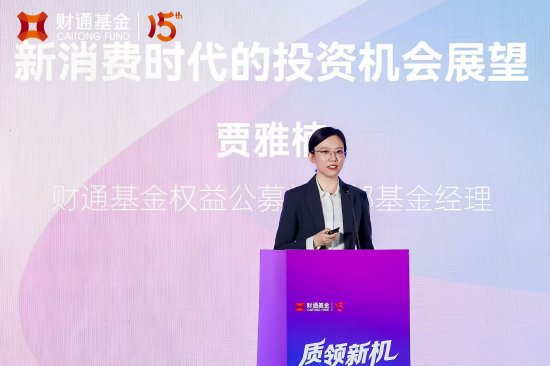
财通基金贾雅楠:消费投资需紧扣“时代贝塔”,关注情绪消费、出海与AI硬件新机遇
Xin Lang Cai Jing· 2026-01-15 07:24
Core Insights - The current investment opportunities in the new consumption era are centered around three main directions: emotional-driven new demands from young people, the strategic upgrade of Chinese consumer brands from "capacity going abroad" to a systematic approach involving "technology, brand, and culture," and the new growth curve in consumer electronics hardware driven by AI [1][5]. Group 1: Young Consumer Trends - The main consumer force has shifted to the post-95s and post-00s generations, characterized by "high wealth security and low psychological security" [6]. - Data indicates that 75.7% of young people are willing to pay a premium for interests, 63.9% use e-commerce daily, and 70% rely on KOL recommendations, with a savings rate below 15% [6]. - This generation's consumption behavior is marked by impulsiveness, high frequency, weak brand loyalty, and low price sensitivity, leading to the emergence of emotional consumption sectors such as gaming, trendy toys, and pets [6]. Group 2: Strategic Upgrades for Brands - In the context of domestic growth slowdown, going abroad has become a strategic necessity for consumer brands [2][6]. - Successful international expansion requires building a systematic capability that includes "capacity + technology + brand + culture," which encompasses overseas production layout, high-value R&D, brand operation, and cultural soft power output through trendy toys and games [2][6]. Group 3: AI in Consumer Electronics - AI is reshaping the supply side of consumer electronics, with projections indicating that the AI hardware market will reach $31.2 billion by 2025, growing at 22%, significantly outpacing the overall consumer electronics market growth of about 2% [2][6]. - Devices with cognitive/AI capabilities, such as AI PCs, AI smartphones, and AI glasses, are becoming focal points for capital and industry chains, opening up new business opportunities [2][6].
合川杀猪爆火,打了多少专业文旅人的脸
3 6 Ke· 2026-01-15 02:42
这两天,重庆合川的爆火在文旅圈里扔下了一颗"情绪炸弹"。 有一位地方文旅的朋友忍不住向劲旅君吐槽,去年绞尽脑汁,蹭遍热点,自己所在的城市在网上一点浪 花都没翻出来。反倒是一个素人女孩,简单发了一条请大家帮忙按猪的视频,就让名不见经传的合川火 得一塌糊涂,感觉自己被疯狂啪啪打脸。 简直没有天理啊?! 这位朋友至今一脸懵逼,搞不懂合川是怎么火的。 他哀叹道,难道一个城市想要火,真得没有一点方法论可循么? 请教大家一个问题,小的时候,你是从哪一个瞬间意识到"快过年了"? 对于劲旅君而言,不是翻日历,也不是放寒假,而是父亲那句"该去燎猪头和猪蹄了"。 劲旅君的西北老家有个不成文的习俗,家家户户会在年前购买猪头和猪蹄。由于年猪都是在村里现场屠 宰,猪头和猪蹄都未经过精加工,这就必须要有一个环节给它们"去毛"。但是人工清理非常耗时耗力, 于是大家找了个省力气的方法,找个电焊铺子,让工匠用高压喷火枪"燎一遍",再拿回家清理就轻松多 了。 从小到大这个工作都是由我来完成的,于是在劲旅君的记忆里,只要听到"燎猪头和猪蹄"就代表着年关 将近。至今我都能清晰回忆起,在寒风凛冽中,自己把一麻袋猪头和猪蹄吭哧吭哧拖到电焊铺,看着电 焊 ...