
智能驾驶

Search documents
碳酸锂价格重回10万元,2026年新能源汽车将面临税收和原材料双重压力?
Zhong Guo Qi Che Bao Wang· 2025-11-19 07:34
Core Insights - The lithium carbonate futures market in China has reached a significant turning point, with the main contract LC2604 breaking through the 100,000 yuan/ton mark, hitting a high of 100,800 yuan/ton, the highest since June 2024 [2] - This price breakthrough indicates a potential end to a nearly two-year period of market stagnation for lithium carbonate [2][4] Supply and Demand Dynamics - The price of lithium carbonate has rebounded from a low of 58,000 yuan/ton in June 2025 to the 100,000 yuan mark, driven by a dramatic restructuring of supply and demand [5] - Strong demand is highlighted by data showing that from January to October 2025, the demand for battery materials in China reached 539,000 tons for ternary materials and 2.553 million tons for lithium iron phosphate materials [5] - Global demand for lithium carbonate is projected to reach 1.9 million tons in 2026, while supply is expected to increase by only 250,000 tons, leading to potential price surges if demand growth exceeds 30% [5] Policy Changes and Market Impact - Starting January 1, 2026, China's new tax policy for electric vehicles will shift from full exemption to a 50% reduction, impacting consumer purchasing decisions and potentially increasing costs for car manufacturers [7] - The new policy imposes stricter technical requirements for electric vehicles, which may eliminate lower-quality products from the market [7][8] Competitive Landscape - The combination of rising lithium carbonate prices and tax policy adjustments is reshaping the competitive landscape of the electric vehicle industry, increasing cost pressures and technical challenges for manufacturers [8] - Major companies like CATL and BYD are better positioned to withstand these pressures due to their upstream resource strategies, while smaller firms may face significant profit margin squeezes [8][9] Consumer Behavior and Market Trends - Consumer purchasing behavior is shifting, with urgent buyers likely to purchase tax-exempt vehicles before the end of 2025, while others may wait for upgraded products in 2026 [9] - Despite short-term pressures, the long-term outlook for the electric vehicle industry remains positive, driven by explosive growth in the global energy storage market and the acceleration of solid-state battery commercialization [9] Strategic Recommendations - Companies must build a competitive barrier that integrates resources, technology, and market strategies to navigate the evolving industry landscape [10] - The volatility in lithium carbonate prices necessitates risk management strategies, focusing on structural trends such as energy storage scaling, solid-state battery industrialization, and global market expansion [11]




上汽大众朗逸Pro、吉利全新第五代帝豪等热门轿车前瞻
Zhong Guo Zhi Liang Xin Wen Wang· 2025-11-19 05:14
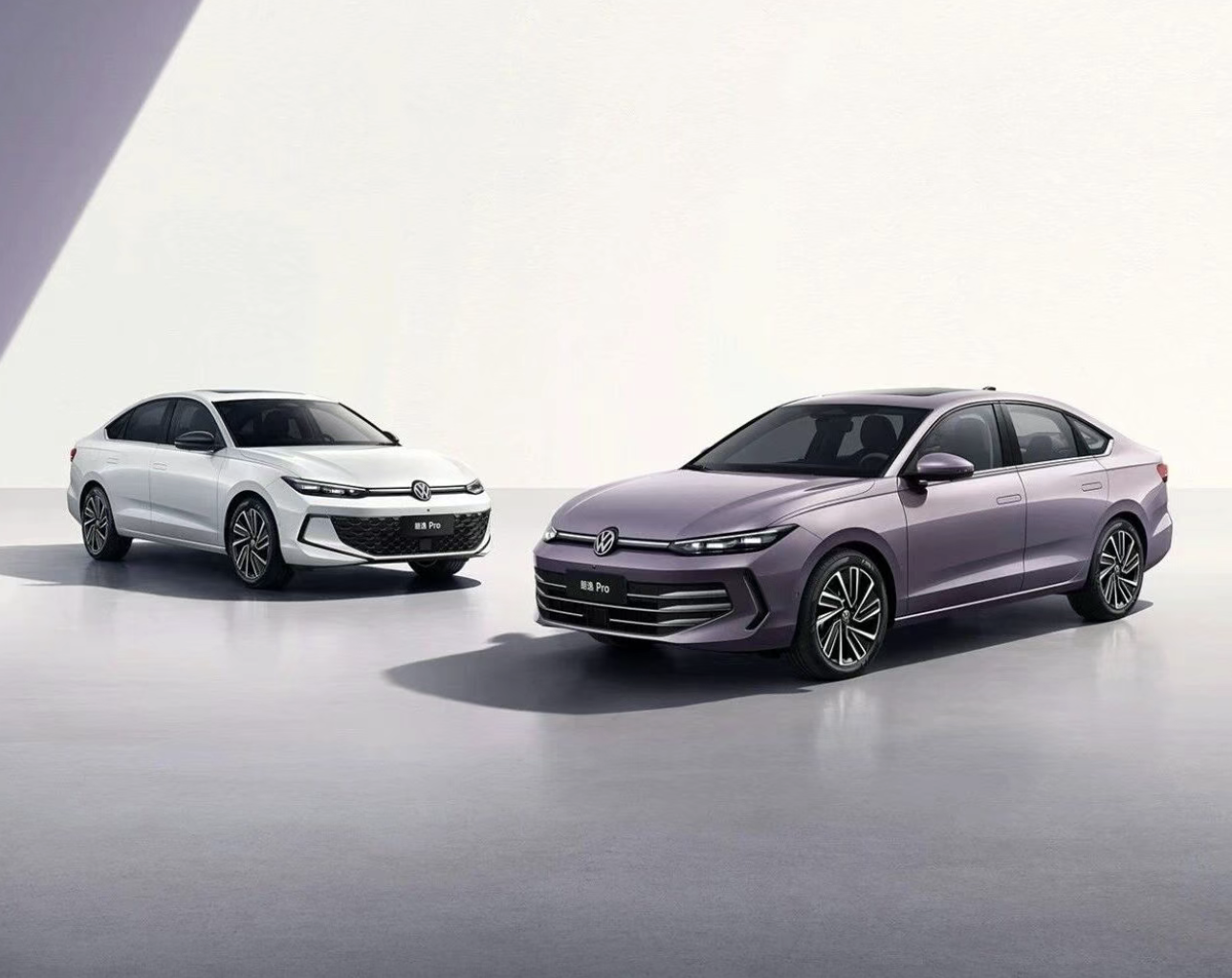
Core Insights - The 2025 Guangzhou International Auto Show will take place from November 21 to 30, showcasing a variety of domestic and international automotive brands, highlighting the vitality and strength of China's automotive industry [1] Group 1: Vehicle Highlights - SAIC Volkswagen's Lavida Pro features a modern design with a length of 4720mm, width of 1806mm, height of 1482mm, and a wheelbase of 2688mm, powered by a 1.5T EVOⅡ engine and a 7-speed dual-clutch transmission [3] - Geely's new fifth-generation Emgrand is priced between 7.79 million and 9.49 million yuan, with a length of 4815mm, width of 1885mm, height of 1480mm, and a wheelbase of 2755mm, equipped with a 1.5T turbo engine producing 133kW [5] - Leap Motor's Lafa5 maintains a family design while innovating with a closed front grille, measuring 4430mm in length, 1880mm in width, and 1520mm in height, featuring a high-power version with 160kW output [7] - Dongfeng Nissan's Teana with Harmony OS offers a 2.0T VC-Turbo engine with 179kW output, featuring a user-friendly interface and extensive smartphone integration [9] - Deep Blue's L06 is available for pre-sale with a price range of 139,900 to 161,900 yuan, featuring a length of 4830mm, width of 1905mm, and height of 1480mm, powered by electric motors with a range of up to 670km [11] - GAC Toyota's Platinum 7 production version has dimensions of 5130mm in length, 1965mm in width, and 1506mm in height, utilizing Huawei's Drive One electric drive system with 207kW output [13] - The new Xangjie S9 features upgraded design elements and advanced driver assistance systems, with a length of 5160mm, width of 2005mm, and height of 1492mm, offering both pure electric and range-extended versions with significant range capabilities [15]
零跑汽车20251118
2025-11-19 01:47
Summary of Leap Motor's Conference Call Company Overview - **Company**: Leap Motor - **Industry**: Automotive (Electric Vehicles) Key Financial Performance - **Q3 Profit**: Achieved a profit of 150 million yuan, slightly down from 163 million yuan in Q2, which included approximately 400 million yuan in government subsidies [4][6] - **Revenue**: Total revenue for Q3 was 19.45 billion yuan, with around 250 million yuan from carbon credit income [4][6] - **Gross Margin**: Overall gross margin reached 14.5%, with vehicle gross margin at approximately 13%, an increase from Q2 due to new model launches improving average selling prices (ASP) [2][4] Future Projections - **Q4 Expectations**: Anticipated vehicle gross margin to continue rising, with expected sales of 200,000 units, up from 174,000 units in Q3. Carbon credit income is projected to be around 500 million yuan, significantly contributing to profits [2][6] - **2025 Profit Target**: The company aims for a profit of 500 to 1,000 million yuan for the year, with Q4 expected to be the first quarter of profitability for the vehicle business [2][6] Market Performance - **Domestic Market**: Strong performance with multiple models selling over 10,000 units monthly. Plans to launch four new models in the coming year, including D19, A10, A05, and B series MPVs to expand market coverage [2][7] - **Export Growth**: Continued growth in exports, with over 10,000 overseas orders in September and a total of over 25,000 orders expected in November and December. Projected export volume to exceed 50,000 units in 2025 and 100,000 units in 2026 [8][9][11] Cost Structure - **Expense Growth**: Administrative and R&D expenses increased due to company expansion and hiring, while sales expenses remained stable. Q4 expense ratio is expected to decrease to around 13% [5][6] Strategic Partnerships - **Collaboration with FAW**: Leap Motor has partnered with FAW to develop overseas vehicle projects, expected to start mass production in the second half of next year, which will positively impact profits [3][12] Valuation Insights - **Market Valuation**: Based on a profit guidance of 5 billion yuan for next year and a 20x P/E ratio, the market capitalization could exceed 120 billion yuan. Current market cap is around 70 billion yuan, indicating significant investment opportunities [3][13][14] Additional Insights - **Inventory and Demand**: Low inventory levels in overseas markets (1,300 to 1,400 units) with monthly orders exceeding 10,000 units indicate strong consumer demand rather than stockpiling by dealers [9][10] - **Model Contributions**: T03, C10, and B10 are major contributors to sales, with the new Lafa 5 expected to enhance sales in the European market [10][11]

从幕后到台前:南芯科技如何抢占智驾PMIC赛道
半导体行业观察· 2025-11-19 01:35
Core Viewpoint - The article discusses the rapid transformation in the domestic electric vehicle (EV) sector, emphasizing the importance of power management integrated circuits (PMIC) in supporting advanced driver-assistance systems (ADAS) and the growth of smart driving technologies [1][5]. Industry Trends - The penetration rate of L2 level ADAS in China saw a significant increase in 2024, with a surge in the number of sensors, including nearly 60 million vehicle-mounted cameras and over 15 million millimeter-wave radars in the first half of the year [1]. - The focus on smart driving innovations often overlooks the critical components like PMICs, which are essential for the stable operation of smart driving systems [1]. Company Overview - Nanchip Technology has emerged as a leader in the PMIC sector, launching its first automotive PMIC product in September 2023 and rapidly establishing a comprehensive product lineup within a year [5][6]. - The company recognized the growing demand for PMICs driven by the increasing complexity of ADAS systems and began developing its product line early in 2022 [5][6]. Product Development Strategy - Nanchip's strategy includes a full-spectrum product offering that covers both remote sensing and ECU applications, providing specialized PMICs for cameras and radars, as well as supporting products like buck-boost converters [6][7]. - The company has tailored its products to meet the diverse needs of different customer types, such as TIER 1 suppliers, by focusing on performance metrics like power supply rejection ratio (PSRR) and compatibility with various MCU brands [6][11]. Safety and Compliance - Safety is a paramount concern for automotive power chips, with Nanchip achieving ISO26262 functional safety management system certification in 2023, ensuring compliance with ASIL B and ASIL D safety standards [9][11]. - The company has established a dedicated functional safety team to focus on high safety level chip development, emphasizing the importance of safety in automotive applications [9][11]. Competitive Advantages - Nanchip has developed significant competitive advantages in technology, supply chain stability, and service responsiveness, allowing it to compete effectively with international firms [11]. - The company utilizes a fully domestic supply chain, which enhances development speed and reduces supply chain risks, gaining recognition from OEMs for its reliability [11]. Future Outlook - The evolution of PMICs from passive components to system enablers reflects the increasing complexity of ADAS systems, with Nanchip's products now integrating multiple functions beyond basic power supply [12][13]. - The company plans to focus on the integration, efficiency, safety, and reliability of PMICs while leveraging its domestic supply chain advantages to maintain its market leadership [13].

大疆亮剑,农业无人机迈入智驾时代
雷峰网· 2025-11-19 00:35
Core Viewpoint - The agricultural drone industry is transitioning from manual control to intelligent driving, driven by changes in user demand and the expansion of operational scenarios [1][15]. Group 1: DJI's Agricultural Drone Business - DJI's agricultural drone segment, while not widely recognized, is a significant part of its business puzzle, with a projected shipment of 200,000 units by 2025, leading to an estimated annual revenue exceeding 10 billion [2][3]. - DJI's agricultural drones hold a market share of nearly 90% in China, with 62,332 units out of a total of 69,427 units reported in the subsidy system [3][5]. - The agricultural drone sector is crucial for honing flight technology, contributing 98% of flight time in China's drone industry, enhancing DJI's overall technological capabilities [5][6]. Group 2: Cost Reduction and Market Activation - The past decade has focused on cost reduction, with the price of agricultural drones dropping significantly from 100,000 for a 10-liter payload drone to around 10,000, a 90% decrease [8][10]. - This price drop has transformed agricultural drones from tools for professional pest control teams to accessible equipment for ordinary farmers, with the user ratio shifting from 90% small B users to 50% self-use users [10][13]. - The decline in costs is attributed to various factors, including the optimization of design and the decreasing prices of lithium batteries, which account for about one-third of the drone's cost [9][12]. Group 3: Transition to Intelligent Driving - The introduction of laser radar in DJI's T100S and T70S models marks the beginning of the intelligent driving era for agricultural drones, enabling fully automated operations in specific scenarios [6][17]. - The multi-sensor intelligent driving solution combines millimeter-wave radar, vision, and laser radar, significantly enhancing obstacle detection capabilities [18]. - DJI's commitment to user safety is evident in its new policy offering free repairs for drones that collide with obstacles during operation, reflecting confidence in its intelligent driving technology [19]. Group 4: Future Developments and Industry Trends - The future of agricultural drones includes advancements towards L4 level autonomous operations, with capabilities for real-time monitoring of crop health and pest identification using AI [20][22]. - The industry is moving towards a model where agricultural drones serve as intelligent assistants, providing comprehensive agricultural solutions rather than just operational tools [20][23]. - The evolution of agricultural drones is reshaping perceptions of modern agriculture, emphasizing efficiency and technological integration in farming practices [22][23].

新能源时代,金标大众想点燃一场纯电革命
晚点Auto· 2025-11-18 15:38
Core Viewpoint - The article discusses the strategic shift of Volkswagen in China, focusing on the launch of the new electric SUV, the "Yizhong 08," which represents a significant departure from traditional Volkswagen design and aims to compete in the rapidly evolving Chinese electric vehicle market [4][8][21]. Group 1: Product Development and Market Strategy - Volkswagen plans to launch four new models in 2024, including the Yizhong 08, to target competitive segments in the Chinese market [7][10]. - The Yizhong 08 features a radical design that diverges from traditional Volkswagen aesthetics, aiming to attract a new generation of consumers [4][8]. - The company has invested over 10 billion yuan in the Chinese market over the past two years to enhance its product offerings and R&D capabilities [8][21]. Group 2: Competitive Landscape - The Chinese electric vehicle market is growing rapidly, with over 150 new models launched in the first ten months of the year, creating intense competition for established brands like Volkswagen [6][21]. - Volkswagen's CEO in China, Stefan Timmermann, emphasizes the need for the company to adapt quickly to the competitive landscape, which is increasingly dominated by local brands and new entrants [6][22]. Group 3: Organizational Changes - Volkswagen is restructuring its internal processes to become more agile and responsive to market demands, including a shift to a more collaborative decision-making culture [14][15]. - The company is moving away from traditional dealership models to an agency model, which allows for better brand consistency and direct consumer engagement [18][20]. Group 4: Consumer Engagement and Feedback - Volkswagen is actively engaging with existing customers to gather feedback on product performance and design, which is crucial for the success of the Yizhong 08 [28][29]. - The company has established a team dedicated to servicing current vehicle owners and collecting insights to inform future product development [28][29].
从智驾到 L4,汽车 AI 芯片战局松动
晚点LatePost· 2025-11-18 13:38
Core Viewpoint - The competition in the commercialization of intelligent driving is fierce, and the first-mover advantage may not be sustainable in the long run [1] Group 1: Market Dynamics - In February, BYD launched 21 intelligent driving models, marking a shift in its leadership's stance on autonomous driving, emphasizing the importance of AI in the second half of the market [2] - The intelligent driving technology is evolving from end-to-end solutions to VLA (Vision-Language-Action) models, driven by advancements in AI [2][4] - The Robotaxi market is becoming a focal point for competition among automakers, with projections indicating significant growth in China's Robotaxi market from approximately $54 million in 2025 to $47 billion by 2035, with a compound annual growth rate exceeding 96% [9] Group 2: Chip Technology and Competition - The AI chip market for automotive applications is experiencing shifts due to changes in technology routes and automakers' desire for supply chain autonomy, creating opportunities for latecomers [3][5] - Companies like Black Sesame Intelligence are developing competitive AI chips, such as the A2000, which is expected to enter mass production by the end of next year [3][8] - The demand for high-performance AI chips is increasing, with companies like NVIDIA and Huawei dominating the market, but the landscape is evolving as new players emerge [4][5] Group 3: Technical Evolution and Requirements - The transition from L2 to L3/L4 autonomous driving requires significant advancements in technology, including hardware redundancy and compliance with traffic regulations [10][11] - Automakers are investing heavily in AI to enhance the human-like capabilities of intelligent driving systems, with some companies adopting a dual redundancy approach in their systems [11][12] - The A2000 chip from Black Sesame Intelligence is designed to support various AI models efficiently, integrating multiple processing units to handle complex tasks [12][14] Group 4: Strategic Partnerships and Ecosystem - The success of AI chip companies hinges on their ability to provide comprehensive solutions beyond just hardware, necessitating collaboration with automakers and algorithm developers [17][18] - Black Sesame Intelligence is focusing on building an open platform and has established partnerships with various companies to enhance its ecosystem [18] - The competitive landscape is expected to intensify as high-performance, open AI chip platforms become increasingly sought after in the market [18]

调研速递|亚太机电接待东北证券等9家机构 角模块产品颠覆传统转向模式
Xin Lang Cai Jing· 2025-11-18 09:59
Core Insights - Zhejiang Apac Mechatronics Co., Ltd. (referred to as "the company") held a research meeting with nine institutions, discussing capacity planning, EMB product progress, corner module solutions, and gross margin changes, indicating that corner module products have disrupted traditional steering modes, laying the foundation for intelligent driving [1][5]. Group 1: Capacity and Production - The company maintains a high capacity utilization rate, with production directly linked to vehicle sales. It plans to adjust production lines and expand capacity based on market demand for specific projects [3]. - The company has completed technical reserves for its Electronic Mechanical Brake (EMB) products but has not yet entered mass production. The market launch date will depend on customer project timelines [4]. Group 2: Product Innovation - The corner module solution integrates multiple systems, including wheel hub motors, EMB, steering systems, active suspension, and chassis domain controllers, enabling independent control of vehicle systems and significantly expanding application scenarios for intelligent driving [5]. Group 3: Financial Performance - The company reported an increase in gross margin, driven by two main factors: growth in domestic vehicle sales and new international projects, along with ongoing product structure optimization and internal cost reduction efforts [6]. - To address the annual price reduction pressures faced by vehicle manufacturers, the company plans to optimize product structure and enhance internal management efficiency [7]. Group 4: Market Position and Strategy - The company emphasizes its advantages as a domestic leader in the automotive brake system industry, including customized development for specific vehicle models, higher cost-performance ratio, and faster service response [9]. - There is a growing trend among domestic and foreign vehicle manufacturers to increase local procurement, presenting favorable development opportunities for domestic component manufacturers [10].


亚太股份(002284) - 2025年11月17日投资者关系活动记录表
2025-11-18 09:12
Company Overview - The company maintains a high capacity utilization rate, with production levels dependent on vehicle sales. It plans to expand production lines based on market demand for specific projects [2]. - The company has technical reserves for its EMB products, which are not yet mass-produced. Market launch dates will depend on customer project schedules [2][3]. - The company has focused on corner module technology, integrating various systems to enhance vehicle functionality and support the development of intelligent driving [3]. Financial Performance - The company's gross profit margin has improved due to increased domestic vehicle sales and new international projects, alongside ongoing product structure optimization and cost reduction efforts [3]. - The company faces annual price reduction pressures from vehicle manufacturers but aims to optimize product structure and enhance internal management to address these challenges [4]. Competitive Position - As a leading domestic automotive brake system manufacturer, the company positions itself as a competitor to international brands, offering customized products with advantages in cost-effectiveness, service, and responsiveness [6]. - The company is actively pursuing opportunities as domestic automakers increase local supplier development and procurement [6]. Future Developments - Currently, the company does not have a robotics division but is researching components that may be used in robotic applications, such as ball screws and brushless motors [5].
【快讯】每日快讯(2025年11月18日)
乘联分会· 2025-11-18 09:03
Domestic News - Momenta and BMW Group announced the development of a new generation of intelligent driving assistance solutions, set to be first implemented in the domestically produced BMW iX3, with production planned for 2026 [7] - Xiaomi's HAD driving assistance system is set to upgrade to the new XLA architecture in Q4 2025, with an initial investment of 5.79 billion yuan and a team of over 1,800 people [8] - Geely plans to launch approximately ten new models in 2026, with a focus on expanding its export capabilities to build a million-unit export system by 2027 [9] - GAC Group announced a new leadership team, aiming for a market-oriented management approach to drive reform [10] - CATL and Haibos have signed a ten-year strategic cooperation agreement to explore new business models in the energy storage sector [11] - Aptiv announced the establishment of a new factory in Wuhan, expected to start production in the second half of 2026, focusing on automotive wiring harness development and manufacturing [12] - Huawei's market share in the ADAS sector reached 4.6% in the first nine months of 2025, with a significant presence in the lidar market, holding a combined 75% market share with Hesai Technology [13] - Magic Vision Technology has secured contracts to provide intelligent driving systems for multiple mainstream models from Chery [15] International News - Canada reported a record high in zero-emission vehicle sales for September 2025, reaching 17,192 units, with a market penetration rate of 10.2% [16] - Hyundai Motor Group plans to invest 125.2 trillion won (approximately 605.8 billion yuan) in South Korea from 2026 to 2030, focusing on AI, SDV, electrification, and hydrogen energy [17] - Turing, a Japanese AI startup, has partnered with Denso to develop fully autonomous vehicles following a new funding round of 9.77 billion yen (approximately 63 million USD) [18] - Ford has officially opened its new global headquarters in Michigan, designed to enhance collaboration and support its electric vehicle strategy [20] Commercial Vehicles - King Long launched a new generation of RVs, the C6E, at an event in Xiamen, marking a significant breakthrough in the RV sector [21] - Weishi Energy signed strategic cooperation agreements in Brazil to promote hydrogen energy and fuel cell technology in the Latin American market [22] - Xinyuan Automotive is conducting a promotional campaign offering substantial discounts on both new energy and fuel vehicles [23][24][25][26] - Chery Commercial Vehicles and Qingzhou Zhihang have signed a strategic cooperation agreement to advance the commercialization of unmanned logistics vehicles [27]
