
贸易战

Search documents
五矿期货农产品早报-20250611
Wu Kuang Qi Huo· 2025-06-11 02:54
农产品早报 2025-06-11 五矿期货农产品早报 五矿期货农产品团队 从业资格号:F0273729 交易咨询号:Z0002942 邮箱:wangja@wkqh.cn 从业资格号:F03116327 交易咨询号:Z0019233 邮箱:yangzeyuan@wkqh.cn 从业资格号:F03114441 交易咨询号:Z0022498 电话:028-86133280 邮箱:sxwei@wkqh.cn 王俊 组长、生鲜研究员 周二美豆小幅收涨,美豆局部干旱及中美接触有所助力,不过美豆总体优良率较高限制涨幅。周二国内 豆粕现货小幅下跌,因压榨量处于高位,供应宽松,华东低价报 2820 元/吨,国内豆粕成交较弱,开机 率较高,不过提货较好,下游仍在补库。后续大豆、豆粕库存预计仍然维持累库趋势,不过由于前期开 机延迟等,油厂库存压力相对后移。 杨泽元 白糖、棉花研究员 美豆产区未来两周降雨偏好,覆盖大部分产区,不过爱荷华州及以北降雨偏少。巴西升贴水涨跌互现, 或因销售进度偏慢,但雷亚尔升值提供支撑。25/26 年度美豆面积下降,单产的扰动使得总产量容易下 调,美豆如果没有宏观走弱的驱动,新年度可能是震荡筑底的过程。不 ...
美股策略:市场进入观察期 贸易战反复不定
国证国际证券· 2025-06-11 02:23
Group 1: Market Overview - The S&P 500 index rose by 1.5% last week, driven by signs of easing in the US-China trade war[11] - The Nasdaq 100 increased by 2.0%, while the Russell 2000 saw a rise of 3.2%[11] - The trade war has shown signs of thawing, with a meeting between US and Chinese officials being viewed as a significant step towards negotiations[11] Group 2: Economic Indicators - The US consumer confidence index surged from 85.7 in April to 98 in May, marking the first increase since November of the previous year[20] - The April Personal Consumption Expenditures (PCE) price index rose by 0.1% month-on-month, with a year-on-year increase of 2.5%[25] - The unemployment rate slightly increased from 4.187% in April to 4.244% in May, indicating a rise in joblessness despite a modest increase in non-farm payrolls[35] Group 3: Market Risks - There is a persistent trend of de-dollarization in global liquidity, as investors show reduced confidence in US dollar assets[16] - The ISM manufacturing PMI fell to 48.5 in May, indicating a contraction in the manufacturing sector for the third consecutive month[41] - The forecast for S&P 500 earnings per share (EPS) has been revised downwards by approximately 4.0% in April and May, reflecting concerns over inflation and tariffs[46]
作为中国人,为什么要害怕美国?
Sou Hu Cai Jing· 2025-06-10 15:23
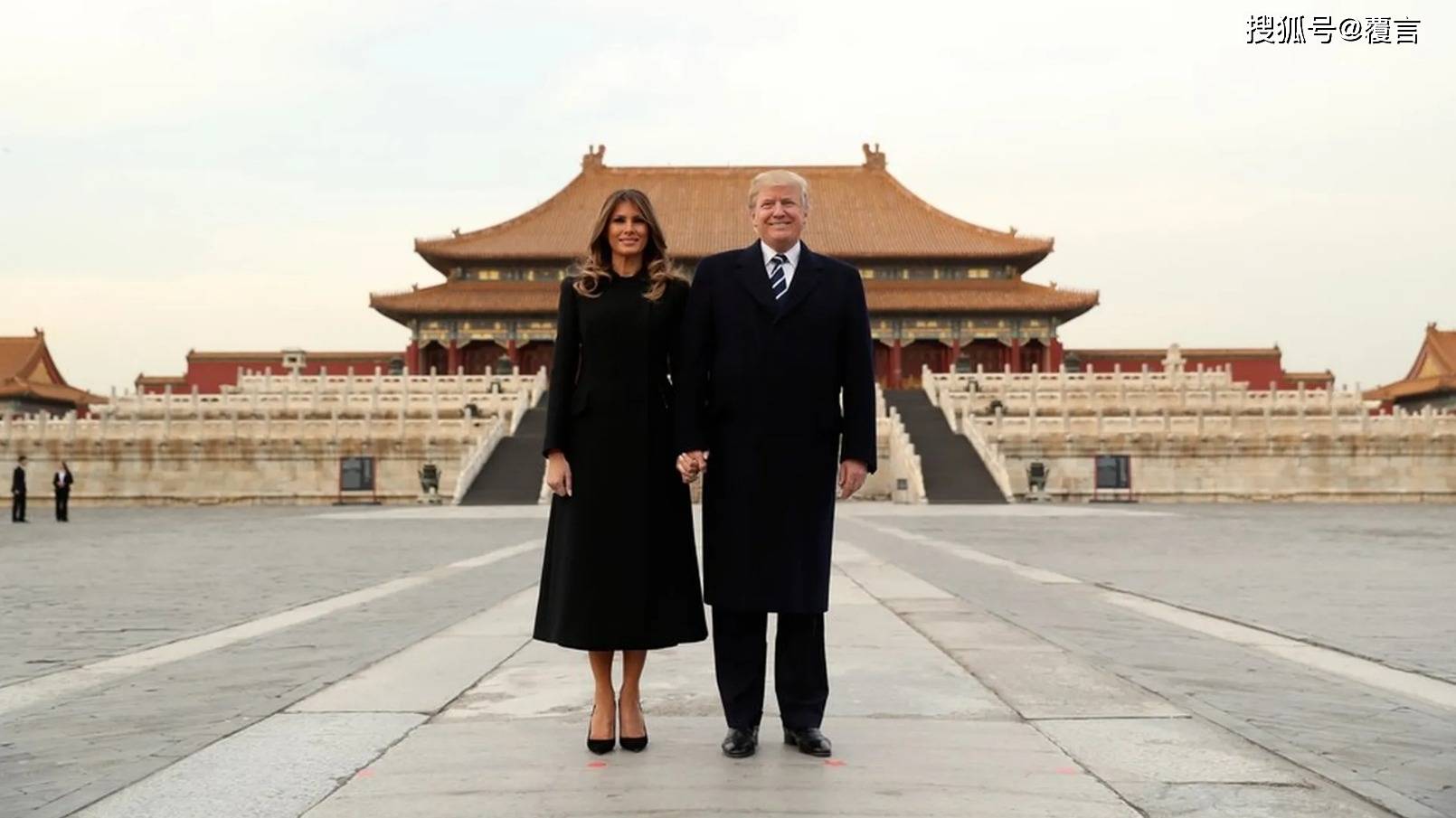
但我发现,特朗普这一次对中国加征关税的时候,几乎就听不到这样的话了。因为,这一次大家都看得非常清楚,美国不仅是对中国征税,而是对地球上几 乎所有的国家和地区,包括只有企鹅居住的小海岛。 我记得,特朗普在第一个任期对中国加征关税的时候,许多朋友感到非常害怕,总觉得是中国哪里做错了,或者太高调、太得瑟了,所以招致了美国的报 复。而且,中国一定顶不住美国的报复,迟早要完蛋。 这些朋友很喜欢反省自己。《论语》说"吾日三省吾身",他们恨不得一天反省30次、300次。对他们来说,美国是非常完美的国家,那么公平、正义,又有 爱心,怎么会做错呢?所以,错的一定是中国。 其实,在第一任期,特朗普也不是只对中国征税,包括欧盟、印度、墨西哥、加拿大、韩国、澳大利亚,都被美国征了关税。但有些朋友就是选择性无视, 说起来好像美国只是在针对中国一个国家。 就比如美国制造业的衰落,它是最近几年才衰落的吗?不是,而是三四十年累积的结果。我读中学那会,就学到了Rust Belt这个词,也就是铁锈带。这与美 国营商环境恶化、劳动力素质降低、基础设施老旧、供应链断裂、官僚体系效率过低等问题直接相关。真正应该解决的,是这些问题。 这些问题解决了,根 ...

策略专题:康波周期系列2:百年贸易战的比较研究
Huachuang Securities· 2025-06-10 10:55
Group 1: Economic Context - The Kondratiev wave signifies the long-term cycles of the world economy, marked by the rise and fall of great powers, with the 1930s trade war reflecting the economic dynamics of that era[1] - In the 1930s, the U.S. was a trade surplus and creditor nation, while the U.K. was a trade deficit and debtor nation, a reversal of roles seen today with China as a creditor and the U.S. as a debtor[11] - Current global trade accounts for 30% of GDP, significantly higher than the 4-5% in the 1930s, indicating a deeper integration of the global economy[11] Group 2: Currency Dynamics - The decline of the British pound in the 1930s was due to economic decline, depleted gold reserves, and debt defaults, paralleling current challenges faced by the U.S. dollar[2] - The U.S. government debt exceeds 120% of GDP, with interest payments over 3% of GDP, raising concerns about the dollar's stability[11] - Gold prices increased from $17 to $35 per ounce between 1931 and 1934, reflecting the depreciation of fiat currencies during monetary system transitions[31] Group 3: Tariff Impacts - The economic impact of tariffs today is expected to be greater than in the 1930s due to the higher global trade integration, with tariffs potentially affecting employment and income levels[3] - Historical data shows that tariffs in the 1930s did not significantly raise inflation in deficit countries, suggesting that current tariff impacts may also be limited in terms of price levels[3] - The U.S. trade deficit is projected to exceed $900 billion in 2024, with a significant portion attributed to China, highlighting ongoing trade tensions[25] Group 4: Policy Responses - The U.S. response to the Great Depression involved abandoning the gold standard and expanding the money supply, a strategy mirrored by China's recent dual monetary and fiscal easing policies[4] - Current U.S. tariff policies may lead to a fragmented trade system, similar to the 1930s, as countries seek to establish trade agreements independent of U.S. influence[4] - The political demand for tariffs is driven by widening wealth gaps, with historical parallels drawn to the 1930s when similar economic pressures led to protective measures[4]
没谈妥?美国与日本谈判,石破茂态度突变,给了美“当头一棒”
Sou Hu Cai Jing· 2025-06-10 10:15
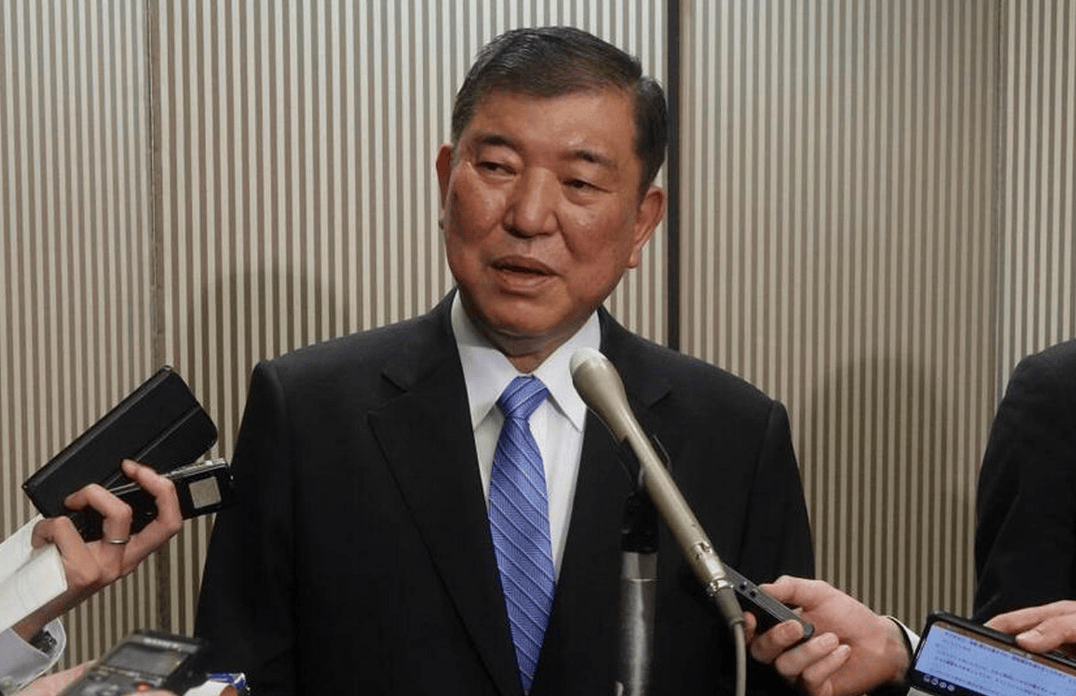
据环球网援引日本《朝日新闻》消息,日本和美国的第五轮关税谈判未取得进展,日本经济再生大臣赤泽亮表示双方尚未找到共识 。美日谈判陷入僵局, 而日本首相石破茂态度突变,这背后有着诸多复杂因素。 石破茂(资料图) 石破茂态度转变有着多方面原因。从经济利益考量,日本汽车产业是其经济支柱之一,若按照美国要求限制汽车出口,日本经济将遭受重创。农业方面,大 量农业就业岗位与当前农产品关税政策相关,降低关税会引发国内农业领域动荡。在外交层面,日本也在尝试多元化发展。日本加强与东盟国家的合作,积 极推动区域经济合作;在处理与中国关系上,也有积极信号释放,中国是日本重要的贸易伙伴,2023 年中日贸易额达 3500 亿美元,日本期望通过改善对华 关系,在经济合作中获取更多利益,减少对美国市场的过度依赖。此外,日本持有 1.1 万亿美元美债,这成为日本在谈判中的重要筹码,日本暗示必要时可 能抛售美债作为对美国关税政策的反制手段。 美日谈判若持续破裂,双方可能爆发贸易战。美国可能对日本汽车加征 25% 关税,日本也计划对 34 亿美元美国农产品实施反制。这不仅会冲击美日双边贸 易,还将影响全球供应链,特别是汽车和半导体产业。若达成协 ...
康波周期系列2:百年贸易战的比较研究
Huachuang Securities· 2025-06-10 10:04
Group 1 - The report emphasizes the cyclical nature of the Kondratiev wave, highlighting the historical context of major power shifts and the impact of technological revolutions on economic cycles [12][18][31] - The comparison between the 1930s trade war and current economic conditions suggests that the current global trade dynamics are more complex, with a higher percentage of GDP tied to global trade [3][11][30] - The report indicates that the current monetary system is undergoing a transformation, with the dollar facing challenges similar to those faced by the British pound in the 1930s, while gold is expected to appreciate as a hedge against fiat currency depreciation [2][31][32] Group 2 - The analysis of tariff impacts reveals that the quantitative effects of tariffs today may be significantly greater than those in the 1930s, while the price effects may be limited [3][4][30] - The report discusses the macroeconomic policy responses, noting that current strategies in China, such as dual monetary and fiscal easing, are seen as effective in stimulating domestic demand [4][5][30] - The fragmentation of trade patterns is highlighted, with the emergence of a multipolar trade currency system driven by current tariff policies and geopolitical tensions [4][5][30] Group 3 - The report outlines the political motivations behind tariffs, linking them to rising income inequality and the protection of traditional industries [5][6][30] - The technological revolution is identified as a key driver of the Kondratiev wave, with AI and related technologies poised to shape the next economic cycle [4][12][31] - The historical context of trade negotiations is examined, showing how surplus countries have historically sought to lower tariffs while deficit countries have maintained barriers [4][5][30]
ASML:如何应对贸易战
半导体芯闻· 2025-06-10 09:52
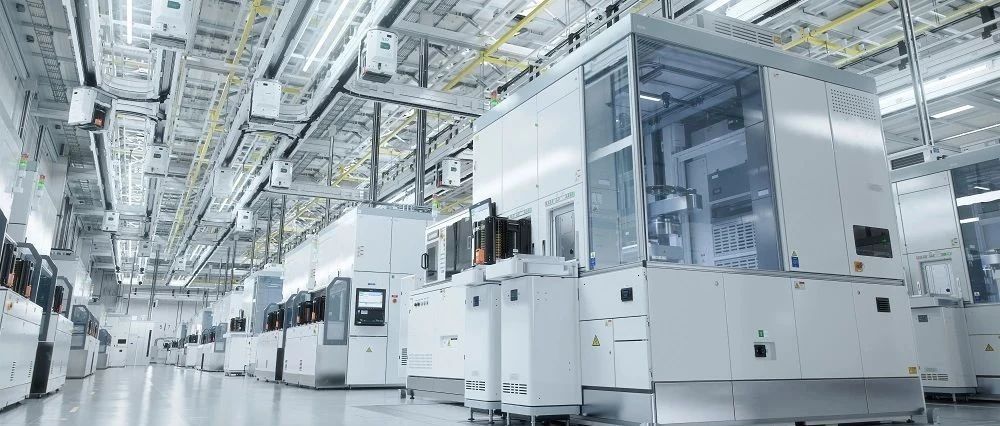
Core Viewpoint - ASML is facing significant challenges due to geopolitical tensions and trade policies, which could impact its market position and the global semiconductor supply chain [1][4][6]. Group 1: Geopolitical Challenges - The CEO of ASML, Christophe Fouquet, has expressed concerns about the uncertainty brought by U.S. trade policies, including tariffs that could increase the cost of ASML's essential lithography machines [1][2]. - The Dutch government has been involved in discussions regarding the export restrictions on ASML's equipment to China, which complicates trade negotiations [1][4]. - ASML's unique position as the sole manufacturer of complex lithography machines makes it a target in the ongoing tech trade war between the U.S. and China [1][4]. Group 2: Business Performance and Projections - ASML reported a record revenue of €28.3 billion (approximately $32.3 billion) last year and anticipates sales could reach between €44 billion to €60 billion by 2030 [6]. - Despite the growth in demand for AI chips, concerns remain about the sustainability of this demand and the high costs associated with ASML's machines, which are priced at around $400 million each [6][8]. - The company's stock has seen a decline of about 25% over the past year, reflecting market uncertainties [6]. Group 3: Supply Chain and Innovation - ASML's advanced lithography machines utilize extreme ultraviolet (EUV) technology, which is critical for manufacturing microchips, and require components from hundreds of international suppliers [5][8]. - The company is actively lobbying for more support from the EU and Dutch government to mitigate the impacts of U.S.-China trade tensions on the semiconductor industry [4][8]. - There are concerns that U.S. export bans could inadvertently strengthen China's domestic semiconductor capabilities, as Chinese companies are investing heavily in developing their own lithography technology [9][11].

瑞达期货集运指数(欧线)期货日报-20250610
Rui Da Qi Huo· 2025-06-10 09:05
明出处为瑞达期货股份有限公司研究院,且不得对本报告进行有悖原意的引用、删节和修改。 | | | 集运指数(欧线)期货日报 | | 2025/6/10 | | | --- | --- | --- | --- | --- | --- | | 项目类别 | 数据指标 最新 环比 数据指标 最新 | | | 环比 | | | EC主力收盘价 | 2042.100 | -19.6↓ EC次主力收盘价 | 1351.9 | | +5.70↑ | | 期货盘面 | 690.20 EC2508-EC2510价差 | -31.70↓ EC2508-EC2512价差 | 496.50 | | -48.40↓ | | EC合约基差 | -419.29 | +23.50↑ | | | | | 期货持仓头寸(手) EC主力持仓量 | 45494 | 1367↑ | | | | | SCFIS(欧线)(周) | 1622.81 369.99↑ SCFIS(美西线)(周) | | 2,185.08 | | 466.94↑ | | | SCFI(综合指数)(周) 2240.35 167.64↑ 集装箱船运力(万标准箱) 1,227.97 | ...

中美还没谈妥,美国突然狮子大开口,特朗普24小时内收到3个噩耗
Sou Hu Cai Jing· 2025-06-10 08:19
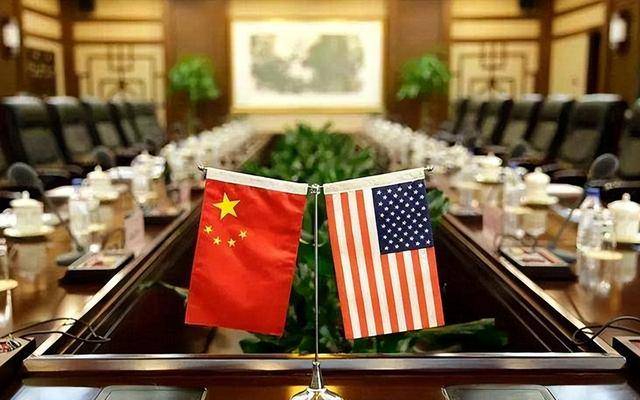
本文内容均引用权威资料结合个人观点进行撰写,具体资料赘述在文中和文末! 面对美方的狮子大开口,中方这次给出了一套漂亮的组合拳,在短短24小时内,特朗普接连收到三大噩耗。 美方双线施压 此次出访,主要任务是访问英国,与美方磋商经贸议题,只是中方顺带需要完成一项议程,可美方居然玩起了老把戏,不仅要求中方大幅扩大稀土出口, 还公然干涉中英关系,尽显霸道本色。 特朗普政府的谈判策略始终笼罩在"贸易战"的阴影,就在此次伦敦会谈前一个月,美国贸易代表办公室仍坚称"对华关税是必要杠杆",延续着2018年以来 的单边主义路径。 这种"边打边谈"的套路已多次暴露其真实意图:以谈判为筹码,逼迫中方在单方面让步中妥协,白宫国际经济委员会主席哈西特对媒体的表态揭示了美方 核心诉求:稀土的供应量和审批流程必须"开倒车",回归四月初的宽松状态。 这种要求无异于让中国自行拆除战略资源管控体系,稀土作为高科技产业和国防工业的"维生素",全球80%以上的加工产能在中国手中。 应英国政府的邀请,中方高层将于6月8日至13日访问英国,在此期间,会与美方举行中美经贸磋商机制首次会议。 并且特朗普还试图对英国进行隔空干预,他通过外交渠道向新任首相斯塔 ...
综合晨报-20250610
Guo Tou Qi Huo· 2025-06-10 06:49
gtaxinstitute@essence.com.cn 综合晨报 2025年06月10日 (原油) 隔夜国际油价延续反弹,布伦特08合约涨0.72%。周一中美经贸磋商机制首次会议在英国开启,若 会议延续上周两国元首通话的乐观信号将弱化贸易战对经济及油品需求的负面影响,市场对这一情 景提前定价。在OPEC+7月增产短期利空出尽后,宏观面中美贸易战相关的风险情绪修复、旺季需求 改善、地缘犹动下制裁风险仍存对原油构成支撑,5月以来原油现货基差持续走强。二季度以来原油 库存累增2.1%、成品油库存累增0.8%,总体石油累库1.6%基本延续一季度累库速度。原油暂以反弹 空间有限定调,关注中美经贸磋商能否带动宏观预期的实质性扭转及周末第六轮美伊核会谈进展。 (责金属) 隔夜贵金属偏强震荡。近期市场风险偏好修复给金价带来一定压力,但白银受益于商品的反弹向上 突破刷新2012年以来新高。随着关税暂缓三个月截止期的临近,特朗普关税政策将继续主导市场, 俄乌等地缘局势持续紧张,金价背靠3000美元强支撑维持回调买入思路,白银破位后打开上方空 间。 (铜) 隔夜铜价走高,伦铜库存流出速度加快,物流持续向美转移,且银价补涨。国内消 ...