地缘政治

Search documents
中辉能化观点-20251120
Zhong Hui Qi Huo· 2025-11-20 02:04
1. Report Industry Investment Ratings - Crude Oil: Cautiously bearish [1] - LPG: Cautiously bearish [1] - L: Bearish consolidation [1] - PP: Bearish continuation [1] - PVC: Bearish continuation [1] - PX/PTA: Cautiously bullish [3] - Ethylene Glycol: Cautiously bearish [3] - Methanol: Cautiously bearish [3] - Urea: Short - term bullish for rebound, long - term bearish [3] - Natural Gas: Cautiously bullish [5] - Asphalt: Cautiously bearish [5] - Glass: Bearish continuation [5] - Soda Ash: Bearish continuation [5] 2. Core Views of the Report - The report analyzes the investment trends of various energy and chemical products, taking into account factors such as geopolitical events, supply - demand relationships, cost support, and inventory levels. It provides corresponding investment strategies for each product based on these analyses [1][3][5] 3. Summaries According to Related Catalogs 3.1 Crude Oil - **Market Performance**: Overnight international oil prices declined, with WTI down 2.34%, Brent down 1.88%, and SC up 0.19% [6][7] - **Basic Logic**: The core driver is that downstream refined oil profits are good, but crude oil supply exceeds demand, and global crude oil inventories are accumulating rapidly, limiting the upside of oil prices and increasing downward pressure. Short - term drivers include geopolitical disturbances [8] - **Fundamentals**: Saudi Arabia's crude oil exports in September reached a 7 - month high. OPEC's November report predicts global crude oil demand growth in 2025 and 2026. As of the week of November 7, US commercial crude inventories increased, while gasoline and distillate inventories decreased [9] - **Strategy Recommendation**: In the long - term, OPEC+ is expanding production and pressing down prices, and the oil price has entered a low - price range. In the short - term, the daily line has declined significantly, and the trend is weak. Partially close previous short positions. Pay attention to the range of [450 - 460] for SC [10] 3.2 LPG - **Market Performance**: On November 19, the PG main contract closed at 4395 yuan/ton, up 0.32% month - on - month [12] - **Basic Logic**: The price is anchored to the cost of crude oil, and the recent high basis and over - valuation of the futures market have put pressure on prices. The supply of liquefied gas has decreased, and the demand side has shown some resilience. Inventories at ports and factories have been decreasing [13] - **Strategy Recommendation**: In the long - term, the supply of upstream crude oil exceeds demand, and the price center is expected to continue to decline. In the short - term, the trend is weak. Try short positions with a light position. Pay attention to the range of [4350 - 4450] for PG [14] 3.3 L - **Market Performance**: The L2601 contract closed at 6818 yuan/ton, up 30 yuan [16][17] - **Basic Logic**: The basis has been repaired to near parity. Domestic production has increased seasonally, and imports have arrived in a concentrated manner, resulting in a loose supply pattern. The downstream demand for the shed film season is weak, and the cost support from oil prices is insufficient [18] - **Strategy Recommendation**: The short - term trend has stabilized and rebounded. Partially reduce short positions. In the long - term, wait for the rebound to go short. Pay attention to the range of [6800 - 6950] for L [18] 3.4 PP - **Market Performance**: The PP2601 contract closed at 6429 yuan/ton, down 51 yuan [20][21] - **Basic Logic**: The fundamentals are weak due to the decline in coking coal prices and insufficient demand. The inventory of the upper and middle reaches is at a high level, and the device is restarting one after another. OPEC+ is still in the production - increasing cycle, and oil prices are expected to continue to decline in the medium - term [22] - **Strategy Recommendation**: The short - term price has stopped falling and stabilized. Reduce short positions. In the long - term, wait for the rebound to go short. Pay attention to the range of [6350 - 6500] for PP [22] 3.5 PVC - **Market Performance**: The V2601 contract closed at 4586 yuan/ton, up 5 yuan [24][25] - **Basic Logic**: The futures market has increased positions and reached a new low. In the short - term, the market has returned to the weak fundamentals. Although the inventory is at a high level, the low valuation provides some support. Pay attention to the progress of anti - dumping duties and the rhythm of capital position shifting [26] - **Strategy Recommendation**: The futures market maintains a high premium. Industries can hedge at high prices. Pay attention to low - buying opportunities. Pay attention to the range of [4400 - 4650] for V [26] 3.6 PTA - **Market Performance**: The TA05 contract was at 4754 yuan/ton [27] - **Basic Logic**: The processing fee is generally low. The supply pressure has been relieved due to new device production and increased maintenance. The downstream demand is relatively good but has a weakening expectation. The cost of PX has decreased both at home and abroad, providing some support. There is an expectation of inventory accumulation in November - December [28] - **Strategy Recommendation**: The valuation and processing fee are not high. Pay attention to opportunities to buy on dips. Pay attention to the range of [4640 - 4720] for TA [29] 3.7 Ethylene Glycol - **Market Performance**: The EG05 contract was at 3922 yuan/ton [30] - **Basic Logic**: Domestic coal - based device maintenance has increased, and the start - up load has decreased. Overseas devices have slightly increased their loads. The downstream demand is relatively good but has a weakening expectation. The inventory has slightly increased, and the cost of crude oil is under pressure while coal prices are expected to rise [31] - **Strategy Recommendation**: The price is in a low - level shock. Pay attention to opportunities to short on rebounds. Pay attention to the range of [3830 - 3895] for EG [32] 3.8 Methanol - **Market Performance**: Not specifically mentioned [33] - **Basic Logic**: High inventory suppresses the rebound of spot prices. Domestic and overseas device start - up loads are high. The 11 - month import volume is expected to be large, and the supply pressure is high. The demand is average, and the cost support is weak and stable [35] - **Strategy Recommendation**: The price is in a weak shock. Hold short positions cautiously. Pay attention to the MA1 - 5 reverse spread [35] 3.9 Urea - **Market Performance**: The UR05 contract was at 1727 yuan/ton [38] - **Basic Logic**: The small - particle urea spot price is stable, and the negative basis has slightly strengthened. The supply pressure is expected to increase as the production of maintenance devices resumes. The demand has weakened slightly, and the inventory has decreased but is still at a high level. Exports have maintained a high growth rate since July [39] - **Strategy Recommendation**: The fundamentals of urea remain weak. Be vigilant against the risk of the futures price falling after rising. Pay attention to opportunities to short on rebounds. Pay attention to the range of [1635 - 1665] for UR [40] 3.10 Natural Gas - **Market Performance**: On November 18, the NG main contract closed at 4.593 US dollars/million British thermal units [42] - **Basic Logic**: As the global temperature drops, the demand for natural gas for combustion and heating has increased, providing strong support for prices. The domestic LNG retail profit has increased. The supply has increased in China, while the demand has slightly decreased. The US natural gas inventory has increased [43] - **Strategy Recommendation**: As the temperature cools, the demand is increasing, but the supply is sufficient. The upward momentum has weakened, and the upward space is limited. Pay attention to the range of [4.420 - 4.688] for NG [44] 3.11 Asphalt - **Market Performance**: On November 19, the BU main contract closed at 3045 yuan/ton, up 0.43% month - on - month [46][47] - **Basic Logic**: The price is mainly determined by the cost of crude oil, and the weak oil price has reduced the cost support. The asphalt profit has declined. The supply has decreased in November, and the demand has also decreased in October. The inventory has decreased [48] - **Strategy Recommendation**: The valuation has returned to normal, but there is still room for compression. The supply is sufficient, and the demand has entered the off - season. Continue to hold short positions. Pay attention to the range of [3000 - 3100] for BU [49] 3.12 Glass - **Market Performance**: The FG2601 contract closed at 1053 yuan/ton [51][52] - **Basic Logic**: The supply has decreased, but further decline is difficult as the coal - based process is still profitable. The real - estate price has continued to fall in October, and the domestic demand is weak. The deep - processing orders are at a low level, and the demand support is insufficient [53] - **Strategy Recommendation**: In the long - term, the real - estate demand is weak, and the loose supply pattern is difficult to change. Go short on rebounds. Pay attention to the range of [1000 - 1050] for FG [53] 3.13 Soda Ash - **Market Performance**: The SA2601 contract closed at 1239 yuan/ton [55][56] - **Basic Logic**: The supply and demand have both decreased. Some devices have been maintained or reduced production, and the demand from the float glass industry has decreased. In the long - term, the supply will remain loose due to the high - production cycle [57] - **Strategy Recommendation**: The short - term price is at a low level. In the long - term, wait for the rebound to go short. Exit the long position of the soda - glass spread. Pay attention to the range of [1170 - 1220] for SA [57]
海峡危机引爆连锁反应!油价保险费用飙涨,全球经济或将埋单
Sou Hu Cai Jing· 2025-11-19 23:17
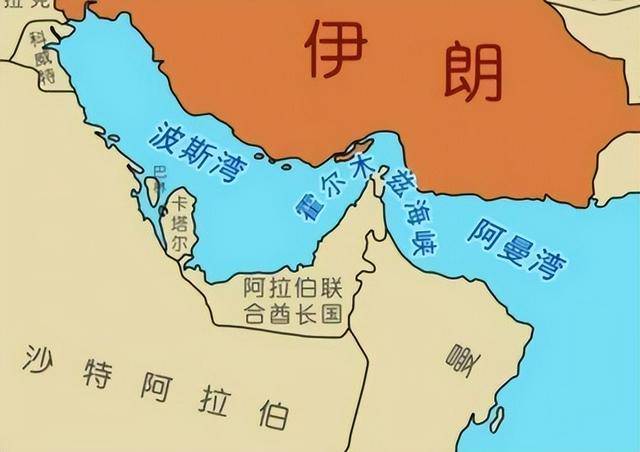
Core Viewpoint - The recent seizure of an international oil tanker by the Iranian Revolutionary Guard in the Strait of Hormuz has escalated tensions between Iran and the United States, raising concerns about global energy supply and market stability [1][3]. Group 1: Incident Overview - The Iranian Revolutionary Guard captured the MV Talara, a tanker flying the Marshall Islands flag, using military force, which has been interpreted as a direct challenge to international law and a threat to global shipping security [5][10]. - Approximately 20% of the world's oil and liquefied natural gas passes through the Strait of Hormuz, making any conflict in this region potentially impactful on global oil prices and shipping safety [7][19]. Group 2: U.S. Response - The U.S. has responded strongly, with the Pentagon stating it will use "absolute force" to protect shipping in the region, increasing military deployments and readiness for potential larger conflicts [10][12]. - The U.S. government has condemned Iran's actions as a typical act of hijacking that undermines international trade order and creates significant uncertainty for the global economy [12][17]. Group 3: Iranian Justification - Iran claims the seizure was a lawful enforcement action against the tanker for allegedly smuggling chemicals, asserting that it was not an act of aggression but a legal seizure [15][17]. - This justification has not been accepted by the U.S. or the international community, which views the action as a significant threat to international shipping and trade [17]. Group 4: Market Reactions - Following the incident, global oil prices surged, reflecting the immediate market reaction to the heightened risk in the Strait of Hormuz, a critical energy supply route [19][21]. - Insurance costs for shipping through the Strait have also increased, leading to higher international trade costs and potential supply chain instability, particularly for countries reliant on Middle Eastern oil [21][23]. Group 5: Strategic Importance and Future Outlook - The Strait of Hormuz is a vital geopolitical and economic corridor, handling about one-fifth of global oil transport, making it a focal point for international trade and political maneuvering [23][25]. - The ongoing tensions between the U.S. and Iran could further destabilize the region, with implications for global economic trends and the need for international cooperation to prevent escalation [25][29].

美西方堵死油路,委内瑞拉带千亿桶石油投华,中企连夜上重器!
Sou Hu Cai Jing· 2025-11-19 13:37
Core Viewpoint - Venezuela, despite facing severe sanctions from the U.S. and the West, is pivoting towards China for oil exports, which has become crucial for its economy and oil production recovery [3][10]. Group 1: Oil Reserves and Production - Venezuela has proven oil reserves exceeding 300 billion barrels, maintaining the world's largest reserves [1]. - Oil production has drastically declined from over 3 million barrels per day to only a few hundred thousand due to sanctions, but recent cooperation with China has led to a recovery, with production reaching 1.031 million barrels per day in January 2025, marking a significant increase [3][8]. Group 2: China-Venezuela Cooperation - China has become Venezuela's primary oil export destination, with imports reaching 463,000 barrels per day by mid-2025, accounting for 90% of Venezuela's total oil exports [3]. - Chinese companies, such as Concord Resources, are investing over $1 billion in Venezuelan oil fields, aiming to increase production significantly by the end of 2026 [6]. - The cooperation model includes a "oil-for-loans" arrangement, allowing Venezuela to repay loans with oil, which helps mitigate the impact of U.S. sanctions [6][11]. Group 3: U.S. Sanctions and Global Impact - The U.S. has imposed a 25% tariff on countries importing Venezuelan oil, which has led to increased tensions in the global energy market [4]. - Despite sanctions, Venezuela's oil exports have seen a resurgence, surpassing 1 million barrels per day in September 2025, although they fell to 808,000 barrels per day in October due to inventory issues [8]. - The sanctions have inadvertently strengthened Venezuela's ties with other global South countries, allowing for a more diversified energy market and reducing reliance on traditional oil powers like the U.S., Russia, and Saudi Arabia [10]. Group 4: Challenges Ahead - The cooperation between China and Venezuela faces challenges, including potential U.S. military threats and the possibility of sanctions against Chinese companies involved in Venezuelan oil [10]. - Venezuela's internal issues, such as high inflation, unemployment, and political instability, continue to pose risks to the progress of cooperation [10][11].
美俄硬刚委内瑞拉!俄罗斯划红线警告美国石油博弈恐引爆地区危机
Sou Hu Cai Jing· 2025-11-19 06:37
1. 在西半球,一场备受全球关注的地缘政治对抗正在展开——美国与俄罗斯在委内瑞拉的直接冲突,使得这片南美洲土地成为了大国战略博弈的前沿阵地。 从今年10月开始,俄罗斯多次向华盛顿发出警告,明确表态在石油问题上设定了不可逾越的底线,要求美方停止干涉委内瑞拉的内政。这场对抗不仅涉及区 域安全形势,更关系到全球能源供应链的重组,以及国际法的权威性。 2. 石油与地缘政治的博弈,成了大国角力的核心动力。 3. 委内瑞拉之所以成为美俄对抗的关键焦点,根本原因在于该国拥有全球最大的已探明石油储备,其储量甚至超过沙特阿拉伯和俄罗斯。这一资源禀赋不容 小觑——石油是现代工业的命脉,掌握石油的控制权意味着能够在全球经济中占据重要战略位置,拥有强大的议价能力。 4. 从历史来看,美国的跨国公司在委内瑞拉长期占据主导地位,享有石油开发的权利,并从中赚取了丰厚的利润。然而,随着查韦斯时代的到来,直到马杜 罗执政时期,政府实施了资源主权回归政策,将能源产业收归国有,优先保障本国利益。自此,美国的态度发生了巨大转变。尽管该国治理中存在问题,但 委内瑞拉"不依附"美国的独立姿态,却挑战了美国在西半球长期占据的传统影响力。 7. 制裁与人道 ...
能源化策略:俄罗斯海上原油出?连续第四周下滑,原油震荡烯烃格局偏弱
Zhong Xin Qi Huo· 2025-11-19 02:37
1. Report Industry Investment Rating The report does not explicitly mention the industry investment rating. 2. Core Viewpoints of the Report The energy and chemical industry will continue to fluctuate and consolidate, with olefins being weak and aromatics showing a slightly stronger pattern [4]. 3. Summary by Relevant Catalogs 3.1 Market Outlook - **Crude Oil**: The expectation of oversupply is strengthening, and geopolitical disturbances still exist. The price will fluctuate in the short - term due to factors such as supply pressure, positive signals from cracking prices, and unconfirmed geopolitical concerns [4][8]. - **Asphalt**: The asphalt futures price is in a weak and fluctuating state. The current over - supply situation and continuous inventory accumulation are difficult to change, and the price is under pressure [4][9]. - **High - Sulfur Fuel Oil**: The fuel oil futures price is in a weak and fluctuating state. The price is affected by factors such as geopolitical situation, demand, and cracking spread, and attention should be paid to the development of the Russia - Ukraine conflict [4][9]. - **Low - Sulfur Fuel Oil**: The low - sulfur fuel oil is supported by the strengthening of refined oil. It is expected to fluctuate with crude oil, although it faces some negative factors such as the decline of shipping demand and the substitution of green energy [4][11]. - **Methanol**: High inventory suppresses the price, and overseas disturbances are not significant. Methanol is in a low - level fluctuating state, and it is expected to have a short - term narrow - range fluctuation [4][25]. - **Urea**: The downstream follows up at low prices, and the futures price rises slightly. In the short term, it is expected to rise slightly and generally fluctuate and consolidate [4][25]. - **Ethylene Glycol**: The circulation of goods in the market increases, and the basis remains weak. The price is expected to maintain a low - level range fluctuation, and the EG01 - 05 spread is still recommended to be shorted at high levels [4][20]. - **PX**: The market sentiment has cooled slightly, and the cost support is not strong. It is expected to fluctuate in the short term, waiting for further feedback from the market [4][12]. - **PTA**: The emotional fermentation has ended, and the fundamental variables are limited. The price is expected to fluctuate with the cost, and the TA01 - 05 reverse spread position can be temporarily left for observation [4][13]. - **Short - Fiber**: The price difference between high and low prices in the market is gradually widening, and the factory's sales are difficult. There is still room for profit compression, and the price is expected to fluctuate with the upstream [4][21]. - **Bottle Chip**: The trading atmosphere has declined, and it follows the cost passively. The absolute value will fluctuate with the raw materials, and the processing fee has stronger support below [4][23]. - **Propylene**: The spot price has strengthened in the short term, and the PL fluctuates. It is expected to fluctuate in the short term [4][28]. - **PP**: The fundamental pressure has been priced in, and attention should be paid to the changes in maintenance. It is expected to fluctuate weakly in the short term [4][27]. - **Plastic**: The short - term maintenance support is limited, and the plastic fluctuates. It is expected to fluctuate in the short term [4][26]. - **Styrene**: Affected by the narrative of blending for oil, styrene fluctuates after a rebound. The price is affected by factors such as the blending for oil and the inventory of pure benzene, and the market is in a state of game between expectation and reality [4][17]. - **PVC**: The cancellation of anti - dumping duties boosts the market sentiment again. Although the fundamentals are under pressure, the short - term market sentiment is improved [4][30]. - **Caustic Soda**: With low valuation and weak supply - demand, caustic soda fluctuates. The supply - demand expectation is poor, but the falling price of liquid chlorine pushes up the cost, and the price is expected to fluctuate widely [4][32]. 3.2 Variety Data Monitoring - **Energy Chemical Daily Index Monitoring** - **Inter - period Spread**: Different varieties have different inter - period spread values and changes, which reflect the market's expectations for different time periods of each variety [34]. - **Basis and Warehouse Receipts**: The basis and warehouse receipt data of each variety are provided, which can help analyze the relationship between the spot and futures prices and the supply situation in the market [35]. - **Inter - variety Spread**: The spread data between different varieties are given, which can reflect the relative price relationship between different varieties and provide reference for arbitrage trading [36]. - **Chemical Basis and Spread Monitoring** - Although specific data analysis is not carried out in the text, it is expected to provide more in - depth monitoring and analysis of the basis and spread of various chemical products [37][49][61]. 3.3 Commodity Index - The comprehensive index, special index, PPI commodity index, and sector index of the commodity are provided. The energy index shows a decline of 0.61% on November 18, 2025, a decline of 2.25% in the past 5 days, an increase of 3.31% in the past month, and a decline of 6.87% since the beginning of the year [275][276][277].
综合晨报-20251119
Guo Tou Qi Huo· 2025-11-19 02:29
隔夜国际油价反弹,布伦特01合约涨1.25%。WTI在美国页岩油边际开采成本50美元/桶之上对地缘 犹动相对敏感,随着美国对俄两油制裁生效日11月21日的临近,主要印度买家已表示暂停购买俄罗 斯12月交付的原油,特朗普亦表示共和党正在起草对俄罗斯、伊朗贸易往来国的制裁立法。但是我 们认为供给端收缩引发的油价周期性拐点尚未见到,上周美国API库存超预期增加44.8万桶,油价 反弹空间依然受限。 (责金属) 隔夜贵金属震荡。美国官方数据缺失阶段,ADP发布最新数据显示截至11月1日的四周内,美国企业 平均每周减少约2500个就业岗位。近期美联储多位官员发言偏鹰压制降息预期,市场继续权衡经济 和货币政策前景。贵金属高位震荡,耐心等待新驱动以及技术面的方向性指引。 【铜】 隔夜伦铜盘中反复震荡,收跌在MA40日均线。美国滞后经济数据逐步公布,就业与通胀压力提升12 月降息概率预期的波动性。自由港认为26年其印尼分公司金铜产出量持平于2025年,基本符合且略 高于笔者预期。跟踪需求强弱。短线关注沪铜MA40日均线表现,空单背靠点位下调到8.7万。 【铝】 隔夜沪铝窄幅波动。周初铝锭铝棒社库较上周四分别增加2.5万吨和0 ...
宁证期货今日早评-20251119
Ning Zheng Qi Huo· 2025-11-19 01:44
Report Summary Investment Ratings No investment ratings for the overall industries are provided in the report. Core Views - The Fed's internal turmoil is strong, and the prospect of a December interest rate cut is unclear, causing precious metals to fluctuate. Gold is under pressure and may experience high - level oscillations in the medium term [1]. - The crude oil market is generally in a state of supply surplus, but geopolitical factors bring uncertainties, so it should be treated with an oscillatory view [1]. - The short - end bond market is affected by a slightly tight capital supply, but the overall bond market is affected by multiple factors, and its operation is difficult, with a slightly bullish medium - term trend [3]. - Silver is under short - term pressure due to the US economic environment, but is still bullish in the medium term [4]. - The pig market has an oversupply situation, and the LH2601 contract is expected to be weak after a brief rebound [4]. - Rapeseed meal has a weak supply - demand pattern and is unlikely to have a trending upward market [5]. - Palm oil has strong support at the lower level in the short term, and low - long operations are recommended [5]. - Methanol is expected to oscillate weakly in the short term, and it is recommended to wait and see [7]. - Glass is expected to run weakly in the short term, and it is recommended to wait and see or short on rebounds [8]. - PVC is expected to oscillate weakly in the short term, and it is recommended to wait and see or short on rebounds [9]. - PTA's supply - demand situation has improved, and its price has short - term support [10]. - Natural rubber has a situation where raw material support and demand suppression coexist, and it will oscillate in the short term [10][11]. Summary by Variety Precious Metals - **Gold**: Fed internal disputes over a December rate cut are large, and gold is under pressure, with a medium - term high - level oscillation expected. Attention should be paid to the impact of the US dollar index [1]. - **Silver**: US employment pressure is high, and economic downward pressure suppresses the sentiment of going long on silver. The Fed's December rate - cut situation is uncertain, and silver is under short - term pressure but bullish in the medium term. Attention should be paid to the differentiation between gold and silver [4]. Energy - **Crude Oil**: US oil inventories have increased, and refinery profits have risen. Geopolitical factors such as attacks on Russian refineries and US sanctions have increased market uncertainty. The overall supply surplus situation drives the price down, and it should be treated with an oscillatory view [1]. Bonds - **Short - term Treasury Bonds**: Money market interest rates have mostly risen, indicating a slightly tight capital supply, which is negative for short - end bonds. However, the economic pressure in the fourth quarter and the central bank's operations are positive for the bond market. The bond market is difficult to operate, with a slightly bullish medium - term trend [3]. Agricultural Products - **Pig**: The supply of pigs is abundant, the terminal demand is weak, and the LH2601 contract is expected to be weak after a brief rebound. Farmers are advised to hedge according to the slaughter rhythm [4]. - **Rapeseed Meal**: The inventory of imported rapeseed meal is high, and domestic aquatic product demand is weak. It is in a weak supply - demand pattern, and attention should be paid to China - Canada trade policies [5]. - **Palm Oil**: China's October palm oil imports decreased year - on - year. November supply has increased significantly, but Indian demand expectations have increased. It has strong support at the lower level in the short term, and low - long operations are recommended [5]. Chemicals - **Methanol**: The production and port inventory of methanol are at a high level, downstream demand is stable, and the 01 contract is expected to oscillate weakly in the short term. It is recommended to wait and see [7]. - **Glass**: The average price of float glass has decreased, the inventory has increased, and the downstream orders are weak. The 01 contract is expected to run weakly in the short term, and it is recommended to wait and see or short on rebounds [8]. - **PVC**: The production of PVC is expected to remain high, the profit is poor, the domestic demand is stable, and the social inventory is expected to increase. The 01 contract is expected to oscillate weakly in the short term, and it is recommended to wait and see or short on rebounds [9]. - **PTA**: In November, the supply of PTA has decreased due to maintenance, and the downstream polyester demand is expected to remain high. The supply - demand situation has improved, and the price has short - term support [10]. Rubber - **Natural Rubber**: Thai raw material prices have changed, and China's rubber tire production and export data show a mixed situation. The supply is affected by weather, and the demand is weak. It will oscillate in the short term [10][11].
4000美军压境只为400亿吨石油,特朗普的阳谋一旦得逞,全球油市玩完可能只是前菜
Sou Hu Cai Jing· 2025-11-18 19:55
Group 1 - The core issue revolves around the geopolitical tensions between the U.S. and Venezuela, particularly regarding oil prices and military presence [1][3][10] - The U.S. military deployment in the Caribbean has reached its highest level in nearly 30 years, indicating a significant escalation in U.S. involvement in Venezuela [3] - Venezuela possesses the largest proven oil reserves in the world, estimated at over 300 billion barrels, which is crucial for global oil supply dynamics [5][6] Group 2 - The potential fall of Maduro's regime could lead to a surge in Venezuelan oil production, flooding the international market with low-priced oil, disrupting existing OPEC agreements [6][8] - A drastic drop in oil prices could have catastrophic effects on oil-dependent economies like Russia and Saudi Arabia, leading to economic instability and social unrest [8][10] - The U.S. aims to control the energy market, using Venezuela's oil as a strategic tool to exert influence over global economies, shifting the power dynamics in energy supply [10][11]
瑞达期货集运指数(欧线)期货日报-20251118
Rui Da Qi Huo· 2025-11-18 09:17
Report Summary 1. Report Industry Investment Rating - Not provided in the report. 2. Core View of the Report - On Tuesday, the futures prices of the container shipping index (European line) declined collectively. The main contract EC2602 closed down 2.88%, and the far - month contracts fell between 1 - 2%. The latest SCFIS European line settlement freight rate index dropped 147.13 points from last week, a 9.8% decline, driving down the futures price. The recovery of terminal transportation demand is not solid. Shipowners are more active in price - holding and adjusting capacity through blank sailings, but the implementation needs to be observed. The Red Sea resumption of navigation is postponed due to the unstable Middle - East situation. The German economy's better - than - expected performance boosts market confidence in the eurozone. The current freight rate market is greatly affected by news, and the futures price is expected to fluctuate more. Investors are advised to be cautious, pay attention to the operation rhythm and risk control, and track geopolitical, capacity and cargo volume data [1]. 3. Summary by Relevant Catalogs 3.1 Futures盘面 - EC main contract closing price was 1678.100, down 49.8; EC sub - main contract closing price was 1179.6, down 9.7. The spread between EC2602 - EC2604 was 498.50, down 39.80; the spread between EC2602 - EC2606 was 293.10, down 29.00. The EC contract basis was - 320.43, up 47.90. The EC main contract position was 38860 hands, down 20 [1]. 3.2 Spot Price - SCFIS (European line) (weekly) was 1357.67, down 147.13; SCFIS (US West line) (weekly) was 1238.42, down 91.29. SCFI (composite index) (weekly) was 1451.38, down 43.72; container ship capacity (10,000 TEUs) was 1227.97, unchanged. CCFI (composite index) (weekly) was 1094.03, up 35.86; CCFI (European line) (weekly) was 1403.64, up 36.79. The Baltic Dry Index (daily) was 2125.00, up 28.00; the Panamax Freight Index (daily) was 1897.00, down 10.00. The average charter price of Panamax ships was 17564.00, unchanged; the average charter price of Capesize ships was 27460.00, down 310.00 [1]. 3.3 Industry News - The European Commission said the eurozone economy may expand faster than expected this year and reach or exceed potential growth in 2026 and 2027, but debt and deficits will rise due to defense spending. The predicted GDP growth for the eurozone this year is 1.3%, higher than the 0.9% forecast in April. The Fed Vice - Chair Jefferson said the downside risk to employment has increased, and the upside risk to inflation may have slightly decreased recently. Fed Governor Waller reiterated that the Fed should cut interest rates again at the December meeting. China has made stern representations to Japan over Japanese Prime Minister Kaochi Sanae's wrong remarks on Taiwan [1]. 3.4 Key Points to Follow - November 19th, 15:00: UK October CPI monthly rate; November 19th, 15:00: UK October retail price index monthly rate; November 19th, 18:00: Eurozone October CPI annual rate final value; November 19th, 21:30: US August trade balance (in billions of dollars) [1].

“毒苗”结“恶果”,谁是罪人? | 新漫评
Zhong Guo Xin Wen Wang· 2025-11-18 08:51
Core Viewpoint - Recent remarks by Japanese Prime Minister Sanae Takaichi in the National Diet have escalated tensions regarding Taiwan, with explicit military threats and calls for war [2] Group 1: Political Statements - Takaichi's comments are seen as a blatant provocation and an attempt to interfere in Taiwan Strait affairs, which China views as a serious violation of international justice and a challenge to the post-war international order [2] - The Chinese Foreign Ministry has issued strong statements against Japan's potential military intervention, labeling it as an act of aggression that would be met with a decisive response from China [2] Group 2: Regional Implications - The rise of militaristic rhetoric in Japan is perceived as a spreading "toxin" that threatens regional cooperation and seeks to revive militarism in a context that should be peaceful [2] - There is a call to eliminate these disruptive influences to ensure that international justice prevails and peace is maintained in the region [2]