TACO交易

Search documents
周末,突发黑天鹅!
中国基金报· 2025-10-12 14:12
Core Viewpoint - The article discusses the recent escalation in U.S.-China trade tensions, particularly the U.S. announcement of a 100% tariff on Chinese goods, and its potential impact on global markets and investment strategies. Group 1: U.S.-China Trade Relations - The U.S. has announced a 100% tariff on Chinese goods in response to China's export controls on rare earths and software, with China's Ministry of Commerce urging the U.S. to correct its approach and maintain stable trade relations [3][5]. - The Chinese government is prepared to take necessary measures to protect its interests if the U.S. continues its aggressive stance [3]. Group 2: Market Reactions and Predictions - Following the tariff announcement, global markets experienced significant declines, with the potential for A-shares to react similarly to past market behaviors during trade tensions [21][22]. - Analysts suggest that the current market environment may not replicate the drastic reactions seen in April, as the market has mechanisms in place to stabilize and respond to external pressures [21][22]. Group 3: Investment Strategies - Analysts from various firms recommend focusing on traditional manufacturing and resource sectors, which may benefit from the current geopolitical climate and supply chain dynamics [13][14]. - The concept of "TACO" (Trump Always Chickens Out Trade) is highlighted as a strategy where market corrections following aggressive U.S. trade actions may present buying opportunities [24][25]. Group 4: Sector-Specific Insights - The technology sector is expected to face volatility due to trade tensions, but long-term growth prospects remain intact, particularly in AI and semiconductor industries [17][19]. - The importance of maintaining a diversified portfolio that includes high-dividend and consumer sectors is emphasized, alongside a focus on TMT (Technology, Media, and Telecommunications) and advanced manufacturing in the medium term [23].


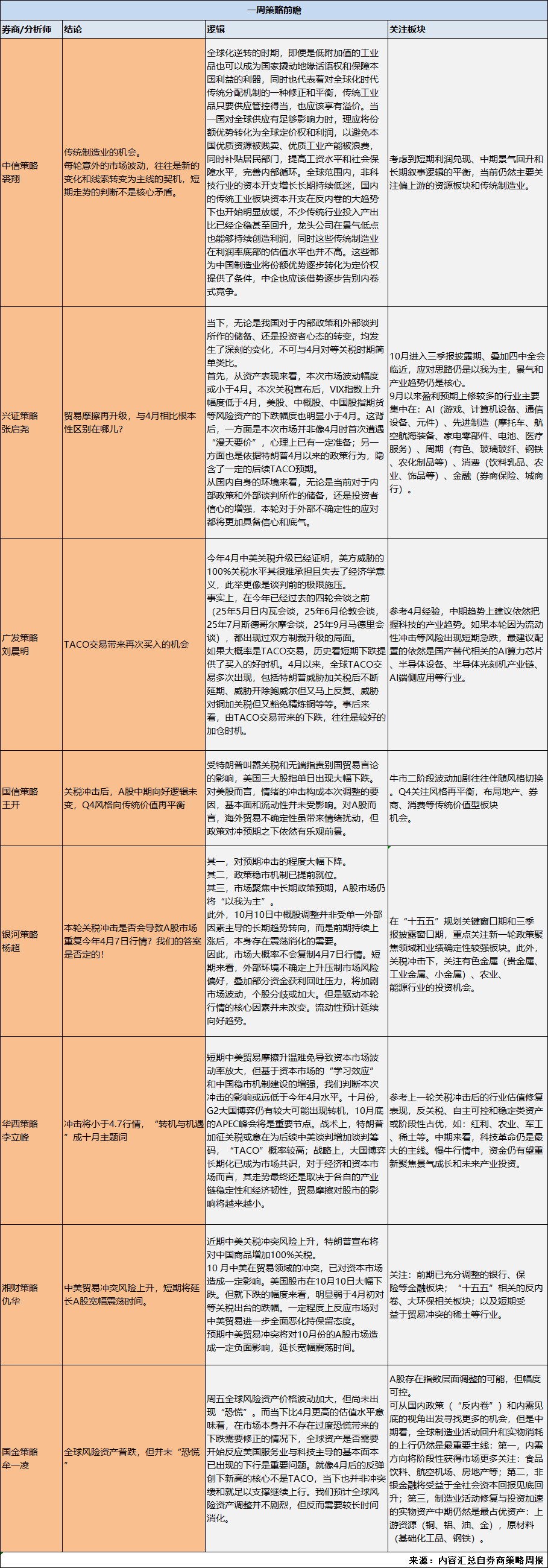
A股分析师前瞻:对比4月份关税冲击,这次又是TACO交易?
Xuan Gu Bao· 2025-10-12 13:43
Core Insights - The recent escalation of trade tensions is being compared to the situation in April, with analysts noting significant changes in both internal policies and investor sentiment, making direct comparisons inappropriate [1][2][3] - Analysts suggest that the likelihood of a TACO (Trade and Cooperation) deal is high, with historical patterns indicating that market downturns during such negotiations often present good buying opportunities [1][4] Group 1: Trade Tensions Analysis - Analysts from various firms highlight that the current trade friction is expected to lead to increased volatility in capital markets, but the impact may be less severe than in April due to improved market mechanisms and investor preparedness [2][5] - The upcoming APEC summit at the end of October is seen as a potential turning point in the G2 power dynamics, with expectations that the U.S. may use tariff threats to strengthen its negotiation position [2][3] Group 2: Market Reactions and Opportunities - Historical data shows that previous rounds of trade negotiations have led to sanctions and market reactions, with analysts suggesting that the current environment may provide opportunities for investment in sectors like rare earths, domestic demand, and self-sufficiency [2][4] - The focus on technology and industrial growth remains a key theme, with analysts recommending investments in sectors poised for growth, such as AI, semiconductor equipment, and traditional manufacturing [3][4]
关税阴云引爆“黑五”抛售,交易员坐等“TACO抄底”?
第一财经· 2025-10-12 13:34
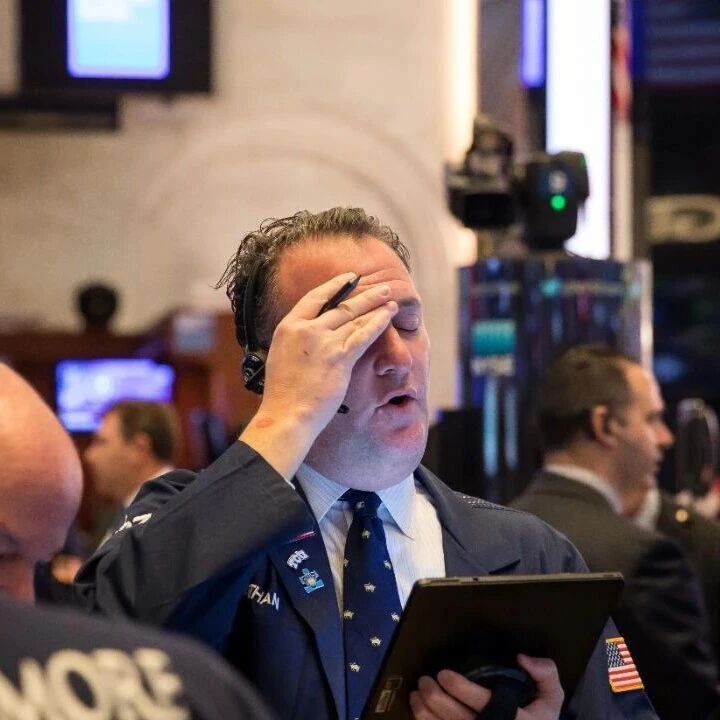
2025.10. 12 本文字数:2697,阅读时长大约4分钟 作者 | 第一财经 韦薇 当华尔街交易员在上周三离开办公室时,标普500指数刚创下历史新高,此前九个交易日中有八天上涨。 而就在周五他们离开时,市场却因关税忧虑重燃陷入低迷, 此前涨势最猛的板块(加密货币、机器 人、量子计算、 各类 AI 主题概念)承受最大压力。与此同时,象征避险需求的美国期权市场成交量再创新高 。 "黑色星期五"来得猝 不及防,A股和港股尾盘已经开始跳水,直到美股开盘后,来自美国总统特朗普讯息引爆抛售潮。 美东时间10月10日,美方宣布,针对中方采取的稀土等相关物项出口管制,将对中方加征100%关税,并对所有关键软 件实施出口管制。 对此,10月12日,商务部网站发表《商务部新闻发言人就近期中方相关经贸政策措施情况答记者问》,在其中商务部 新闻发言人表示,动辄以高额关税进行威胁,不是与中方相处的正确之道。 对于关税战,中方的立场是一贯的,我们 不愿打,但也不怕打。 多位接受第一财经采访的投行交易主管和私募投资经理认为,TACO(Trump always chickens out,特朗普总在最后 一刻退缩)交易的模式仍将重现,若 ...
投资策略周报:冲击将小于4.7行情,“转机与机遇”成十月主题词-20251012
HUAXI Securities· 2025-10-12 11:38
Market Review - Recent tensions in China-US trade relations have escalated, with President Trump announcing a 100% tariff on China starting November 1, leading to a significant drop in global stock markets, including a 3.56% decline in the Nasdaq index, the largest single-day drop since April [1][2] Market Outlook - The impact of the current tariff shock is expected to be less severe than the April incident, with the theme for October being "turning points and opportunities." The volatility in capital markets is anticipated due to the heightened trade friction, but the overall effect may be mitigated by the market's learning effect and China's improved market stabilization mechanisms [2][3] - The G2 nations are likely to see potential turning points, with the APEC summit at the end of October being a critical event. The tactical increase in tariffs may serve as leverage for future negotiations, indicating a high probability of a "TACO" (Tariff and Cooperation) scenario [2][3] - In terms of industry allocation, sectors such as dividends, agriculture, military, and rare earths may outperform in the short term, while the technology revolution remains a key medium-term theme [2][3] Asset Valuation - Current valuations of Chinese assets are considered reasonable, with the central government acting as a stabilizing force in the market. The PE ratios for major indices are within historical ranges, with the CSI 300 index at the 81st percentile and the ChiNext index at the 43rd percentile historically [3][4] - The "national team," represented by the Central Huijin Investment, has become a stabilizing factor in the market, showing maturity in responding to market shocks [3][4] Tactical and Strategic Insights - The tactical increase in tariffs by Trump may be aimed at enhancing negotiation leverage, with a high likelihood of a "TACO" scenario as the end of October approaches [3][4] - The long-term consensus is that the trade friction's impact on the stock market will diminish over time, as China's response strategies have become more proactive and mature compared to previous years [3][4]
金融工程周报:又一次TACO交易,但不会是再一次解放日-20251012
Huaxin Securities· 2025-10-12 11:34
- The report does not contain any specific quantitative models or factors for analysis or construction[1][2][3] - The content primarily focuses on macroeconomic strategies, asset allocation, and tactical trading recommendations, without detailing quantitative models or factor-based methodologies[5][6][34] - No quantitative backtesting results or specific factor performance metrics are provided in the report[1][2][3]
“TACO派 vs 等等派”--10月会是4月再现吗?
Hua Er Jie Jian Wen· 2025-10-12 10:58
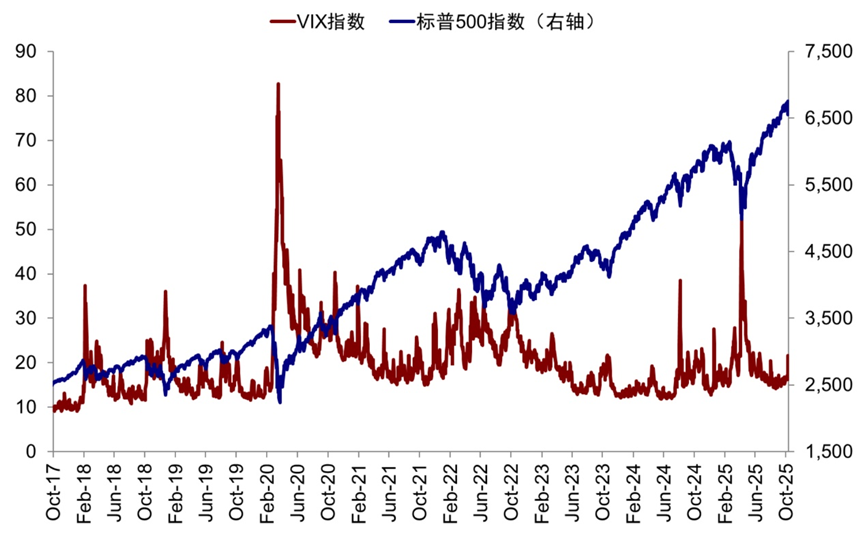
特朗普新一轮关税威胁引发全球市场波动,不同于4月的突发性冲击,多家机构指出市场已积累应对经验,恐慌程度明显降低。 民生证券邵翔团队观察到,VIX指数虽有上升但未达极端水平,海外市场反应更为"淡定"。中金刘刚团队最新数据显示,当前VIX指数为21.7,远 低于4月对等关税后的60。 广发刘晨明团队认为,这次大概率是又一次的"TACO交易",急跌将带来买入机会。民生邵翔团队表示,目前看来本轮更像5月——避免失控的基 调下市场对于摩擦和波折的定价。民生牟一凌团队则较为谨慎:根据4月以来的经验,不只是简单的"坏消息"后就是"黄金坑",当下并非冲突缓和 就足以支撑继续上行。中金刘刚团队强调,相比4月初,相对"不利"的是浮盈较多、估值较高,获利了结和落袋为安意愿更多,会造成短期波动。 TACO派:历史经验支撑 广发刘晨明团队认为,此次事件大概率重复4月以来的"TACO交易"模式。 该团队强调,100%关税水平美方很难承担且失去经济学意义,更像谈判前的极限施压。该机构提到,今年已过去的四轮中美会谈前都出现过双方 制裁升级局面。 | 谈判轮次 | 日期 | 谈判议题 | 谈判前:美方举措 | 谈判前:中方举措 | | --- ...
中美贸易冲突下各品种行情解读
Guo Tai Jun An Qi Huo· 2025-10-12 08:37
Report Summary 1. Industry Investment Rating No industry investment rating is provided in the report. 2. Core View The report analyzes the impact of the Sino-US trade conflict on various investment varieties, suggesting investors adjust their positions according to the market situation and the development of the trade war, and provides corresponding option strategies for different varieties [3][4][6]. 3. Summary by Variety Stocks - **Hong Kong Stocks**: If the trade war is less severe than expected, reduce short - term positions in the Hang Seng Technology Index and wait for better entry points. If it worsens, adopt a barbell strategy of technology (AI/innovative drugs/autonomous control) + dividends and buy technology assets at the right time [3]. - **US Stocks**: Short - term fluctuations are inevitable, but the decline will be less than in April. Reduce short - term positions and wait for better opportunities to enter the US technology stock market [3]. Futures - **Treasury Bond Futures**: Affected by the intensification of the trade war, Treasury bonds may open higher on Monday, but the upward trend may not last. Maintain a view of bottom - side oscillating and bearish [3]. - **Stock Index Futures**: The market has TACO trading expectations, but A - shares are overvalued, especially technology stocks with bubbles, and there is a risk of liquidity. The key lies in the development of the trade war and the government's willingness and strength to maintain stability. Consider buying short - term out - of - the - money put options and November call options [3]. Commodities - **Copper**: Prices are under pressure. If the trade conflict worsens, there may be further decline. The supply of copper raw materials is tight, which will be transmitted to the smelting end. Build positions by selling out - of - the - money put options on the far - month [3]. - **Aluminum**: Aluminum prices may be affected by short - term negative sentiment, but the long - term trend is bullish. Consider constructing a collar strategy by buying put options and selling out - of - the - money call options [3]. - **Energy and Chemicals** - **European Routes**: The 2510 contract may decline by 2 - 5%, the 2512 contract by about 10%, and the 2602 contract has a risk of significant decline [5]. - **Crude Oil**: There is a 5 - 6% decline in price, and a 10% decline in the most pessimistic scenario. Consider buying out - of - the - money put options for short - term speculation [5]. - **Chemicals**: The impact is mainly on ethane and propane. Consider bearish spreads and wait for the market to stabilize before selling options [5]. - **Agricultural Products**: Beans and some domestic - priced fresh products are strong, while cotton is weak. Consider buying call options on beans [5]. - **Black Metals**: The direct impact of the trade war on the fundamentals is small, but the valuation may decline. The decline amplitude may be smaller than that of other sectors [5]. - **New Energy and Related Metals** - **Lithium Carbonate**: The price may decline by 5%. Build positions by selling out - of - the - money put options and consider buying deep - out - of - the - money put options for tail protection [6]. - **Nickel**: The price is under pressure and may fluctuate. Sell out - of - the - money call options and buy out - of - the - money put options to construct a collar strategy [6]. - **Stainless Steel**: The price is expected to be weak, and it is advisable to short at high prices with a light position [6]. - **Industrial Silicon**: The price is expected to decline by 4 - 5%. Sell at - the - money call options and buy put options to construct a collar strategy [6]. - **Polysilicon**: The price may decline by 5 - 6%. Sell at - the - money call options and buy more out - of - the - money call options to construct an inverse spread option [6].
债市多种叙事切换,“TACO”交易能否重现?
ZHONGTAI SECURITIES· 2025-10-12 06:24
1. Report Industry Investment Rating No information about the industry investment rating is provided in the report. 2. Core Viewpoints of the Report - In September, most bond varieties saw corrections, with long - end interest - rate bonds and long - end Tier 2 and perpetual bonds (referred to as "Er Yong" bonds) leading the decline, which are the heavy - position bonds preferred by funds. The "killing of funds' heavy - position bonds" in this round has a more significant curve steepening compared to the adjustment in Q4 2022 [1][5]. - Although commodity demand has weakened, inflation expectations remain strong. If PPI is transmitted to core CPI, the year - on - year core CPI in March next year may reach 1.6%, and real interest rates may decline [1][20]. - In the fourth - quarter bond market, from the EVA comparison perspective, 30Y treasury bonds have a high comparison advantage over mortgage loans, while 10Y treasury bonds are relatively neutral. Despite weak fundamentals, the necessity of interest - rate cuts may not be high from the perspective of real interest rates. Currently, the IRS - implied interest - rate cut expectation is low. Insurance bond - allocation growth may be weaker than before, and banks may redeem funds in advance, which is unfavorable to the bond - market supply - demand structure. The impact of the new round of tariff turmoil on the bond market is smaller than that in April [1][23][34]. 3. Summary by Relevant Catalogs 3.1 9 - Month Institutional Behavior Pattern: Killing Funds' Heavy - Position Bonds - **Bond Market Correction in September**: Interest - rate bonds' long - end correction was greater than the short - end, with the curve steepening and long - end spreads widening, while the 5Y - 3Y spread narrowed. The long - end of "Er Yong" bonds led the decline, and the credit spreads of 5 - 7Y varieties widened rapidly [5]. - **Funds' Bond Preferences**: Since 2024, funds have preferred to net - buy 7 - 10Y interest - rate bonds, 20 - 30Y treasury bonds, 1 - 5Y medium - term notes, and 7 - 10Y "Er Yong" bonds, except for short - term financing bonds [8]. - **Comparison with Q4 2022**: Both rounds showed the characteristic of "Er Yong" bonds leading the decline, but in this round, the short - end decline was small, and the curve steepening was more significant [9]. - **Funds' Trading Behavior**: In September, funds mainly sold "Er Yong" bonds, 10Y old policy - bank bonds, and old ultra - long treasury bonds. They had a net - selling of 16 billion yuan of cash bonds in total, with 101.5 billion yuan of other bonds (including "Er Yong" bonds) mainly sold in the 7 - 10Y and over 30Y maturities, and 55.2 billion yuan of old 20 - 30Y treasury bonds sold. At the same time, they also bought new treasury bonds of the same maturities [13]. - **Funds' Selling Progress**: Fund selling has accelerated, but there is still a large clearing space, and funds can still be seen in ultra - long active bonds [16]. 3.2 Commodity Demand Weakens, but Inflation Expectations Remain Strong - **Commodity Market Situation**: The "Golden September and Silver October" in the commodity market was not as expected. After the pre - holiday inventory - replenishment narrative ended, commodities reached the lowest point after the Politburo meeting. There was a differentiation between upstream and downstream, with the downstream dominated by the "supply - demand logic" and the upstream by the "anti - involution" logic [18]. - **Inflation Expectations**: According to the monthly spread of coking coal, the year - on - year PPI in 2026 was priced at 1.2% on September 30th, and it may exceed 2% in April. If PPI is transmitted to core CPI, the year - on - year core CPI in March next year may be 1.6%, and real interest rates may decline, with the effect of re - inflation similar to the interest - rate cut in 2024 [18][20]. - **Travel and Consumption Improvement**: During the 8 - day National Day and Mid - Autumn Festival holiday this year, the number of tourist trips increased by 16.1% year - on - year, and domestic tourism spending increased by 13.5%. The daily average number of tourist trips increased by 1.6%, and consumption increased by 1%. Since 2022, the economic cycle has been in the recovery stage, and by October 2025, the number of tourist trips (+10.4%) and tourism revenue (+3.1%) have exceeded the 2019 levels [21]. 3.3 Fourth - Quarter Bond - Market Highlights: Comparison, Institutional Behavior, and Tariff Re - trading - **EVA Comparison Perspective**: As of the end of September, the after - tax EVA level of 30Y treasury bonds was 2.15%. Even considering the restoration of value - added tax on interest income, it had a high comparison advantage over the existing mortgage loan rate of 1.71%, with the spread reaching the 79% historical quantile since 2015. However, the EVA spread of 10Y treasury bonds compared to general loans only recovered to the 24% historical quantile, with a relatively neutral comparison advantage [23]. - **Fundamental Perspective**: Economic data from July to August was weak. Investment - end sub - items declined significantly, and the previously strong social retail sales also declined. Manufacturing growth turned negative, infrastructure investment declined, and real - estate investment continued to decline. Although this may lead to expectations of interest - rate cuts, from the perspective of real interest rates, the necessity of interest - rate cuts may not be high, and currently, the IRS - implied interest - rate cut expectation is low [26][30][32]. - **Institutional Behavior**: Currently, the market risk preference is high. Insurance bond - allocation growth may be weaker than before, and banks may redeem funds in advance, which is unfavorable to the bond - market supply - demand structure [34]. - **Tariff Turmoil**: The impact of the new round of tariff turmoil on the bond market was smaller than that in April. The decline in the A - share adjustment space on Monday may not be large. Compared with April, the increments in the A - share market include a strong AI industry trend, more familiarity with the "TACO" investment model, but also the risk of high valuations [36][37][38].
不必自己吓自己!明天A股的应对思路就在这里
Mei Ri Jing Ji Xin Wen· 2025-10-12 04:34
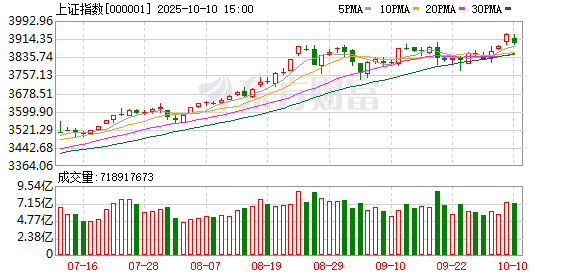
Core Viewpoint - The recent market fluctuations are described as a "predictable black swan," suggesting that while volatility is concerning, it is also an opportunity for investors to refine their strategies and approach the market with a clearer perspective [2]. Market Performance Analysis - The A-share market has shown significant divergence in performance, with some indices like the Shanghai Composite and CSI 1000 recently breaking through resistance levels, while others are facing critical support tests [2]. - The overall market sentiment is mixed, with the average stock price in the A-share market positioned between a slight decline and a stable trend [5][6]. Impact of External Factors - The recent downturn in global risk assets has led to a notable decrease in risk appetite, but the current A-share index level is higher compared to previous downturns, indicating a different market resilience [15]. - Analysts suggest that the impact of U.S.-China trade tensions is less severe now than in April, as the market has adapted and learned from past experiences [15][17]. Investment Strategy Recommendations - Investors are advised to remain cautious and consider waiting for a more favorable entry point, especially in high-quality sectors, rather than reacting impulsively to market fluctuations [23]. - The banking and power sectors are highlighted as potential stabilizers for the index, while technology stocks are expected to maintain their volatility and growth potential despite short-term adjustments [24][26]. Future Outlook - The upcoming APEC meeting and the evolving trade landscape may influence market sentiment, with expectations of a more stable environment post-adjustment [17][20]. - The technology sector is anticipated to receive further policy support, which could drive future market interest and investment opportunities [27].
全线暴跌!下周怎么办?
格隆汇APP· 2025-10-11 11:55
Core Viewpoint - The article discusses the significant market downturn triggered by Trump's announcement of a 100% tariff on Chinese goods, leading to a sharp decline in major stock indices and concerns about the upcoming market reactions in Hong Kong and A-shares [3][8][20]. Market Reaction - The Nasdaq index fell over 3%, marking its largest single-day drop since April, with major tech stocks like TSMC, Tesla, and Nvidia experiencing declines of over 5% [9][10]. - Chinese stocks were particularly hard hit, with the Nasdaq Golden Dragon China Index dropping over 6% [10]. - European markets also saw declines, with the Euro Stoxx 50 index down 1.75% [10]. Commodity and Asset Movements - Oil prices plummeted, with WTI crude down over 4.24% and Brent crude down 4.62% [10]. - Bitcoin experienced a significant drop, falling over 13% to a low of $104,920, while Ethereum dropped over 17% [10]. - In contrast, safe-haven assets like gold rose over 1%, surpassing $4,000 per ounce, and the yield on the 10-year U.S. Treasury fell to 4.034% [13]. Tariff Implications - The announcement of the 100% tariff is reminiscent of the market turmoil seen in April, where the Shanghai Composite Index experienced a drop of nearly 9% [16]. - The article highlights the potential for significant market volatility if no positive developments occur before the opening of the domestic markets [20]. Sector Performance - The article provides a table showing sector performance in response to previous tariff announcements, indicating varying impacts across sectors such as consumer goods, utilities, and technology [18]. - It notes that sectors with high export exposure, like consumer electronics and power equipment, may be particularly vulnerable to tariff impacts [17]. Future Outlook - The article suggests that unless there are significant positive developments, the domestic stock market is likely to face a substantial correction [20]. - It emphasizes the importance of monitoring the evolving situation regarding tariffs and potential negotiations between the U.S. and China [29][30]. Investment Opportunities - The article identifies potential investment opportunities in sectors that may benefit from domestic policy support, such as semiconductor equipment, high-end manufacturing, and military-related industries [31]. - It also mentions the appeal of high-dividend blue-chip stocks and sectors less affected by tariffs, such as essential consumer goods and agriculture [32].