
能源危机

Search documents
“It Doesn’t All End Well When You Go To Meta Platforms, Inc. (META),” Says Jim Cramer
Insider Monkey· 2025-09-10 17:28
Core Insights - Artificial intelligence (AI) is identified as the greatest investment opportunity of the current era, with a strong emphasis on the urgency to invest now [1] - The energy demands of AI technologies are immense, with data centers consuming as much energy as small cities, leading to concerns about power grid capacity and rising electricity prices [2] - A specific company is highlighted as a key player in the AI energy sector, owning critical energy infrastructure assets that are essential for supporting the anticipated surge in energy demand from AI [3][7] Investment Opportunity - The company in focus is not a chipmaker or cloud platform but is positioned to benefit significantly from the increasing energy needs of AI data centers [3] - It operates in the nuclear energy sector, which is crucial for America's future power strategy, and is capable of executing large-scale engineering projects across various energy sectors [7] - The company is debt-free and has a substantial cash reserve, equating to nearly one-third of its market capitalization, making it financially robust compared to other firms in the energy sector [8] Market Position - The company is involved in U.S. LNG exportation, which is expected to grow under the current administration's energy policies, positioning it favorably in the market [7] - It has an equity stake in another AI-related company, providing investors with indirect exposure to multiple growth opportunities in the AI sector [9] - The stock is considered undervalued, trading at less than seven times earnings, which presents a compelling investment case [10] Future Trends - The ongoing AI infrastructure supercycle, combined with the onshoring boom and a surge in U.S. LNG exports, creates a favorable environment for the company's growth [14] - The influx of talent into the AI sector is expected to drive continuous innovation and advancements, further solidifying the importance of energy infrastructure in supporting this growth [12] Conclusion - The company represents a unique investment opportunity at the intersection of AI and energy, with the potential for significant returns as the demand for energy in the AI sector escalates [11][13]



从基辅到柏林:欧洲能源价格暴涨300%,谁才是俄乌战局真正赢家?
Sou Hu Cai Jing· 2025-08-28 07:07
Group 1: Iran and North Korea's Support to Russia - Iran's support is weak, with only an 8.7% increase in exports to Russia in 2024, primarily in drone components, while oil exports are limited due to Western sanctions [2] - North Korea's symbolic support includes only 120,000 tons of food exports to Russia in 2025, insufficient for military needs, and confirmed zero weapon deliveries [2] - Both countries face significant internal challenges, with Iran's currency devaluing over 60% and North Korea experiencing food shortages [2] Group 2: China's Economic Support to Russia - China and Russia's trade increased by 26.3% in 2024, with energy cooperation being a critical factor [4] - China's non-alignment strategy allows it to provide strategic support to Russia without direct military involvement, acting as a geopolitical buffer [4] - The trade relationship has evolved into a lifeline for Russia amidst Western sanctions, as highlighted by the Federal Reserve Chairman [4] Group 3: Europe's Energy Crisis - European natural gas prices surged by 320% compared to pre-war levels, with Germany's industrial electricity costs exceeding $0.5 per kilowatt-hour [5] - The eurozone manufacturing PMI has been below the growth line for 11 consecutive months, indicating a significant economic downturn [5] - European countries are increasingly reliant on third-party imports of Russian oil, with India's oil exports to Europe rising by 200% in early 2025 [4][5] Group 4: Ukraine's Economic Collapse - Ukraine's GDP is projected to shrink by 35% compared to pre-war levels, with public sector salaries dropping below $150 per month [7] - Infrastructure damage is severe, with 78% of railways non-operational and a 89% decline in port throughput [7] - The food crisis is exacerbated by Russian military actions, leading to a significant drop in wheat exports [7] Group 5: Overall Geopolitical Dynamics - Iran's drones and North Korea's food supplies are viewed as mere geopolitical decorations, while China's steel and energy are essential to Russia's strategic framework [8] - European sanctions and Ukraine's resistance are ultimately seen as expendable in the larger context of great power competition [8] - The ongoing conflict has transformed into a struggle for economic survival, where maintaining economic lifelines is crucial for success [10]
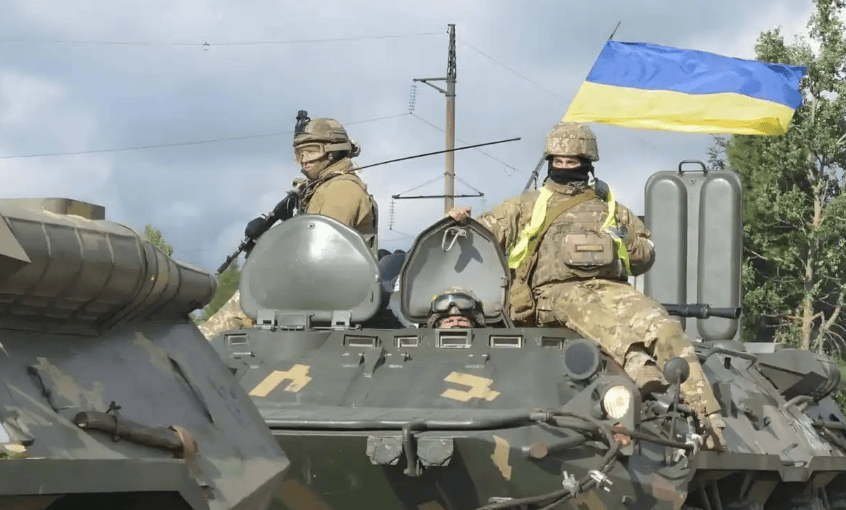
俄罗斯发动大规模袭击:能源危机加剧?欧盟紧急援助解析
Sou Hu Cai Jing· 2025-08-20 02:52
Group 1: Military Tactics and Technology - The recent Russian drone and missile attacks on Ukraine represent a tactical upgrade from "precision strikes" to "systematic destruction," targeting critical energy infrastructure [1][3] - The use of "tunnel infiltration" tactics by Russian forces in Donetsk has led to significant Ukrainian casualties, with daily losses exceeding 800 soldiers [4] - Russia's new "three-wave strike" model using drones has reduced Ukraine's interception rate from 60% to 38%, showcasing a technological arms race in drone warfare [6] Group 2: Energy Crisis and Economic Impact - The International Energy Agency (IEA) predicts that if the disruption of Ukrainian gas supplies continues until October, European gas storage levels could fall below 65%, leading to soaring energy prices [8] - The blockade of Odessa port has resulted in 2 million tons of grain being stranded, causing protests in countries reliant on Ukrainian grain [12] - The financial markets are reacting to the crisis, with Chicago wheat futures surging by 18%, marking the highest increase since the onset of the conflict [12] Group 3: International Relations and Strategic Responses - The European Union is facing strategic dilemmas as it initiates an "energy security emergency plan" amid conflicting interests among member states [7] - The U.S. is experiencing strategic shifts, with a mix of pressure on Ukraine and concessions to Russia, indicating a complex geopolitical landscape [11] - China's proposal for a UN-led energy facility protection zone reflects a neutral stance that could facilitate future negotiations [14]

乌军袭击俄境内输油泵站,俄向欧洲输油管道输油中断,欧洲能源可能受其影响
Sou Hu Cai Jing· 2025-08-19 07:35
Core Points - Ukrainian military conducted a drone attack on an oil pumping station in Russia, disrupting the "Friendship" oil pipeline, a crucial route for oil supply to Europe [1][3] - The operation indicates a shift in tactics, showcasing Ukraine's capability to strike deep within Russian territory [3] - The interruption of oil supply may lead to uncertainty in international oil prices and impact energy supply in Europe, potentially increasing pressure on local populations [3] Summary by Categories Military Actions - Ukrainian forces executed a drone strike on an oil pumping station in Russia, halting operations that supply the "Friendship" pipeline [1] - This action reflects a proactive military strategy by Ukraine, demonstrating their ability to target critical infrastructure within Russia [3] Energy Impact - The disruption of the "Friendship" pipeline could have significant implications for energy transportation, affecting oil supply to Europe [1][3] - There is potential for increased volatility in international oil prices due to the interruption, which may strain energy resources in Europe [3]

原油&油品行情展望
Guo Tou Qi Huo· 2025-08-14 11:31
Report Summary 1. Core View - In the context of the domestic "anti-involution" theme, the mid - and downstream black and chemical sectors have relative returns, and processing profits still face the need for repair [3] - Refining profits are passively repaired, and the processing demand in the peak season of the fourth quarter recedes [33] 2. Summary by Related Catalogs Energy - related Commodity Prices - The report presents the unit heat - value price performance of energy - related commodities and the cumulative price changes of commodities in the post - energy - crisis era, including TTF natural gas futures, API2 Rotterdam Q6000 coal futures, ICE NEWC futures, and Brent crude oil futures [3][4] Crude Oil Spot and Futures Spreads - It shows the spot - futures spreads of various crude oils such as Forties, IK Fisker crude, CPC Blend CIF, etc., and the spreads between different crude oil futures contracts like Brent C1 - C7, dated BFOE - WTI Cushing, etc [6] OPEC+ Production - Displays OPEC+ production, production quotas, target production, and the production of Saudi Arabia and Russia. Also shows the weekly loading volume of crude oil from 9 OPEC countries [8] Crude Oil Exports - Presents the crude oil exports of Iran and Venezuela, including their exports to China [11] Geopolitical Risks - Displays the probability forecasts of geopolitical events such as the US - Iran nuclear agreement, Iran's blockade of the Strait of Hormuz, and the Russia - Ukraine cease - fire agreement in 2025 [12] US Oil Production - Covers the number of non - Gulf of Mexico oil rigs in the US, the monthly average price of WTI (with a 4 - month lag), the breakdown of new shale oil production in the US, and the dynamic adjustment of US crude oil production forecasts [15][16][17] Non - OPEC and Other Regions' Oil Supply - Shows the oil supply growth rate of non - OPEC, Russia, and shale oil regions, the crude oil and condensate production of 4 American countries, and the new conventional production capacity in 2025 in countries like Norway, the US, etc [19] Federal Reserve Policy and Global Manufacturing - Displays the pricing of the remaining number of Fed rate hikes in 2025 and the global manufacturing PMI of the US, Eurozone, Japan, China, India, etc [22] Global Oil Demand - Shows the downward adjustment of global oil demand growth rate by institutions in April 2025 and the forecast of global oil demand growth rate by product [24] US and Chinese Oil Product Demand - Presents the year - on - year growth rate of the 4 - week average of US refined oil product demand, the demand for gasoline and diesel in China, and China's refined oil product exports [28][31] Refining Profits and Capacity Utilization - Displays the comprehensive refining profits of refineries in Singapore, Northwest Europe, and the US Gulf, the refining margins of Chinese refineries, and the capacity utilization rates of Chinese and international refineries [34] Crude Oil and Oil Product Inventories - Covers the on - land commercial inventory, floating storage inventory, and total inventory of crude oil, as well as the global inventory of refined oil products, light distillates, diesel, kerosene, fuel oil, etc [36][38] OPEC+ Supply - Demand Balance - Shows the global demand for OPEC+ crude oil supply under the baseline scenario, the supply - demand gap, and the global oil inventory [40] Other Oil - related Data - Displays the monthly asphalt production of domestic refineries, the shipping destination structure of Venezuelan oil, the spot - futures spreads of Singapore fuel oil, the ship - refueling spreads, and the high - low sulfur spreads [43][52][53]
新能源及有色金属周报:能源危机担忧为时尚早,氧化铝现货价格快速下滑-20250622
Hua Tai Qi Huo· 2025-06-22 08:41
Report Industry Investment Rating - Aluminum: Neutral [7] - Alumina: Cautiously bearish [7] Core Viewpoints - Energy crisis concerns are premature, and the spot price of alumina is rapidly declining [1] - Aluminum consumption shows marginal weakening, and inventory reduction is slowing down, but the absolute inventory is at a historical low. Alumina prices are in a downward trend, and the smelting profit of electrolytic aluminum is expanding [6] - The cost of alumina remains stable, while production and inventory are increasing. The spot price is falling rapidly, and the long - term oversupply pattern remains unchanged, making the price more likely to fall than rise [6] - The supply of scrap aluminum for aluminum alloy is tight, and the smelting loss is at a historically high level. Cost support is emerging, and cross - variety arbitrage can be considered [6] Summary by Related Catalogs Aluminum - **Price**: As of the week of June 20, 2025, the LME aluminum price increased by 1.79% to $2,561.5/ton, and the SHFE aluminum main contract increased by 1.06% to 20,465 yuan/ton. The LME aluminum spot premium (0 - 3) changed from -$0.42/ton last week to $11.16/ton [1] - **Supply**: As of the week of June 20, the weekly operating capacity of electrolytic aluminum remained basically stable and will maintain a steady and slight increase in the future. The built - in capacity is 45.2 million tons, the operating capacity is 44.15 million tons, a weekly increase of 10,000 tons, and the operating rate is 97.7% [1] - **Demand**: According to SMM data, the operating rate of domestic aluminum downstream aluminum profile leading enterprises decreased by 1.5% to 52.5% compared with last week, the operating rate of aluminum plate, strip and foil decreased by 1.06% to 69.36%, the output of aluminum plate, strip and foil decreased by 0.57 million tons to 372,470 tons, and the average operating rate of aluminum cables remained unchanged at 63.2% [1] - **Inventory**: As of June 19, 2025, the domestic social inventory of electrolytic aluminum ingots was 449,000 tons, a decrease of 11,000 tons from last week; the aluminum rod inventory was 134,500 tons, an increase of 7,000 tons from last week. As of June 20, 2025, the LME aluminum inventory was 342,900 tons, a decrease of 12,800 tons from the same period last week [1] - **Profit**: As of June 13, 2025, the weighted production cost of the electrolytic aluminum industry was about 17,000 yuan/ton, the immediate production profit was about 3,750 yuan/ton, and the marginal maximum production cost was 18,500 yuan/ton [2] Alumina - **Price**: As of the week of June 20, 2025, the main alumina contract price decreased by 0.17% to 2,890 yuan/ton. The spot prices in Shanxi, Henan, Shandong, Guizhou, and Guangxi decreased week - on - week, while the FOB price of imported alumina remained unchanged at $370/ton [3] - **Supply**: As of the week of June 20, according to阿拉丁 data, the national built - in capacity of alumina was 112.92 million tons, the operating capacity was 93.05 million tons, a weekly increase of 400,000 tons, and the operating rate was 82.4% [3] - **Cost**: As of the week of June 20, the quoted price of bauxite on the website remained unchanged at $74.5/ton. The seaborne freight dropped from $27/ton to $22/ton [3] - **Inventory**: As of June 20, 2025, the national alumina inventory was 3.84 million tons, an increase of 22,000 tons from last week. The raw material inventory of electrolytic aluminum plants was 2.826 million tons, a weekly increase of 18,000 tons; the platform and port inventory was 906,000 tons, a weekly decrease of 4,000 tons; the warehouse receipt inventory was 42,000 tons, a decrease of 37,000 tons [4] - **Profit**: As of June 20, 2025, based on imported ore at $75/ton, the full production cost of marginal high - cost enterprises was about 2,900 yuan/ton, and the production profit was about 350 yuan/ton. The production profit using domestic ore was about 300 yuan/ton. Alumina imports started to incur losses [4] Aluminum Alloy - **Price**: As of June 20, 2025, the Jiangxi Baotai quotation was 19,500 yuan/ton, a week - on - week decrease of 100 yuan/ton [5] - **Inventory**: The social inventory of aluminum alloy was 23,800 tons, a week - on - week increase of 1,500 tons; the in - plant inventory was 82,900 tons, a week - on - week decrease of 2,100 tons; the total inventory was 106,700 tons, a week - on - week decrease of 600 tons [5] Strategy - **Single - side trading**: Be neutral on aluminum and cautiously bearish on alumina [7] - **Arbitrage**: Conduct calendar spread arbitrage on aluminum, going long on AD11 and short on AL11 [7]
红星观察|以伊对攻暂呈“半斤八两” 专家:未来真正变量,是美国是否进一步介入
Xin Lang Cai Jing· 2025-06-16 08:33
Core Viewpoint - The ongoing military confrontation between Iran and Israel has escalated from "remote confrontation" to "direct attacks," with both sides demonstrating strong offensive capabilities but significant defensive weaknesses, necessitating external support for both parties [2][4]. Group 1: Military Actions - Since June 13, Israel has conducted large-scale airstrikes on Iranian nuclear facilities and military targets, resulting in significant casualties [2]. - Iran has retaliated with ballistic missiles and drones, launching approximately 100 missiles in one attack and planning to increase this number to 4,000 in future strikes [4][5]. - Both Iran and Israel have engaged in multiple rounds of airstrikes against each other's critical infrastructure, including oil production and military facilities [3][4]. Group 2: Strategic Analysis - Both Iran and Israel exhibit strong offensive capabilities; however, they have notable defensive shortcomings. Israel's air defense systems are insufficient against large-scale missile attacks, while Iran's missile capabilities pose a continuous threat [4][5]. - The tactical balance between the two nations has reached a point where their offensive capabilities are somewhat equalized, despite Iran's missile costs being significantly higher than Israel's interception costs [5]. Group 3: International Implications - The conflict has broader implications for global energy, shipping, and financial systems, potentially leading to international chain reactions [2]. - The U.S. has canceled the sixth round of nuclear negotiations with Iran, indicating a shift in diplomatic efforts due to the escalating conflict [6]. - There are indications that the U.S. may apply pressure on Iran to return to negotiations, but Iran remains firm on its nuclear rights and is unlikely to compromise easily [6][9].
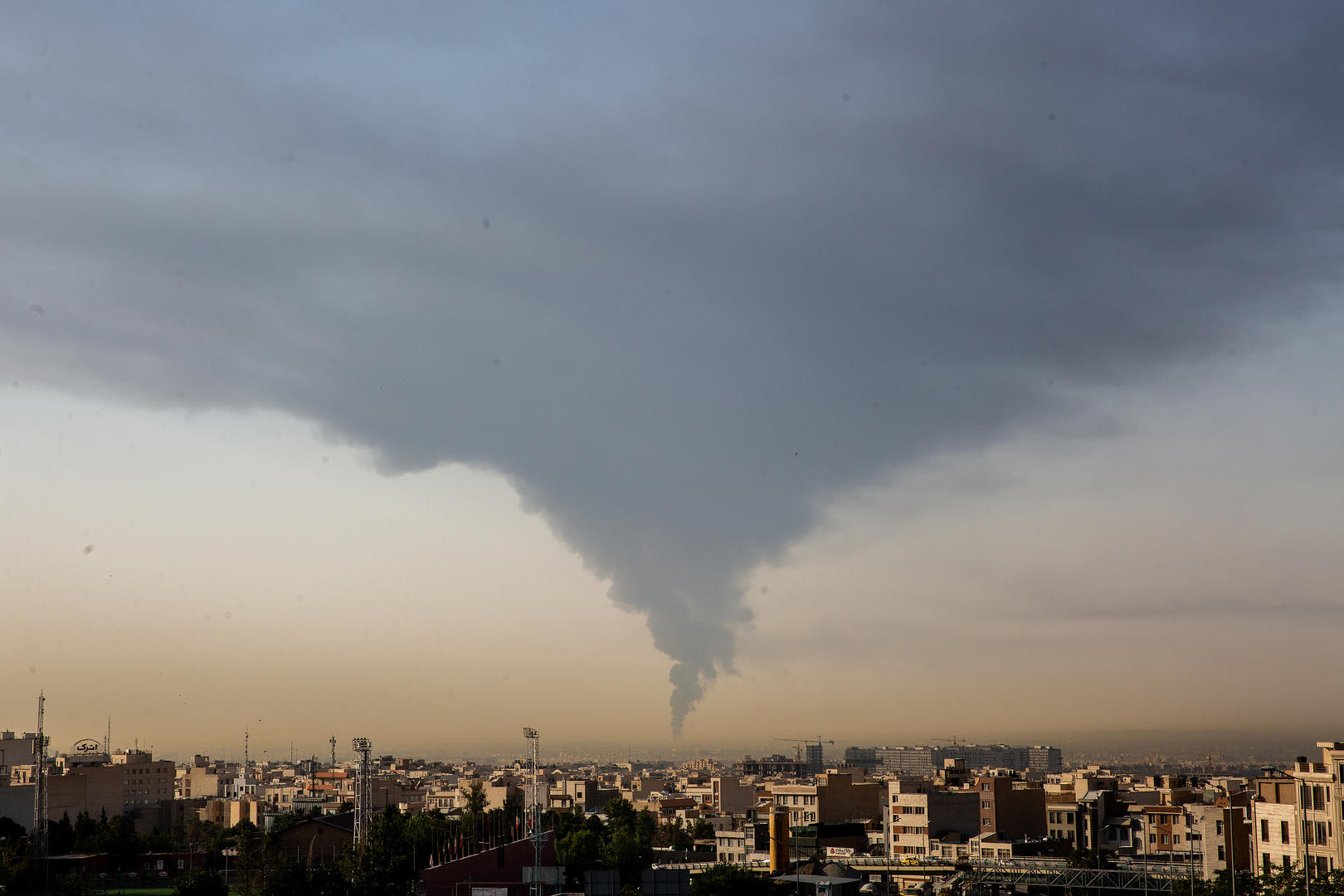
欧洲化工企业遭受较大打击,维生素A、E产能占比高
Sou Hu Cai Jing· 2025-05-29 03:12
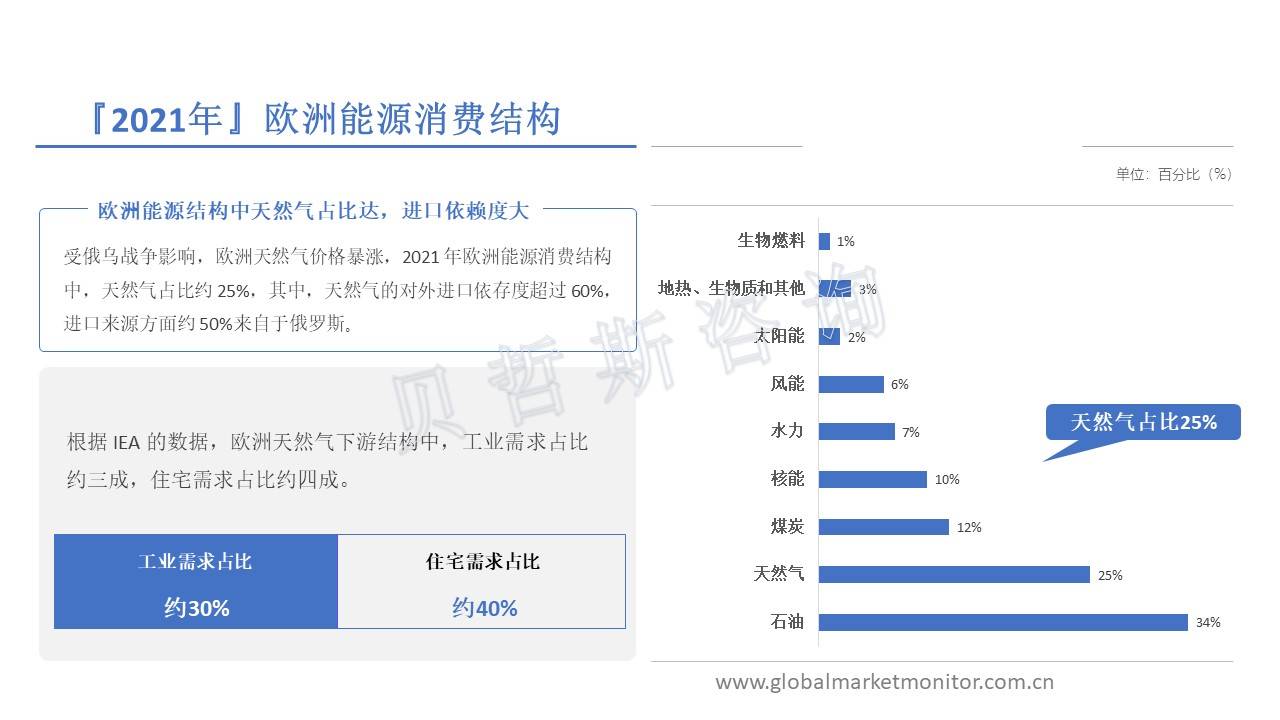
Group 1: European Natural Gas Market - The European natural gas prices have surged significantly this year due to the impact of the Russia-Ukraine war [1] - In 2021, natural gas accounted for approximately 25% of Europe's energy consumption, with over 60% of its supply being imported, about 50% of which came from Russia [1] - The Nord Stream 1 pipeline had a normal annual transmission capacity of around 55 billion cubic meters, representing about 30% of Russia's pipeline gas supply to Europe in 2021 [1] Group 2: Chemical Industry Impact - The chemical industry relies heavily on natural gas, both as a primary energy source and as a key raw material for certain chemical products [1] - In Germany, nearly 40% of the industrial demand for natural gas comes from the chemical and petrochemical sectors, which alone account for 14% of the downstream demand structure for natural gas [1] - Due to the current tight supply and high prices of natural gas in Europe, some chemical companies have reduced or halted production [1] Group 3: Vitamin Production and Demand - Over 40% of the global production capacity for Vitamin A and about 30% for Vitamin E is located in Europe, which may tighten further if the energy crisis persists, supporting prices [4] - The downstream demand for Vitamin A primarily comes from animal feed, accounting for 84.81%, while Vitamin E's demand also largely stems from feed, at around 70% [4] - Global feed production has maintained low but stable growth over the past three years, with China's feed production reaching 261 million tons in 2021, a year-on-year increase of 8.94% [4] Group 4: Pig and Poultry Feed Market - In 2021, pig feed accounted for approximately 45% of China's total feed production, while poultry feed represented about 41% [6] - The poultry farming cycle is often influenced by the pig farming cycle, with a recovery in pig and breeding sow inventories observed since 2020 after a decline due to African swine fever [6] - As of the end of 2021, the inventory of pigs and breeding sows reached 449 million and 43.29 million heads, respectively, with rising pig prices improving farming profitability and encouraging farmers to increase stock [6]
俄罗斯石油只够开采26年,但事实真是这样吗?
Sou Hu Cai Jing· 2025-05-27 20:34
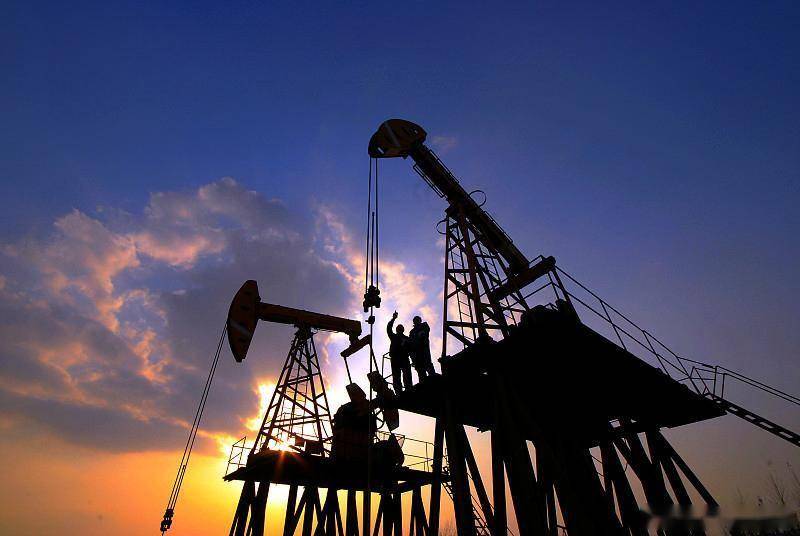
Core Viewpoint - The claim that Russia's oil reserves will only last for 26 years is misleading, as it only considers a portion of the proven reserves and does not reflect the total potential available [1][4][9]. Group 1: Oil Reserves - Russia's estimated total oil reserves are approximately 950 billion tons, which is more than seven times the currently extractable reserves [3]. - The officially proven extractable oil reserves are about 130 billion tons, which, at a production rate of over 500 million tons per year, would last for 65 years, contradicting the 26-year claim [4][5]. - The 130 billion tons represent only a small fraction of the total proven reserves of 310 billion tons, with two-thirds of the reserves still unexplored [4]. Group 2: Energy Strategy - The statement regarding oil scarcity serves as a reminder for the domestic energy exploration system, urging companies to accelerate the discovery of remaining reserves [5][9]. - Russia's energy strategy extends to 2050, indicating a long-term vision that goes beyond immediate oil production concerns [5][9]. - The country possesses significant energy resources beyond oil, including 63.4 trillion cubic meters of natural gas and 2.727 billion tons of coal, which could last for over a century and 500 years, respectively [7]. Group 3: Market Implications - The narrative of an impending oil crisis is seen as a strategic move to create urgency among energy companies and the public, prompting a new wave of exploration [9][12]. - Russia aims to maintain control over its energy resources and not rely solely on oil and gas exports, indicating a broader approach to energy management [7][12]. - The situation highlights the importance of proactive resource management and the need for countries to assess their own energy sufficiency [9].
整理:每日全球大宗商品市场要闻速递(5月23日)
news flash· 2025-05-23 06:29
Energy - Syria's Energy Minister announced commitment to complete the natural gas pipeline project with Turkey, with supply expected to start in June [1] - Turkey's Energy Minister stated that Turkey will provide 1,000 megawatts of electricity and 2 billion cubic meters of natural gas daily to Syria [3] - Egypt is negotiating to purchase 40 to 60 liquefied natural gas (LNG) cargoes this year to address a worsening energy crisis [3] - Japan's government indicated that it will not seek energy conservation measures this summer [3] - Germany's Chancellor supports the ban on the Nord Stream gas pipeline to prevent a reconnection between the US and Russia [3] Steel and Agriculture - The World Steel Association projected that China's crude steel production will remain flat year-on-year at 86 million tons by April 2025 [3] - The US Department of Energy designated coal used for steelmaking as a critical material [3] - The South Korean Ministry of Finance will closely monitor the impact of US tariffs on agricultural and food exports and develop support measures [3] - The EU Parliament supports imposing high tariffs on fertilizers and agricultural products from Russia and Belarus [3] - The Russian Industrial Association warned that EU tariff measures against Russia will lead to significant increases in global food and fertilizer prices [3] - Russia will not lower the minimum price recommendations for wheat traders before the end of the export season on July 1 [3]