即时零售

Search documents
食品饮料行业周报:即时零售“反内卷”,短期爆发转向常态化布局-20250721
Huaxin Securities· 2025-07-21 01:11
Investment Rating - The report maintains a "Recommended" investment rating for the food and beverage industry [5][8]. Core Views - The report highlights a shift from short-term explosive growth in instant retail to a more normalized layout, indicating a stabilization in the market dynamics [5][7]. - The white liquor sector is experiencing inventory adjustments, with companies taking measures to stabilize prices amid increasing industry pressures [5][6]. - The new consumption sector is expected to see a reduction in aggressive subsidy wars, but competition will remain a constant factor [7][8]. Summary by Sections Industry News - In June, the manufacturing value added of the liquor and tea industry grew by 3.4% year-on-year [17]. - The production of white liquor from January to June reached 1.916 million kiloliters [17]. - The China Chain Store and Franchise Association issued a statement against "involution" competition in instant retail [17]. Company News - Water井坊 reported a 13% decrease in total revenue for H1 2025, with a net profit drop of 57% [5]. - 酒鬼酒 expects a net profit of 0.08-0.12 billion yuan for H1 2025, down 90%-93% year-on-year [5]. - Guizhou Moutai launched its first live broadcast on Douyin for Moutai sauce-flavored liquor [17]. Investment Insights - The white liquor sector is seeing low valuations, with many companies engaging in stock buybacks and increasing dividends, indicating potential for future capital inflows [5]. - The mass consumer goods sector is facing profit pressure due to cost fluctuations, with companies like洽洽食品 and 甘源食品 reporting significant declines in net profits [6]. - The beverage sector is approaching peak season, with a focus on new consumption opportunities, particularly in tea and chain dining [8]. Key Company Focus and Earnings Forecast - The report emphasizes companies such as 泸州老窖, 古井贡酒, and 贵州茅台, all rated as "Buy" with projected earnings per share (EPS) growth [10][12]. - The beverage market is expected to benefit from changes in retail channels, with companies like 沪上阿姨 and 茶百道 highlighted for their growth strategies [8][10].





鞋服品牌打响“半小时达”闪电战,即时零售渗透千亿市场
3 6 Ke· 2025-07-20 23:34
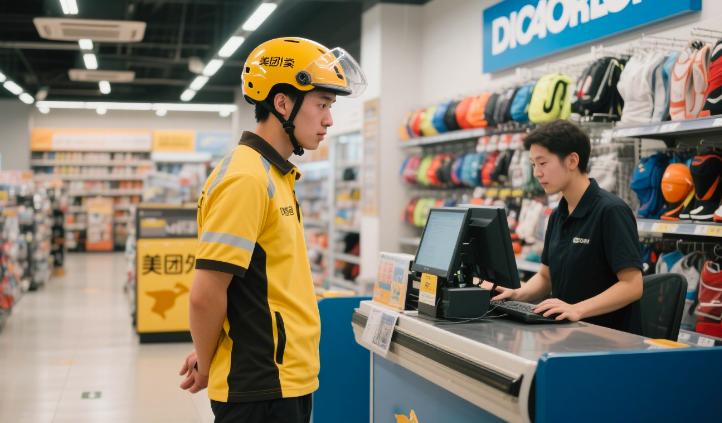
Core Insights - The article highlights a shift in clothing consumption from planned purchases to on-demand, scenario-based buying, driven by the rise of instant retail, which allows for rapid delivery similar to food delivery services [1][16] Instant Retail Growth - Instant retail is expanding across all categories, with clothing becoming a new growth point. The market size for instant retail is expected to exceed 1.4 trillion yuan by 2025, with a compound annual growth rate of 25% over the next five years [2] - Non-food orders on instant retail platforms have significantly increased, with Meituan's non-food instant retail daily order volume surpassing 18 million by March this year [2] Consumer Behavior Changes - There is a fundamental shift in consumer behavior, with 50% of young consumers willing to pay a premium for same-day delivery, making speed a core competitive advantage [11] - Instant retail addresses emergency needs, such as last-minute clothing purchases due to spills or forgotten items, which are common in modern fast-paced lifestyles [11] Brand Strategies - Major brands are rapidly entering the instant retail space, with over 50 clothing brands already on platforms like Taobao Flash Purchase by spring 2025 [8] - Brands like Decathlon and Heilan Home are leveraging partnerships with instant delivery services to enhance their market presence and sales [10][12] Operational Efficiency - Instant retail redefines the value of physical stores, transforming them into dual-function nodes of "front warehouses and experience centers," which enhances operational efficiency and customer service [12] - Brands are integrating technology to improve efficiency, such as AI for inventory management and personalized recommendations, which helps reduce stockouts and refunds [15] Future Outlook - The future of the clothing industry lies in brands that can effectively integrate all channels, accurately capture scenario-based demands, and provide differentiated services, turning speed into a high-efficiency experience [15][16]


即时零售战火烧向餐饮之外
Jing Ji Guan Cha Wang· 2025-07-20 16:08
Core Insights - The article highlights the ongoing competition among major platforms like Meituan, JD.com, and Alibaba in the instant retail market, which has expanded beyond food delivery to include a wide range of consumer goods [4][5][6] - Retailers like Hong Zhen are experiencing a surge in orders due to aggressive promotional strategies from these platforms, particularly during weekends [3][4] - Regulatory scrutiny is increasing, with the State Administration for Market Regulation urging platforms to adhere to laws and promote fair competition, which may impact the current promotional strategies [4][6] Group 1: Market Dynamics - The competition has shifted from primarily focusing on food delivery to encompassing a broader range of products, including daily necessities and electronics [6][8] - Instant retail platforms are seeing significant growth in non-food orders, with Meituan reporting over 200 million non-food orders recently [6][7] - The overall order volume is increasing, indicating a growing consumer appetite for instant retail services beyond traditional categories [4][5] Group 2: Business Strategies - Retailers are adapting to the changing landscape by expanding their product offerings and optimizing their operations to handle increased order volumes [3][11] - Hong Zhen's store has become a key account for multiple platforms, allowing for better visibility and order fulfillment [3][13] - Meituan aims to expand its flash delivery service significantly, with plans to have over 100,000 flash warehouses by 2027, indicating a strategic focus on instant retail [8][9] Group 3: Regulatory Environment - The recent regulatory discussions emphasize the need for platforms to comply with e-commerce laws and promote a healthy competitive environment [4][6] - The impact of regulatory measures is already being felt, with reports of a decrease in order volumes for retailers like Hong Zhen following the announcement of new guidelines [4][6] - The competition among platforms is expected to become more restrained as they adjust to regulatory expectations [4][6]



即时零售行业研究专题:从红蓝黄三大平台竞速看即时零售重构万亿消费生态
Shenwan Hongyuan Securities· 2025-07-20 15:28
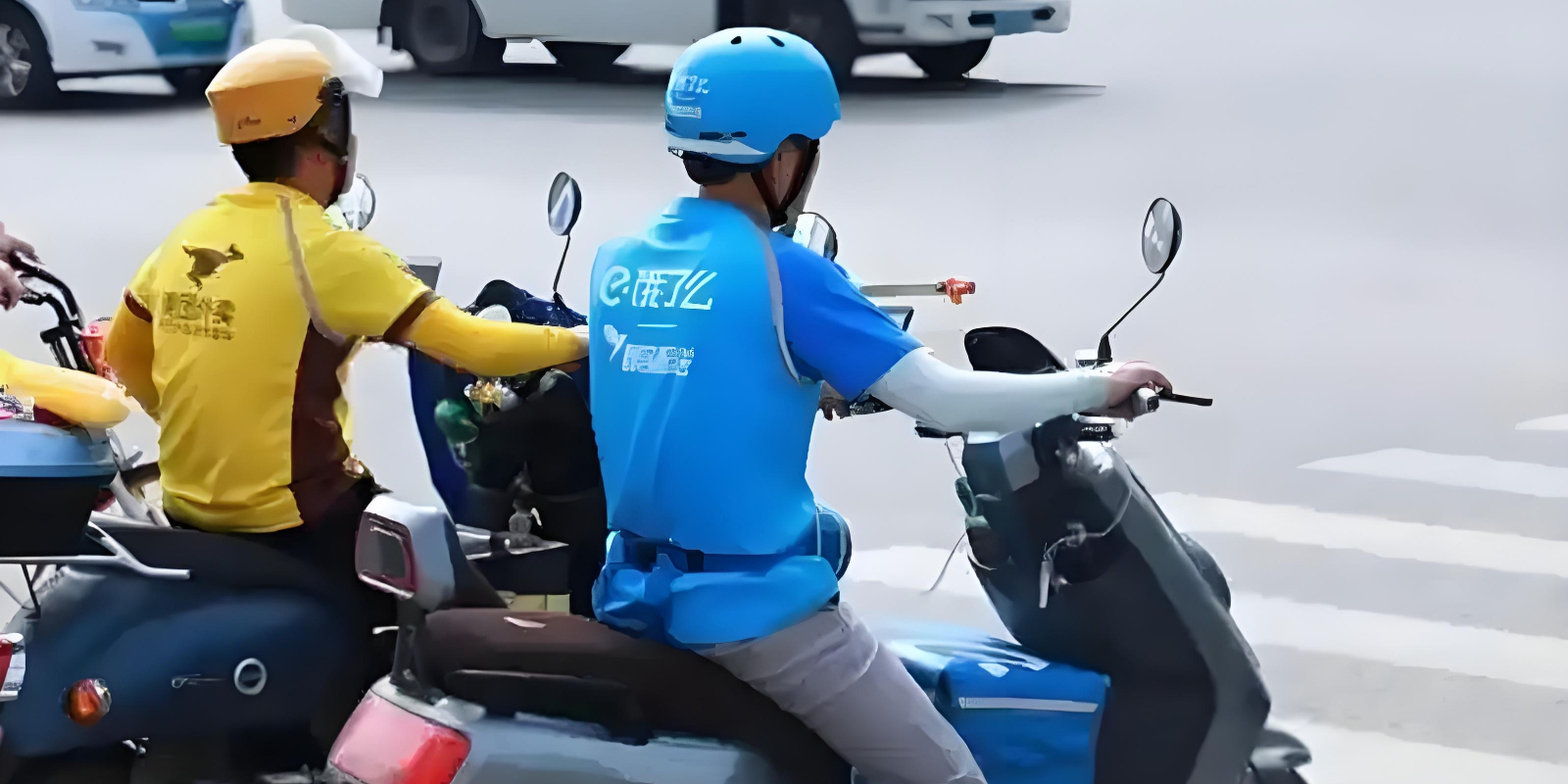
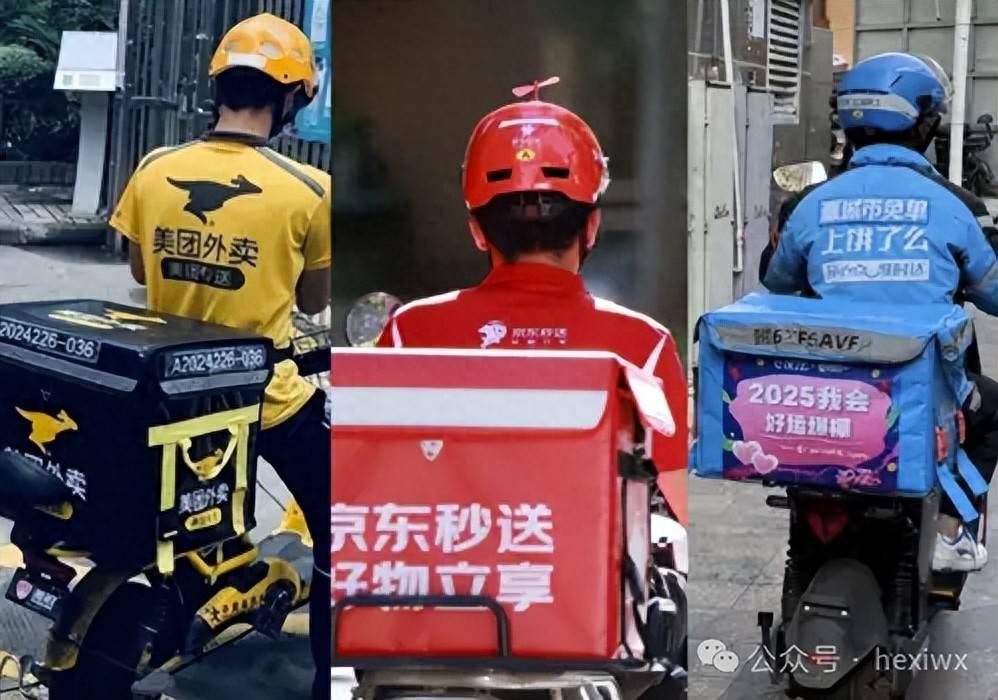
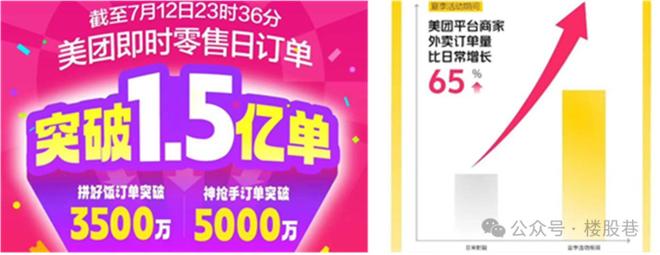
Investment Rating - The report maintains a positive outlook on the instant retail industry, projecting a significant growth potential with a market size expected to reach 3.8 trillion yuan by 2029, growing at a compound annual growth rate (CAGR) of 10% from 2024 to 2029 [4][46]. Core Insights - Instant retail is reshaping the consumption ecosystem by focusing on "instant demand" scenarios, providing a unique supply and fulfillment system that emphasizes a delivery time of 30 minutes to 2 hours, distinguishing it from traditional e-commerce models [4][18]. - The competition among major platforms such as Meituan, Alibaba, and JD.com is intensifying, with each leveraging their unique strengths to capture market share in the instant retail space [4][6]. - The report highlights that the instant retail market is expected to expand significantly, driven by changing consumer habits, technological advancements, and supportive policies [4][46]. Summary by Sections 1. Supply and Demand Transformation - Instant retail is characterized by its ability to meet immediate consumer needs through a combination of online ordering and local fulfillment, creating a closed-loop system that enhances efficiency [18][19]. - The market for instant retail is projected to grow from 650 billion yuan in 2023 to 3.8 trillion yuan by 2029, indicating a robust growth trajectory [4][43]. 2. Competitive Landscape - Major players are competing across multiple dimensions, including pricing, quality, and fulfillment efficiency, with a shift from price wars to a focus on quality and user experience [4][6]. - Meituan leads the market with a well-established rider network and merchant ecosystem, while Alibaba and JD.com are rapidly expanding their instant retail capabilities through strategic integrations and user engagement initiatives [4][51]. 3. Platform Strategies - Meituan's competitive edge lies in its extensive rider network and digital operations, achieving over 1.5 billion orders as of July 2025 [4][51]. - Alibaba's integration of Ele.me and its main platform has resulted in rapid user conversion, with over 80 million orders within a short period [4][51]. - JD.com is leveraging its logistics and supply chain advantages to expand its instant delivery services, achieving significant order volumes shortly after launching its delivery service [4][51]. 4. Market Dynamics - The report emphasizes the importance of user retention and the need for platforms to build strong supply chain capabilities and quality merchant offerings to sustain growth in the long term [5][6]. - The shift towards high-frequency consumption scenarios is expected to drive cross-selling opportunities, enhancing overall platform engagement and user activity [5][6].
外卖“大战”降温 记者亲测:0元券消失、红包补贴门槛提升
Guang Zhou Ri Bao· 2025-07-20 14:15
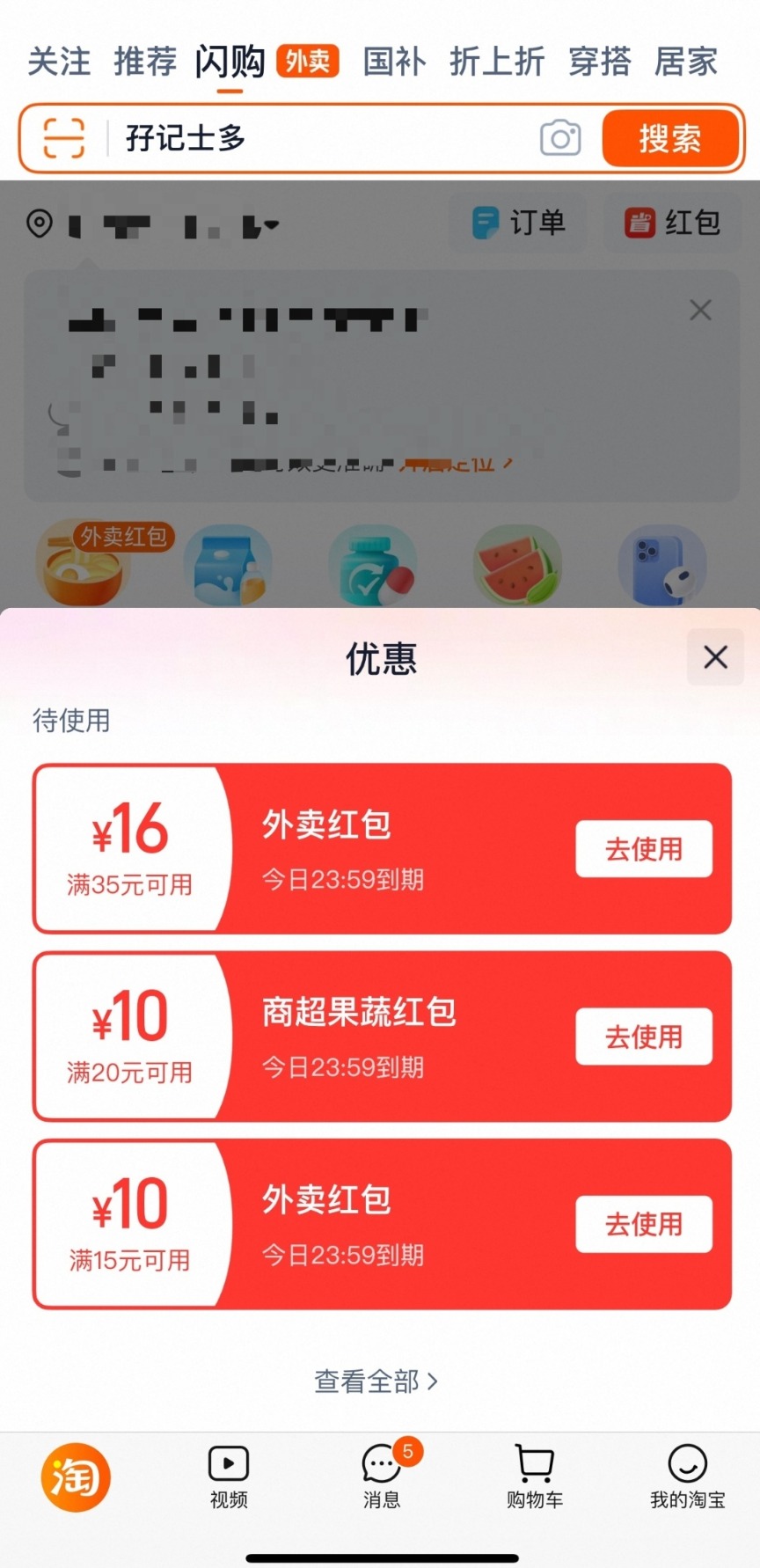
"淘宝闪购给我推送外卖红包,但就是没有之前优惠力度大了。还以为免费雪糕都没有了,打开美团发现部分会员还能领 到。京东外卖还能领百亿补贴优惠。"7月20日,消费者小张习惯性地"打开"三家外卖App,看看当天是否有红包或优惠券 领取。7月18日,饿了么、美团、京东三家外卖平台被市场监管总局约谈,持续近两周外卖补贴"大战"画上了句号。连日 来,记者亲测发现,被约谈后,此前低门槛的红包优惠券、免费配送券、大量的"0元茶饮券"等消失,但是一些红包、优惠 券、到店团购优惠等还能领取和使用。 记者观察发现,本轮"声势浩大"的外卖大战,从最初激发消费者的夏季外卖"狂欢",但过程中出现"变味",最终平台被相 关部门约谈,为外卖行业竞争敲响了警钟,非理性"内卷"不利于行业的发展,就连外卖平台高管也承认,依靠高额补贴出 来的订单量存在大量泡沫。 记者亲测: 京东潮流代言人 张艺兴 平台红包补贴依然发放骑手配送时间恢复正常 7月19日至20日,记者亲测发现,被约谈后,平台此前"疯狂式"的补贴有一定收敛。20日,记者打开淘宝闪购发现有三张待 使用的优惠,包括了"满35元减16元""满20元减10元""满15元减10元",但每天依然保留 ...
实测!被约谈后,美团和淘宝闪购仍能“零元购”
Sou Hu Cai Jing· 2025-07-20 12:19
Core Viewpoint - The recent discussions between the market regulatory authority and major food delivery platforms like Meituan, Ele.me, and JD have not led to a significant reduction in aggressive promotional strategies, particularly concerning "0 yuan purchase" and "0.1 second kill" offers, indicating ongoing fierce competition in the food delivery sector [2][12]. Group 1: Regulatory Response and Market Behavior - The market regulatory authority has urged platforms to engage in rational competition and standardize promotions, aiming to create a healthier ecosystem for consumers, merchants, delivery personnel, and platform companies [13][19]. - Despite the regulatory talks, the competitive landscape remains intense, with platforms like Meituan and Taobao still offering "0 yuan purchase" and substantial low-price subsidies, albeit in a more discreet manner compared to previous weeks [12][19]. - JD has adopted a more restrained approach, with less aggressive promotional tactics compared to its competitors [11][12]. Group 2: Impact on Merchants and Delivery Personnel - Merchants are increasingly vocal against the detrimental effects of the subsidy wars, highlighting a cycle where non-participation leads to a lack of visibility, while participation results in financial losses [15][18]. - The delivery personnel, while experiencing increased earnings during the subsidy period, face heightened labor intensity and safety risks, creating a precarious situation for their long-term sustainability [18][19]. Group 3: Changes in Retail Dynamics - The ongoing food delivery competition is reshaping the broader retail landscape, with platforms transitioning from traditional roles to becoming comprehensive service providers, integrating various services beyond food delivery [20][21]. - User consumption habits are evolving towards immediate gratification, with a shift from planned shopping to on-demand purchasing, compelling traditional e-commerce to adapt [22][23]. - The competition is pushing supply chains to the forefront, necessitating rapid fulfillment capabilities and localized inventory management to meet consumer demands effectively [23][24]. Group 4: Future Outlook - The food delivery battle is expected to gradually cool down, transitioning from price wars to value-based competition, similar to past market dynamics seen in ride-hailing and bike-sharing sectors [19][24]. - The long-term competitive advantages will hinge on data utilization, fulfillment efficiency, and ecosystem collaboration, as platforms strive to convert high-frequency orders into profitable low-frequency services [24][25].

被动接招线上外卖大战的美团,这次通过“快乐猴”主动奇袭线下零售
Tai Mei Ti A P P· 2025-07-20 10:01
Core Insights - Meituan is making a significant return to offline retail with the launch of its new discount supermarket chain "Happy Monkey," marking its third attempt in this sector [1][2][3] - The Chinese retail market is currently experiencing intense competition, with major players like Alibaba, Meituan, and JD.com investing over 100 billion yuan in subsidies [1][4][6] Group 1: Meituan's Retail Strategy - Meituan's previous venture, "Little Elephant Fresh," faced challenges leading to its closure, but the company has pivoted to new strategies, including the launch of "Meituan Grocery" and "Meituan Preferred" [2][3] - The new "Happy Monkey" stores aim to leverage insights from past failures and are designed to operate with high efficiency, utilizing direct supplier connections and automated processes [7][8] - The company plans to open approximately 1,000 "Happy Monkey" stores, with several already under construction in key markets like Hangzhou and Beijing [6][10] Group 2: Competitive Landscape - The hard discount supermarket sector is highly competitive, with established players like Hema and Aldi dominating the market, necessitating a focus on low margins and high turnover [8][9] - Meituan's "Happy Monkey" will compete directly with Hema's existing stores in Hangzhou, which already has a significant presence [9][10] - The company is also developing a network of over 5,500 satellite stores to enhance its delivery capabilities, with plans to expand this to 10,000 by the end of 2025 [10][11] Group 3: Market Dynamics - The instant retail market is evolving, with Meituan capturing over 70% of the market share in daily orders, while competitors like Alibaba and JD.com are also ramping up their efforts [12][13] - The shift in consumer behavior towards non-food categories is evident, with non-food orders increasing from 28% in 2023 to 41% in the first half of 2025 [12][13] - Meituan's strategy includes integrating its membership system across various services to enhance customer retention and engagement [12][13] Group 4: Future Outlook - The success of "Happy Monkey" will depend on Meituan's ability to optimize its supply chain and establish strong partnerships with suppliers, as well as its capacity to adapt to the complexities of offline retail [14][15] - The competitive landscape will continue to evolve, with Meituan needing to differentiate itself through unique value propositions and operational efficiencies [14][15] - The upcoming launch of "Happy Monkey" is seen as a critical move for Meituan's long-term strategy in reshaping its retail presence and addressing market challenges [15][16]
2025年第29周:酒行业周度市场观察
艾瑞咨询· 2025-07-20 07:21
Group 1: Industry Overview - The liquor industry is entering a "deep contraction" phase, facing dual challenges from both demand and supply sides, necessitating a shift from B2B to C2C strategies to adapt [1][2] - The white liquor sector is experiencing a significant adjustment, with a 7.2% decrease in production and a notable price drop of over 36% for Moutai, driven by an aging consumer base and shrinking consumption scenarios [2][3] - The trend towards lower alcohol content is gaining traction, particularly among younger consumers, with the low-alcohol liquor market expected to reach 74 billion yuan by 2025, growing at a compound annual growth rate of 25% [4][8] Group 2: Market Dynamics - The white liquor price war is a concern, as it risks replicating the detrimental effects seen in the beer industry, where aggressive pricing led to brand homogenization and quality perception decline [5] - The online liquor market is thriving, with a projected scale exceeding 500 billion yuan, driven by the popularity of high-flowing name brands and low-priced products [12] - The industry is witnessing a shift towards instant retail, with traditional liquor distributors adapting to new consumer habits and leveraging technology for operational upgrades [9] Group 3: Company Strategies - Wuliangye is focusing on building a user-centric ecosystem through its "3K operation system," enhancing brand engagement with younger consumers [14][15] - The introduction of new products targeting the banquet market, such as "Zhen Shi," aims to capture the growing demand for quality liquor in celebratory contexts [28] - Jinsha Liquor is adopting a dual strategy of brand and market development to navigate the current challenges, emphasizing collaboration and consumer engagement [22] Group 4: Consumer Trends - The younger demographic is becoming a core driver of the liquor market, with a 41% increase in new consumer groups, prompting brands to innovate in product offerings and marketing strategies [26] - The rise of "light drinking" culture is reshaping consumer preferences, with brands like Wuliangye and Luzhou Laojiao launching lower-alcohol products to cater to health-conscious consumers [10][8] - The concept of "trust economy" is emerging, where transparency and quality are paramount, as demonstrated by the success of brands like Pang Donglai [17]

美团-W(03690.HK):积极应对外卖竞争 短期业绩承压
Ge Long Hui· 2025-07-19 11:30
Core Viewpoint - The company is expected to face significant pressure on profits due to intensified competition in the food delivery and instant retail sectors, despite an increase in order volume. Group 1: Financial Projections - For Q2 2025, the company anticipates adjusted net profit to be 7.7 billion yuan, with revenue expected to grow by 13% year-on-year to 92.9 billion yuan, resulting in an adjusted net profit margin of 8.3% [1] - The company's core local business operating profit is projected to decline by 33% year-on-year to 10.2 billion yuan, with an operating profit margin (OPM) of 15.2% [1] - The overall operating profit margin for the core local business is expected to decrease to 12.6% for the full year, with a total operating profit of 35.3 billion yuan, reflecting a 33% year-on-year decline [2] Group 2: Competitive Landscape - The food delivery market is experiencing heightened competition, particularly with competitors like JD.com and Taobao launching aggressive subsidy campaigns, which have led to a significant increase in order volume [1] - The company has responded to competition by implementing various promotional strategies, including large consumer coupons and new product offerings, which have resulted in a 14% year-on-year increase in food delivery order volume for Q2 2025 [1] - Instant retail orders have also surged, with peak order volume reaching 150 million, driven by the company's participation in promotional events [2] Group 3: New Business Developments - The company has decided to further scale back its Meituan Youxuan business, leading to a reduction in expected losses for new businesses from 10.4 billion yuan to 6.7 billion yuan for the year [2] - Despite the reduction in losses, the revenue growth forecast for new businesses has been adjusted down to 10% due to limited contributions from overseas expansion and the closure of operations in many regions [2] Group 4: Valuation Adjustments - The company has revised its adjusted net profit forecasts for 2025 and 2026 down by 30% and 19% respectively, now projecting 28.6 billion yuan and 43.8 billion yuan [2] - The target price has been lowered by 12.4% to 155 HKD, reflecting a 20 times adjusted price-to-earnings ratio for 2026, with a potential upside of 23.5% [2]
饿了么、美团、京东被约谈 意味着什么?
财联社· 2025-07-19 11:04
Core Viewpoint - The current subsidy war in the instant retail sector is pushing China's e-commerce industry to a new juncture, with major players like JD, Meituan, and Alibaba heavily investing in this space, leading to a distorted market price system and significant pressure on merchant profit margins [2][5][10]. Group 1: Market Dynamics - The subsidy competition has led to a surge in consumer engagement, with platforms seeing a dramatic increase in order volumes as consumers are attracted by low prices [4]. - However, the reliance on subsidies has resulted in a fragile business model for the food delivery industry, where profit margins are extremely thin, often leaving merchants with negligible earnings after costs [5][7]. - High competition intensity among Alibaba, JD, and Meituan has escalated, with an estimated total investment of 25 billion yuan (approximately 3 billion USD) in the second quarter alone [5]. Group 2: Regulatory Response - The State Administration for Market Regulation has intervened, urging platforms to comply with various laws and to engage in rational competition, aiming to create a win-win ecosystem for consumers, merchants, delivery riders, and platforms [3][10]. - Industry associations have also called for a halt to price-subsidy competition, emphasizing the need for fair market practices and the establishment of self-regulatory mechanisms to protect consumer rights [11]. Group 3: Future Outlook - Companies are exploring new business models during the subsidy war, with Alibaba focusing on integrating online traffic with offline services, while Meituan and JD are investing in quality and supply chain improvements [8][9]. - The ongoing subsidy war is seen as a critical turning point for the industry, with a consensus emerging that sustainable growth can only be achieved by moving away from aggressive cash-burning strategies and fostering a balanced ecosystem [12].