AI大模型

Search documents
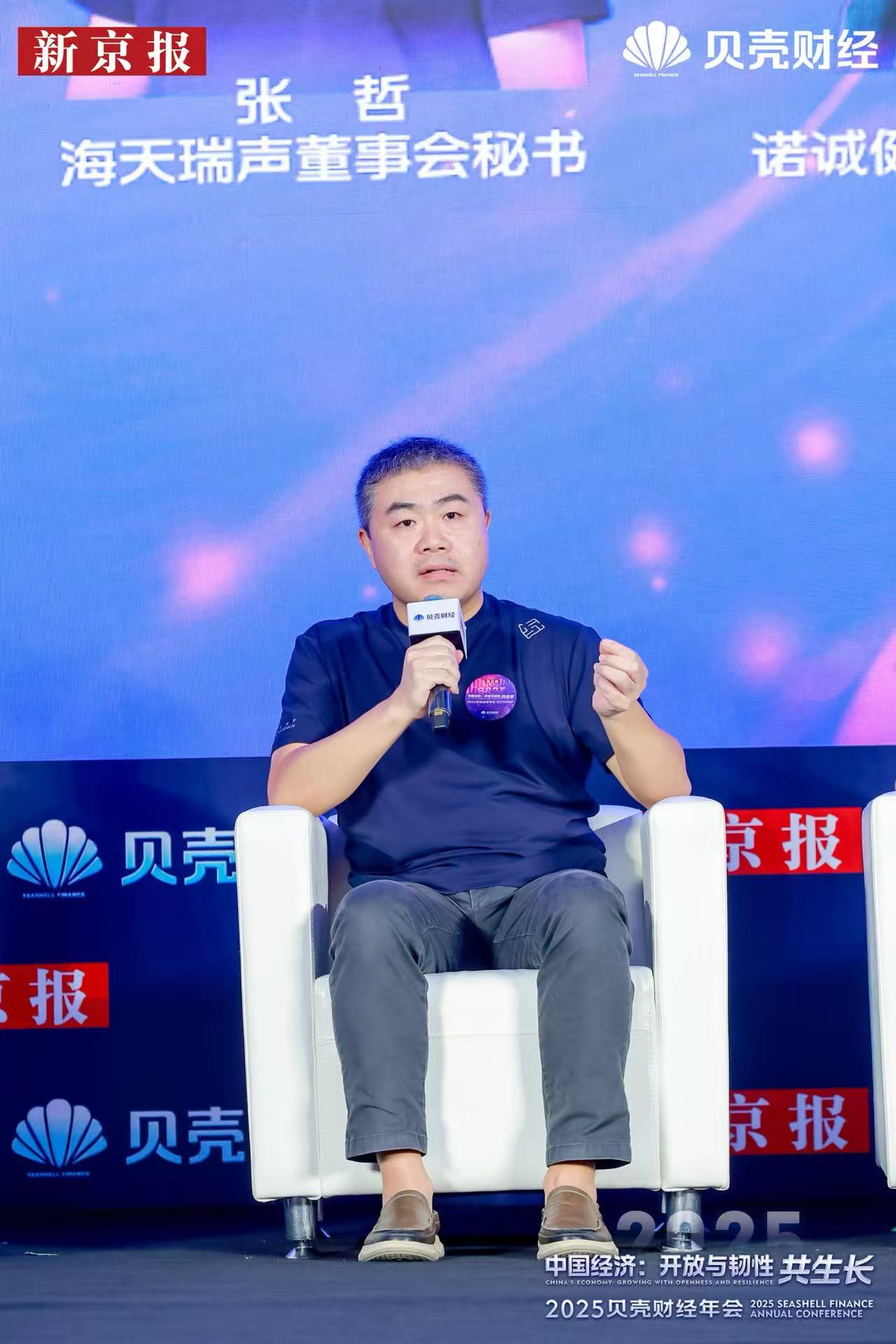
张哲:数据帮助解决算法模型落地的最后一公里问题
Bei Ke Cai Jing· 2025-07-12 04:07
Core Insights - The AI industry is experiencing significant changes, with a shift from single-modal to multi-modal models and a transition from general to vertical application scenarios [5][6] - The rise of large models has initiated the integration of AI with various industries, highlighting the importance of high-quality data to address the "last mile" problem in algorithm implementation [6][7] Group 1: AI Model Development - AI large models are evolving towards multi-modal capabilities, enhancing their application in specific verticals [5] - The introduction of Chain of Thought (CoT) technology allows models to improve their accuracy and reliability by shifting from "fast thinking" to "slow thinking" [5] Group 2: Data Demand and Market Dynamics - The demand for training data in the AI sector is changing, driven by the need for high-quality data to solve practical implementation challenges [6] - The domestic AI data market in China represents only a small portion of the global market, with significant opportunities abroad [7] Group 3: Company Profile - Haitai Ruisheng, established in 2005, is one of the earliest providers of AI training data solutions in China and is currently the only publicly listed company in this sector [7] - The company has seen substantial growth in its global business, with nearly half of its revenue coming from overseas in the previous year [7]

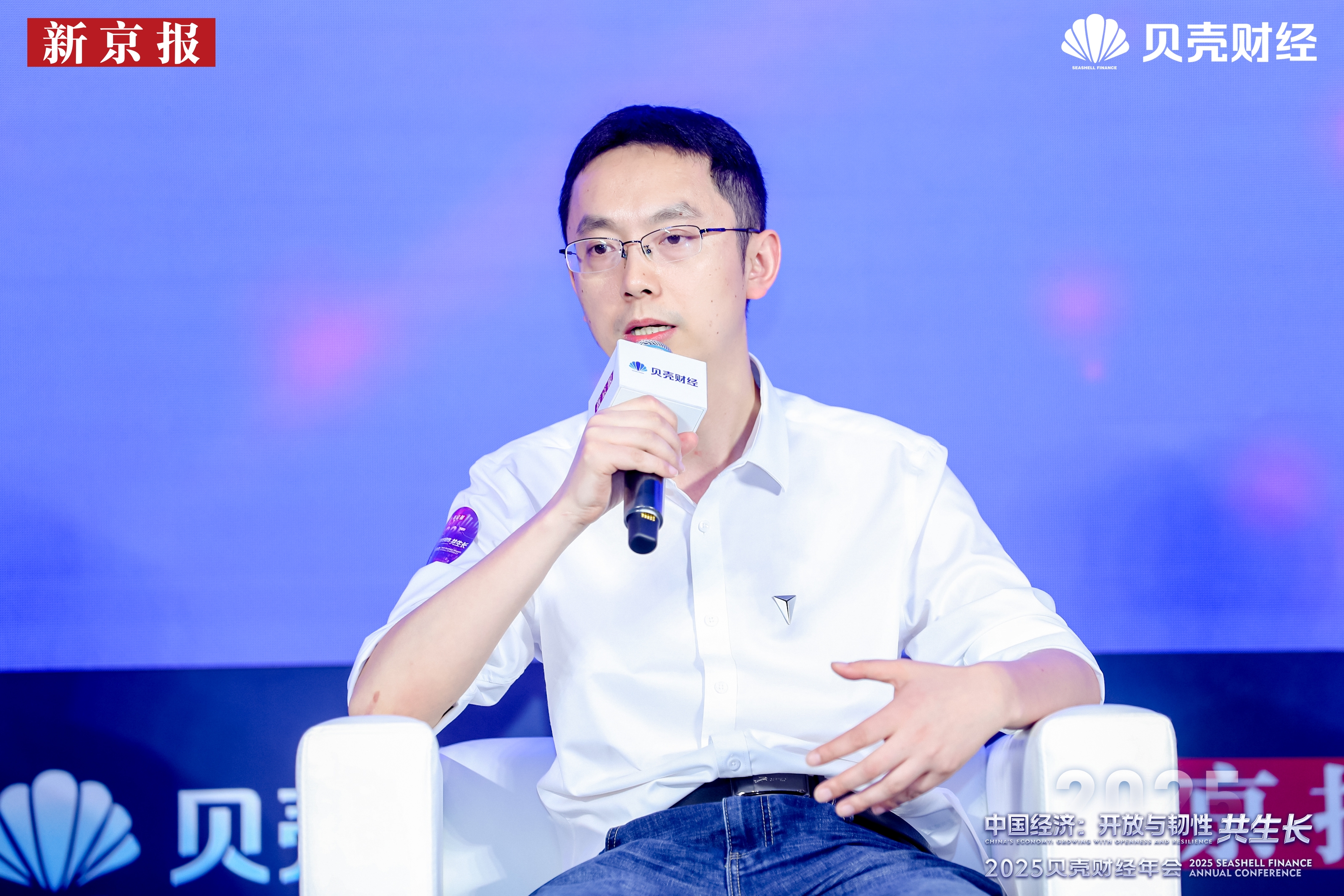
深蓝汽车苏琳珂:智能网联生态给“燃油车蛋糕”添加“智能奶油”
Bei Ke Cai Jing· 2025-07-11 15:18
Core Viewpoint - The 2025 Beike Finance Annual Conference opened with the theme "Chinese Economy: Co-Growth of Openness and Resilience," focusing on how the automotive industry can consolidate and expand its advantages in smart connected vehicles and accelerate the construction of a new industrial ecosystem [1]. Group 1: Smart Connected Vehicles - The future of smart connected vehicles is envisioned as a user-centered mobile living space that understands and grows with user needs [1][9]. - The impact of the smart connected ecosystem on traditional fuel vehicles is likened to adding "smart cream" to the "fuel vehicle cake," enhancing existing value through technological integration and driving the industry towards "software-defined vehicles" [1][8]. Group 2: Safety and AI Integration - The current safety level of smart assisted driving is rated at 7 out of 10, with improvements in active safety features like AEB contributing to reduced accidents, but challenges remain in areas such as left-turn protection and complex road scenarios [4]. - AI models are transforming automotive intelligence, moving from "function stacking" to "intelligent emergence," with AI becoming a foundational infrastructure that permeates all operations and product development [5]. Group 3: Fuel Vehicles and New Growth Points - Despite the rise of electric vehicles, fuel vehicles possess inherent advantages that make them difficult to replace in the short term, such as performance in low temperatures and cost-effectiveness [6]. - Smart technology can empower fuel vehicles, allowing them to find new growth points and vitality through intelligent systems, even as the market shifts towards electric vehicles [7][8]. Group 4: Future Outlook - The automotive industry is expected to see more cross-industry collaborations, with fuel vehicles undergoing smart transformations through upgrades in electronic and electrical architectures [9]. - The vision for the future includes seamless connectivity through integrated vehicle-road-cloud systems, redefining the relationship between people and vehicles, and elevating "travel life" to "smart life" [9].
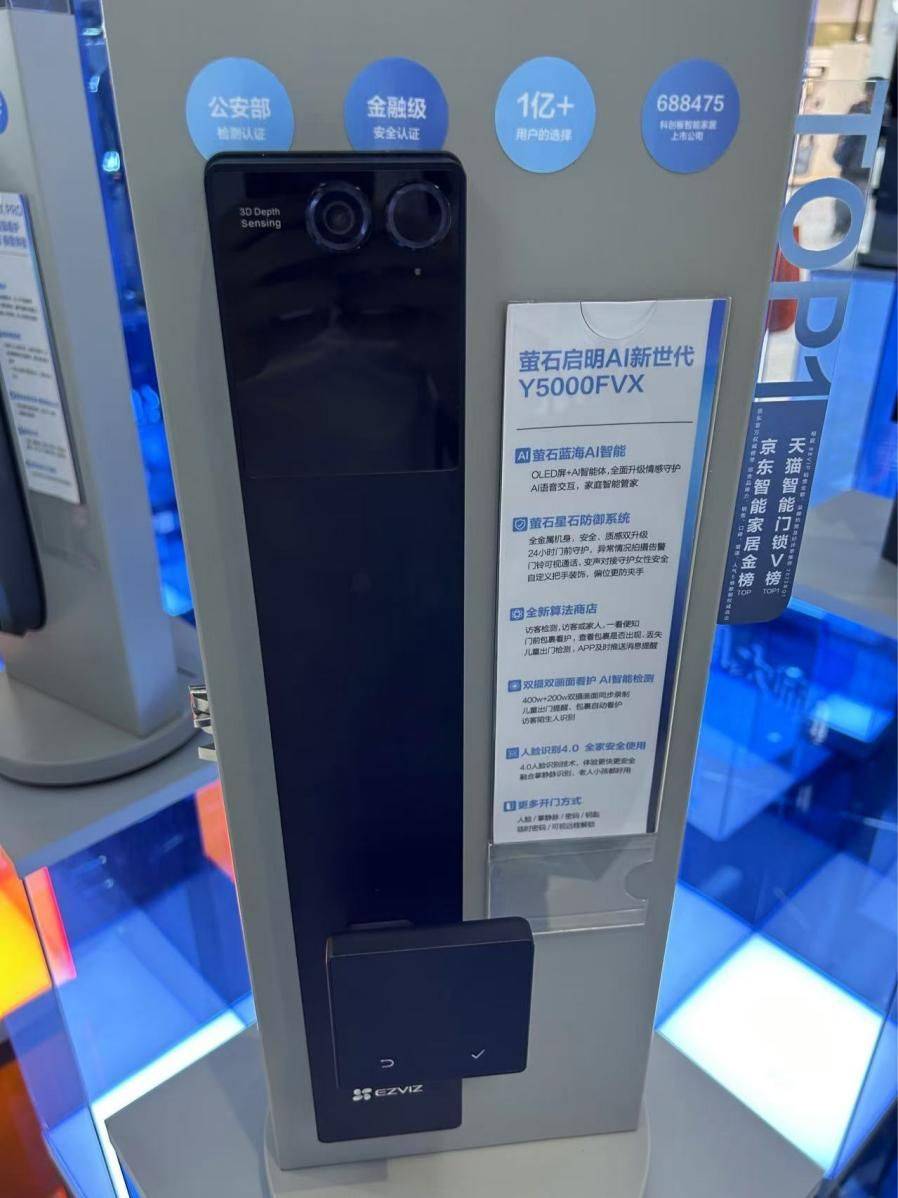
实探广州建博会,四大消费趋势不容错过!
Sou Hu Cai Jing· 2025-07-11 13:14
Core Insights - The 27th China (Guangzhou) International Building Decoration Expo showcases advancements in smart home products, emphasizing intelligence, proactivity, and environmental sustainability [1][20] - China holds a dominant position in the smart security market with nearly 50% market share, driven by technological breakthroughs and increased consumer awareness [1] Smart Security - Smart locks are highlighted as key products, with brands like萤石 and乐橙 entering the market alongside traditional appliance manufacturers like Bosch and Sharp [1] -萤石 Y5000FVX smart lock features AI voice interaction and advanced detection capabilities, allowing for nuanced recognition of family members and visitors [1][3] -乐橙's collaboration with China Mobile has led to the development of a "Super Flash Link Phone" that enhances user experience by eliminating reliance on app background operations [3] Smart Cameras - Smart cameras are gaining popularity, with萤石 showcasing a new 4G camera that operates without wires and features a long-lasting battery [4] - The AOV (Always On Video) technology allows for proactive monitoring, significantly improving detection accuracy compared to traditional PIR technology [4][6] - New products also incorporate solar charging and night vision capabilities, enhancing their functionality and reducing energy costs [4][6] Smart Lighting - The CBD Lighting exhibition introduces intelligent lighting systems that not only illuminate spaces but also provide therapeutic benefits for various health conditions [6][10] - AI-enabled lighting systems can create personalized lighting environments based on user commands, showcasing a shift from functional to emotional-driven lighting solutions [10] Home Automation - The integration of IoT and AI technologies is enabling seamless connectivity among smart home devices, addressing challenges such as interoperability and user experience [12] - Companies like三翼鸟 are developing comprehensive home automation solutions that respond to user commands and optimize home environments automatically [12] Sustainable Materials - The expo features innovative building materials, such as low-formaldehyde options, catering to health-conscious consumers [12] - Lamett's stone crystal boards demonstrate durability and environmental benefits, appealing to modern renovation needs [12][14] Custom Furniture - The trend towards aluminum custom furniture is gaining traction, with consumers appreciating its aesthetic and environmental advantages [15][17] - This shift reflects a broader movement towards high-end, eco-friendly home decor solutions [15][20]

盛视科技(002990) - 2025年7月11日投资者关系活动记录表
2025-07-11 09:52
Group 1: Company Overview and Asset Acquisition - Aldebaran Company, established in 2005, is a leading firm in humanoid robot research and commercialization, with notable products like Nao and Pepper robots widely used in education, healthcare, and commercial services [3][4] - The company acquired core assets from Aldebaran, including technology documents, trademarks, patents, and physical assets, which will enhance its humanoid robot technology development [3][4] Group 2: Investment and Development Plans - The company plans to invest up to €28 million in the French subsidiary to integrate teams and continue research and development, leveraging existing assets [4] - The 6th generation of Nao robots is nearing maturity, with the 7th generation expected to launch soon, indicating ongoing product development [4] Group 3: Synergy and Market Expansion - The company aims to utilize domestic supply chain advantages to reduce costs for Aldebaran's robots, particularly in key components like reducers and servo motors [5] - Aldebaran's established market presence in Europe and other regions will facilitate the application of humanoid robots in various sectors, including smart ports and intelligent transportation, with significant international market penetration [5] Group 4: Future Acquisition Plans - The company intends to pursue external acquisitions and investments in intelligent robotics, AI models, AI chips, and computing power to enhance its business strategy [6][7]
边缘智能加速度:意法半导体透露深耕中国市场新动向
2 1 Shi Ji Jing Ji Bao Dao· 2025-07-11 09:51
Core Viewpoint - STMicroelectronics (ST) is significantly increasing its investment in the Chinese market, focusing on localizing the production of semiconductor components, particularly silicon carbide and microcontrollers, to enhance supply chain resilience and meet local demand [1][3]. Group 1: Partnerships and Collaborations - In June 2023, ST established a joint venture with Sanan Optoelectronics in Chongqing to localize silicon carbide production, marking it as the first global company to produce silicon carbide locally in China [1]. - ST has partnered with Huahong Group to develop a fully localized STM32 supply chain, ensuring consistent quality across products manufactured in China and abroad [1][2]. - The collaboration with Huahong began two years ago, involving over 100 factory experts from ST to train Huahong's team on production parameters for ST's MCU products [2]. Group 2: Product Development and Innovations - ST has launched new products in the STM32 series, including the entry-level STM32C0 series aimed at replacing mid-to-high-end 8-bit platforms, and the STM32U3 series designed for IoT devices with ultra-low power consumption [4]. - The STM32MP23 is targeted at machine learning applications, featuring dual Gigabit Ethernet and a 0.6 TOPS NPU, catering to industrial control and smart city applications [4]. - The STM32WBA6 product is designed for smart wireless devices, addressing the growing demand in the medical device sector, particularly for continuous glucose monitoring [5]. Group 3: AI Integration and Market Trends - The integration of AI technologies into ST's product lines is a priority, with plans to incorporate AI edge computing capabilities into future products to reduce power consumption [4][6]. - The market is seeing a rising interest in lightweight wearable products and consumer robots, with ST providing comprehensive development support to clients for AI model selection and STM32 platform integration [6]. - ST emphasizes its unique position in offering nearly turnkey solutions for AI applications, differentiating itself from competitors [6].

公募基金年内收益百强榜:主动权益占85席,30%以上收益的哪家基金公司最多?
Xin Lang Cai Jing· 2025-07-11 08:50
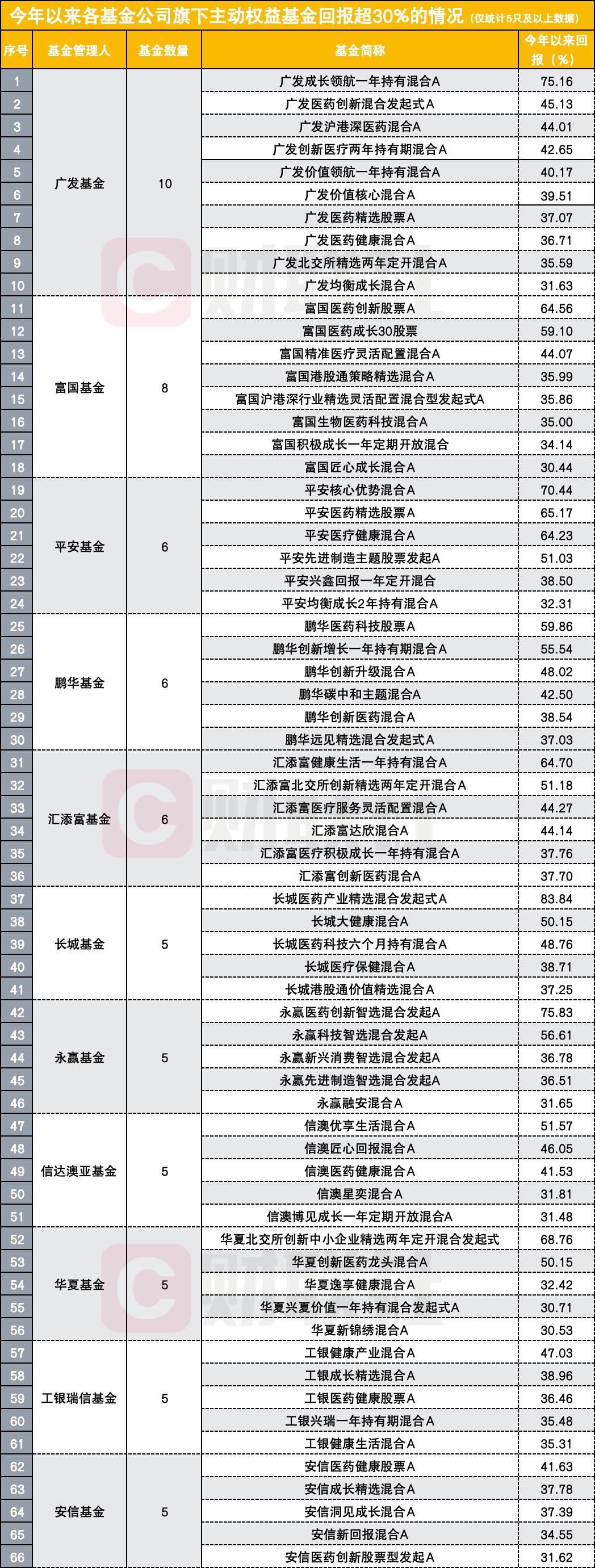
Core Viewpoint - The active equity funds have shown a strong performance recovery amid the gradual rebound of the stock market, with 85 out of the top 100 performing equity funds being actively managed [1][2]. Group 1: Fund Performance - As of July 10, 2023, the average return of 7,037 equity funds was 7.12%, with nearly 85% (5,940 funds) achieving positive returns, and over 26% (1,841 funds) exceeding 10% returns [2]. - Active equity funds have outperformed passive index funds, with 85 of the top 100 funds being actively managed, contrasting with previous years where passive products dominated [2][3]. - The top-performing funds this year are heavily invested in sectors like AI, humanoid robots, new consumption, and innovative pharmaceuticals, showcasing the ability of active funds to generate alpha [1][2]. Group 2: Fund Companies - The performance concentration effect among leading fund companies has become more pronounced, with 150 active equity products achieving over 30% net value growth this year, primarily from top firms like GF Fund, Fuguo Fund, Penghua Fund, and Huatai-PB [1][4]. - GF Fund leads with 10 products returning over 30%, and 18 products exceeding 20% returns, highlighting its strong performance in the market [5]. - Fuguo Fund has 8 active equity funds with returns over 30%, focusing on sectors such as new consumption and AI [6]. Group 3: Sector Focus - The top ten funds are predominantly focused on the pharmaceutical sector, with funds like Changcheng Pharmaceutical Industry Select and GF Pharmaceutical Innovation leading with returns of 83.84% and 45.13%, respectively [3][9]. - The performance of funds in the pharmaceutical sector has been particularly strong, with several funds achieving returns exceeding 30% [6][7]. Group 4: Market Sentiment and Outlook - Investor confidence in the A-share market is improving, supported by favorable liquidity and risk premiums, with expectations of continued market performance driven by fiscal policies and consumer resilience [10][11]. - The market is anticipated to experience a steady upward trend, with a focus on technology growth, Chinese manufacturing, and new consumption as key areas for investment [11][12].


2025年中期人形机器人行业投资策略报告:量产破局 链动新机
Xin Lang Cai Jing· 2025-07-11 08:33
Industry Core Viewpoints - The humanoid robot industry is at a "dawn moment" with the year of mass production beginning, driven by continuous investments from tech giants like Tesla, Huawei, and Figure AI, which are expected to accelerate industry iteration and breakthroughs [1] - The industry is at a critical juncture for technological breakthroughs and commercialization, supported by policies, increasing entrants, and AI large model empowerment, with growing market demand due to aging populations and rising labor costs [1] - The humanoid robot market is anticipated to evolve from B2B to B2C, indicating a broad future market space [1] Investment Highlights - From January 2024 to June 26, 2025, the humanoid robot index has consistently outperformed the Wind All A index, with excess returns driven by two main factors: concentrated technological breakthroughs and policy catalysts [2] - The supply side of the humanoid robot industry is rapidly flourishing, with leading overseas companies like Tesla and Figure AI advancing product iterations and commercial applications, while China emerges as the most active market for humanoid robots [2] - Domestic humanoid robot products are showcasing strong competitiveness in key features like intelligence and motion control, accelerating their mass production pace [2] Mass Production Plans - The second half of 2025 is a critical window for mass production validation, with the "Guiding Opinions on the Innovative Development of Humanoid Robots" aiming for batch production and the cultivation of 2-3 globally influential companies [3] - Companies like Tesla, Figure AI, and others plan to achieve initial mass production by 2025, with applications progressing from industrial training to B2B and eventually to household services [3] - AI large models are crucial for humanoid robots, but software development currently lags behind hardware, necessitating breakthroughs in this area [3] Demand Side - The global aging trend is intensifying, leading to a tighter labor market and increasing demand for robots to replace human labor, particularly in elder care [4] - Economic growth and rising labor costs are driving the cost of humanoid robots down, with Tesla's CEO Musk indicating that the future price of Optimus may be below $20,000 per unit [4] - The humanoid robot market is projected to reach $20 billion by 2030, indicating significant future market potential [4] Investment Recommendations - The humanoid robot industry is at a pivotal moment with mass production underway, and companies like Tesla and Huawei are expected to drive industry breakthroughs [5] - Focus on companies entering or likely to enter Tesla's supply chain as the product matures, and on Huawei's early-stage supply chain with significant potential [5] - Attention should be given to companies mastering core component technologies and achieving low-cost mass production, as well as those benefiting from the large-scale application of humanoid robots [5]


2025年中期人形机器人行业投资策略报告:量产破局,链动新机-20250711
Wanlian Securities· 2025-07-11 08:02
Industry Overview - The humanoid robot industry is at a "dawn moment" with mass production beginning, driven by investments from tech giants like Tesla, Huawei, and Figure AI, indicating a significant acceleration in industry iteration and breakthroughs [1][7] - The demand for humanoid robots is increasing due to aging populations and rising labor costs, suggesting a transition from B2B to B2C markets with vast future market potential [1][6] Investment Highlights - From January 2024 to June 26, 2025, the humanoid robot index has outperformed the Wind All A index multiple times, driven by technological breakthroughs and policy catalysts, creating a positive cycle of "policy-financing-orders" [2][12] - The supply side of the humanoid robot industry is rapidly flourishing, with leading companies like Tesla and Figure AI pushing for product iterations and commercial applications, particularly in industrial settings [2][21] Production Plans - The second half of 2025 is a critical window for mass production validation, with a goal to achieve "batch production" and cultivate globally influential companies [3][47] - Tesla plans to produce 10,000 Optimus robots in 2025, with monthly production capacity expanding to 1,000 units, while Figure AI aims for 12,000 units annually from its automated production line [3][47] Software and Hardware Development - AI large models are crucial for humanoid robots, but currently represent the weakest link in the development chain, necessitating breakthroughs in software to match hardware advancements [3][19] - The precision reducer market is expected to see significant growth due to humanoid robots, potentially bringing hundreds of billions in incremental revenue [3][21] Demand Dynamics - The global labor market is tightening due to aging populations, increasing the demand for robots to replace human labor, particularly in elder care [6][21] - The humanoid robot market is projected to reach $20 billion by 2030, indicating substantial future growth potential [6][22] Investment Recommendations - Focus on companies entering or already part of Tesla's supply chain, as the industrialization process of Tesla's Optimus robot is well-defined [7] - Monitor Huawei's early-stage supply chain developments, which hold significant potential for growth [7] - Pay attention to companies that can produce core components at lower costs, as this will be key to the widespread adoption of humanoid robots [7]

北汽研究总院郑新芬:AI大模型推动车企与供应商合作多元化
Bei Ke Cai Jing· 2025-07-11 07:56
Group 1 - The theme of the 2025 Beike Finance Annual Conference is "The Co-Growth of Openness and Resilience in the Chinese Economy" [1] - Zheng Xinfeng, Vice President of Beijing Automotive Research Institute, emphasized that the integration of AI large models with the automotive industry will introduce more cross-industry suppliers, enhancing collaboration between manufacturers and suppliers [1][5] - The development of technology is driven by demand, and understanding user needs can significantly aid in the technological advancement of intelligent connected vehicles [1][5] Group 2 - Intelligent driving assistance systems are not equivalent to highly automated driving, and human factors remain crucial for safety [4] - Zheng Xinfeng highlighted that each manufacturer defines a series of operational limits for their driving assistance systems, known as ODD (Operational Design Domain), which users must understand [4] - Beijing Automotive has adopted platform-based, modular, and universal technical solutions for its driving assistance systems, and is involved in various levels of automated driving projects [4][5] Group 3 - The rapid development of AI technology has made large models a significant driver of industrial transformation, impacting vehicle research, production, and user experience [5] - The integration of large models into automotive software development has significantly increased efficiency, allowing for automated code generation and testing [5][6] - The introduction of large models will diversify the collaboration models between manufacturers and suppliers, as valuable data generated during vehicle operation can enhance the entire industry chain [5][6] Group 4 - The intelligent connected ecosystem can both challenge and empower traditional fuel vehicles, enhancing their intelligence and extending their lifecycle [6] - Fuel vehicles can be integrated into the intelligent connected ecosystem, providing added value and smart features to users [6]
7月11日|财经简报 养老金上调 科技与医药企业业绩亮眼
Sou Hu Cai Jing· 2025-07-11 06:19
Group 1: Market Performance - The Shanghai Composite Index reached 3509.68 points, marking a 9-month high, but historical data shows that in the past 10 years, the index has not performed well after crossing this level [3] - Bank stocks, including Industrial and Commercial Bank of China and China Construction Bank, hit historical highs, while real estate stocks experienced a surge [4] Group 2: Company Performance - iFlytek expects a net profit increase of 30%-50% in the first half of the year, with its AI model X1 performing at an international top level and consumer business revenue doubling [5] - WuXi AppTec reported a 101.92% year-on-year increase in net profit, primarily due to gains from the sale of equity in an associate company, with adjusted net profit increasing by 44.43% [6] - Seres anticipates a net profit increase of 66.2%-96.98%, driven by significant growth in new energy vehicle sales [6] Group 3: Industry Trends - The price of polysilicon futures surpassed 40,000 yuan per ton, with N-type raw material prices increasing by 6.92% month-on-month, driven by leading companies' price support, although industry overcapacity remains a concern [7] - Rare earth prices have been raised by Northern Rare Earth and Baotou Steel, with the price for the third quarter set at 19,109 yuan per ton, influenced by "anti-involution" policies and recovering demand [7] Group 4: New Energy Vehicle Sales - From January to June, the production and sales of new energy vehicles increased by 41.4% and 40.3%, respectively, accounting for 44.3% of total new vehicle sales, supported by policy initiatives and market recovery [9]