出海战略

Search documents
零跑汽车(09863):中报点评:2025Q2净利转正,规模提振加速盈利释放
Guohai Securities· 2025-08-21 14:05
Investment Rating - The report maintains an "Accumulate" rating for the company [1][11]. Core Insights - The company achieved a significant revenue increase in Q2 2025, with a revenue of 142.3 billion yuan, representing a year-on-year growth of 165.5% and a quarter-on-quarter growth of 42.0%. The gross margin reached 13.6%, with a year-on-year increase of 10.8 percentage points [7]. - The company reported a net profit of 1.6 billion yuan in Q2 2025, marking its first positive net profit in a half-year period [5][10]. - The company has signed a carbon credit transfer agreement with Stellantis, which is expected to enhance its performance further [7]. Summary by Sections Recent Performance - In the first half of 2025, the company reported a revenue of 242.5 billion yuan, a year-on-year increase of 174.1%, and a net profit of 0.3 billion yuan, marking a turnaround from losses [5][7]. Sales and Delivery - The company delivered 134,000 vehicles in Q2 2025, reflecting a year-on-year increase of 151.7% and a quarter-on-quarter increase of 53.2%. The annual sales target has been raised to 580,000 to 650,000 vehicles [7]. Product Development - The company launched new models based on the LEAP 3.5 technology architecture, with significant sales from the B10 SUV and B01 sedan. Upcoming models are expected to drive further growth [7][8]. International Expansion - The company exported 20,000 vehicles in the first half of 2025, leading among new car manufacturers. It has established over 600 sales outlets globally, with plans for local assembly in Malaysia and a production base in Europe by 2026 [8][10]. Financial Projections - The company is projected to achieve revenues of 641.9 billion yuan, 1,002.6 billion yuan, and 1,281.3 billion yuan for 2025, 2026, and 2027 respectively, with corresponding net profits of 9.4 billion yuan, 44.1 billion yuan, and 64.1 billion yuan [10][11].

牧原股份:港股上市募资不会用于国内新增产能建设, 将主要用于拓展全球商业版图及研发投入
Zheng Quan Shi Bao Wang· 2025-08-21 10:45
Core Viewpoint - The company is actively pursuing international expansion and cost reduction strategies, with significant growth in revenue and profit reported for the first half of 2025, while also responding to domestic production capacity adjustments in the pig farming industry [1][2][3][4]. Financial Performance - In the first half of 2025, the company achieved operating revenue of 76.463 billion yuan, a year-on-year increase of 34.46% - Net profit reached 10.79 billion yuan, reflecting a substantial year-on-year increase of 952.92% - The net cash flow from operating activities was 17.351 billion yuan, up 12.13% compared to the same period last year [1]. International Expansion - The company has established a wholly-owned subsidiary in Ho Chi Minh City, Vietnam, as part of its internationalization strategy - The company submitted an application for H-share issuance on the Hong Kong Stock Exchange in May 2025, marking a significant step in its global strategy - The funds raised will primarily be used for global expansion and research and development, rather than for increasing domestic production capacity [1][2]. Overseas Market Strategy - The company is leveraging its successful domestic breeding techniques to enhance biosecurity and disease prevention in overseas markets, particularly in Vietnam - An overseas business team has been formed to explore various international business models, including light-asset approaches and potential acquisitions [2]. Domestic Market Adjustments - The company is actively reducing its breeding sow inventory in response to national production capacity regulations, with plans to decrease from 3.621 million to 3.3 million by the end of 2025 - This reduction aligns with national goals to stabilize the total breeding sow population at around 39.5 million [3][4]. Cost Management - The company's breeding costs have decreased from 13.1 yuan/kg to 11.8 yuan/kg from January to July 2025, with some facilities achieving costs below 11 yuan/kg - The target for average breeding costs for the year is set at 12 yuan/kg, with a goal to reduce it to 11 yuan/kg by year-end [5].

京东股东「请客」吃外卖
Sou Hu Cai Jing· 2025-08-21 04:05
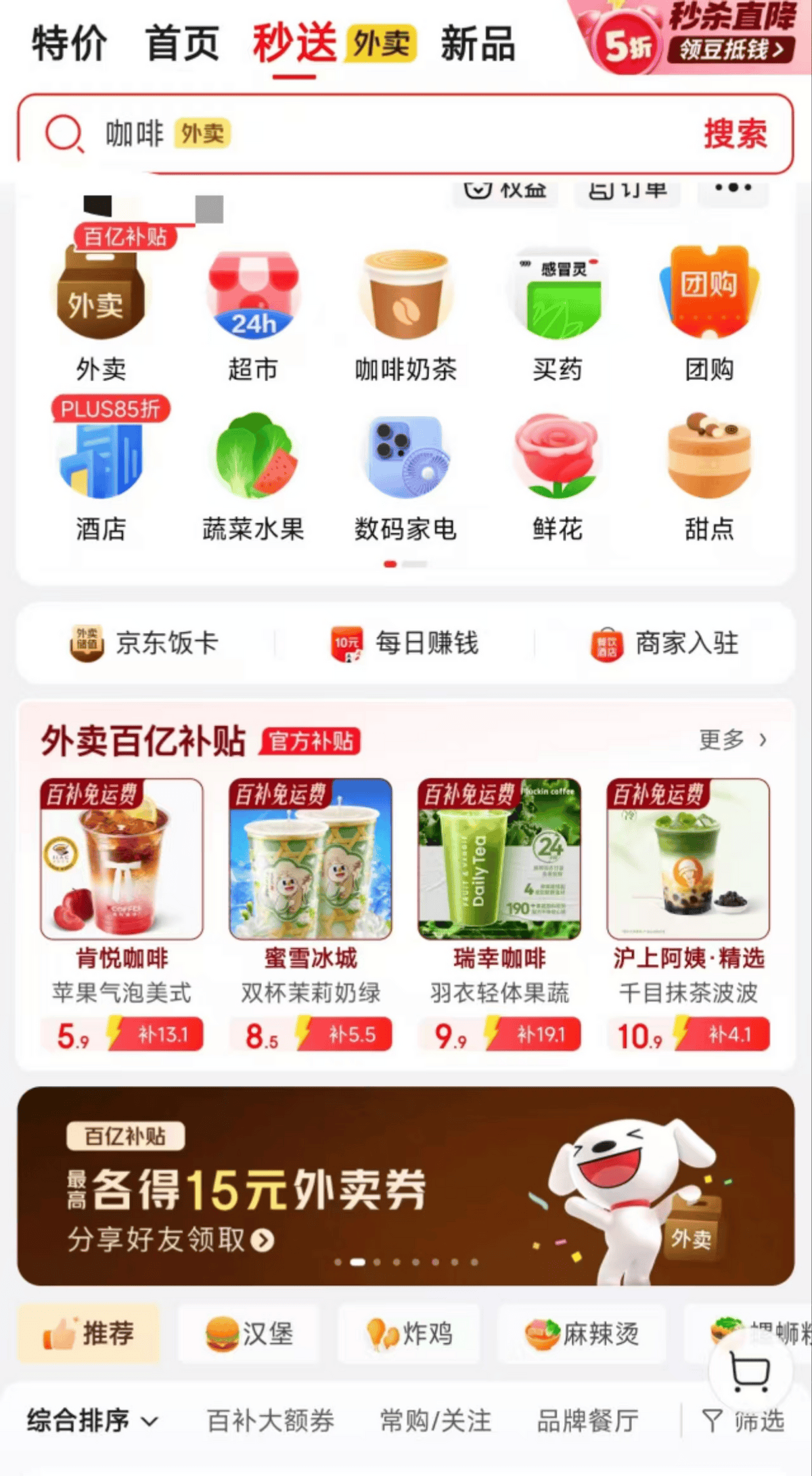
Core Viewpoint - Investors are concerned not just about the one-time profit decline but about the future profit growth prospects of JD.com [1] Group 1: Financial Performance - JD.com reported Q2 revenue of 356.7 billion yuan, a year-on-year increase of 22.4%, achieving the highest growth rate in nearly three years [2] - However, the net profit attributable to ordinary shareholders for Q2 was 6.2 billion yuan, a year-on-year decline of 50.8%, while Non-GAAP net profit was 7.4 billion yuan, down 49% [2] - Free cash flow for Q2 was 22 billion yuan, a significant drop of 55% compared to 49.6 billion yuan in the same period last year [4] - The overall marketing expenditure in Q2 reached 27 billion yuan, a year-on-year increase of 127.6%, with the marketing expense ratio rising from 4.1% to 7.6% [4] - Fulfillment costs in Q2 were 22.1 billion yuan, up 28.6%, with the fulfillment expense ratio increasing from 5.9% to 6.2% [5] Group 2: Strategic Initiatives - JD.com continues to invest in and subsidize its food delivery business, which has led to increased user traffic and engagement [7][10] - The core retail business generated revenue of 310.1 billion yuan in Q2, a year-on-year increase of 20.6%, while new business revenue from food delivery was 13.9 billion yuan, a substantial increase of 198.8% [7] - JD.com is actively expanding into new markets, including the launch of "Seven Fresh Kitchen" and plans to invest over 10 billion yuan to open 10,000 stores in three years [17][18] - The company is also pursuing international expansion, with a significant acquisition of CECONOMY for approximately 18.5 billion yuan, marking a major investment in the European market [24] Group 3: Market Position and Competition - JD.com is facing competition from established players like Meituan and Alibaba, as well as potential threats from short video platforms like Douyin [21][27] - The company aims to differentiate its food delivery model by focusing on food safety and quality, which may help it stand out in a crowded market [19][20] - JD.com's international strategy involves building local teams and sourcing locally, which contrasts with a cross-border e-commerce model [24]

A股养猪龙头,净利润同比增长超1100%,要拿出50亿分红
Zheng Quan Shi Bao· 2025-08-20 14:51
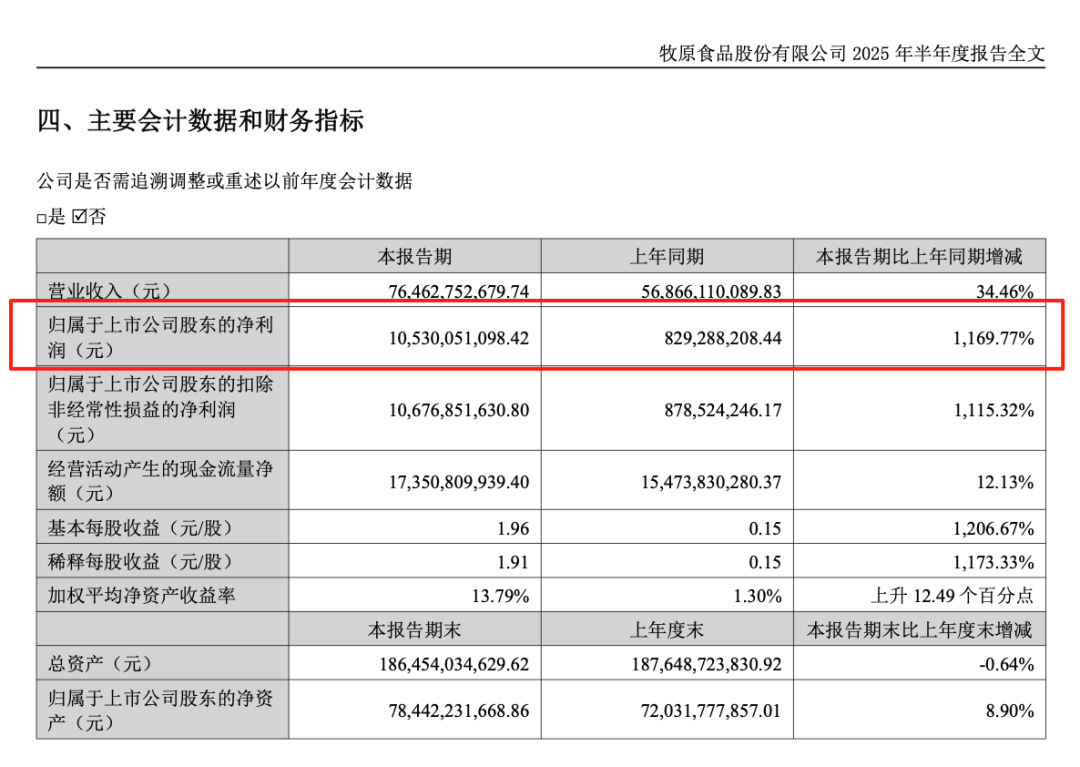
Core Viewpoint - Despite the overall decline in pig prices in the first half of the year, the leading breeding company Muyuan Foods (002714) achieved a net profit exceeding 10 billion yuan, demonstrating its cost advantages in the industry [2][4]. Financial Performance - The company reported operating revenue of 76.46 billion yuan, an increase of 34.46% compared to the same period last year [4]. - The net profit attributable to shareholders reached 10.53 billion yuan, a year-on-year increase of 1169.77% [4]. - The net cash flow from operating activities was 17.35 billion yuan, up 12.13% year-on-year [4]. - Basic earnings per share were 1.96 yuan, reflecting a significant increase of 1206.67% [4]. - The total assets at the end of the reporting period were approximately 186.45 billion yuan, a slight decrease of 0.64% from the previous year [4]. Dividend Policy - The company proposed a cash dividend of 9.32 yuan per 10 shares, totaling 5 billion yuan, which accounts for 47.5% of the net profit for the first half of 2025 [5]. - The total amount for cash dividends and share repurchases in the first half of 2025 was 6.11 billion yuan, representing 58.04% of the net profit [5]. Production and Cost Management - The company sold 46.91 million pigs in the first half of 2025, with a significant increase in slaughtering volume by 110.87% [5][6]. - The complete cost of pig farming was reported to be below 12.1 yuan per kilogram as of June 2025, with a target of an average cost of 12 yuan per kilogram for the year [6]. - The company aims to enhance production indicators through technological innovation and refined management practices [6]. Strategic Initiatives - Muyuan Foods has initiated an "outbound strategy," establishing a subsidiary in Vietnam and applying for H-share listing on the Hong Kong Stock Exchange [6][7]. - The company aims to leverage its technological advantages and cost control to capture growth opportunities in overseas markets [7].
美图归来:一个没有秘密的复苏故事
3 6 Ke· 2025-08-20 11:27
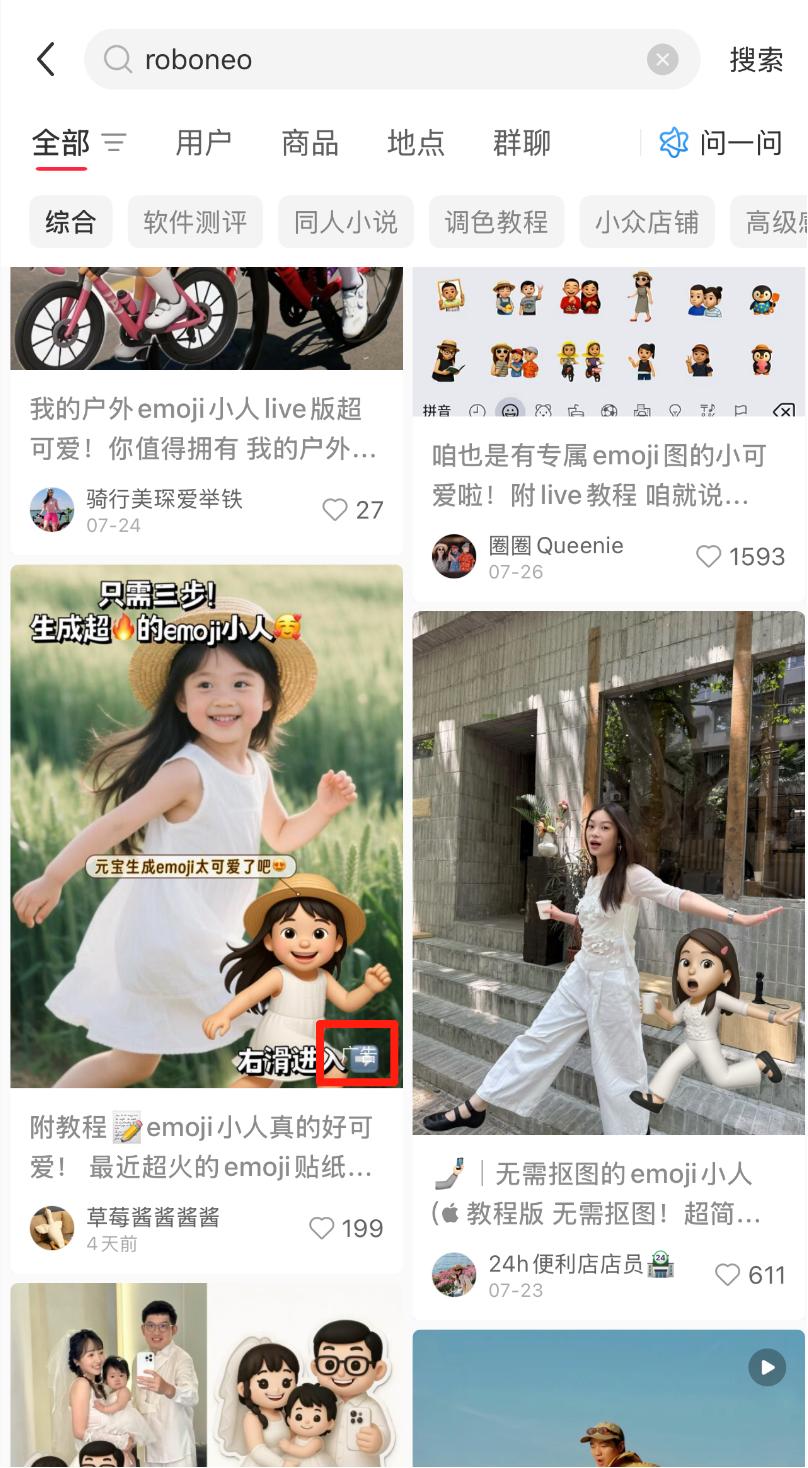
Core Viewpoint - Meitu has successfully revived itself after a period of decline, with its stock price rising from a low of 0.6 to 10, showcasing a significant turnaround in its business performance [1]. Group 1: Strategic Adjustments - Meitu has narrowed its operational focus, honing in on product quality and user experience, particularly in the AI era [2]. - The company's previous attempts to diversify into smartphones and e-commerce were deemed unsuccessful, leading to a lack of growth narrative and a plummet in stock prices [3][4]. - CEO Wu Xinhong emphasized the importance of aligning strategy with capabilities, acknowledging past missteps in overextending the company's ambitions [5][6][9]. Group 2: Product Development and User Engagement - Meitu has rediscovered its creative potential through two main strategies: grounded demand insights and scalable engineering capabilities [14]. - The launch of the design agent product "RoboNeo" has sparked interest, demonstrating the company's ability to tap into user trends effectively [15][18]. - The company has adopted a user-centric approach, allowing users to drive product development and identifying opportunities through social media engagement [23][24]. Group 3: Financial Performance and Growth Metrics - Meitu's monthly active users (MAU) reached 280 million by June 2025, with a notable 15.3% growth in international markets, indicating a shift towards overseas user acquisition [50][52]. - The subscription user count surged to approximately 15.4 million, marking a 42% year-on-year increase, with the subscription penetration rate rising to 5.5% [56][57]. - The company has seen a significant increase in its paid user base, with the penetration rate rising from 0.7% in 2020 to 5.5% in 2025, reflecting a robust growth trajectory [58][59]. Group 4: Future Growth Potential - Meitu's future growth is expected to hinge on two key areas: productivity tools and globalization, with a focus on enhancing revenue from productivity applications [77]. - The company is actively expanding its presence in overseas markets, establishing offices in regions like the US and Australia, and prioritizing international product development [74]. - The potential for higher average revenue per user (ARPU) in international markets presents a significant opportunity for Meitu, as evidenced by comparisons with competitors like Canva [70][71].
龙佰集团(002601):钛白粉磨底,新能源改善,公司稳健前行
Changjiang Securities· 2025-08-19 08:11
Investment Rating - The investment rating for the company is "Buy" and it is maintained [8]. Core Viewpoints - The company reported a revenue of 13.34 billion yuan in the first half of 2025, a decrease of 3.3% year-on-year, and a net profit attributable to shareholders of 1.39 billion yuan, down 19.5% year-on-year [2][6]. - In Q2 2025, the company achieved a revenue of 6.28 billion yuan, a year-on-year decrease of 3.5% and a quarter-on-quarter decrease of 11.0%, with a net profit of 700 million yuan, down 9.2% year-on-year but up 1.9% quarter-on-quarter [2][6]. - The titanium dioxide market remains under pressure, with the company maintaining profitability in the titanium dioxide segment, particularly in the chloride process titanium dioxide [11]. - The company's sales of titanium dioxide reached 612,000 tons in the first half of 2025, an increase of 2.1% year-on-year, while sales of sponge titanium rose by 25.5% year-on-year [11]. - The company is accelerating its overseas expansion strategy to mitigate the impact of anti-dumping investigations on its titanium dioxide products in international markets [11]. - The company's new energy materials segment saw a revenue increase of 27.2% year-on-year, with a gross margin improvement from -2.6% to 12.4% [11]. - The company plans to enhance its production capacity for titanium concentrate and iron concentrate through the joint development of key mining projects [11]. Financial Summary - The company expects net profits attributable to shareholders to be 2.38 billion yuan in 2025, 3.27 billion yuan in 2026, and 4.09 billion yuan in 2027 [11].

传平煤神马集团旗下平煤神马超硬材料启动香港上市程序 平煤股份、神马股份拟赴港第二上市
Zhi Tong Cai Jing· 2025-08-19 07:33
Core Viewpoint - China Pingmei Shenma Group is accelerating its capitalization efforts, aiming to establish an overseas financing platform to support its international expansion strategy [1] Group and Company Summary - The group is actively promoting asset securitization, with Henan Pingmei Shenma Superhard Materials Co., Ltd. having initiated the Hong Kong listing process, expected to complete by September 2026 at the earliest [1] - Pingmei Shenma Group plans to expand the number of its listed companies from the current four to six or seven by the end of the current party committee's term in 2028 [1] - Currently, the group has four listed companies: Pingmei Co., Ltd. (601666.SH), Shenma Co., Ltd. (600810.SH), Yicheng New Energy (300080.SZ), and Silane Technology (838402.BJ) listed on the Beijing Stock Exchange [1] - As of the end of 2024, the group has six companies listed on the New Third Board, including Tiangong Technology (833716.NQ), Shenma Huawei (836171.NQ), Kuangyi Co., Ltd. (837523.NQ), and Tianceng Environmental Protection (837146.NQ) [1]


龙佰集团:积极实施出海战略 上半年实现营业收入133.31亿元
Zhong Zheng Wang· 2025-08-19 02:57
Core Viewpoint - Longbai Group reported a decline in revenue and net profit for the first half of 2025, while continuing to expand through acquisitions and technological innovation [1][2]. Financial Performance - The company achieved operating revenue of 13.331 billion yuan, a year-on-year decrease of 3.34% [1]. - The net profit attributable to shareholders was 1.385 billion yuan, down 19.53% year-on-year [1]. - The net profit after deducting non-recurring items was 1.347 billion yuan, a decline of 19.61% compared to the previous year [1]. Business Strategy and Operations - Longbai Group employs a dual-driven development model of mergers and acquisitions alongside organic growth, focusing on elements such as titanium, zirconium, vanadium, iron, and scandium [1]. - The company has made several acquisitions, including Sichuan Longmang Titanium Industry Co., Ltd. and Yunnan Metallurgical New Li Titanium Industry Co., Ltd. [1]. - New production lines and projects have been established, including a 400,000-ton chlorination titanium dioxide production line and a 30,000-ton green manufacturing project for titanium materials [1]. Product Performance - The company established a titanium dioxide plastic division to cater to specialized sales, enhancing customer satisfaction [2]. - Titanium dioxide production increased by 5.02% year-on-year to 682,200 tons, with sales rising by 2.08% to 612,000 tons, of which international sales accounted for 56.29% [2]. - Sponge titanium production reached 36,200 tons, up 9.30%, while sales increased by 25.51% to 38,700 tons [2]. - Iron concentrate production was 1.5701 million tons, a 1.41% increase, with sales at 1.5820 million tons, up 2.15% [2]. - Phosphate iron production surged by 64.10% to 45,800 tons, with sales increasing by 90.64% to 38,500 tons [2]. International Expansion - In response to anti-dumping measures on titanium dioxide in China, the company is actively pursuing an overseas strategy, conducting due diligence in various countries [3]. - Establishing new factories abroad will allow the company to be closer to end markets, enhancing brand recognition and mitigating high anti-dumping taxes [3]. - The overseas strategy aims to integrate global resources for mutual benefits [3].
汽车之家双轮驱动重构汽车消费价值链
Zheng Quan Ri Bao· 2025-08-19 00:12
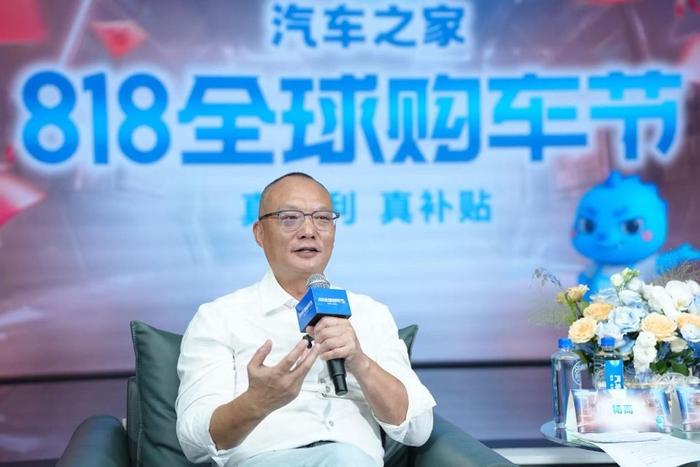
Core Viewpoint - The automotive industry is undergoing a deep adjustment period, and the "818 Global Car Purchase Festival" organized by Autohome is injecting vitality into the sector through "real benefits and subsidies" and "AI innovation" [1][6]. Group 1: AI Empowerment in the Automotive Industry - Autohome has launched an AI smart assistant that integrates a vast database of vehicle models, reviews, and user feedback, allowing users to receive tailored vehicle recommendations through conversational queries [2]. - The company has developed an "AI toolkit" that includes various AI-driven solutions to assist manufacturers and dealers in improving efficiency and reducing costs, emphasizing that AI enhances rather than replaces human efforts [2]. - Autohome's self-developed Cangjie model has outperformed general models in automotive knowledge assessments, achieving a score of 72.96, which is 13.63 points higher than the second place, thanks to its extensive data analysis capabilities [3]. Group 2: Global Expansion and O2O Ecosystem - Autohome is addressing the challenges of electric vehicle accessibility by establishing a network of "space stations and car exhibitions" across over 200 cities, facilitating a seamless online-to-offline (O2O) experience for consumers [4]. - The company has launched its overseas website, covering countries such as Thailand, Saudi Arabia, the UK, Australia, and Brazil, providing comprehensive information on Chinese automotive brands to international users [5]. - Autohome aims to eliminate information barriers for overseas users regarding Chinese vehicles and provide robust digital support for Chinese brands entering foreign markets, evidenced by a 40% improvement in user profiling accuracy for a domestic brand in the Middle East [5]. Group 3: Strategic Transformation Goals - The ultimate goal of Autohome is to become the "intelligent hub" of the automotive industry, transitioning from a media platform to a comprehensive automotive technology ecosystem, and redefining the concept of the automotive ecosystem [6].
从流量补贴到AI赋能 汽车之家双轮驱动重构汽车消费价值链
Zheng Quan Ri Bao Zhi Sheng· 2025-08-18 10:46
Core Viewpoint - The automotive industry is undergoing a deep adjustment period, and the "818 Global Car Purchase Festival" organized by Autohome is injecting vitality into the sector through "real benefits and real subsidies" and "AI innovation" [1] Group 1: AI Empowerment - Autohome is fully advancing its "All in AI" strategy, focusing on intelligent car selection, purchase decision assistance, and smart marketing to create a comprehensive AI empowerment system [1][2] - The company has launched an AI smart assistant that integrates a vast database of car models, evaluations, and user feedback, providing precise recommendations based on user queries [2] - Autohome's self-developed Cangjie model has surpassed general models in understanding capabilities within the automotive vertical, achieving a score of 72.96 in the SuperCLUE evaluation, leading the automotive knowledge assessment by 13.63 points [3] Group 2: O2O Ecosystem and Global Strategy - Autohome is building an "O2O car ecosystem" and a global strategy to expand its boundaries, addressing the convenience of car viewing amid the rise of electric vehicles [5] - The company has established a network covering over 200 cities with "space stations and car exhibitions," facilitating a seamless connection from online information to offline transactions [5] - Autohome's overseas website launched on June 30, 2025, aims to eliminate information barriers for overseas users regarding Chinese car models, enhancing the accuracy of user profiles by 40% in the Middle East market [6] Group 3: Transformation and Future Goals - The company is transforming the automotive consumption decision-making process through AI and ecological collaboration, aiming to redefine the "automotive ecosystem" [7] - Autohome's ultimate goal is to become the "smart hub" of the automotive industry, transitioning from a media platform to an automotive technology ecosystem platform [7]