
数字化转型

Search documents
凌志软件20251110
2025-11-11 01:01
Summary of the Conference Call on Lingzhi Software's Acquisition of Kaimiride Company and Industry Overview - **Company**: Lingzhi Software - **Target Company**: Kaimiride - **Industry**: Financial Technology (FinTech) Key Points and Arguments 1. **Acquisition Purpose**: Lingzhi Software plans to acquire Kaimiride to deepen its domestic FinTech layout and achieve dual-driven growth in domestic and international markets, aligning with national strategies for financial autonomy and RMB internationalization [2][3] 2. **Kaimiride's Market Position**: Kaimiride specializes in core trading management systems for capital markets, serving nearly 100 financial institutions with an asset management scale exceeding 70 trillion and processing daily fund flows over 1.4 trillion [2][4][5] 3. **Viva System**: Kaimiride's proprietary Viva system is a comprehensive trading, risk control, and settlement management system, recognized as the first domestically developed integrated solution in this field [2][7] 4. **Full Lifecycle Service**: Kaimiride offers full lifecycle services covering all aspects of financial transactions, particularly excelling in complex cross-border payments, ensuring high security and reliability for major financial institutions [2][9] 5. **Market Expansion Potential**: The acquisition is expected to significantly increase Lingzhi Software's domestic revenue share, reducing reliance on the Japanese market and enhancing collaborative development in products, clients, and technology [4][26] 6. **Strategic Importance**: The acquisition is seen as a crucial step in enhancing Lingzhi Software's core competitiveness in the FinTech sector, especially in the context of increasing demand for domestic solutions and the need for digital transformation among financial institutions [3][12] 7. **Competitive Landscape**: The domestic FinTech market is highly competitive, with Kaimiride maintaining a 100% market share in new product selections over the past four years, despite competition from other firms [17][29] 8. **Future Development Plans**: Kaimiride aims to focus on three key areas: achieving financial autonomy, advancing digital transformation, and supporting RMB internationalization, leveraging the growing demand for domestic solutions [19][24][35] Additional Important Insights 1. **Challenges in Market Positioning**: Kaimiride faces challenges in meeting the increasing qualification requirements of banks, which are becoming more stringent as the demand for domestic solutions rises [19][22] 2. **Collaboration Synergies**: The partnership between Lingzhi Software and Kaimiride is expected to create synergies in market reach, customer base, product offerings, and technological innovation [18][30] 3. **Technological Barriers**: Kaimiride's Viva product has significant technological barriers to entry, requiring deep understanding of global financial products and extensive practical experience, which positions it favorably against competitors [27][28] 4. **Employee Structure**: Kaimiride employs over 500 staff, with a significant portion being expert consultants, which enhances its project delivery capabilities [31] 5. **International Strategy**: Kaimiride is not limited to the Japanese market but is also exploring opportunities in Hong Kong, Southeast Asia, and along the Belt and Road Initiative, aligning with the RMB internationalization strategy [35] This summary encapsulates the essential aspects of the conference call regarding Lingzhi Software's strategic acquisition of Kaimiride, highlighting the implications for both companies and the broader FinTech industry.

消费:牛市的下一站风景
2025-11-11 01:01
Summary of Key Points from Conference Call Industry Overview - **Industry Focus**: Consumer sector, including hospitality, duty-free markets, food and beverage, agriculture, and pharmaceuticals [1][2][3][4][5][6][7][8][9][10][11][12][13][14][15][16][17][18][19][20][21][22][23][24][25][26][27][28][29][30][31][32][33][34][35][36][37][38][39][40][41][42][43][44][45] Core Insights and Arguments - **Market Style Shift**: In Q4, funds are transitioning from previous hot sectors to traditional value sectors, revealing valuation opportunities in the consumer sector [1][5] - **Improving Consumer Fundamentals**: High-end brand sales are increasing, and extended holiday periods are expected to boost travel frequency, with potential policy measures to enhance service consumption [1][13] - **Hotel Industry Recovery**: RevPAR decline is narrowing, with some weekly data turning positive; notable stock performance from companies like Atour and Jin Jiang [1][10] - **Duty-Free Market Growth**: Hainan's duty-free market revenue turned positive, with a 35% increase in early November, driven by electronics sales [1][11][12] - **Food and Beverage Opportunities**: Low base, low institutional holdings, and low valuations suggest a potential increase in allocation, with expectations to outperform the CSI 300 index [1][23][24][25] - **Agricultural Sector Turning Point**: Beef prices are rising, expected to maintain an upward trend over the next three years; raw milk market is at historical lows but is set for gradual improvement [1][31][32] - **Pharmaceutical Sector Focus**: Recommendations for innovative drug companies and CRO leaders, with attention to chain pharmacies and traditional Chinese medicine [1][40][41] Additional Important Insights - **Consumer Sector Performance**: A-shares and Hong Kong stocks in the consumer sector have performed well this year, with a notable rally in A-shares [2] - **Investment Strategy for Q4**: A balanced approach is recommended, increasing allocation to traditional consumer sectors while maintaining a long-term view on technology [3][6] - **Social Services Sector Outlook**: The social services sector is showing growth potential, with recent activity in the duty-free market attracting investor interest [7][8] - **Impact of New Listings**: The successful financing of Shaanxi Tourism indicates regulatory support for direct financing, reflecting a positive trend in the current economic environment [9] - **Consumer Spending Recovery**: The recovery in consumer spending is closely tied to economic stabilization, with high-net-worth individuals positively impacted by the ongoing bull market [13] - **Traditional vs. New Consumption**: Both traditional and new consumption sectors show positive growth prospects, with funds shifting towards traditional sectors due to underperformance in tech [14] - **Beauty and Retail Sector Dynamics**: The beauty and retail sectors typically perform well at the start of market rallies, supported by seasonal demand and improved consumer sentiment [15] - **Jewelry Sector Growth**: Companies like Chao Hong Ji are expected to see good growth prospects due to low store counts and positive sales feedback [17][18] - **Online Penetration in Personal Care**: Companies benefiting from increased online penetration include Ru Yuchen and Qingmu Keman Duo, with strong growth expected [19] - **Supermarket Sector Outlook**: The supermarket sector may rebound, with some regional players showing profit improvements [20] - **Cosmetics Industry Focus**: Companies like Proya and Shanghai Jahwa are highlighted for their growth potential, with low valuations and strong market positions [21] - **Hong Kong Jewelry Brands**: Brands like Chow Tai Fook and Luk Fook are at low valuations but show signs of upward trends [22] - **Food and Beverage Sector Performance**: The food and beverage sector has shown strong recent performance, with expectations for continued growth [23][24][25] - **Digital Transformation Impact**: Digital transformation is enhancing operational efficiency in the food and beverage sector, with companies like Nongfu Spring benefiting [28] - **Reform Opportunities**: 2026 is expected to be a pivotal year for many companies, with potential for significant value release [29] - **White Spirit Industry Outlook**: The white spirit industry is expected to stabilize, with a focus on reasonable valuations and dividend yields [30] - **Livestock Sector Trends**: The livestock sector is approaching a significant turning point, with rising beef and raw milk prices anticipated [31][32][33] - **Dairy Farming Innovations**: Dairy farms are exploring new business models to enhance profitability, particularly in the meat and milk systems [34] - **Pork Sector Challenges**: The pork sector faces challenges, with prices expected to bottom out in the first half of next year [35] - **Textile and Apparel Opportunities**: Structural opportunities exist in the textile and apparel sector, particularly in sports and outdoor categories [36][37] - **Home Appliance Sector Outlook**: The home appliance sector is expected to face pressure in Q4 but has long-term growth potential [38][39] - **Pharmaceutical Sector Developments**: The pharmaceutical sector is focusing on innovative drugs and CROs, with significant growth potential in these areas [40][41][42][43][44]
A股:刚刚,A股传来三条消息,释放重要信号!周二大盘可能这么走
Sou Hu Cai Jing· 2025-11-10 21:16
Core Insights - The main highlight in the A-share market is the significant rally in the consumer sector, particularly in the liquor and food and beverage segments, driven by a surprising rise in the October CPI data, which provided an entry point for funds [1][3][7] CPI Impact Analysis - The increase in the Consumer Price Index (CPI) in October is primarily attributed to rising prices of food and liquor, along with a recovery in certain service consumption demands [3] - For sectors like liquor and dairy, a higher CPI indicates improved profit expectations due to demand elasticity and price increase effects, enhancing companies' gross profit margins [4] - The rise in CPI supports a recovery in fund preferences for consumer goods, making them a dual-purpose investment choice amid inflation expectations [5] - The fourth quarter leading up to the Spring Festival is a peak consumption season, providing a time advantage for early positioning [6] Market Rotation Mechanism - Fund rotation in the A-share market typically follows three dimensions: sustained high prosperity (consumption, pharmaceuticals), undervalued rebound (cyclical, financial), and policy catalysts with new themes (infrastructure, technology growth) [8] - Following the consumer sector's initiation, short-term funds are likely to differentiate within the consumer line (liquor → dairy → food processing → catering and tourism) before switching to low-positioned sectors with catalysts, such as chemical resources, brokerage, and digital economy [8][9] Potential Beneficiary Sectors 1. **Investment Policies**: Infrastructure, low-altitude economy, and digitalization sectors are expected to benefit from new investment policies, particularly in railways, nuclear power, and digital transformation [10] 2. **Southbound Funds**: The cumulative net purchase of southbound funds has exceeded 50 billion HKD, with significant inflows into Hong Kong stocks, indicating potential for increased investment in related ETFs and dual-listed companies [12] 3. **Brokerage Strategies**: Brokerages are optimistic about various sectors, including their own, old economy stocks, and technology growth, providing diverse investment directions [13] Fund Flow Signals - The total transaction volume in the Shanghai and Shenzhen markets was below 2.2 trillion, with a potential increase to 2.5 trillion indicating a successful continuation of market momentum [14][15] Focus Areas for Strategy - Key sectors to monitor include the consumer chain (liquor, dairy, food processing), policy-driven sectors (low-altitude economy, digital transformation), and brokerage financials [16][17] - The strategy emphasizes capturing the initial wave of fund inflows during specific time windows, with a bullish outlook for the market if transaction volumes increase [18]


中兴商业:全方位提质升级 打造区域零售行业旗舰
Zhong Guo Zheng Quan Bao· 2025-11-10 20:09
Core Insights - The company is actively adapting to new trends in the retail industry during the "14th Five-Year Plan" period, focusing on enhancing operational quality and brand influence while implementing innovative marketing and service experience strategies [1][2] Strategic Layout of the First Store Economy - The opening of the dinosaur museum in Shenyang has attracted significant foot traffic, exemplifying the company's efforts to innovate its business model and create a cultural super IP [1][2] - The company has introduced various first stores, including notable brands in outdoor sports and high-end beauty, enhancing its product offerings and meeting diverse consumer demands [2][3] - A total of 73 first stores and flagship stores have been introduced since the beginning of the "14th Five-Year Plan," significantly enriching the product and service supply [3] Marketing and Consumer Engagement - The company has adopted a "three attractions" marketing strategy aimed at drawing in young consumers and families, enhancing the overall shopping experience [4] - By integrating cultural, dining, and entertainment elements into its operations, the company aims to stimulate consumer enthusiasm and increase foot traffic [4][5] Digital Transformation and Upgrading - The company is pursuing a dual-channel development strategy, enhancing its online sales capabilities while maintaining a strong offline presence [5][6] - The launch of the "ZTE Building+" mini-program and the introduction of e-commerce live streaming have positioned the company as a pioneer in its industry [6] - Investments in digital infrastructure and IoT platforms are aimed at improving operational efficiency and customer experience [6]

进一步激发民间投资活力 13项政策举措出台
Zhong Guo Zheng Quan Bao· 2025-11-10 20:09
Core Viewpoint - The State Council has issued measures to stimulate private investment, proposing 13 targeted policies to enhance the development of private investment in various sectors, including infrastructure and technology [1][2]. Group 1: Private Investment Participation - The measures emphasize the need for feasibility studies on private capital participation in state-approved projects in sectors like railways and nuclear power, allowing private capital to hold more than 10% in eligible projects [1][2]. - The policies aim to clarify the roles of industry regulators and project approval departments, ensuring a smooth process for private capital involvement in major projects [2]. Group 2: Infrastructure and Service Sector - The measures encourage orderly participation of private capital in low-altitude economy infrastructure and optimize satellite communication business access for private investment [2]. - The policies aim to remove unreasonable restrictions on service industry access, promoting private investment in areas like industrial design and digital transformation [2]. Group 3: Digital Empowerment for SMEs - The measures support the establishment of major pilot platforms by private enterprises and encourage collaboration with state-owned enterprises and research institutions for market-oriented pilot services [3]. - There is a focus on building comprehensive digital empowerment platforms to facilitate data integration across supply chains, enhancing the digital transformation of small and medium-sized enterprises (SMEs) [3]. Group 4: Financial Support Mechanisms - The measures propose increasing central budget investments in eligible private investment projects and utilizing new policy financial tools to support these initiatives [4]. - The policies aim to improve financing accessibility for private enterprises, particularly small and micro enterprises, by enhancing coordination mechanisms for financing [4].
利好!国办重磅印发!
Zheng Quan Shi Bao· 2025-11-10 18:07
Core Points - The State Council has introduced 13 targeted policy measures to stimulate private investment and promote its development [1][2][3] Group 1: Expansion of Access - Encouragement for private capital participation in key sectors such as railways and nuclear power, with specific shareholding ratios to be determined based on project feasibility [1][3] - Support for private investment in smaller, profitable urban infrastructure projects [1][3] - Guidance for private capital involvement in low-altitude economy and commercial aerospace infrastructure [1][3] Group 2: Addressing Bottlenecks - Protection of private enterprises' legal rights in areas like electricity grid access and oil and gas pipeline usage [2][4] - Support for the establishment of major pilot platforms by leading private enterprises and collaboration with state-owned enterprises and research institutions [2][4] - Promotion of digital empowerment platforms for private enterprises to enhance their digital transformation [2][6] Group 3: Strengthening Support - Increased central budget investment and new policy financial tools to support eligible private investment projects [2][5] - Financial institutions to set annual service goals for private enterprises to meet their reasonable credit needs [2][6] - Implementation of a "green channel" policy for technology companies to facilitate financing and mergers [2][6] Group 4: Regulatory Improvements - Removal of unreasonable entry barriers in service industries and support for private capital in various productive service sectors [4][5] - Revision of public-private partnership mechanisms to better facilitate private enterprise participation [4][5] - Strict enforcement of bidding regulations to eliminate unfair requirements for private enterprises [4][5] Group 5: Procurement and Investment - Increased government procurement support for small and medium-sized enterprises, with a requirement to reserve over 40% of project budgets for them [5][6] - Encouragement for private enterprises to engage in infrastructure investment trusts (REITs) [6][7] - Emphasis on high-quality development of private investment through improved monitoring and analysis [7][8]
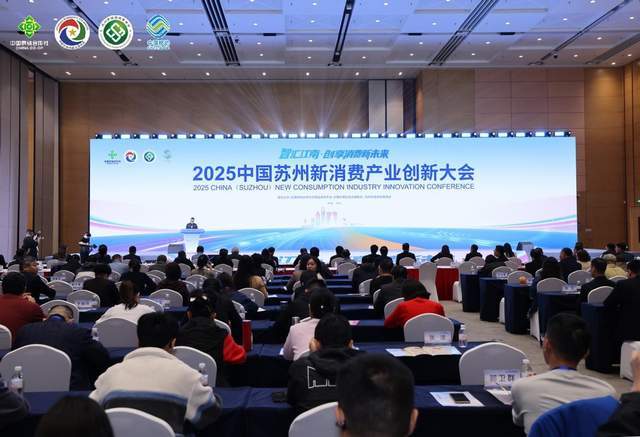
聚势赋能新消费!2025中国苏州新消费产业创新大会成功举办
Sou Hu Cai Jing· 2025-11-10 16:54
Core Insights - The "2025 China Suzhou New Consumption Industry Innovation Conference and New Consumption Quality Goods Supply and Marketing Franchise Exhibition" was successfully held from November 8 to 9, focusing on the theme "Intelligent Integration of Jiangnan: Creating a New Future for Consumption" [1] - The event featured three parallel forums discussing key topics such as "Digitalization of Consumption and Supply Chain Upgrades," "Brand Innovation and Sustainable Development," and "Green Supply Chains and Healthy Consumption," with insights from industry experts [1] Group 1 - The exhibition area covered 6,000 square meters, showcasing hundreds of quality brands including China Mobile, Supply and Marketing Cooperatives, and New World Chain Supermarket, highlighting the innovative strength and industrial vitality of "Suzhou Products" [3] - The event attracted hundreds of professional buyers and facilitated over a hundred preliminary cooperation intentions, effectively promoting resource integration and business collaboration across the industry chain [3] - Interactive activities and consumer vouchers in the public consumption area engaged tens of thousands of citizens, achieving a perfect blend of professional exchange and consumer engagement [3] Group 2 - The conference awarded outstanding enterprises and brands in the new consumption sector and included a signing ceremony for the wine brand "Feihong," showcasing the vibrancy and appeal of the new consumption industry [5] - The event was co-hosted by the National Supply and Marketing Cooperative Daily Goods Procurement Platform, the China Daily Goods Circulation Association, and the Suzhou Chain Operation Chamber of Commerce, promoting deep industry exchanges and the integration of local brands with the national supply chain [7] - Suzhou aims to continue deepening innovation practices in the new consumption sector, collaborating with various sectors to explore new consumption scenarios and build a new industrial ecosystem [9]
微信、支付宝在泰国直接扫码支付
Shang Wu Bu Wang Zhan· 2025-11-10 16:51
Core Points - The Bank of Thailand has officially launched a cross-border QR code payment service between Thailand and China, aimed at enhancing cooperation in trade, investment, and tourism between the two countries [1][2] - The service allows users to scan Thai QR codes using mobile payment applications while in Thailand, significantly improving the convenience and efficiency of cross-border payments [1] - The initiative is supported by major Thai banks and Chinese payment service providers, with Bangkok Bank and Krungthai Bank acting as settlement banks [1] Group 1 - The cross-border instant retail payment service provides a more convenient, secure, efficient, and cost-effective payment method for the public [2] - It also expands trade cooperation opportunities for businesses [2] - The Bank of Thailand has established similar payment collaborations with nine other countries and regions to promote regional economic growth and accelerate Thailand's digital transformation [2] Group 2 - The expected number of mutual visits between Thailand and China is projected to reach 8.8 million in 2024 [1] - Initial participating Thai financial institutions include Bangkok Bank, Krungthai Bank, Kasikorn Bank, Industrial and Commercial Bank of China (Thailand), and SCB Bank [1] - More banks are anticipated to join the service network in the future [1]
航贸金融服务加速数智化转型
Qi Huo Ri Bao Wang· 2025-11-10 16:07
Core Insights - The smooth operation of global trade heavily relies on a stable and reliable shipping logistics system, with approximately 90% of global trade conducted via maritime transport [1] - The China Ocean Shipping Group (COSCO) has played a significant role in supporting the China International Import Expo (CIIE) for eight consecutive years, showcasing its commitment to global trade and sustainable development [2][3] Group 1: Logistics and Supply Chain - COSCO's theme for this year's CIIE is "Sailing Together," emphasizing global cooperation amidst challenges of de-globalization and showcasing its advancements in digital supply chain networks and green logistics [2] - The demand for fast-moving consumer goods, such as food and health products, has significantly increased, with unique handicrafts from Peru making their debut at the expo [2] - COSCO provides comprehensive "end-to-end" services for exhibitors, ensuring timely and safe delivery of goods through customized transportation solutions and real-time coordination [2][3] Group 2: International Cooperation - The CIIE serves as a platform for deepening international shipping cooperation and building a global trade network, with COSCO organizing participation from nearly 20 overseas enterprises [4] - New partnerships have emerged, including a North American company leading a joint exhibition, highlighting COSCO's integrated service network across maritime, land, rail, and warehousing [4] - The opening of the "QianKai-Shanghai" direct shipping route has significantly reduced transportation time, enhancing trade efficiency between China and the South American west coast [5] Group 3: Digital Transformation and Sustainability - Digital transformation and green sustainable development are reshaping the global shipping industry, with COSCO showcasing a "Smart Terminal Simulator" that integrates 5G, AI, big data, and digital twin technology [6] - The introduction of the first 16,000 TEU methanol dual-fuel container ship by COSCO demonstrates its commitment to decarbonizing shipping [6] - Financial support for the shipping industry is crucial, with innovations in trade finance and the introduction of shipping-related futures by the Shanghai Futures Exchange marking significant steps towards integrating finance with the shipping sector [7]
物流创新赋能“双向奔赴”
Guo Ji Jin Rong Bao· 2025-11-10 14:39
11月5日至10日,第八届中国国际进口博览会(下称"进博会")在国家会展中心(上海)举行。 本届进博会参展企业总数再创新高。一方面,国外企业加速进入中国市场,另一方面,中国企业也借助 平台成功"出海",而物流、交通、运输,正是支撑起"进口"与"出海"互动的桥梁,这些行业的领军企业 纷纷亮相进博会,为观者展现出中外经济"双向奔赴"的新时代图景。 供应链显韧性 作为进博会交通与物流领域的重要配套活动,2025全球贸易与国际物流高峰论坛日前召开,来自制造 业、物流业和全球贸易领域参会代表汇聚一堂,共为全球供应链"韧性化"发展贡献中国方案、中国智 慧。 中国交通运输协会副会长钟华在论坛上表示,当前,中国物流行业延续"韧性增长、质效双升"的良好态 势,正加快从"规模扩张"向"质量提升"转变,同时,"逆全球化"思潮抬头,供应链"断链""脱钩"等风险 也在加剧。 对此,他提出三点建议:一是筑牢"安全共赢"的基石;二是激活"数智共赢"的动能;三是夯实"绿色共 赢"的底色。业界要以"共赢链"理念为指引,将物流发展深度融入国家双循环新发展格局,不断优化产 业链供应链协同,降低流通成本,助力制造业向全球价值链中高端攀升。 国家邮政 ...