即时零售

Search documents
美团周末“闪击”阿里,外卖补贴新一轮大战开打
Di Yi Cai Jing· 2025-07-06 09:39
Core Viewpoint - The competition among major players in the instant retail market has intensified, with Meituan's recent actions being a direct response to rivals like Alibaba's Taobao Flash Sale and JD.com, marking a critical battle for market dominance in the "instant retail + e-commerce + services" sector [1][2][3] Group 1: Competitive Actions - On July 5, Meituan announced that its daily order volume for instant retail surpassed 120 million, significantly outpacing Taobao Flash Sale's target of 90 to 100 million orders [1][11] - Taobao Flash Sale had previously reported reaching 60 million daily orders and announced a substantial subsidy plan of 50 billion yuan over the next 12 months to boost consumer and merchant engagement [3][5] - The competition is not merely about numbers; it represents a strategic struggle for control over future market entry points among Meituan, Alibaba, and JD.com [2][6] Group 2: Market Dynamics - The instant retail market in China reached a scale of 650 billion yuan in 2023, reflecting a year-on-year growth of 28.89% [8] - The competition has evolved from simple price wars to a more complex battle involving supply chain capabilities, instant delivery efficiency, and user experience [8][14] - The current competitive landscape is characterized by a "three-legged" rivalry among Meituan, JD.com, and Taobao Flash Sale, with each platform seeking to enhance its market position through various strategies [8][13] Group 3: Consumer Impact - Consumers have responded positively to the large subsidies offered by platforms, leading to a surge in order volumes, with some users expressing excitement over the discounts available during the recent competitive events [10][12] - However, there are concerns that such aggressive subsidy strategies may lead to long-term price dependency among consumers, potentially resulting in a sharp decline in order volumes once subsidies are reduced [13][14] Group 4: Industry Implications - The ongoing subsidy war has implications for the overall market ecosystem, with smaller merchants facing increased pressure while larger brands leverage their financial strength to capture market share [13] - Regulatory bodies have begun to address the competitive practices within the industry, emphasizing the need for fair competition and the protection of consumer rights [13][14] - Analysts suggest that platforms should focus on technological innovation and differentiated strategies rather than solely relying on subsidies to ensure sustainable growth and a balanced market environment [14]



2025年第27周:酒行业周度市场观察
艾瑞咨询· 2025-07-06 03:49
Group 1: Industry Environment - The white liquor industry is undergoing a significant adjustment, with companies accelerating the development of younger and lower-alcohol products to cater to the preferences of younger consumers, particularly those born in the 1990s and 2000s [1][2] - The market for low-alcohol liquor is expected to reach 740 billion yuan by 2025, indicating a shift in consumer habits towards more complex flavors and healthier drinking experiences [1] - The industry is facing high inventory levels and the impact of alcohol bans, leading to a focus on new consumption scenarios such as home gatherings and casual drinking [2][3] Group 2: Market Trends - The white liquor market is entering a phase of stock competition, with younger consumers driving demand for lower-alcohol and fruit-flavored beverages [2][3] - Instant retail has emerged as a crucial sales channel, particularly during events like the 618 shopping festival, where white liquor sales saw significant growth [6] - The overall market is experiencing a decline in volume and price, with a shift towards family and celebration consumption scenarios, while online sales are increasing but overall activity remains subdued [4] Group 3: Policy and Regulation - Recent adjustments to the "ban on alcohol" policy have clarified the distinction between normal dining and violations, which is expected to restore confidence in the market and improve consumption levels [5] - The white liquor industry is adapting to a "shrinkage era," where the focus is shifting from government and business consumption to consumer-driven demand [7][8] Group 4: Company Dynamics - Major companies like Wuliangye are focusing on quality and brand building, with a commitment to maintaining a cash dividend ratio of no less than 70% over the next three years [20][21] - Luzhou Laojiao is leading the standardization and digitalization of the aged liquor market, enhancing market transparency and quality [13] - The industry is witnessing a trend towards internationalization, with companies like Shede Liquor leveraging cultural events to promote Chinese liquor abroad [12] Group 5: Competitive Landscape - The competition in the white liquor market is intensifying, with companies needing to optimize product structures and embrace digitalization to adapt to new consumer trends [8][9] - The rise of e-commerce and instant retail is disrupting traditional pricing structures, prompting companies to rethink their channel strategies and brand value [9][10] - The market is seeing a shift towards health-oriented and lower-alcohol products, with companies like Kuaijishan adapting their strategies to capture this emerging demand [27]



淘宝闪购再掏500亿补贴,阿里试寻“大消费”最优解
Tai Mei Ti A P P· 2025-07-05 09:07
Core Insights - The article discusses Alibaba's strategy to invest 50 billion yuan in consumer and merchant subsidies through Taobao Flash Sale over the next 12 months, aiming to stimulate consumption and enhance merchant growth [1][2][12] - It highlights the importance of instant retail as a potential "third pole" in the retail landscape, alongside offline retail and centralized e-commerce platforms [4][6] - The article emphasizes that consumer behavior is evolving, with a focus on emotional and experiential aspects of consumption, indicating a shift towards service-oriented consumption [12] Group 1: Investment and Strategy - Taobao Flash Sale will provide 50 billion yuan in subsidies to consumers and merchants within 12 months, indicating a significant commitment to boosting the e-commerce sector [1][9] - The initiative has already shown promising results, with over 60 million orders placed within two months of launch, demonstrating strong consumer engagement [1][6] - The focus on both consumer and merchant subsidies suggests a balanced approach to stimulate demand while supporting merchant profitability [2][9] Group 2: Market Dynamics - Instant retail is positioned as a crucial growth area for Alibaba, with the potential to redefine the retail landscape by addressing unmet consumer needs [4][6] - The article notes that the current market is not yet saturated, unlike the logistics industry, indicating ample opportunities for innovation and differentiation [2][3] - The evolving consumer landscape, characterized by fluidity in purchasing behavior and preferences, necessitates a more integrated approach to service and product offerings [11][12] Group 3: Consumer Behavior - Consumers are increasingly seeking the "optimal solution" in their purchasing decisions, which encompasses not just price but also service quality and product availability [5][8] - The article points out that the overlap of users across different platforms indicates a need for e-commerce platforms to enhance their value propositions to retain customers [5][8] - The shift towards service-oriented consumption reflects changing consumer priorities, with a growing emphasis on experiences rather than just physical goods [12]
长红30多年,全球第一的冰淇淋公司要IPO
3 6 Ke· 2025-07-05 00:02
Core Insights - The ice cream market in China is experiencing a surge in sales due to high temperatures, with major brands competing for market share [2][3] - Magnum Ice Cream Company, previously part of Unilever, has officially separated and is preparing for an IPO in Amsterdam by Q4 2025, indicating a significant shift in the global ice cream landscape [5][7] - The Chinese ice cream market is projected to reach a scale of 183.5 billion yuan in 2024, with a steady growth forecast in the coming years [13] Company Developments - Unilever's ice cream business, which includes brands like Magnum and Cornetto, has been a dominant player, holding approximately 20% of the global market share [3][5] - The establishment of Magnum Ice Cream Company was announced in March 2023, marking a strategic move to enhance brand identity and operational focus [5][8] - The company aims to leverage the summer sales season to establish a strong market presence as an independent entity [7][13] Market Dynamics - The competitive landscape is intensifying, with established brands like Mengniu and Yili also vying for market share, particularly in the high-margin ice cream segment [15] - New entrants and innovative products are emerging, with over 41,200 ice cream-related companies registered in China as of May 2023, indicating a rapidly evolving market [15][17] - The rise of online sales channels and instant retail is reshaping consumer purchasing behavior, with a notable increase in demand for ice cream products [25][21] Consumer Trends - The ice cream market is diversifying, with brands exploring new consumption scenarios beyond traditional summer treats, such as workplace snacks and social gatherings [25][19] - The popularity of unique and visually appealing products, like "chicken leg ice cream," reflects changing consumer preferences, although many novelty items struggle with repeat purchases [18][19] - The competitive edge is shifting towards brands that can effectively integrate into various lifestyle contexts, suggesting a need for innovative marketing strategies [25][21]


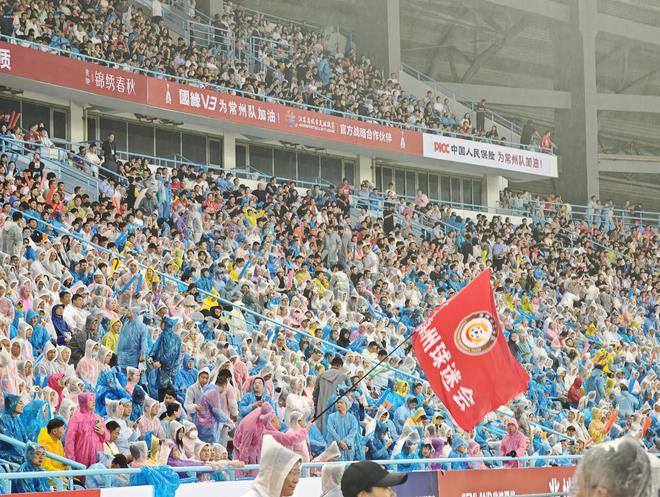
"苏超"引爆外卖大战:京东江苏订单飙10倍,淘宝闪购500亿元补贴火力全开
Mei Ri Jing Ji Xin Wen· 2025-07-04 12:56
7月4日,京东官宣全国第一家"苏超"官方旗舰店入驻京东。据京东官方数据,"苏超"开赛以来,京东外 卖江苏省订单量环比增长超10倍。 而淘宝闪购近日也发起了连环攻势。继6月30日官宣冠名"苏超"常州队后,7月2日,淘宝闪购宣布启动 规模高达500亿元的补贴计划。7月3日,《每日经济新闻》记者从淘宝闪购处了解到,补贴上线首日, 餐饮连锁品牌和中小商家的订单量分别环比增长170%和140%。 今年"618"期间,即时零售成为新的竞争焦点,淘宝闪购携手饿了么,与京东外卖、美团闪购展开正面 竞争,虽然"618"已经收官,但即时零售赛道仍在升温,各方争相押注"苏超",上演外卖争霸。 "618"后,战火燃至"苏超" "618"收官后,无论是美团、京东,还是淘宝闪购,都在即时零售上祭出了新招。最新的战火燃向了"苏 超"。 每经记者|陈婷 每经编辑|张海妮 平台在即时零售赛道的投入还在继续。 比拼的不仅是低价和速度 种种迹象表明,即时零售已经被各平台提升到了新的战略高度,比拼的也早已不仅是履约速度。 海通证券相关研报提及,此次500亿元补贴被视为阿里坚定进军即时零售的重要信号。在流量分发模型 转型方面,淘宝正将搜索流量、首页推 ...

在京东美团血战千亿情趣焦虑市场:你的每一次深夜冲动,都在喂养百分之500的暴利。
新消费智库· 2025-07-04 12:13
Core Viewpoint - The adult products market in China is experiencing significant growth and transformation, driven by changing consumer attitudes, the rise of e-commerce, and the entry of delivery platforms into the market [2][12][40]. Group 1: Market Growth and Consumer Trends - The adult products market in China has grown from 49.39 billion yuan in 2016 to 171.35 billion yuan in 2023, with a compound annual growth rate of 19.6% [14]. - By 2025, the market is expected to exceed 200 billion yuan, indicating a robust growth trajectory [14]. - Female consumers dominate the market, accounting for 68.7% of total consumers, with a notable increase in acceptance and purchasing frequency among women aged 25-35 [11][12]. Group 2: E-commerce and Delivery Platforms - E-commerce platforms account for over 70% of sales in the adult products market, with major players like Tmall and JD.com facilitating consumer access while ensuring privacy [14]. - Delivery platforms such as Meituan and Ele.me have entered the market, offering quick delivery options for adult products, enhancing consumer convenience [19][21]. - Meituan has launched its own brand LOVE LAB, achieving significant sales volumes and profitability in pilot locations [21]. Group 3: Changing Consumer Attitudes - A survey indicates that 53.9% of respondents identify as "open enjoyers," reflecting a shift towards more open attitudes regarding adult products [10]. - The rise of "self-satisfaction" consumption among women is evident, with 78.3% purchasing adult products to enhance personal experience [31]. - The market is witnessing a trend towards high-end and intelligent products, with significant growth in premium segments [35]. Group 4: Industry Dynamics and Challenges - The adult products industry is characterized by high profit margins, often exceeding 200%, with some products achieving margins of 500%-1000% [17]. - The rapid growth of registered companies in the sector, from 137,400 in 2021 to over 420,400 in 2024, indicates a burgeoning entrepreneurial interest [16]. - Challenges include potential quality and safety issues with products sold through delivery platforms, as well as price competition that may squeeze profit margins [36][38].

稳住淘天基本盘,阿里和京东、美团在新赛道相遇
3 6 Ke· 2025-07-04 10:50
Core Viewpoint - Alibaba's current "Cloud + AI" strategy focuses on becoming a "water seller," providing computing power and AI resources to other clients, which allows it to avoid addressing specific AI commercialization issues [1][16]. Financial Performance - In May 2025, Alibaba reported a revenue of 996.347 billion yuan for the fiscal year 2025, a year-on-year increase of 6%, and a net profit of 125.976 billion yuan, a significant year-on-year surge of 77%, marking a historical high [2]. - The CFO highlighted significant progress in enhancing the competitiveness of e-commerce and cloud businesses, with Taobao and Tmall achieving steady growth [2]. E-commerce Strategy - Alibaba's e-commerce sector faced pressure due to the decline of mobile internet traffic and competition from Pinduoduo, leading to concerns about its business moat [2]. - The company has shifted focus back to users, moving away from extreme price competition, and is now emphasizing quality and operational efficiency [6][4]. - The Taobao platform's revenue for the fiscal year 2025 reached 449.827 billion yuan, with a year-on-year growth of 3.4% [6]. AI and Cloud Strategy - Alibaba is investing heavily in AI, with plans to invest over 380 billion yuan in cloud and AI hardware infrastructure over the next three years [15]. - The cloud computing segment generated revenue of 118.028 billion yuan, reflecting an 11% year-on-year increase, driven by soaring AI demand [13]. - The company has released over 200 open-source models, with global downloads exceeding 300 million, establishing a significant presence in the AI space [13]. Instant Retail Development - The instant retail market in China is rapidly growing, with a market size of 650 billion yuan in 2023, showing a year-on-year growth of 28.89% [11]. - Alibaba has integrated Ele.me into its e-commerce division to capitalize on the instant retail trend, launching "Taobao Flash Purchase" to leverage its vast user base [12][8]. - The daily order volume for Taobao Flash Purchase exceeded 6 million, indicating strong market penetration [12]. Challenges and Future Outlook - Despite the promising financial results, Alibaba faces challenges in achieving profitability in its local lifestyle business, which reported an adjusted EBITA loss of 3.689 billion yuan for the fiscal year 2025 [12]. - The company needs to effectively integrate its new business models with its existing e-commerce operations to create synergies and enhance overall value [16].
美团优选仓促离场,多多买菜“爆单”忙接盘
Xin Lang Cai Jing· 2025-07-04 04:21
Core Insights - Meituan's withdrawal from community group buying has led to a surge in interest for Pinduoduo's "Duoduo Maicai" as the dominant player in the market [1][5] - Pinduoduo is rapidly expanding its operations to absorb the demand left by Meituan, with a significant increase in daily sales and recruitment of staff [4][8] - The community group buying sector has seen a decline in competition, with only Pinduoduo remaining as a national platform, allowing it to consolidate resources and adjust its business strategy [5][10] Company Developments - Meituan has suspended services in multiple provinces, focusing on instant retail, which has disrupted suppliers and led to chaos in inventory management [1][4] - Pinduoduo has reported a 50% increase in daily sales volume and is actively recruiting workers with salaries exceeding 10,000 yuan in various regions [4][8] - The company is offering incentives to attract former Meituan suppliers and is adjusting commission rates for team leaders to enhance recruitment [5][8] Market Dynamics - The community group buying market has experienced a significant contraction, with major players like Meituan, Alibaba, and JD.com scaling back operations [5][10] - Pinduoduo is leveraging the exit of competitors to strengthen its market position, with plans to enhance logistics and reduce costs [7][10] - The shift in focus from community group buying to instant retail may lead to increased competition among major e-commerce platforms, including Meituan, JD.com, and Alibaba [10][11] Challenges and Concerns - Despite the growth opportunities, some suppliers are hesitant to transition to Pinduoduo due to concerns over its low-price model and the potential for reduced product quality [9][12] - The community group buying model faces inherent challenges, including low margins and high operational costs, which may limit long-term sustainability [9][12] - Pinduoduo must find a balance between community self-pickup and instant delivery models to maximize efficiency and profitability [12]

“外卖大战”,美团能否守擂成功?
贝塔投资智库· 2025-07-04 04:13
Core Viewpoint - Despite short-term challenges from Douyin's traffic impact on food delivery and local life, as well as profit pressure from JD's food delivery, Meituan's high organizational efficiency and significant scale advantages suggest that it may represent a long-term investment opportunity over a two to three-year horizon [1] Financial Performance - In Q1, the company's revenue reached 86.6 billion yuan, a year-on-year increase of 18.1%, exceeding market expectations of 85.4 billion yuan; adjusted net profit was 10.9 billion yuan, up 46.2% year-on-year, significantly surpassing the market forecast of 9.73 billion yuan, with an adjusted net profit margin of 12.6% [2] - Core local business revenue grew 17.8% year-on-year to 64.3 billion yuan, with delivery, commission, and advertising revenues increasing by 22%, 20%, and 15% respectively; the healthy growth in food delivery was driven by a reduction in subsidies [5] Business Segments - New business revenue increased by 19.2% year-on-year to 22.2 billion yuan, although the growth rate slowed compared to the previous quarter; operating losses in new businesses narrowed by 18% year-on-year to 2.3 billion yuan, but widened quarter-on-quarter due to overseas expansion [5] - The management expects a slowdown in core local business revenue growth in Q2 due to intensified competition, with delivery order growth potentially decreasing from 15% in Q1 to 10%-11% [6] Competitive Landscape - The core competition in the food delivery sector is shifting towards instant retail, with the Ministry of Commerce predicting that the instant retail market will exceed 2 trillion yuan by 2030 [7] - Meituan's strategy combines both defensive and offensive elements, with its flash purchase business serving as a key growth driver in instant retail [9][11] - JD's entry into the food delivery market is seen as a defensive move to protect its user base from Meituan's encroachment [12] Market Share and User Dynamics - Meituan's average order value is higher than that of its competitors, focusing on high-frequency essential food consumption, which results in a healthier order structure [14] - As of mid-June, Meituan's daily payment orders remained above 90 million, while JD and Taobao reported peak daily order volumes of over 25 million and 40 million respectively, maintaining a market share ratio of approximately 7:2:1 [16] Cost Structure and Cash Flow - Meituan maintains a significant advantage in delivery costs, with an average fulfillment cost of 4.2 yuan compared to JD's estimated cost of 11.5 yuan [17] - The company reported a robust cash flow of 10.1 billion yuan in Q1, with cash reserves of 115 billion yuan, significantly higher than JD's cash flow and reserves [17] Subsidy Strategies - JD has adjusted its subsidy policy, shifting a larger burden onto merchants, indicating the unsustainability of high subsidies and potentially alleviating competitive pressure on Meituan [18][19] Long-term Outlook - Meituan's scale advantages and logistics capabilities in instant retail are expected to support its market share and competitive strength, with a potential stock price turning point anticipated in the second half of 2025 [24][25]

淘宝闪购500亿直补用户与商家 即时零售战场在线下
Jing Ji Guan Cha Wang· 2025-07-04 03:05
Core Viewpoint - Alibaba's Taobao Flash Purchase has launched a 500 billion yuan subsidy plan to stimulate consumer spending and support merchants in the instant retail market [2][3] Group 1: Subsidy Strategy - Taobao Flash Purchase will implement a "direct subsidy" plan over the next 12 months, with a total subsidy scale of 500 billion yuan [2] - The platform aims to enhance consumer engagement by offering large red envelopes, free order cards, and official subsidized products [2] - Merchants will receive various subsidies, including store, product, and delivery subsidies, to ensure profit margins and promote business growth [2] Group 2: Market Performance - Taobao Flash Purchase has achieved a daily order volume exceeding 60 million, with a punctuality rate of 96% [3] - Retail orders have seen a year-on-year growth of 179%, with some brands experiencing over 10 times growth in order volume [3] - The initial day of the subsidy saw 589 retail brands doubling their daily order volume compared to the launch date [3] Group 3: Competitive Landscape - The instant retail market is characterized by intense competition, with platforms like Meituan, Ele.me, and JD.com also engaging in aggressive subsidy strategies [2][6] - Meituan's daily order volume exceeds 90 million, while JD.com has surpassed 25 million [6] - The competition has led to increased pressure on merchants, who are compelled to participate in subsidy schemes [5] Group 4: Long-term Implications - The effectiveness of Taobao Flash Purchase's subsidy strategy will be evaluated based on merchant retention rates, user repurchase rates, and market share changes [3][7] - The strategy is seen as a defensive measure against low-price competition, aiming to reduce operational costs for merchants [6] - Future success will depend on converting subsidy advantages into enhanced digital operational capabilities for merchants [7]