人工智能(AI)

Search documents
云锋金融(00376) - 自愿性公告购买ETH作為战略储备资產
2025-09-02 12:02
(股份代號: 376) 香港交易及結算所有限公司及香港聯合交易所有限公司對本公告之內容概不負責,對其 準確性或完整性亦不發表任何聲明,並明確表示,概不對因本公告全部或任何部份內容 而產生或因倚賴該等內容而引致的任何損失承擔任何責任。 Yunfeng Financial Group Limited 雲鋒金融集團有限公司 ( 於香港註冊成立之有限公司 ) 自願性公告 購買 ETH 作為戰略儲備資產 本公告由雲鋒金融集團有限公司(「本公司」,連同其附屬公司統稱「本集團」)自願發 佈,旨在向股東及潛在投資者提供本集團業務發展的最新資訊。 茲提述本公司於二零二五年七月十四日刊發之公告(「公告」),其中本公司董事會(「董 事會」)宣佈本集團計劃戰略佈局 Web 3、現實世界資產(RWA)、數字貨幣、ESG 零碳 資產領域及人工智能(AI)等前沿領域。如公告所述,本集團將加大對數字貨幣的投資 力度。 為推進該公告披露的戰略,本公司欣然宣佈董事會已批准於公開市場購買 ETH 作為儲 備資產。截至本公告日期,本集團已於公開市場累計購買 10,000 枚 ETH,總投資成本 (含費用及開支)為 4,400 萬美元。此次購買資金來 ...
邵亦波谈AI与个人成长丨万字笔记
混沌学园· 2025-09-02 11:58
Group 1 - The article discusses the challenges and crises brought by the AI era, emphasizing the importance of personal growth and the new possibilities AI offers for human inner development [3][14][25] - It highlights the shift from a mechanical, efficiency-driven worldview to one that values emotional connection, meaning, and presence, contrasting Newtonian mechanics with quantum mechanics [15][19][21] - The article presents alarming statistics about the lack of meaning and connection in modern life, particularly among youth in countries like the UK and the US, where a significant percentage report feelings of loneliness and lack of purpose [22][23] Group 2 - The author suggests that AI, while a powerful tool, can lead to a more disconnected existence if not used consciously, as it operates purely on logic and data without understanding meaning [25][27][30] - There is a call for individuals to reconnect with their inner selves and emotions, advocating for practices that foster this connection rather than relying solely on external stimuli [31][32] - The potential for AI to assist in personal growth is acknowledged, with the idea that it can help individuals become more aware of their emotions and promote a deeper connection with themselves [34][35]


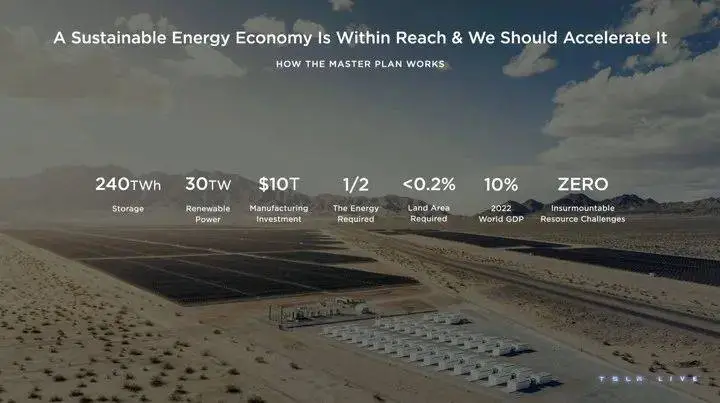
霍华德·马克斯:价值演算
Xin Lang Cai Jing· 2025-09-02 11:57
Group 1 - The core argument is that while the U.S. stock market appears to be overvalued, it does not necessarily indicate a bubble due to the absence of extreme investor psychology associated with bubbles [2][20][24] - The memo discusses the importance of understanding the intrinsic value of assets, which is derived from their fundamentals, including current earnings, future profitability, and management capabilities [4][7][8] - The relationship between price and value is emphasized, indicating that successful investing relies on accurately assessing value and purchasing at reasonable prices [12][16][17] Group 2 - The memo highlights the recent performance of the S&P 500 index, which has seen significant fluctuations due to economic concerns and investor sentiment, particularly following tariff announcements [18][19][22] - The "Magnificent Seven" stocks, including major tech companies, have significantly influenced the S&P 500's performance, raising concerns about their high valuations compared to historical averages [21][23] - The memo warns that current market conditions, including high price-to-earnings ratios and investor optimism, may not be sustainable, suggesting a need for caution in investment strategies [25][27][29]

金鹰基金:新质生产力方向闪耀八月 外围流动性改善利好九月
Xin Lang Ji Jin· 2025-09-02 10:27
1、9.3上午阅兵仪式,北京天安门广场将举行纪念中国人民抗日战争暨世界反法西斯战争胜利80周年大 会,包括检阅部队。关注阅兵仪式中主战装备和新一代武器装备亮相,对"十五五"规划中军工领域发展 规划起重要指引。 2、9月美联储议息会议和特朗普对美联储独立性的干预。在全球央行年会释放鸽派表态后,市场积极定 价美联储年内3次降息预期,在国内低利率、美国降息预期较为确定的环境下,叠加政策积极托底与居 民存款搬家,权益市场入市资金有望持续增长。 3、美国最高院对特朗普关税合法性的裁定进展。当地时间8月29日,美国上诉法院裁定美国总统特朗普 实施的大部分全球关税政策非法。法院表示,《国际紧急经济权力法》并未明确赋予美国总统加征关税 的权力,特朗普援引该法加征关税超越了其职权范围。该裁决10月14日之前不会生效,以便特朗普政府 向美国最高法院提出上诉。虽然A股市场对海外风险已阶段性脱敏,但关税合法性仍有可能进一步催化 A股市场情绪。 4、美国8月非农就业数据。7月非农就业数据不仅在市场上产生了相当大的波动,而且引发了很多争 议。因此,8月份报告将在两个方面具有重要意义:它是否会指向劳动力市场状况的进一步恶化,以及 在特朗普 ...
刘元春:“十五五”锚定三大主线
和讯· 2025-09-02 10:12
Group 1 - The core viewpoint emphasizes three main development lines during the "14th Five-Year Plan" period: the fourth industrial revolution led by AI, the construction of a new development pattern based on a new security framework, and the internal structural transformation of China [2][3][4]. - The first main line focuses on AI as a key driver of the fourth industrial revolution, with significant global attention and investment in AI technologies from major economies like the US and EU [3][4]. - The second main line addresses the need for a new development pattern in response to the changing global landscape and the strategic restructuring of economic globalization led by the US, which poses new challenges for China [4][5]. Group 2 - The third main line involves internal structural transformation, which includes three major tasks: adjusting demand structure, managing the relationship between emerging and traditional industries, and optimizing urban-rural structures [5][6]. - The adjustment of demand structure aims to enhance domestic consumption as a fundamental strategy to address overcapacity and economic downturns, requiring a long-term approach [5][8]. - The optimization of urban-rural structures necessitates significant breakthroughs in reducing disparities in social security and public services, particularly addressing the urbanization of approximately 300 million migrant workers [5][6]. Group 3 - Governance system reform is identified as the core to overcoming internal structural transformation challenges, emphasizing the need for government reform to modernize governance capabilities [6][7]. - The government should shift its focus from a rough assessment system based on industrialization and urbanization to a more refined management approach that prioritizes service industries and consumer welfare [7][8]. - Expanding domestic demand is crucial, with a focus on increasing consumption through income distribution reforms and innovative consumption scenarios, rather than relying solely on short-term stimulus [8][9]. Group 4 - The phenomenon of "involution" in industries like solar energy and electric vehicles has become a pressing issue, necessitating strategies to address overcapacity and avoid excessive competition [9][10]. - Differentiated strategies are required for managing overcapacity, with traditional industries facing potential shutdowns while new industries should be allowed to innovate and maintain competitive advantages [10][11]. - The government's "anti-involution" actions have transitioned from a slogan to a structured initiative, with regulatory measures being implemented to ensure fair competition and address the root causes of overcapacity [11][12].

外资大举涌入港股科技与消费成核心配置赛道
Sou Hu Cai Jing· 2025-09-02 08:49
Group 1 - The Hong Kong stock market has attracted global capital due to its valuation advantages and quality Chinese assets, with the Hang Seng Index and Hang Seng Tech Index rising by 27.70% and 29.79% respectively year-to-date as of September 1 [1] - Significant inflows from both long-term and short-term foreign investors have been observed, with approximately 677 billion HKD from long-term stable funds and 162 billion HKD from short-term flexible funds between May and July, totaling over 800 billion HKD [3] - Major international investment banks have increased their holdings in leading Hong Kong stocks, with Goldman Sachs raising its stake in BYD H shares from 2.3% to 3.51% and Citibank increasing its holdings in CATL H shares from 7.01% to 7.97% [3] Group 2 - The technology and consumer sectors have become focal points for foreign investment, with foreign capital dominating in various sub-sectors, particularly in technology, retail, and insurance, where foreign institutions hold 77% of retail sector investments [4] - The improvement in the fundamental outlook for Chinese assets has drawn the attention of foreign investors, who are primarily increasing their positions through passive funds while also engaging in "low allocation replenishment" with active funds [4] - The technology and consumer sectors are expected to remain attractive to foreign investors, particularly as Hong Kong tech leaders are positioned to benefit from the AI industry trend [5][6]

Nature Materials:清华大学高华健/邵玥团队团队提出“分子邮编”策略,多肽修饰LNP,实现mRNA的器官选择性递送
生物世界· 2025-09-02 08:30
Core Viewpoint - The article discusses the development of a peptide-encoded organ-selective targeting (POST) method that enhances the delivery of mRNA to extrahepatic organs using lipid nanoparticles (LNP) [4][11]. Group 1: mRNA Delivery and LNP Technology - mRNA-based gene and protein replacement technologies present significant opportunities for vaccine, cancer treatment, and regenerative therapy development [2]. - LNPs have been widely adopted as delivery vehicles for mRNA COVID-19 vaccines, demonstrating their safety and efficacy [2]. - Achieving organ-selective delivery of LNPs containing mRNA remains challenging, particularly for extrahepatic organs [2][4]. Group 2: Advances in Organ-Selective Delivery - Recent studies have made progress in organ-selective delivery through simple binary charge modulation and lipid chemical modifications, but these strategies are limited by the rational design of the LNP-environment interface [2][4]. - The POST method utilizes specific amino acid sequences to engineer the surface of LNPs, allowing for efficient mRNA delivery to extrahepatic organs after systemic administration [4][7]. Group 3: Mechanism and Applications - The targeting mechanism of the POST system is based on the optimization of the mechanical affinity between peptide sequences and plasma proteins, forming a specific protein corona around the LNPs [4][9]. - The POST code does not rely on the charge of LNPs for organ selectivity, but rather on the unique protein corona formed, which is influenced by the amino acid sequence [9]. - The POST code is applicable to various LNP formulations and can facilitate the selective delivery of mRNA to organs such as the placenta, bone marrow, adipose tissue, and testes [9][11]. Group 4: AI and Computational Design - The research team developed an AI-based framework using a Transformer-based protein language model to generate peptide sequences with high mechanical affinity for specific proteins, demonstrating the potential of computational design in guiding LNP organ targeting [9][11]. - The peptide sequence RRRYRR was shown to enable selective delivery of mRNA to the lungs, supporting the feasibility of using computer-aided rational design for POST-LNP organ-selective delivery [9][11].

阿里加码AI投资三倍,云业务能否接棒电商?
日经中文网· 2025-09-02 08:00
Core Viewpoint - Alibaba is significantly increasing its investment in artificial intelligence (AI) and cloud computing, aiming to establish AI as a major growth pillar alongside its e-commerce business [2][4][6]. Investment and Financial Performance - Alibaba's capital expenditure for the period of April to June 2025 has surged to 386 billion yuan, which is 3.2 times higher than the same period last year [6]. - In comparison, Tencent's capital expenditure during the same period was 191 billion yuan, which is 2.2 times its previous year's spending, indicating that Alibaba's investment is double that of Tencent [6]. - Alibaba's sales revenue for the same period grew by 2% to 247.6 billion yuan, while net profit increased by 78% to 43.1 billion yuan [4]. Cloud Business Growth - The growth of Alibaba's cloud business is primarily driven by generative AI, with the "Tongyi Qianwen" series being widely adopted and downloaded over 400 million times [6]. - The company plans to invest 380 billion yuan over three years to strengthen its AI and cloud business [6]. - Alibaba aims to maintain a growth rate above the industry average and expand its market share in the cloud computing sector [6]. AI Development and Market Strategy - Alibaba is developing its own AI chips to reduce reliance on U.S. suppliers like Nvidia, especially in light of export controls [7]. - The Chinese government is promoting the integration of AI across various sectors, which presents growth opportunities for private enterprises like Alibaba [7]. Competitive Landscape - Alibaba's stock price has increased by over 60% since the end of 2024, but its total market value remains only 40% of its peak and is half that of Tencent [9]. - The e-commerce sector, a major profit source for Alibaba, faces intense competition, particularly from JD.com, which is expanding into food delivery and quick delivery services [9]. - To counter competition, Alibaba plans to invest 50 billion yuan in its e-commerce sector over the next year, which may increase promotional expenses and compress profits [9]. Dual Strategy - Alibaba is navigating a dual strategy of pursuing growth through AI and cloud services while simultaneously working to improve profitability in its e-commerce business [9].


活动邀请 | 2025年彭博私募投资策略闭门交流会 (杭州场)
彭博Bloomberg· 2025-09-02 06:34
Group 1 - The article highlights the impact of U.S. tariff policies and geopolitical tensions on the global macroeconomic landscape, leading to increased market risk aversion [2] - China's economic recovery and high financing demand are attracting international hedge funds, creating opportunities for diversified asset allocation [2] - The rapid development of artificial intelligence (AI) is enhancing the performance of tech stocks and driving index growth, positioning AI as a key tool for private equity firms to navigate uncertainty [2] Group 2 - The upcoming Bloomberg Private Equity Investment Strategy Closed-Door Exchange Meeting in Hangzhou will feature industry leaders discussing market trends and challenges [2] - The theme of the Hangzhou event is "AI as a Lever to Unlock Opportunities in the International Derivatives Market," focusing on the dual drivers of quantitative analysis and AI in global derivatives services and research [2] - The event agenda includes discussions on new trends in the overseas equity derivatives market and a fireside chat on global market investments amid volatility [4]

马斯克最新指示:机器人接管一切,你在家里躺着数钱
Hu Xiu· 2025-09-02 05:34
Core Insights - Tesla's latest "Master Plan Part 4" shifts focus from sustainable development to a vision of a future society dominated by AI and robotics, termed "sustainable abundance" [2][20] - The plan emphasizes that 80% of Tesla's value will come from its humanoid robot, Optimus, indicating a strategic pivot towards productivity rather than just automotive or energy products [3][10] - The report presents a grand vision for a new economic structure driven by machines, raising questions about the societal implications of widespread automation and job displacement [14][15][18] Summary by Sections Historical Context - Previous plans (Parts 1 and 2) were pragmatic, focusing on product and business strategies, addressing how Tesla would penetrate the market and establish a comprehensive ecosystem around electric vehicles and energy solutions [4][5] - The first plan outlined a roadmap from niche to mass-market electric vehicles, while the second plan expanded into solar energy, storage, and autonomous driving [4] New Vision - The fourth part of the plan is less about specific business strategies and more about a global economic analysis, arguing for the feasibility of a complete transition to sustainable energy [6][8] - It positions AI as the foundational technology driving this new system, with Optimus executing production tasks, while existing hardware becomes applications of AI capabilities [10][11] Economic Implications - The plan proposes a new economic model where the value created by robots is taxed and redistributed to ensure universal high income (UHI), aiming for a society where everyone has access to essential needs [15][16] - The implementation of this model faces significant challenges, including political resistance and societal impacts, which are not addressed in the plan [18] Current Challenges - Tesla's stock price fell following the announcement, highlighting the gap between the ambitious goals and the current production capabilities [7][19] - Internal challenges, such as the dissolution of the Dojo supercomputer team and declining sales in key markets like China, contrast sharply with the optimistic vision of exponential growth and prosperity [18][19] Conclusion - The "Master Plan Part 4" signifies a major strategic shift for Tesla, moving beyond traditional business objectives to a broader societal vision, but achieving this vision will require more than just technological advancements [20][21]