
供应链能力

Search documents
市值蒸发超120亿!门店超8000家的茶百道,为何难获市场青睐?
Sou Hu Cai Jing· 2026-01-08 01:45
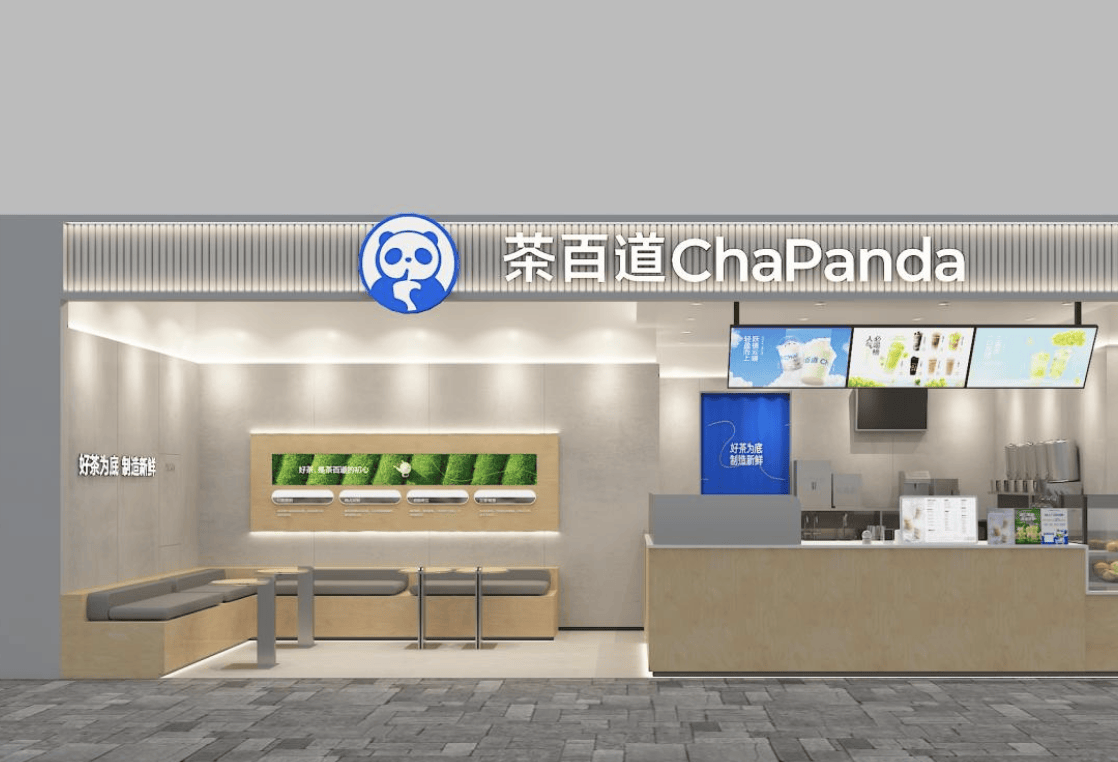
Core Viewpoint - The new tea beverage market is entering a phase of elimination, with Cha Bai Dao, known as the "second stock of new tea drinks," facing significant challenges in growth compared to competitors like Mi Xue Bing Cheng and Gu Ming [1][3]. Financial Performance - In the first half of 2025, Cha Bai Dao achieved a revenue of 2.5 billion yuan, a year-on-year growth of 4.33%, and a net profit of 352.9 million yuan, with a year-on-year increase of 37.48% [1]. - In contrast, Gu Ming reported a revenue of 5.663 billion yuan with a growth rate of 41.24%, and a net profit of 1.625 billion yuan, showing a remarkable increase of 121.51% [3]. Market Position and Stock Performance - Cha Bai Dao's stock price closed at 6.44 HKD per share, with a total market value of 9.5 billion HKD, reflecting a significant decline from its historical high of 15.196 HKD per share, resulting in a market value loss exceeding 12 billion HKD [3]. Business Model and Expansion - Cha Bai Dao, founded in 2008, shifted to a franchise model in 2016, leading to rapid expansion, with the number of franchise stores increasing tenfold to 5,070 by 2021 [4]. - As of 2024, the total number of franchise stores reached 8,376, with a market share of 6.8% in China's ready-to-drink tea market, which was valued at 247.3 billion yuan in 2023 [4]. Supply Chain Challenges - Over 99% of Cha Bai Dao's stores are franchises, and the company has shifted its focus from selling tea to selling raw materials to franchisees, with raw material sales accounting for 94.78% of its revenue [5]. - The company faces significant supply chain issues, relying heavily on external suppliers for key ingredients, which has led to food safety concerns and operational challenges [5][6]. Competitive Landscape - Cha Bai Dao's main price range of 10-20 yuan is highly competitive, facing pressure from brands like Mi Xue Bing Cheng and Gu Ming, resulting in a high franchisee attrition rate of 16.61% and a closure rate of 10.62% in 2024 [6]. Supply Chain Improvements - In response to supply chain issues, Cha Bai Dao has slowed its store expansion, adding only 49 new stores in the first half of 2025, compared to previous years [7]. - The company has increased its logistics capabilities, with 93.8% of stores achieving next-day delivery and improving its fruit supply chain efficiency [7][8]. International Expansion - Cha Bai Dao is exploring international markets, having opened over 10 stores in South Korea, aiming to tap into the growing Southeast Asian ready-to-drink tea market, which is projected to grow from 32.9 billion yuan in 2023 to 78.3 billion yuan by 2028 [10]. Future Outlook - Despite current challenges, there is optimism that improvements in supply chain capabilities will enable Cha Bai Dao to achieve greater success in the future [11].

叮咚买菜进驻泰州 最快29 分钟生鲜一站式直达,解锁本地极速生活
Yang Zi Wan Bao Wang· 2025-12-17 09:10
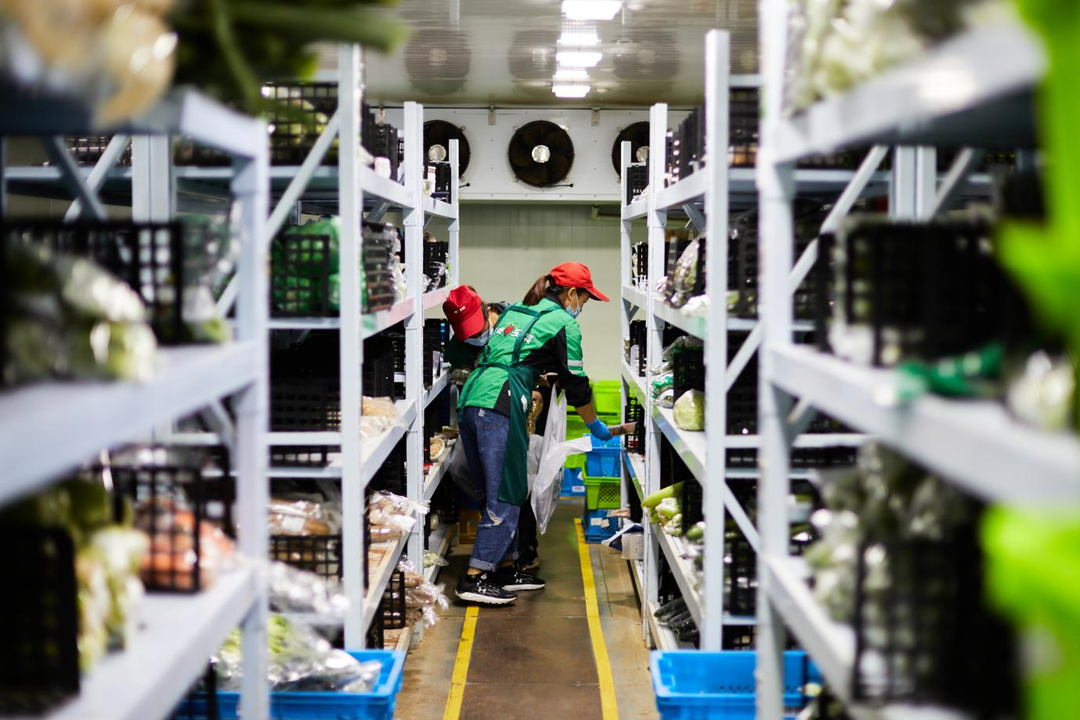
Core Insights - Dingdong Maicai has officially launched its fresh e-commerce service in Taizhou, enhancing local shopping options with a focus on fresh produce and seafood delivery [1][3] - The company is implementing promotional activities to attract new users, including cash rewards and special offers on selected products [1] - The launch aligns with Dingdong Maicai's strategy of deepening its supply chain capabilities, emphasizing direct sourcing and quality control from farm to delivery [3][5] Group 1 - The Taizhou station offers a wide range of products, including vegetables, fruits, meat, seafood, and flowers, with thousands of items available [3] - The company has established direct sourcing bases for seasonal vegetables and specialty seafood, ensuring high-quality ingredients [3] - Dingdong Maicai is enhancing its offerings to meet local dietary preferences, particularly with live seafood, ensuring high survival rates during delivery [3] Group 2 - The introduction of specialized sections such as "Low GI Food Zone" and "Organic Selection" caters to health-conscious consumers, featuring over 300 differentiated products [5] - The launch in Taizhou is a key extension of the company's regional deepening strategy, focusing on delivering quality products and services [5] - With the upcoming holiday season, Dingdong Maicai aims to set a new standard for instant fresh sales in Taizhou, contributing to local service upgrades [5]

卷死扫地机器人鼻祖只需5年,债主深圳杉川收编
阿尔法工场研究院· 2025-12-17 04:09
Core Viewpoint - iRobot, once a dominant player in the robotic vacuum market, has filed for bankruptcy, primarily due to competition from Chinese manufacturers and significant debt to its Chinese contract manufacturer, Shenzhen Shanjun Robotics [4][6][11]. Group 1: Company Overview - iRobot, founded in 1990 and known for its Roomba vacuum, had a peak market value of $4 billion and held over 80% of the global market share [5][6]. - The company has seen a drastic decline, with its market share dropping to 7.9%, unable to compete with Chinese brands like Roborock and Ecovacs [19][24]. Group 2: Financial Situation - As of Q3 2023, iRobot reported a cash balance of $24.8 million against total liabilities of $508 million, indicating severe insolvency [11]. - Over 70% of its debt is owed to Shenzhen Shanjun Robotics, which has taken control of the company through debt acquisition [11][14]. Group 3: Competitive Landscape - The global robotic vacuum market is growing, with shipments reaching approximately 17.42 million units in the first three quarters of 2025, a nearly 19% year-on-year increase [15]. - Chinese manufacturers have innovated with features like automatic dust collection and self-cleaning capabilities, which have set new standards in the market [19][20]. Group 4: Product and Technology Differences - iRobot's focus on traditional vacuuming technology contrasts sharply with the multifunctional approach of Chinese competitors, who have rapidly adopted advanced technologies like laser navigation and AI [20][21]. - The speed of product iteration in China, with companies releasing multiple models annually, has outpaced iRobot's slower development cycle [20][23]. Group 5: Market Position and Strategy - iRobot's brand power is diminishing in the face of aggressive pricing and innovation from Chinese brands, which offer similar or superior functionality at lower prices [21][24]. - The company's decision to relocate parts of its supply chain from China to Malaysia has further distanced it from the competitive advantages of the Chinese market [23][24]. Group 6: Future Outlook - Following the bankruptcy, Shenzhen Shanjun plans to continue operating iRobot, but the brand will no longer resemble its former self [25]. - The narrative of iRobot's decline serves as a cautionary tale about the necessity of speed and adaptability in the current market landscape [25][26].
iRobot 终于「死」了,击垮它的是中国家电军团
3 6 Ke· 2025-12-15 08:26
Core Insights - iRobot has officially filed for bankruptcy, marking the end of its dominance in the robotic vacuum market, which it once led with a market share exceeding 80% and a peak valuation of $4 billion [1][4][7] - The control of iRobot has shifted to its Chinese manufacturer, Shenzhen Shanjun Robotics, which is now both the largest creditor and the new owner of the company [1][4][6] Financial Situation - As of the end of Q3 this year, iRobot had a cash balance of only $24.8 million against total liabilities of $508 million, indicating severe insolvency [4] - Over 70% of iRobot's debt is owed to Shenzhen Shanjun Robotics, including a $190.7 million loan and $161.5 million in overdue payments [4] Market Dynamics - The global smart robotic vacuum market is experiencing significant growth, with a year-on-year increase of nearly 19% in shipments, totaling approximately 17.42 million units in the first three quarters of 2025 [7] - iRobot's market share has plummeted to 7.9%, with four out of the top five market positions now held by Chinese brands, including Roborock and Ecovacs [9] Competitive Landscape - Chinese manufacturers have innovated by introducing features such as automatic dust collection and self-cleaning capabilities, which have set new standards in the market [9][10] - iRobot's reliance on outdated technology and slower product iteration cycles has hindered its competitiveness, as it has only recently adopted advanced navigation technologies [10] Brand and Product Strategy - iRobot's brand value has diminished in the face of aggressive pricing and innovation from Chinese competitors, leading to a significant loss of market presence in China [12] - The company's decision to relocate parts of its supply chain from China to Malaysia has further distanced its products from Chinese consumers, resulting in a mere 0.12% market share in the Chinese online market by 2023 [12] Conclusion - The story of iRobot reflects broader trends in the manufacturing sector, highlighting the necessity for speed and adaptability in a rapidly evolving market [13] - Despite the bankruptcy, Shenzhen Shanjun Robotics plans to continue operating iRobot, although it will no longer resemble the original company [12]

侯毅三度创业再战生鲜:IP只能赢得入场券,供应链才是持久战
Sou Hu Cai Jing· 2025-12-08 11:49
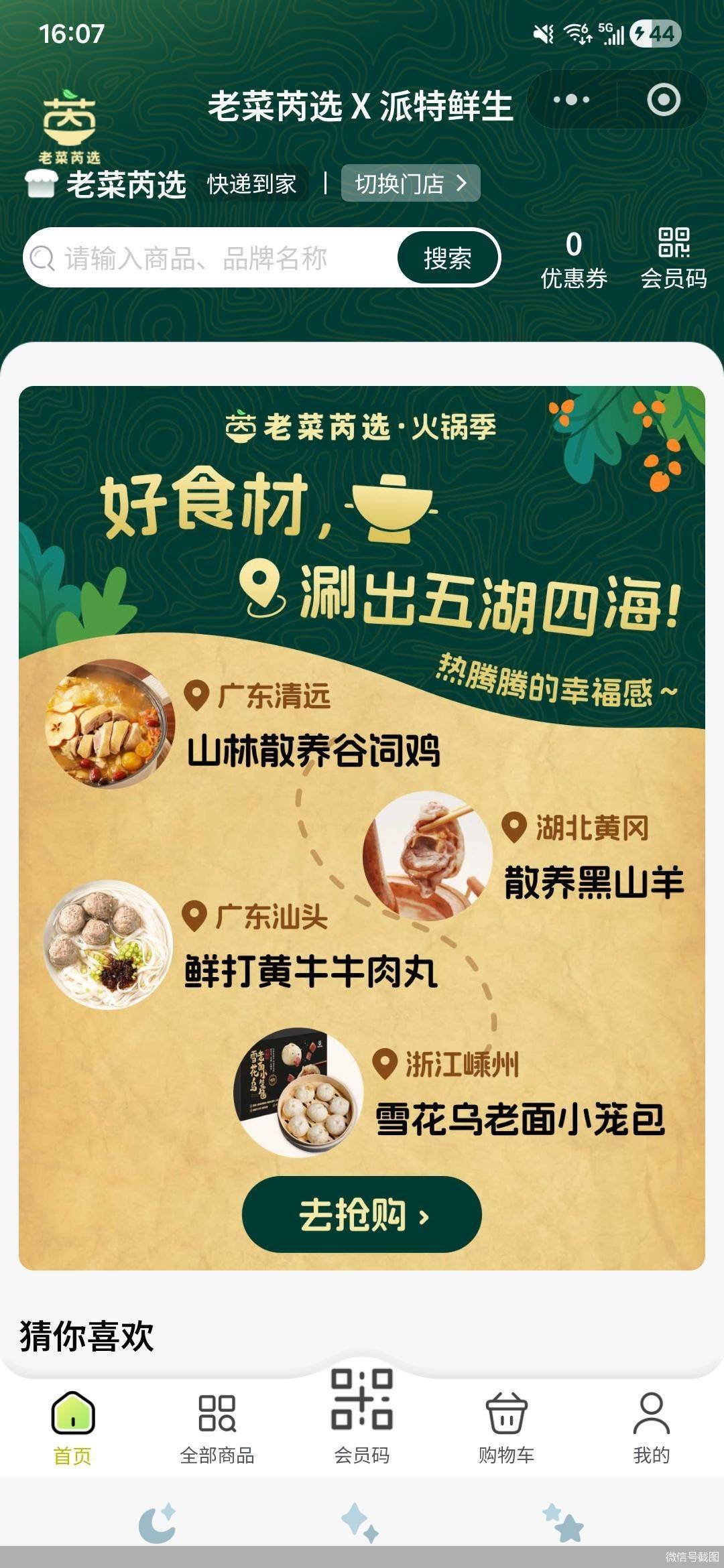
Core Insights - The former CEO of Hema, Hou Yi, has launched a new venture called "Lao Cai Rui Xuan," focusing on live-streaming sales of fresh produce, leveraging his expertise in product selection and supply chain management [1][4][19] - The fresh produce market is experiencing significant segmentation, with major players competing on "instant delivery" and quality, while a gap remains for high-quality products in the middle market [1][19] - The live-streaming e-commerce sector is highly competitive, with fresh produce accounting for a substantial portion of the market, and the growth of live-streaming sales is notable, with a year-on-year increase of 47.2% [11][19] Company Overview - "Lao Cai Rui Xuan" operates without the burden of physical store costs, focusing on Hou Yi's strengths as a buyer and utilizing established live-streaming channels to connect products with targeted consumers [11][19] - The sales during a recent live-stream event included over 1,600 items, with more than 400 participants and a customer satisfaction rating of 4.85 [4][11] Market Dynamics - The Chinese agricultural e-commerce market is projected to exceed 2.18 trillion yuan by mid-2025, with a 14.7% year-on-year growth, indicating a robust demand for online agricultural products [11] - Fresh produce has become a dominant category, representing 35.6% of the market share, with a year-on-year growth of 21.3% [11] - The need for a sustainable business model in the fresh produce live-streaming sector hinges on establishing "trust premium" and repeat purchase rates [12][19] Challenges and Future Directions - Hou Yi's previous venture, "Paiteshengsheng," faced challenges leading to the closure of several physical stores, prompting a shift to online operations with a new brand "Chong Tiantian" [16][17] - The retail landscape is evolving, with a blend of traditional and innovative approaches, as companies seek to meet the growing consumer demand for quality, safety, and traceability in fresh produce [19]

外卖大战,便宜了谁?
Tai Mei Ti A P P· 2025-12-02 02:30
Core Insights - The irrational competition in the food delivery sector is expected to transition to a more rational and mature phase, with platforms that possess deep industry insights, proven operational excellence, and sustainable high-quality growth becoming industry leaders [1] Group 1: Market Dynamics - The ongoing food delivery battle has led to significant financial losses for major players, with Meituan reporting a loss of 16 billion, Alibaba's profit dropping by 76%, and JD's net profit halving, resulting in over 77 billion burned in just one quarter [2][4][5] - The competition is characterized by a lack of unified victory standards, as the three major players (Meituan, Alibaba, and JD) are not competing on the same track, leading to a scenario where no clear winner emerges [9][14] Group 2: Company Strategies - JD initiated the competition but is now focusing on building its supply chain capabilities, with a projected loss of 34 billion in its instant retail business by 2025 [4][10] - Alibaba views food delivery as a high-frequency trigger to activate its broader e-commerce platform, aiming to enhance user engagement and overall consumption [11] - Meituan sees food delivery as a critical lifeline, emphasizing its foundational role in the company's ecosystem and its strategy to maintain market dominance [12][13] Group 3: Financial Performance - JD's net profit fell by 54.7% year-on-year to 5.3 billion, while its marketing expenses surged by 110.5% to 21.1 billion due to increased promotional activities [4] - Alibaba's adjusted EBITA dropped from 44.3 billion to 10.5 billion, primarily due to a significant reduction in flash sales [5] - Meituan's core local business revenue decreased by 2.8%, resulting in a loss of 14.1 billion, equating to a daily loss of 1.5 billion [6] Group 4: Future Outlook - The three companies have signaled a shift towards efficiency and strategic focus, with terms like "reduction," "unsustainable," and "strategic focus" being commonly used [15][17] - The future of the food delivery market will likely involve smarter subsidy strategies, with a shift from indiscriminate coupons to targeted promotions, and a focus on high-value user engagement [19][20]



跨境运营的底层逻辑:从选品到品牌的系统打法
Sou Hu Cai Jing· 2025-11-24 03:09
Core Insights - Cross-border operations are a complex system engineering process that involves collaboration across product, supply chain, content, and brand aspects, especially for factory-type enterprises [1] - The ultimate goal of cross-border operations is brand building, which enables companies to gain pricing power and long-term profit margins [5] Group 1: Cross-Border Operations - The core of cross-border operations is a combination of "product + price + brand," where product selection should focus on consumer needs and lifestyle changes rather than just competitors' offerings [3] - Key product categories experiencing growth include outdoor camping, smart home devices, small appliances, and high-quality furniture, driven by consumption upgrades and younger lifestyles [3] Group 2: Supply Chain and Logistics - Factories must transform supply chain value into cross-border advantages through SKU control, flexible production, rapid replenishment, small-batch trials, and inventory structure optimization [3] - The layout of overseas warehouses is increasingly critical, particularly in Europe and the U.S., where FBA combined with local warehouses can significantly enhance delivery experiences [3] Group 3: Content and Advertising - Content has become essential in cross-border platforms, with features like Amazon A+, video displays, live streaming, and localized copy being crucial for brand building [3] - Many companies fail to convert effectively due to basic listings, while those that invest in deep content often succeed in capturing user psychology through visuals and copy [3] - Advertising serves as a controllable traffic engine, requiring continuous optimization across platforms like Amazon, Meta, and Google to improve ROI and rankings while leveraging ads to boost organic traffic [3]

“双十一”老外也凑满减?中国电商出海狂飙
3 6 Ke· 2025-11-17 04:08
Group 1 - The core viewpoint of the article highlights the competitive landscape of cross-border e-commerce, particularly focusing on Alibaba's AliExpress, SHEIN, and Temu, which are leveraging unique strategies to capture market share and drive growth in overseas markets [2][3][4]. - Cross-border e-commerce is projected to reach approximately 2.71 trillion yuan in 2024, reflecting a year-on-year growth of 14%, which is 9 percentage points higher than the growth rate of goods trade [3]. - Alibaba is positioning AliExpress as a key player in the overseas market, aiming to capture top brand merchants from Amazon by leveraging its comprehensive payment and logistics capabilities [7][12]. Group 2 - The "Double Eleven" shopping festival is being utilized by Alibaba to enhance brand recognition in overseas markets, particularly in regions with significant Chinese influence [8]. - AliExpress has expanded its free shipping categories from apparel to a full range of products, which is seen as a strategic move to increase market penetration [9][10]. - The integration of logistics and e-commerce teams is aimed at enhancing operational efficiency for overseas sales during major shopping events [12]. Group 3 - SHEIN and Temu are emerging as significant competitors to Amazon, focusing on low-cost strategies and efficient supply chain management to disrupt traditional retail models [14][29]. - SHEIN's business model emphasizes a "small order quick return" approach, significantly reducing inventory and channel costs compared to traditional fashion brands [22][23]. - Temu's strategy of offering a wide range of products across multiple categories positions it for potentially higher growth compared to SHEIN, which is primarily focused on fashion [30][34]. Group 4 - The article suggests that the future success of SHEIN will depend on its ability to replicate its flexible production model across various product categories beyond fashion [34]. - The competitive dynamics in the cross-border e-commerce space indicate that companies must continuously invest in infrastructure and cost control to enhance profitability [14]. - The overall narrative emphasizes that the evolution of China's e-commerce industry is closely tied to its ability to adapt and innovate in the global market [35][36].

京东20251114
2025-11-16 15:36
Summary of JD.com's Earnings Call Company Overview - **Company**: JD.com - **Quarter**: Q3 2025 - **Key Metrics**: - Total revenue: 299.9 billion RMB, up 15% year-over-year - Active customers: Over 700 million, with a 40% increase in shopping frequency year-over-year - Non-GAAP net profit: 5.8 billion RMB Core Business Performance - **Retail Revenue**: Increased by 11% year-over-year to 251 billion RMB [2][6] - **Comprehensive Product Categories**: Achieved a 19% year-over-year revenue growth, with supermarkets, fashion, and health categories maintaining double-digit growth [2][6] - **Advertising Revenue**: Grew over 20%, indicating strong momentum [2][6] New Business Developments - **Food Delivery Business**: Daily active users saw double-digit growth quarter-over-quarter, with losses narrowing [2][7] - **International Retail**: Gradually establishing capabilities in Europe, including the UK, France, Germany, and Eastern Europe [2][7] Technology and AI Initiatives - **AI Roadmap**: Launched at the JD Discovery Conference, introducing products like the digital assistant TA and AI agent Join Inside [2][8] - **Retail Technology Infrastructure**: Upgraded to serve over 40,000 brands, reducing costs and enhancing sales performance [2][9] Logistics Performance - **Logistics Revenue**: Increased by 24% year-over-year, but non-GAAP operating income fell by 39% to 1.3 billion RMB due to continued investments in customer experience and service capabilities [2][12] Profitability and Margins - **Gross Margin**: Increased by 1.3 percentage points to 19.3%, driven by a shift towards higher-margin businesses and optimized procurement costs [2][11] - **Operating Profit Margin**: Rose by 76 basis points to 5.9% [2][11] Future Outlook - **Strategic Focus**: JD.com aims to enhance supply chain capabilities and operational efficiency across all business lines, including food delivery and international expansion [2][10] - **Sustainable Growth**: Plans to maintain long-term profitability while optimizing the ecosystem for deeper synergies [2][22] User Engagement and Merchant Activity - **Active Customers**: Over 700 million, with a significant increase in shopping frequency [2][4] - **Merchant Growth**: Active merchants increased by over 200%, contributing to a 24% growth in commission and advertising revenue [2][23][24] Investment Strategy - **Future Investments**: Focused on supply chain capabilities, including food delivery and international business, to enhance performance and service [2][28] - **Long-term Goals**: Maintain unit digital profit margins while expanding the overall business ecosystem [2][28] Conclusion JD.com demonstrated robust growth in Q3 2025, driven by strong performance in core retail and new business segments, alongside significant investments in technology and logistics. The company is well-positioned for sustainable growth through strategic investments and operational enhancements.
星巴克中国变阵应对本土竞争!咖啡市场进入“平价”时代
Zheng Quan Shi Bao Wang· 2025-11-11 05:02
Core Insights - Starbucks is restructuring its operations in China to respond to increasing competition from local affordable coffee brands, marking a shift in the coffee market towards a "value" era [1][2][3] - The high-end coffee market is experiencing a downturn, with Starbucks and other premium brands facing challenges such as slowing store growth and declining same-store sales [2][3] Group 1: Market Dynamics - The Chinese coffee market is transitioning from a focus on social attributes to daily consumption needs, with affordable high-quality coffee becoming the mainstream trend [1][6] - Local brands like Luckin Coffee and Kudi Coffee are rapidly expanding in first-tier cities, leveraging supply chain advantages to control costs and increase market presence [4][5] - The overall market for ready-to-drink coffee is growing significantly, with a projected increase from 366 billion yuan in 2018 to 1,721 billion yuan in 2023, reflecting a compound annual growth rate of 36.3% [7] Group 2: Starbucks' Strategic Moves - Starbucks has entered a strategic partnership with Boyu Capital, allowing the latter to acquire up to 60% of a new joint venture for approximately $4 billion, valuing Starbucks' retail business in China at over $13 billion [2] - The company is facing pressure in the domestic market, with a reported revenue of $3.105 billion for the fiscal year 2025, a 5% increase year-on-year, but a 1% decline in same-store sales [2] Group 3: Competitive Landscape - The rise of local affordable coffee brands is disrupting the traditional high-end market, with brands like Luckin Coffee and Kudi Coffee offering competitive pricing and quality that challenge international brands [6][8] - The competitive landscape is characterized by a focus on cost control and supply chain efficiency, which are becoming critical for success in the affordable coffee segment [8][9]

