
减糖

Search documents
注重健康管理!韩国国内食品掀起“减糖”风
Sou Hu Cai Jing· 2025-11-14 08:50
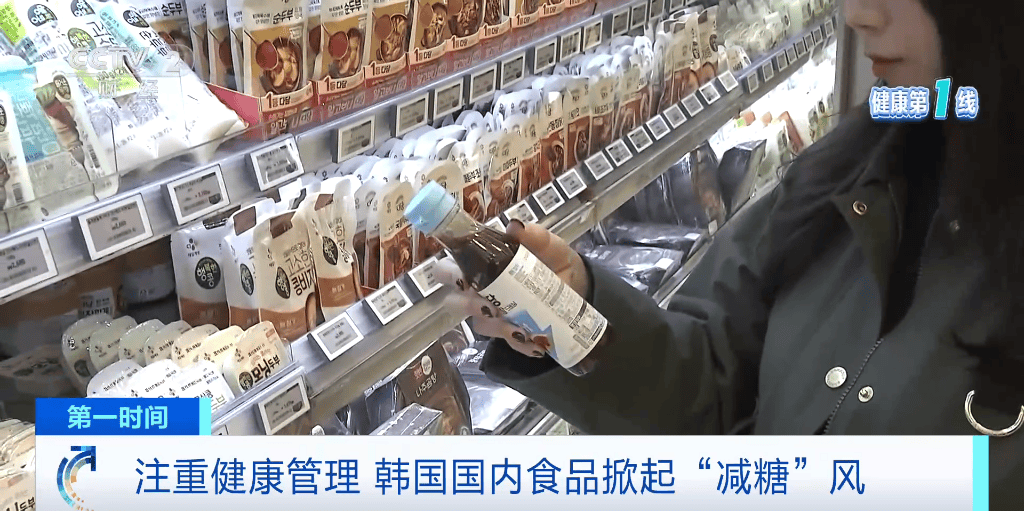
Group 1 - The number of diabetes patients in South Korea has significantly increased over the past decade, with a rise of approximately 57% [7] - There is a growing trend towards low-sugar and sugar-free products in the South Korean food industry, with sales of sugar-free carbonated drinks increasing from 89 billion KRW in 2021 to 273 billion KRW in 2023, more than doubling [5] - The South Korean government is discussing the introduction of a "sugar tax" aimed at high-sugar beverages and processed foods to encourage the food industry to reduce added sugar usage, with 58.9% of respondents in a poll supporting this initiative [7] Group 2 - Consumers are increasingly prioritizing health-conscious choices, as evidenced by individuals carefully selecting low-sugar or high-protein products while shopping [3] - The trend towards low-sugar products is extending beyond food to other sectors, including the pharmaceutical industry, which has introduced sugar-free cold medicine [5] - There is a public concern regarding the potential impact of the "sugar tax" on business costs and food prices, despite the majority supporting the tax [7]

这样的无糖饮品还挺“甜”(科技瞭望)
Ren Min Ri Bao Hai Wai Ban· 2025-10-21 23:02
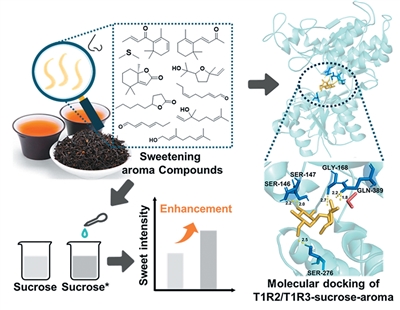
Core Insights - The research conducted by the Chinese Academy of Agricultural Sciences has made significant progress in understanding the flavor of tea, revealing that aroma components not only influence the tea's fragrance but also enhance the perception of natural sweetness [4][5] - This discovery provides a theoretical basis for developing natural sweeteners, which is particularly valuable for the development of sugar-free and low-sugar tea beverages and other food products [4][8] Research Findings - The research team identified that the aroma compounds in tea can play a synergistic role in enhancing sweetness perception, challenging the traditional focus on sugar and sweet amino acids as the primary contributors to sweetness [5][6] - A "blind test" experiment demonstrated that specific aroma compounds significantly increased the sweetness of tea samples, with certain compounds like linalool and geraniol enhancing sweetness by over 15% when added to sugar solutions [7][8] Industry Implications - The findings suggest a new sensory regulation approach for the food industry, allowing for flavor enhancement through the synergy of aroma and taste rather than relying solely on sugar or artificial sweeteners [8] - The research indicates that adding trace amounts of sweet aroma compounds can increase the sweetness perception of low-sugar tea drinks by over 7.5%, equivalent to reducing sugar content by approximately 30% [8] - The methodology developed could be applied to other food systems, such as yogurt and fruit juices, to maintain sweetness while reducing caloric content [8]
2025年第39周:食品饮料行业周度市场观察
艾瑞咨询· 2025-09-30 00:07
Group 1 - Consumer acceptance of prepared dishes varies significantly based on dining scenarios, with over 50% acceptance in fast food chains and only 8.8% in high-end restaurants, highlighting concerns over food safety and pricing [3] - The iced tea market is experiencing a resurgence, with brands like Nongfu Spring and Yuanqi Forest entering the space, focusing on "sugar reduction" and "carbonation" innovations, and the market is projected to reach 300 billion yuan by 2024 [4] - The global food and beverage industry sees PepsiCo reclaiming the top spot with revenues exceeding 90 billion USD, driven by product innovation and AI technology, while Nestlé and JBS follow closely [5] Group 2 - The rise of "supermarket canteens" and "restaurant supermarkets" reflects a trend towards blending dining experiences, driven by consumer demand for value and fresh ingredients, although it increases operational complexity [6] - The dairy market faces challenges with liquid milk experiencing a decline, while powdered milk and cheese show growth, indicating a shift in consumer preferences towards plant-based alternatives [8] - The tea beverage industry is shifting towards fast-moving consumer goods, with brands like Mixue Ice Cream rapidly expanding, while competition intensifies in lower-tier cities [9] Group 3 - Bamboo sugar and reed root water have emerged as popular health drinks, driven by trends towards natural, low-sugar products and cultural resonance, with a projected compound annual growth rate exceeding 88% over the next five years [10] - The night economy is becoming a significant growth driver for the restaurant industry, with cities like Shanghai and Chengdu seeing nighttime consumption rates reach 60% [14] - The tea restaurant sector is undergoing transformation due to innovation challenges, with a market size expected to exceed 300 billion yuan by 2025 [15] Group 4 - The bottled beverage market is seeing a rise in "construction site drinks," favored for their affordability and large volume, despite health concerns [16] - The ice cream market is diversifying, with mini and cultural-themed ice creams gaining popularity, reflecting a shift towards health-conscious and personalized consumption [17] - The instant noodle market is projected to grow, with China accounting for 37.2% of global demand, emphasizing the need for product innovation [19] Group 5 - The launch of a new high-end sugar-free tea by Master Kong sold out rapidly, indicating strong consumer demand for premium products in the sugar-free beverage market, which is expected to reach 401.6 billion yuan in 2023 [20] - The sugar-free beverage market is evolving, with consumers seeking transparency in ingredients and health benefits, leading to increased competition among brands [21] - Subway's collaboration with Michelin-star chefs to launch a new series of sandwiches reflects a deepening localization strategy in the Chinese market [22] Group 6 - Three Squirrels has introduced a new quality standard for pine nut products, aiming to enhance industry standards and meet consumer demand for high-quality nuts [24] - Wahaha's rebranding to "Wah Xiaozong" under the leadership of Zong Fuli aims to attract younger consumers while addressing compliance issues [25] - Zhou Hei Ya's promotional campaign targeting college students highlights efforts to regain market share amid declining revenues [26] Group 7 - The beverage brand Bawang Chaji has gained international recognition by winning multiple awards at the 2025 World Beverage Innovation Awards, showcasing the potential of Chinese tea brands [28] - Pupu Supermarket's launch of an affordable meal delivery service aims to capture market share in the competitive food delivery sector [29] - Yili's new concept store emphasizes fresh, made-to-order products, reflecting a shift in consumer preferences towards quality and innovation [30]

食品饮料行业周度市场观察-20250927
Ai Rui Zi Xun· 2025-09-27 09:13
Investment Rating - The report does not explicitly provide an investment rating for the food and beverage industry Core Insights - The food and beverage industry is experiencing significant trends, including the rise of ready-to-eat meals, the popularity of low-sugar and sparkling beverages, and the emergence of health-focused drinks like bamboo sugar and reed root water [1][2][7] Industry Trends - Consumer acceptance of ready-to-eat meals varies significantly by dining context, with over 50% acceptance in fast food chains and only 8.8% in high-end restaurants [2] - The iced tea market is booming, with brands like Nongfu Spring and Yuanqi Forest entering the space, focusing on sugar reduction and carbonation innovations. The market is expected to grow from 300 billion yuan in 2024 to 350 billion yuan in 2025 [2] - The global top 100 food and beverage companies list for 2025 sees PepsiCo reclaiming the top spot with revenues exceeding $90 billion, driven by product innovation and AI technology [4] - The integration of supermarkets and restaurants is on the rise, with new business models emerging that combine high cost-performance and fresh ingredients [4] - The dairy market in China faces challenges, particularly in liquid milk, while powdered milk and cheese are experiencing growth [5] - The tea beverage industry is shifting towards fast-moving consumer goods, with brands focusing on efficiency and cost reduction [6] - Bamboo sugar and reed root water have become popular health drinks, reflecting the potential of traditional Chinese health beverages [7] - The night economy is becoming a significant growth point for the restaurant industry, with night-time consumption in cities like Shanghai and Chengdu reaching 60% [10] Brand Dynamics - Brands like Kang Shifu are launching successful sugar-free tea products, indicating a shift towards premium and health-oriented offerings in the beverage market [14] - The introduction of new products by brands like Subway, which incorporates local flavors into their offerings, highlights the trend of localization in the food industry [15] - The collaboration between Three Squirrels and JD to establish quality standards for nuts aims to elevate industry standards and meet consumer demand for high-quality products [16] - Wahaha's rebranding to "Wah Xiaozong" under the leadership of Zong Fuli aims to attract younger consumers while addressing compliance issues [17] - Zhou Hei Ya's promotional activities targeting college students reflect efforts to engage younger demographics amid declining sales [20]
Heartland Food Products Group buys North America rights to SlimFast from Glanbia
Yahoo Finance· 2025-09-18 11:20
Acquisition Details - Heartland Food Products Group has acquired the rights to the SlimFast brand in North America from Glanbia, with financial terms undisclosed [1] - The acquisition includes SlimFast's sale in the US, Canada, and Mexico, with ongoing processes for other jurisdictions [2] Glanbia's Strategic Shift - Glanbia classified SlimFast as a "non-core" asset in February 2023, following its acquisition of the brand in 2018 for $350 million [2][3] - The decision to exit SlimFast and Body & Fit was part of Glanbia's portfolio review to focus on high-growth opportunities [3] Performance Insights - Glanbia's Performance Nutrition unit reported a 3.8% decline in revenue to $850 million for the six months ending July 5, with volumes down 3.5% [6] - Excluding SlimFast and Body & Fit, revenue in the Performance Nutrition unit fell by 1.5% [6] - Overall, Glanbia reported a 6.1% increase in revenue to $1.93 billion for the first half of the year [7] Future Outlook - Heartland's CEO emphasized the commitment to healthier living through the addition of SlimFast, aligning with the Splenda brand to address consumer needs in weight management and sugar reduction [4][5]
Ingredion (NYSE:INGR) 2025 Investor Day Transcript
2025-09-17 14:02
Summary of Ingredion's 2025 Investor Day Company Overview - **Company**: Ingredion (NYSE: INGR) - **Industry**: Ingredient solutions provider primarily for food and beverage, with growing segments in industrial, pharma, and beauty/home markets [9][10] Core Points and Arguments Business Transformation and Strategy - **Transformation Journey**: Ingredion has undergone significant transformation focusing on strategy development, portfolio optimization, and innovation [5][6] - **Strategic Vision**: The company aims to transition from being an ingredients provider to a solutions provider, enhancing value creation through disciplined capital allocation and strong risk management [7][12] - **Long-term Growth Targets**: New targets set for 2% to 4% net sales growth, 5% to 7% adjusted operating income growth, and 7% to 9% adjusted EPS growth for the next three years [33] Financial Performance - **Record Financials**: Achieved record levels of EBITDA, earnings per share, and cash, with increased gross profit margins [11] - **Cost Competitiveness**: Exceeded cost competitiveness targets, reinvesting savings into manufacturing and R&D [11][12] Market Position and Segmentation - **Market Segmentation**: Focus on texture and healthful solutions, with a strategy to leverage global reach and local expertise [14][19] - **Emerging Markets**: Significant growth potential in emerging markets, particularly in Asia-Pacific, with a focus on co-creating and reformulating products [35][54] Innovation and R&D - **Innovation Focus**: Emphasis on clean label products and texture solutions, with investments in R&D to drive innovation from "soil to shelf" [20][25] - **Predictive Formulation**: Utilizing advanced technologies to link consumer preferences to product development, enhancing speed to market [45][57] Operational Excellence - **Global Operating Model**: Transitioned to a global operating model to improve efficiency and service quality, with a focus on centralized procurement and supply chain management [29][59] - **Capacity for Growth**: Investments of over $300 million in recent years to enhance operational capacity and support growth initiatives [36][60] Important but Overlooked Content - **Customer Relationships**: Strong emphasis on leveraging deep customer relationships to identify growth pockets and co-create solutions [12][20] - **Sustainability Initiatives**: Focus on sustainable food packaging and biodegradable solutions in response to regulatory changes [28] - **Cultural Transformation**: Acknowledgment of the cultural shift within the organization to support solution selling and operational agility [41][66] Conclusion - **Future Outlook**: Ingredion is well-positioned for future growth with a strong focus on innovation, operational excellence, and market expansion, particularly in texture and healthful solutions [12][65]

糖果企业的品牌升维之路
Bei Jing Shang Bao· 2025-09-10 17:46
Core Insights - The Chinese food industry is at a critical juncture for high-quality development, with a pressing need to transition from "Made in China" to "Chinese Brands" [1] - The forum highlighted the importance of integrating cultural creativity into the food industry, particularly in the candy sector, to drive transformation and growth [2] Policy Guidance - The overall scale of the leisure food industry is projected to grow from 784.5 billion yuan in 2020 to 1,009.3 billion yuan in 2024, with a compound annual growth rate of 6.5% [2] - The share of candy and chocolate within the leisure food sector is expected to decrease from 15.2% in 2020 to 14.5% in 2024, although the absolute scale will still grow [2] - Collaborations between candy companies and cultural IPs have shown significant premium rates of 40%-60%, indicating a successful strategy for enhancing brand value [2] Balance of Tradition and Innovation - The food industry is focusing on health and digital transformation, emphasizing "three reductions" (reducing salt, sugar, and oil) while maintaining flavor [3][4] - Traditional brands are integrating intangible cultural heritage with modern consumer demands, exemplified by the Ma Dajie brand's low-sugar products that meet health-conscious consumer needs [4] International Market Opportunities - Companies face challenges in international markets, including regulatory barriers and differing consumer preferences [5] - The "Da Zuozhan" gummy candy from Wangwang Group serves as a case study for innovation in product flavors and packaging to penetrate the competitive Japanese market [5] Future Directions - The integration of cultural creativity, technological innovation, and an international perspective is becoming the core driving force for the Chinese food industry to transition from manufacturing to branding [6]
SIAL西雅国际食品展(深圳)开幕 赋能食品饮料行业出海
Sou Hu Cai Jing· 2025-09-01 14:53
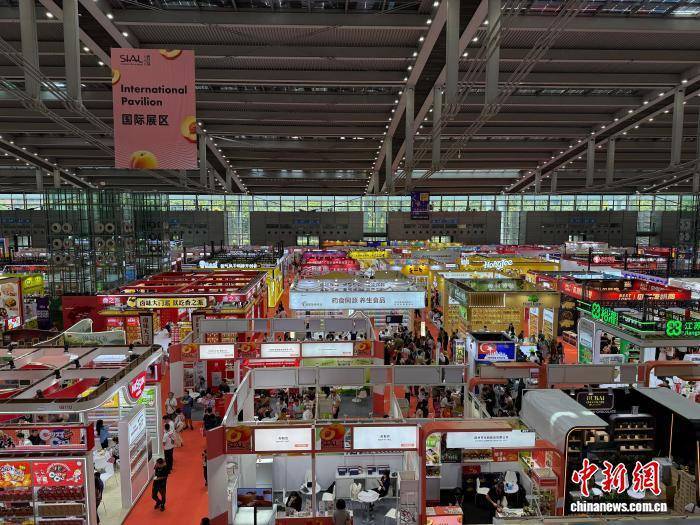
Core Insights - The SIAL International Food Exhibition (Shenzhen) opened on September 1, 2023, at the Shenzhen Convention Center, aiming to empower international food and beverage trade in South China and facilitate product exports to Southeast Asia [1][3]. Industry Overview - The exhibition is organized by the French Comexposium Group, Beijing Aibo SIAL Exhibition Co., Ltd., and Aibo SIAL Exhibition (Shenzhen) Co., Ltd., reflecting the dynamic changes in Shenzhen and the rapid growth of the Chinese food industry, which emphasizes quality, health, traceability, and innovation [1][3]. Exhibition Highlights - This year's exhibition features fourteen thematic areas, including imported foods, snacks, health foods, dairy products, high-end beverages, new tea drinks, grains and condiments, convenience foods, fresh and frozen meats, seafood, prepared dishes, frozen ingredients, alcoholic beverages, regional specialty foods, and processing and packaging [3]. - Over 1,100 exhibitors from more than 50 countries and regions are participating, showcasing unique food and beverage products alongside well-known Chinese brands, creating a dual trade channel of "global flavors + Chinese quality" [3][5]. Product Trends - Exhibited products emphasize trends such as reduced sugar, zero additives, and nutritional enhancement. For instance, a Shenzhen company introduced a healthy snack series made solely from fruits, while a Qingdao company showcased a unique soda water with long-lasting bubbles [5]. - The influence of "Generation Z" consumer habits is evident, with trends like "social currency," "emotional value," and "punk health" driving companies to adapt to consumer preferences that prioritize not just taste but also engagement and fun [5].
从田间到舌尖:生物科技如何将玉米变为“零卡糖”?
Zheng Quan Ri Bao Wang· 2025-09-01 03:42
Core Insights - The global health food revolution is significantly linked to corn, with a rising demand for sugar alternatives driven by health consciousness and weight management needs [1] - The global erythritol market is projected to reach approximately $910 million in 2024, with China dominating the market with a 73% share [1] - Dongxiao Biotechnology Co., Ltd. is emerging as a key player in China's biotechnology sector, leveraging advanced corn deep processing technology and automation [1] Company Overview - Dongxiao Biotechnology operates a fully integrated value chain, converting corn into high-value products such as starch sugars, erythritol, and amino acids through precise fermentation and extraction processes [2] - The company has an annual corn processing capacity of 1.7 million tons, enabling it to produce a wide range of products, enhancing resource utilization efficiency and establishing a circular economy [2] Product Advantages - Erythritol is favored by many well-known brands due to its natural and safe profile, being the only natural sweetener recognized as having no daily intake limit by health authorities [3] - The safety of erythritol has been validated by organizations such as WHO and FDA, making it widely applicable in food, health products, cosmetics, and pharmaceuticals [3] Technological Innovation - Dongxiao Biotechnology has invested in a robust R&D team of nearly 200 members, focusing on synthetic biology and fermentation technology to enhance production efficiency [4][5] - The company has achieved a 25% reduction in fermentation cycle time and a 15% decrease in energy consumption through proprietary technologies, promoting green manufacturing practices [5] Future Developments - The company is strategically positioning itself in the next generation of natural sweeteners, specifically allulose, which has a sweetness level similar to sucrose but with significantly lower calories [6] - Dongxiao Biotechnology aims to expand its functional product offerings, including probiotics, functional amino acids, rare functional sugars, and biodegradable materials, to enhance the health industry value chain [6]
莱茵生物RebM2国内公示收官 重新定义食品饮料甜味解决方案
Zheng Quan Shi Bao Wang· 2025-08-20 14:16
Core Viewpoint - The company is advancing the approval and market entry of its newly developed steviol glycoside, RebM2, which has received GRAS certification in the U.S. and is nearing domestic approval in China, indicating significant potential for growth in the natural sweetener market [1][2][3]. Group 1: Product Development and Market Potential - RebM2 is a rare, high-value steviol glycoside that meets the increasing demand for low-calorie, high-sweetness solutions in the context of global sugar reduction initiatives [2]. - The product offers a sweetness level 150 to 200 times that of sucrose, with zero calories and a favorable taste profile, addressing the limitations of traditional steviol glycosides [2][3]. - The company has successfully improved the production efficiency and cost-effectiveness of RebM2 through enzyme conversion methods, enhancing its solubility and stability [3]. Group 2: Strategic Importance and Future Plans - The completion of the public consultation phase for RebM2 in China is a crucial step for the company to accelerate its market promotion and sales efforts [3]. - The company plans to focus on the deep development of RebM2, aiming to innovate applications and expand its product matrix [4]. - The synthetic biology workshop is set to commence operations in September 2024, enabling mass production of RebM2 [3].
