
国潮出海

Search documents
市内免税店多地开业 新政“满月”免税行业有了新变化
Yang Shi Xin Wen· 2025-12-01 23:43
Core Viewpoint - The recent policy changes regarding duty-free shops in China aim to enhance consumer spending and support the growth of domestic products in the duty-free market, with new stores opening in major cities like Tianjin and Xi'an [1][2][3]. Group 1: Policy Changes and Market Impact - The Ministry of Finance, Ministry of Commerce, and other departments have issued a notification to improve duty-free shop policies starting November 1, 2025, to boost consumption [1]. - The new policy relaxes approval processes for duty-free shops, allowing for more autonomy in establishing and scaling operations, which is expected to enhance market vitality [2]. - Duty-free shops are now required to allocate at least 25% of their sales area to domestic products, promoting the international competitiveness of Chinese goods [4]. Group 2: Consumer Experience and Product Offerings - New duty-free shops are incorporating local cultural elements and offering a variety of domestic products, including traditional Chinese brands and cultural items, to attract consumers [3][4]. - The introduction of online reservation services for duty-free products aims to improve the shopping experience for travelers, allowing them to pre-order items based on their travel schedules [4]. - The focus on domestic products in duty-free shops is part of a broader strategy to encourage the export of Chinese culture and goods, with plans to introduce more electronic products and health foods in the future [3][4].
耐用消费产业行业研究:消费品供需适配性方案提供消费板块切换与成长方向
SINOLINK SECURITIES· 2025-11-30 11:32
Consumer Macro Strategy - The overall performance of the discretionary consumption sector is flat as the year-end approaches, but high-end consumption, including duty-free shopping in islands, is expected to gradually stabilize overall consumption [2][10] - The implementation plan released on November 26 aims to enhance the adaptability of supply and demand for consumer goods, with a goal to optimize the supply structure by 2027, creating three trillion-yuan consumption fields and ten hundred-billion-yuan consumption hotspots [2][10] - By 2030, a high-quality development pattern of mutual promotion between supply and consumption is expected to be established, with consumption steadily contributing to economic growth [2][10] New Consumption Manufacturing - The pet economy continues to thrive, with companies like Guobao Pet investing in high-end pet food factories in New Zealand, enhancing competitiveness in international markets [23][24] - The AI and 3D printing sector is rapidly evolving, with significant advancements expected in consumer-grade 3D printing by 2026, driven by companies like Huina Technology and Snapmaker [25][26] - The integration of AI with 3D printing is being promoted in educational settings, expanding the supply space for the industry [25] Light Industry Manufacturing - The home appliance sector is facing weak domestic demand, but there are opportunities for companies with overseas production capabilities and brand advantages as demand recovers [26][27] - The new tobacco sector is experiencing growth, particularly in e-cigarette exports to the U.S., which saw a significant increase in October [27][28] - The packaging industry is showing signs of profitability improvement despite a slight decline in revenue, driven by leading companies capturing market share from smaller firms [28] Textile and Apparel - The apparel sector is experiencing fluctuations in consumer demand, with a focus on companies that can demonstrate unique advantages in the market [30][31] - The export market remains under pressure due to trade tensions, but leading textile manufacturers are expected to present investment opportunities as they maintain strong positions in the industry [31] Beauty and Personal Care - The beauty sector shows positive fundamentals, with a 9.6% year-on-year increase in retail sales for cosmetics in October, although valuations have been affected by the new consumption sector [32][33] - The medical beauty segment is expanding, with new products gaining regulatory approval, indicating growth potential in the market [33] Home Appliances - Focus on two directions: resilient white goods leaders with strong cash flow and black goods leaders benefiting from optimized domestic sales and stable costs [34][35] - The white goods sector is facing pressure in domestic sales, while black goods are seeing improvements in average prices and export recovery [36][37]
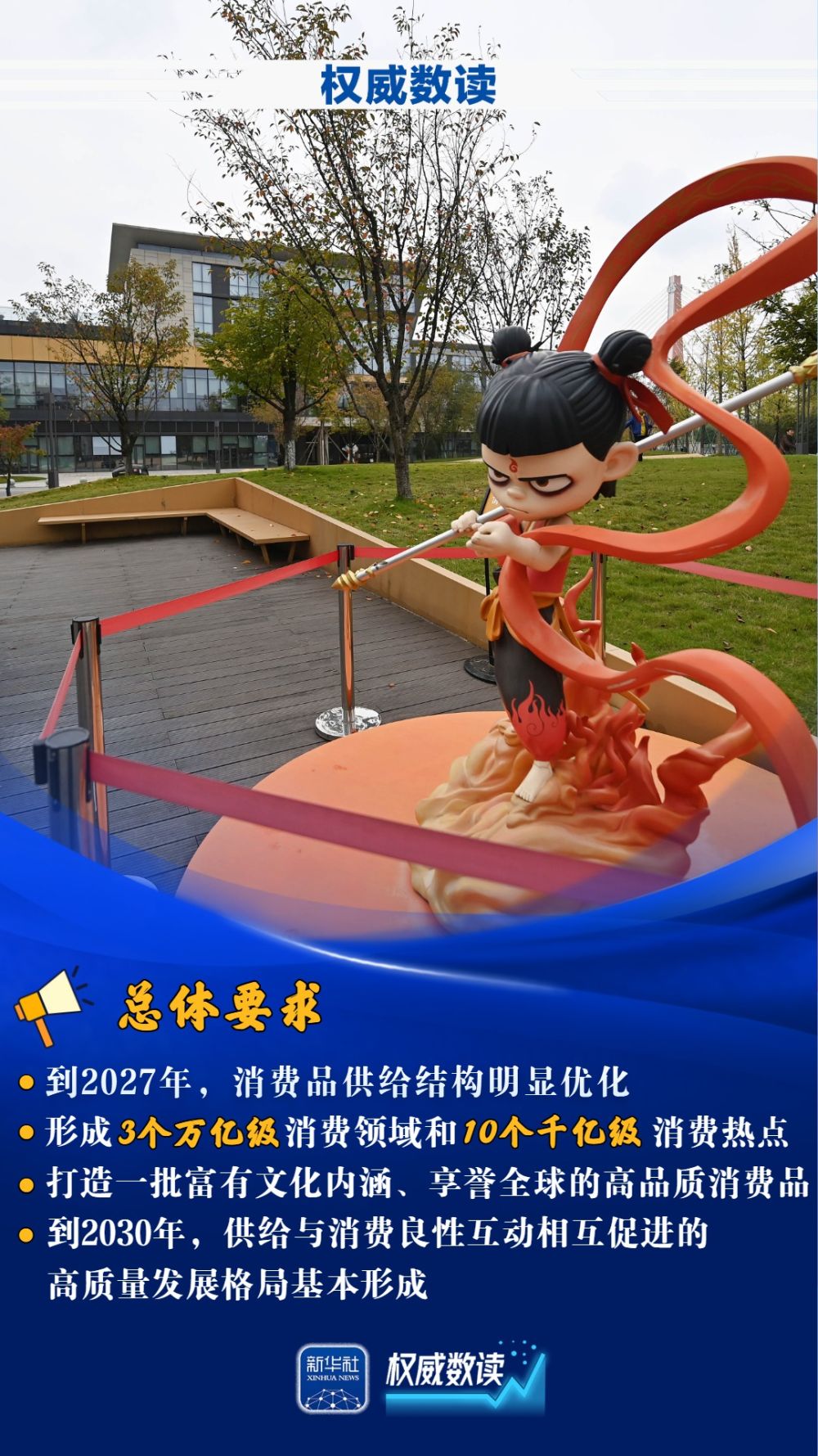
权威数读|促消费再放“大招”:到2027年形成3个万亿级消费领域、10个千亿级消费热点
Xin Hua She· 2025-11-27 12:59
Core Viewpoint - The Ministry of Industry and Information Technology, along with five other departments, has issued an implementation plan aimed at enhancing the adaptability of supply and demand for consumer goods, with a focus on achieving development goals over the next five years [1]. Group 1: Development Goals - By 2030, a high-quality development pattern characterized by positive interaction between supply and consumption is expected to be fundamentally established [3]. Group 2: Key Initiatives - A series of initiatives will be launched, including the creation of high-quality consumer goods with cultural significance that are recognized globally [3]. - The plan includes the promotion of innovative applications of new technologies and models, such as flexible manufacturing and user participation in design [9]. - There will be a focus on expanding the supply of distinctive and new products, including green products, rural consumer goods, leisure and sports products, and health-related innovations [13]. Group 3: Targeted Consumer Segments - The initiative aims to enrich the supply of products for infants and children, enhance the quality of student supplies, and develop products like electronic ink notebooks and AI-based study aids [16]. - There will be an emphasis on optimizing products for the elderly, ensuring that product design meets their specific needs [16]. Group 4: New Consumption Scenarios and Business Models - The plan encourages the development of new consumption scenarios and business models, including the promotion of domestic brands going global and the orderly development of live e-commerce and instant retail [17]. - It also aims to establish a quality certification system for shared consumption products and services [19].

权威数读丨促消费再放“大招”:到2027年形成3个万亿级消费领域、10个千亿级消费热点
Xin Hua Wang· 2025-11-27 12:00
Group 1 - The core viewpoint of the article is the implementation plan issued by six departments, including the Ministry of Industry and Information Technology, aimed at enhancing the adaptability of supply and demand for consumer goods and promoting consumption over the next five years [1][3]. - The plan sets a development goal to establish a high-quality development pattern by 2030, where supply and consumption interact positively [3]. Group 2 - The initiative includes accelerating the innovation and application of new technologies and models, such as promoting user participation in design and fostering flexible manufacturing factories [9]. - It encourages the development of artificial intelligence applications across the entire consumer goods industry, including household service robots and AI smartphones [9]. - The plan aims to expand the supply of distinctive and new products, promote the iteration of green products, and enhance the quality of rural consumer goods [10][13]. Group 3 - The strategy emphasizes the development of leisure and sports products, innovation in health products, and the expansion of the influence of historical classic products [13]. - It also focuses on enriching the supply of baby and children's products, ensuring the safety of children's and student supplies, and accelerating the development of electronic products like e-ink notebooks [16]. - The plan aims to cultivate new consumption scenarios and business formats, promoting the debut and showcase of consumer goods, as well as the orderly development of live e-commerce and instant retail [17].
【新华解读】我国前10月外贸彰显韧性 国潮“出海”成增长新动能
Xin Hua Cai Jing· 2025-11-07 09:44
Core Insights - China's foreign trade demonstrates strong resilience amid a complex external environment, with a total import and export value of 37.31 trillion yuan, reflecting a year-on-year growth of 3.6% in the first ten months of the year [2] - The export structure is diversifying, with exports reaching 22.12 trillion yuan, a growth of 6.2%, while imports remained stable at 15.19 trillion yuan [2] - The trend of cultural products "going global" is accelerating, indicating a shift in China's export competitiveness from "cost and scale advantages" to "cultural value and brand premium" [1][4] Trade Performance - In October, the total value of goods trade was 3.7 trillion yuan, with exports at 2.17 trillion yuan and imports at 1.53 trillion yuan [2] - The foreign trade maintained growth for nine consecutive months, showcasing significant resilience despite external shocks [2] - Factors affecting the short-term fluctuation in October's export growth include a high base from the previous year, the timing of the Mid-Autumn Festival, and the impact of high tariffs from the U.S. [2] Market Diversification - Chinese enterprises are successfully reducing reliance on traditional markets, with major markets identified as the Middle East, EU, ASEAN, and Latin America [3] - Nearly 70% of surveyed enterprises reported that their order amounts are stable or growing compared to the previous year, indicating a positive outlook for future exports [3] Cultural Products and Health Consumption - The global market for health consumption is valued at over 10 billion USD and is experiencing rapid growth, with traditional health products gaining popularity overseas [5] - The rise of new Chinese-style clothing, such as the Ma Mian skirt, reflects a growing international recognition of Chinese cultural aesthetics [5] - The export of cultural products is evolving from mere product output to cultural output, enhancing brand value and expanding new growth avenues for foreign trade [6]
国潮出海:从华人乡愁到全球爆款,中国零食正在攻占世界货架
Tai Mei Ti A P P· 2025-10-20 06:18
Core Insights - The article discusses the rising trend of Chinese snack brands expanding into international markets, driven by intense domestic competition and the need for growth opportunities [2][3]. Group 1: Market Trends - Chinese snacks have become popular not only among overseas Chinese but also among local young consumers in foreign markets [1]. - Social media influencers are showcasing Chinese snacks like spicy strips and sunflower seeds, indicating a growing acceptance and demand in regions like Southeast Asia [2]. - Domestic brands are facing challenges due to increased competition from low-cost retailers, prompting them to seek growth abroad [2]. Group 2: Financial Performance - In the first half of the year, Qiaqia Foods reported a 6.4% decline in domestic revenue, while overseas revenue grew by 13.18% [2]. - Weidong's overseas revenue surged by 54.4%, significantly outpacing its domestic growth of around 20% [2]. - Yanjinpuzi's overseas business saw an astonishing growth of 67,800% due to a low base effect [2]. Group 3: Historical Context - The trend of Chinese snacks going international began in the early 2000s, with Qiaqia Foods being one of the pioneers [4]. - Initial international efforts were primarily focused on Chinese communities abroad, limiting brand reach [4]. - A shift occurred in 2015 when Qiaqia began to focus on brand storytelling and international trademark registration [4]. Group 4: Market Strategies - Qiaqia emphasizes offline channels, targeting high-traffic convenience stores like 7-Eleven in Thailand, which holds a 70% market share in the local convenience store sector [6]. - Three squirrels adopted an online strategy, launching flagship stores on platforms like Lazada and Amazon, and utilizing social media for brand promotion [7]. - Post-2018, brands have shown increased initiative and sophistication in their international strategies, reflecting a better alignment with market positioning [7]. Group 5: Competitive Landscape - Despite the growth, Chinese snack brands still face significant competition from established Western and Japanese brands in international markets [8]. - Unique Chinese snacks like spicy strips and quail eggs are being positioned as niche products to carve out market space [8][9]. Group 6: Localization and Compliance - Successful international brands like Weidong have adapted their products to local tastes, such as offering milder flavors in Italy and incorporating local ingredients in Southeast Asia [10]. - Compliance with local food regulations is critical, as different countries have varying standards that can impact product viability [11][12]. - The need for halal certification in Indonesia and strict labeling requirements in Western markets highlight the complexities of international expansion [12]. Group 7: Long-term Strategies - Companies are moving from merely exporting products to establishing local production facilities, which helps reduce logistics costs and respond to local demand [14][15]. - Qiaqia has invested significantly in overseas production, with its first factory in Thailand contributing to a notable increase in overseas revenue [15]. - The long-term goal is to integrate into global supply chains, enhancing brand recognition and acceptance similar to established brands like Oreo [15].

海关总署介绍“国潮”出海:前三季度我国出口节日用品、玩偶、动物造型玩具超500亿元
Sou Hu Cai Jing· 2025-10-13 05:11
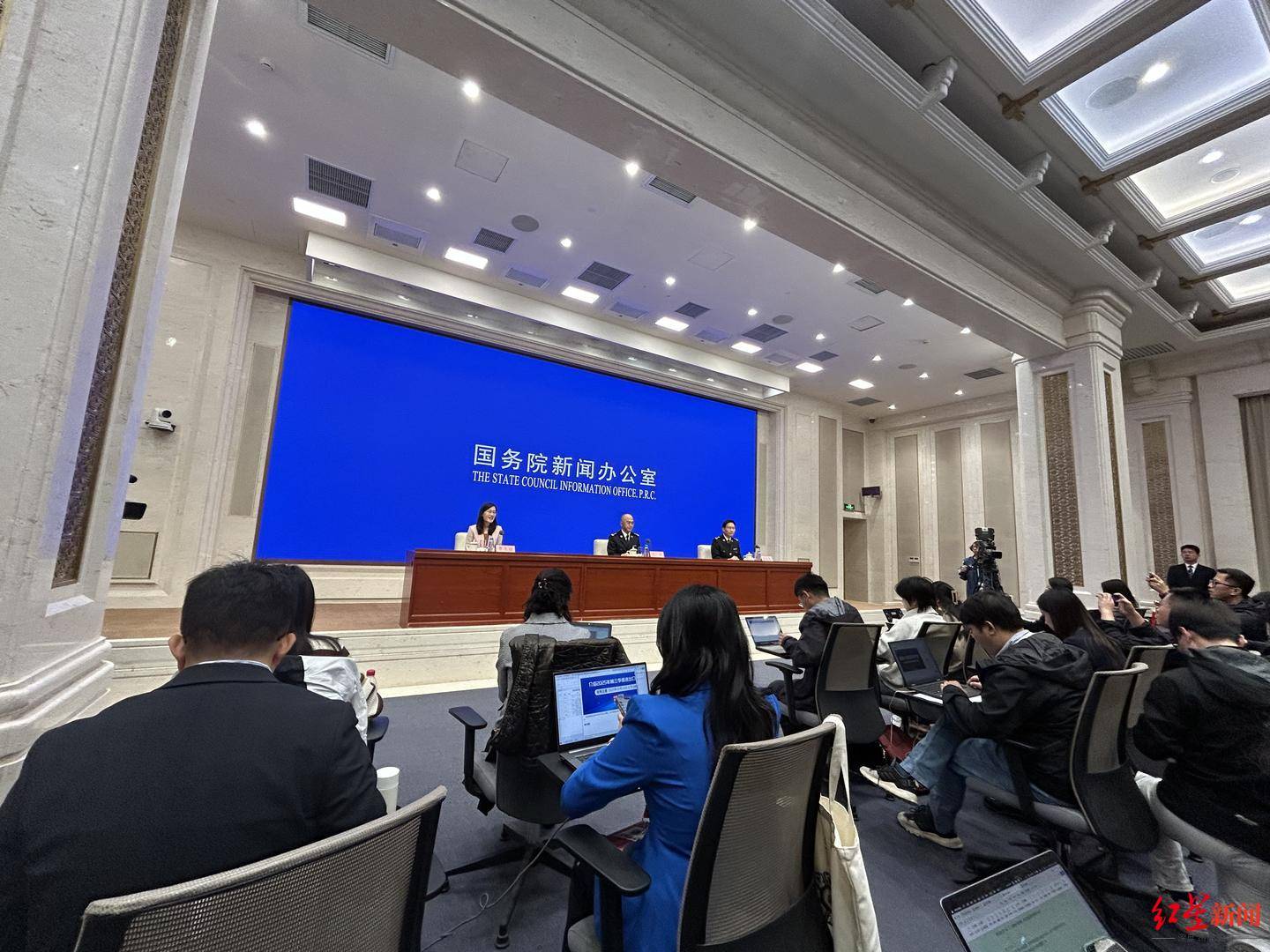
Core Insights - The press conference highlighted the significant growth of Chinese "national trend" products in global markets, showcasing their appeal to overseas consumers [1][3] - In the first three quarters, China's exports of holiday goods, dolls, and animal-shaped toys exceeded 50 billion yuan, reaching over 200 countries and regions [3] Group 1: Export Performance - Exports of holiday goods, dolls, and animal-shaped toys surpassed 50 billion yuan in the first three quarters [3] - These products are recognized as "national trend" items, reflecting the influence of Chinese traditional culture and the creativity of foreign trade enterprises [3] Group 2: Innovation and Technology - Chinese toy companies have leveraged 3D printing technology to reduce the new product development cycle from 15 days to 3 days, enhancing their competitive edge [3] - The integration of cultural connotations and brand value in products like blind box figurines and model toys represents the strength of Chinese original IP [3] Group 3: Future Initiatives - The government plans to enhance intellectual property customs protection, support enterprise innovation, and optimize the cross-border trade business environment [3] - Measures will be implemented to ensure efficient and smooth delivery of popular products to global consumers [3]
成都首家市内免税店明日开业!国际大牌与国潮尖货齐亮相
Sou Hu Cai Jing· 2025-09-24 14:14
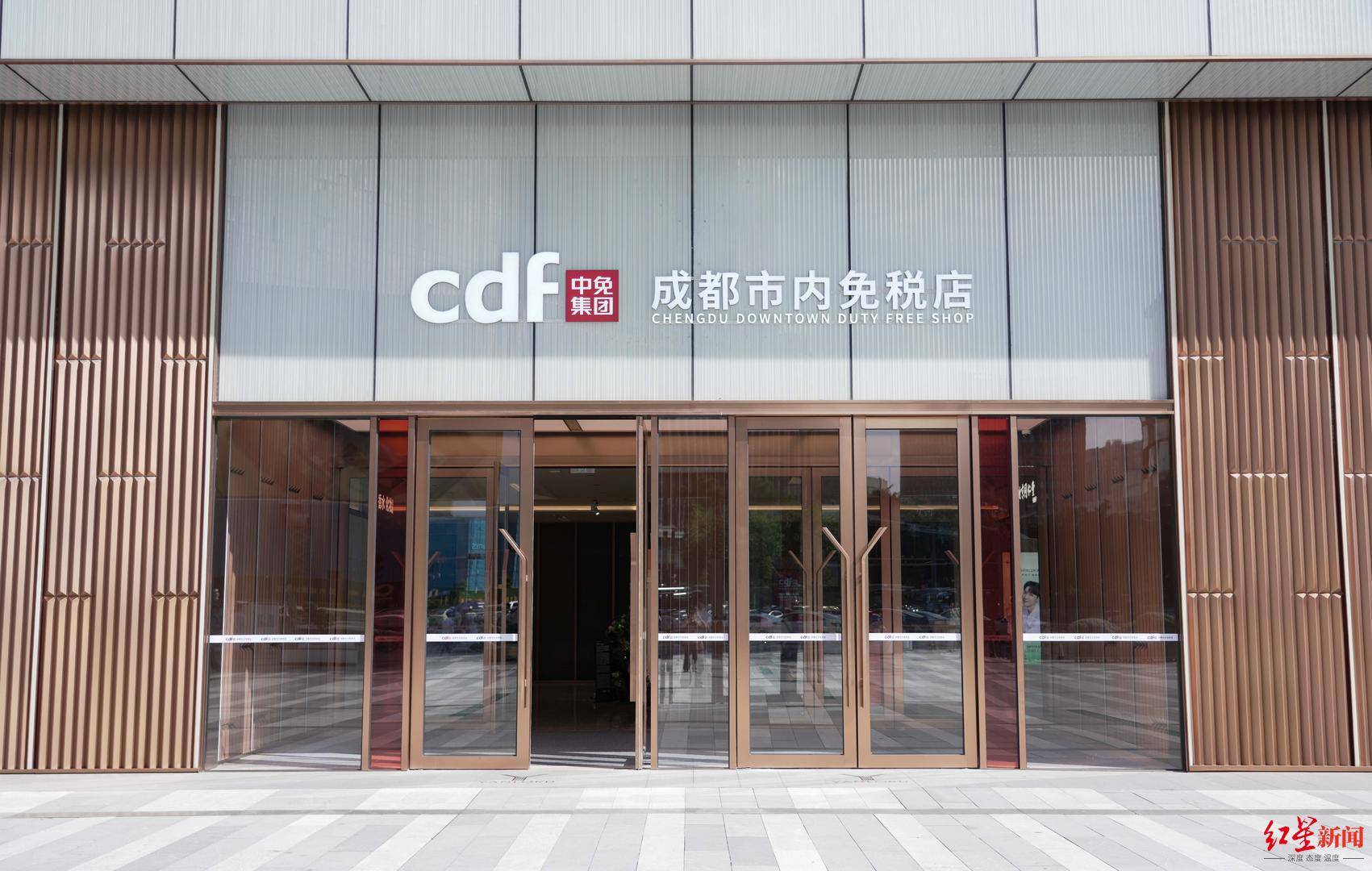
Core Viewpoint - Chengdu's first city duty-free store is set to open on September 25, showcasing a blend of global selections and domestic products, with a focus on Sichuan characteristics and national brands [1][8]. Group 1: Store Overview - The duty-free store is located in the Renheng Plaza, covering over 3,000 square meters, featuring more than 70 international brands and over 50 quality domestic brands [3][5]. - The product categories include cosmetics, alcoholic beverages, fashion items, watches, jewelry, and travel electronics, with notable brands like Estée Lauder, Lancôme, and Hennessy available [3][5]. Group 2: Pricing and Promotions - The store offers significant price advantages compared to regular retail, with promotional activities during the opening, including no-threshold consumption vouchers and a value package for members worth 666 yuan [5][8]. - Customers must present valid exit-entry documents and have travel plans within 60 days to purchase duty-free items [5][7]. Group 3: Shopping Experience - The store employs a "in-store ordering, airport pickup" model, allowing travelers to collect their purchases at the Chengdu Tianfu International Airport on the day of departure [7]. - A "taxable goods area" is also available for all visitors, allowing for no-threshold purchases and benefiting from departure tax refund policies [8][10]. Group 4: Cultural and Experience Offerings - The store promotes domestic products and cultural heritage, featuring brands like Tongrentang and local themed products, alongside a dedicated area for trendy toys and cultural items [10][12]. - An exclusive Care Bears themed store is introduced, along with a small bar for visitors to experience and taste local beverages, enhancing the shopping experience beyond mere transactions [12].
殷长波出席中金珠宝与中国中免战略合作协议签约仪式
Bei Ke Cai Jing· 2025-09-07 12:16
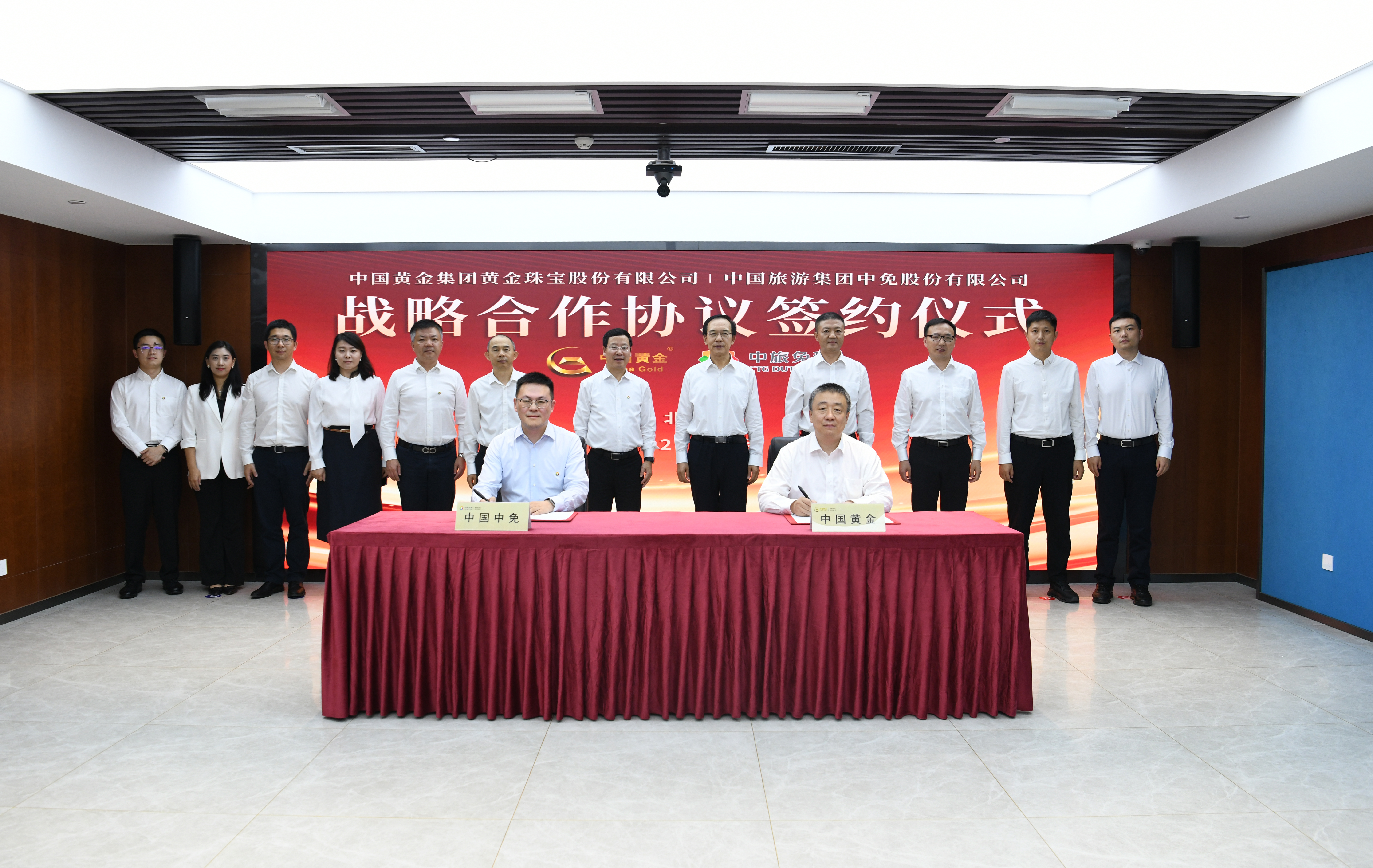
Core Viewpoint - China Gold Group Jewelry Co., Ltd. (referred to as "China Gold Jewelry") and China Tourism Group Duty Free Co., Ltd. (referred to as "China Duty Free") signed a strategic cooperation agreement, marking a significant step towards internationalizing national brands and enhancing collaboration between state-owned enterprises [1][5][11]. Group 1: Strategic Cooperation - The cooperation is seen as an important strategic deployment for China Gold Group to promote the internationalization of its brand, with China Gold Jewelry focusing on cultural empowerment, green development, digital operation, and international layout [5][7]. - Both companies aim to leverage their respective strengths to create a new growth curve, enhancing the cultural weight of "China Gold" in the retail ecosystem of China Duty Free [7][11]. Group 2: Operational Synergy - China Gold Jewelry will establish a regular communication mechanism with China Duty Free to facilitate the global distribution of gold products through duty-free channels, aiming for a synergistic effect that exceeds the sum of their parts [7][11]. - The partnership will focus on dual-driven cooperation, integrating consumer insights with product strength and retail capabilities to better meet consumer demands for gold jewelry [7][11]. Group 3: Future Goals - The collaboration is expected to serve as a model for state-owned enterprise cooperation and to illuminate the global market with the brand's presence [7][11]. - Both parties are committed to expanding global development paths and achieving breakthroughs for Chinese brands in international markets, aiming to establish a "golden paradigm" for Chinese brands in the global consumer market [11].


中国中免(601888):Q2降幅收窄,期待经营回暖
Ping An Securities· 2025-09-01 07:35
Investment Rating - The report maintains a "Recommended" investment rating for the company, indicating an expectation of stock performance exceeding market performance by 10% to 20% over the next six months [9]. Core Views - The company is expected to see a recovery in operations as the decline in revenue narrows, with a focus on improving consumer demand and enhancing service quality [6][7]. - The company reported a revenue of 281.51 billion RMB for the first half of 2025, reflecting a year-over-year decline of 9.96%, with a net profit of 26.00 billion RMB, down 20.81% [3][6]. - The company is actively expanding its market presence, with plans to open new stores and enhance its brand portfolio, particularly in the Hainan region [7]. Summary by Sections Financial Performance - In the first half of 2025, the company achieved a revenue of 281.51 billion RMB, with a net profit of 26.00 billion RMB, and a basic EPS of 1.26 RMB [3][6]. - The second quarter revenue decreased by 8.45% to 114.05 billion RMB, with a net profit decline of 32.21% to 6.62 billion RMB [3][6]. Market Dynamics - The Hainan duty-free market is showing signs of stabilization, with a reduction in the decline of sales and an increase in per capita shopping amounts [6][7]. - The company has strengthened its market position in Hainan, with a market share increase of nearly 1 percentage point year-over-year [7]. Strategic Initiatives - The company is focusing on integrating cultural and tourism experiences with its retail offerings, introducing new brands and enhancing customer engagement through various marketing initiatives [7]. - The company has successfully expanded its operations to international markets, including new stores in Hong Kong and Vietnam, and is promoting domestic brands abroad [7]. Future Projections - The revenue forecasts for 2025 to 2027 have been adjusted to 47 billion RMB, 56 billion RMB, and 61 billion RMB respectively, reflecting a cautious outlook based on current market conditions [7].